
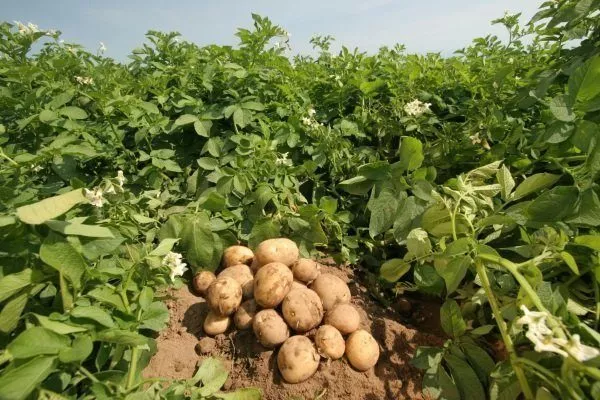
It's impossible to definitively determine the best potato variety: each type has its own distinctive characteristics. For example, some varieties are distinguished by their quick ripening time, others produce a better yield, and still others can be stored longer than others. When choosing a potato variety for planting, it's important to focus on the primary criterion that is most important to the farmer.
The main rules and recommendations for choosing a variety for planting
When choosing a vegetable variety for planting, you should pay attention to various criteria. These include the following:
- Freshness of planting materialRoot crop varieties tend to degenerate, so none of them maintain high yields over many years. Typically, varieties degenerate within 10-15 years.
- Geographic locationWhen choosing a potato variety for planting, it's important to consider the geographic region. Some varieties produce good yields in southern Russia, but grow poorly in central and northern Russia; others, on the contrary, tolerate low temperatures and are completely unsuited to hot climates.
- Susceptibility to pest and disease attacks, typical of nightshade crops. Each region has its own specific pests and diseases that affect nightshade crops. Therefore, when choosing a variety, it's important to choose one that is resistant to specific pests and diseases.
- OriginNowadays, not only domestic but also foreign potato varieties are being planted. Some people dislike the unusual taste of foreign potato varieties, so this factor should also be taken into account.
- ✓ Check the tubers for mechanical damage and signs of disease.
- ✓ Ensure that the sprouts are at least 1 cm long to speed up germination.
- ✓ Pay attention to the size of the tubers: the optimal weight for planting is 50-80 g.
The taste and cooking properties of the vegetable are also important. Based on this criterion, the following types of varieties are distinguished:
- Type A. Potatoes don't overcook. Suitable for soups and salads.
- Type B. The tubers cook slowly and crack slightly. This type of potato is used for soups and stir-fries, as well as for chips.
- Type C. Potatoes of this type tend to overcook. The tubers are used for boiling, deep-frying, and mashing.
- Type D: These varieties are only suitable for mashed potatoes and casseroles.
Having decided on the optimal set of characteristics, you can select the desired potato variety from among their diversity.
Optimal potato varieties for specific regions of Russia
When choosing the best vegetable variety for planting, you need to consider the characteristics of the region in which it will grow.
Northern region
| Name | Ripening period (days) | Yield (centners/ha) | Disease resistance |
|---|---|---|---|
| Nevsky | 80-90 | 350 | Resistant to most diseases |
| Aurora | 80-90 | 350 | Resistant to most diseases |
| Gloria | 80-90 | 415 | Resistant to nematodes and potato cancer |
Finding the right potato variety for the northern region (Murmansk and Arkhangelsk Oblasts, the Komi and Karelia Republics) is challenging, but not impossible. The following varieties are capable of producing large quantities of tubers in this harsh climate:
- NevskyThis potato variety is mid-early. It is frost-resistant, stores well, and produces large vegetables. A typical tuber weighs 100 g. Ripening occurs in 80-90 days.
- Aurora. This variety is characterized by a medium maturity. It produces a good yield: approximately 350 centners of potatoes are harvested per hectare. Each tuber weighs between 95 and 130 g. Aurora potatoes have excellent flavor, are well-storable, and are resistant to most diseases affecting nightshades.
- Gloria. This is an early-maturing variety. The tubers are medium-sized, weighing between 80 and 130 grams each. Up to 415 centners of vegetables can be harvested from one hectare. Gloria is resistant to nematodes and potato wart.
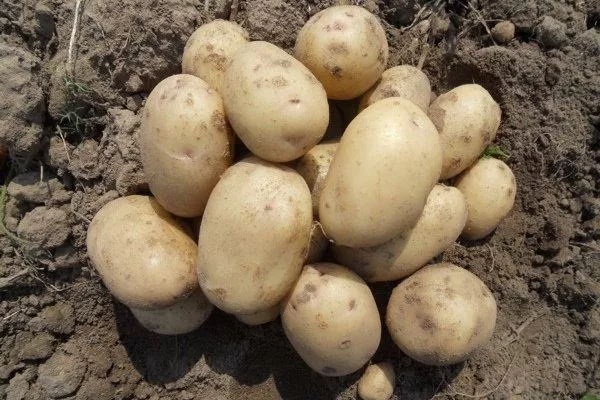
Potato variety Nevsky
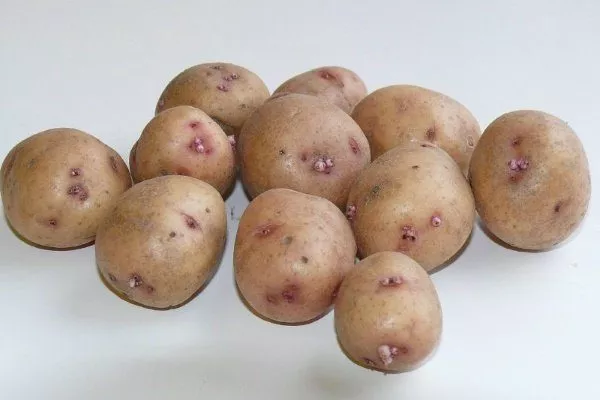
Potato variety Aurora
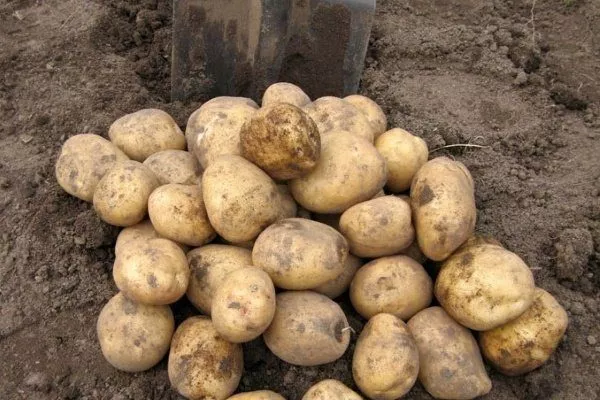
Potato variety Gloria
Central Russia
| Name | Ripening period (days) | Yield (centners/ha) | Disease resistance |
|---|---|---|---|
| Bellarosa | 50-60 | 350 | Resistant to golden nematode and cancer |
| Favorite | 70-90 | 300 | Resistant to late blight and various viruses |
| Lightning | 120-140 | 350 | Resistant to nematode, cancer, scab |
For planting within the central zone of Russia, that is, the Central European part of the country, where a moderate continental climate prevails and there is excess humidity, the following varieties are best suited:
- BellarosaThe tubers are ready for harvesting in 50-60 days. Each tuber weighs between 120 and 210 g. The plant is resistant to golden nematode and canker, and is undemanding of soil conditions: it can be grown in any soil except clay. Bellarosa tolerates drought well and stores well.
- Favorite. This variety is a mid-season potato. It matures in 70-90 days. Each tuber weighs 90-125 g. This variety tolerates low spring temperatures well and produces a bountiful harvest. It is resistant to late blight and various viruses.
- Zarnitsa. This potato variety is late-ripening. The tubers mature in 120-140 days. Each tuber weighs 160 g. This variety is drought-resistant and undemanding of soil type. Zarnitsa is resistant to nematodes, canker, and scab.
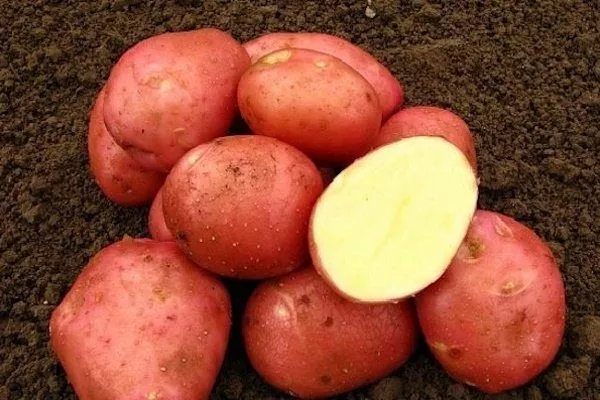
Potato variety Bellarosa
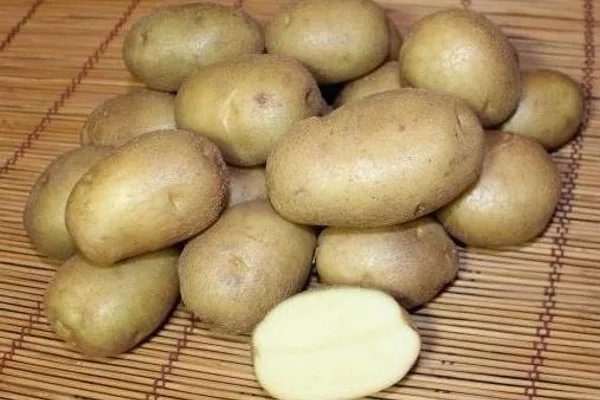
Potato variety Lyubimets
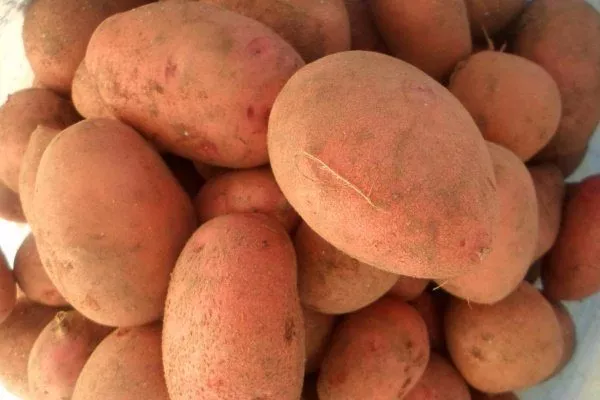
Potato variety Zarnitsa
Moscow region
| Name | Ripening period (days) | Yield (centners/ha) | Disease resistance |
|---|---|---|---|
| Spring | 70-80 | 350 | Not susceptible to spotted rot and late blight |
| Vineta | 75 | 300 | Drought-resistant |
| Luck | 75 | 350 | Resistant to most diseases |
For the Moscow region, the optimal potato varieties for open-air cultivation are early and mid-early varieties, as the climate in this region does not allow for a long warm period.
For the Moscow region, it is worth choosing one of the varieties below:
- Spring. This variety belongs to the early, high-yielding group. The tubers store well and are resistant to spotted rot and late blight. The potatoes have a rich flavor and can be used to prepare any dish.
- VinetaAn early-ripening, drought-resistant potato variety. Tubers mature in 75 days. A single plant produces 10-12 potatoes, each weighing 75-85 g.
- LuckThis is also an early-ripening variety, ideal for the Moscow region's climate. Potato tubers mature in approximately 75 days. One nest produces an average of 15 potatoes. This vegetable has excellent flavor, stores well and is easy to care for.
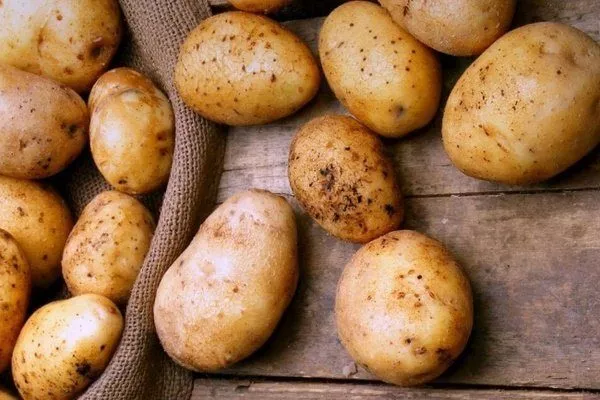
Potato variety Vesna
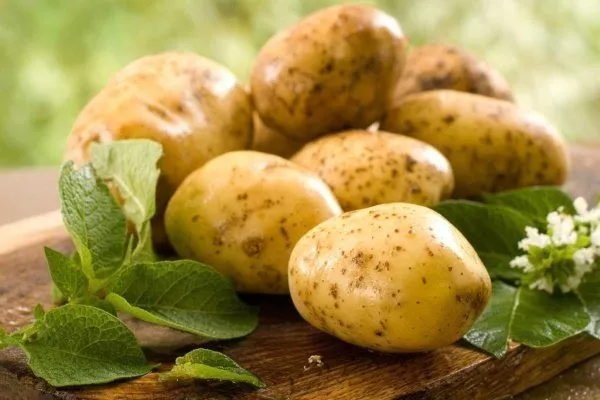
Potato variety Vineta
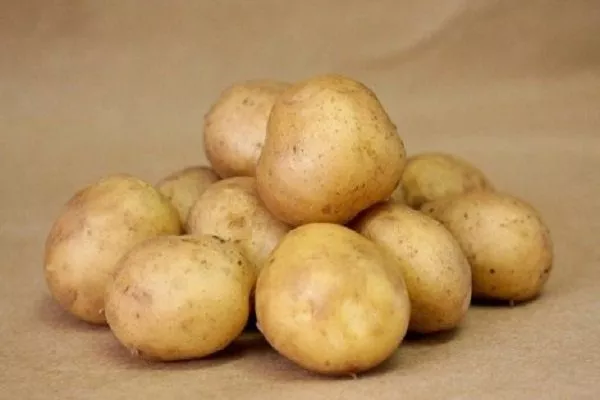
Potato variety Udacha
Ural
| Name | Ripening period (days) | Yield (centners/ha) | Disease resistance |
|---|---|---|---|
| Agnes | 81-87 | 300 | Increased susceptibility to disease |
| Lyubava | 70 | 350 | Susceptible to nematodes and cancer |
| Nikulinsky | 120-125 | 350 | Immunity to many diseases |
The Ural region is known for its harsh climate. Only 30 potato varieties can grow in these areas, most of which are early-ripening. Late-ripening vegetables don't have time to ripen in the harsh climate.
The following varieties are suitable for the Urals:
- Agnes. The ripening period is 81-87 days. Each tuber weighs 105 to 155 g. This variety is characterized by increased susceptibility to diseases that can damage the crop.
- Lyubava. This potato belongs to the early maturing varieties. It is resistant to many potato diseases, but is susceptible to nematodes and cancer. Ripening periods are no more than 70 days. The Lyubava variety produces large tubers, each weighing between 130 and 200 g. It has a long shelf life and does not sprout.
- Nikulinsky. This mid-season potato matures in 120-125 days. Each tuber weighs 80 to 125 g. This variety is characterized by consistent yields and immunity to many diseases.
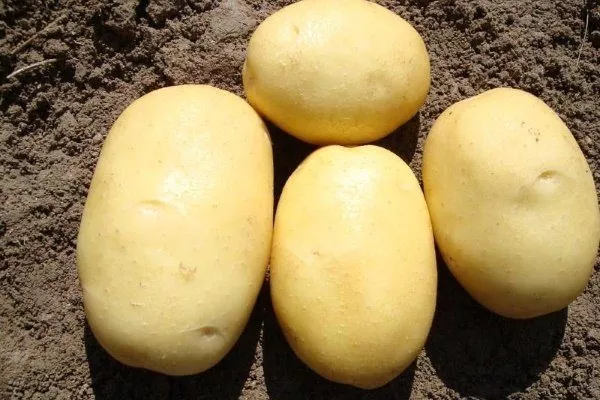
Potato variety Agnes
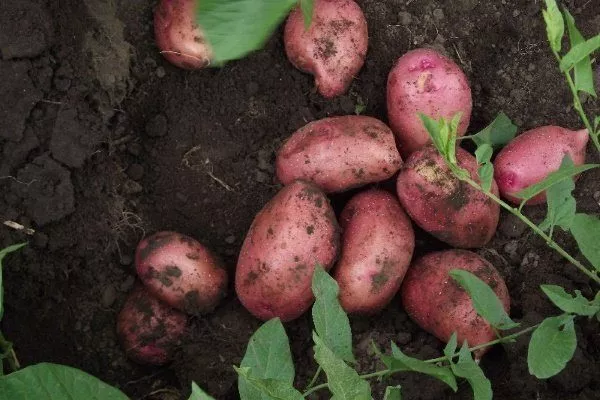
Potato variety Lyubava
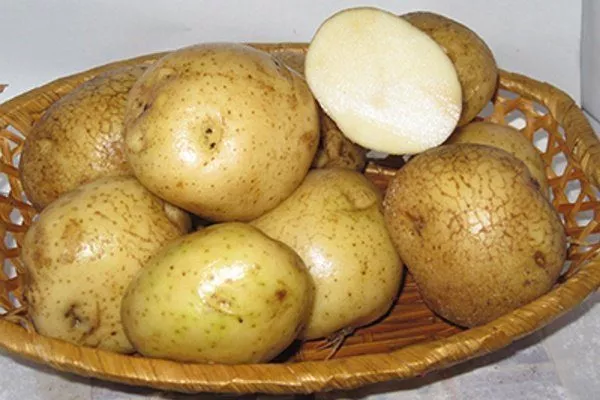
Potato variety Nikulinsky
Siberia
Siberia, with its harsh climate, requires special potato varieties. Early, mid-early, and mid-season varieties are predominantly planted here.
The Malamur potato variety is most commonly grown in Siberia, being the best of the mid-early varieties. The crop matures in 77-87 days. Each tuber weighs 125-145 g. This variety is particularly susceptible to the golden nematode.
Cold-resistant potato varieties are listed in this article.
The best varieties for yield
| Name | Ripening period (days) | Yield (centners/ha) | Disease resistance |
|---|---|---|---|
| Giant | 90-100 | 600 | Resistant to cancer, late blight, and leaf curl |
| Arizona | 90-100 | 570 | Resistant to nematode and cancer |
| Artemis | 70-80 | 350 | Resistant to most common diseases |
| Bryansk novelty | 90-100 | 536 | Resistant to many nightshade diseases |
| Bernina | 90-100 | 704 | Resistant to most diseases |
According to the yield criterion, the best potato varieties are the following:
- Velikan. This is a mid-season variety. Each tuber weighs 140 g. The maximum yield of Velikan potatoes that can be harvested from one hectare is 600 centners. The tubers have excellent flavor, store well, and are resistant to cancer. late blight, curling of leaves.
- Arizona. This variety of potato has a medium ripening time. The maximum yield is up to 570 centners per hectare. Each tuber weighs 145 grams. This variety is resistant to nematodes and canker.
- Artemis. This early-ripening variety is resistant to most common diseases. If planted in southern regions, two harvests are possible in one season. Yields per hectare are up to 350 centners. Tuber weight is 110-120 g.
- Bryansk Novelty. This mid-season potato variety is resistant to many nightshade diseases. The maximum yield is 536 centners per hectare, with an average yield of around 300 centners. The mature tuber weighs between 66 and 122 g.
- Bernina. This is the most productive variety. The maximum potato yield is 704 centners per hectare.
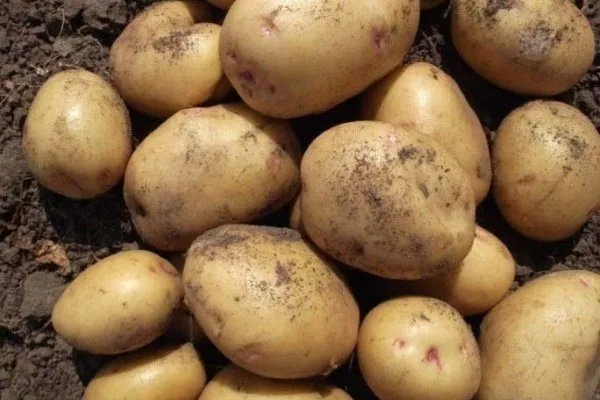
Potato variety "Giant"
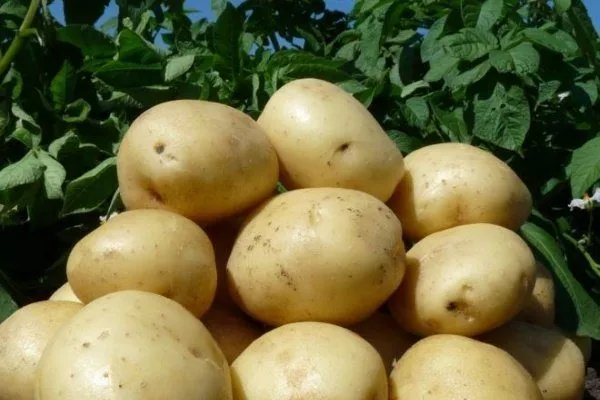
Potato variety "Arizona"
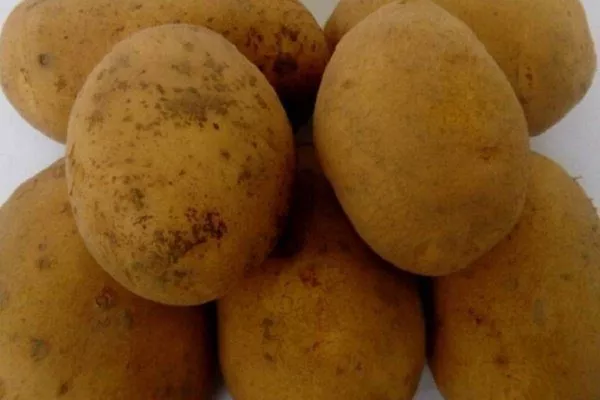
Potato variety "Artemis"
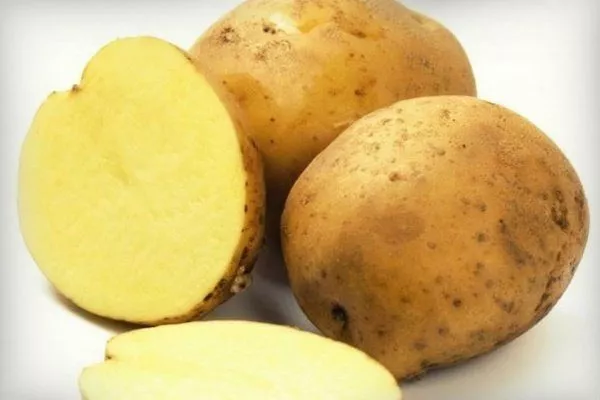
Potato variety "Bryansk Novinka"
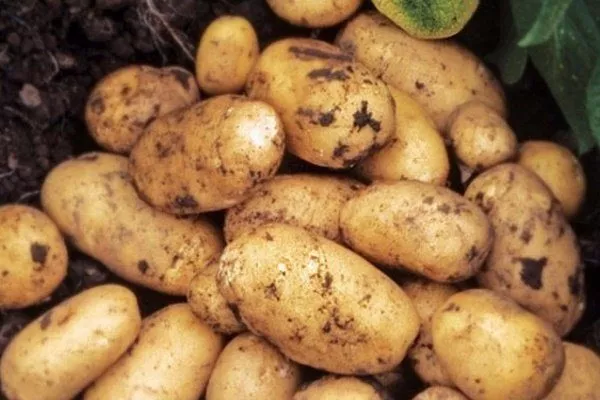
Potato variety "Bernina"
By choosing one of the described potato varieties, you can count on a generous harvest in the fall.
The most productive vegetable varieties for central Russia are discussed in this video:
The best varieties in terms of resistance to pests and diseases
There are varieties characterized by resistance to various pests and diseases:
- Compared to other varieties, Udacha, Belosnezhka, Korona, Lady Rosetta, Romano, and Estima are less susceptible to late blight, which occurs under the influence of fungal microorganisms.
- The following varieties show resistance to potato cancer: Zhukovsky early, Fresco, Bryansk early, Pushkinets, Belorussky 3, Ilyinsky, Aspia.
- Potato varieties such as Temp, Bryanskaya Novinka, Belosnezhka, Zarevo, Korona, Herta, and Bronnitsky are resistant to common scab.
- The varieties Prigozhy 2 and Dorisa are resistant to potato nematode. Santa, Agria.
- Prior, Andra, Svatova, Libana, and Chernatitsa are resistant to viruses.
When selecting a disease-resistant potato variety, you should pay attention to the type of soil it can grow in.
The best varieties by ripening time
Depending on the ripening period, the following potato varieties are distinguished:
- early maturing (harvest is obtained in 70-80 days);
- mid-early (potatoes are ready for harvesting in 80-90 days);
- mid-season (ripening lasts 90-100 days);
- mid-late (the potato crop is harvested in 100-120 days);
- late-ripening varieties (potatoes are harvested after 120-140 days).
The best early ripening varieties include the following:
- Early Bryansky. Ripens in 60-70 days. This potato variety has excellent flavor and is suitable for baking, frying, and salads. Its shelf life is 93%. Early Bryansky tolerates hot weather well and is resistant to many diseases.
- UladarThis potato variety matures in just 45 days. The tubers are undemanding of soil conditions and have a long shelf life.
- Ariel. This potato variety ripens even before the threat of late blight arises. Tuber maturation takes 45-50 days. Thanks to this record-breaking speed, two to three harvests can be harvested during the summer-fall period.
- Red Sonya. This variety matures in 50-65 days. It can be grown in any soil and climate. Red Sonya is resistant to viruses and nematodes, and exhibits moderate resistance to late blight and common scab.
- Jewel. Ripens in 50-65 days. It tolerates drought well and can produce two harvests per season. Jewel adapts to any soil and climate, is resistant to canker and potato cyst nematodes. It has a mild flavor and is suitable for boiling and frying.
- Gulliver. Ripens in 60-70 days. Resistant to most common diseases, it has excellent flavor. Gulliver potatoes store well.
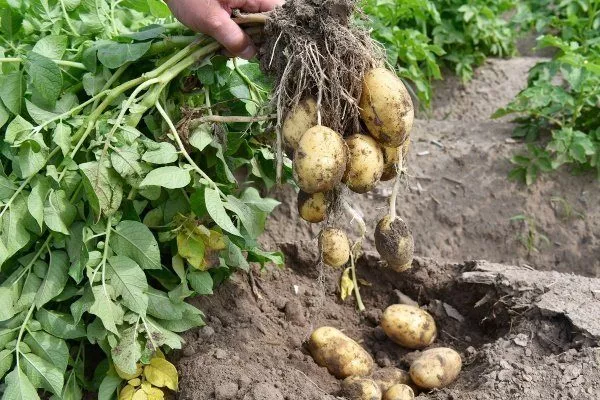
Early Bryansk variety
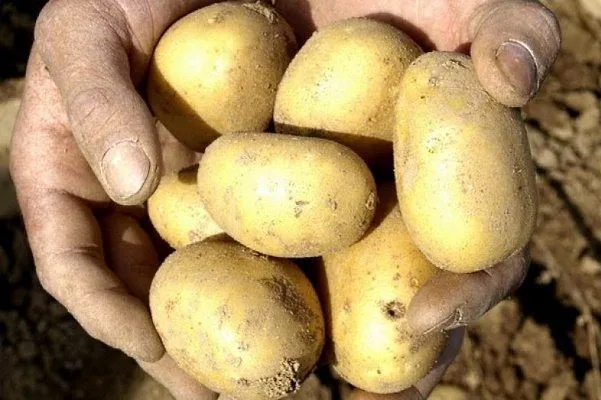
Uladar variety
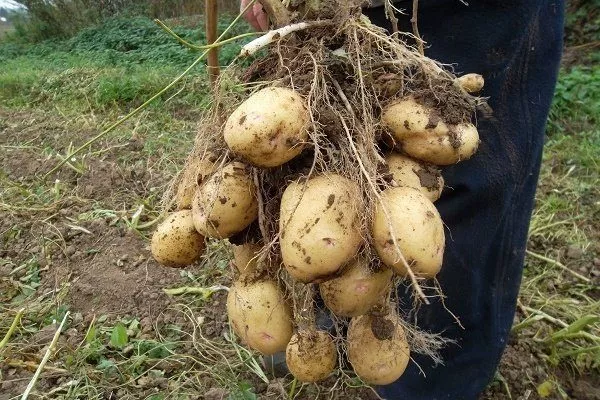
Ariel variety
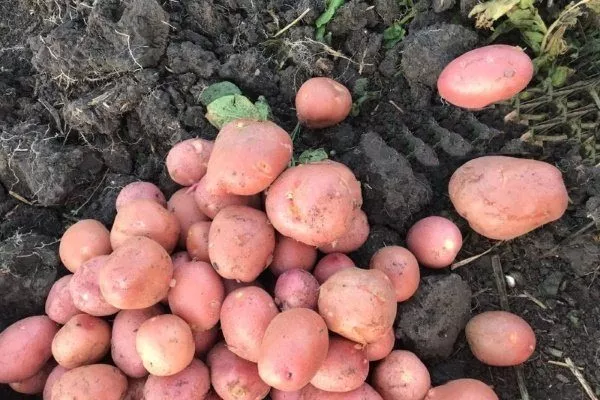
Red Sonya variety
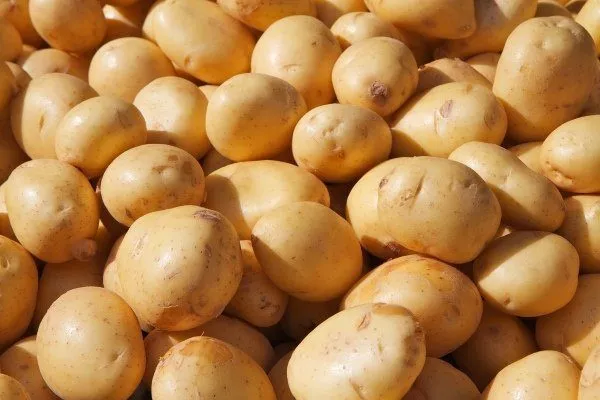
Jewel variety
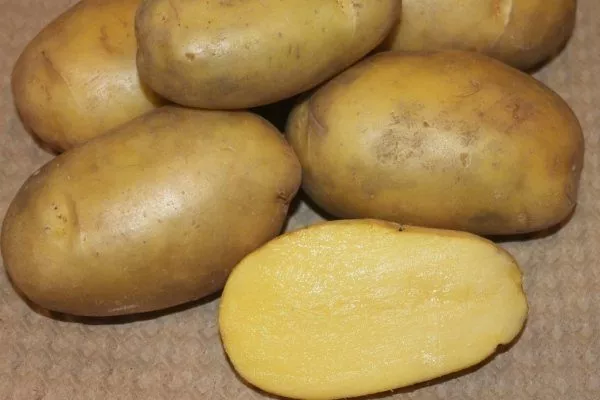
Gulliver variety
Well-known mid-season potato varieties include:
- Queen AnneThe maturity period is 80-85 days. This mid-early variety produces a good yield—up to 457 centners per hectare. Queen Anna potatoes have a good flavor and are characterized by excellent shelf life. The tubers do not spoil during transportation and retain their marketable appearance.
- RomanoThis variety produces a harvest of delicious root vegetables suitable for any dish. Ripening time is 65-80 days. The vegetable has a good flavor and stores and transports well thanks to its thick skin.
- Laura. This is a mid-early red potato variety. It matures in 70-80 days and yields up to 510 centners per hectare. Laura potatoes have a pleasant flavor and are suitable for boiling, frying, salads, and making French fries and chips.
- Azhur. This potato variety is mid-early. The tubers are attractive and oval. Ripening takes 70-85 days, although the first harvest can be as early as 45 days.
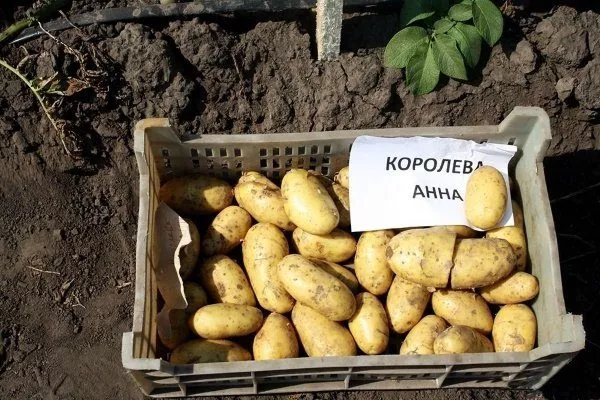
Queen Anne variety
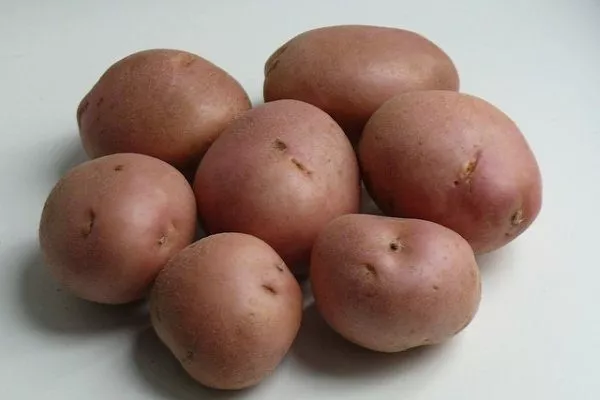
Romano variety
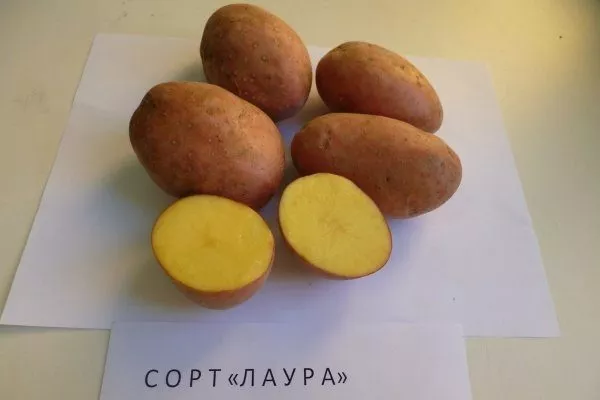
Laura variety
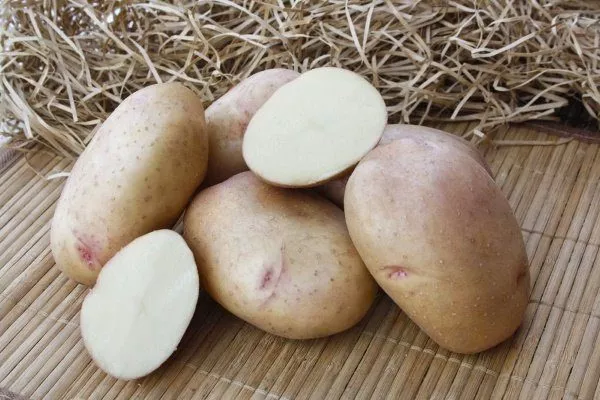
Ajour variety
Late varieties of potatoes that are especially popular are the following:
- MelodyA mid-late variety suitable for any dish. Ripening period is 115-120 days. The variety is resistant to most diseases affecting this crop. Melodiya potatoes store well.
- Ivan-da-Marya. Can be grown in various climate zones. Ripening period is 120 to 150 days. It has a good flavor and is suitable for any dish. During dry seasons, this potato variety requires watering, otherwise the plant will dry out.
- PicassoThis variety is resistant to high temperatures and drought. Maturation takes 110-130 days. In addition to excellent taste, this potato variety is characterized by good yield: 200 to 500 centners of potatoes can be obtained per hectare. Storage quality is 90%.
- Manifest is a mid-late variety. Once ripe, it produces numerous tubers, stores well, and is suitable for any dish. Yields per hectare are up to 737 centners. The ripening period is 90-110 days. Manifest is highly resistant to viral diseases and moderately resistant to common scab and late blight.
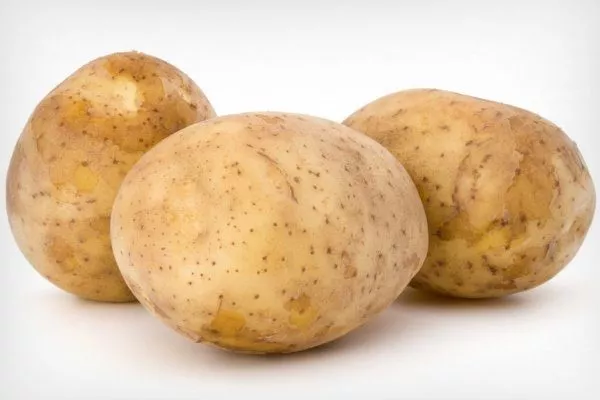
Melody variety
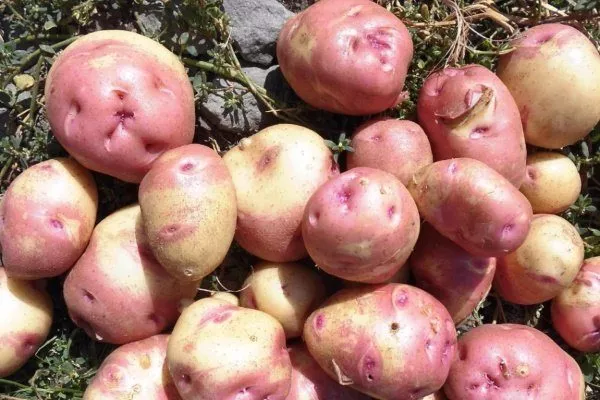
Ivan-da-Marya variety
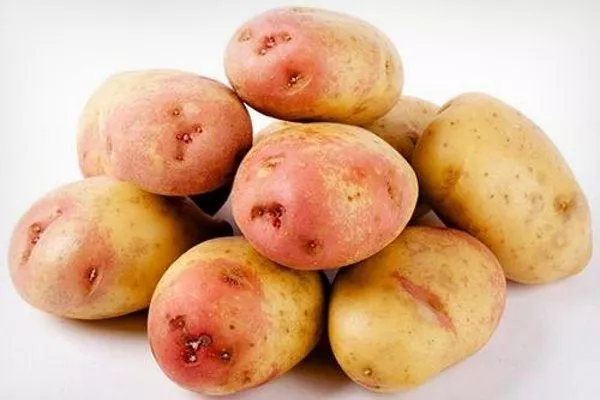
Picasso variety
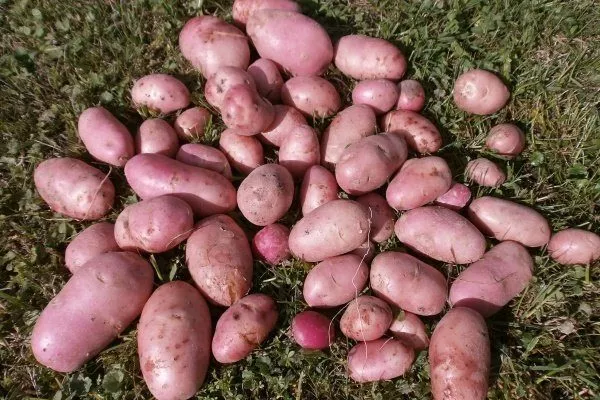
variety Manifest
A wide selection of potato varieties will allow you to choose the optimal one for obtaining a good harvest in the required time.
The best varieties for shelf life
| Name | Ripening period (days) | Yield (centners/ha) | Disease resistance |
|---|---|---|---|
| Crane | 130 | 350 | Resistant to most diseases |
| Vesnyanka | 90-100 | 350 | Resistant to most diseases |
| Asterix | 90-100 | 350 | Resistant to most diseases |
The potential shelf life of the harvest is another valuable criterion when choosing a potato variety, as it is grown in large quantities to ensure a long shelf life – from autumn to spring.
Late-ripening potato varieties are best for storing tubers over the winter. These include:
- CraneThe tubers mature 130 days after planting. Potatoes of this variety have excellent flavor and, when properly stored, can be used to prepare any first or second course. Throughout the winter, Zhuravinka potatoes remain disease-free and rot-resistant.
- Vesnyanka. This potato can be planted in any soil, as it grows and develops even without summer rain. It can easily be stored over the winter.
- Asterix. This mid-late variety is suitable for frying, deep-frying, and making chips. It has a long shelf life, is resistant to mechanical damage, and can be transported over long distances without affecting the appearance of the tubers.
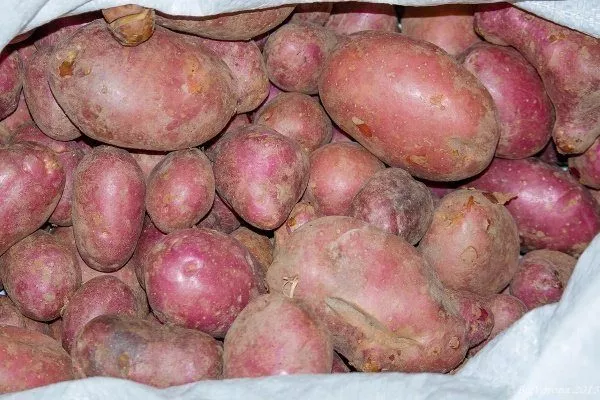
Zhuravinka variety
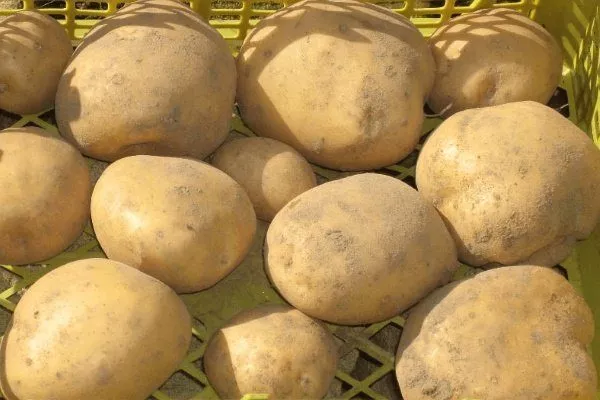
Vesnyanka variety
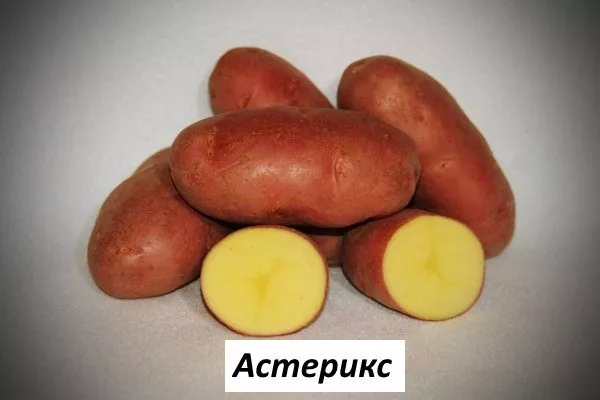
Asterix variety
But choosing the right variety isn't everything. To ensure a long shelf life for potatoes, it's important to prepare a well-ventilated area for the harvest in advance, maintaining a temperature between 5 and 6 degrees Celsius. Under these conditions, potatoes can be stored for up to six months.
- ✓ Maintain the temperature in the storage area within +5 to +6 degrees.
- ✓ Ensure good ventilation to prevent condensation.
- ✓ Use wooden storage boxes to prevent tubers from rotting.
If tubers are stored at temperatures below +5 degrees, the process of converting starch into sugar begins, which impairs the taste and negatively affects the appearance of the potato.
The cellar containing the potato harvest must be kept dry. The tubers should be stored in wooden containers.
Potato varieties are classified according to various criteria. You can choose a variety that is optimal for a particular region in terms of yield, pest resistance, ripening time, and shelf life. Before choosing a specific variety, you need to determine the primary selection criterion and base your selection on that.
I want to thank you for a great topic. This year, we planted potatoes for the first time at our dacha, and I was really interested in learning how to store them.
Thank you so much for the accessible and very important information. The section on disease resistance was especially helpful. It was helpful, thank you!!!