
The Siberian climate is characterized by short summers, late springs, and early autumn frosts. Not all potato varieties can produce a good harvest in such conditions, as they cannot withstand prolonged subzero temperatures. Fortunately, plant breeders have developed cold-resistant varieties that are adapted to the Siberian climate and produce an excellent early harvest.
- ✓ The soil should have a pH of 5.5-6.5 for most potato varieties.
- ✓ Good drainage is essential to prevent water stagnation.
Cold-resistant early-ripening varieties
Early-ripening crops are characterized by a short ripening period. Which of these crops also boast increased frost resistance are listed below.
| Object | Ripening period (days) | Yield (c/ha) | Disease resistance |
|---|---|---|---|
| Alena | 40-60 | 172-392 | Resistant to cancer, scab, rhizoctonia |
| Timo | 60-70 | 240-320 | Cancer resistant |
| Priekulsky early | 40 | 250 | Cancer resistant |
| Lyubava | 65-70 | 288-400 | Drought-resistant |
| Antonina | 65-70 | 210-426 | Resistant to cancer and powdery mildew |
| Baron | 60-70 | 113-371 | Cancer resistant |
| Ural early | 70-75 | 380 | Cancer resistant |
| Fresco | 60-70 | 200-450 | Resistant to changing climatic conditions |
| Impala | 40-60 | 360 | Resistant to nematodes |
| Adretta | 70-105 | 450 | Resistant to low temperatures |
| Improved Ermak | 70-75 | 350-470 | Resistant to late blight of tops and tubers |
Alena
The fruit was developed by domestic breeders at the Siberian Research Institute of Agriculture. It is among the earliest ripening varieties for Siberia—the harvest can be collected as early as 40-60 days after planting (the first shocks can appear as early as 45 days after germination). It is suitable for planting in both Western and Eastern Siberia.
The Alena variety has the following characteristics:
- is distinguished by increased cold resistance and resistance to changeable climates;
- the yield is stable – 172-292 centners per 1 hectare (maximum – 391), and 6-9 potatoes can be harvested from one bush;
- the bushes grow quite spreading, so when planting, a 60x35 cm pattern is maintained;
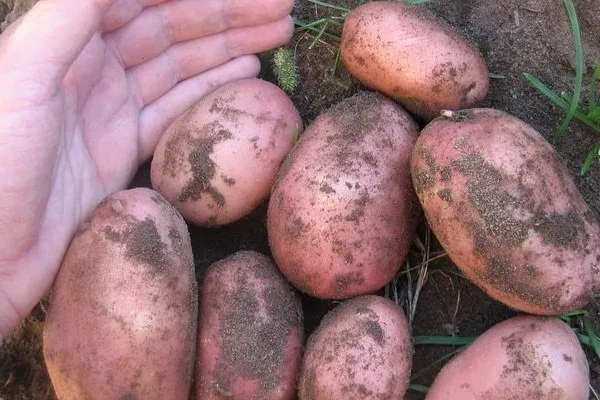
- the tubers are oval, weighing 86-167 g, with red skin, small eyes and soft yellow flesh that does not darken during heat treatment;
- starch content level – 15-17%;
- storage ability (shelf life) – 95%;
- It is not susceptible to cancer, common scab and rhizoctonia, but can be affected by late blight of tubers and tops and nematodes.
Potatoes of this variety are suitable for mechanical harvesting and can therefore be grown on an industrial scale.
Timo
Timo potatoes Introduced by Finnish breeders. It matures in an average of 60-70 days. Early harvesting can yield up to 240 centners per hectare, while late harvesting can yield up to 320 centners. The plant is resistant to canker, but is susceptible to scab and late blight.
The plant produces small, neat, round tubers. They typically weigh 100 g, but can reach 120 g. The potato skin is smooth, light beige, almost yellow, and covered with medium-sized eyes. The flesh, like the skin, is light yellowish, and the starch content is approximately 12-14%.
Priekulsky early
In Siberia, this variety is also known as "Sorokodnevka" (Forty Days) because it produces an extremely early harvest, which can be picked 40 days after planting. Developed by the Latvian Experimental Breeding Station, it produces a good harvest in the East Siberian region. The bushes mature with abundant foliage and quickly fall to the ground. They are covered in a profusion of white flowers.
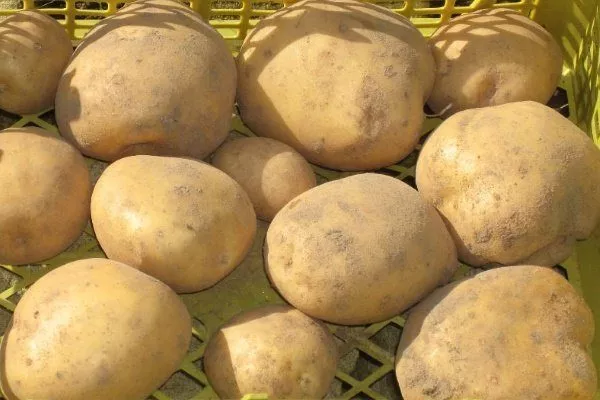
The yield is average: up to 250 centners of harvest can be obtained from 1 square meter of garden bed. The tubers are small, averaging 100-120 g. They are round to round-oval in shape, with white skin and numerous medium-depth eyes. The flesh is also white. Starch content is 10-16%. The variety is resistant to canker, but can be affected by late blight, common scab and viral diseases.
Lyubava
This variety, developed by Kemerovo breeders, produces a stable yield in the climate of all of Siberia – from 288 to 400 centners per hectare. Remarkably, "Lyubava" is even included in the Russian Federation State Register for the West Siberian Region. It can be grown on an industrial scale. It ripens in 65-70 days. The flesh is white and has a starch content of 11-17%. It tolerates drought well.
When choosing this variety, it's important to keep in mind that it's susceptible to the golden nematode. To prevent this parasite from harming potatoes, it's crucial to follow all crop rotation guidelines.
Antonina
This variety was developed by the Siberian Research Institute of Agriculture. On average, one hundred square meters yields 210-300 centners of fruit (one bush produces 6-10 tubers). The maximum yield is 426 centners per hectare.
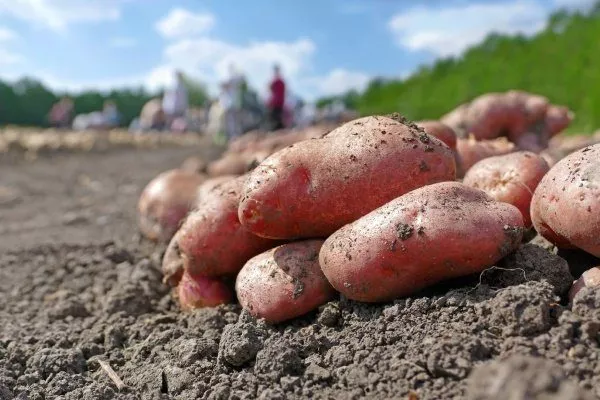
The tubers have yellow, slightly rough skin, dark yellow flesh, and weigh 104-153 g. They have a high starch content—15.9-19.4%. They are excellent for making mashed potatoes. They are often grown in the western regions of Siberia. The plant is resistant to canker and powdery mildew, but is susceptible to nematodes and late blight of the tops and tubers. Gardeners report good shelf life (approximately 95%).
Baron
This variety is from the Ural family. Ripening takes 60-70 days, with the first head appearing as early as 45 days. The average yield is 113-237 centners per hectare, with a maximum yield of 371 centners per hectare. The number of tubers per bush is 6-9. It is ideal for growing in the West Siberian region.
The tubers are oval, weighing approximately 103-109 g, with yellow skin and inconspicuous eyes and light yellow flesh. Starch content is 13.4-14.8%. 'Baron' is resistant to canker, but can be affected by common scab.
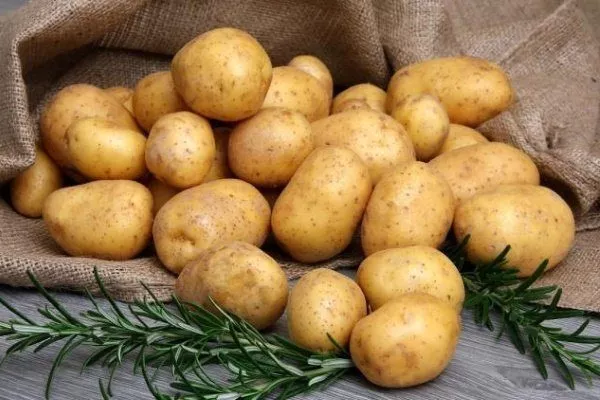
Ural early
This early table variety yields up to 380 centners of fruit per hectare within 70-75 days of planting. It is a favorite among gardeners for cultivation in the Urals and Siberia. It produces white, round-oval tubers weighing 100-140 grams, with smooth skin and numerous small eyes. The flesh is also white and does not darken after cutting. The starch content is average – 12.5-15.5%. The plant is resistant to canker, but is more susceptible to late blight and viral diseases.
Fresco
Developed by Dutch breeders, the growing season is 60-70 days. Typical yields range from 200-390 centners per hectare, with maximum yields reaching 450 centners per hectare. One bush produces 7-12 roots. The plant is easily affected by late blight of the foliage, and less frequently by tuber blight. It has moderate resistance to viruses, rhizoctonia, and common scab. It is rarely affected by canker and nematodes. It tolerates variable climates well, therefore producing excellent yields even in the West Siberian region.
These potatoes weigh 100-130 g, have yellow skin, and light yellow flesh that cooks slowly but does not darken when cooked. They are suitable for making chips and French fries. Their starch content is 12-17%. Their shelf life is 78-93%. At temperatures above 4°C (4°F), the roots are prone to sprouting.
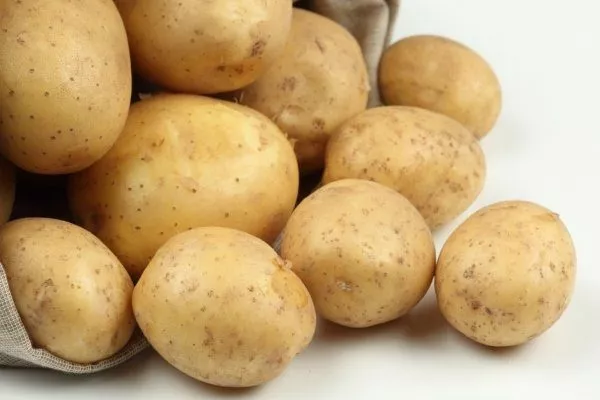
Impala
Impala Potatoes Developed by Dutch breeders, this variety yields up to 360 centners of tubers per hectare. The first harvest can be collected under tall, dense bushes 40-60 days after planting. If dug up too early, the potatoes will have a watery texture and an unpleasant taste, but over the next 3-4 weeks, the flavor will improve, and the potatoes will become tender when cooked.
Ripe tubers are small, averaging 80-150 g. The skin is yellow and smooth with small eyes, and the flesh is light yellow. Starch content is approximately 15%. 'Impala' is highly resistant to nematodes, but is susceptible to late blight and rhizoctonia.
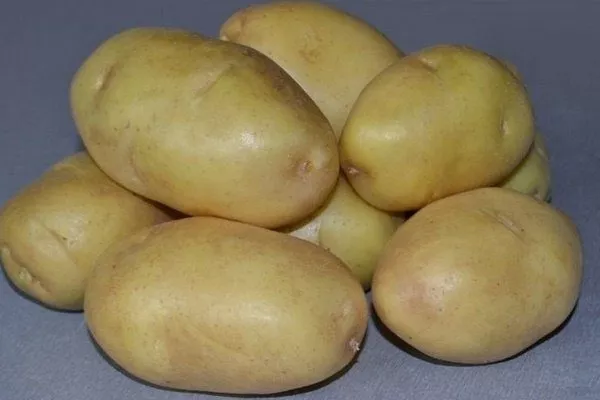
Adretta
Adretta potatoes – a table variety bred by German breeders that tolerates low temperatures well, adapts to a variety of soil types, and is easy to care for. Yields up to 450 centners per hectare. The growing season is 70-105 days. Recommended for planting in the West Siberian region. Requires treatment against common scab, blackleg, late blight, and rhizoctonia.
The tubers are round, with white skin and yellowish flesh that crumbles when cooked. They weigh 120-150 g and have a starch content of 13-18%. They have excellent shelf life, with a 98% retention rate. Even if they are slightly frozen, they will not acquire a sweetish flavor.
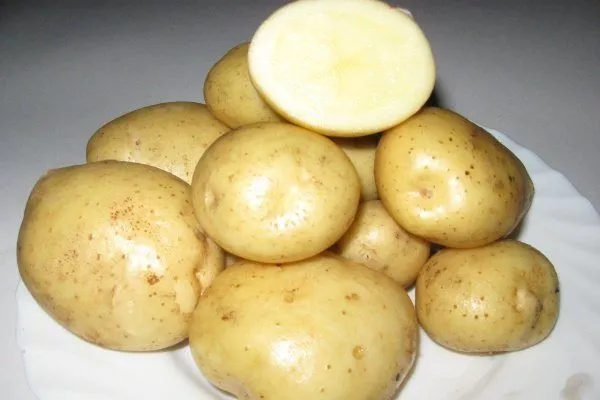
Improved Ermak
This is a productive variety that can be grown even in Western Siberia. On average, 350-470 centners of yield can be harvested from one hundred square meters (each bush contains approximately 8-13 tubers, but can contain up to 25). "Improved Ermak" is distinguished by the following characteristics:
- bred by a domestic breeder (SibNIISH);
- vegetation period – 70-75 days;
- round potatoes have a small weight - about 100 g, pink skin, white flesh with red spots, which does not darken when cut and cooked;
- starch content – 10-12%;
- shelf life – 94%.
The plant is characterized by average resistance to late blight of tops and tubers, scab and viral diseases.
The most productive varieties for Siberia
Many gardeners want to get a bountiful harvest from their gardens, so they look for varieties with the highest yields. You can find more information about them below.
| Object | Ripening period (days) | Yield (c/ha) | Disease resistance |
|---|---|---|---|
| Red Scarlet | 70-75 | 600 | Resistant to cancer and late blight |
| Lugovskoy | 70-80 | 515 | Resistant to late blight, scab, black leg, and cancer |
| Svitanok of Kyiv | 85-105 | 460 | Resistant to cancer and rhizoctonia |
| Zhukovsky early | 50 | 400-450 | Resistant to cancer and nematodes |
| Luck | 55 | 420 | Drought-resistant |
Red Scarlet
Potato variety "Red Scarlet" Developed by Dutch breeders, this variety boasts high yields—up to 600 centners per hectare can be harvested 70-75 days after planting. On average, one bush produces over 2 kg of tubers. If planted in May, the tubers can be harvested in late June or early July. They weigh 80-150 g, are oval in shape, have smooth red skin with small eyes, and tender yellowish flesh. Starch content is average—up to 15%.
The variety is resistant to canker and late blight of fruits and foliage. It is also resistant to mechanical damage and secondary germination. Common scab and Alternaria.
Lugovskoy
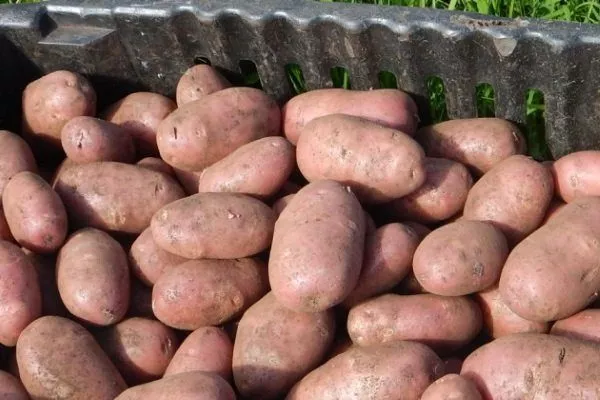
This is one of the most popular varieties of Ukrainian selection, grown throughout Russia, including western and eastern Siberia. The growing season lasts 70-80 days, after which an excellent yield can be harvested – up to 515 centners per hectare. One bush produces 10-15 tubers. The plant is not susceptible to late blight, scab, blackleg, and canker, but it can be susceptible to certain viruses.
The plant produces small tubers weighing 80-125 g. They are oval-shaped with a blunt, rounded tip, light pink skin with small, inconspicuous eyes, and white flesh. The starch content is 12-19%.
Svitanok of Kyiv
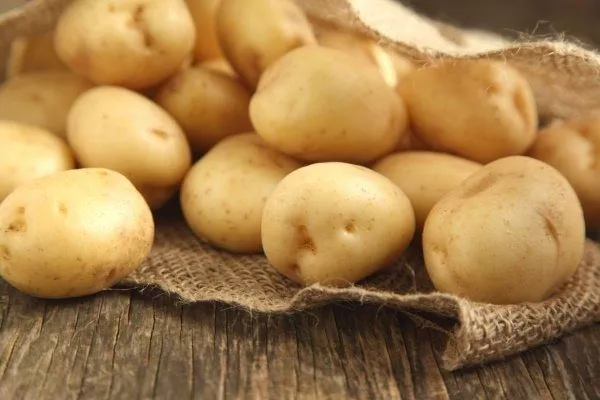
As its name suggests, this mid-early variety was developed by Ukrainian breeders. It is highly sought after by gardeners due to its excellent flavor. Ripening time is 85-105 days. It is resistant to the Colorado potato beetle, canker, and rhizoctonia, but moderately susceptible to late blight of foliage and tubers, mosaic viruses, scab, and blackleg. The variety is more susceptible to leaf curl. Recommended for cultivation in the West Siberian region.
The plant yields up to 460 centners per hectare, with one plant producing 8-12 tubers. They weigh 90-120 grams, have pink skin, and creamy flesh. With a starch content of 18-19%, the potatoes cook well and are suitable for mashed potatoes.
Zhukovsky early
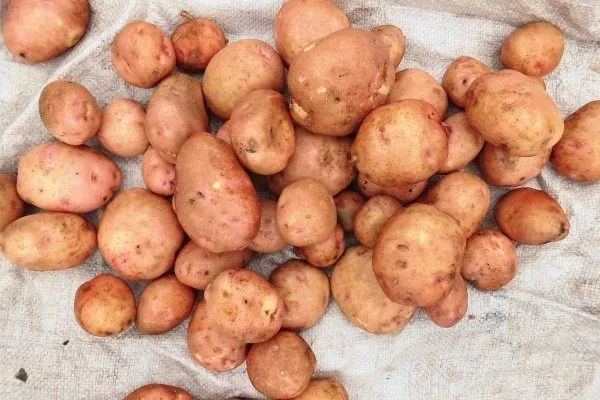
This is an early-ripening table variety that can be harvested as early as 50 days after germination. The plants grow quite large and heavily branched. The yield is high – 400-450 centners per hectare. The potatoes have a smooth surface, are pink or red in color, and weigh 122-167 g.
Ripe tubers have a fairly dense skin, which perfectly protects the flesh from mechanical damage.
Many gardeners choose Zhukovsky Early Thanks to its white flesh, which does not darken after cutting and cooking. Starch content is 10-15%. The potato is distinguished by its excellent taste and high commercial quality, complemented by high resistance to cancer and nematodes.
Luck
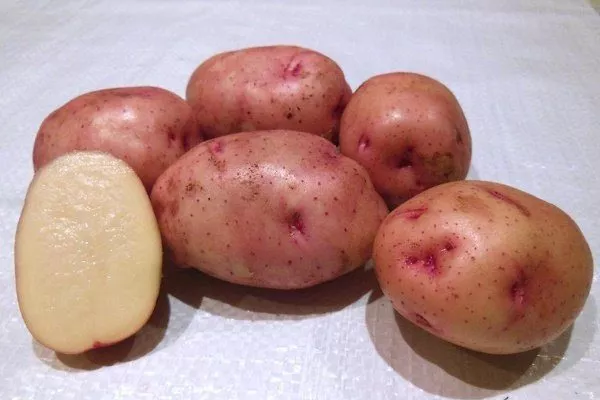
Developed by Russian breeders and adapted to a variety of soil types, it can be grown in the Northwest region. Yields are high – 420 centners per hectare, with a marketable tuber yield of 88-97%. The first harvest can be seen 55 days after planting. The tubers have excellent flavor, a round shape, and a smooth, light beige surface with small, sparse eyes. Each tuber weighs between 100 and 150 g. Starch content is 15%.
This variety tolerates drought well, making it suitable for growing in large plots. It has moderate resistance to viruses and late blight, but is more susceptible to common scab.
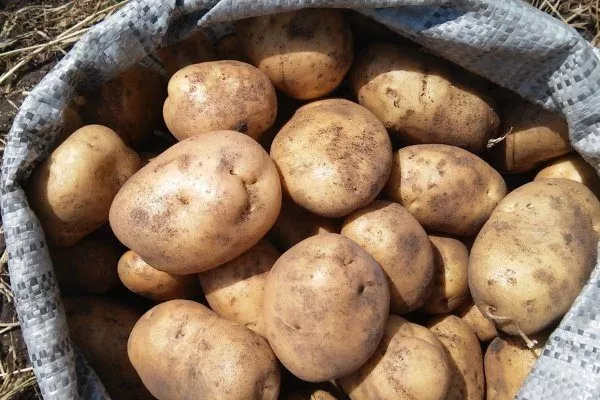
Frost and disease resistant varieties
To ensure a good potato harvest, many Siberian gardeners prefer to choose not just frost-hardy varieties, but also those with increased resistance to pests and potato diseases. We recommend reviewing such varieties below.
| Object | Ripening period (days) | Yield (c/ha) | Disease resistance |
|---|---|---|---|
| Nevsky | 70-80 | 350-360 | Resistant to scab, cancer, rhizoctonia, black leg, late blight |
| Latona | 65-80 | 450 | Resistant to late blight of tops and tubers, common scab |
| Prior | 65-80 | 450 | Resistant to cancer, nematode, late blight, powdery mildew |
| Gloria | 65-80 | 247-417 | Resistant to cancer and golden nematode |
| Hostess | 65-80 | 380 | Resistant to late blight of tops |
| Rosara | 65-80 | 415 | Resistant to cancer and nematodes |
Nevsky
This variety is often chosen for cultivation in western Siberia, but yields equally well when planted in the eastern part of the region. It was developed by the Northwestern Research Institute of Agriculture by crossing two varieties, 'Kandidat' and 'Veselovskaya.' An average yield of 350-360 kg can be harvested from one square meter of garden bed (up to 15 fruits can be produced on a single bush).
The tubers are medium-weight (110-130 g), oblong-oval in shape, and have smooth, white-yellow skin with small, pinkish eyes. The flesh is soft white and does not darken when cooked. The starch content is moderate, ranging from 10.4 to 14.8%.
Nevsky It tolerates mechanical damage well, which can occur during harvesting and transportation, and is therefore rarely affected by viruses and bacteria. It also exhibits high resistance to many dangerous diseases and pests. These include:
- common scab;
- Cancer;
- Rhizoctonia;
- blackleg;
- late blight of tubers and tops.
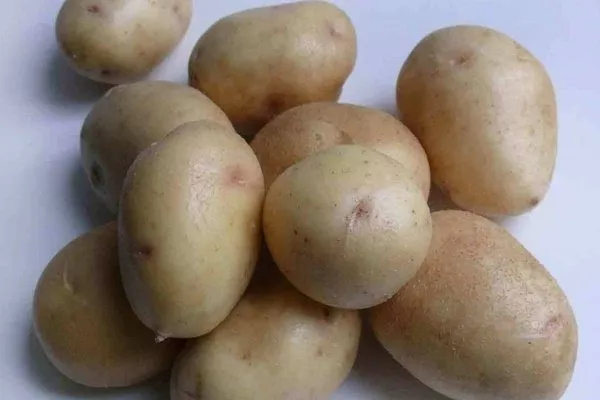
Latona
This variety is often grown in the western regions of Siberia, although it yields equally well in the east. One hectare of land can yield up to 450 centners of fruit, and one bush can yield approximately 2-2.5 kg of root vegetables. The growing season is 65-80 days, although the first harvest can be obtained after 45 days. The plant tolerates subzero temperatures, drought, and high humidity well, and is rarely affected by late blight of foliage and tubers, as well as common scab.
The tubers grow oval-shaped and weigh up to 85-135 g. They have light pink skin and yellow flesh that doesn't liquefy when cooked. They have a high starch content of 16-20%, and a medium shelf life of up to 90% in condensation-free storage conditions.
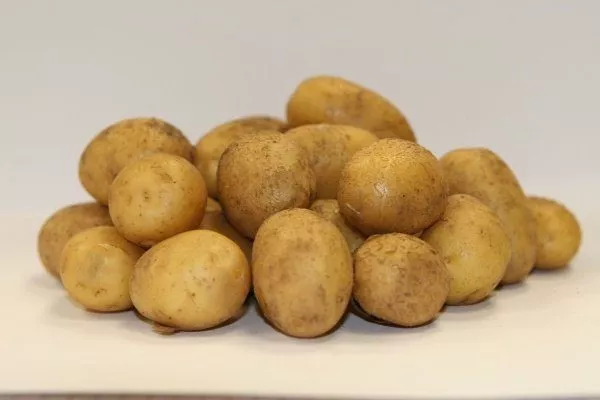
Prior
This is a versatile, early-ripening variety bred in the Netherlands. Typically, a single plant can yield up to 1.2 kg of potatoes. During the growing season, it exhibits high resistance to potato canker, nematodes, late blight, and powdery mildew. In rare cases, it can be affected by common scab.
The tubers are elongated-oval in shape, with dark cream-colored skin, small red-violet eyes, and light yellow flesh. Starch content ranges from 11.9% to 17.3%. Harvested tubers are susceptible to viral diseases and soft rot, so proper storage practices are essential.
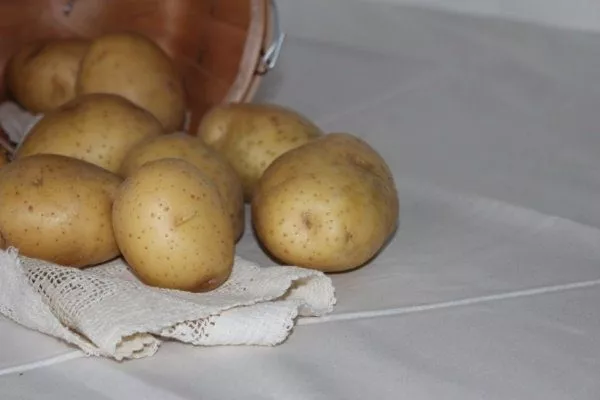
Gloria
A domestically bred variety with moderate susceptibility to late blight but resistant to rugose and striped mosaic, canker, and golden nematode. Yields range from 247 to 417 centners per hectare. A single plant produces 6-10 tubers. Their shelf life is 97%.
The tubers are distinguished by their excellent taste and marketability. They weigh approximately 80-130 g. They are oval-shaped, with red skin and light yellow flesh. The starch content is 13.9-15.6%. These potatoes are suitable for preparing any dish.
Hostess
Developed in Tomsk by the Siberian Research Institute of Agriculture and Peat, this variety is recommended for cultivation in the West and East Siberian regions. It tolerates a wide range of climatic conditions equally well. It is completely resistant to late blight of the tops and moderately susceptible to late blight of the roots, common scab, and rhizoctonia. The yield is good – over 380 centners per hectare. A single bush can produce 12-18 fruits.
The tubers weigh 100-200 g, have pink skin, and beige flesh, which can be used to make mashed potatoes and chips. Starch content is 17-22%. They are suitable for long-term storage, with a shelf life of 96%.
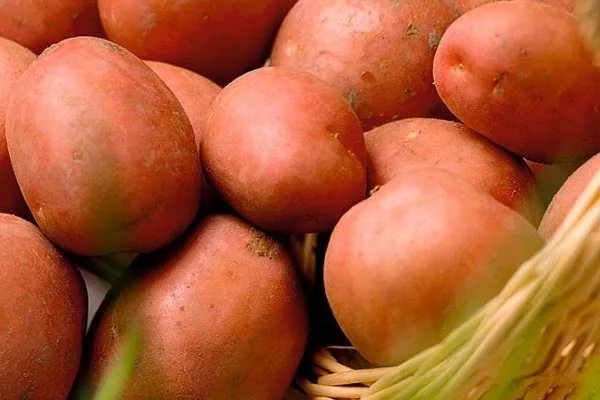
Rosara
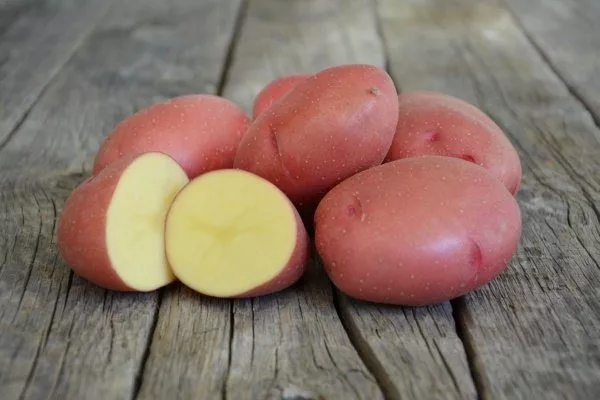
This early-ripening, all-purpose variety was developed by German breeders. Yields up to 415 centners per hectare. Gardeners don't need to frequently replace the planting stock, as yields don't decline for 4-5 years. The plant is resistant to canker and nematodes, and has lower resistance to late blight and scab. It tolerates a wide range of weather conditions.
The tubers are oblong, with red skin and yellowish flesh, weighing approximately 80-120 g. Their starch content is 15%, so they don't overcook when cooked and have a good flavor. They have a long shelf life and withstand transportation well.
Features of selection
To grow potatoes in Siberian climate conditions, you need to choose the right seed material that can withstand cold weather and possible sudden temperature fluctuations. It's important to keep in mind that the best time to grow potatoes in Siberia is from May to August. Therefore, it's important to select frost-resistant potato crops whose growing season spans this period. These varieties are suitable for growing in both Western and Eastern Siberia.
Many gardeners choose potatoes for Siberia based on the specific location of the planting site, as it's believed that crops grown in Western regions don't always yield the desired harvest in the East. Therefore, it's helpful to consider important recommendations for both regions:
- WesternIn Western Siberia, early-ripening varieties are most in demand, but mid-season crops can also be planted. Planting takes place in the first half of May.
- EasternSelecting varieties for cultivation in the East requires more careful consideration, as this region has less favorable planting conditions. Specifically, winter frosts arrive early, and precipitation is uneven, heavy, and more redistributed toward the end of the summer season or in September. Therefore, for these regions, only early-ripening, frost-resistant varieties should be selected.
Siberia has a sharply continental climate, with long winters and short summers. Spring frosts occur, and heavy rainfall occurs in late summer and early fall. These conditions are not ideal for planting potatoes, so choosing the right crop requires careful consideration. To be on the safe side, you can plant several of the varieties suggested above in the same plot.