
Bashkiria is a true paradise for mushrooms. It boasts a temperate continental climate, fertile soils, and moderately humid summers. Of all the mushrooms growing in the region, one-third are edible. The rest are inedible and poisonous.
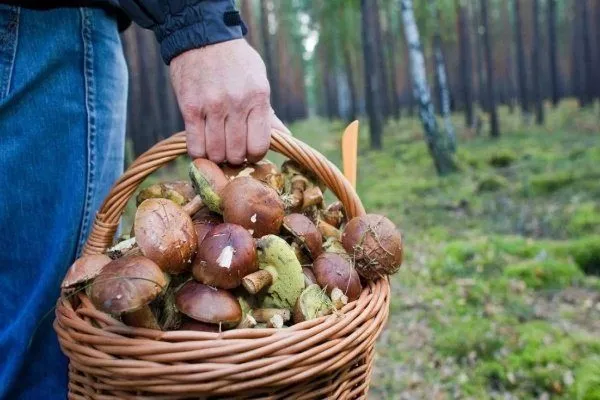
The beginning of the mushroom season in Bashkiria
The picking season begins in the spring, as soon as the snow melts. Spring mushrooms are the first to appear—they're not as good as boletus and other noble varieties, but after the winter's "slumber," mushroom pickers are still happy to see them. The last mushrooms to appear are autumn mushrooms, which finish fruiting during periods of severe cold.
The real mushroom season—with the mass harvest of boletus, saffron milk caps, milk mushrooms, butter mushrooms, and other popular mushrooms—begins in late September. Sometimes the season can be delayed if good mushroom rains don't arrive in time.
Mushroom places in Bashkiria
Mushroom pickers choose areas far from highways and cities for their mushroom collection.
- Forest plantings near the settlements of Kamyshly and Kushnarenkovo.
- Arrays in Blagovarsky district.
- Forest areas near the villages of Nurlino, Dmitrievka, Ishkarovo, Novokagnyshevo.
- Forest plantations in Mesyagutovo, Duvansky district.
- Stations "Yam-Bakhta", "Ozernaya".
- The vicinity of the Melkombinat and Zaton.
| Name of the mushroom | Fruiting period | Preferred habitats | Disease resistance | Economic value |
|---|---|---|---|---|
| White mushroom | June-October | Light forests, birch and pine | High | High |
| Birch boletus | June-October | Forest edges, field edges, birch groves | Average | Average |
| Aspen mushroom | June-October | Mixed forest, birch groves, blueberry groves | High | High |
| Chanterelles | August-September | Pine forests and spruce forests | High | High |
| Butterlets | June-July | Meadows, hills, forest paths | Average | Average |
| Honey mushrooms | September-October | Deciduous trees, rotten trunks | High | High |
| Champignons | May-October | Vegetable gardens, parks, orchards | High | High |
| Umbrellas | June-October | Deciduous forests, forest edges, meadows | Average | Low |
| Milk mushrooms | July-September | Birch forests, coniferous and deciduous forests | Average | Average |
| flywheel | June-October | Mixed forests, sandy soils | High | Average |
Edible mushrooms
The diversity of Bashkiria's mushroom world is determined by its geographical location—the republic straddles several climatic zones. Furthermore, the climate is significantly influenced by the variable topography. The moderate continental climate with warm, humid summers creates ideal conditions for mushroom growth.
Bashkiria is home to about a hundred species of mushrooms, only 30% of which are edible. The most prized mushrooms here are boletus, milk mushrooms, birch boletes, aspen boletes, chanterelles, honey mushrooms, and russula.
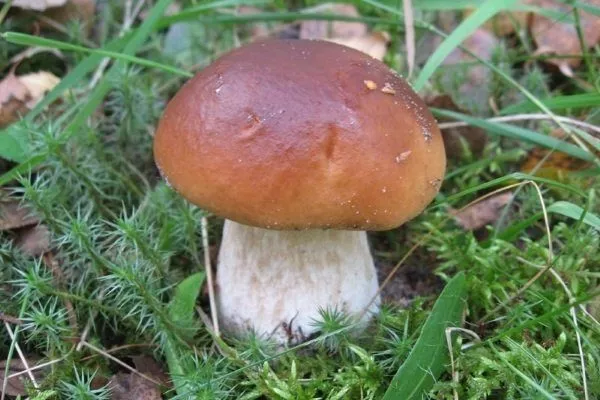
White mushroom
Description. Large, robust mushrooms with a thick stem, thickened at the base. The large brownish cap reaches 7-30 cm in diameter in mature specimens. The cap color varies from light brown, almost white, to dark brown. Environmental conditions influence the cap color.
Where and when does it grow? White mushroom The boletus prefers light forests, including birch and pine. It prefers to nest at forest edges, clearings, and along forest paths. It bears fruit from June to October. Experienced mushroom pickers recommend looking for boletus in the Blagovarsky District, near the village of Yazykovo. Good hunting can be had near the villages of Nurlino, Dmitrievka, Novokangyshevo, and Yazykovo.
Doubles. Only an inexperienced mushroom picker can confuse a boletus with a porcini mushroom. It is similar to a gall mushroom, easily distinguished by its bitter taste and flesh that turns pink when cut. Boletus mushrooms are sometimes confused with satanic mushroom – it is easily recognized by its brownish-red stem.
A mushroom rare in Russia, known as the "half-white" or "yellow boletus," grows in Bashkiria. Here, it grows in oak groves. It differs from boletus mushrooms in its yellowish stem and golden tubular layer.
Growing. There are two ways to grow boletus mushrooms: outdoors and indoors. The planting material—mycelium or spores—can be harvested in the forest or purchased from specialty stores.
Birch boletus
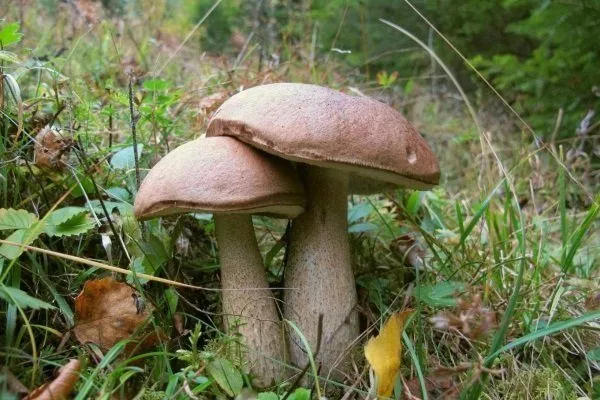
Description. Mature specimens have a dark brown cap, reaching 18 cm in diameter. The stem is long and cylindrical. The cap, initially hemispherical, becomes cushion-like as it matures.
Where and when does it grow? They often grow under birch trees. They prefer to grow at forest edges, on the outskirts of fields, in thinned birch groves—wherever there's light. They can appear from June if the summer is rainy, and bear fruit until October. In Bashkiria, birch boletes are abundant in the Blagovarsky district, near Krasnaya Gorka, and near Yazykovo.
Doubles. It can be confused with the false birch bolete, also known as the bitter bolete. You can recognize the lookalike by its bitter taste—just lick the tubular layer.
Growing. For artificial sowing, spores or myceliumYou can also bring mycelium from the forest. It's important to maintain soil moisture.
Aspen mushroom
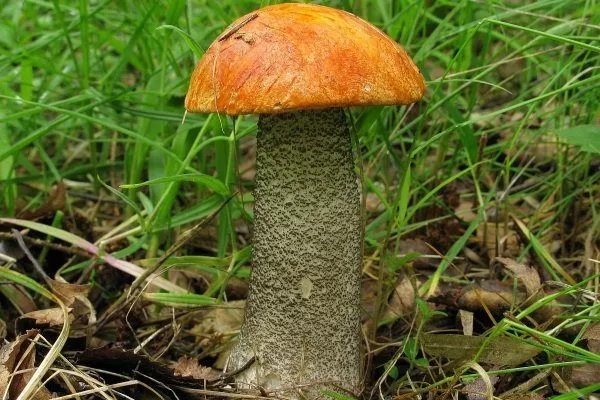
Description. The cap is bright orange. Initially spherical, it straightens out as it grows. The cap reaches 5-20 cm in diameter. The stem is long, cylindrical, and covered with black scales.
Where and when does it grow? Their favorite habitats are mixed forests, birch groves, and blueberry patches. The growing season is from June until the first frost. The most delicious mushrooms are found in the south of Bashkiria. This is where you should look for redheads. Mushroom spots are concentrated near the villages of Nurlino and Novokangyshevo. Aspen mushroom harvests have been observed near Kaltymanovo and Shamonino.
Doubles. Can be confused with bitterling – is a non-poisonous mushroom that is easily identified by its bitter taste.
Growing. They can be artificially cultivated. Mycelium is used for sowing. Spore-bearing caps can also be collected. Mycelium is available in specialty stores.
Chanterelles
Description. Saffron milk caps are orange with a hint of green. The cap's surface is patterned with concentric circles. Saffron milk caps are sturdy and stocky. They have a hollow stem up to 9 cm long. If you break the mushroom, drops of milky juice will appear.
Where and when does it grow? Saffron milk caps are most abundant in pine and spruce forests. They thrive in coniferous trees, where they form mycorrhiza (fungal roots). In Bashkiria, saffron milk caps are collected in the forests near the village of Ishkarovo (Ileshsky District). Massive growth begins in August-September.
Doubles. Saffron milk caps are sometimes confused with the edible milk cap, which is not a big deal. Milk caps are pink and have a fringe around the edges of their caps. They can also be confused with two varieties of milk caps—fragrant and large. These are also non-poisonous, but less tasty.
Growing. Saffron milk caps are not grown indoors. They require natural conditions. For sowing, the mycelium or caps are used, scattered dry or after soaking.
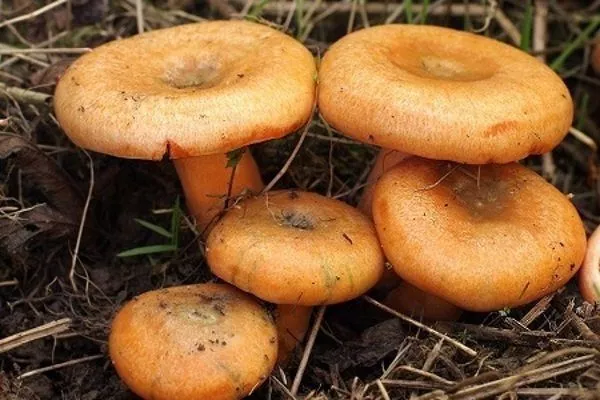
Butterlets
Description. They have convex, sticky caps, colored in shades of yellow and brown. The caps are initially conical or spherical, then straighten out. They reach 15 cm in diameter and are covered with a sticky, filmy skin.
Where and when does it grow? It prefers well-lit areas—clearings, hills, and forest paths. It first appears in June, with a second wave in July. It grows in pine forests. Numerous boletuses are found in the Zilairsky and Mechetlinsky districts in Kaltymanovo.
Doubles. They look edible boletus mushrooms and poisonous panther fly agarics.
Growing. Tasty butter mushrooms can be cultivated on an industrial scale. Laboratory-grown mycelium is used for inoculation. Mushroom growers also collect spores from overripe butter mushrooms.
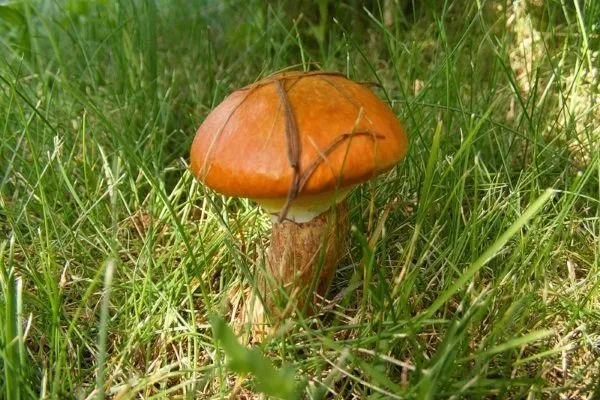
Honey mushrooms
Description. The mushroom grows in clusters. The cap is small—only 3-6 cm. The stem is thin, up to 7 cm long. The underside is covered with dark scales. The stem has a "skirt." Young mushrooms have tubercles in the center of the cap.
Where and when does it grow? It prefers deciduous trees and grows on rotted and damaged trunks. Summer mushrooms begin growing in June, while autumn mushrooms bear fruit in September and October. People go to Arslanovo and Iglino to pick mushrooms. Experienced mushroom pickers also recommend the Melkombinat area or Zaton. Hemp mushrooms are abundant near the village of Ishkarovo (Ilishsky District).
Doubles. Summer honey fungi have many lookalikes, among which the sulfur-yellow mushroom is the most dangerous. It can be distinguished by the bright yellow color of its stem and cap. The false honey fungus has no scales.
Growing. They are amenable to cultivation. Spores are harvested from overripe caps. The cut caps are steeped in water, which is then poured onto stumps and trunks intended for honey mushroom growth. Read more about growing honey mushrooms on a farm. here.
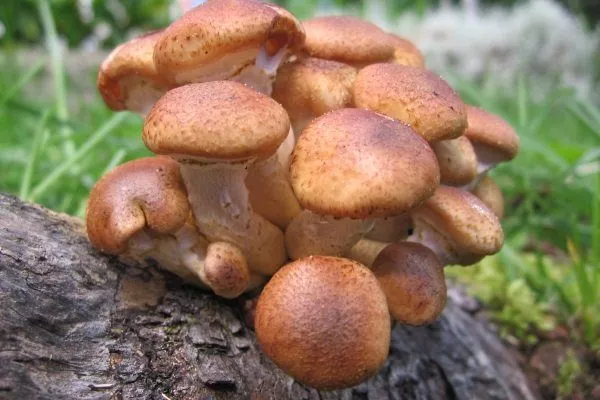
Champignons
Description. The cap is white, slightly brownish in the center. Initially curved inward, it opens with age. The gills are whitish in young mushrooms, turning pink with age, and reddish-brown in older mushrooms. The stem has a ring. The cap reaches 20 cm in diameter and weighs up to 300 g.
Where and when does it grow? They thrive in well-manured soil. They can be found in vegetable gardens, parks, orchards, near stables, in fields and forests. The field mushroom is particularly tasty, with a distinctive mushroom aroma. Large harvests of champignons have been observed in the Krasny Yar and Ufimsky districts, as well as at Ozernaya Station. They grow from late May to mid-October.
Doubles. Often confused with the death cap, there's also a poisonous variety of champignon called the carbolic mushroom. When pressed, its cap turns yellow—this is how you can identify the poisonous mushroom.
Growing. Two-spore button mushrooms, which rarely grow in the wild, are cultivated industrially. This mushroom is grown commercially all over the world. It is delicious and grows well in artificial conditions.
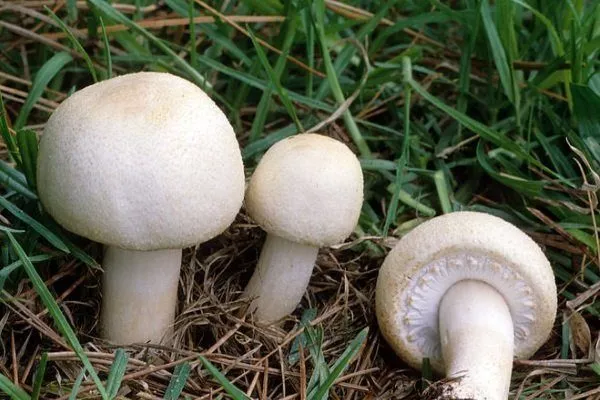
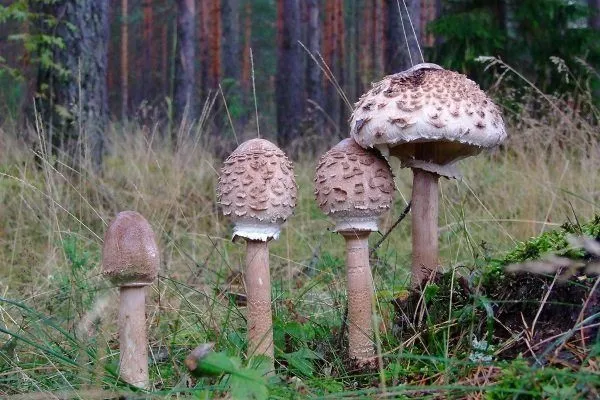
Umbrellas
Description. A little-known edible mushroom with a bell-shaped or prostrate cap, white or beige. Young mushrooms have ovoid caps. The stem is tall, widened at the base. The cap is thick and fleshy. The diameter is 6-12 cm. The cap is covered with scales, and the edges are fibrous.
Where and when does it grow? It grows in deciduous forests, forest edges, meadows, and pastures. Fruiting occurs from early June to October.
Doubles. It can be confused with the stinking fly agaric, which has a sac-like cover and a slimy white cap.
Growing. These are compost mushrooms that grow on champignon substrate. Large harvests have not yet been achieved. Laboratories are still working on cultivating parasol mushrooms in artificial conditions.
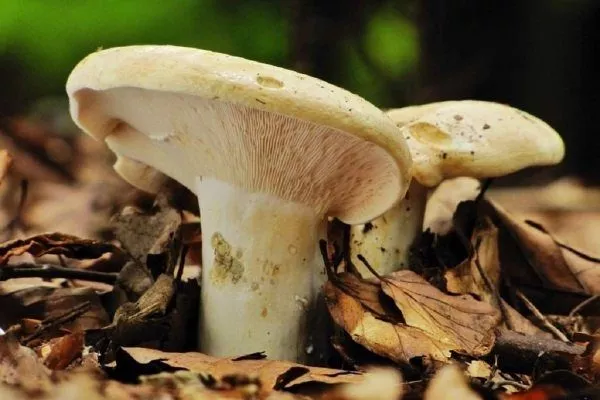
Milk mushrooms
Description. A true milk mushroom has a creamy-yellowish or milky-white cap. The concentric rings are almost invisible. The stem is dense and thick. A milky white sap appears when cut. Different varieties of milk mushrooms also grow in Bashkiria: yellow, black, and bluish. All are pickled after soaking. They differ from each other in the color of their caps.
Where and when does it grow? They grow primarily in birch forests, as well as in coniferous and deciduous forests. They prefer forest edges and clearings. Large harvests of milk mushrooms occur near Sterlitamak. Mushroom pickers also find them in abundance in the forest plantations of Kushnarenkovo and Kamyshly. They bloom from late July to September.
Doubles. They can be confused with conditionally edible varieties that, while similar in appearance to common milk mushrooms, have a very bitter taste. These include peppery milk mushrooms, camphor milk mushrooms, golden-yellow milk mushrooms, and felt milk mushrooms.
Growing. Milk mushrooms require high humidity. The most difficult part of growing milk mushrooms is getting the mycelium to grow. The mycelium is either purchased or collected from the forest.
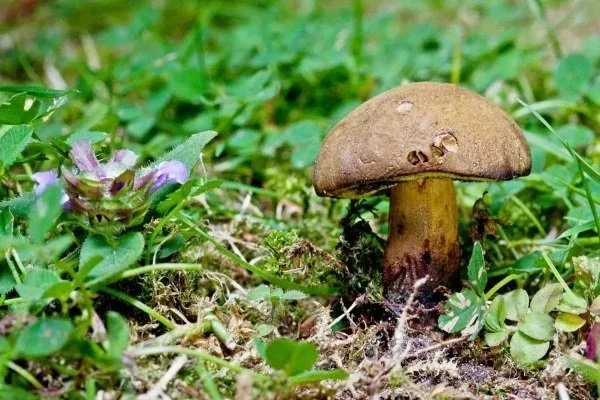
flywheel
Description. The convex cap has a suede-like surface and is olive or brownish-green in color. The yellowish stem is often curved and tapered at the base.
Where and when does it grow? Grows in mixed forests. They prefer sandy soils and swampy pine forests. They love forest edges and clearings, and are also often found along roadsides.
Doubles. It can be confused with the false boletus, which is considered conditionally edible, or with the chestnut mushroom, which remains bitter even after cooking.
Growing. They are grown by sowing spores from fresh caps. Pieces of caps found in the forest are placed in the soil. They can also be grown on stumps by drilling holes into them for the mycelium.
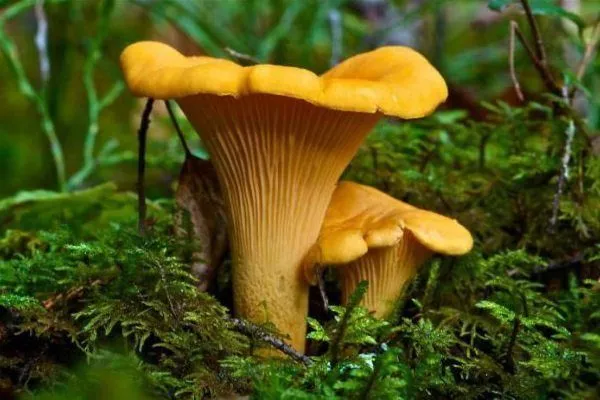
Fox
Description. A mushroom in which the cap is inseparable from the stem. The color is orange or pale yellow. A mature mushroom reaches 5-12 cm in diameter. Chanterelles are shaped like inverted umbrellas.
Where and when does it grow? They grow in mixed forests, preferring spruce and birch trees. They thrive in high humidity. They bear fruit from early summer to mid-October. Chanterelles are best found near the village of Nurlino, as well as near Dmitrievka, not far from Ufa, where both chanterelles and porcini mushrooms are found.
Doubles. There are many inedible species of chanterelles. There's the false chanterelle, which resembles the true chanterelle but is actually from a different family. False chanterelles are distinguished by their bright yellow color and prefer to grow on tree stumps.
Growing. Best chanterelles They grow under oak and beech trees. Mushroom growers plant them using two methods: either using spores from overripe caps, or by pouring a mushroom solution of soaked chanterelles onto the planting site.
Volnushki
Description. A mushroom with a pink cap decorated with fringes along the edges. Concentric circles mark the top of the cap. They are bitter when raw. They are added to dishes as a seasoning. They are also suitable for pickling.
Where and when does it grow? Volnushka Prefers deciduous and mixed forests. Forms mycorrhiza with birch trees. Typically grows under young trees. They grow densely and in large numbers. Mushroom pickers claim that milk thistles are abundant near the Yam-Bakhta station. The first wave of milk thistles appears in mid-June. The active growth phase lasts from August to early October.
Doubles. It can be confused with other milk mushrooms. All of them are conditionally edible, but many are best avoided. The milk mushroom is distinctive enough to be confused with other mushrooms.
There are no inedible milk caps that can cause poisoning. However, many foreign catalogs list milk caps as poisonous. In Russia, properly prepared milk caps are used for pickling.
Growing. Mycelium for planting is collected in the fall from overripe milk mushrooms. They are chopped into pieces and dried for 24 hours in a shaded area. The planting material is then planted in deep furrows.
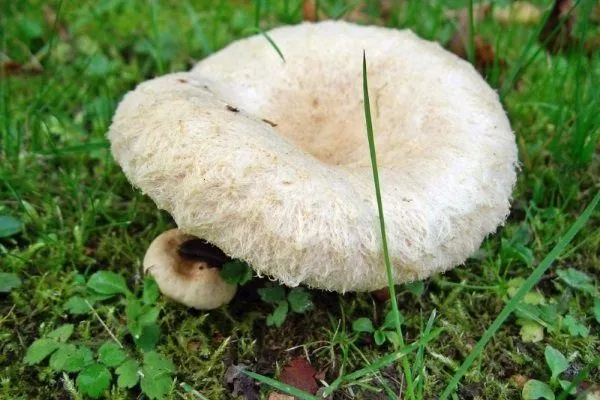
Raincoats
Description. All puffballs are spiny and bladder-shaped, edible while young. They are spherical in shape and white in color. They have a short pseudostem.
Where and when does it grow? They grow in forest edges, clearings, and steppes. They prefer fertile soil. Of all the puffballs, only the pear-shaped puffball grows on rotten trees. Mushroom pickers rarely hunt for puffballs, but if they stumble upon a group of white globes, they'll be sure to indulge; this mushroom is delicious fried.
Doubles. It's often confused with the false puffball. This mushroom has a darker skin and a purple tint to its flesh. It's also easy to confuse the false puffball with a young fly agaric.
Growing. Puffball spores are needed for sowing. Sow into moist soil. Choose a planting site similar to the area where the mushrooms were collected for sowing. They need sparse grass, some shade, and fallen leaves.
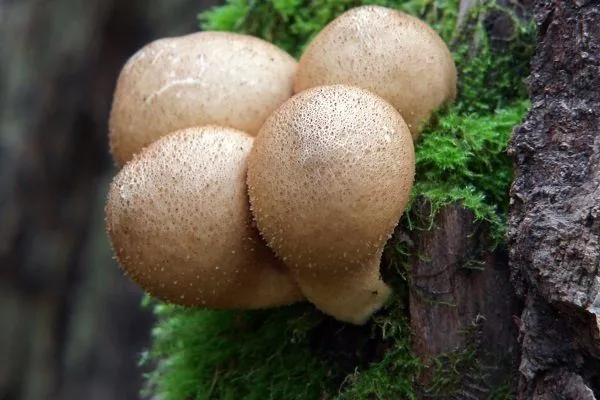
Dung beetle
DescriptionThe cap is bell-shaped. The flesh is fibrous. The cap is covered with flake-like scales. The stems are thin and fragile. The mushroom has virtually no flesh.
Where and when does it grow? It can grow in a few hours. Sometimes, the growth cycle can be as short as one hour. It prefers fertile soils. It grows in forests, near rotten trees, in garden plots, parks, and landfills. Fruiting period: May-October.
Doubles. There are no poisonous lookalikes. It's not particularly popular among mushroom pickers.
Growing. The technology for growing dung beetles is similar to that used for growing champignons. They are a very productive mushroom. You can dig up the mushrooms and replant them in your garden. Dung beetles also grow well in garden beds and containers.
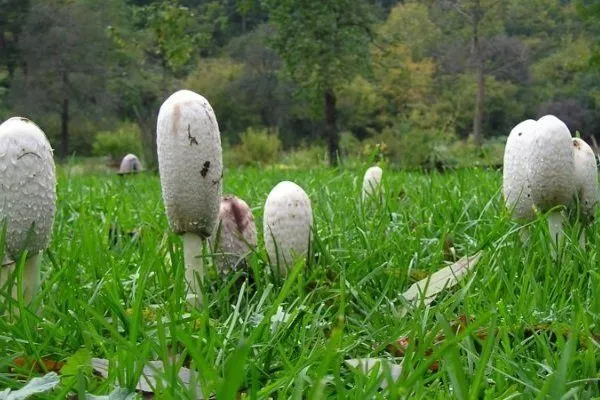
Horned
Description. Various species of horned mushrooms grow in Bashkiria: yellow, amethyst, and crested. They all have similar fruiting body structures but differ in color. The mushroom has a branched body and fragile, watery flesh. It resembles coral in appearance.
Where and when does it grow? Yellow horned pine grows in pine and mixed forests, amethyst horned pine grows in deciduous forests, and crested horned pine grows in mixed forests. They grow from August to September-October.
Doubles. There are no poisonous doubles.
GrowingIn our country, horned mushrooms are not cultivated, as they are little known. But in Europe, they are widely used as food – boiled, fried, and stewed.
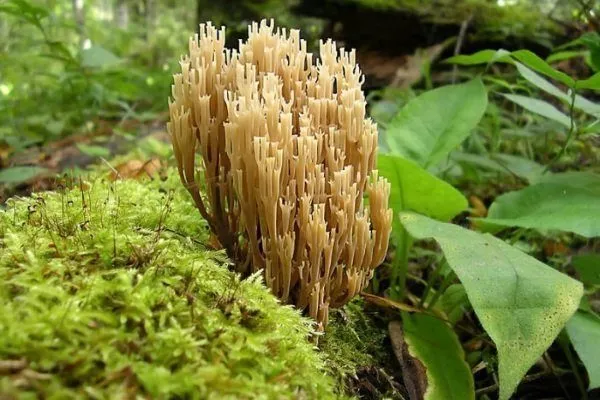
Spotted wetland
Description. A highly productive, gill-shaped mushroom. It grows in clusters. The cap is reddish-brown. The gills are sparse and thick. The stem matches the cap's color or is slightly lighter.
Where and when does it grow? They grow in deciduous and mixed forests of Bashkiria. They bloom from the second half of July until early autumn.
Doubles. There are no inedible or poisonous lookalikes. It resembles the pink water scaly mushroom, which has a bright pink cap.
Growing. It can be cultivated. The mycelium is planted in the soil, evenly scattered over the loosened soil. Mycelium is available for purchase; one package is enough for one square meter of area. Mycelium can be planted at any time of year.
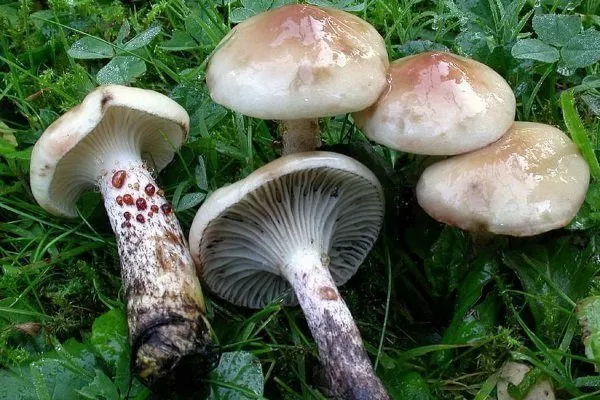
Sulphur-yellow tinder fungus
Description. It has a distinctive rounded yellow cap. Other names include yolk and witch's dough. The stems are soft and hollow, but tough. As it grows, the toughness increases. The fruiting body is edible only at the "dough" stage, when it is soft and tender—similar in taste to an omelet.
Where and when does it grow? Tinder fungus It prefers deciduous trees—oaks, elms, walnuts, and Manchurian walnuts. It can also sometimes be found on alder, poplar, willow, and birch. It begins growing in late May and sometimes reappears on trees in July or August. In the West, the mushroom is considered a delicacy, but in Russia, it's not particularly popular.
Doubles. There are no poisonous lookalikes. However, it is believed that the fruits of coniferous trees should not be picked, as they are supposedly poisonous.
Growing. Polypores are grown on a substrate made from sawdust, wood shavings, and small twigs. The mixture is poured with boiling water, cooled and squeezed, mixed with previously collected or purchased mycelium, and placed in slit bags.
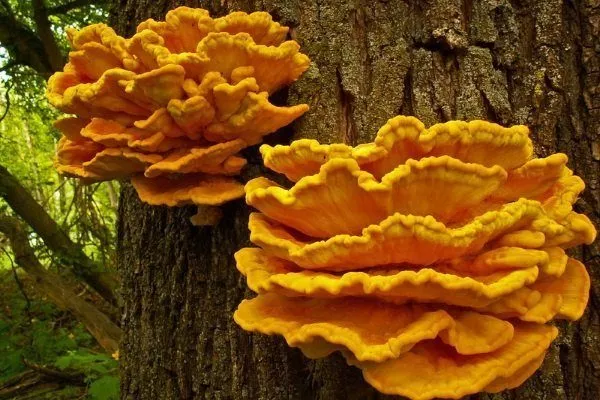
Morel mushroom
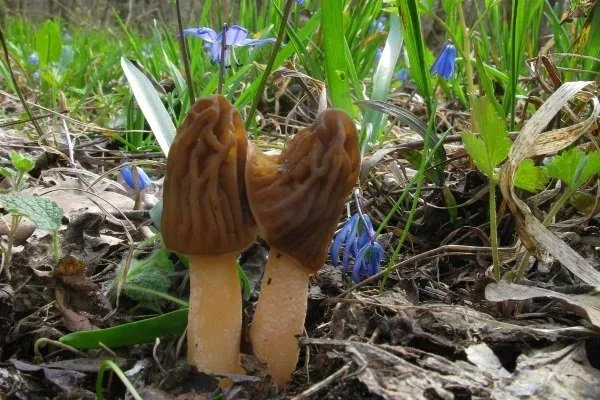
Description. In the ordinary morel An uneven, spherical, honeycombed cap. The cap and stem are hollow inside, approximately the same height. The cap is ochre, brownish, or fulvous. The stems are smooth, white, and brittle, turning yellow with age. The scent is delicate and pleasant.
Where and when does it grow? It can be found in any mixed or deciduous forest. It likes to nest along country roads, in clearings, forest edges, in gardens, and meadows. It prefers river floodplains with fertile soil. In Bashkiria, this mushroom is not in high demand—except when other mushrooms are scarce. This spring mushroom grows abundantly from April to May.
Doubles. Any morel mushroom can be confused with the false morel. Other names include the gouty morel or stinking morel. The honeycomb cap, 5 cm tall, is dark olive in color and covered in mucus. It can be distinguished by its pungent odor, which attracts insects. Morels are said to be abundant near the exit from Zaton (at the "Hospital" stop).
Growing. Morels are prized and widely cultivated in Europe. They are sown by scattering morel pieces under trees or in garden beds.
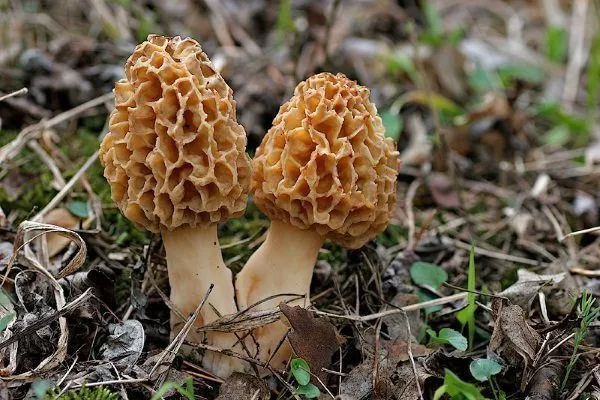
Conical morel
Description. The cap is olive-brown, grayish, or brown and conical. The stem is white, hollow, and fragile.
Where and when does it grow? Look for it in damp, dark forests—mixed and coniferous. It's most often found in clearings, near fire pits, and burnt areas. The fruiting season is in full swing from late April to early June. Its flavor varies depending on where it grows. In northern Bashkiria, in mixed forests, you can find brown morels the size of a fist—they have a delicate, rich flavor. Light-brown morels collected along the banks of the Ufimka River are small, fragile, and lacking a distinctive mushroom flavor.
Doubles. False morels can be identified by their caps. Poisonous specimens have caps that are not fully attached to the stem. Another distinguishing feature is that the cap's cuts are filled with white flesh, while edible morels have hollow caps.
Growing. In Europe, conical morels are considered a delicacy. They are grown like common morels—by scattering the caps under trees or in garden beds.
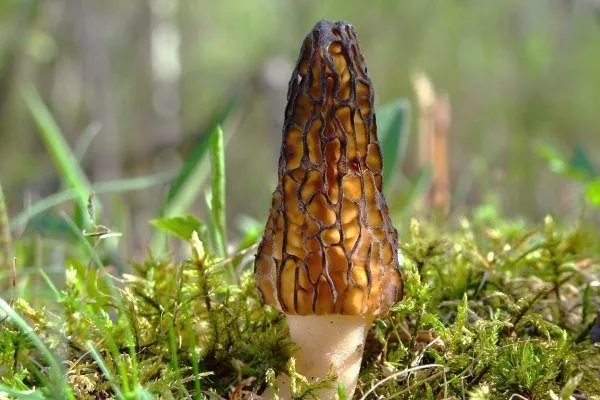
Morel cap
Description. The caps are bell-shaped, resembling thimbles worn on the fingers. Wrinkled caps are usually brown in color, less often yellowish. As they age, morel caps They lose their caps, leaving only bare stems 15-20 cm long. The color of the stems is white or cream.
Where and when does it grow? It grows in spring—the second half of April through May. It prefers deciduous forests. It likes to grow under aspen, linden, birch, and oak trees.
Doubles. They are sometimes confused with false morels or morels. However, morels grow only under coniferous trees, and their velvety, folded cap is firmly attached to the stem.
Growing. It is cultivated by planting mycelium in beds. It is usually sown in greenhouses on fertile soil. There is no intensive year-round cultivation method yet.
Liner
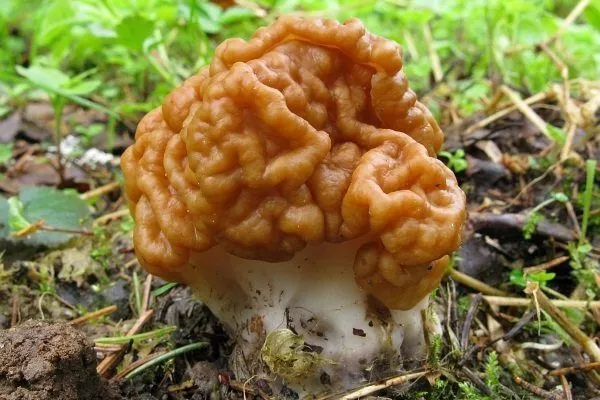
Description. It has a shapeless cap. Unlike morels, gyromitra mushrooms don't have cells, but rather sinuous folds—resembling walnut kernels. The cap is a tawny-brown color. The stem is short. When cut, the mushroom isn't hollow like a morel; it has both cap and stem, partitioned and convoluted. Giant gyromitra mushrooms can reach 30 cm in diameter.
Where and when does it grow? Like morels, they grow in the spring. Harvesting can begin in early April, even as late as late March, as soon as the snow melts. Glimmers appear at the same time as snowdrops. They grow in forested areas.
Doubles. Usually, myself Gyromitra is confused with morelsMorels themselves are dangerous for inexperienced mushroom pickers. If you don't follow the proper preparation procedures, poisoning is inevitable. There are different types of morels—autumn morels, giant morels, and cluster morels.
Improperly processed morels can cause poisoning. They are considered a delicacy in some countries, but in Russia they are often considered poisonous due to the high number of cases of poisoning.
Growing. The morel mushroom is difficult to classify—some sources list it as conditionally edible, while others list it as poisonous. This is because gyromethrin, a toxic substance, has been detected in morels. The mushroom is eaten only after undergoing special processing to remove the toxins. Morels are grown using the same technology as morels.
Inedible mushrooms of Bashkiria
70% of the mushrooms in the forests of Bashkortostan are inedible and poisonous. While the former taste bad and can only spoil a dish, the latter can cause severe poisoning, even death. To protect yourself from poisonous mushrooms, you should know them by name, along with their signs and growing locations. Let's take a look at which deadly mushrooms can be found in the forests of Bashkortostan.
A report on the specifics of mushroom picking in October. Experts share mushroom picking guidelines to avoid poisoning:
- ✓ Presence of characteristic features of edible mushrooms
- ✓ No signs of poisonous look-alikes
- ✓ Collection in ecologically clean places
- ✓ Accounting for the fruiting period
Fly agaric
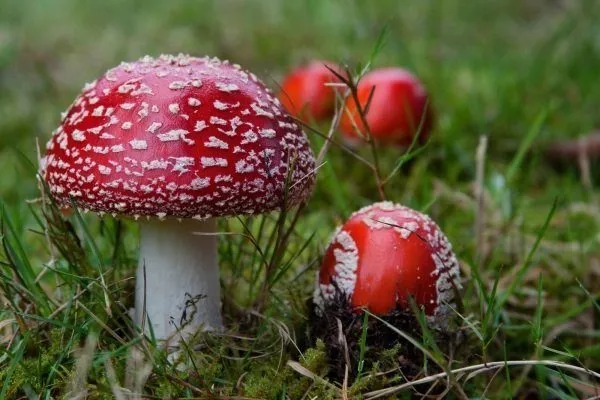
Description. The red fly agaric is a beautiful mushroom with a bright cap topped with white scaly spots.
Where does it grow and when? Grows in any forest. Fly agaric It can form mycorrhiza with any tree. Growth begins in late July.
Who can be confused with? Red fly agarics are unmistakable—there are no other mushrooms in the forest that are as bright and distinctive. Besides the red, there are other poisonous varieties, such as the panther, stinking, and toadstool. But there are also edible fly agarics, such as the gray-pink and Caesar's. They are even cultivated artificially. For this, the spore-bearing caps are cut and mixed with soil.
Death cap
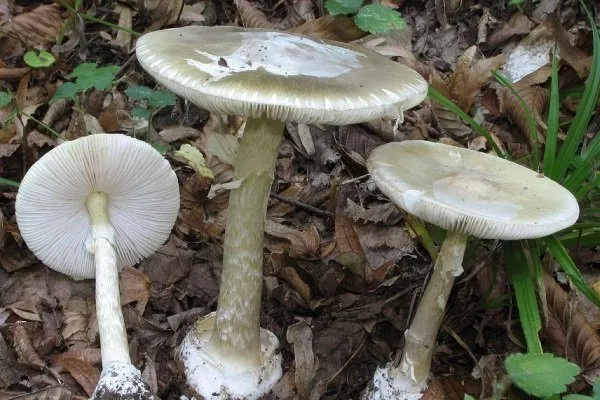
Description. The death cap and all its relatives are very similar in shape, differing only in color and nuances. They all have one thing in common: they are terribly poisonous. The cap color can vary in shades—greenish, olive, and grayish toadstools can be found. The caps are flat or hemispherical, with smooth edges. The flesh remains the same color when broken. The death cap has a sweet taste but no odor. The lower part of the stem has a thickening with a film, and the upper part has a filmy ring. The tuberous thickening at the base of the stem is the main distinguishing feature of the death cap, allowing it to be unmistakably identified.
Where does it grow and when? Grows solitary and in groups. It grows everywhere, but prefers mixed and deciduous forests. Growth begins in late summer.
Who can be confused with? Inexperienced mushroom pickers may mistake toadstools for russula, greenfinches, or champignons.
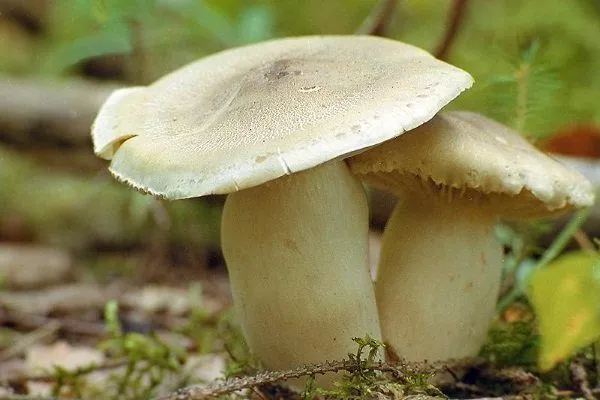
Poisonous rowan
Description. The poisonous gray rowan mushroom has cap margins that curl inward. The cap color is dirty white, brownish, or gray. The flesh is white, with a floury smell and taste. The cap has densely packed scales. The stem is covered with a mealy coating. Greenish-yellow gills are fused to the stem.
Where does it grow and when? Prefers sandy soils covered with moss. It grows in coniferous forests, pine forests, parks and gardens, fields and meadows. Ripening period: August-October.
Who can be confused with? They can be confused with the edible Tricholoma. Their family includes many conditionally edible mushrooms.
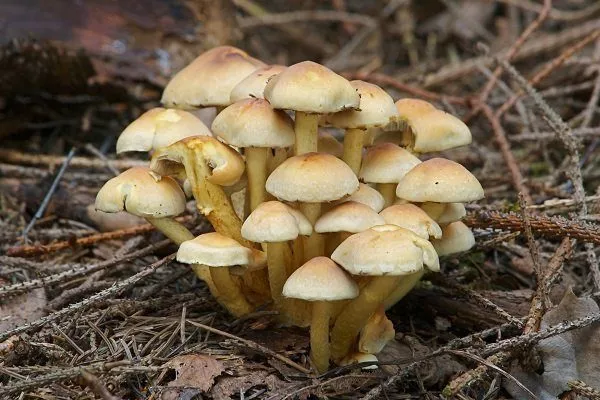
False honey mushrooms (sulfur-yellow)
Description. Sulfur-yellow honey mushrooms have sturdy caps, reaching 7 cm in diameter. Initially, the caps are spherical, but as the mushroom grows, they flatten out. The caps are bright yellow with orange spots in the center. The stems are thick and hollow, similar in color to the cap. The flesh is yellow when broken, has an unpleasant odor, and a bitter taste.
Where does it grow and when? Fruiting begins in mid-June and continues until snow falls. They grow in all types of forests and fields. They grow on tree trunks and rotten stumps. Colonies can contain up to 20 individuals.
Who can be confused with? They are often confused with edible honey mushrooms. The main difference from true honey mushrooms is the lack of scales. True honey mushrooms—both summer and autumn—have brown stems, like their caps.
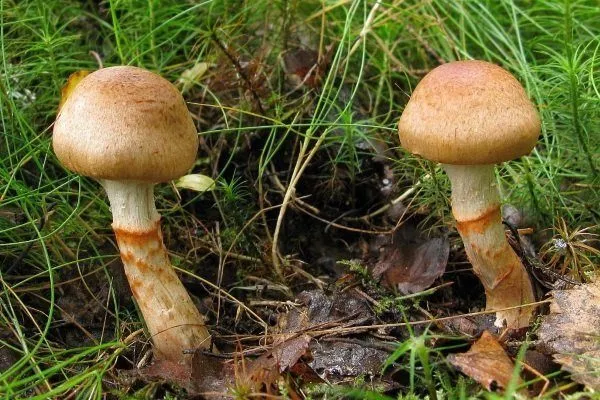
Cobweb
Description. There are about 400 species of cobweb caps, including both poisonous and edible ones. They are rarely collected because they resemble toadstools. Many have an unpleasant odor. Two mushrooms are considered deadly poisonous: the mountain cobweb cap and the beautiful cobweb cap. The cap of the mountain cobweb cap is brownish-red or orange, with gills of the same color. The stem is yellowish, with longitudinal rusty fibers. The beautiful cobweb cap resembles the mountain cobweb cap. Young mushrooms have a web-like covering of a yellow-ochre color.
Where does it grow and when? Cobwebs grow in coniferous forests and love moss and damp, marshy soil.
Who can be confused with? It can be confused with the edible Cortinaria variegata, which has a brown, fleshy cap with inward-curving edges.
Bashkiria has zones with distinct topography and climate, so a variety of mushroom species can be found there. The key is to avoid confusing edible mushrooms with false lookalikes and avoid putting poisonous mushrooms in your basket.
The opening shot is great, THAT'S LUCKY!
Sulfur yellow, yes, it is grown industrially in Israel!
Almost tasteless, but a great addition to cutlets!
But, damn, the mushroom is a parasite!
If you see something in the forest, you have to cut it up and eat it!