
Polypores (Latin: Fomes fomentarius) are perennial parasitic fungi that prefer to grow on trees. They are rarely found on the ground. They prefer old stumps and trees, dead wood, and brushwood. They are the most mysterious and unusual representatives of the fungal kingdom. At first glance, they appear to be a completely useless, parasitic organism. But, in fact, polypores can be extremely beneficial.
Features of tinder fungi
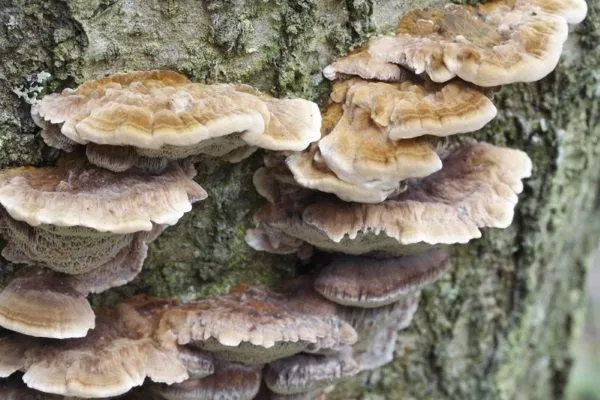
Polypores are an unsystematic and poorly studied group of fungi belonging to the phylum Basidiomycetes. There are approximately 1,500 known species. Some polypores are poisonous and some are edible, some woody and some cartilaginous. The fungal body of all polypores is remarkably resistant to all weather conditions—cold, heat, and moisture.
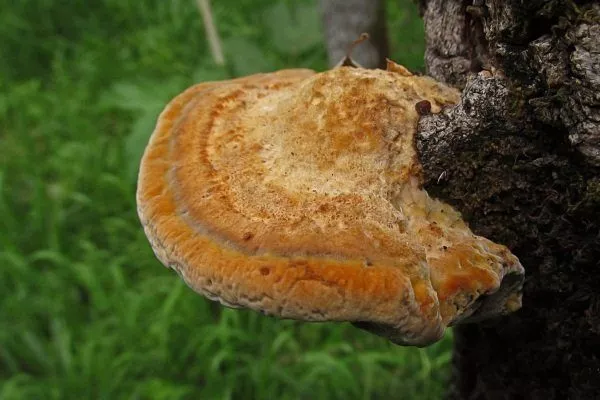
Depending on the species, tinder fungi attach to the tree by their entire fruiting body or just their stalk. Due to their unique shape, the mushroom is popularly known as the "devil's hoof."
The fungal body is formed by thin threads called hyphae, intertwined with each other. The mycelium is embedded deep within the wood. To penetrate the bark, the hyphae secrete enzymes that dissolve the wood's cell walls. The hyphae, initially thin and filiform, become skeletal.
Depending on the shape of the fruiting body, tinder fungi are divided into:
- Seated. They are attached to the wood on one side and may have a side leg.
- Spreading. They look like a thin cake, firmly attached to the trunk. Their color and texture resemble tree bark.
- With a cap and a stem.
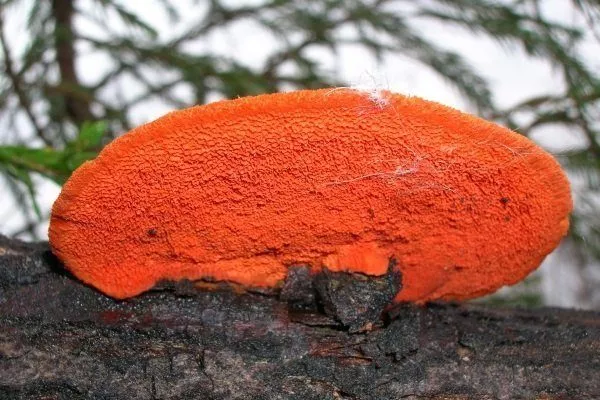
Mushroom bodies weigh from 1 to 20 kg and range in size from 20 cm to 200 cm in diameter. They can be gray, red, black, orange, or yellow—a wide variety of shades.
When and where does it grow?
The habitat of the polypore depends on the species. The sulfur-yellow (conditionally edible) polypore prefers mild climates. The true polypore, however, is widespread throughout Russia and Europe. It prefers to grow on birch and pine trees, but can also be found on alder, oak, beech, and other trees.
On the one hand, the saprophyte has a negative impact on the environment. By causing white rot in wood tissue, it makes it brittle. It typically attacks dead wood, as the main route of infection for tinder fungi is:
- broken branches;
- cracks and other damage in the bark.
Parasitic fungi are true forest cleaners. They break down old wood lost due to windfalls, drought, or other adverse conditions. Decomposed wood enriches the soil.
It is recommended to collect tinder fungi for pharmaceutical and food purposes:
- during the spring sap flow;
- In autumn, the mushroom, preparing for winter, stocks up on useful substances.
You shouldn't take tinder fungi:
- growing on dead wood;
- growing close to the ground.
Mushrooms located as high as possible are preferable. Cut the mushrooms with a well-sharpened knife or axe. If the mushroom body crumbles, it is not suitable for harvesting.
Varieties
In mushroom science, tinder fungi have a special classification system. They are divided into:
- Hymenomycetes - their mycelium is located in the substrate, for example, in wood or soil;
- Gasteromycetes - their fruiting bodies are completely closed.
Among the tinder fungi, several families are distinguished:
- Poriaceae;
- polyporaceae;
- telephoric;
- Coniophoraceae.
Polypores are primarily perennials, but there are also annual species. They grow throughout the summer—from June to September. Annuals gradually decompose at the end of summer, becoming food for insects.
The body of a perennial grows for months, even years. The growth rings can be used to determine how old a tinder fungus is. This fungus boasts a wide variety of species. Let's look at the most well-known and common tinder fungi.
Edible tinder fungi
Among the tinder fungi, there are edible and inedible species. The latter make up the vast majority. There are no poisonous varieties among the tinder fungi. You won't be poisoned by the tinder fungi's flesh, but many of them are extremely tough. And the taste of these mushrooms isn't particularly impressive.
When heading into the forest, carefully examine the appearance of edible tinder fungi. Among them, there are several quite tasty specimens used in cooking.
| Name | Preferred trees | Collection time | Usage |
|---|---|---|---|
| Sulphur yellow | Deciduous | Spring, autumn | Cooking |
| Scaly | Elms | Young mushrooms | Cooking, medicine |
| Liverwort | Oaks | July before frost | Salting |
| Umbrella | Deciduous | — | Main course |
| Winter | Alder, rowan, willow | Spring before frost | Drying |
| Sheep | — | Young mushrooms | Cooking, medicine |
Sulphur-yellow tinder fungus
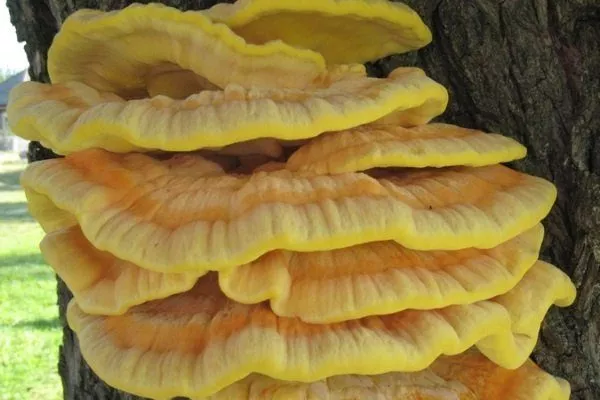
It's considered conditionally edible, and the toxins it contains can cause poisoning. Young specimens are eaten, as their flesh is much more tender than that of older specimens.
Only young sulfur-yellow polypores growing on deciduous trees are edible. Their caps should not have any dark spots.
Cut mushroom bodies can be stored in the refrigerator for 3-5 days. They can also be frozen for up to a year. To prevent spoilage, keep the mushrooms at a temperature of at least -18°C.
This video shows how to fry sulfur-yellow tinder fungus with onions and dill in the forest. The recipe is visual and step-by-step. The video's author also suggests other ways to prepare tinder fungus:
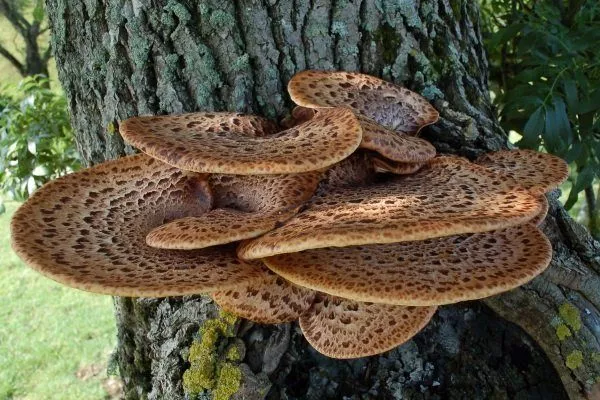
Scaly
It prefers to grow on deciduous trees, especially elms. Its yellowish-gray fruiting body is covered with brownish speckled scales. Scaly polypores grow singly and have thick black stems. When young, they are edible – they are pickled, salted, dried, and added to sauces and soups. Traditional medicine uses them to produce preparations that stimulate the gallbladder.
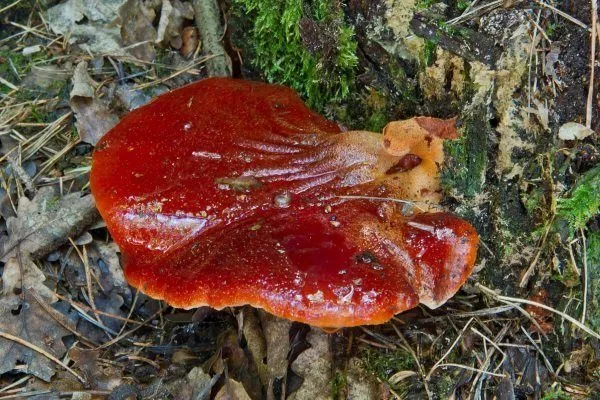
Liverwort
It can be found on oak trees. Its shape resembles a tongue. Its fleshy body seems saturated with a red liquid. It grows from July until frost. When cut, it has a marbled pattern. It is used young for pickling.
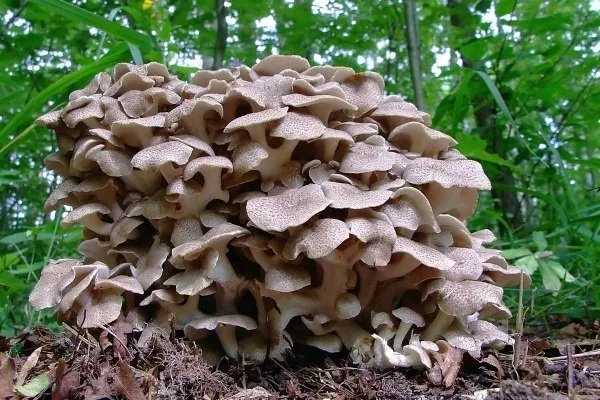
Umbrella
It resembles a large, lacy bouquet. The cap is brown and has a multicolored border. The stripes can be various colors—black, beige, lemon, orange. Umbrella polypores are popular in China, where they are often served as a main dish.
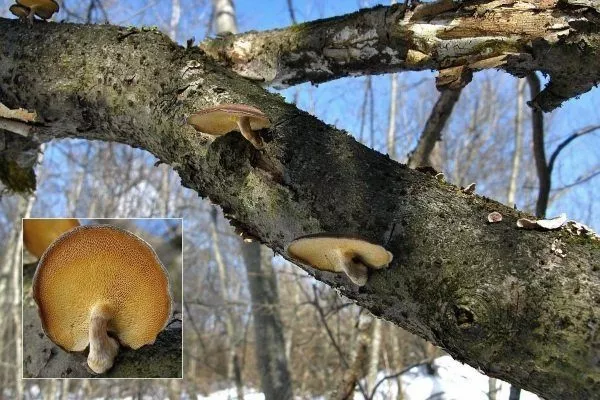
Winter
It grows on stumps and trunks close to the ground. It prefers alder, rowan, and willow. Growth begins in spring and continues until frost. The cap is convex. The color ranges from yellowish to grayish. The white flesh is edible and is commonly used for drying.
Sheep
It most closely resembles a mushroom in the classic sense. Its fleshy, round cap has curved edges. The stem is short and thick. It is used in folk medicine and pharmacology. Young fruits are used to make powders, extracts, and infusions—both water and alcohol. When young, it is used as food. Sheep's tongue fungus can be pickled, dried, and salted.
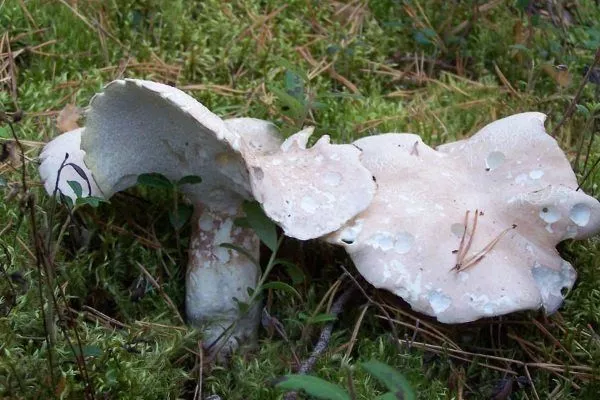
Inedible tinder fungi
Inedible tinder fungi are not deadly, but they can cause unpleasant symptoms:
- allergic reaction;
- intoxication of the body with corresponding symptoms – vomiting, dizziness, nausea.
Many tinder fungi, including inedible ones, are actively used in medicine, where they are used to prepare medicinal remedies. Any use of mushrooms should be preceded by consultation with a physician.
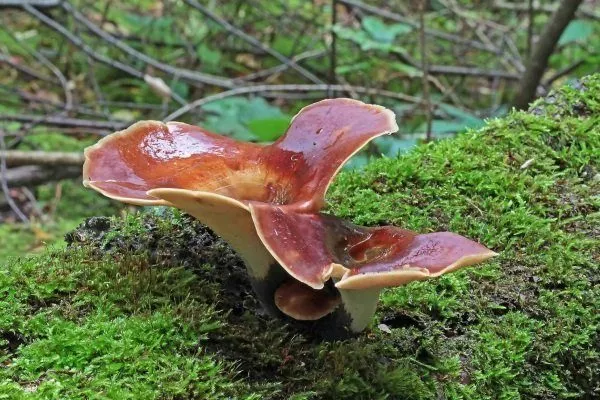
Birch
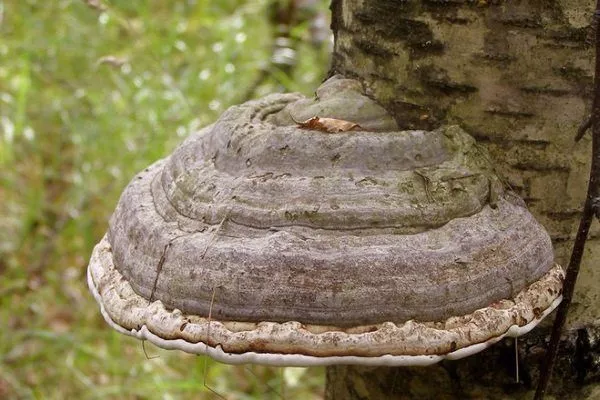
It prefers to grow on dead birch trunks. Its body is convex and grayish-white. It contains many amino acids and trace elements. This is appreciated by microorganisms and insects, who generously lay their eggs in the fungus. Pharmacology uses fungal polymers isolated from this fungus to produce a dietary supplement for diabetics.
The video discusses birch tinder fungus, its diverse medicinal uses, and other beneficial properties. The blogger demonstrates from personal experience how to use it correctly:
Beveled
It is also called chagaIt grows on birch, alder, and rowan trees. The body is hard and woody. The shape is irregular, the surface is rough. The color is dark brown or black. When cut, white veins appear. Chaga is used medicinally, in decoctions and infusions.
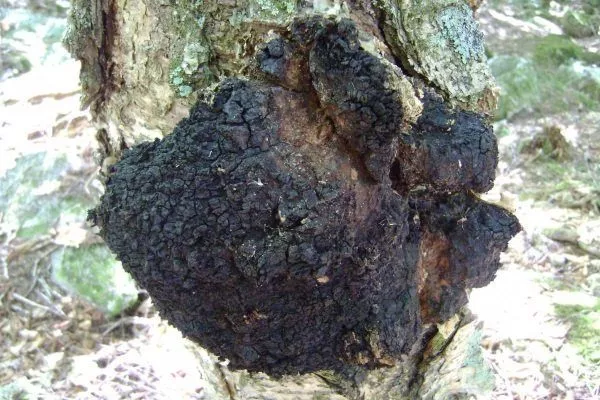
Hard-haired
It prefers stumps and semi-dry trees. The cap is large and rough, resembling a sponge. When young, it is yellowish or grayish, becoming brown with a greenish tint as it matures. The flesh has an unpleasant, bitter, anise-like flavor.
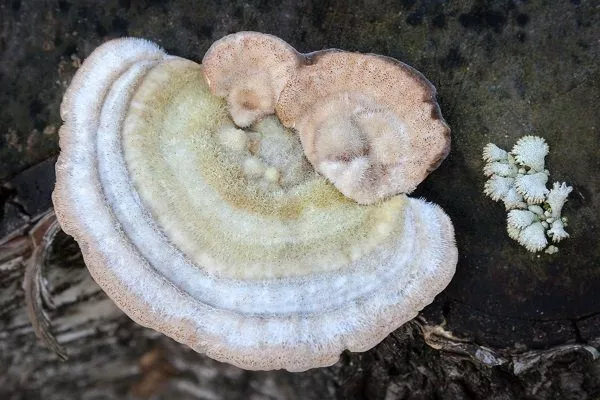
Hunchbacked
The cap is semicircular in shape and greenish in color. The flesh is dense—white or yellow. The cap surface is velvety. The mushroom strengthens blood vessels. It is an ingredient in medications used to treat sarcoma, throat cancer, and leukemia. Recent studies have shown that the humpbacked tinder fungus has a detrimental effect on the AIDS virus.
Larch (real)
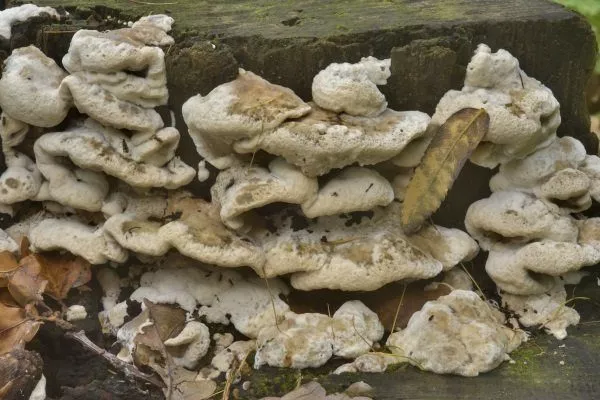
Grows on larch, fir, and cedar trees. It has a thick fruiting body, reaching 30 cm in length. Its color is white or yellow. The surface is rough, with furrows and brown spots. When young, it is soft; later, it becomes hard and crumbly. It has a slightly bitter taste.
Lacquered (reishi)
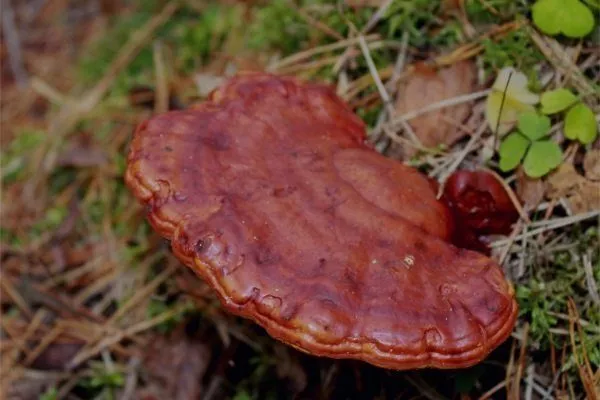
A mushroom with unique properties. It is actively used to treat cancer and cardiovascular diseases. It is also popular in folk medicine.
Why are tinder fungi dangerous for trees?
Polypores are parasites that use trees as food sources. By sucking nutrients and water from the wood, they slowly kill it. Several years pass until the plant, tormented by the parasitic fungi, loses its strength and vigor—it dries out. A small storm is enough to break the fragile tree. But the polypores are unfazed by this development—they continue to suck the sap from the fallen tree.
Killer mushrooms perform an important mission in the forest: they free up space for new trees. They act as a kind of forest orderly. But in human-cultivated orchards, tinder fungi must be mercilessly controlled.
How to fight tinder fungi?
There are no medications that can cure trees of tinder fungus infestation. The only method of control is the complete destruction of infected trees. This involves cutting off the parasites from the infected part of the tree. The wood containing the fungi is burned, and the cut is disinfected.
What influences the growth of tinder fungus?
Tinder fungi live on both dead and living trees. Ideal growing conditions for tinder fungi:
- The specific tree species depends on the polypore variety. Some prefer conifers, others deciduous trees.
- The fruiting body needs light.
- High humidity promotes growth. It's not for nothing that polypores seek out moist places—cellars, earthen shelters, wells.
The more nutritious the wood, the more minerals it contains, the faster the parasitic fungus grows and the faster it kills its host.
Under unfavorable conditions—unsuitable humidity, temperature, or pressure—tinder fungi stop growing. Gardeners take this into account when combating parasitic fungi.
The value and benefits of the mushroom
The chemical composition of many tinder fungi is poorly understood. Scientists have discovered antitumor substances in these fungi, so their composition is currently being actively studied. Tinder bodies can contain deposits of potassium, calcium, copper, iron, manganese, zinc, lead, cadmium, and germanium. Collecting tinder fungi intended for medicinal or edible purposes (if the species is edible) is not recommended near highways or industrial areas.
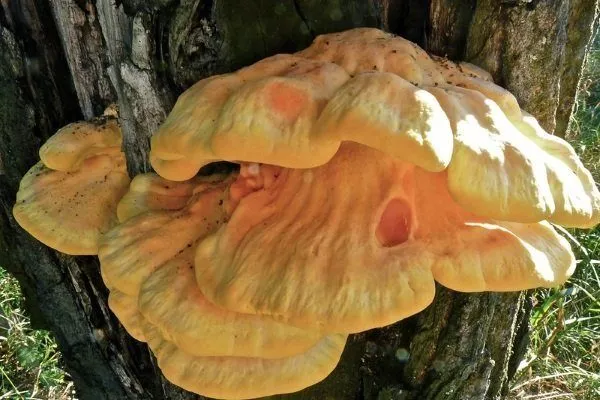
The mushroom is popularly known as the "hen of the woods" for its unusual shape and nutritional value. 100 grams of the fruiting body contains 22 kcal. 100 grams of the mushroom contains:
- protein – 3.09 g;
- fats – 0.34 g;
- carbohydrates – 3.26 g;
- water – 92.45 g.
And also:
- fiber;
- resinous substances;
- B vitamins;
- minerals;
- lipids;
- amino acids.
Application in medicine
Tinder fungi are valued primarily as a medicinal remedy. They are used both externally and internally. They are used to prepare:
- alcohol tinctures;
- decoctions;
- dry powders – for dissolution in water.
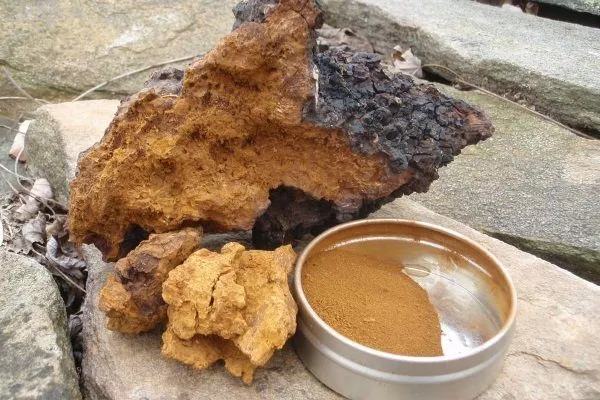
Tinder fungi promote the breakdown of fats, remove radionuclides, carcinogens and poisons from the body, restore the digestive system, treat constipation, and kill bacteria that cause gastritis.
Each tinder fungus has specific properties, so specific types of tinder fungi are used to treat certain diseases.
Growing
All polypores reproduce by spores, which are located on the basidia. Clusters of spores mature in tightly fused tubes and are released. The wind carries them to new habitats. Upon landing on fertile soil—old or damaged wood—they begin to reproduce. A mycelium forms, which branches along the tree bark, breaking it down.
Growing on a substrate
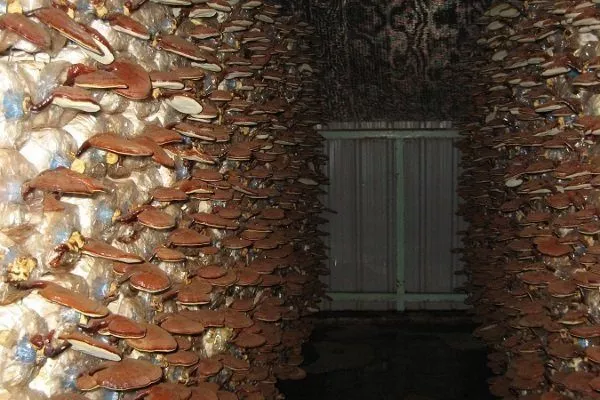
Tinder fungi are easy to cultivate. They are grown in a substrate. To prepare it, you will need:
- sawdust;
- shavings;
- bark of small branches.
Tree stumps and wooden beams can be used as a substrate. After drilling holes, insert the mycelium into them.
The order of laying mycelium:
- The mixture is poured with boiling water.
- When the substrate temperature drops to room temperature, it is squeezed out and mixed with the mycelium.
- Place them in plastic bags.
- After making slits in the bags, they are placed in a room with 80% humidity. The lighting is natural, and the temperature is 20°C.
- The harvest will be ready in 30-40 days.
- Prepare a substrate from sawdust, shavings and bark of small branches.
- Pour boiling water over the mixture and cool to room temperature.
- Mix the substrate with mycelium.
- Place the mixture into plastic bags and make slits.
- Place the bags in a room with 80% humidity and a temperature of 20°C.
- The harvest will be ready in 30-40 days.
Growing on stumps
Instead of substrate, you can use stumps and wooden beams. Planting procedure:
- The wood is kept in water.
- The required number of cuts are made on the soaked wood - they are sawed or drilled.
- Mycelium is placed into the cuts made.
- The wooden beams are placed in a shady place and covered with foliage.
The "crops" are watered periodically, which is especially important during drought. The first mushrooms will appear in four months.
Tinder fungi are a true gift of nature. Don't view them negatively—there's nothing superfluous in nature, and tinder fungi are just part of the cycle of matter. Tinder fungi are invaluable for pharmacology and a true treasure trove for medicine. Edible mushrooms from this family also make excellent meat substitutes.