
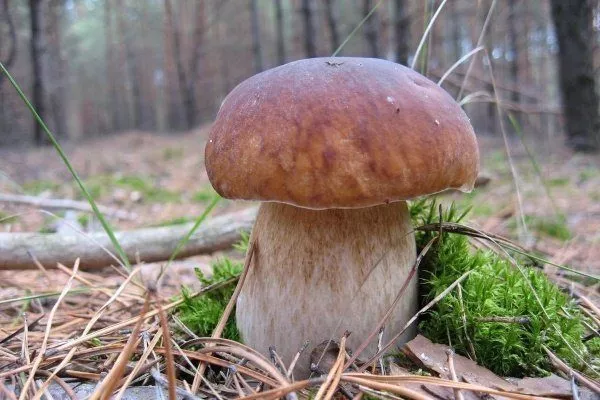
The porcini mushroom (Latin: Boletus edulis) belongs to the most revered genus of mushrooms—the boletus. While it was once called the "king of mushrooms," today it can be considered the undisputed leader of the mushroom rankings. This powerful creature has an incomparable taste. It's difficult to confuse the porcini mushroom with its lookalikes and inedible analogues—it's so beautiful and unique. The boletus is the most coveted trophy for mushroom pickers.
What else is it called?
It's called white because of its flesh's ability to retain its color—whether boiled, fried, or dried, it always remains light. This distinctive feature of the boletus is reflected in its common name. It's also called:
- wood grouse;
- cowshed;
- bear;
- under-cow;
- Belevik;
- feather grass;
- yolk and other names.
Characteristics of the porcini mushroom
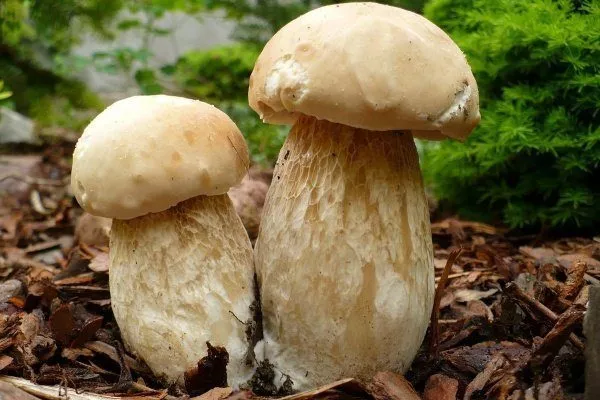
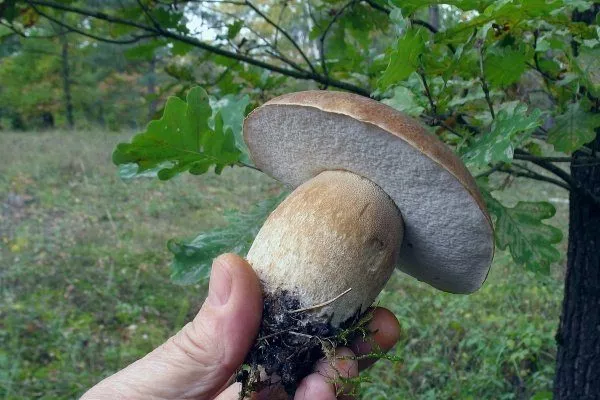
Each member of the boletus genus is distinguished by its distinctive mushroom aroma and piquant flavor. They all have similar shapes, differing only in minor details. Description of the appearance of the most common variety of boletus—the spruce boletus (Boletus edulis):
- hatThe color is brownish-brown. The diameter is up to 30 cm. In some latitudes, they can grow up to 50 cm. The outer skin is tightly attached to the flesh. In drought, it cracks, and in rain, it becomes covered in slime.
- Leg. Thick, massive, up to 20 cm tall. Up to 5 cm thick. Cylindrical or club-shaped, widening toward the base. Color: white, light brown. The stem has a reticulated pattern. Deeply buried in the soil. There are no traces of a spathe on the stem—porcini mushrooms have no "skirt"—the stem is perfectly clean.
- Pulp. Mature specimens are dense. They are very juicy, white, and fleshy, and their appearance alone is appetizing. When overripe, they have a fibrous texture and turn yellowish or beige.
- Tubular body. At first white, then yellowish. In older specimens, it turns green.
- Disputes. Olive-brown powder. Size: 15.5 x 5.5 µm.
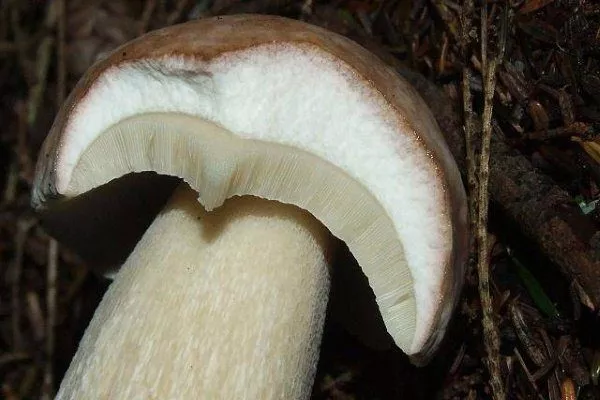
To determine a mushroom's age, examine the cap—young mushrooms have a convex shape, while older mushrooms are flat. The cap darkens with age. Old mushrooms are not suitable for eating.
The taste of porcini mushrooms is characterized by soft flesh and a delicate aroma. Heat treatment and drying further enhance their flavor.
When and where does it grow?
The boletus' distribution is astonishing – it's found on virtually every continent. The exceptions are Antarctica and Australia. Boletus grows everywhere in Japan, Mexico, Mongolia, North Africa, and the Caucasus. Perhaps only Iceland doesn't have it. In Russia, it grows almost everywhere – from the southern latitudes to Kamchatka. The spruce boletus is found in spruce and fir forests.
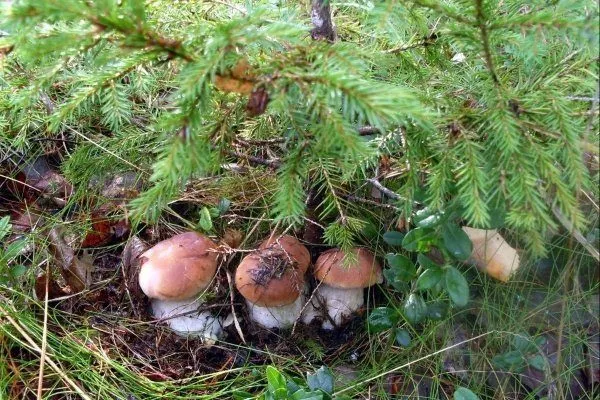
Each region has its own fruiting period. In warmer climates, the mushroom begins growing in May-June and fruits until October-November. In the north, the growing season is from June to September. It has a long growth phase—it takes a full week to reach maturity. It grows in clusters, in rings. If you find one specimen, carefully examine the surrounding area—there are likely to be several more.
Prefers to grow in forests:
- conifers;
- deciduous;
- mixed.
It grows most often under spruce, fir, pine, oak and birch trees.
| Forest type | Soil | Temperature | Humidity | Season |
|---|---|---|---|---|
| Coniferous | pH 4.5-5.5 | 15-18°C | 60-70% | June-October |
| Foliar | pH 5.0-6.0 | 16-20°C | 65-75% | May-November |
| Mixed | pH 4.8-5.8 | 14-19°C | 60-70% | July-September |
Where to find them:
- in places overgrown with lichen and moss;
- loves old forests;
- It can grow in the shade, but the sun doesn’t bother it either – it prefers warm areas.
It doesn't grow:
- in swampy areas;
- in peat bogs.
The best weather for the mass growth of boletus mushrooms is short-lived thunderstorms, warm nights and fog.
Rarely found in forest-tundra and steppe. Its favorite soils are:
- sandy;
- sandy loam;
- loamy.
Mushroom pickers explain how to find boletus mushrooms in the forest-steppe. They'll reveal the secrets of mass harvesting and where to find porcini mushrooms:
Varieties
Boletus mushrooms grow everywhere in the forests of Russia, and there are a great many species of them.
| View | hat | Leg | Symbiotic tree | Habitat |
|---|---|---|---|---|
| Pine | 8-25 cm, reddish-brown | Up to 15 cm, light mesh | Pine | Europe, America |
| Birch | 5-15 cm, light yellow | Barrel-shaped, light mesh | Birch | Siberia, Far East |
| Dark bronze | 7-17 cm, dark with cracks | Pinkish-brown | Oak, hornbeam | Southern Europe |
| Reticulate | Light ocher | Short, pronounced mesh | Beech, hornbeam | North Africa |
| Oak | Grayish with spots | Dense, brown | Oak | Caucasus, Primorye |
It's clear they all belong to the same genus. They differ only in subtleties of appearance. All belong to the first taste category, and each has an inedible counterpart. Therefore, when beginning your "silent hunt," carefully examine the external characteristics of the mushrooms native to your area.
Pine
Its external characteristics are almost identical to the general description of boletus mushrooms. Here are the differences:
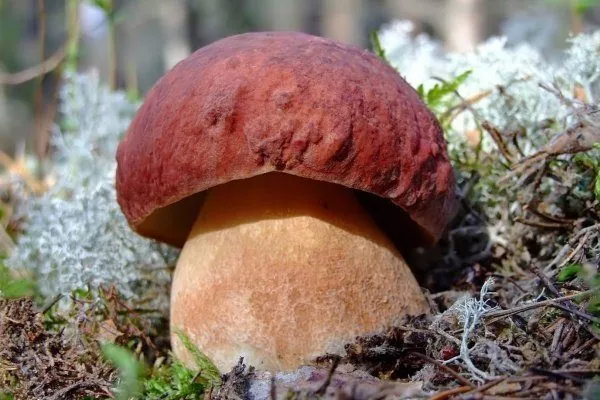
- The cap is 8-25 cm in diameter, reddish-brown. The hue is purple.
- The flesh is pink under the skin.
- The stem is very thick and short – up to 15 cm. There is a light brown mesh on top.
- The thickness of the tubular body is 2 cm. The shade is yellowish.
It has an early form, distinguished by a lighter cap and flesh. Growth begins in late spring and continues until October. It grows under pine trees, hence the name. With them, it forms mycorrhiza—a fungal root. It is found on sandstone, alone or in clusters. Its distribution includes Europe, America, and the European part of Russia.
Birch
Its second name is "kolosovik." It is harvested when the rye fields begin to ear. Distinguishing features:
- The cap is light yellow, 5-15 cm in diameter. The flesh has no distinct flavor. It does not darken when broken.
- The stem is barrel-shaped, with a light mesh.
- The thickness of the tubular layer is 2.5 cm. The shade is yellowish.
Prefers to grow under birch trees. They grow singly or in groups. Favorite locations include forest edges and roadside locations. Distribution: Western Europe, Siberia, and the Far East. Harvesting season: June–October.
Dark bronze
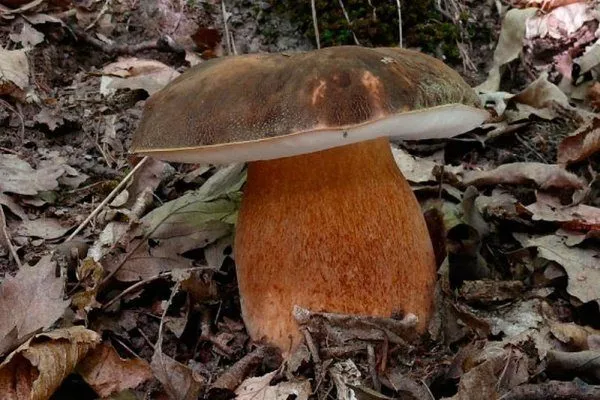
Hornbeam or copper. Species differences:
- The cap is round, fleshy, 7-17 cm in diameter, dark in color, and sometimes cracked.
- The flesh is white, with a pleasant aroma and flavor. It changes color when broken.
- It is distinguished by its massive stem, which is pinkish-brown and covered with a brown mesh.
- Tubular layer 2 cm thick. Yellow color, turns green when pressed.
Fans of edible delicacies value the hornbeam boletus more than the “classic” porcini mushroom (spruce).
Grows in deciduous forests in warm climates. Distribution: Europe, North America.
Other varieties
There are also the following varieties of porcini mushrooms:
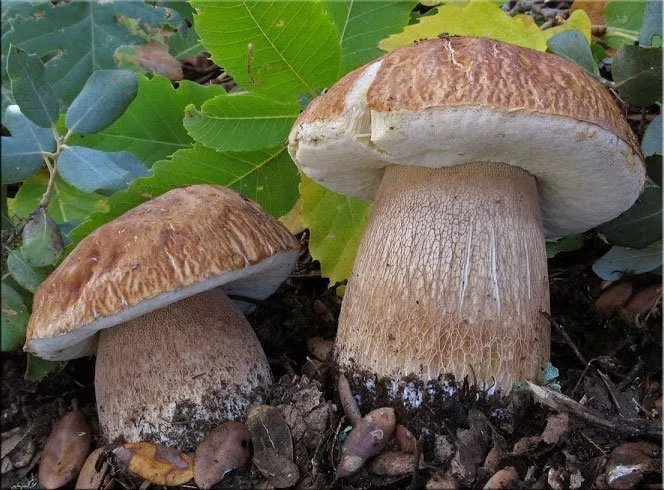
- Reticulate. It has a brownish or light ochre cap. The stem is short and cylindrical. It can be confused with the boletus mushroom. It prefers beech and hornbeam trees. It grows in Europe, North Africa, and North America. It has a distinct mesh on the stem. Fruiting period is June to September. It is rare.
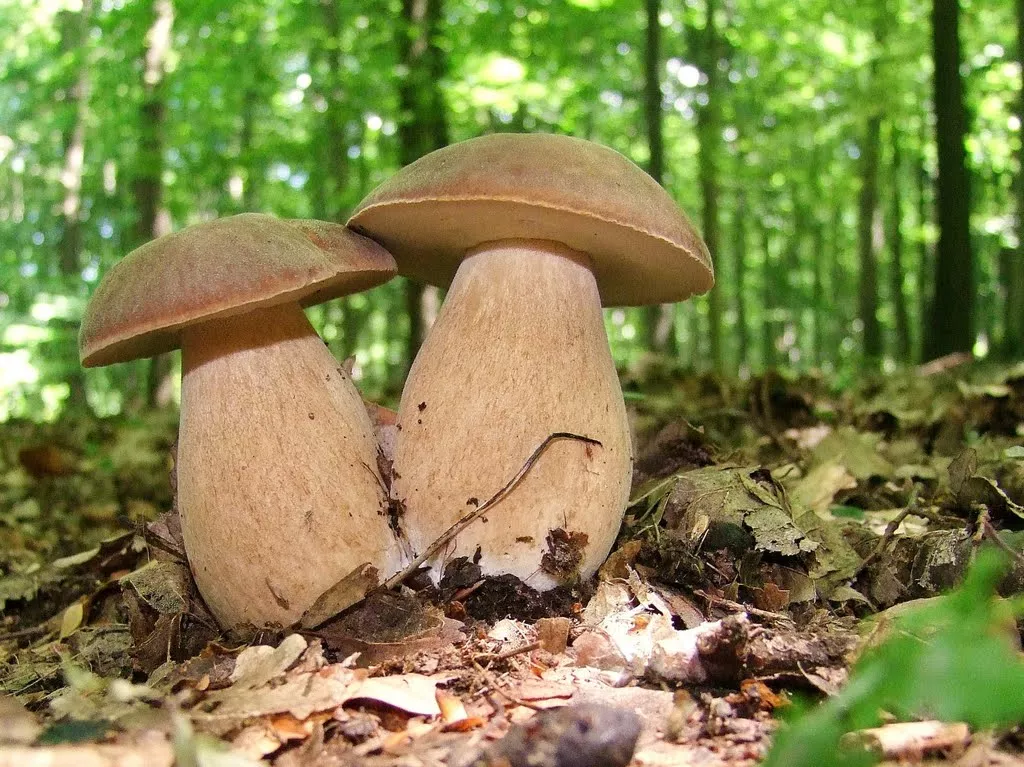
- Oak. The cap is grayish in color, sometimes with light spots. It differs from other boletuses in that its flesh is more crumbly. It prefers oak groves. It is found in the Caucasus and Primorsky Krai. It has a brown cap and is very similar to the gall mushroom.
- Semi-white mushroom. The cap is light brown or clay-colored. The dense flesh smells of carbolic acid. It is native to the Carpathian region, Polesia, and southern Russia. There is no reticulated pattern on the stem. The cap is light brown.
White mushroom netted
White oak mushroom
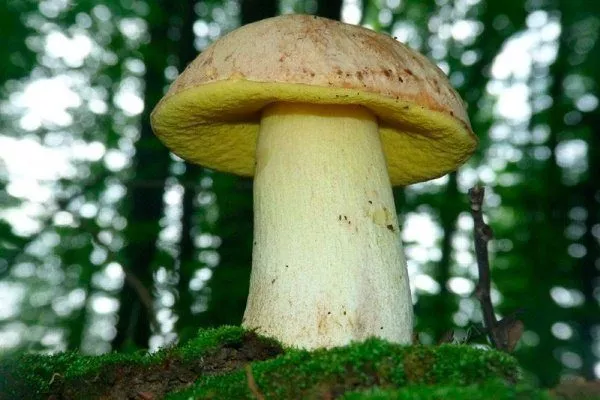
A semi-white type of porcini mushroom
Who can be confused with?
The boletus is usually confused with the gall mushroom (false boletus).
Signs by which they can be recognized:
- By cut color. The flesh of the gall mushroom darkens, acquiring a pinkish-brown color. The flesh of the porcini mushroom is white and does not change color.
- The stem of the gall mushroom has a bright pinkish mesh, while that of the real boletus is white or yellow.
- Gall mushrooms are bitter. The bitterness doesn't disappear even after cooking. However, when pickled, adding vinegar reduces it.
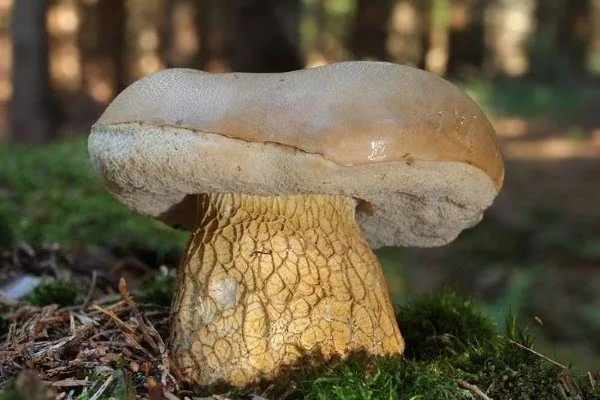
The bitterling mushroom (Bitterling) is a poisonous false white mushroom
The porcini mushroom has another double – satanic mushroomBut confusion with it is less common. Experienced mushroom pickers immediately recognize the difference, and it is significant:
- The color of the cap of the double is from whitish to olive-gray.
- The flesh immediately turns reddish or bluish when broken.
- The stem is covered with a mesh pattern. Its color is the main distinguishing feature of the satanic mushroom. It's reddish-yellow on top, reddish-orange in the middle, and yellow-brown underneath. It's hard to miss the difference!
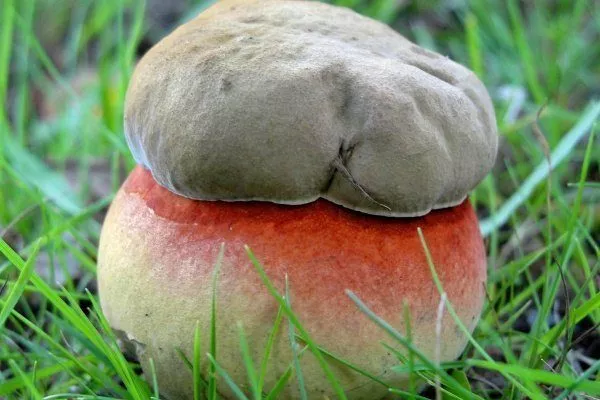
The poisonous twin of the boletus – the satanic mushroom
The value and benefits of the mushroom
The boletus mushroom is a highly valuable food product. The calorie content of raw boletus mushrooms is 22 kcal per 100 g. Ingredients:
- proteins – 3.1 g;
- carbohydrates – 3.3 g;
- fats – 0.3 g;
- dietary fiber – 1 g;
- water – 92.45 g;
- ash – 0.85 g.
Boletus mushrooms are a veritable storehouse of all kinds of vitamins, minerals, and other beneficial substances. They're a valuable product that combines flavor and nutritional properties. Porcini mushrooms contain everything the body needs, including:
- Selenium. There is so much of it in the pulp that consuming mushrooms can combat cancer in its early stages.
- Ascorbic acid – normalizes the functioning of all organs.
- Calcium, iron, phosphorus and other vital elements.
- Phytohormones – eliminate inflammation.
- B vitamins – strengthen the nervous system, promote normal energy metabolism, improve memory and sleep, prevent infections, and improve mood and appetite.
- Riboflavin – normalizes the functioning of the thyroid gland, promotes hair and nail growth.
- Lecithin – beneficial for those suffering from atherosclerosis and anemia. It cleanses blood vessels of cholesterol.
- B-glucan – an antioxidant that protects the immune system and saves the body from fungi, viruses, and bacteria.
- Ergothioneine – renews cells, restores the liver and kidneys, is beneficial for bone marrow, improves vision.
Harm
Boletus mushrooms contain chitin, which is poorly digested. It can damage:
- children;
- pregnant women;
- people with kidney disease and gastrointestinal diseases.
Porcini mushrooms can absorb harmful substances from the environment. Avoid picking them near factories or industrial areas.
The spores of the boletus, like those of other mushrooms, can cause adverse reactions in people with allergies. The main danger is consuming its lookalike, the gall mushroom. Therefore, it's important to carefully study the characteristics of this inedible species.
Use in food
The porcini mushroom is a low-calorie food. It's suitable for boiling, frying, drying, stewing, and pickling. The cooked flesh is tender and has a mushroomy aroma.
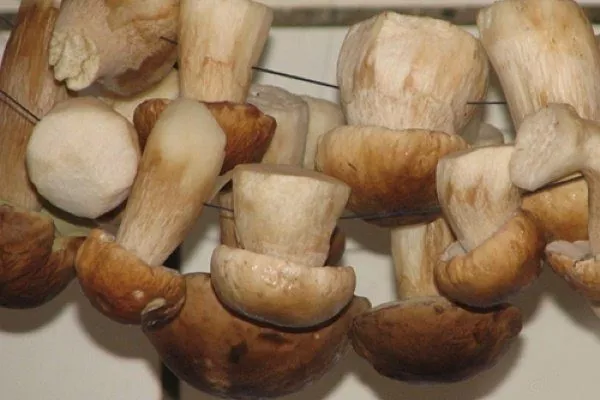
Eating dried porcini mushrooms allows the body to absorb up to 80% of their protein. Nutritionists recommend eating dried porcini mushrooms.
The strongest flavor comes from dried porcini mushrooms, dried correctly—it's important that the flesh loses moisture gradually. Mushrooms are considered difficult to digest. But dried boletus mushrooms are the most easily digestible mushroom product.
Growing
Despite its unrivaled flavor, porcini mushrooms aren't grown commercially—it's unprofitable. They're typically grown by amateur gardeners. A garden plot should have either coniferous or deciduous trees. There shouldn't be any fruit trees, cultivated shrubs, or vegetables nearby. The most difficult part is... growing boletus mushrooms – creating conditions for the successful establishment of connections between tree roots and mycelium.
Ideally, the plot should be adjacent to a forest. If this isn't possible, the future "plantation" should have at least a few pine, aspen, birch, oak, or spruce trees. The trees on the plot should be at least eight years old. There are two ways to grow porcini mushrooms: from mycelium or from caps.
Growing from mycelium
Growing begins with purchasing the planting material. Mycelium should be purchased from specialized stores. Next, prepare the plot and plant the mycelium:
- The soil around the trunks is exposed. The top layer is removed—approximately 20 cm. The circle should have a diameter of approximately 1-1.5 m. The removed soil is saved—it will be needed to cover the crops.
- A layer of peat is applied to the area prepared for planting. Well-rotted compost can also be used. The fertile layer should not be thicker than 2-3 cm.
- Place the mycelium on top. Space adjacent pieces approximately 30 cm apart. Arrange the pieces in a checkerboard pattern.
- Cover the mycelium with the previously removed soil. Water generously. About three buckets of water should be poured under each tree. Pour carefully to avoid washing away the soil.
- Next, mulch the watered soil with straw. The layer should be 30 cm thick. This is done to maintain the required moisture level, preventing the mycelium from drying out. The crops should be watered weekly. A nutrient-rich fertilizer should be added to the water.
Before frost, areas with mushrooms are covered.
Plantation maintenance schedule
- March-April: removal of covering material
- May-September: watering 2 times a week (10 l/m²)
- June: application of mycorrhizal fertilizers
- October: mulch with a 30 cm layer
- November: Covering with spruce branches
Moss, spruce branches, and fallen leaves can be used for insulation. When spring arrives, the insulation is raked away.
A year will pass, and you'll be able to harvest the first mushrooms. If you properly care for the mycelium, water it regularly, and feed it regularly, your mushroom "plantation" will bear fruit for up to five years.
Growing from caps
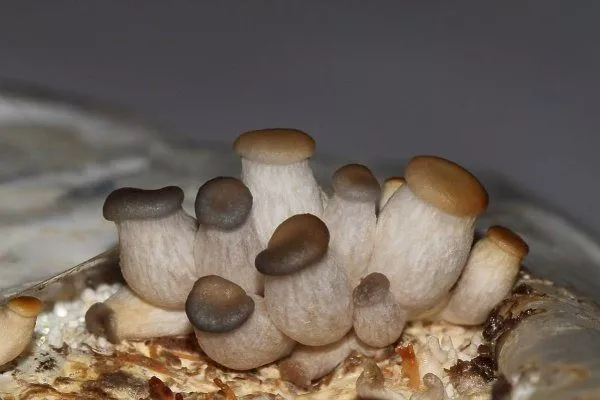
To implement this method, you'll need to obtain several mushroom caps. Find ripe, or better yet, overripe, boletus mushrooms in the forest. The cap should be at least 10 cm in diameter. Ideally, the cap should have a greenish tint when broken—this indicates the spores are ripe.
When collecting caps, remember the trees under which the mushrooms grew. Spores should be sown under the same trees. If a boletus is found under a spruce, it's unlikely to survive under a birch or aspen.
The procedure for preparing the site and planting the seed material:
- Soak about ten caps in a bucket of water. Rainwater is preferable. Add one of the following to 10 liters of water:
- alcohol – 3-5 tbsp;
- or sugar – 15-20 g.
Mushrooms should be soaked no later than 10 hours after picking, otherwise they will spoil.
- After 24 hours, mash the boletus caps. Knead until you have a jelly-like mass. Strain it through cheesecloth, separating the water from the mushroom tissue and spores.
- Prepare the planting site exactly as in the previous step. However, be sure to water the peat or compost with tannins for disinfection. To prepare the solution, use:
- black tea – 100 g;
- or oak bark – 30 g.
The tea is brewed in 1 liter of boiling water. Another option is to boil oak bark for 1 hour. The cooled solution is then poured onto the soil—3 liters per tree.
- Next, they begin planting: water containing boletus spores is poured onto the prepared fertile soil layer. The solution is stirred as it is poured. Crushed boletus caps are placed on top, the planting is covered with previously removed soil, and the area is covered with straw.
Boletus mushrooms can yield up to 250 kg per hectare. A bucket of porcini mushrooms can be harvested under each tree throughout the season.
All that's left to do is tend the crops—water them regularly, generously. If the soil dries out, the mycelium will die before it has a chance to germinate. For the winter, the area is insulated with spruce branches or leaves. In the spring, the soil is raked. The first mushrooms will appear the following summer or fall.
Growing indoors
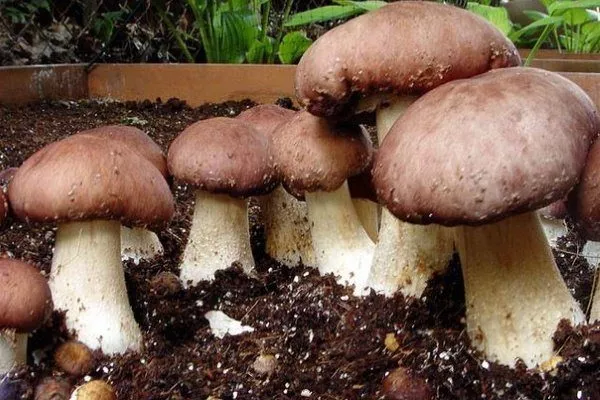
You can grow boletus mushrooms indoors:
- First, the premises are sterilized with a 1% chlorine solution – it kills mold and parasites.
- Create warm and humid conditions. Place barrels of water or wet sawdust.
- Prepare the substrate with mycelium. Place it in bags. Make cuts.
- The bags are placed at intervals of 5 cm.
- The temperature is maintained at 23-25°C, no higher. Exceeding this will destroy the mycelium.
The boletus deservedly earned its royal status—it surpasses all known mushrooms in taste and nutritional value. If you can't find enough boletus in the wild, you can cultivate them artificially.