
If you studied biology carefully in school, you'll remember that mushrooms grow from mycelium. However, most people use a different, more understandable and relevant word in conversation: mycelium. This is what gives mushrooms their start. By purchasing or collecting mycelium from the forest, you can grow mushrooms—for yourself or to sell.
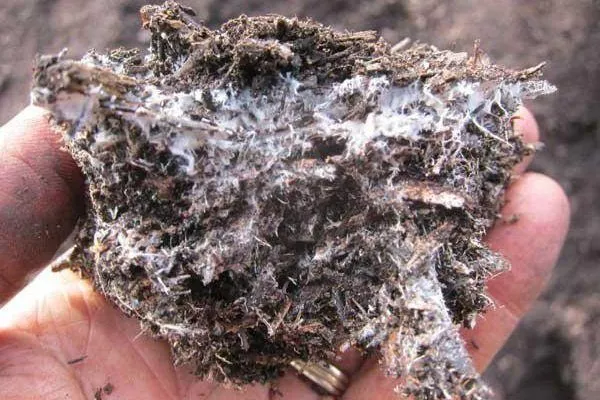
Properties and purpose of mycelium
Mycelium is the vegetative body of a fungus, capable of changing its shape to adapt to specific growing conditions. The mycelium forms specialized organs that allow it to firmly establish itself in the growing medium—soil, roots, wood, or substrate.
To grow butter mushrooms, saffron milk caps, or porcini mushrooms, you need mycelium, a substrate, and suitable growing conditions.
Functions of mycelium:
- Attachment to the nutrient medium.
- Processing of cellulose using enzymes to obtain substances necessary for the growth and development of fruiting bodies.
- Adaptation to environmental conditions.
- Participation in the formation and maintenance of spores.
The mycelium is the most important organ responsible for the transport of nutrients and vegetative reproduction.
The structure and life cycle of mycelium
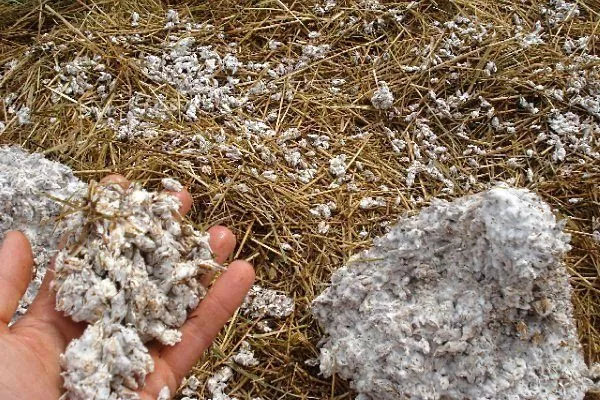
The mycelium appears as a cottony, fluffy coating, light-colored film, or mesh woven from tiny threads. The mycelium consists of thin, branched threads called hyphae, 1.5-10 microns thick. The threads are white or light-colored.
A network of small lateral branches called haustoria forms on the hyphae, allowing the fungi to penetrate the internal tissues of plants, obtaining water and nutrition.
If you add up the length of all the hyphae in the mycelium, it amounts to 30-35 kilometers in some mushrooms.
The hyphae, gathered in bundles, resemble plant roots. The tenacious hyphae help the fungi anchor themselves not only to soft substrates but also to hard surfaces. The nutrient-rich threads form sclerotia—black capsules that serve as protective structures. Thanks to these sclerotia, the mycelium survives even in severe cold.
The life cycle of fungi:
- The life cycle of fungi begins with a spore, which gives rise to primary mycelium.
- After crossing cells from two different spores, secondary mycelium appears.
- Vegetative development of secondary mycelium begins.
- After the maturation of the vegetative mycelium, its cells have an unprecedentedly high division rate - when it reaches its peak, the construction of fruiting bodies begins.
| Mycelium type | Structure | Number of cores | Examples of mushrooms |
|---|---|---|---|
| Coenotic | Without partitions | Set | Mucor, late blight |
| Septated | With partitions | 1-2 per cell | Champignons, oyster mushrooms |
The mycelium undergoes its final functional change, transforming into tertiary mycelium.
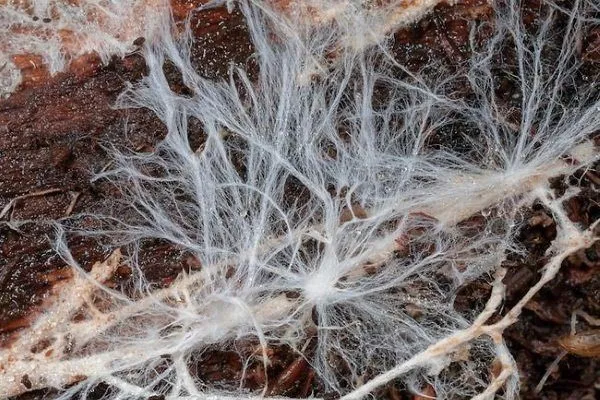
Mycelium forms
Myceliums are divided into two classes:
- Submerged - if they are completely hidden in the nutrient substrate.
- Air - if they only touch the nutrient medium.
Mushroom mycelium is also divided into:
- Coenotic – "non-cellular." There are no transverse septa between cells. This mycelium is a single large cell with multiple nuclei.
- Septated – "cellular." Mycelial cells are separated by intercellular septa. Each cell has a certain number of nuclei.
Where does mycelium form?
Mycelium is purchased in specialized stores or brought from the forest. Where does mycelium form? A network of fine intertwined structures called hyphae can be found:
- on stumps, old roots, wood – depending on the type of mushroom;
- at the site of the fruiting mycelium.
Take a piece of mycelium containing hyphae, create favorable conditions for it, and soon—when the cells become active—mushrooms will sprout from the threads. This is how amateur mushroom growers obtain "seedlings" for their home mushroom gardens.
Methods of growing mushrooms from mycelium
To grow mushrooms, it's a good idea to learn how to harvest your own mushroom mycelium—it's not always possible to find the required amount of mycelium in the forest, and purchasing it requires significant resources. Mycelium is classified according to cultivation method:
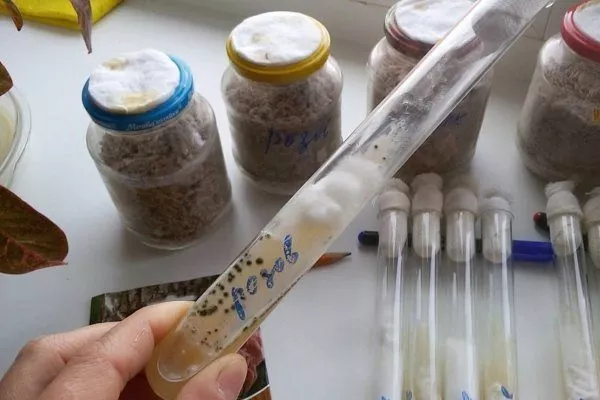
- Uterine. It is usually grown in laboratories. Fungal strains are grown in test tubes and used as seed material.
- From the body of the mushroomSlices of overripe caps are used for sowing. Mycelium harvesting from caps follows specific rules.
- Sowing. Material almost ready for sowing. It is collected from myceliums that have finished fruiting.
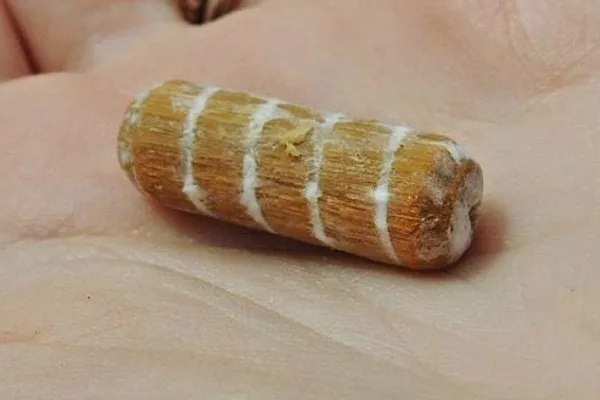
- From a stickYou can buy it in a special store.
How to grow mother spawn?
The simplest method is to have ready-made seed mycelium—it's simply added to the substrate. However, the mother spawn, which is made from the mushroom body, must be prepared. To grow the mother spawn, you'll need to purchase the necessary equipment. The material is inoculated under sterile conditions. Access to warmth and water is essential. Growing technology:
- Purchase:
- test tubes with stoppers;
- tweezers;
- wort;
- burner and alcohol;
- agar-agar;
- hydrogen peroxide;
- sterile gloves.
Stock Spawn Equipment Checklist
- ✓ Laminar flow hood or alcohol burner for sterilization.
- ✓ Thermostat with temperature maintenance accuracy of ±0.5°C.
- ✓ pH meter to control the acidity of the environment (optimum 6.0-6.5).
- Everything involved in the process of preparing the stock mycelium must be sterilized. The work area must also be sterile.
- Prepare the nutrient medium. Mix the agar-agar and wort and boil until thickened.
- Prepare the mushroom cap slices in advance. Rinse them in hydrogen peroxide and then transfer them to a sterilized container.
- Pour the wort mixed with agar into test tubes, positioning them at a slight angle. Let them cool. Keep them clean.
- Place a piece of mushroom into the warm, thick substance (using tweezers or tongs).
- Sterilize each test tube containing the mushroom over a burner. Immediately after sterilization, the tube should be capped.
- Place the test tubes in a warm, dark place for two weeks. Once this period has passed, the seeds can be sown in the substrate.
Growing mycelium yourself often fails due to sterility issues. Microorganisms end up in the test tubes, resulting in a proliferation of mold and other bacterial parasites instead of mycelium.
Growing stock mycelium on your own is extremely difficult. It's recommended to avoid risks and waste time, and instead purchase a ready-made product from professionals. When purchasing stock mycelium, ensure:
- that its expiration date has not expired;
- that the storage conditions were met.
As a rule, the shelf life of mycelium grown in a test tube is limited to 3-4 months.
Growing spawn from mushroom caps
This method of producing mycelium is simpler than the previous one. This propagation method is especially good for honey mushrooms and oyster mushrooms. How to prepare the seed:
- Collect ripe caps. Choose the largest and undamaged ones.
- Pour boiled water over the caps. Let the mixture sit for 24 hours.
- After draining the water, the soaked caps are kneaded to form a paste.
- The mixture is not stored; it must be used immediately. Therefore, the seeding substrate must be ready.
If mushrooms are to be grown on stumps and cuttings, the latter are pre-cut and the mushroom paste is inserted into the cuts. If a substrate is used, the mycelium from the caps is placed between the layers.
To ensure successful mushroom germination, the temperature should be maintained between 23 and 25 degrees Celsius during the incubation period. High humidity should also be maintained in the room.
Obtaining mycelium from hats is the easiest option for home use. Other mycelium growing methods cannot be used at home, unless you set up a mini-laboratory equipped with autoclaves and other specialized equipment.
Sticks with mycelium
These are simple sticks made from deciduous wood. They are inoculated with mycelium. They have a shelf life of six months. Storage conditions include room temperature and humidity above 50%. To initiate mushroom growth, the sticks are placed in a nutrient substrate. This mycelium can be purchased from companies that produce mushrooms in bulk or from specialized retailers.
Most hobbyists have been burned trying to grow their own mycelium and prefer to buy ready-made products. If mushroom growing is an exciting hobby, why not try growing your own?
How to choose a substrate?
Choosing a substrate—the material in which mushrooms will grow—is not an easy task. First, it must be ideally suited to the specific mushroom species being grown—oyster mushrooms, button mushrooms, porcini mushrooms, etc. Some species require a soft substrate, while others prefer hardwood.
There are several substrate options, and the mushroom grower's task is to choose the optimal option for specific mushrooms and their goals.
From straw
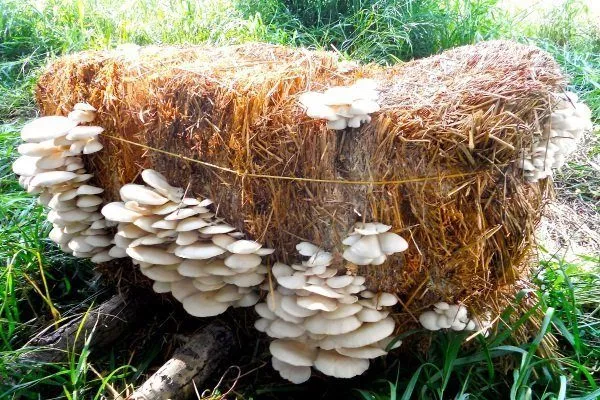
Rye, wheat, or oat straw are used. These materials are inexpensive and readily available. Most importantly, they are versatile—almost any mushroom can be grown on straw. Fungi readily break down and absorb the nutritious fibers in the straw. A disadvantage of straw substrate is the need for sterilization (pasteurization). Any straw contains mold spores and other parasitic fungi, which will compete with cultivated mushrooms for food.
Log substrate
Mushrooms grown on logs are tastier than those grown on a straw substrate. While it takes a long time for the mushrooms to germinate in the wood, they yield good harvests. Mushrooms are grown on deciduous wood—maple, poplar, willow, birch, chestnut, ash, and fruit trees. Black walnut and white acacia are not suitable. Considerations for growing on logs:
- Only healthy wood is used – without traces of other fungi.
- The presence of moss and lichen is permitted, but they must be cleared before sowing.
- It's best to cut the tree in late February to mid-March. This is when the sap is flowing, providing the mushrooms with a highly nutritious environment.
- Log length: 50-150 cm. Diameter: 10-15 cm or more. Thin logs may break.
- Freshly cut logs should be left to cure for about six months before being moved in. Logs should be stored in clean, ventilated areas. The wood should not touch the ground.
- The ideal time for planting is spring, after frost. It's best not to plant in hot weather.
To grow on logs you will need:
- logs;
- 5/16 drill bit and drill;
- rubber mallet;
- work surface – for example, a workbench;
- natural wax;
- brush – to apply wax;
- mushroom sticks.
| Mushroom | Optimal breeds | Duration of colonization, months | Yield, kg/m³ |
|---|---|---|---|
| Oyster mushroom | Poplar, willow, maple | 3-4 | 10-12 |
| Shiitake | Oak, beech, hornbeam | 6-8 | 6-8 |
| Honey mushrooms | Birch, alder | 4-5 | 8-10 |
Sawdust
The best sawdust for growing mushrooms comes from deciduous trees. Selecting sawdust is similar to selecting logs. Avoid using sawdust that is too fine, as it can become compacted and suffocate the mycelium.
Pure sawdust has few nutrients. To increase its nutritional value, bran is added to sawdust, which provides nitrogen. Fungi growing on untreated sawdust are thin, flimsy, and have poorly developed caps. Sawdust is pasteurized before use.
Alternative substrates
In addition to logs, straw and sawdust substrates, the following can be used for growing mushrooms:
- used coffee grounds;
- used tea leaves;
- cardboard (without dyes);
- compost, garden waste;
- paper (if newspapers are used, make sure that the ink is non-toxic);
- sunflower husks, corn cobs, other organic matter.
The substrate is selected based on the type of mushroom and the type of mycelium. If you purchased mushroom sticks, wood will serve as the substrate. Straw can also be used, but the mycelium, already familiar with wood fibers, will germinate faster in wood.
How to grow mushrooms?
First, you need to decide what kind of mushrooms you'll be growing. Based on this, you'll select the optimal substrate. First, you need to research the best place to get mycelium. You can grow it yourself. Growing mushrooms not only allows you to provide your family with a delicious, nutritious product but also to start your own business. To start your own business, you'll need:
- A room with special conditions – humid, warm, illuminated, ventilated.
- Investments in growing space will depend on the type of mushroom. For example, oyster mushrooms are not particularly fussy about environmental conditions, while button mushrooms, on the other hand, require attention and careful care.
- Decide on a cultivation method. There's an intensive method, where mushrooms are grown year-round on various substrates, and an extensive method, which involves a limited yield.
- The substrate is the basis for growing mushrooms. You can prepare it yourself, for example, from straw or sawdust, or purchase it from companies specializing in mushroom growing equipment. If managed properly, you can get over 2 kg of mushrooms from 10 kg of substrate. It's important that the substrate be environmentally friendly—free of synthetic fertilizers and chemical additives. The presence of chemicals reduces the taste and yield of mushrooms. Sometimes, mushrooms don't grow at all on substrates oversaturated with chemical additives.
- Mycelium. Mycelium is sown into the prepared substrate. For every 100 kg of substrate, 3-5 kg is needed. The mycelium can be purchased or prepared by growing it from the mushroom body. Producing mushroom mycelium at home is a difficult, but entirely achievable, task.
These days, it's difficult to find a company that guarantees 100% quality of the mycelium they sell. Successful mycelium cultivation requires a room with a constant temperature (20-30°C) and humidity, as well as adequate lighting and ventilation.
If the technology is followed and favorable growing conditions are provided, within a couple of weeks, fruiting body embryos will appear, from which clusters of mushrooms will develop. Fruiting occurs in waves. Typically, when grown on a substrate in bags, three harvests are collected, after which the bags are replaced.
What mushrooms are grown from mycelium?
If you have a dacha or garden plot, you can grow mushrooms, a delicious addition to fruits and vegetables, to add variety to your diet. And if you're feeling adventurous, you can even grow mushrooms for sale. And not just traditional oyster mushrooms and button mushrooms, but also honey mushrooms, boletus mushrooms, and other tasty and productive varieties. Let's find out which mushrooms are best grown from spawn.
Champignons
The champignon mushroom is the most popular in mass production. There are three types of champignons: white, cream, and brown. White champignons are the easiest to grow from mycelium—they are less demanding and produce seven harvests per year. For successful cultivation, you need:
1. Create a favorable temperature and humidity in the greenhouse.
2. Prepare a special substrate. To prepare it, you will need:
- chopped winter grain straw;
- horse, cow, rabbit or pig manure;
- urea;
- lime, chalk or gypsum.
The substrate is prepared in the following proportions:
- straw – 100 kg;
- manure – 50 kg;
- urea – 300 g;
- water – 300 l.
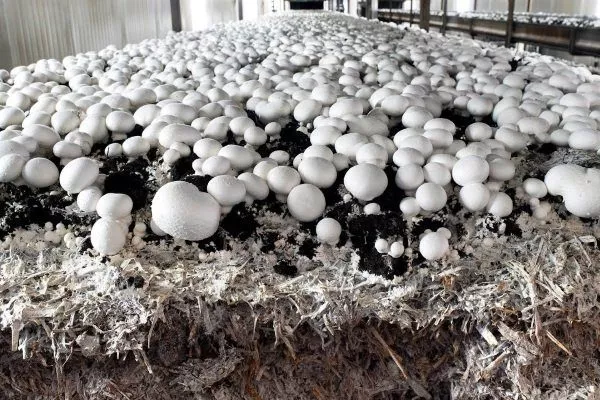
It's recommended to add 300 g of superphosphate. Spread the compost on the film, mixing and moistening it for 10 days. Ensure that the substrate does not contain excess ammonia and carbon dioxide.
3. The prepared substrate is laid out in boxes in a 20 cm layer.
4. Prepare the mycelium:
- Cereal. Place the grain mixture in a metal container and add water to cover by 2-3 cm. Boil for 1 hour. Strain the grain and dry. Pour into jars, filling them 50% full. Sterilize. Add a small amount of mycelium to the cooled jars. When a white fluff appears, you'll know the mycelium is developing successfully. After a week, the finished mycelium can be planted.
- From mushroom stemsSoak the corrugated cardboard for 1 hour. Make cuts in the mushroom stem and separate the fibers. Drainage holes are made in the "farm" container. Place the mushroom fiber on the soaked cardboard, cover with wet cardboard, remove it from the top, and apply a press. When the sheet turns white, the mycelium is ready and can be placed in the nutrient mixture.
Parameter control schedule for champignons
- Days 1-7: t=25°C, humidity 90%, CO₂=20000 ppm.
- Days 8-14: t=22°C, humidity 85%, CO₂=10000 ppm.
- 15-21 days: t=18°C, humidity 80%, CO₂=5000 ppm.
5. Place the mycelium in the substrate. Cover the boxes with paper. The mycelium will begin to germinate in 2-3 weeks.
Oyster mushrooms
This productive and unpretentious mushroom is grown on:
- deciduous wood;
- in bags with substrate - it is prepared from sunflower husks, sawdust and straw.
High-quality mycelium is required for planting. Healthy oyster mushroom mycelium is white or cream-colored and feels dry to the touch. It is purchased in late fall or early spring, before temperatures rise above 3°C. Here's the procedure for growing oyster mushrooms:
- Preparing the premises – for example, a greenhouse.
- Planting can begin in November, then the first mushrooms will be available by the end of winter.
- Preparing the logs. Cut offcuts up to 0.5 m long and 40 cm in diameter. Dry wood is soaked for two days. Fresh wood is not soaked.
- The finished cuttings are inoculated with mycelium. To do this, each cut is generously sprinkled with mycelium—a layer of about 1 cm. Four logs are stacked on top of each other and covered with burlap or sawdust. The distance between logs is at least 40 cm.
- Maintain a room temperature of 13-15°C. Humidity is 90%. Oyster mushrooms don't like light—too much light can kill the mycelium. Once fruiting begins, raise the temperature to 25°C. One stump yields 0.5-2.5 kg of mushrooms.
In addition to logs, bags can be used to grow oyster mushrooms:
- The material is used in one type or as a mixture.
- The crushed raw materials are placed in an enamel container and filled with boiling water for 12 hours.
- The water is drained and the raw materials are squeezed out.
- After mixing the substrate with mycelium, fill the bags with the mixture.
- They make holes in the bags – mushrooms will grow through them.
A mushroom specialist explains all the steps for growing oyster mushroom mycelium at home:
White mushroom
Porcini mushrooms are not grown indoors. They require a site with birch, pine, or oak trees. Here's how to grow porcini mushrooms:
- Planting can be done in late spring or early fall. It should be warm outside.
- To prepare the mycelium, take the caps of healthy, ripe boletus mushrooms. The caps are soaked for 2 hours in clean, cold water. Then, 200 g of sugar is added and the caps are broken into pieces. After this, the caps are soaked in the sweetened water for another 2 hours.
- Remove the top 20 cm of soil beneath the trees (where the mushrooms will grow) and pour in the prepared mycelium. The first mushrooms will appear within a year. Maintaining optimal soil moisture is important. If the soil becomes overwatered, the mycelium will begin to rot.
Honey mushrooms
Growing honey mushrooms in your garden isn't easy, and not everyone succeeds. Here's the procedure for growing honey mushrooms from mycelium:
- The timber is harvested and transported to the planting site. The site is chosen so as to be sheltered from wind and sun.
- Mycelium is prepared from mushroom fruiting bodies in the usual way, or purchased ready-made. Mycelium sticks can also be embedded in wood.
- To ensure the mycelium penetrates the soil, the logs are dug in to a depth of 2/3 of the soil's height. The distance between the logs is 10-15 cm.
- From the moment the substrate is infected with mycelium until fruiting, 45 days pass.
It is recommended to plant honey mushrooms in open ground in the spring - in trunks saturated with moisture and nutrients.
Growing mycelium at home complicates the already challenging process of mushroom cultivation. Whether to buy mycelium or grow it yourself is a personal decision for each mushroom grower.