
The Volgograd region offers numerous opportunities for those who enjoy forest walks in search of a wide variety of mushrooms. Over 400 hectares of natural habitats are rich in milk mushrooms, butter mushrooms, russula, and other noble mushrooms. However, it's important to be able to distinguish them from each other and avoid picking poisonous specimens.
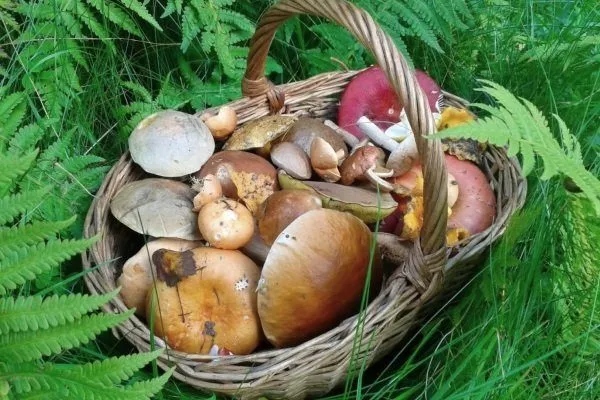
- ✓ Check mushrooms for signs of toxicity: color change when broken, unpleasant odor.
- ✓ Take into account the mushroom fruiting season to successfully harvest them.
Edible mushrooms
The Volgograd region is home to many delicious and healthy mushrooms that any mushroom picker will be delighted to encounter. It's worth taking a closer look at their diversity and habitats.
| Mushroom | Cap diameter (cm) | Leg height (cm) | Fruiting season | Mycorrhiza type | Drought resistance |
|---|---|---|---|---|---|
| Morels | 3-8 | 2-10 | Spring | Does not form | Low |
| Russula | 5-10 | 5-10 | Summer-autumn | Diverse | Average |
| White mushroom | 5-25 | 8-20 | Summer-autumn | Coniferous, deciduous | High |
| Chanterelles | 4-15 | 3-7 | Summer-autumn | Conifers | Average |
| Milk mushrooms | 5-20 | 2-5 | Summer-autumn | Deciduous | Low |
| Valuy | 5-10 | 5-10 | Summer-autumn | Deciduous | Average |
| Aspen mushroom | 5-20 | 10-20 | Summer-autumn | Deciduous | Average |
| Birch boletus | 5-15 | 10-20 | Summer-autumn | Deciduous | Average |
| Umbrellas | 5-15 | 10-20 | Summer-autumn | Saprotroph | High |
| Oyster mushrooms | 5:30 | 2-5 | Autumn-Winter | Saprotroph | High |
| Tinder fungi | 5-50 | 1-10 | Spring-autumn | Saprotroph | High |
| flywheel | 4-10 | 5-10 | Summer-autumn | Conifers | Average |
| Volnushki | 5-10 | 3-6 | Summer-autumn | Deciduous | Low |
| Champignon | 5-15 | 5-10 | Summer-autumn | Saprotroph | Average |
| Polish mushroom | 5-15 | 5-10 | Summer-autumn | Conifers | Average |
| Butterlets | 3-10 | 5-10 | Summer-autumn | Conifers | Average |
| Chanterelles | 2-10 | 3-7 | Summer-autumn | Deciduous | Average |
| Dung beetles | 3-10 | 5-15 | Spring-autumn | Saprotroph | Low |
| Rows | 5-10 | 5-10 | Summer-autumn | Deciduous | Average |
| Honey mushrooms | 3-10 | 5-15 | Summer-autumn | Deciduous | Average |
| Goat | 3-8 | 5-10 | Summer-autumn | Conifers | Average |
Morels
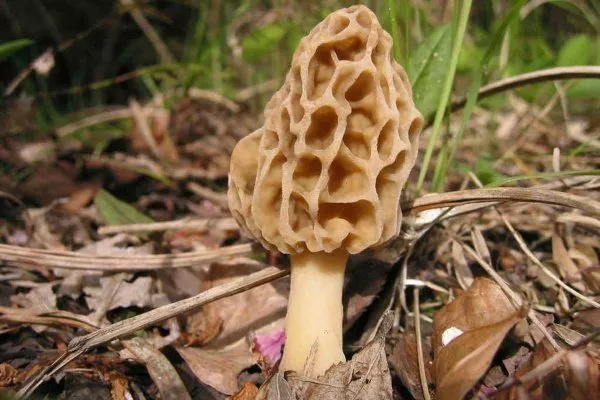
DescriptionThese are fairly well-known mushrooms, but not every mushroom picker can recognize them as edible. This is because they look morels They are unattractive, and their shape is quite unique for the mushroom kingdom: an egg-shaped cap rests on a short, conical stalk. The cap and stalk can vary in size, making it difficult to separate one from the other.
Where and when does it grow? Morels grow in forests, gardens, and parks. These mushrooms are especially fond of areas where there was a fire several years ago. In spring, morels are easy to find in damp weather in many deciduous and coniferous forests, on clay and chalky soil.
VarietiesThere are many types of morels, among the edible ones it is worth noting the tall, conical, true, semi-free, steppe, thick-legged morels and morel cap.
Doubles.Morels are visually similar to gyromitra, which are poisonous.
Russula
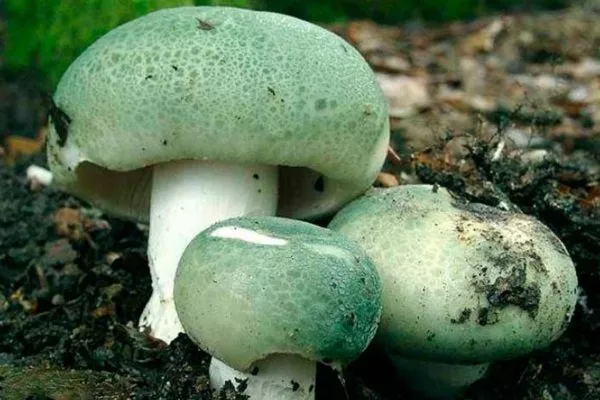
Description. Young russulas have a spherical cap. As the mushroom grows, the cap straightens, becoming flatter and sometimes convex. It doesn't exceed 10 cm in size and comes in a wide range of colors. The stem is the same length and is usually white, but can also be as colorful as the cap. The mushroom has a mild odor.
Where and when does it grow? Russula mushrooms are collected in summer and autumn in mixed forests.
Varieties. Among these mushrooms, the following are common: Russula amethystica, Russula barla, Russula blackfordiana, Russula kinata, Russula pleasant, Russula robusta, Russula whole, Russula marsh, Russula geranium-flora, and Russula velenovskii.
Doubles. Russula mushrooms include not only edible ones, but also inedible or poisonous ones, such as the caustic russula and the birch russula. These are quite difficult to distinguish from edible mushrooms; only experienced mushroom pickers can do this.
Russula viridans
White Gib
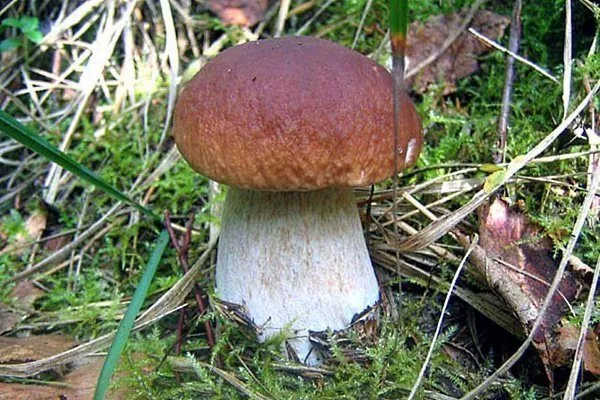
Description. White mushroom The porcini mushroom is one of the most popular edible mushrooms. The caps of porcini mushrooms are large, reaching several dozen centimeters in diameter. The cap color ranges from light to dark brown, sometimes yellow or reddish. The stem of the porcini mushroom is also large, no more than 10 cm wide. The stem is smaller in proportion to the cap, but can widen toward the base, reaching the size of the cap. The flesh of the porcini mushroom is the color of its name, though a pink tint is less common.
Where and when does it grow? In the Volgograd region, porcini mushrooms are often found in the Kumylzhensky, Gorodishchensky, and Alekseevsky districts. Pine, oak, and birch forests with lichen and moss on the ground are considered their favorite habitat. Foraging begins in June.
Varieties. The most common porcini mushrooms are considered to be spruce, pine, oak, birch, net and hornbeam.
DoublesThe white mushroom is confused with the gall mushroom and satanic mushrooms, which are inedible.
Chanterelles
Description. The mushroom's russet color ranges from light yellow-pink to deep orange-red. The cap of mature mushrooms reaches 15 cm in diameter, with slightly curved edges and a central depression. The stem is hollow, no more than 10 cm long, and cylindrical. The flesh of the saffron milk cap is as vibrant as the mushroom itself, turning green when exposed to air for long periods. Saffron milk caps have a rather faint odor.
Where and when does it grow? The first saffron milk caps ripen in mid-July, and they continue to grow until frost. Look for them in coniferous forests on the north side of the trees.
Varieties. The main types of saffron milk caps include pine, spruce, red, and milky-red milk caps.
DoublesFalse saffron milk caps include the pink milk cap, the fragrant milk cap, and the papillary milk cap.
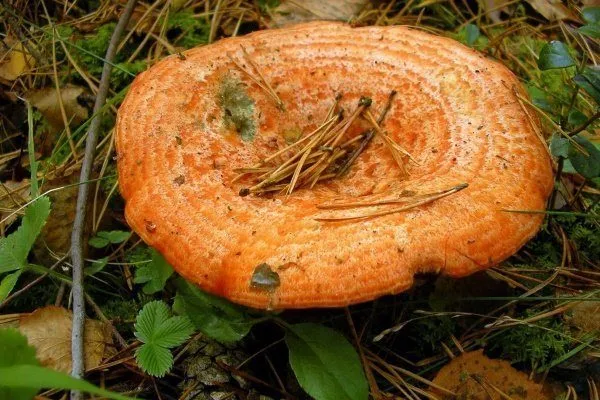
Milk mushrooms
DescriptionMilk mushrooms have a distinctive appearance compared to many other mushrooms: they have a large, massive white cap on a short stem. The edges of the mushroom are fringed. As the mushroom grows, the edges begin to curl inward, and the mushroom itself turns yellow. Therefore, yellowed mushrooms, which are already approaching a rusty color, should not be picked.
Where and when does it grow? Milk mushrooms can be found in birch, oak, and aspen forests from July to September. In the Volgograd region, they are often found near the villages of Trehostrovskaya, Lebyazhye Polyana, and Kalach-on-Don.
Varieties. There are many types of milk mushrooms in this area, among which the most prominent are the real milk mushroom, the aspen milk mushroom, the yellow milk mushroom, the oak milk mushroom, the black milk mushroom, and the dry milk mushroom.
Doubles. False milk mushrooms and milk mushroom look-alikes include the peppery, camphor, felt and golden-yellow milk mushrooms.
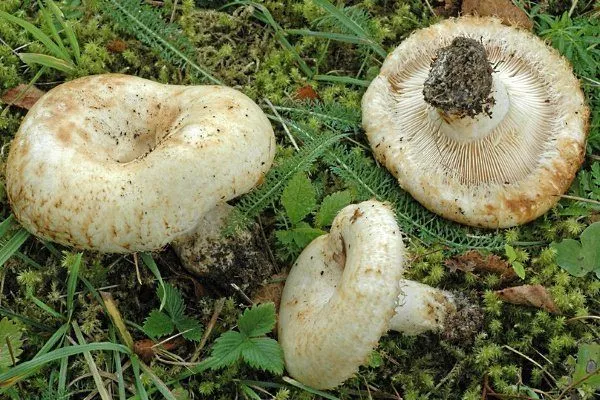
Real milk mushroom
Valuy
Description. The cap of the russula is spherical at first, but over time it flattens, with distinct grooves along the edge and a small indentation in the center. The cap rarely exceeds ten centimeters in diameter, its surface is covered in mucus and has a bright shine, yellow or yellowish-brown in color.
The stem of the russula is white and barrel- or cylindrical-shaped. It is about 3 cm thick and about 10 cm long. The flesh of the mushroom is also white, turning brown when exposed to air. Its odor is similar to spoiled butter.
Where and when does it grow? Valuis grow in birch, deciduous and coniferous forests.
Varieties. Valuy is the only representative of its species. These mushrooms are harvested from midsummer to September.
Doubles. Similar species to the russula include the ochre, almond, and Morse mushrooms, which can be distinguished by their distinctive odor and color. There's also a poisonous lookalike, the false russula, which, when cut, has a strong, horseradish-like odor.
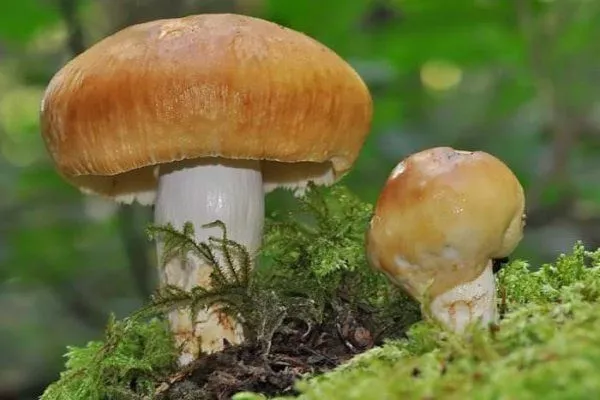
Aspen mushroom
DescriptionAspen mushrooms are characterized by a wide, stocky stem, topped by a brightly colored cap. Initially, the cap fits tightly around the top of the stem and is spherical in shape. It later expands, flattening further with age. The cap's color ranges from light brown to bright brick-red.
Where and when does it grow? Aspen mushrooms are harvested from early summer through autumn. They are most often found in the birch and aspen forests of the Kletsky District. They can be found under a variety of trees: spruce, beech, poplar, birch, willow, and aspen.
Varieties. The most common representatives are: red aspen mushroom, black-scaly aspen mushroom, oak aspen mushroom, yellow-brown aspen mushroom, and spruce aspen mushroom.
DoublesThe pepper mushroom (or bitterling) is a close relative of the aspen mushroom. The latter differs from the aspen mushroom in that it lacks a mesh pattern on the stem and has a pinkish tint to the tubular layer.
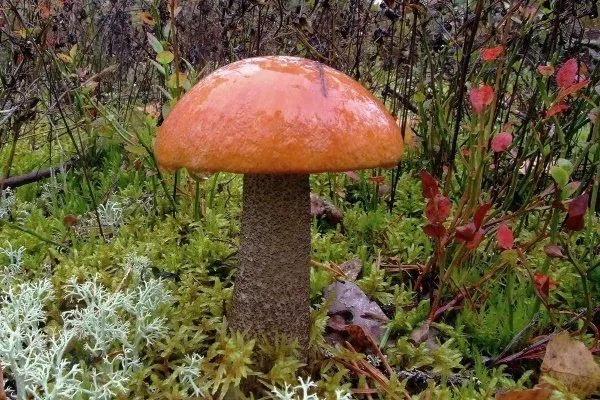
Birch boletus
Description. The birch bolete has a small cap (averaging 8 cm in diameter) of gray-brown or brown color, which sits on a thin but long (about 10 cm) white-gray stem. Dark brown gills cover the surface of the stem. The flesh is firm and white, turning green, pink, or black when exposed to air, depending on the type of bolete.
Where and when does it grow? Boletus mushrooms grow primarily in birch forests. These mushrooms should be picked in the summer and fall seasons.
Varieties. There are many types of boletus, the most common of which in Russia are the common and grey boletus.
Doubles. The birch bolete is very similar to the birch bolete. The latter can be distinguished from the edible version by the greenish tint of its cap and the pink underside.
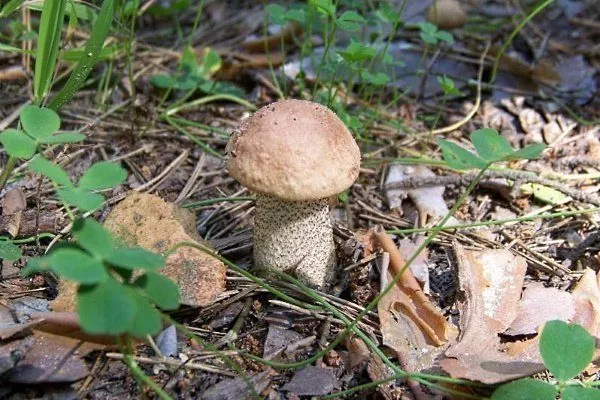
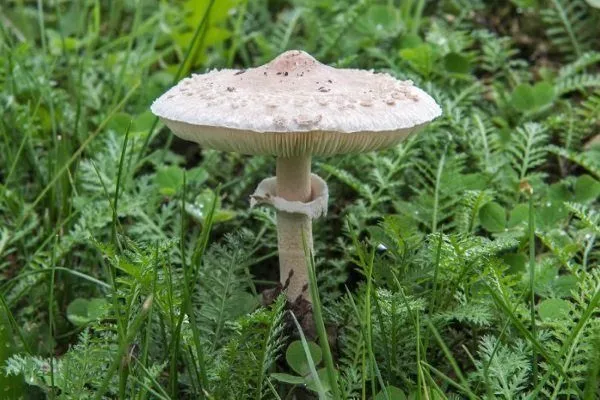
Umbrellas
DescriptionEdible mushrooms of this species include the white, red, and variegated parasol mushrooms. They are all similar in shape, differing only slightly in size. The caps of these mushrooms are spherical when they first grow, but over time they open up, becoming like an umbrella. The cap color depends on the species and can range from light cream to dark brown. As the mushroom grows, peeling gills become visible on the cap. The stem is hollow, white-gray, and cylindrical.
Where and when does it grow? Parasol mushrooms are harvested from mid-June to October. They can be found in various open forest areas—pastures, clearings, meadows, forest edges, and so on.
VarietiesThere are several edible varieties of this mushroom, including the field parasol, the elegant parasol, the Conrad's parasol, the mammillary parasol, the variegated parasol, the blushing parasol, and the maiden parasol.
Doubles. Inedible or poisonous members of this genus include the pectenate parasol, chestnut parasol, and sharp-scaled parasol. The extremely poisonous panther fly agaric and white toadstool also resemble the parasol mushroom.
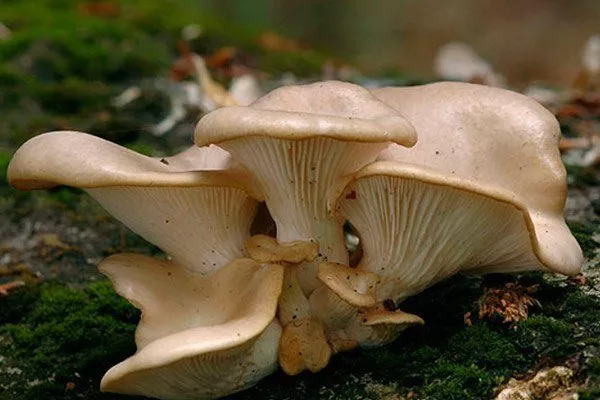
Oyster mushrooms
DescriptionThe common oyster mushroom is large, with a cap diameter of several dozen centimeters (10-30). The cap's margins are folded inward at the beginning of growth, but as they mature, they unfold and become wavy, transforming the convex top of the mushroom into a flatter form. Oyster mushrooms are gray in color with varying shades; older mushrooms appear whitish, their color losing its richness over time. The stem is short, dense, cylindrical, and white.
Where and when does it grow? The favorite habitats of these mushrooms are trees and stumps. Oyster mushrooms They grow on dead or weakened birch, aspen, willow, oak, and rowan trees. Mushroom harvesting begins in the fall, and can sometimes be found until December.
VarietiesThe genus Oyster mushrooms comprises three dozen species, including both edible and inedible ones. The most common edible mushrooms are considered to be the common oyster mushroom, the cornucopia oyster mushroom, the oak oyster mushroom, the steppe oyster mushroom, the lung oyster mushroom, the pink oyster mushroom, and the golden oyster mushroom.
Doubles. False oyster mushrooms differ from edible ones by their brighter coloring. In Russia, such false mushrooms include the orange oyster mushroom and the wolf's sawfly.
Tinder fungi
Description. For the most part tinder fungi They look like large growths on the bark and can be of various colors, with a massive cap and a small, strong stem, which is located on the side and is visually inconspicuous.
Where and when does it grow? All tinder fungi live on normal or rotting trees, sometimes found on dry fallen wood, branches, stumps, and, less commonly, on the ground. Their species can be found from early May until late autumn.
Varieties. There are many varieties of tinder fungi. Edible varieties include the sulfur-yellow, scaly, and liver fungi. Other tinder fungi also exist: the humpback, fragrant, radiant, birch, chestnut, hard-haired, reishi, and others.
Doubles. Inedible representatives of this family, such as the false tinder fungus, can be considered as look-alikes of tinder fungi. varnished and multi-colored.
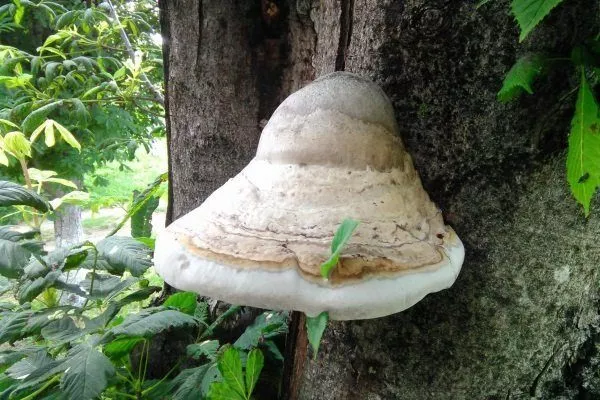
Common tinder fungus
flywheel
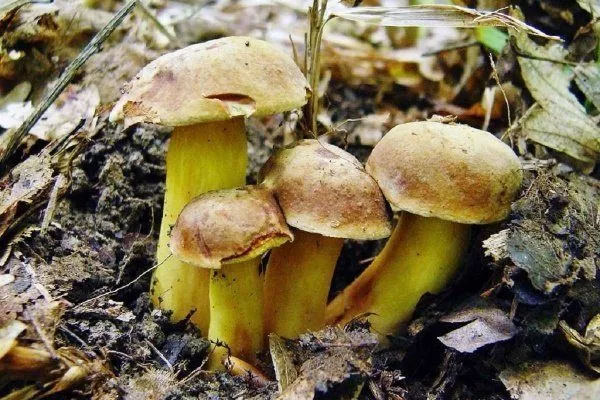
DescriptionThis edible mushroom has a brown, hemispherical cap, no more than 10 cm in size. Over time, cracks appear on the cap. The flesh is yellowish-red, with a bluish tint visible when cut. The stem of the boletus mushroom is standard, cylindrical; as the mushroom grows, its base or top may enlarge, depending on the variety.
Where and when does it grow? There are many in the Volgograd region boletus mushrooms Found in pine forests near the village of Kletskaya. The mushroom's name derives from its favorite habitat—moss. The best time to pick the mushrooms is considered to be from early July to late August.
VarietiesThere are just under two dozen species of boletus, of which about seven are found in the Volgograd region.
DoublesLike butter mushrooms, boletuses are often confused with the pepper mushroom, which is inedible. Other similar mushrooms include the parasitic boletus, chestnut mushroom, and gall mushroom.
Volnushki
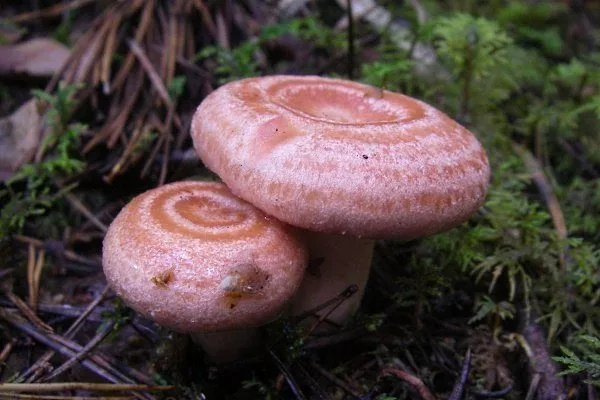
DescriptionThe cap of the milk cap is approximately 8 cm in diameter. In young mushrooms, it is convex; in mature mushrooms, it is flat, with downturned edges and a central indentation. Its surface is fuzzy, and its color ranges from light pink to a bright, rich brick pink, darkening toward the center. In the absence of moisture, the mushroom begins to turn white. The milk cap has a thin, strong, short, pink stem.
Where and when does it grow? They are growing volnushki In birch forests. These mushrooms are collected from June to October.
Varieties. The most famous of the milk caps are the pink and white milk caps, but there are also the grey, yellow and marsh milk caps.
DoublesMilk caps, also known as milk caps, are similar-looking counterparts to the milk caps. The milk caps are also pinkish, sometimes with reddish rings, but without the fringe around the edges.
Pink volnushka
Champignon
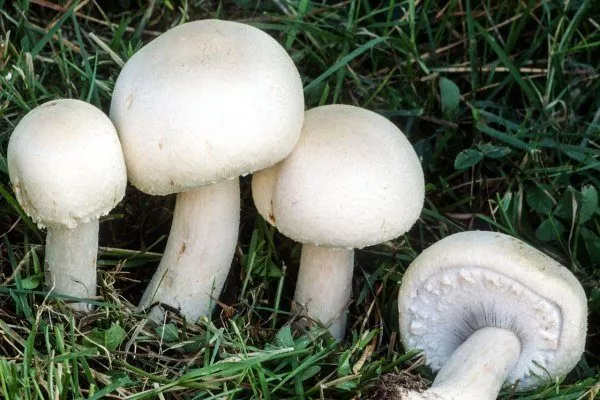
Description. Champignons have a distinctive white-gray round cap, sometimes with yellow spots. The stem is firm and smooth. Compared to its relatives, the mushroom is medium-sized.
Where and when does it grow? Mushrooms prefer to grow in spruce forests, meadows, pastures, and fields. They are usually harvested at the end of June.
Varieties. Today, there are about two hundred species of champignons, the vast majority of which are edible mushrooms.
DoublesA dangerous and common lookalike of the champignon is the false champignon, which can be distinguished from the edible variety by its unpleasant odor. Sometimes the cap color of champignons resembles that of fly agarics, but the former lacks a volva and has a different gill color, ranging from pink to blackish-brown.
Polish mushroom
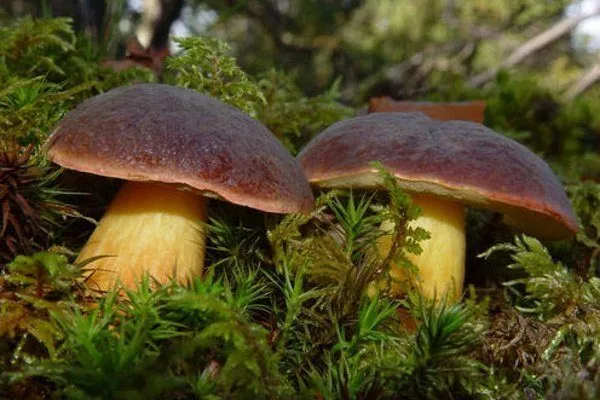
Description. The cap of the Polish mushroom is approximately 10 cm in diameter and has a rounded shape. Initially, its edges are curled inward; as the mushroom matures, the edges uncurl and may curl outward, resulting in a flatter cap. The cap color ranges from light to dark shades of brown. The stem is impressive, reaching approximately 10 cm in height and 4 cm in diameter.
The mushroom was given this name because it was previously supplied to Europe primarily from Poland, where it was a popular product.
Where and when does it grow? The Polish mushroom can be found in coniferous forests, less commonly in deciduous forests with predominantly sandy soil. These mushrooms can be harvested over a long period, from June to November.
Varieties. In various classifications, the Polish mushroom is classified as a boletus, a moss mushroom, or is considered a separate species.
Doubles. The Polish mushroom has such lookalikes as the variegated boletus and the green boletus, which differ from it in their color and cracked cap.
Butterlets
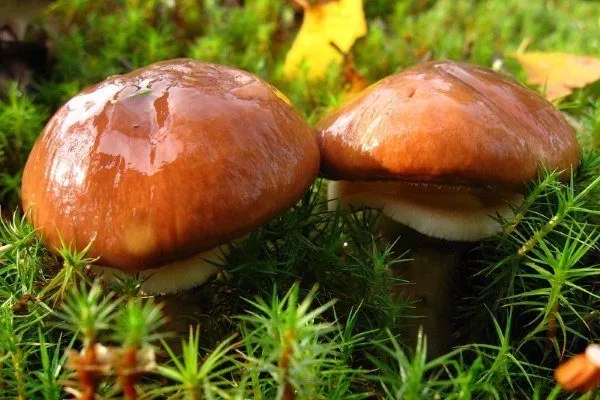
Description. A distinctive feature of butter mushrooms is their sticky, easily peeled cap skin, which gives them their name. They are small, with caps rarely exceeding 10 cm in diameter. Their color palette depends on the mushroom species and the light levels in their growing environment. The stem of butter mushrooms is also small, white or similar in color to the cap.
Where and when does it grow? Mushroom pickers collect large quantities of butter mushrooms in pine forests. The peak season is in June and July.
Varieties. There are many species of butter mushrooms, among which the following grow in this area: white butter mushroom, granular butter mushroom, yellow-brown butter mushroom, common butter mushroom, and red-red butter mushroom.
Doubles. Butter mushrooms, like many boletus mushrooms, are often confused with the pepper mushroom, which is inedible.
Chanterelles
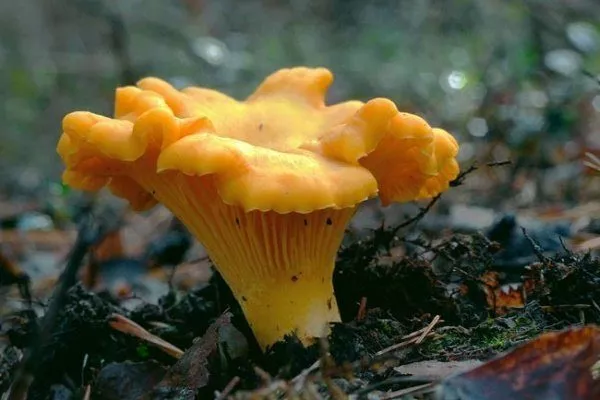
Description. Chanterelles These mushrooms are common. They are small—the cap rarely exceeds a dozen centimeters in diameter. The cap's color ranges from light yellow to bright orange. Its edges are usually wavy or irregularly shaped; in mature mushrooms, the cap often takes on a funnel-like shape. The stem is short, fused with the cap, and is the same color or slightly lighter.
Where and when does it grow? Chanterelles often thrive in deciduous, pine, and spruce forests. You can start harvesting them early—chanterelles appear as early as May and grow for a couple of months.
Varieties. These include: common chanterelle, gray chanterelle, cinnabar-red chanterelle, faceted chanterelle, yellowing chanterelle, and tubular chanterelle.
Doubles. True chanterelles are easily confused with false ones, but the latter can be recognized by the white juice that is released when the mushroom is broken.
Dung beetles
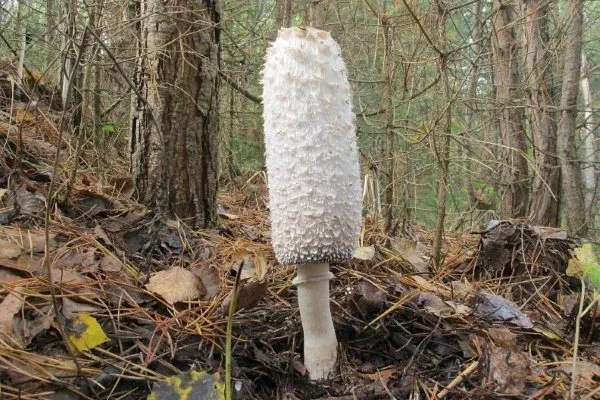
Description. The cap of the dung beetle is white, bell-shaped, and thin-fleshed. The cap has characteristic scales that turn black as the mushroom matures. The stem is cylindrical and long compared to the stems of many other mushrooms. Dung beetles grow quickly, and after the spores mature, they dissolve on their own, leaving only a small dark spot.
Where and when does it grow? Dung beetles grow anywhere the soil is rich in humus or manure. They can often be seen in gardens, parks, and garbage heaps. The optimal time to collect them is May.
VarietiesCommon edible mushrooms of this species include the white, grey, and common dung beetles.
DoublesMushrooms are similar to each other, and it is difficult to find lookalikes among other families.
Rows
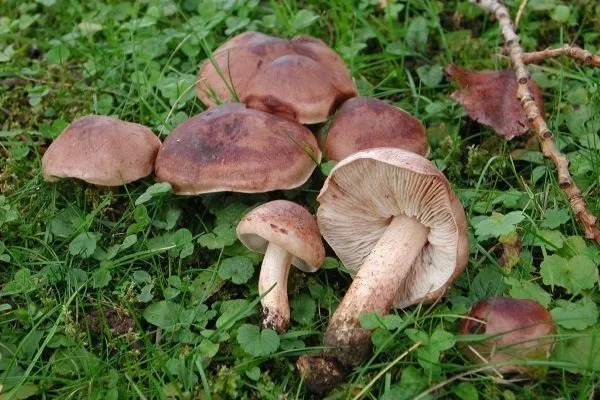
Description. The caps of the rowan mushrooms are about 10 cm in diameter, and their color varies depending on the species. Their margins are fibrous, sometimes with scales. Cracks appear on the cap as it begins to grow. The stem is thick, central, and medium in length.
Where and when does it grow? Poplar rowan It is common in the Rudnyansky, Kumylzhensky, Olkhovsky, and Svetloyarsky districts. Its peak growth occurs in August. Greenfinches can also be found in September in the pine forests of the Kalachevsky district.
Varieties. In the Volgograd region, two types of edible rowan mushrooms are primarily found: the poplar rowan mushroom and the golden or lemon rowan mushroom, commonly known as the greenfinch. They differ significantly in cap color: the former is often reddish-brown, while the latter is greenish-yellow.
Doubles. There are many common edible varieties of Tricholoma. Occasionally, you may encounter poisonous varieties: brown, white, and leopard. They can be distinguished by their general appearance and often a strong odor, but dangerous mushrooms are not always noticeable among the many similar ones.
Poplar rowan
Honey mushrooms
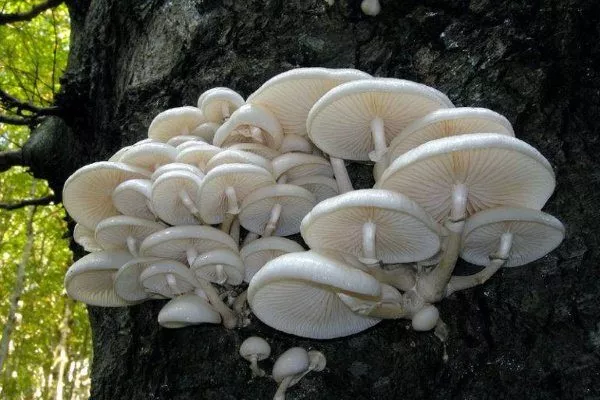
Description. Honey mushroom caps reach up to 13 cm in diameter; in young mushrooms, they are spherical, with edges curled inward. As they mature, the cap becomes flat-convex, with a tubercle appearing in the center. The cap is grayish-yellow with a brown tint, darker in the center, with small scales. The stem is long, 1-2 cm thick, and the same color as the cap or slightly darker. The fruiting bodies of the mushrooms often fuse with the base of the stem.
Where and when does it grow? Honey fungi grow in large clusters from late August until late autumn on stumps, roots, fallen and living trunks of deciduous trees, usually birch, and less commonly conifers. They are also found in nettle thickets. In the Volgograd region, honey fungi are common in the Shakinskaya oak grove, the village of Rudnya, Surovikino, Kalach-on-Don, the Ryabovsky hamlet, and the Chernyshkovsky district.
Varieties. There are several types of edible honey mushrooms, including summer, autumn, winter, meadow, thick-legged, slimy, and spring.
Doubles. The autumn honey fungus is often confused with some dangerous honey fungus species. You can distinguish the edible mushroom by the ring on its stem.
Goat
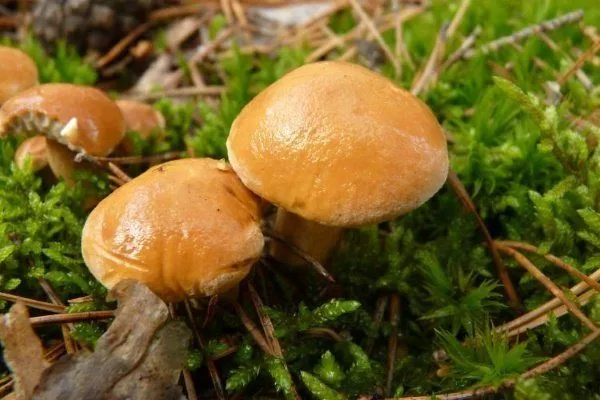
DescriptionThis mushroom has a convex or slightly flattened cap, averaging 7 cm in diameter. Its shape is convex at the beginning of growth, but it flattens with age. When moisture is insufficient, the skin on the cap becomes shiny; when moisture is excessive, it becomes covered with a layer of slime. The cap color ranges from yellow to reddish-brown. The stem is equal in height to the cap's diameter and is the same color.
Where and when does it grow? Goat's cap mushrooms grow in pine forests, most often on acidic, nutritious, and moist soils. They are found along roadsides and in peat bogs. The optimal time for collecting these mushrooms is from August to September.
VarietiesThe goat mushroom is the only species, its closest relatives are the butter mushrooms.
Doubles. The inedible pepper mushroom is considered similar to the goat mushroom – it is smaller in size and has flesh with a sharp peppery taste.
Poisonous
In the vast expanses of the Volgograd region, in addition to edible mushrooms, one can often encounter poisonous ones, the consumption of which in any form can lead to serious consequences for the human body. Therefore, when mushroom picking, it's best to ignore unfamiliar members of this kingdom. The most common poisonous mushrooms found in the Volgograd region are worth a closer look.
| Mushroom | Cap diameter (cm) | Leg height (cm) | Toxicity | The main toxin | Fruiting season |
|---|---|---|---|---|---|
| Fly agaric | 5-20 | 10-20 | High | Muscarine, ibotenic acid | Summer-autumn |
| Satanic mushroom | 8-25 | 5-15 | High | Hemolytic toxins | Summer-autumn |
| False champignon | 5-15 | 5-10 | Average | Agaritine | Summer-autumn |
| Common false puffball | 5-10 | — | Average | Lectins | Summer-autumn |
| Gall mushroom | 5-15 | 5-10 | Low | Bitterness | Summer-autumn |
| Death cap | 5-15 | 10-15 | Very high | Amatoxins | Summer-autumn |
Fly agaric
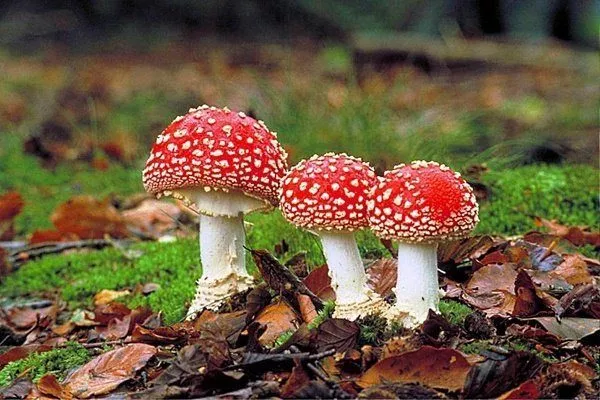
Description. Fly agarics Many people know these mushrooms as extremely poisonous. A common species is the red fly agaric. Its cap can reach up to 20 cm in diameter. It is bright red, with scattered white spots. These mushrooms are visible from afar and difficult to confuse with others. Older mushrooms may not have white spots. The red fly agaric's stem is thin and long, cylindrical, and completely white. A smooth or slightly torn ring is often visible on the stem.
Where and when does it grow? The red fly agaric grows near birch and spruce trees in acidic soils. It appears in August and disappears in October.
Varieties. There are many species of fly agaric, some of which are edible. However, it's best not to experiment with these mushrooms, as poisonous species are quite common in our forests. Besides the poisonous red variety, there's also the toadstool-shaped fly agaric. Its cap is slightly smaller in diameter, and its color is less vibrant—it can be gray-yellow or dirty white. It's more common in sandy soils.
Doubles. The red fly agaric is hard to find a lookalike. Champignons are sometimes confused with toadstools or stinking fly agarics due to their white caps and similar shapes.
Satanic mushroom
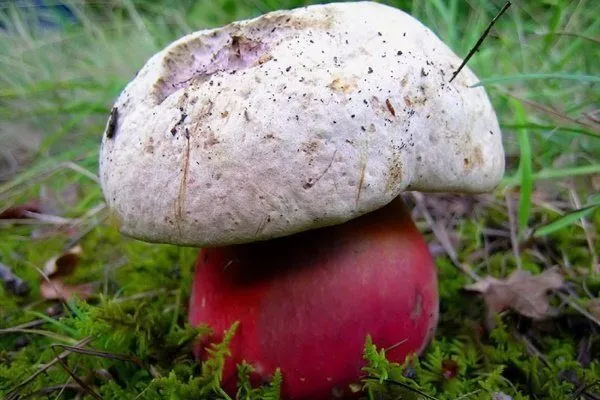
DescriptionBelongs to the Boletaceae family. The Satan's cap has a brighter stem than its cap. Its color changes from top to bottom, from yellowish-red to brownish-yellow through orange-red. The stem has a reticulated pattern. Its shape is unusual: initially ovoid or spherical, it later becomes barrel-shaped. The cap is white, gray, or off-white, and can have olive, yellow, or yellow-brown hues. It is shaped like a hemisphere or a cushion. When ripe, the cap is spread out, and the skin is smooth or velvety. The flesh of the mushroom turns blue after cutting.
Where and when does it grow? The mushroom grows in open forests with oak, beech, hornbeam, hazel, and linden trees. It prefers limestone soils. It can be found from June to September.
Varieties. Other mushrooms of the Boletaceae family with bluish flesh and colored pores can be called varieties of the Satan's mushroom.
Doubles. The Satanic mushroom can be confused with the gall or white mushroom based on its external characteristics.
False champignon
Description. This mushroom is very similar to the common button mushroom. This poisonous mushroom can be distinguished from the latter by its unpleasant odor. There is also a poisonous mushroom similar to the button mushroom, which has a yellowish or reddish color. False mushrooms are easily identified by their flesh, which does not change color when pressed, unlike the flesh of edible mushrooms.
Where and when does it grow? False champignons are found primarily in coniferous and mixed forests, but can sometimes be found in gardens, fields, and yards. They grow for several months, from May to November.
Varieties. Of the poisonous species, the most common ones found in our forests are the variegated and yellow-skinned champignons.
DoublesCommon champignons are often confused with toadstools.
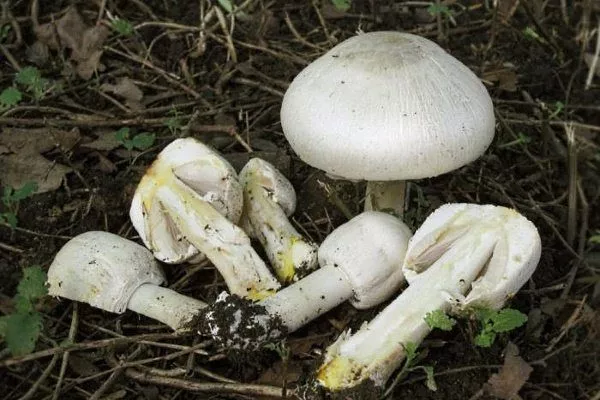
Common false puffball
DescriptionThe false puffball's fruiting body is ovoid, spherical, or slightly flattened, approximately 5-8 cm in diameter, and lacks a stalk. Until fully ripe, the false puffball may be completely submerged. The mushrooms are usually light or grayish in color. Characteristic cracks appear on the fruiting body as the mushroom matures.
Where and when does it grow? Common false puffballs grow in coniferous and deciduous forests. They are found at forest edges and along roadsides. They thrive in loamy and clayey soils. These mushrooms fruit from August to September. Spotted false puffballs are found in any forest. The main conditions for them are moist soil and good lighting.
Varieties. In addition to the common false puffball, there are spotted or panther false puffballs and warty false puffballs.
Doubles. As the name of the mushroom suggests, it is very similar to a common puffball.
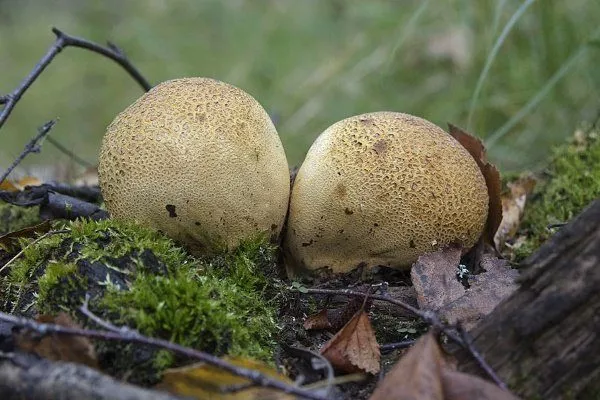
Gall mushroom
Description. The gall mushroom is inedible due to its bitter taste, which intensifies when cooked. The cap rarely exceeds 10 cm in diameter, is hemispherical at first, and later becomes more flattened. The cap is often yellow-gray in color, less commonly brown or darker. The stem is medium in length and thickness, cylindrical or club-shaped, and resembles the cap in color.
Where and when does it grow? The gall mushroom is common in many coniferous and deciduous forests. You can find a single mushroom or a small cluster at the base of a tree, on a rotten stump. It grows from June to October.
VarietiesSometimes you can find a type of gall mushroom whose flesh has a pleasant taste when raw, but still releases bitterness when cooked.
DoublesWhen first growing, the gall mushroom resembles a porcini mushroom and other boletus species, and can sometimes be confused with a birch boletus. It can be distinguished from the latter by the absence of scales on the stem, and from boletus by the presence of a dark mesh.
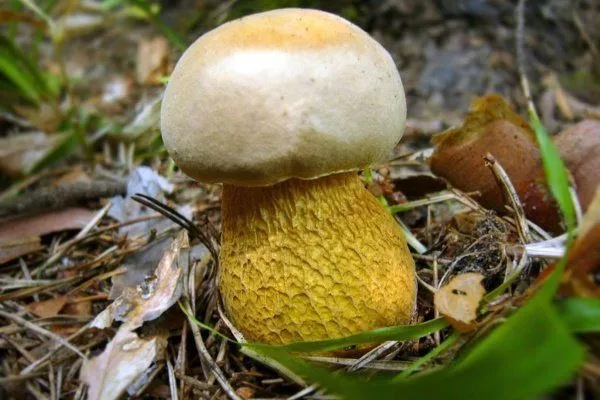
Death cap
Description. The death cap belongs to the Amanita muscaria family and is considered by many to be the most poisonous mushroom. The cap averages 10 cm in diameter and is initially spherical, eventually elongating and opening to a flat shape. The cap's margins are smooth and fibrous, and its color ranges from white to greenish-gray. The stem is long, about 12 cm, and thin, about 2 cm. It is cylindrical, thicker at the base, and similar in color to the cap.
Where and when does it grow? The death cap is often found in fertile soil beneath deciduous trees such as hazel, oak, and beech. This mushroom is typical of coniferous and broadleaf forests. Its peak growth period is late summer and early fall.
Varieties. The death cap itself is a species of fly agaric, so the entire family can be called its variety.
DoublesInexperienced mushroom pickers may pick death caps instead of desirable edible mushrooms such as champignons, green russula, and oyster mushrooms.
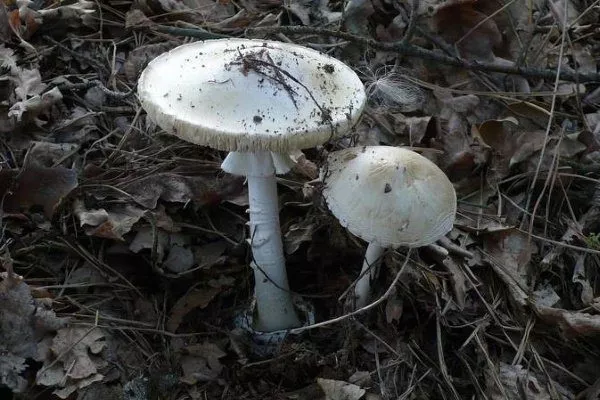
- Explore the map of mushroom spots in the region.
- Prepare the necessary equipment: basket, knife, compass.
- Check the weather forecast for the day of collection.
The beginning of the mushroom season
Most of the territory is dominated by semi-deserts and steppes. The mushroom season in this region begins slightly later than in central Russia.
The first mushrooms appear in the Volgograd region in early spring, but August is considered the best time to pick them.
Mushroom places of the region
Among the best places for mushroom picking in this region, according to many mushroom pickers, the following areas are worth highlighting:
- Tsimlyansk Reservoir area, the hamlets of Panshino and Krasnodonsky, in the direction of the Don. The deciduous and pine forests and moist lowlands of these areas are rich in boletuses, aspen mushrooms, and rowan mushrooms.
- Money, Hungry, and Sarpinsky IslandsIn the moisture-rich soils here, boletus, milk mushrooms, Polish mushrooms, and many others grow well.
- Volga-Akhtuba floodplain, Pokrovka, Gromki, Zubarevka areaMilk mushrooms and rowan mushrooms are common here, but parasols are extremely rare due to insufficient humidity.
- Steppe area near the Volgograd ReservoirIn the vast steppe areas near pastures and rangelands, there are many meadow mushrooms.
As the diversity described above demonstrates, the Volgograd Region is especially valuable for mushroom pickers. Here you can find many tasty and healthy mushrooms. However, when picking, you must be careful not to include poisonous mushrooms in your basket, as this could ultimately lead to serious health problems.