
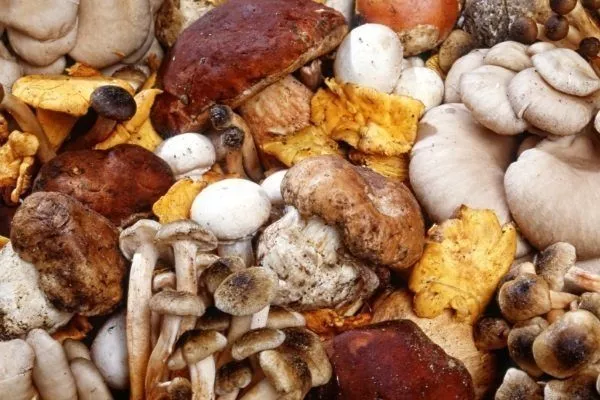
The Voronezh Region is a fascinating place where mushroom pickers can find a huge variety of mushrooms, both edible and poisonous. Here you'll find champignons, butter mushrooms, honey mushrooms, and porcini mushrooms. The dangerous fly agarics and death caps are also worth exploring. It's important to learn how to distinguish edible mushrooms from their false counterparts.
| Name of the mushroom | Collection period | Place of growth | Doubles |
|---|---|---|---|
| Boletus | June-October | Coniferous, mixed and deciduous forests | Bile mushroom, Satan's mushroom |
| Oyster mushroom | September-December | On birches, pines, willows and aspens | Orange oyster mushroom |
| Veselka | May-October | Broadleaf and mixed forests | Veselka Hadriana, double dictyfiora |
| Talkers | Late summer - late autumn | Park areas, among meadows and fields | False talker |
| Morels | March | Mixed and broadleaf forests | False morels |
| Russula | July-October | Deciduous and coniferous forests | Death caps |
| Butterlets | Early summer - Mid-October | Under the birches and oaks | Pepper mushroom |
| Honey mushrooms | May-Late October | On tree trunks and stumps | False honey mushrooms |
| Rows | August-Late September | Near coniferous trees | Poisonous specimens |
| Champignons | April-October | In the fields and meadows | False champignon |
Edible mushrooms
There are a great many edible mushrooms in the forests of Voronezh, so when going on a "silent hunt," it's important to be able to distinguish them from poisonous specimens.
Boletus
Description. Boletus – a mushroom with a convex cap when young and flattened-convex when mature. The cap diameter reaches 10-25 cm. The surface is smooth or wrinkled. It is most often light brown in color. The stem resembles a barrel.
Where and when does it grow? The mushroom is widespread in sandy, sandy loam, or loamy soils. It can be found in coniferous, mixed, and deciduous forests. Boletus mushrooms typically form mycorrhiza with oak, birch, spruce, and pine. They grow from June to October.
Varieties. Several varieties of boletus mushrooms are found in the Voronezh region:
- Pine. It has a large dark cap.
- Oak. Brown cap with a grayish tint.
- Birch. Light-colored cap. Grows under birch trees.
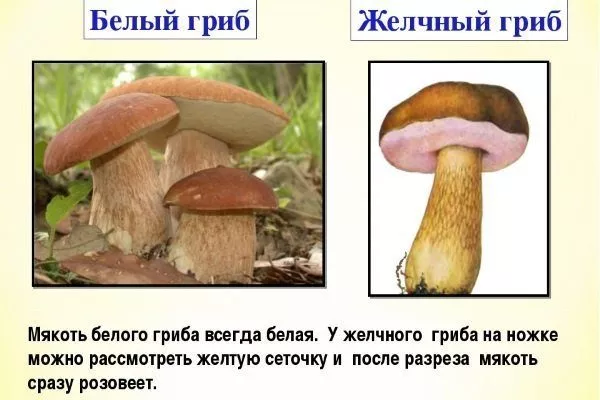
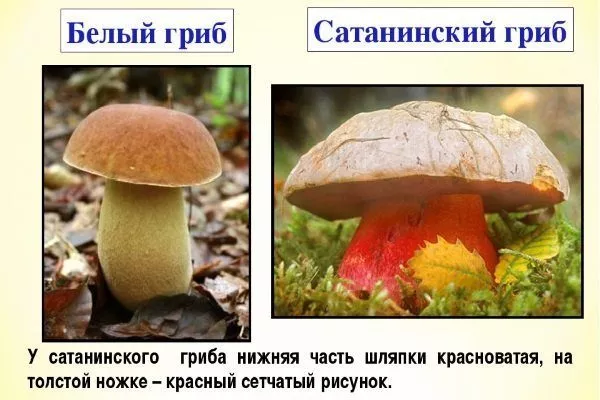
Doubles. Boletus mushrooms are often confused with the gall mushroom, which is similar in appearance to the oak boletus. It also resembles the boletus. satanic mushroom.
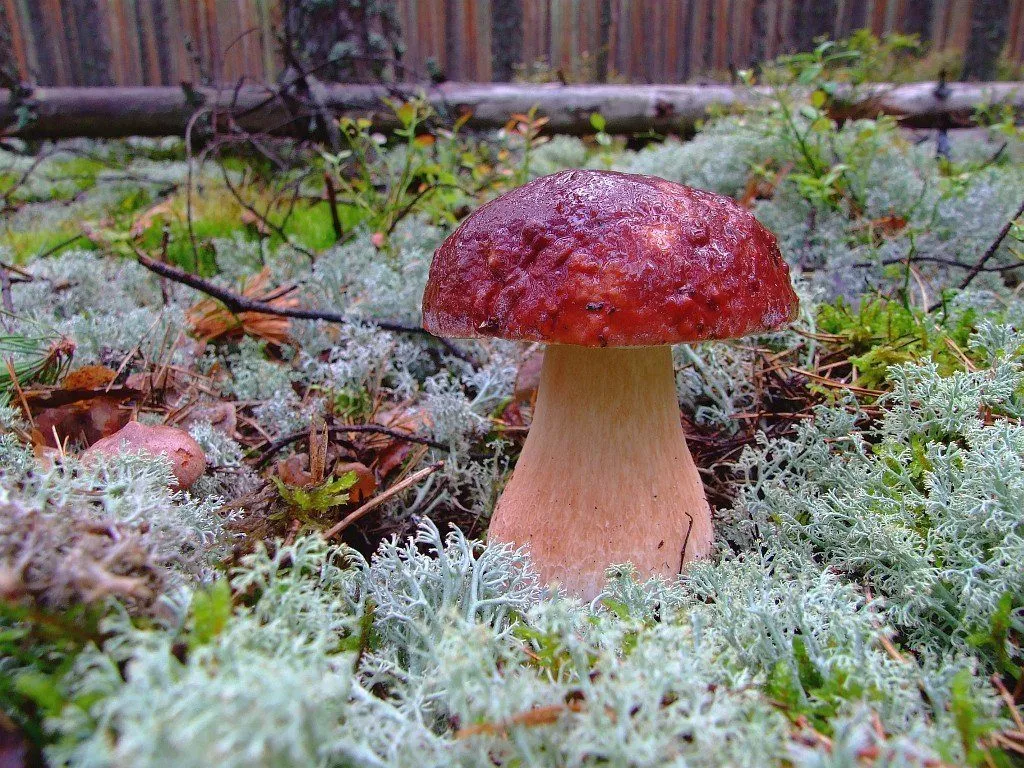
Pine boletus
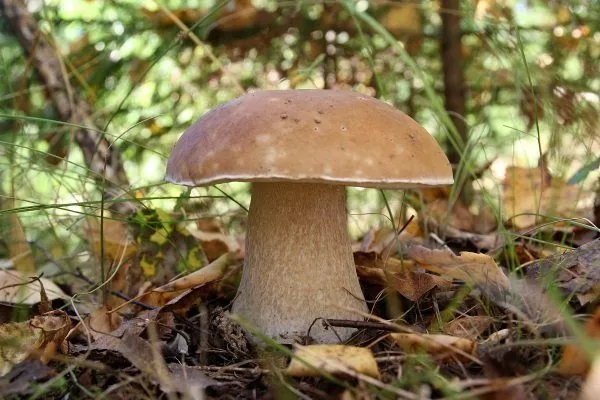
Oak boletus
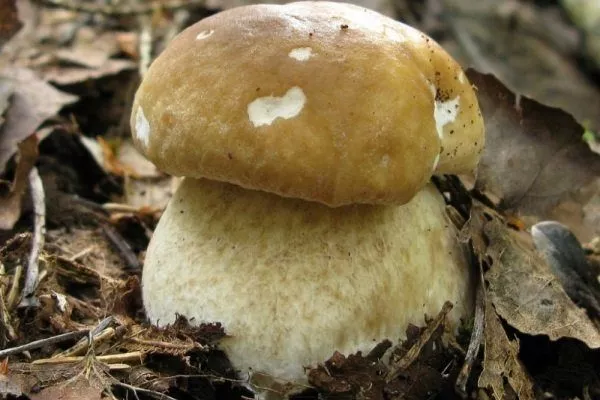
Birch boletus
Oyster mushroom
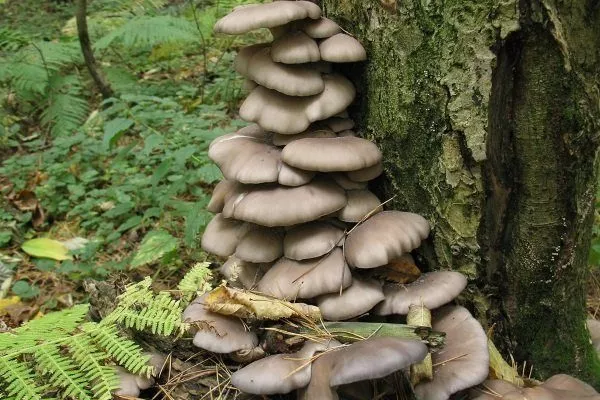
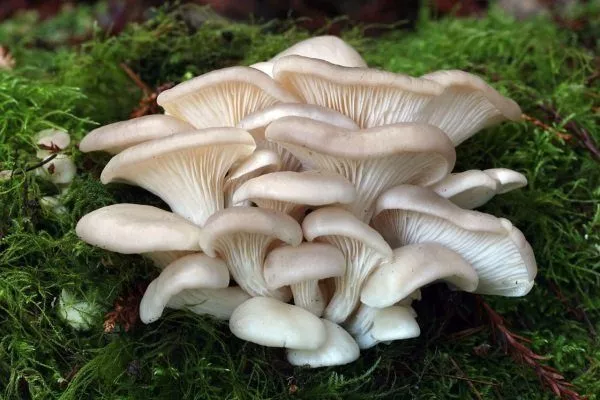
Description. The oyster mushroom is distinguished by its concave cap, which is predominantly light gray, sometimes with a purple tint. The cap reaches up to 20 cm in diameter and sits on a short, conical, light-colored stem. The mushroom has juicy flesh and a pleasant mushroom aroma.
Where and when does it grow? Mushrooms grow on birch, pine, willow, and aspen trees. The most optimal growing conditions are fallen trunks and old, rotting trees. In Voronezh, oyster mushrooms are harvested from September to December, but in cooler temperatures, they can also be picked in the summer.
Varieties. The most common variety in the Voronezh region is the common oyster mushroom (oyster mushroom).
Doubles. Oyster mushrooms have neither edible nor poisonous analogues. The only known species is the orange oyster mushroom, which can be identified by its orange cap. These mushrooms are not edible due to their intense bitterness.
Oyster mushroom
Oyster mushroom
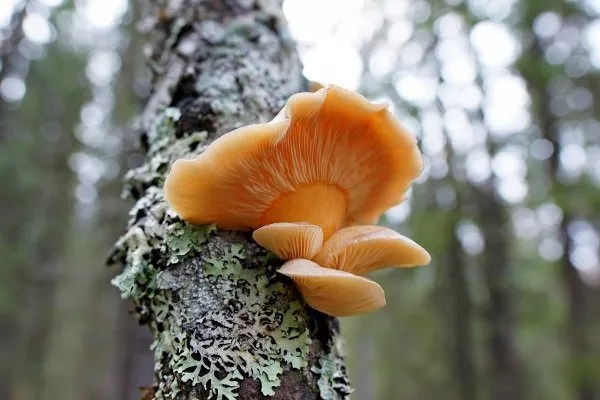
Orange oyster mushrooms should not be eaten.
Veselka
Description. The fruiting body, when young, is semi-subterranean and oval-spherical or ovoid. The cap is dirty white, 3-5 cm in diameter. The stem forms in just 30 minutes, reaching up to 30 cm in height.
Where and when does it grow? This mushroom is very difficult to find, but it can still be found in broadleaf and mixed forests rich in humus. Veselka It often forms mycorrhiza with shrubs, beech, hazel, and oak. It grows both singly and in groups from May to October.
Varieties. The common stinkhorn is found in the Voronezh region.
Doubles. The Veselka mushroom can be confused with the inedible Hadrian's stinkhorn, which grows in sandy soil and has a more elongated egg at the beginning of growth and a pinkish-purple color. The mushroom also has another lookalike—the edible Dictyphyora doxyphora.
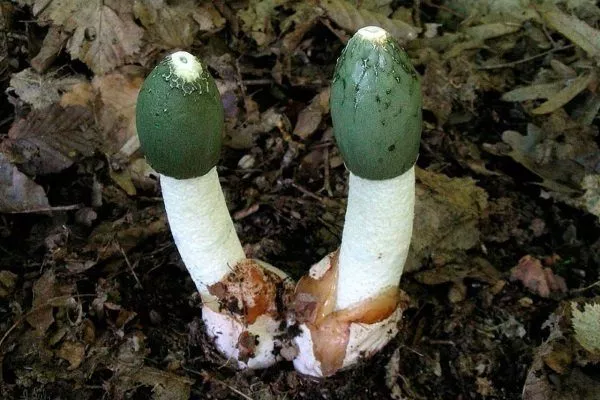
Veselka mushroom
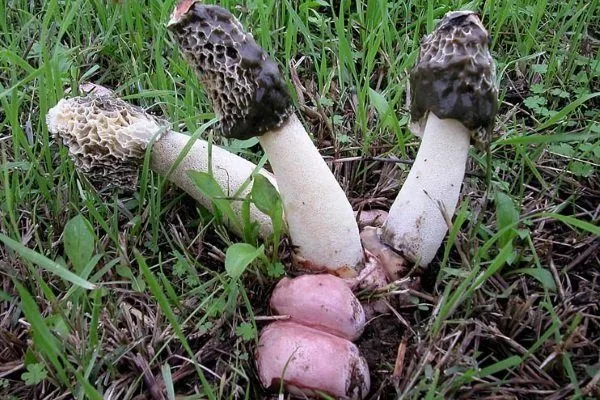
The veselka mushroom is often confused with the inedible Hadrian's veselka.
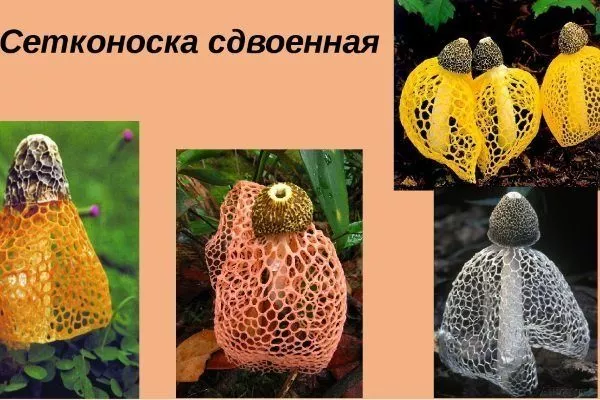
The veselka has an edible twin, the "Dictyphiora doublina"
Talkers
Description. Govorushki (talkies) are small to medium-sized mushrooms with a whitish, grayish-brown, fawn, or pinkish-brown cap 3-15 cm in diameter. Young mushrooms have a hemispherical cap, set on a stalk about 8 cm tall.
Where and when does it grow? Talking mushrooms appear in late summer and grow until late autumn in parklands, meadows, and fields. The genus forms stable mycorrhizae with deciduous and coniferous trees in forests.
Varieties. The following varieties are distinguished in the Voronezh region:
- The talker is bent. An edible mushroom with a fleshy, bell-shaped cap.
- Funnel talker. It has a brownish-fawn, reddish or yellow-ocher cap, about 10 cm in diameter.
- The talker is smoky. A conditionally edible mushroom. The cap is gray-brown, ash-gray, or yellowish-brown, up to 15 cm in diameter.
Doubles. There's a false talker mushroom, which is virtually indistinguishable from the edible one. However, the poisonous specimen has a distinctly mealy odor.
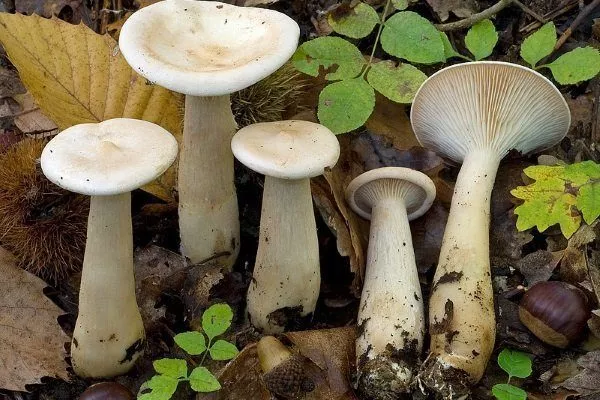
Bent-over talker
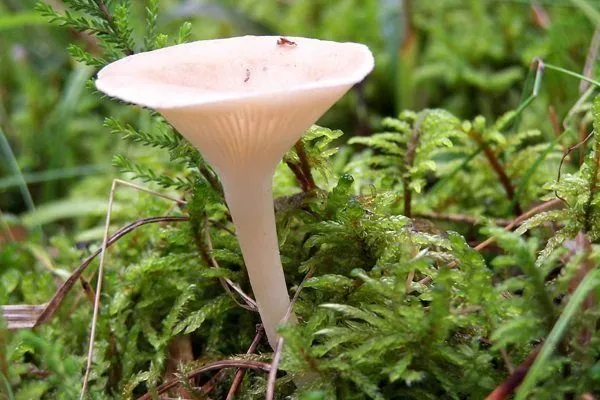
Funnel talker
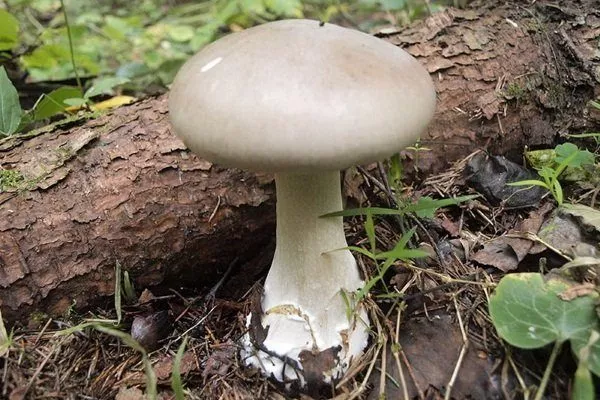
Smoky talker
Morels
Description. Morels' main distinguishing feature is their ovoid, round caps, which are a distinct yellow-brown color. Morels have a honeycomb structure, a cylindrical stem, white flesh, and a pleasant flavor.
Where and when does it grow? Mushroom pickers head to mixed and broadleaf forests for mushrooms. Morels are found in mossy ditches, forest edges, gardens, and parks. They grow in clusters after fires. The best time to pick them is early March.
Varieties. There are several types of morels in this area:
- Conical. The mushroom cap has a conical shape, made in the form of a bell.
- Ordinary. The cap is spherical, 8 cm in diameter, and brown. Look for the mushroom in lawns in early May.
Doubles. Edible morels are often confused with false dark olive-colored specimens that have an unpleasant odor.
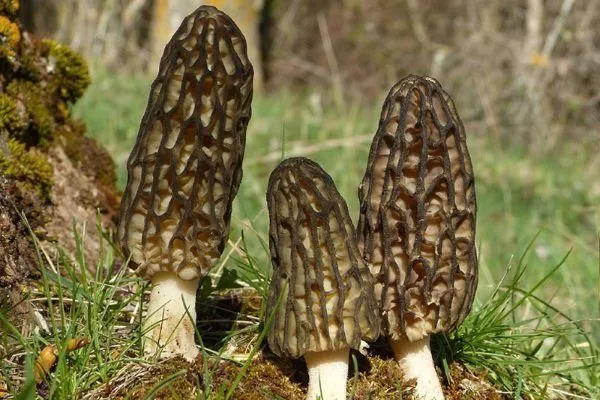
Conical morel
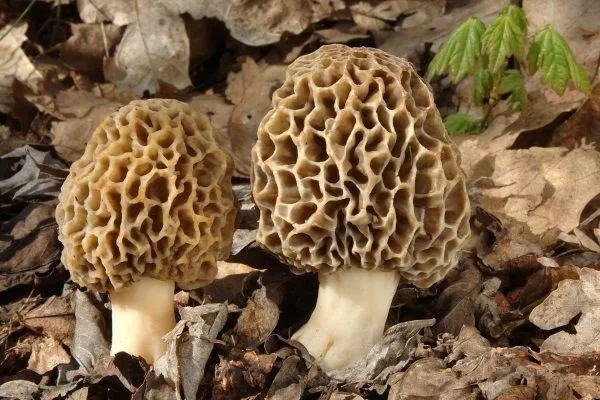
Morel mushroom
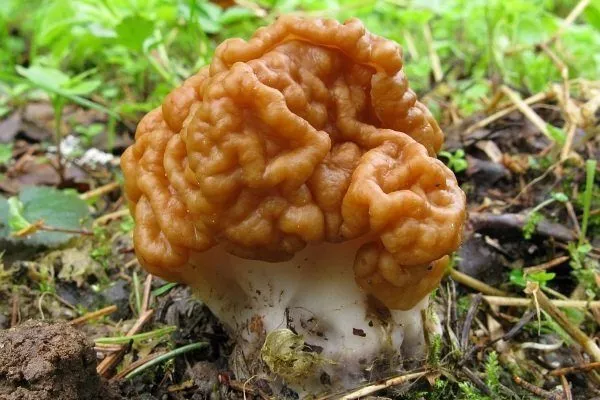
The morel has an inedible twin, the gyromitra.
Russula
Description. The many varieties of russula differ from each other in their caps. Otherwise, they are identical. Russula mushrooms have straightened caps with downward-curved edges, up to 10 cm in diameter.
Varieties. The most common varieties of russula are:
- Green. It can be found in deciduous and coniferous forests, looking for its yellowish-green, flat-convex cap.
- Blue. The diameter of the blue cap varies from 3 to 10 cm, the height of the stem is 3-5 cm. The mushroom grows in coniferous forests.
- Yellow. It is distinguished by its hemispherical cap, 5-10 cm in diameter, and grows in forests with birch and pine trees. Harvesting occurs from July to October.
Doubles. Death caps are considered to be the counterparts of russula.
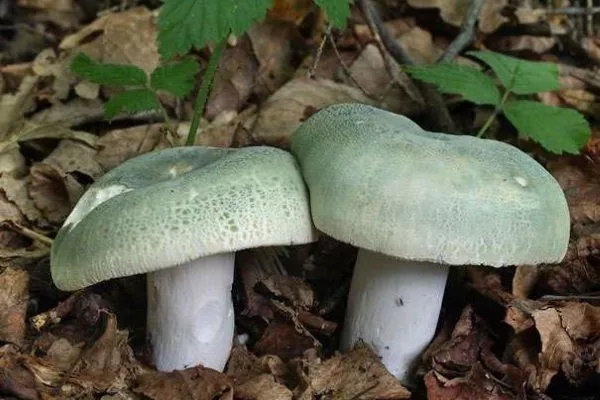
Green russula
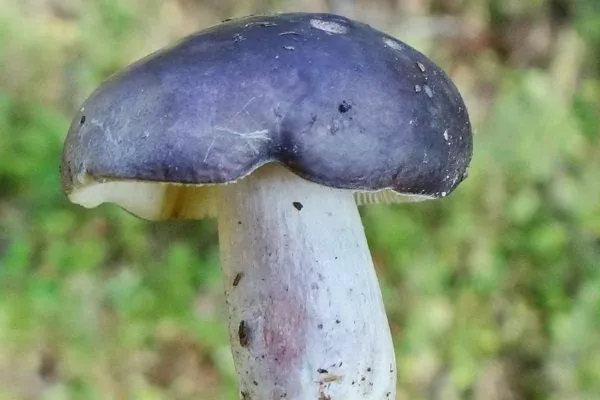
Blue russula
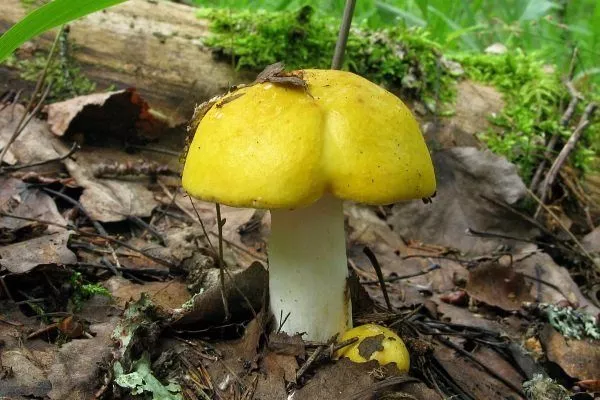
Yellow Russula
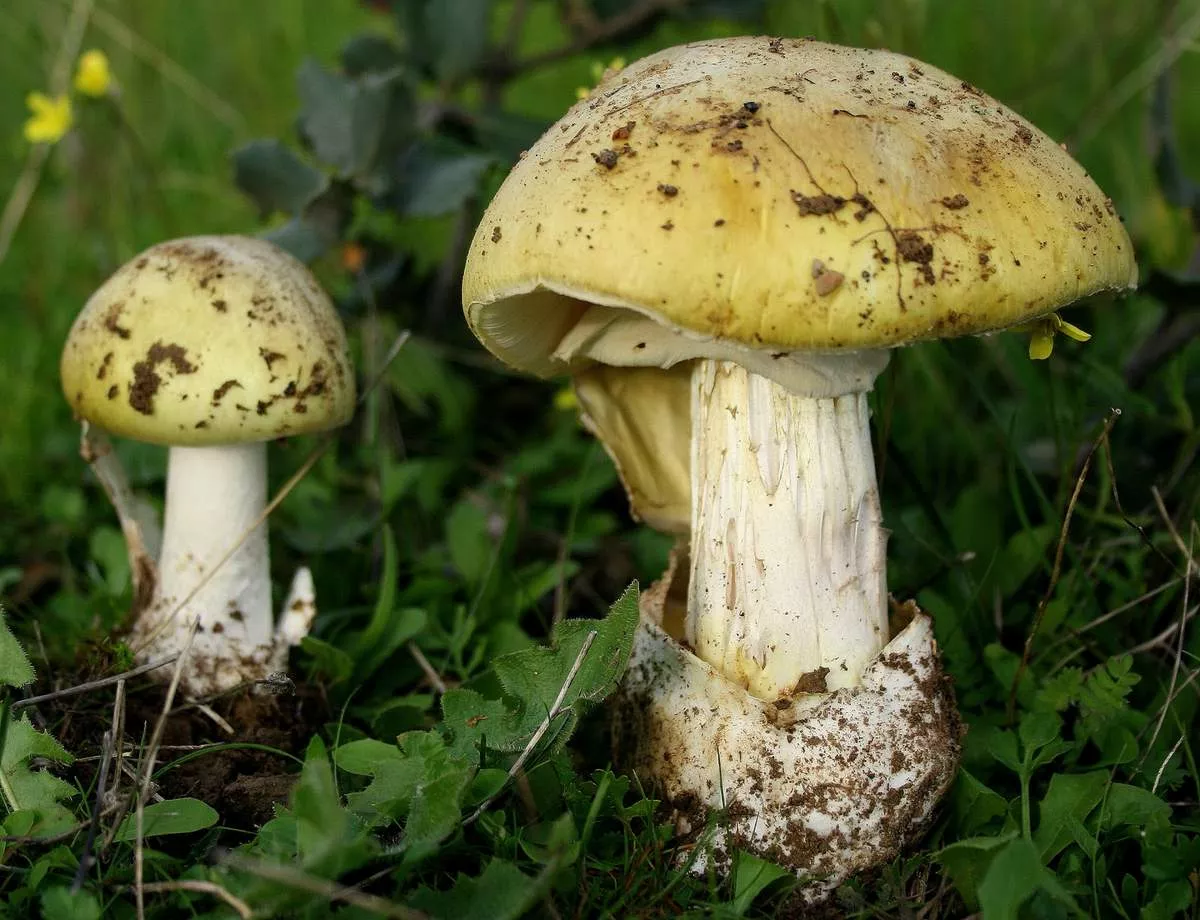
The poisonous mushroom "Death Cap" is considered a counterpart of the russula.
Butterlets
Description. Young mushrooms have a hemispherical or conical cap; as they mature, it straightens out, acquiring a cushion-shaped form and reaching up to 15 cm in diameter. The cylindrical stem reaches a height of 4-10 cm.
Where and when does it grow? Butter mushrooms grow under birch and oak trees, and can be found under coniferous trees from early summer until mid-October. They can be found in the Novousmansky forestry area, along Podlesnaya and Proletarskaya streets. Another field of these mushrooms can be found in the village of Tavrovo.
Varieties. The following varieties are considered edible butter mushrooms:
- Ordinary. The cap, 4-12 cm in diameter, is located on a stem 5 to 11 cm high. Caps come in various shades: chocolate brown, brownish-purple, reddish-brown, yellow-brown.
- Granular. A distinctive feature is the convex, red cap, which has a pillow-like shape.
- Yellow-brown. A characteristic sign of difference is a pine or metallic smell when broken.
Doubles. If you're inexperienced, you might confuse the butter mushroom with the pepper mushroom, which has a convex, smooth, and shiny cap.
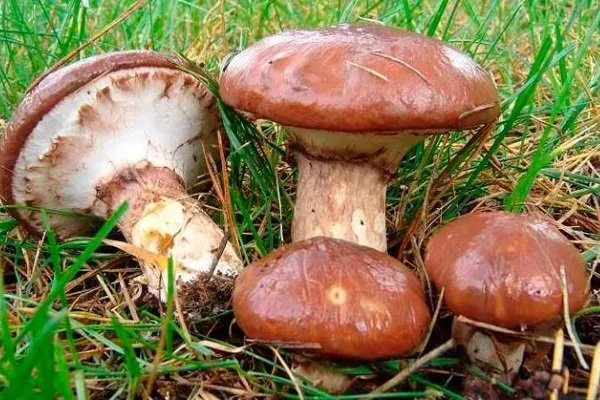
Common butter mushrooms
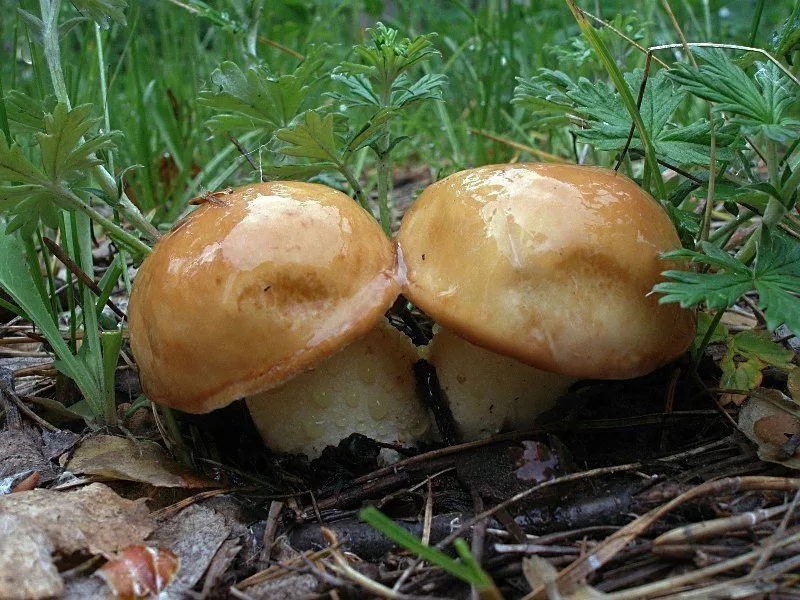
Butter grains
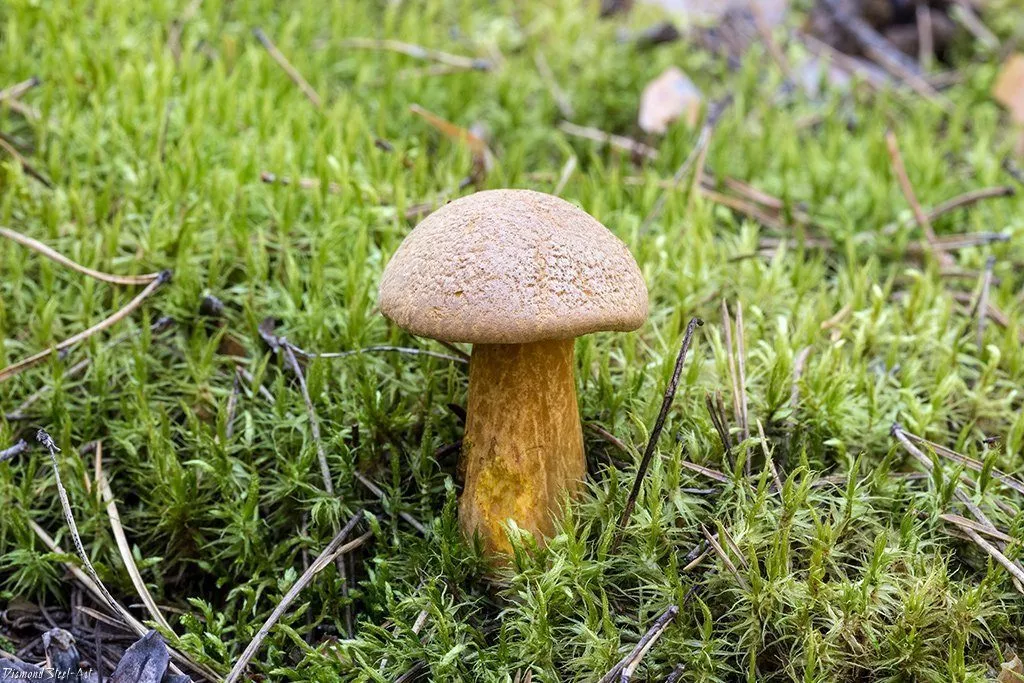
Yellow-brown butter mushrooms
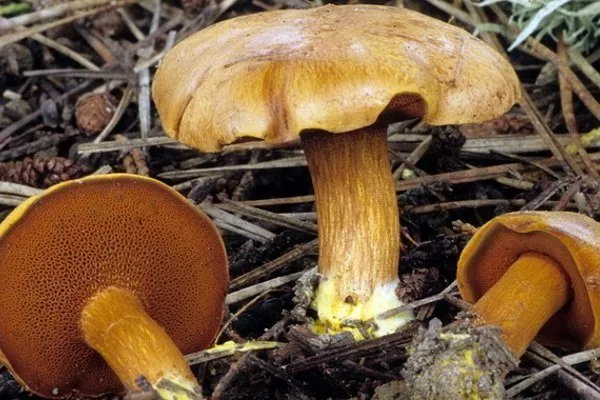
Butter mushrooms can be confused with the inedible pepper mushroom.
Honey mushrooms
Description. On a long stem, 12-15 cm high, there is a creamy, yellowish, reddish cap with small scales.
Where and when does it grow? Honey mushrooms grow in abundance near trees and shrubs, in meadows and forest edges. In the Voronezh Region, in Malyshevo, as well as in Soldatskoye, located near the village of Maklok, honey mushrooms are always abundant. Harvesting begins in May and ends in late October.
Varieties. The following varieties of honey mushrooms are distinguished according to the given area:
- Summer. Young honey fungus attracts with its pleasant taste, tender and moist pulp, and the smell of living wood.
- Autumn. The cap is 3-17 cm in diameter and sits on a stem 8-10 cm high. The flesh is fragrant and dense.
Doubles. These mushrooms can be confused with false honey mushrooms, which have brightly colored caps: rusty-brown, orange, or rusty-red. Genuine specimens have light beige or brown caps.
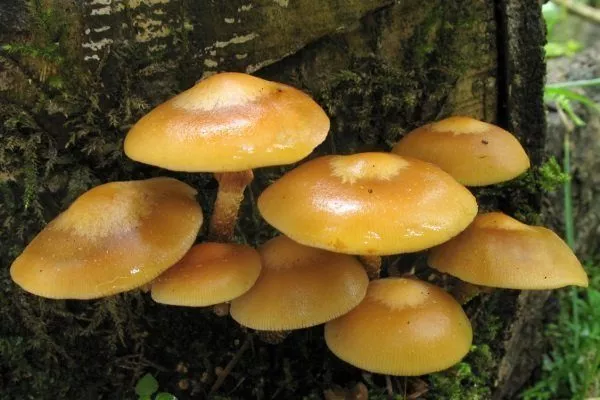
Summer honey fungus
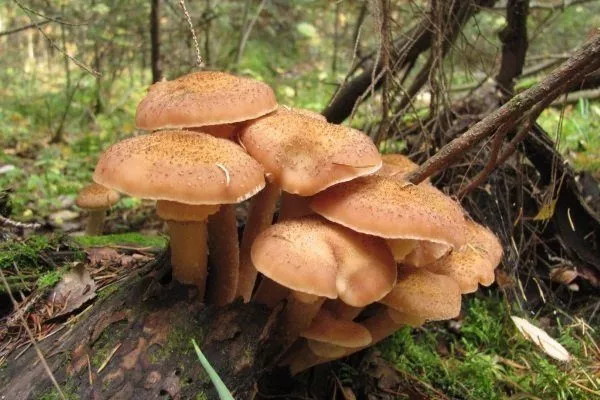
Autumn honey fungus
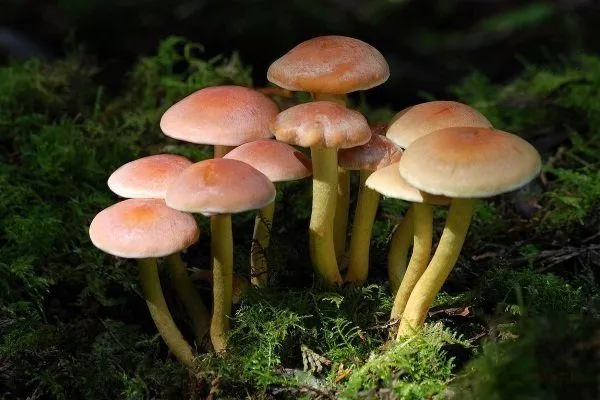
Honey mushrooms can be confused with poisonous false honey mushrooms.
How to grow honey mushrooms on your farm – described here.
Rows
Description. A distinctive characteristic of mushrooms is the variation in cap shape: conical, spherical, bell-shaped. They can be white, red, brown, green, or yellow. Diameter: 3-20 cm.
Where and when does it grow? Tricholomae are most often found near coniferous trees, most commonly near pine trees, and very rarely under larch, spruce, or fir. They can grow singly or in groups. The harvest period lasts from August to the end of September. In the Voronezh Region, tricholomae can be found in the Left Bank Forestry throughout the Kozhevenny Cordon.
Varieties. There are purple and lilac-legged rowan mushrooms, which differ in the color of their caps and legs.
Doubles. The rowan can be confused with a poisonous specimen that has an open cap with curled edges.
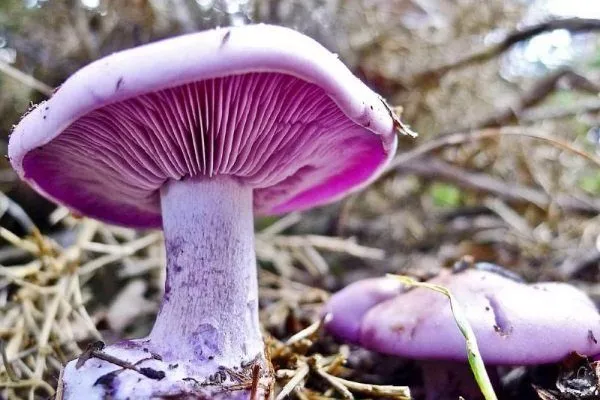
Purple rowan
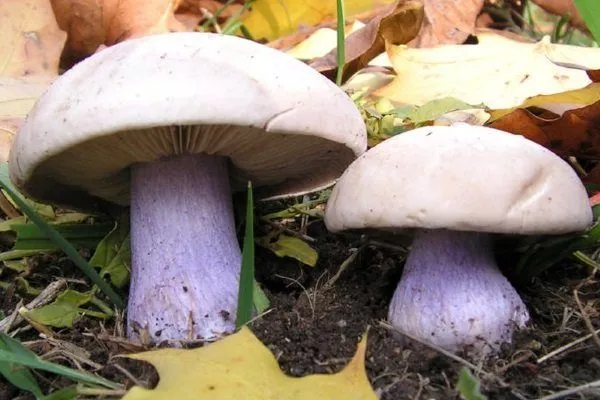
Purple-legged rowan
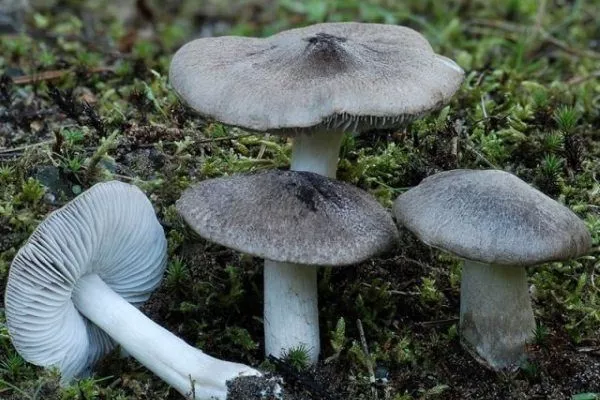
The rowan can be confused with a poisonous specimen - the gray rowan
Champignons
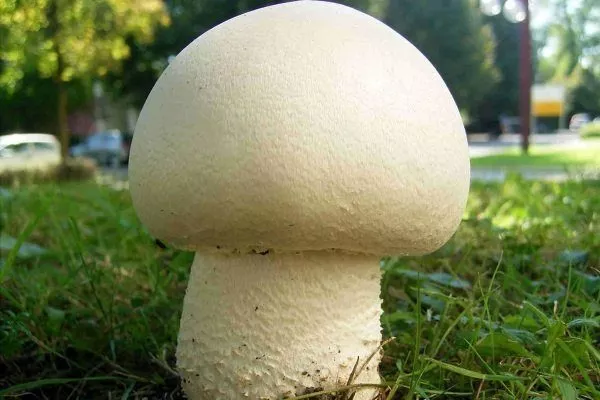
Description. Mushrooms with massive, rounded caps and thick stems. The cap diameter is 10 cm. White champignons are most common, but their color can be brown, sometimes with a brown tint. They have a distinct mushroom or aniseed aroma.
Where and when does it grow? Champignons are mushrooms that grow in fields and meadows, and in forests on the bark of rotting trees. In areas where humans live, they form large colonies, growing from early April-May until October.
Varieties. There are many varieties of champignons, but the most common is the common mushroom, which can be found in parks, gardens, and vegetable patches.
Doubles. It's common to confuse the edible mushroom with the false champignon. However, you can tell it apart by the brown spot in the center of the cap.
Chanterelles
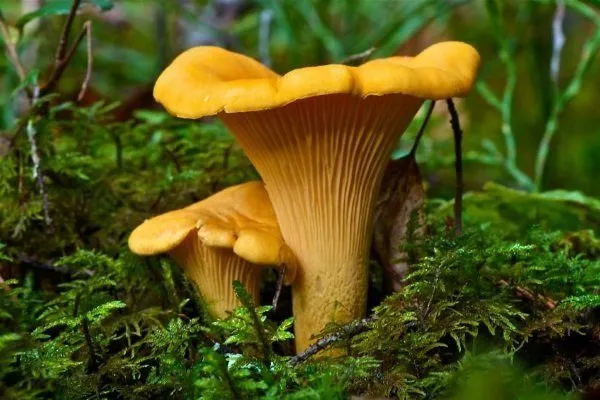
Description. Chanterelles – mushrooms that are difficult to confuse with other varieties. Distinguishing features include concave caps with wavy edges, up to 10 cm in diameter. Yellowish and orange mushrooms with a dried fruit scent are also found.
Where and when does it grow? Chanterelle season begins in spring and ends in late November. The mushrooms reach their peak in July. They are found in forests, especially coniferous ones.
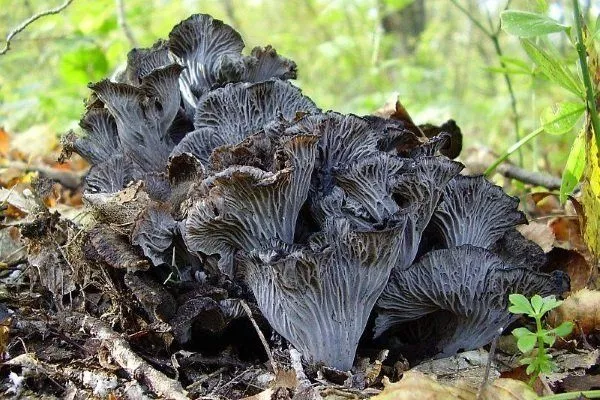
Varieties. The most popular variety is the common chanterelle, characterized by its fleshy flesh and yellow tint around the edges of the cap. There is also the edible gray chanterelle, which has a cap with wavy edges and a depression in the center.
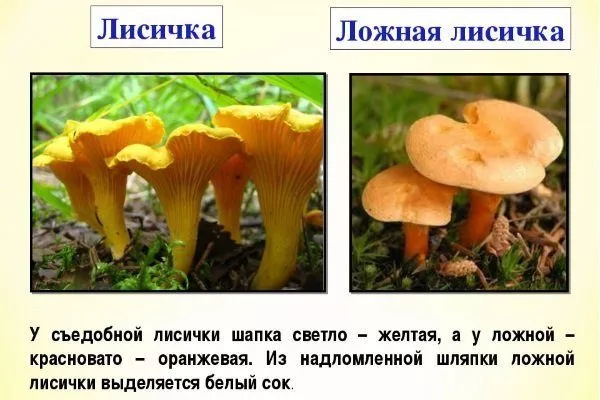
Doubles. The orange talker and the poisonous olive omphalot are two dangerous look-alikes of the chanterelle.
Common chanterelle
Gray fox
flywheel
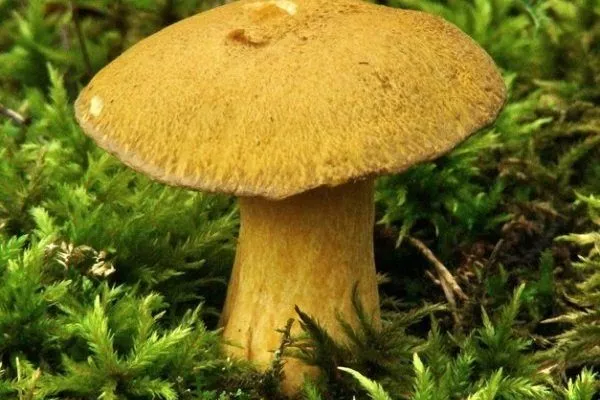
Description. The boletus mushroom has a convex or semicircular cap, 4-20 cm in diameter. It is characterized by straight edges and a cushion-like shape as it matures. Boletus mushrooms can be semi-golden, dark brown, brown, or even fissured.
Where and when does it grow? Meet flywheel The mushroom season lasts from July until the end of October-November. Mushroom pickers head to coniferous, deciduous, and mixed forests. Boletus mushrooms usually grow singly, forming mycorrhiza with linden, spruce, alder, beech, chestnut, hornbeam, and pine. They are most often found at forest edges and clearings. In the Voronezh Region, boletus mushrooms can be found in the Shuberskoye Sea.
Doubles. The bile mushroom and pepper mushroom, which are similar in appearance, are considered to be the counterparts of the boletus.
Yellow-brown boletus
Half-golden boletus
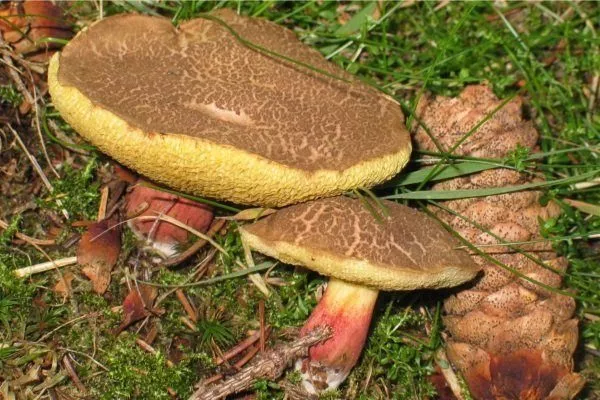
Fissured boletus
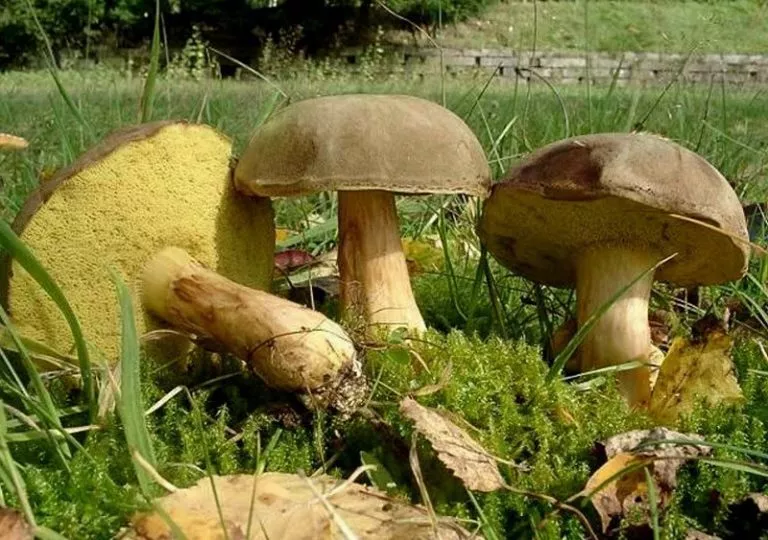
Brown boletus
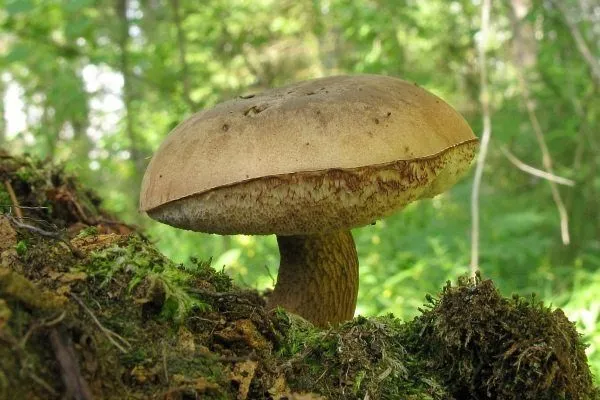
The inedible gall mushroom is considered a twin of the boletus.
Volnushki
Description. Because there are several varieties of milk caps, they vary in color. Young milk caps tend to have convex caps; as they mature, they become hollow with a deep depression in the center. The cap diameter reaches up to 12 cm.
Where and when does it grow? More often volnushki They are found in forests and groves with large concentrations of birch trees. It's popular to hunt in mixed forests, beginning in August and continuing until September. In the Voronezh Region, in the chalk forest that remains in the Podgorensky District, located between the villages of Dukhovoye and Nizhny Karabut, milk caps are very common.
Varieties. The varieties of mushroom include pink, white, and marsh volnushka.
Doubles. Milk caps are considered to be the counterparts of the volnushki mushrooms, which have similar external characteristics: a pinkish cap, but no pubescence along the edges.
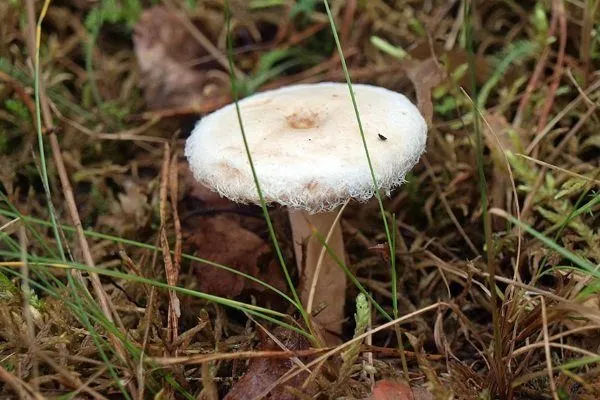
White volnushka
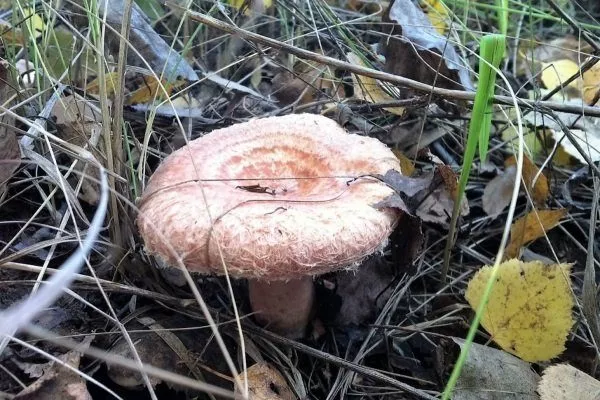
Pink volnushka
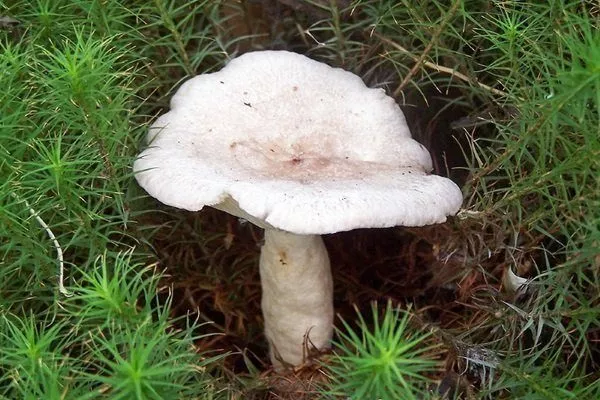
The poisonous milk mushroom is considered a counterpart of the milk mushroom.
Aspen mushroom
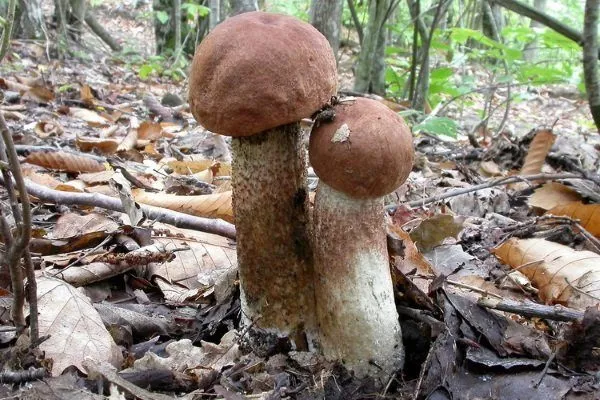
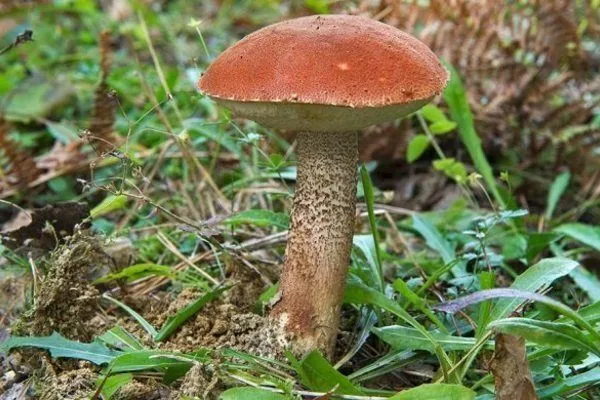
Description. Young aspen mushrooms have a hemispherical cap, which, as they mature, takes on a cushion-like shape, with a diameter of 5-30 cm. The club-shaped stem reaches up to 22 cm in height. A distinctive feature is the black or brownish scales on the surface of the stem.
Where and when does it grow? Mushrooms grow under aspen trees, as well as birch, beech, oak, spruce, willow, and poplar trees. Mushrooms are harvested from late June until October. Malyshevo is considered the most common harvesting spot in the Voronezh region.
Varieties. Red, red-brown, and white aspen mushrooms are common. Oak and pine aspen mushrooms are also found.
Doubles. Can confuse the aspen mushroom with a gall mushroom, also known as bitterling.
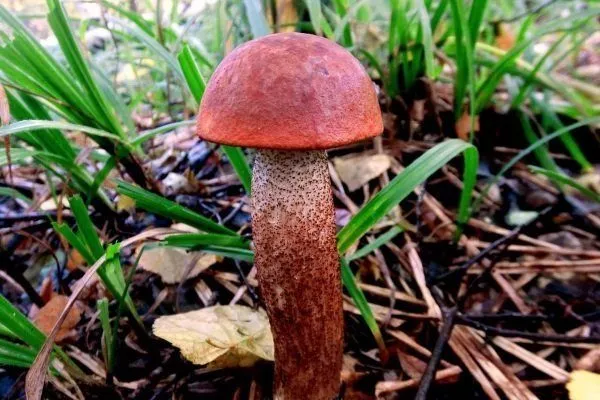
Red aspen mushroom
Oak aspen mushroom
Pine aspen mushroom
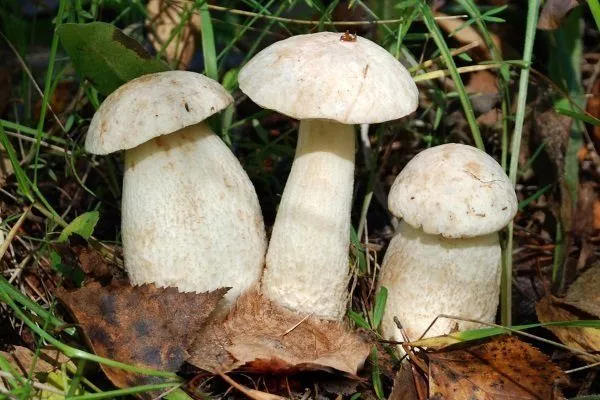
White aspen mushroom
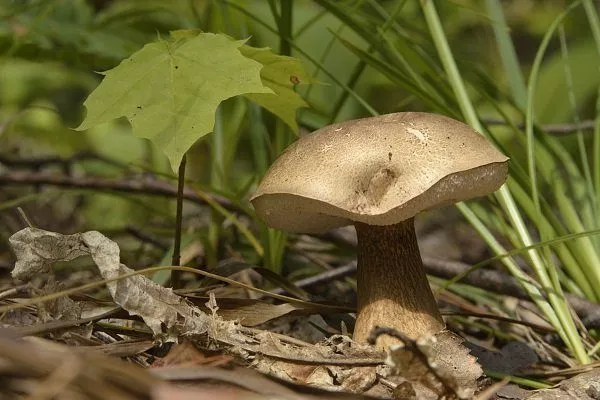
The aspen mushroom can be confused with the inedible bitterling.
Birch boletus
Description. When young, birch boletes have a white cap, which turns dark brown as they mature, reaching 18 cm in diameter. The cap sits on a white or gray cylindrical stem. A distinctive feature is the longitudinal, dark gray scales on the surface of the stem.
Where and when does it grow? In the Voronezh region, Malyshevo offers a bountiful harvest of birch boletes. They are found during the bird cherry blossom season. The harvest ends in mid-October.
Varieties. The most common species are the common birch bolete (uniform reddish or brown cap color) and the marsh birch bolete (cap is light gray or light brown, loose flesh).
Doubles. The edible mushroom is often confused with the false birch bolete, which is characterized by a gray, mottled stem and a white-gray cap.
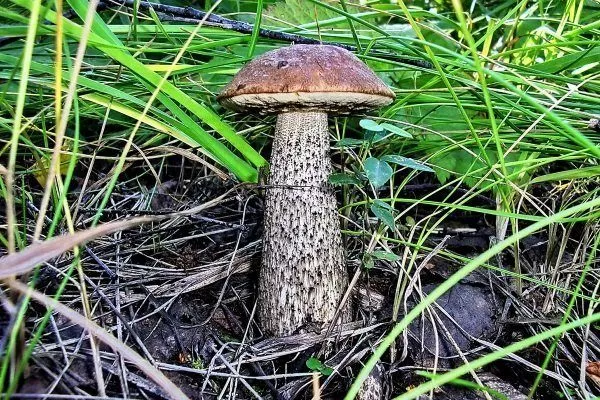
Common birch bolete
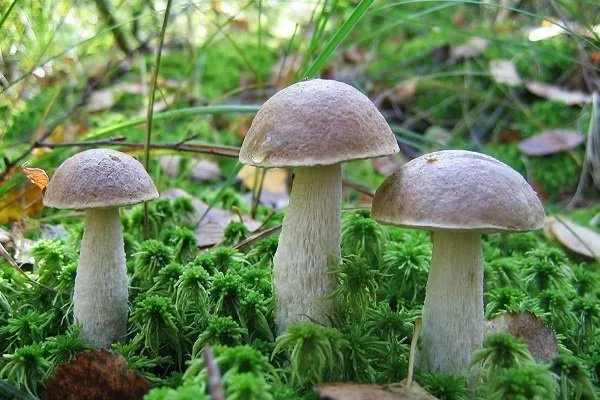
Marsh boletus
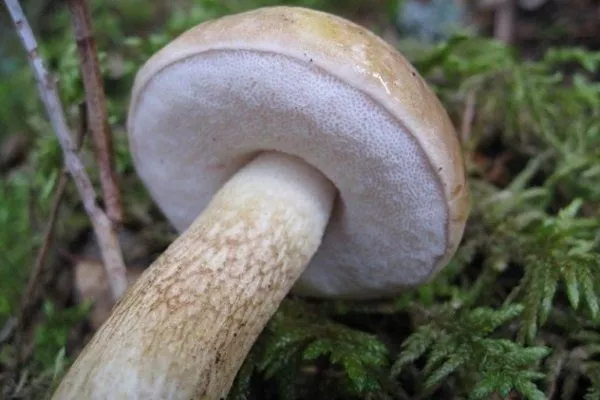
The edible boletus is confused with the inedible false boletus.
Rhizopogon
Description. Rhizopogon can be characterized by its round or tuberous shape. Most of its growth occurs underground. The mushroom's diameter is 1-5 cm. It is grayish-brown when young. As it matures, it may turn yellowish or olive-brown. The mushroom has a velvety or smooth surface to the touch.
Where and when does it grow? In the Voronezh region, the common rhizopogon is very rare, growing in pine-oak and pine forests. It is less common in mixed and deciduous forests. It primarily lives under conifers, spruce, and pine trees. It grows in small groups. The mushroom picking season begins in June and lasts until October.
Varieties. The varieties of the mushroom include Rhizopogon rosacea and Rhizopogon lutea.
Doubles. Rhizopogon has no poisonous look-alikes.
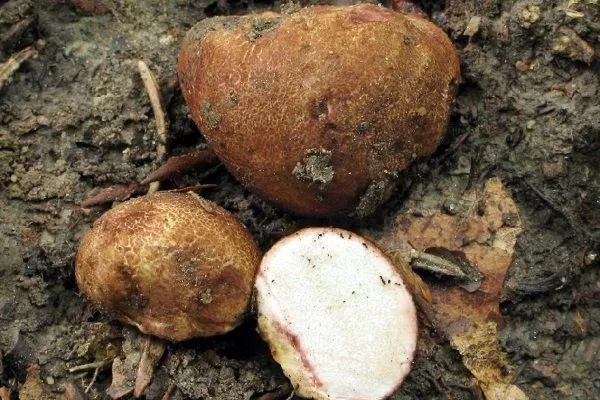
Common Rhizopogon mushroom
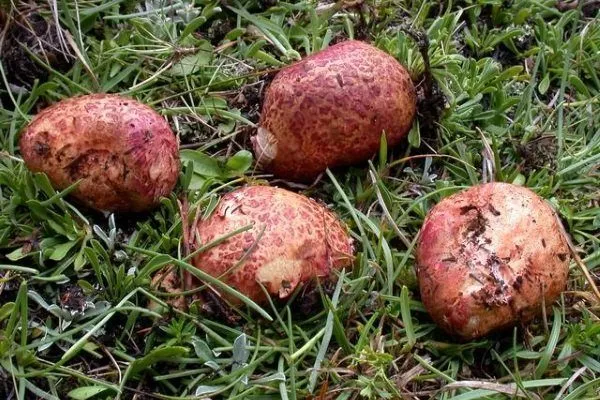
Rhizopogon rosacea mushroom
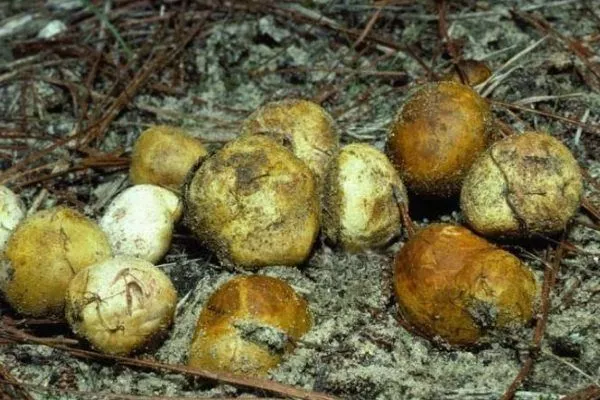
The mushroom Rhizopogon lutea
Tinder fungi
Description. The polypore is approximately 50 cm in diameter, consisting of a huge number of branched stalks, each with a small white cap, sometimes reaching up to 200 caps, each 4 cm in diameter. Young polypores have a round cap, which becomes flattened and convex with age. The cap color is light brown or grayish brown.
Where and when does it grow? The most edible tinder fungi They are found in mixed forests, growing on tree trunks and stumps. Mushrooms are collected from August to November.
Varieties. The following types of tinder fungus can be found in the Voronezh region:
- Scaly. A mushroom with open, fleshy caps, up to 30 cm in diameter, with firm, dense flesh.
- Umbrella. A specimen with flat, light, rounded caps, which are depressed in the center, collected in fruiting bodies, reaching up to 40 cm in diameter.
- Sulphur yellow. Fruiting bodies are yellow-orange in color, reaching 50 cm in diameter.
Doubles. You might encounter the false polypore, which has a rounded body when young and a hoof-shaped body when mature. The cap diameter ranges from 20 to 26 cm and has a matte, uneven surface, dark gray or black.
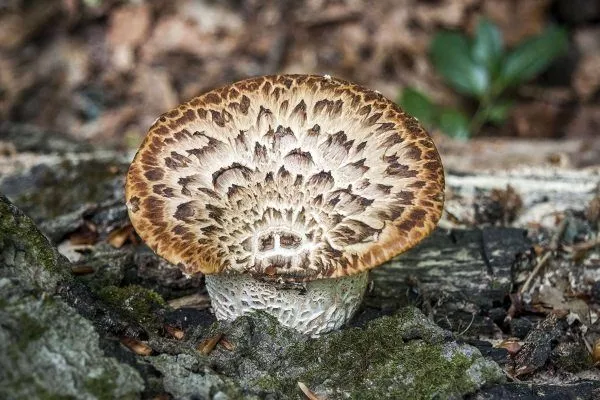
Scaly polypore
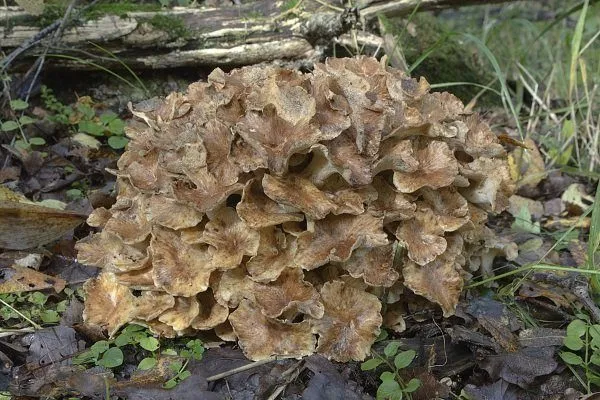
Umbrella polypore
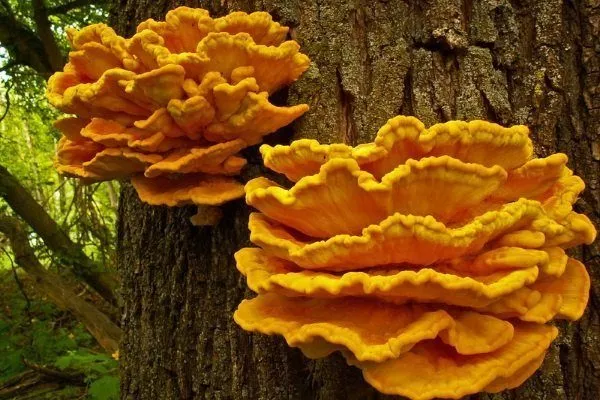
Sulphur-yellow tinder fungus
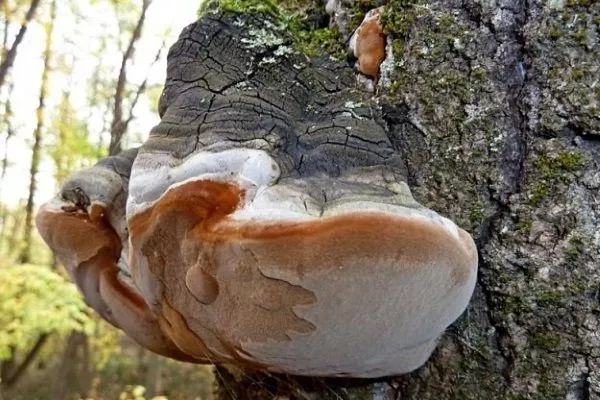
The tinder fungus's double is the false tinder fungus, which is not used in food.
Scaly cap
Description. The scaly cap mushroom is predominantly a medium- to large-sized, cap-and-stem shape. It is distinguished by a hemispherical or bell-shaped cap when young, which becomes flattened when mature. The surface is covered with dense scales. The cylindrical stem also has scales.
Where and when does it grow? The scalycap grows from July to October in large growths on birches, trunks and stumps of tree-like willows.
Varieties. The most common scalycaps are the common and golden scalycaps. These mushrooms are conditionally edible. Only the caps are cooked.
Doubles. The golden scalycap's twin is the inedible common scalycap, which is distinguished by its large, protruding scales and a savory smell.
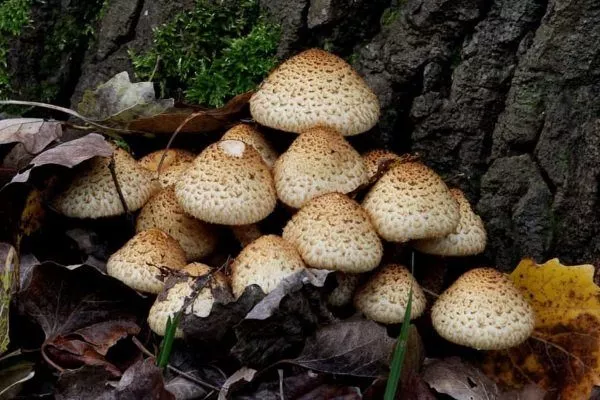
Morel cap
Description. The morel cap is a mushroom characterized by a wrinkled cap-like structure, 1-5 cm high and 1-4 cm wide. In young mushrooms, the cap is dark brown, but with age, it becomes lighter, acquiring a more yellowish hue. The cap is attached to the stem only at the top. The cylindrical stem varies in length from 6 to 11 cm.
Where and when does it grow? The mushroom grows in deciduous and mixed forests, beginning in April and May. It prefers to grow near streams, linden, birch, and aspen trees, as the morel cap forms mycorrhiza with them.
Varieties. The morel cap resembles morels. It is distinguished primarily by its attachment to the stem at the top, as in many mushrooms, rather than at the bottom edge, as in the common or conical morel.
Doubles. The mushroom is considered unique, making it difficult to confuse with other specimens, but it is extremely rare to confuse it with morels.
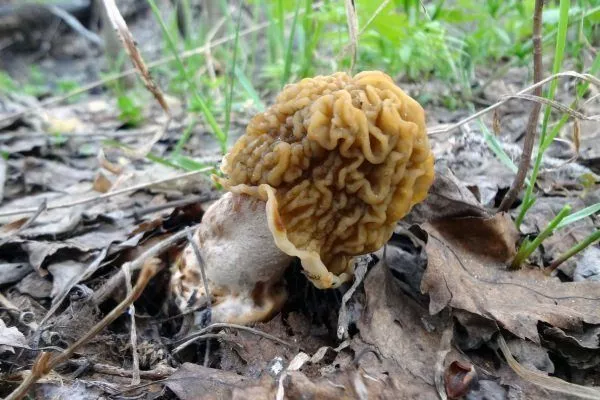
Umbrellas
Description. The mushroom has a cap-and-stem fruiting body. The cap diameter of some specimens reaches 35 cm, and the stipe length is 40 cm. Young mushrooms are ovoid or hemispherical in shape and whitish in color. With age, the cap skin cracks, forming scales.
Where and when does it grow? It grows from mid-June to early November, preferably in light, open areas of forests, forest edges and clearings, in meadows and steppes.
Varieties. There are several types of parasol mushrooms growing in the Voronezh region:
- White or field.
- Blushing or shaggy.
- Variegated or large.
Doubles. Parasol mushrooms can be confused with stinking fly agaric, dark-brown chlorophyllum, and lead-slag chlorophyllum.
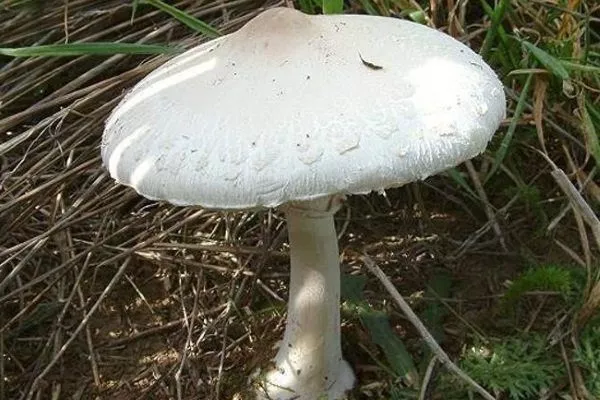
White parasol mushroom
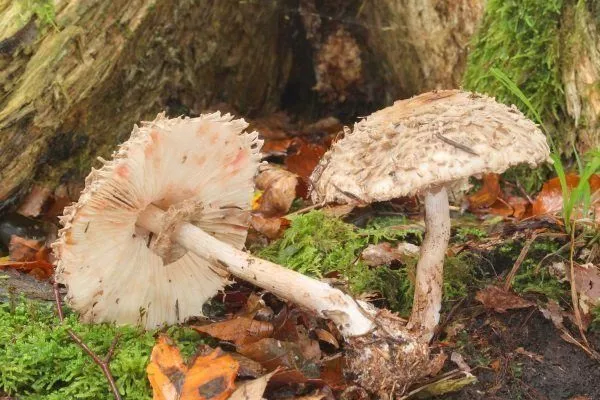
Reddening parasol mushroom
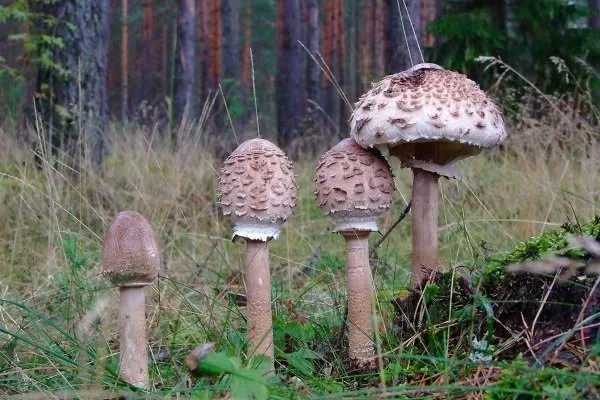
Parasol mushroom
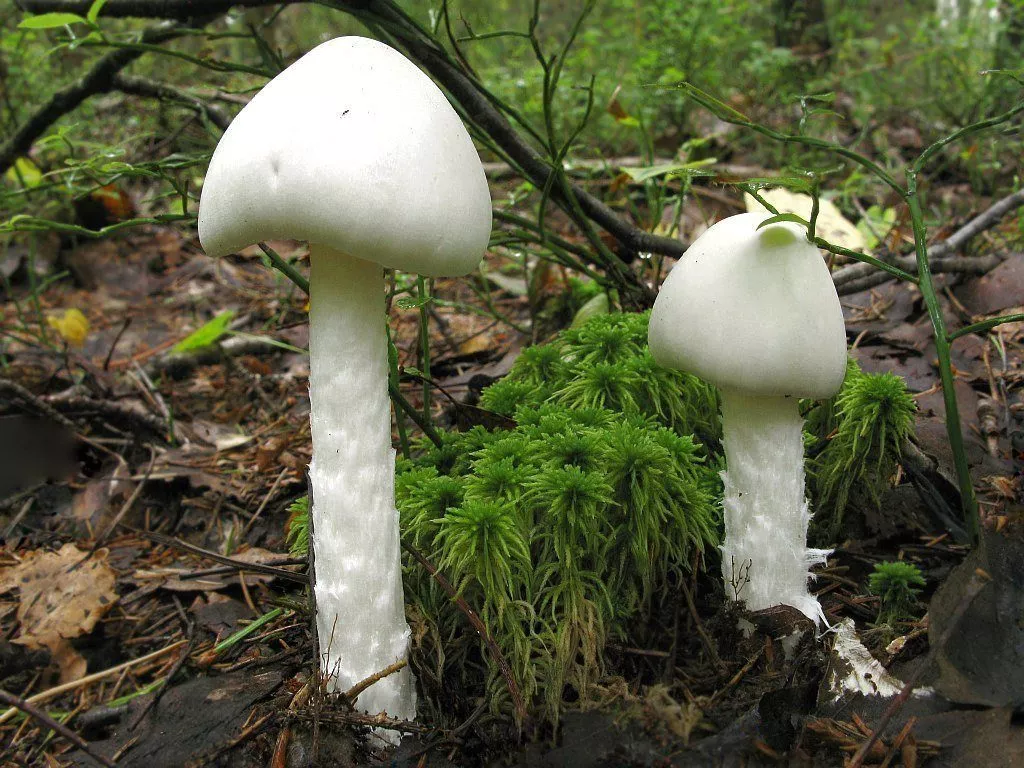
Parasol mushrooms can be confused with the inedible mushroom stinking fly agaric.
Raincoats
Description. The fruiting body resembles a sphere or pear, with a predominantly closed structure. Puffballs are distinguished by a thick skin and often have spines that fall off with age. As the mushroom ages, it darkens, forming chambers inside that contain spore powder. Young mushrooms have white, dense, and firm flesh.
Where and when does it grow? Puffballs are harvested beginning in late summer and into autumn. They grow along roadsides, on lawns, in forests, and in meadows. Mixed and coniferous forests are the most favorable.
Varieties. There are the following types of raincoats:
- Giant. It grows up to 50 cm in width and weighs up to 7 kg on average. It is characterized by a white or grayish hue when young and brown when mature.
- Pear-shaped. Grows in groups on rotten wood. Found in pine forests. White and thorny.
Doubles. The false puffball is considered a lookalike of the mushroom, which also has a spherical shape, but has tougher skin and flesh.
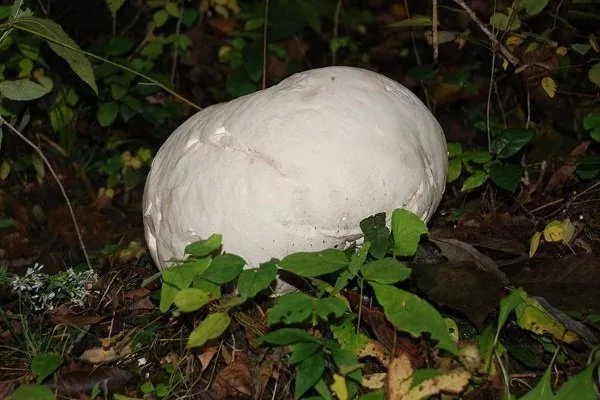
Giant puffball
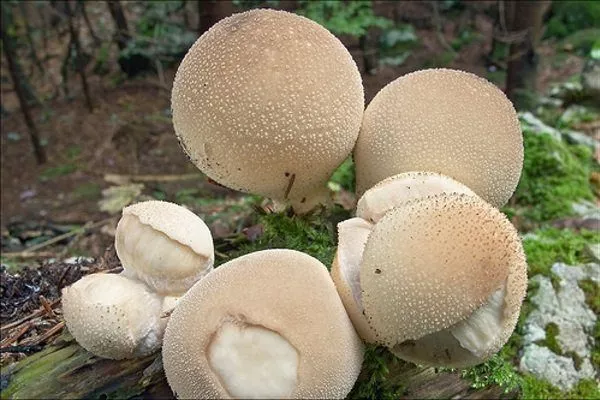
Pear-shaped puffball
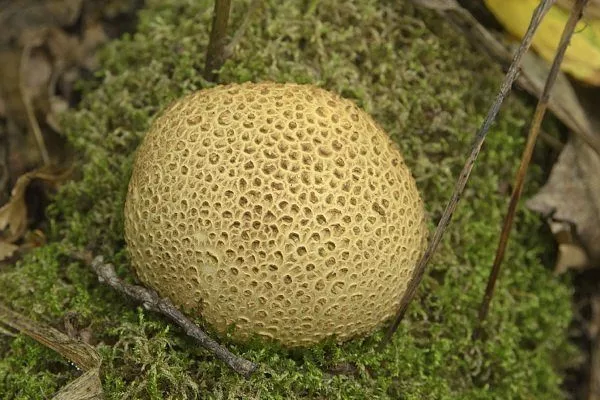
The poisonous false puffball is considered a look-alike of the puffball mushroom.
Chanterelles
Description. The mushroom cap is light yellow or orange. Blue-green or red saffron milk caps are also found. The flesh and stem are orange. The round cap reaches 5-18 cm in diameter. The hollow stem reaches a height of up to 9 cm.
Where and when does it grow? It grows in pine forests. In the Voronezh region, saffron milk caps are found in Soldatskoye from mid-July to October. They prefer coniferous trees, growing near pine or larch trees.
Doubles. Pink milkweed, fragrant milkweed - false saffron milk caps.
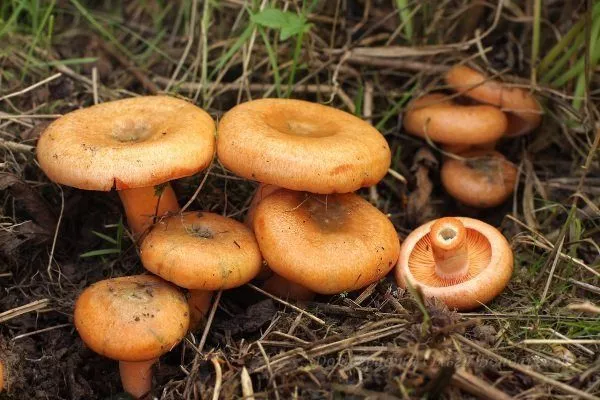
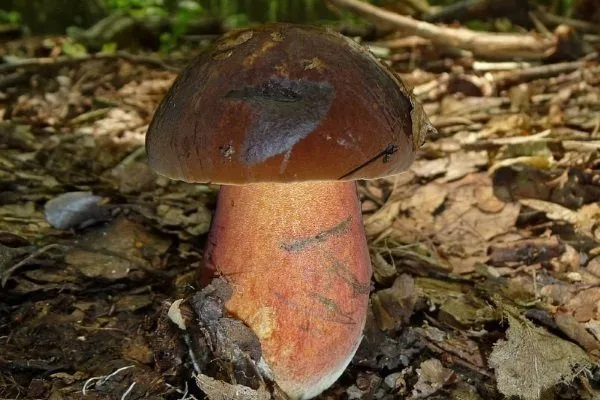
Dubovik
Description. Dubovik – a mushroom named for its habitation near oak trees. It is characterized by a large, cushion-shaped cap in young specimens and a spherical one in older specimens. Its color ranges from yellow-brown to gray-brown.
Where and when does it grow? They grow in deciduous groves, near oak trees. Less commonly, they can be found near linden trees. Harvesting occurs from May to June.
Doubles. The speckled oak mushroom can be confused with the poisonous satanic mushroom.
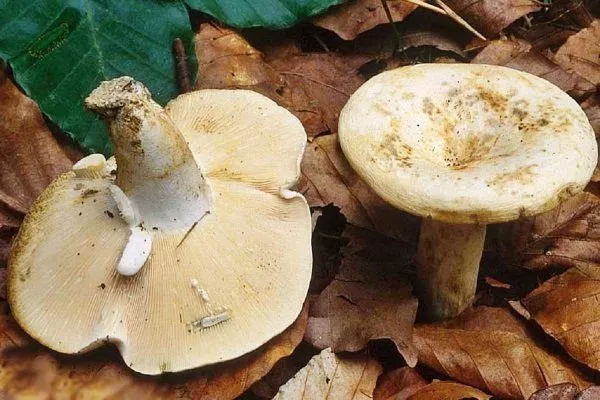
Milk mushrooms
Description. The cap diameter varies from 5 to 20 cm. Initially, the cap is flat-convex, but becomes funnel-shaped as it matures. The stem height is 3-7 cm.
Where and when does it grow? They grow in clearings, glades, and forest edges. Look for milk mushrooms in mixed and coniferous forests, preferably near birch groves.
Varieties. There are white milk mushrooms with a milky-white or yellowish cap with curled edges. There are also black milk mushrooms with a nearly black cap and dirty greenish gills.
Milk mushrooms are occasionally found in the Dolgy Forest in the Voronezh region.
Doubles. Edible milk mushrooms can be confused with conditionally edible varieties:
- pepper milk mushroom;
- felt milk cap (violin);
- oak;
- parchment;
- gray, purple;
- gray-pink;
- grayish-purple.
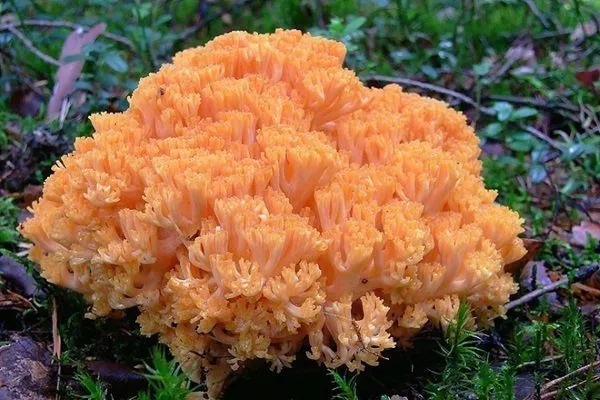
Horned
Description. The horned mushroom is a unique mushroom, lacking either a cap or a stem. It grows vertically in branching tubes.
Where and when does it grow? Mushrooms grow in damp coniferous forests, on rotting tree debris, bark, or directly on moss, in lingonberry patches. They appear in August to early September.
Doubles. The yellow horn coral is similar in appearance to the golden-yellow coral; they can only be distinguished under a microscope.
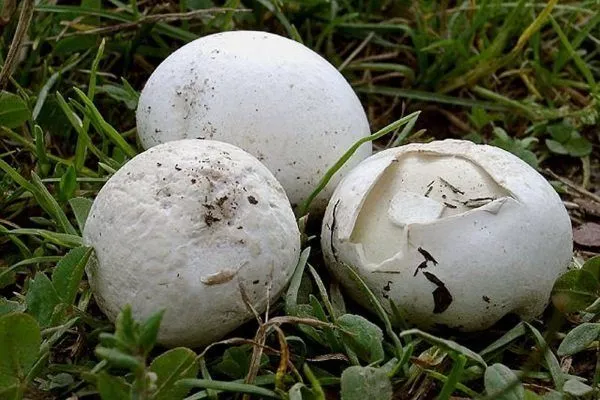
Lead-gray powder
Description. The mushroom is spherical, reaching 1.5-3 cm in height and 1.5-3.5 cm in diameter. The surface of the mushroom is white, while the interior is lead-gray. The flesh is brownish and crumbly. The stem of the puffball is not attractive, as it can only be noticed by trying to pick it from the ground.
Where and when does it grow? The lily grows in deciduous and coniferous forests on fertile soils, along paths and forest roads, in meadows and pastures. The fruiting season lasts from June to September.
Varieties. A subspecies of the gray-leaved lichen is the blackening lichen, characterized by a spherical or flattened body without a stalk, 3-6 cm in diameter. As the mushroom matures, it turns yellowish. After the spores mature, the outer shell ruptures to release them, causing the mushroom to turn black.
Doubles. Sometimes the puffball is confused with the inedible mushroom, the common false puffball, which has tough black flesh and rough, warty skin.
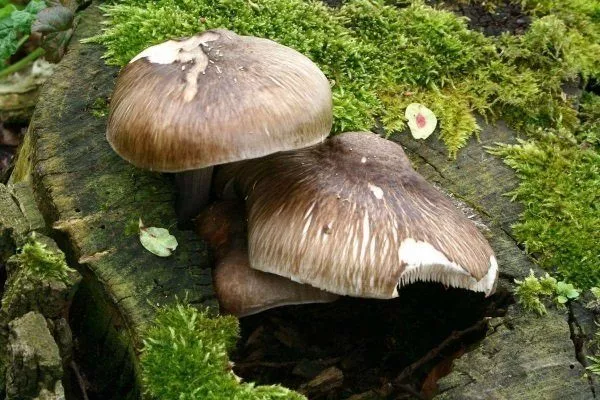
Pluteus cervus
Description. The stag mushroom is distinguished by its gray, brown, or almost black cap, 4-25 cm in diameter. Young mushrooms have a bell-shaped cap, which over time becomes spreading with a small tubercle in the center. The stag mushroom typically has a gray or white cylindrical stem, 4-17 cm in height. The flesh is white and brittle.
Where and when does it grow? The mushroom grows on decayed trees of all forest types, as well as on sawdust. Birch and pine trees are the most common. Harvesting begins in early June and continues until the end of August.
Doubles. The Pluteus stagii's twin is Pluteus pozuarii, which has no distinct odor and grows on soft deciduous trees.
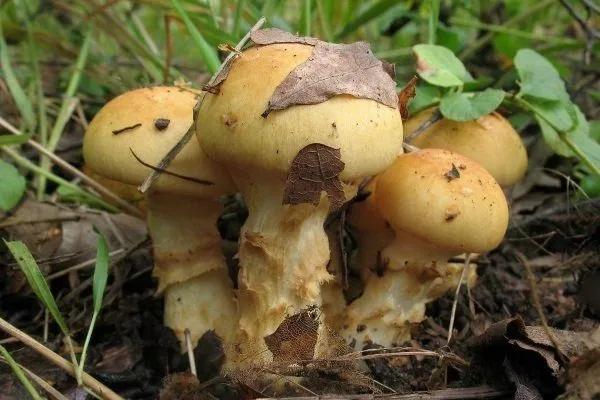
Cortinaria smutica
Description. When young, the spiderwort has a broad, bell-shaped cap with curved edges. As it matures, it becomes more spreading, sometimes with a wavy edge. It has a variable yellowish hue: initially reddish-brown or ochre-brown, then a darker yellow-ochre. The stem is 5-10 cm long and 1-2 cm in diameter. The shape is cylindrical and straight.
Where and when does it grow? Cortinarius grows in mixed and deciduous forests, aspen groves, in groups or singly. Mushroom harvesting begins in late July and ends in late September.
Doubles. There is a poisonous spiderwort. The cap, 4-9 cm in diameter, is conical in shape, becoming flat when spread out. It is distinguished by a reddish-orange or reddish-brown hue.
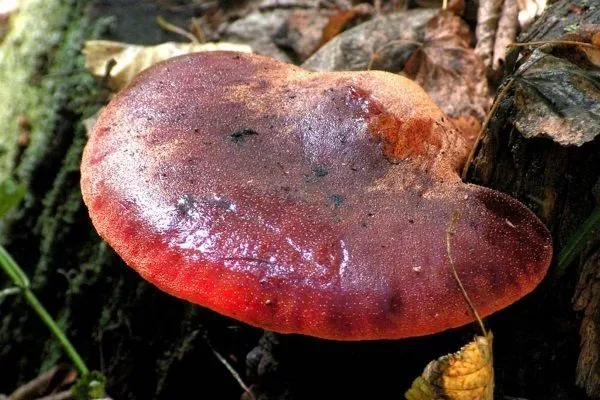
Common liverwort
Description. The common liverwort is a tongue-shaped mushroom, reaching 6 cm in thickness and 30 cm in diameter. The edges become pointed as it grows. The mushroom is bright red, sometimes orange or brownish-purple. The short, stiff stem is positioned eccentrically.
Where and when does it grow? The mushroom can be found in forest belts, singly or in small groups. It thrives on stumps and at the base of old oak or chestnut trees. Harvesting lasts from mid-July until the first frost.
Varieties. The common liverwort's similarity is comparable to that of tinder fungi, which have a similar shape and structure.
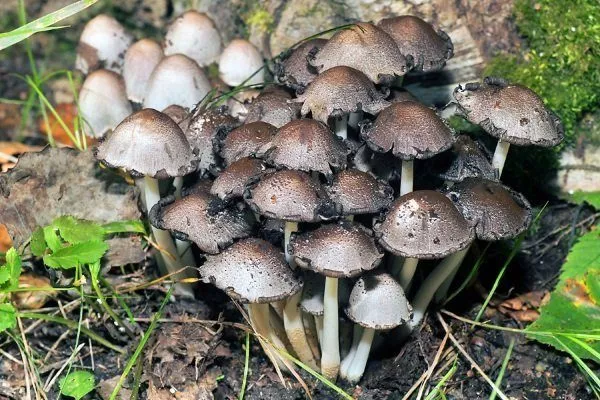
Dung beetle
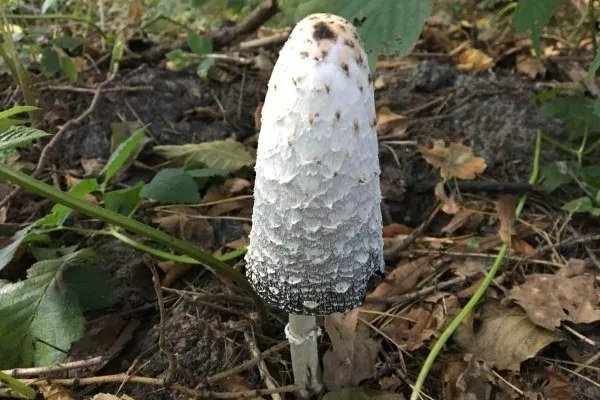
Description. The dung beetle has a bell-shaped cap and fibrous flesh. The cap's surface is covered with scales. It has a fragile, thin, hollow stem. When ripe, the cap dissolves, leaving a mush or ring-shaped black spot in place of the mushroom.
Where and when does it grow? The dung beetle is a fungus that grows in fertilized soils rich in plant debris. It is found near or on rotting trees, on stumps, near residential buildings, in city parks, and on tree stumps. Dung beetles often grow directly in garbage dumps and garden beds.
Varieties. There are several varieties of dung beetle found in the Voronezh region:
- Ordinary. The cap is covered with white scales. Young mushrooms have a cylindrical cap, which opens up to a bell-shaped form as they mature. The diameter is up to 3 cm. When mature, the cap turns black.
- White. The surface of the cap is covered with snow-white scales.
- Grey. The gray cap has a darker center and small dark scales. The cap is bell-shaped.
Common dung beetle mushroom
White dung mushroom
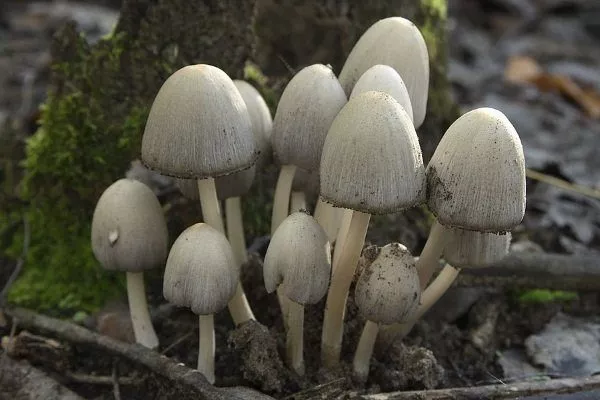
Gray dung beetle mushroom
Chestnut mushroom
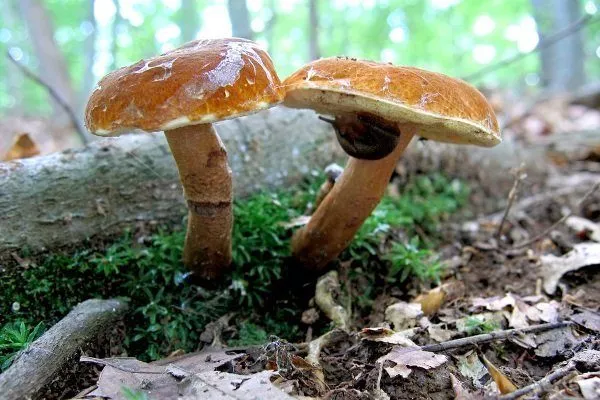
Description. Occasionally confused with the porcini mushroom, the chestnut mushroom has a brown, hollow, cylindrical stem that thickens toward the bottom. It has a convex or, rarely, flat cap, 3-8 cm in diameter. Brown and light brown specimens are also found. Young mushrooms have a fuzzy, velvety surface.
Where and when does it grow? The chestnut mushroom grows alongside broadleaf trees such as chestnut, oak, and beech. Chestnut mushrooms rarely grow alone, but are more often found in small groups. Chestnut mushrooms begin to grow in July and bear fruit until November. You can find chestnut mushrooms in the village of Yamnoye in the Voronezh Region.
Doubles. The chestnut mushroom is often confused with the inedible gall mushroom, which grows in coniferous forests. The mushroom has a convex cap, 10 cm in diameter. The flesh is soft, thick, and white.
Auricularia
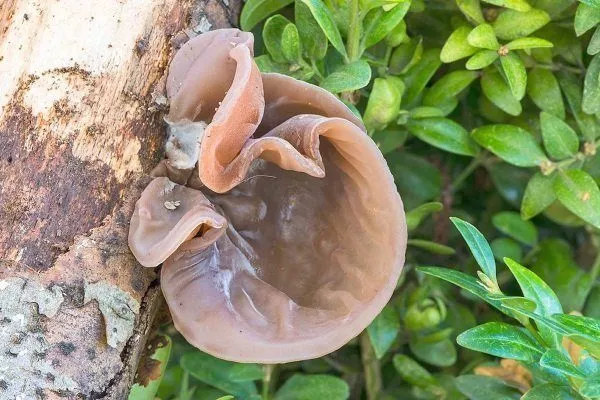
Description. A distinctive feature of the Auricularia is its unusual cap, reminiscent of an auricle, with a diameter of 11-12 cm. Its color ranges from reddish-brown to almost black. The cap is smooth on the inside and rough on the outside. The Auricularia has a short stem. The mushroom clings tightly to the tree trunk.
Where and when does it grow? It grows on dead wood, at the base of trunks, and on the branches of shrubs and deciduous trees. Its preferred locations are near alder, oak, maple, and elder. It grows in small groups from July to November.
Winter mushroom
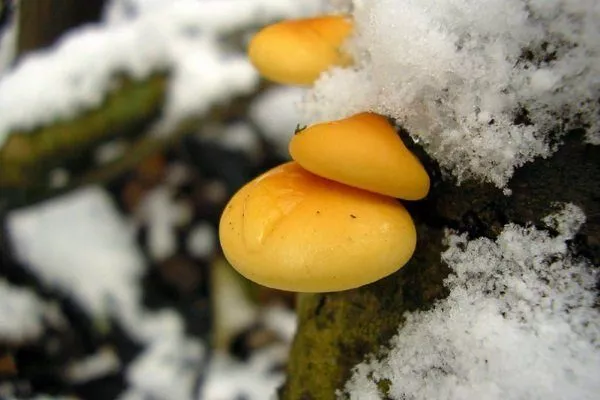
Description. The winter mushroom's cap is 2-9 cm in diameter and honey-yellow in color. The surface is smooth and slimy. The cylindrical, solid stem is 3-10 cm high and 1.5 cm in diameter. The stem color ranges from light yellow to brown.
Where and when does it grow? Winter mushrooms grow in large groups from December to March. They grow on deciduous trees and stumps. They are found in parks and gardens, on fruit trees, willow, aspen, linden, and poplar.
Doubles. This winter mushroom is rarely confused with the inedible Collybia fusiformis. This mushroom has a convex cap, 4-8 cm in diameter, of irregular shape. The cap is reddish-brown, becoming lighter with age. The stem is 4-8 cm tall.
Gray-pink fly agaric
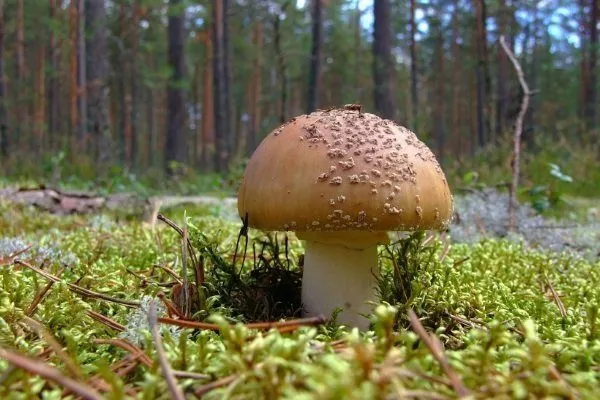
Description. The gray-pink fly agaric has a large cap, 8-20 cm in diameter. The cap can be not only gray-pink, but also dirty-reddish, and less commonly reddish-brown, covered with dirty-gray flakes. The cap is initially rounded-ovoid, then spreading. The flesh is white, tasteless and odorless. The cap is located on a stalk, 7-15 cm in height.
When broken, the flesh turns pink or red. The mushroom's flavor after cooking is similar to chicken.
Where and when does it grow? The mushroom grows in light deciduous and mixed forests from June to October. The gray-pink fly agaric forms mycorrhiza with deciduous and coniferous trees, especially pine and birch. It grows singly or in small groups.
Doubles. The gray-pink fly agaric is similar in appearance to the panther fly agaric: its caps are often also gray. However, the panther fly agaric does not turn red when cut.
Poisonous mushrooms
The Voronezh region boasts a vast array of edible and poisonous mushrooms, which are crucial to know about to avoid serious poisoning and injury.
Fly agarics
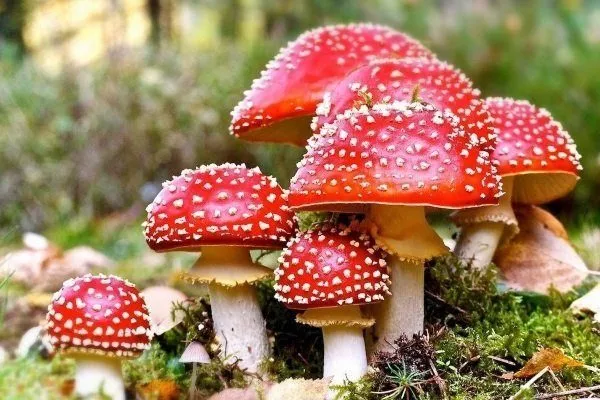
Description. A mushroom with a red cap with white spots and a whitish stem.
Where does it grow and when? At the beginning of July, fly agarics begin to actively grow, and they can be found in almost all forests of the Voronezh region.
Who can be confused with? U fly agaric There are practically no analogues, but it is similar to the Caesarean mushroom.
Death cap
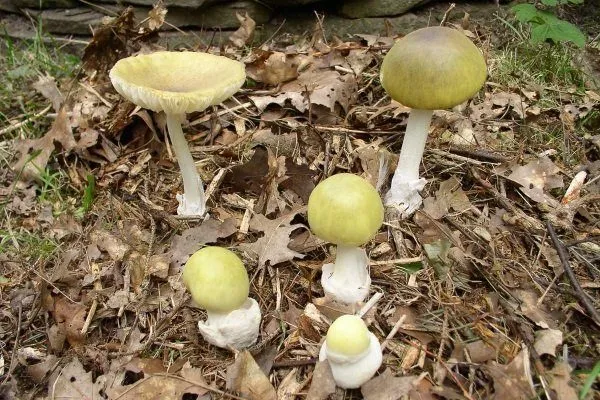
Description. The toadstool is distinguished by a flat or hemispherical grayish or greenish, sometimes olive-colored cap with smooth edges, 5-14 cm in diameter.
When and where does it grow? Death caps grow in any forest as early as early summer, growing singly or in groups.
Who can be confused with? Green russula and some types of champignons are considered to be counterparts of the death cap.
Champignon russetii
Description. Young reddish-brown button mushrooms have a rounded cap, which later becomes broadly bell-shaped, 15 cm in diameter. The cap's surface is covered with small scales. The poisonous mushroom is characterized by a white cap that turns brown in the center and yellows when pressed. The mushroom has a cylindrical white stem, up to 10 cm tall and 1-2 cm in diameter.
Where does it grow and when? It grows in deciduous and mixed forests from July to September. It is occasionally found in gardens, meadows and fields, parks, and areas where edible mushrooms grow.
Who can be confused with? Confused with the common button mushroom. The main distinguishing feature of the reddish button mushroom is its carbolic acid smell.
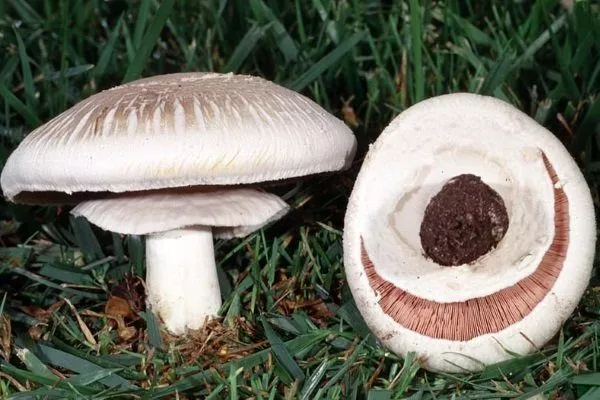
The thin pig mushroom (dirty mushroom)
Description. The thin pig mushroom has a slightly convex cap with inverted margins, 10-20 cm in diameter. As the mushroom matures, the cap becomes flat and slightly depressed, then funnel-shaped. The olive-green or gray-brown cap sits on a stalk 10 cm high and approximately 2 m in diameter. The stalk has a smooth surface and is the same color as the cap, sometimes slightly lighter.
Where does it grow and when? The slender pigweed grows in deciduous, coniferous, and mixed forests. It is found in shaded, damp areas. The fruiting season lasts from June to mid-October.
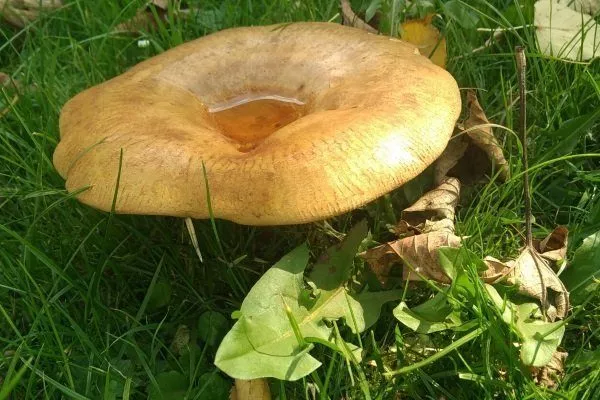
Greenfinch
Description. The greenfinch is a mushroom called the green rowan. It has a dense body, with a fleshy, convex cap when young and flattened when mature, reaching 15 cm in diameter. The greenish-yellow or yellow cap is darker in the center. The surface is covered with small scales. In damp weather, the surface becomes very sticky.
Where does it grow and when? This mushroom grows in coniferous and mixed forests. It always grows on sandy soils, singly or in groups of 4-8. It is often found alongside the gray rowan, which prefers similar conditions. The picking season is September to mid-November.
Who can be confused with? The greenfinch can be confused with the not very poisonous but inedible Trichis sultanas, which is smaller and has a tall, thin stem. It can also be confused with the death cap, which has a greenish cap when young.
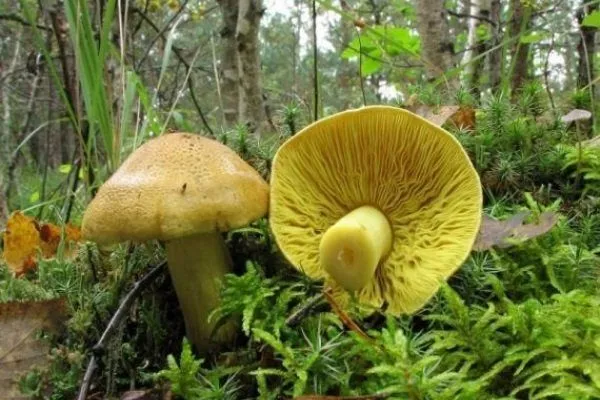
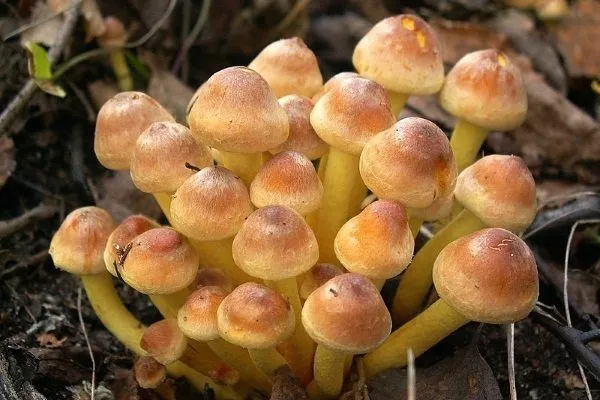
False honey fungus (sulfur-yellow)
Description. The False Sulphur-Yellow Honey Fungus is characterized by a robust cap, 7 cm in diameter. When young, the mushroom has a spherical cap, which, as it matures, flattens out, taking on an umbrella-shaped form. It is bright yellow with orange spots in the center. When broken, yellow flesh is visible, emitting an unpleasant, toxic odor.
Where does it grow and when? The mushroom grows in forests and mountainous areas in clusters or small groups. It reproduces on mossy stumps or half-decayed trunks of coniferous or deciduous trees. False honey mushrooms grow from August to November.
Who can be confused with? The false sulfur-yellow honey fungus can be confused with edible honey fungus – summer and autumn.
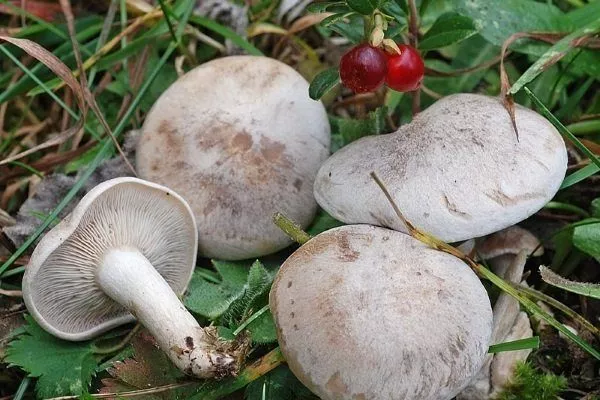
Waxy talker
Description. The mushroom is characterized by a convex cap when young, which flattens out with a wide tubercle in the center when mature. It has a predominantly cylindrical, smooth stem, reaching up to 3 cm in height. The cap has curved, inverted margins. The cap diameter is 10 cm. The waxy talker has light cream or white, fairly dense flesh with a pleasant aroma.
Where does it grow and when? The waxy talker grows in mixed and coniferous forests, singly or in small clusters. It prefers open, well-lit, grassy areas with sandy soils. The fruiting period runs from late July to late September.
Who can be confused with? The waxy talker is often confused with the edible celandine.
Entoloma vernalis
Description. The spring entoloma has a conical, semi-prostrate cap with a tubercle in the center, 2-5 cm in diameter. The color ranges from gray-brown to black-brown, with an olive tint. The caps are located on short stalks, 3-8 cm long and 0.3-0.5 cm thick. The stalk color is similar to the cap's hue or slightly lighter.
Where does it grow and when? This poisonous mushroom grows on forest edges, less commonly in coniferous forests, preferring sandy soils. It bears fruit from mid-May to mid- or late June.
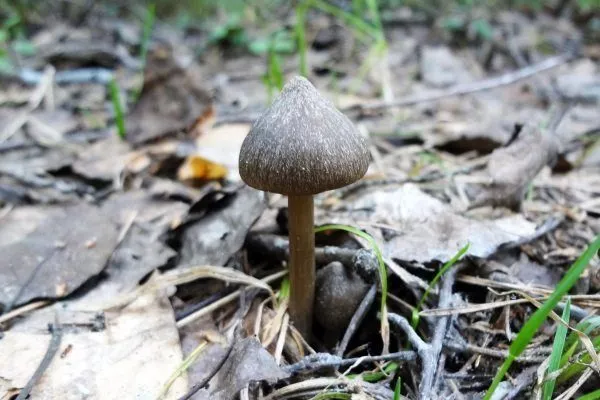
Since the mushroom fruiting period is early, it is difficult to confuse the spring entoloma with other varieties.
- Decide on a collection location, taking into account recommendations for mushroom locations.
- Check the weather conditions, the ideal time is after rain.
- Prepare the necessary equipment: basket, knife, compass.
- Learn the signs of edible and poisonous mushrooms.
- Collect only those mushrooms that you are sure of.
Mushroom spots in the Voronezh region
In the Voronezh region, which is located in the forest-steppe zone, there are up to 500 varieties of various mushrooms.
There are virtually no spruce forests in the Voronezh Region, so the most common mushroom here is the pine saffron milk cap, which grows in pine forests. Therefore, saffron milk caps can be found along the pine terraces of the Don, Voronezh, and other rivers in the region. It's also a good idea to look for butter mushrooms there.
Experts strongly recommend avoiding certain areas where poisonous mushrooms are common:
- the vicinity of the village of Somov;
- forest plantations in the territory of the Sovietsky district;
- territory of the hotel "Sputnik"
- area of the village of Tenistoy and the Police School;
- the outskirts of the village of Medovka;
- the vicinity of the villages of Podgornoye and Yamnoye.
The Voronezh region is home to a vast array of edible mushrooms, used in a wide variety of culinary dishes. However, poisonous specimens can also be encountered, so it's important to be aware of the dangers before heading into the forest for a "silent hunt."