
The skripitsa is a fourth-category edible mushroom belonging to the genus Lactarius. It gets its name from the squeak of its cap when touched by foreign objects. In some countries, the skripitsa is considered inedible, but it is generally considered conditionally edible, meaning it can only be eaten after being boiled.
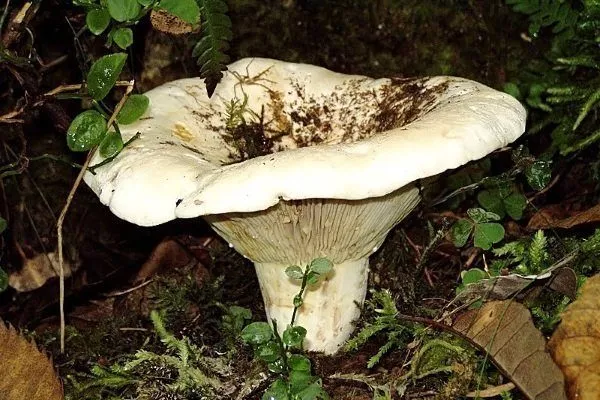
Other names of the mushroom
The mushroom was named so because it makes a creaking sound when it touches something. This name was given by the people; it is also called:
- milkweed;
- aspen creaking;
- violin;
- felt milk mushrooms;
- milk mushrooms;
- creaky.
Features and description
The mushroom has a pleasant mushroom flavor and aroma. Below, we'll discuss how to recognize and understand that the mushroom growing in front of your feet is a squeaky mushroom, as it can easily be confused with other similar mushrooms.
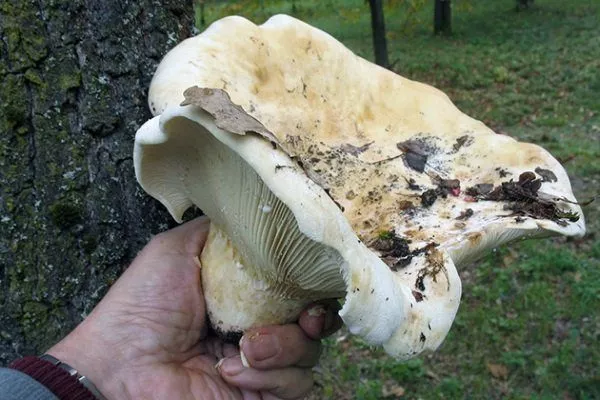
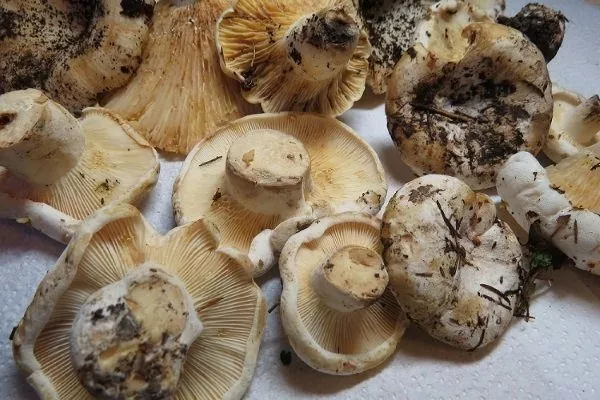
- Hat. Dense in consistency, dry and fleshy, the mushroom reaches 6 centimeters in diameter, but can sometimes reach 25 centimeters. When young, the cap is convex and depressed in the middle, with the edges curled inward. As it ages, it takes on a funnel-shaped appearance, with cracked edges. When young, the cap is milky, but as it ages, it turns yellow or takes on an ocher hue with yellow spots. The mushroom's name derives from its felt-like surface, which creaks when touched with a fingernail, knife, or other similar tool.
- Leg It's not very tall, about 5 centimeters tall, and about 5 centimeters thick. It's dense, straight, and smooth, tapering slightly under the cap.
- Pulp A brittle, hard, white plant that breaks easily with gentle pressure. It secretes a pungent, milky white sap that turns yellow when exposed to air.
- Records Sparse, slightly drooping onto the mushroom's stem. As the mushroom begins to grow, the gills are white, but as it matures, they turn yellowish.
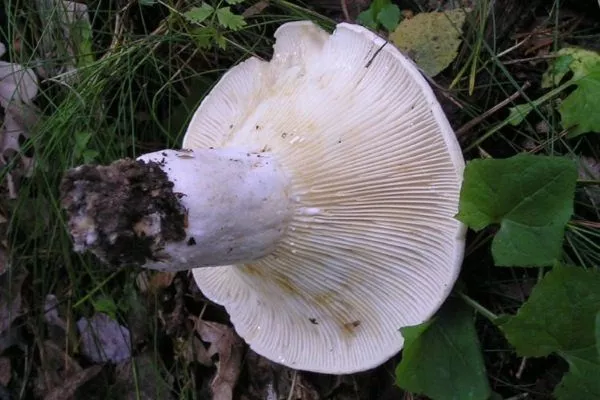
When and where does the squeak grow?
The squeaker mushroom can be easily found from Western Europe to the Far East. As for forests, the mushrooms can be found in:
- conifers;
- deciduous;
- mixed.
They thrive in areas with plenty of moss, old leaves, and plenty of sunlight. The mushroom especially prefers to grow near aspen and birch trees. Violin mushrooms typically grow in large groups, which can include both young and mature mushrooms. Rarely, the mushroom can be found alone.
You can pick violin mushrooms from mid-summer to late autumn; the most delicious and juicy mushrooms are those that ripen at the end of summer.
Edibility of the mushroom
The aspen squeaker, or fiddlehead, is classified as conditionally edible and should not be eaten raw. Although it is not poisonous and will not cause serious consequences, it can cause nausea and vomiting.
What can a squeaker be confused with?
Many mushroom pickers mistakenly confuse the toadstool with the scaly-cap and pass it by, which is a shame, as the scaly-cap is tasty and healthy. Mushroom pickers may also confuse this mushroom with the milk mushroom. The difference is that the scaly-cap is firmer than the white milk mushroom. Its cap lacks fringing. The scaly-cap's cap is almost plastic-like, which is not the case with the milk mushroom.
| Mushroom | Edibility category | The need for pre-treatment |
|---|---|---|
| Violin | 4 | Yes |
| White milk mushroom | 1 | Yes |
| Aspen mushroom | 2 | No |
The gills of the milk cap are lighter than those of the skripun (fiddlehead mushroom). The milk cap's flesh begins to darken noticeably where it breaks, while the skripun (fiddlehead mushroom) lacks this. The advantage is that the skripun has no poisonous or harmful lookalikes.
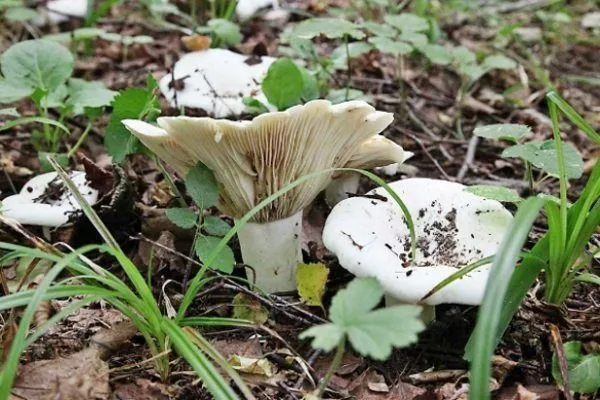
Correct processing
Once the mushrooms are brought home from the forest, the first thing to do is sort them and remove any stuck leaves and other dirt. Next, they are washed and soaked in salted water. After this, the mushrooms can be boiled, fried, stewed, used in various sauces, dried, or pickled, but all of this must be done after pre-boiling.
- ✓ Sort and clean from dirt
- ✓ Rinse under running water
- ✓ Soak in salt water for 5 days
- ✓ Change the water several times
Soaking lasts for 5 days in cold, clean water. This is necessary if you decide to pickle the mushrooms or prepare them in any other way. During this time, the water should be changed several times with clean water.
While mushrooms contain many beneficial substances, they also contain harmful components that make fresh mushrooms bitter. It's not just a matter of taste: simply boiling or frying these mushrooms can cause nausea, vomiting, and gastrointestinal poisoning, so it's crucial to soak and dry or pickle them first.
Application in medicine
The fiddle-leaf mushroom is used in folk medicine, where an alcohol tincture is made. It is believed to prevent tumors and combat inflammation. The mushroom is also used in Chinese medicine: applied externally to relieve leg pain and improve the condition of tendons and bones.
The benefits and value of the violin
Everyone wants to get the most benefit from food, but not all foods are rich in this, which cannot be said about squeaky mushrooms.
Properly processed mushrooms lose their harmful properties and enrich the body with vitamins, amino acids, and microelements (magnesium, potassium, calcium, and others). Skripitsa mushrooms contain 49% carbohydrates and 47% protein. They are even suitable for dieters, as they contain 22 calories per 100 grams.
Composition of mushrooms:
- proteins;
- fats;
- carbohydrates;
- water.
Minerals:
- calcium;
- potassium;
- iron;
- magnesium;
- phosphorus;
- sodium;
- zinc;
- copper;
- selenium;
- manganese.
Vitamins:
- vitamin C;
- thiamine;
- riboflavin;
- nicotinic acid;
- choline;
- vitamin B6;
- betaine;
- vitamin B12;
- vitamin B;
- vitamin E;
- fatty acids.
Regular consumption of properly prepared mushrooms will positively affect the functioning of the gastrointestinal tract, eliminate bad cholesterol, lower blood sugar, and improve the functioning of the cardiovascular system.
Contraindications
Even people in good health shouldn't eat mushrooms frequently or in large quantities, as they're considered a heavy food for the stomach. They also contain a large amount of protein, which puts a significant strain on the digestive system.
People with the following disorders should avoid mushrooms:
- exacerbation of diseases of the digestive system;
- kidney and liver diseases;
- gout;
- individual intolerance;
- children under 12 years of age;
- pregnancy and lactation period.
Growing at home
Growing violin grass is simple; all you need to do is purchase ready-made mycelium from a store. This option is more reliable and simple, but unfortunately, it's not available everywhere.
Once the mycelium has been acquired, it is mixed with a preliminary substrate (a mixture of soil and deciduous wood shavings). Next, gather leaves and moss from forests where scaly-leaved mushrooms grow abundantly. Sowing should begin between May and September.
Next, a nutrient solution is made using yeast and sugar, and the mycelium should be grown in soil as close to forest soil as possible.
Some mushroom pickers plant mushrooms this way: they break overripe mushrooms into pieces and mix them with peat and sawdust, then water them with a nutrient solution. The container is covered with a lid, with small holes poked in it, and left for three days at 23 degrees Celsius.
Just before planting, the soil is watered with a lime solution, diluted at 50 grams per 10 liters of water. Holes are dug close to the deciduous trees, and the prepared substrate is poured into the hole, filling it halfway. The mycelium is placed on top, and the prepared substrate is added to the top. Finally, moss and leaves are added.
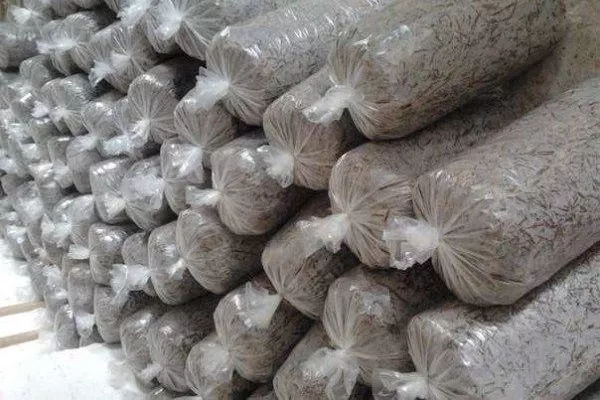
You can also grow squeakers in a basement or shed. To do this, fill a plastic bag with squeaker mycelium and poke holes in it, which is where the mushrooms will grow. This way, you can harvest them for up to five years in a row.
While not among the tastiest mushrooms, squeaky mushrooms are still edible. They can be easily confused with some types of milk mushrooms, so it's important to know how to distinguish squeaky mushrooms from other mushrooms. It's also important to prepare squeaky mushrooms properly to avoid digestive problems.