
The Leningrad Region is renowned for its abundance of mushroom-growing spots. Edible mushrooms are found here, suitable for a wide variety of dishes. However, mushroom pickers may also encounter poisonous or inedible mushrooms, which are dangerous for human consumption. Therefore, it's important to learn how to identify these mushrooms to avoid problems.
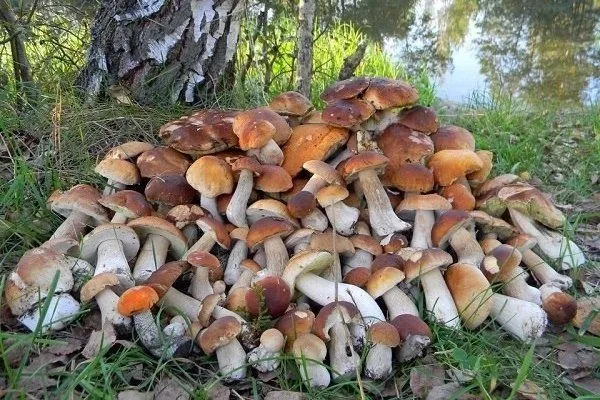
- ✓ Check for moss and lichen, which indicate clean air.
- ✓ Make sure there are no industrial plants or busy roads nearby.
The mushroom season has begun in the Leningrad region.
The first mushrooms in the Leningrad region appear at the end of April. This is undoubtedly morelsThese mushrooms are distinguished not only by their attractive appearance but also by their unique taste. Only boletus mushrooms can compete with them.
In June, fresh butter mushrooms and boletus mushrooms, which thrive in birch groves, are found. Butter mushrooms are found in groups. In the second ten days of June, white milk mushrooms appear. In July, mushroom pickers can gather saffron milk caps, chanterelles, and boletus mushrooms. And in midsummer, russula mushrooms, which have a rich palette of colors, are available. August is the best month for mushrooms, when white mushrooms, honey mushrooms, chanterelles, porcini mushrooms, russula, and aspen mushrooms are found in abundance.
- ✓ The optimal temperature for the growth of most mushrooms is +15°C to +25°C.
- ✓ Soil moisture should be at least 70%.
In the last month of summer, poisonous mushrooms such as death caps and fly agarics are actively growing in the Leningrad region.
Mushroom picking spots in the Leningrad region
A large number of mushrooms are collected in the village of Sosnovo, located in the central part of the region, which is dominated by coniferous forests. Various mushroom species are found there, but chanterelles, yellow and red russulas, black milk mushrooms, and bitter mushrooms grow in greatest abundance.
An equal number of specimens are found in the coniferous forests of the village of Snegirevka. Also collected there are aspen mushrooms, chanterelles, boletus mushrooms, porcini mushrooms, russula, and milk mushrooms.
Edible mushrooms
There are many edible mushrooms in the Leningrad Region. Some of them grow until frost. The following species are considered common edible mushrooms in the region.
| Name | Harvest season | Place of growth | Peculiarities |
|---|---|---|---|
| Rows | August – end of September | Under a pine tree, rarely near a spruce, fir, or larch | Various cap shapes, club-shaped stem |
| Raincoat | Late summer – autumn | Mixed and coniferous forests, meadows, along roads | A spherical or pear-shaped mushroom that darkens when ripe. |
| Russula | Late spring – early September | Coniferous and deciduous forests, city parks | Hemispherical cap, white or yellowish legs |
| White mushroom (boletus) | June - September | Mixed forests, under pine, oak and birch trees | Convex cap, barrel-shaped stem |
| Volnushki | August - September | Mixed forests, birch groves | Pink cap with a fringe, concave shape |
| Chanterelles | June – end of October | Coniferous trees, near larch or pine trees | Orange or light yellow cap |
| Dung beetles | August - November | City parks, stumps, near rotting trees | Bell-shaped cap, scales on the surface |
| Milk mushrooms | June – end of September | Mixed and coniferous forests, birch forests | Flat-convex cap, funnel-shaped in mature |
| Aspen mushroom | Late June – October | Under the poplars, pines, oaks, beeches | Hemispherical cap, club-shaped stem |
| Birch boletus | Bird cherry blossoms in mid-October | Birch groves | The cap is white in young plants, darkening with age. |
| Umbrellas | June – early November | Forests, steppes, meadows, forest edges | Whitish hemispherical cap, long stem |
| Horned | Late August – November | Coniferous forests, on moss, rotten tree debris | Fleshy fruiting bodies, without cap and stem |
| flywheel | July - October | Deciduous, mixed and coniferous forests | Convex or semicircular cap |
| Butterlets | Early summer – mid-October | Under birches and oaks, coniferous trees | Hemispherical or conical cap |
| Scaly cap | July - October | Birches, trunks and stumps of tree willows | Cylindrical stem, bell-shaped cap |
| Chanterelles | Early spring – late November | Coniferous forests | Concave caps with wavy edges |
| Oyster mushrooms | September - December | On fallen trunks and old trees | Juicy pulp, pronounced mushroom aroma |
| Tinder fungi | August - November | Tree trunks and stumps | Grayish-brown or light-brown round cap |
| Honey mushrooms | May – end of October | Near trees, in meadows and forest edges | A hemispherical cap with small scales |
| Oak trees | May - June | Deciduous groves, near linden trees | Yellow-brown to gray-brown cap |
| Bittersweet | June - October | Birch groves, pine forests, coniferous forests | Bell-shaped cap, conditionally edible |
| Scaly hedgehog | August - November | Coniferous forests on dry sandy soils | Flat-convex cap, brown scales |
| Polish mushroom | July - November | Mixed and coniferous forests | The cap is hemispherical and turns blue when pressed. |
| Goat | June - October | Wet coniferous forests, on the edges of wetlands | Convex cap, reddish-ocher in color |
| Wet | July – the first frosts | Coniferous, deciduous and mixed forests | Slimy film on the cap |
| Hygrophorus late | Mid-September – first snow | Coniferous and mixed forests, near pine trees | Flat or slightly convex cap |
| Valuy | Mid-summer – early October | Dense forests with high humidity | Light brown cap, slippery surface |
| Blackhead | August – end of September | Mixed forests, on moist soil | Black or dark brown cap |
| Cobweb | May is deep autumn | Deciduous and mixed forests | Various sizes, cobweb bedspreads |
| White butterflies | August – end of October | Birch groves, pine forests | The cap is almost white or slightly flesh-colored |
| Sarcoscypha | After the snow melts | Dry branches, tree roots, deadwood | Goblet or cup-shaped, deep red hue |
Rows
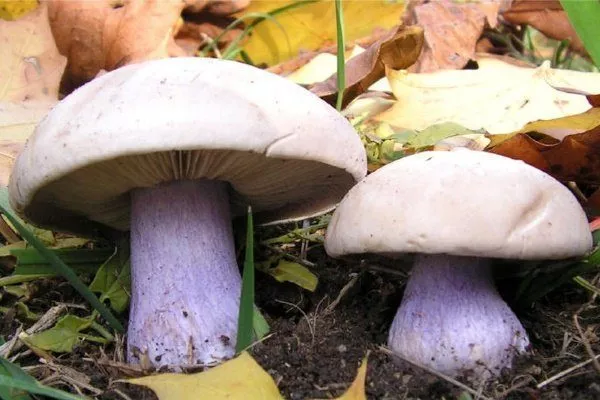
Description. A distinctive feature of mushrooms is the variety of cap shapes. Some mushrooms have conical and spherical caps, while others have bell-shaped caps, ranging in diameter from 3 to 20 cm. The cap rests on a club-shaped, straight, or cylindrical stem up to 10 cm tall.
Doubles. Often, due to carelessness, the rowan mushroom is confused with its poisonous analogue, the distinctive characteristic of which is a spreading cap with downward-curved edges.
Varieties. Rowing mushrooms come in several varieties: those with lilac stems and those with violet stems. The main differences are the different shades of the stems and caps.
Where and when does it occur? Rows typically grow under pine trees, though they are rarely found near spruce, fir, or larch. They grow in clusters or singly. Mushroom picking begins as early as August. The picking season continues until the end of September.
Raincoat
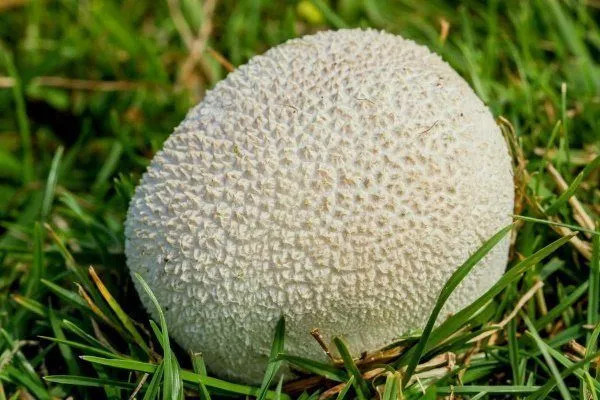
Description. A spherical or pear-shaped mushroom with a closed structure. Young mushrooms are attractive for their dense, firm, white flesh. The skin of the fruiting body is thick, often with spines. As the mushroom matures, it darkens, forming chambers inside that contain spores.
Doubles. The false puffball is a lookalike of the edible puffball. The inedible variety is also spherical, but the flesh is firmer.
Varieties. Mushroom pickers may stumble upon a giant puffball, which can reach up to 50 cm in width and weigh up to 7 kg. When it first emerges, it is white or gray, turning brown as it matures.
Pear-shaped white puffballs, which grow in groups in pine forests, are also collected.
Where and when does it occur? The harvest occurs in late summer and autumn. Mushrooms are found in mixed and coniferous forests. They are also found in meadows, along roadsides, and on lawns.
For a full description of the puffball mushroom, see this article.
Russula
Description. Among the many varieties of russula, there are varieties similar in structure and appearance. The russula cap resembles a hemisphere. As it ages, the cap becomes spread and flattened, or very rarely, funnel-shaped with upturned edges. The diameter is up to 15 cm. These mushrooms have white or slightly yellowish stems that are cylindrical.
Doubles. Russulas are often confused with death caps, which have similar external characteristics.
Varieties. The following types of russula are considered common varieties:
- Red. An inedible mushroom with a hemispherical, slightly convex, prostrate, or depressed cap of a blood-red hue. The stem is cylindrical and brittle, usually white, or less commonly pinkish at the base.
- Yellow. The hemispherical cap is 5-10 cm in diameter. The mushroom is found in forests, birch, and pine groves from July to October.
- Blue. The mushroom grows in coniferous forests. Its main distinguishing feature is its bluish cap, 3-10 cm in diameter, on a short stem 3-5 cm high.
- Green. The cap is flat-convex and yellowish-green. The mushroom grows in coniferous and deciduous forests.
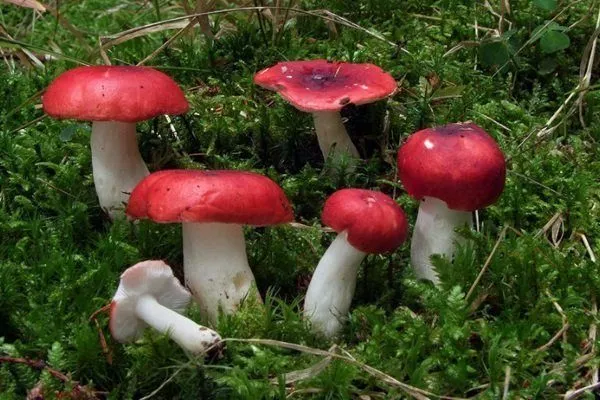
The inedible species red russula
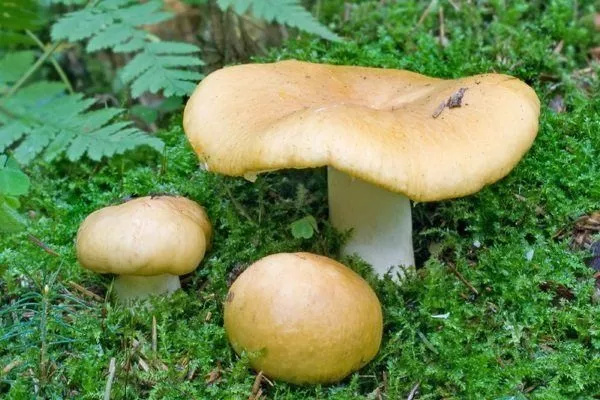
Yellow Russula
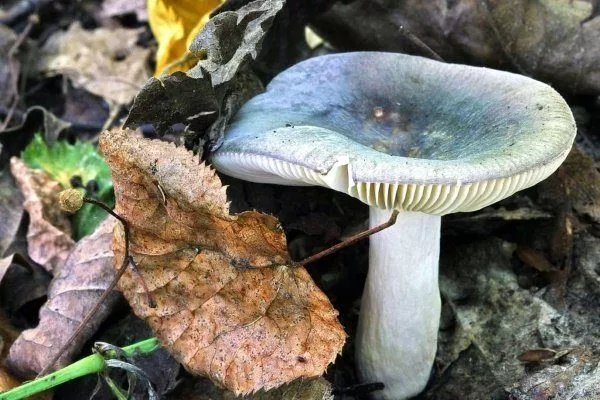
Blue russula
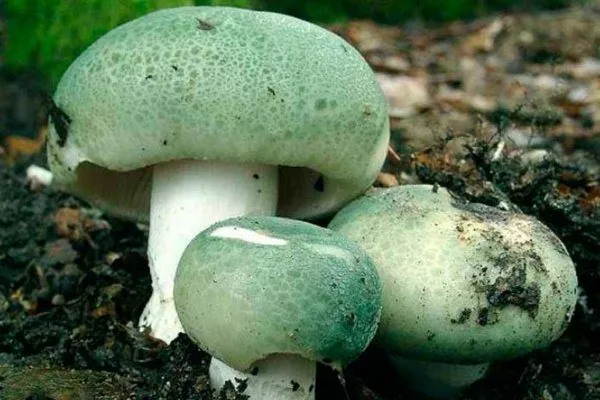
Green russula
Where and when does it occur? Russula mushrooms emerge from the ground in late spring. They are found in coniferous and deciduous forests, city parks, or near rivers. They grow until early September.
White mushroom (boletus)
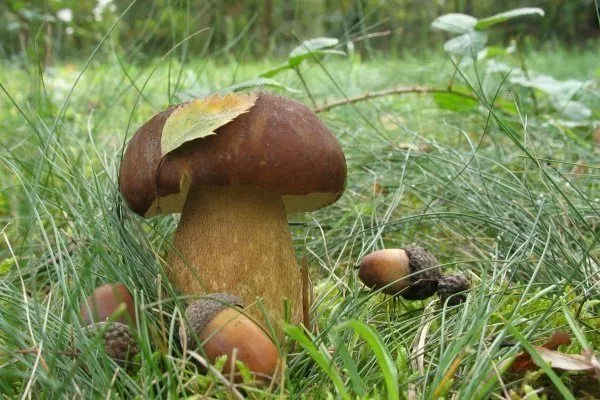
Description. The convex cap, light brown or burgundy in color, sits on a barrel-shaped, thick stem that elongates as it grows. The cap diameter is 7-30 cm, and the mushroom reaches a height of up to 25 cm. The flesh of the porcini mushroom is juicy and fleshy.
Doubles. Satanic mushroom It is strikingly similar to the porcini mushroom, just like the inedible gall mushroom.
Varieties. The porcini mushroom has several varieties:
- Pine. The cap is brightly colored, reaching up to 20 cm in diameter. In mature specimens, the cap turns dark red. They grow in sunny clearings in coniferous forests.
- Oak. The large cap, up to 30 cm in diameter, grows not only under oak trees, but also under chestnut trees, linden trees, and hornbeams in deciduous forests. It attracts with its distinct aroma.
- Birch. It grows in groups or singly at forest edges and along roadsides. Its distinctive feature is its yellow, sometimes white, cap, up to 15 cm in diameter.
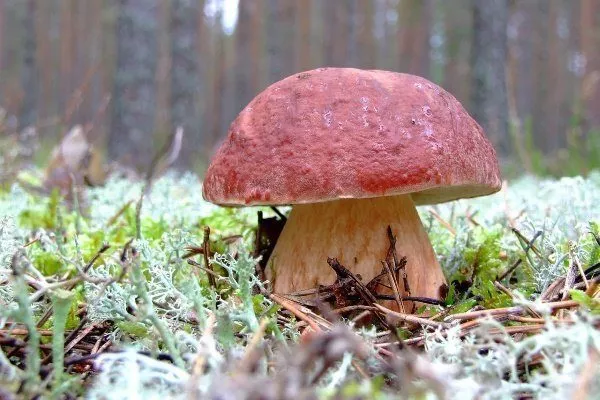
Pine porcini mushroom
White oak mushroom
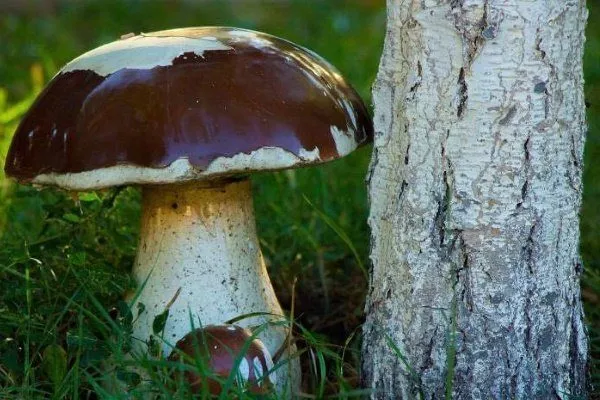
Birch porcini mushroom
Where and when does it occur? It grows porcini mushroom In mixed forests, they prefer sandy loam, sandy soil, and loamy soil. They also grow more often under pine, oak, and birch trees. They are harvested from June to September. Mushroom pickers can go mushrooming in the village of Alekhovshchina, located in the central part of the district on the Oyat River in the Leningrad Region.
Volnushki
Description. Volnushka – a mushroom that stands out from its peers due to its large size and attractive appearance. Young mushrooms have a pink, convex cap. Over time, it becomes denser, forming a small indentation in the center. The cap has a slightly pubescent edge that is folded under at the bottom.
Doubles. The milkcap, often confused with the milkcap, has a pink cap. However, the milkcap has a fringe on its cap, which the milkcap lacks.
Varieties. In the Leningrad region, there are the following varieties of volnushka:
- Pink. A conditionally edible mushroom that requires careful cooking before consumption. It grows in shaded areas with moist, marshy soil and abundant moss. It has a pink cap, up to 12 cm in diameter.
- White. A conditionally edible mushroom that grows symbiotically with birch trees in open clearings from August to September. The funnel-shaped cap, up to 8 cm in diameter, sits on a cylindrical stem up to 4 cm tall.
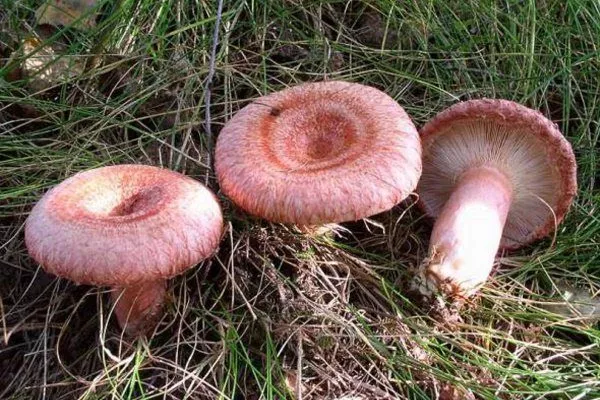
Conditionally edible mushroom pink volnushka
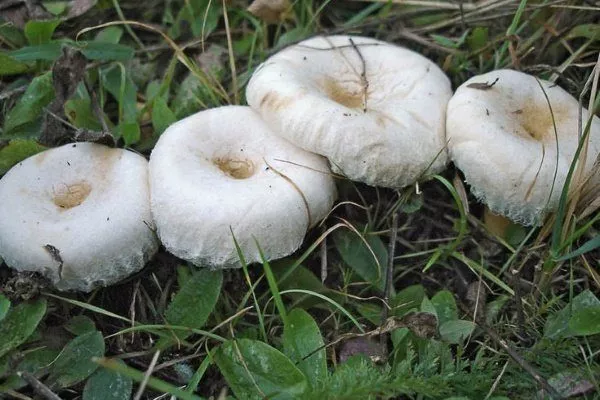
The conditionally edible mushroom, the white volnushka
Where and when does it occur? Mushrooms are found from August to September in mixed forests and birch groves.
Chanterelles
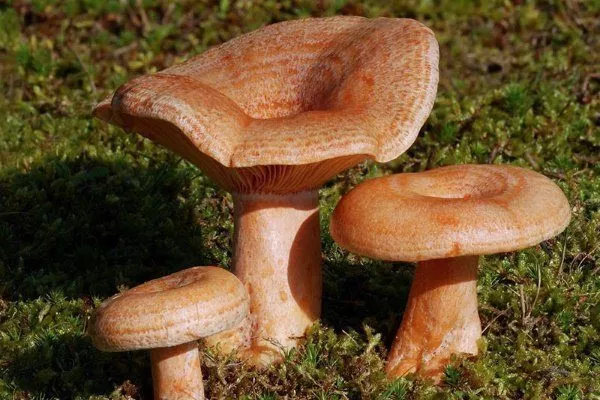
Description. The mushroom has an orange or light yellow cap. Red or blue-green saffron milk caps are extremely rare. The cap is round, with a diameter ranging from 5 to 18 cm. The hollow stem reaches up to 9 cm in height.
Doubles. False saffron milk caps include the pink milk cap and the aromatic milk cap; these mushrooms are similar in appearance to some varieties of saffron milk caps.
Where and when does it occur? In the Leningrad Region, saffron milk caps grow in the village of Pervoe Maya in the Kingisepp District. Mushroom hunters also travel to the villages of Konnovo, Sala, Veimarn, and Tikopis. They prefer coniferous trees, growing near larch or pine trees from early June to late October.
Dung beetles
Description. A mushroom distinguished by its bell-shaped cap, 5-10 cm in diameter, and reaching 5-20 cm in height. The mushroom's flesh is fibrous. It has a hollow stem, which is both thin and fragile. The cap's surface is covered with scales.
Doubles. The gray dung beetle is often confused with its inedible counterpart, the house dung beetle. The common dung beetle is similar to the flickering dung beetle.
Varieties. The following varieties of mushroom are found:
- Grey. The cap is gray with a dark center. Dark scales appear on the surface of the bell-shaped cap, which is up to 10 cm in diameter.
- White. The cap has snow-white scales. The diameter is 7-10 cm. The height of the mushroom is over 15 cm.
- Ordinary. Young mushrooms have a cylindrical cap with white scales. As they mature, the cap takes on a bell-shaped form, up to 3 cm in diameter. As they mature, the cap turns black.
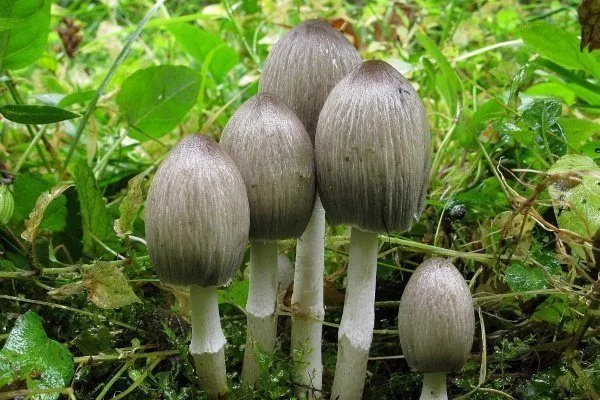
Gray dung beetle mushroom
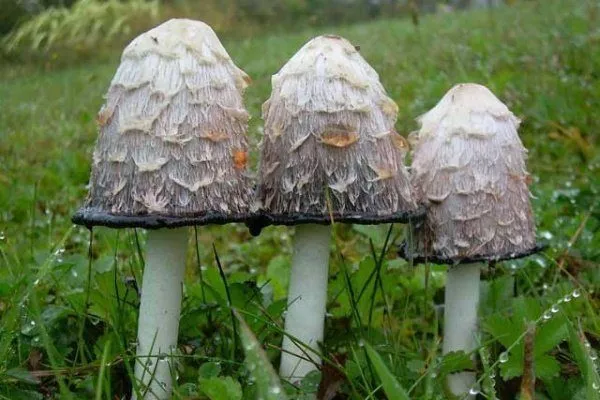
White dung mushroom
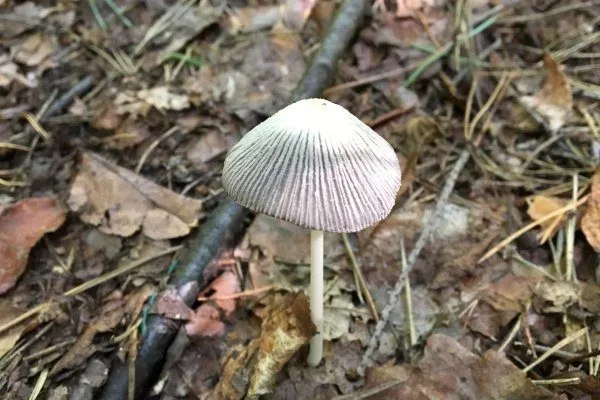
Common dung beetle mushroom
Where and when does it occur? The dung beetle is found in city parks, on stumps, near rotting trees, and near residential buildings. This mushroom prefers fertile soils rich in plant debris, so it grows directly in garden beds or garbage dumps.
Milk mushrooms
Description. Milk mushrooms are a unique species of mushroom that grow in clusters. They initially have a flat-convex cap, which, as they mature, takes on a funnel-shaped form, reaching 5-20 cm in diameter. The cap sits on a stalk up to 7 cm high.
Doubles. Edible mushrooms (the true milk mushroom or the white milk mushroom) are often confused with conditionally edible milk mushrooms: gray-purple, peppery, gray-pink, felt, gray, parchment, oak.
Varieties. The black milk cap is found in the Leningrad Region. It is a conditionally edible mushroom with a stem up to 8 cm tall and up to 3 cm in diameter. Its funnel-shaped cap, upturned at the edges and up to 15 cm in diameter, can be covered with a sticky film. Its color ranges from dark olive to rich brown. The true milk cap has a white cap and is considered edible.
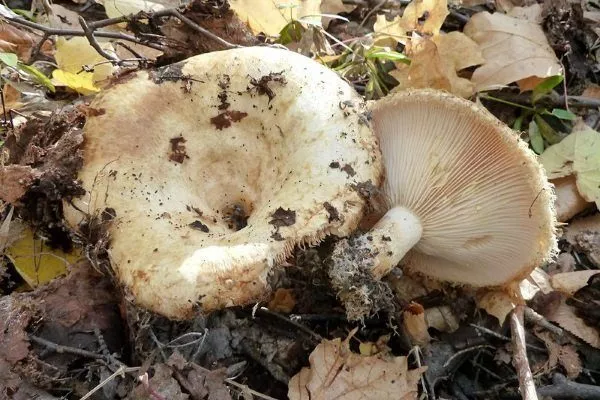
Where and when does it occur? Milk mushrooms are harvested in mixed and coniferous forests—they grow near birch groves, in clearings, forest edges, and clearings. The harvest season begins in June and ends by the end of September.
Aspen mushroom
Description. When young, aspen mushrooms have a hemispherical cap, which over time becomes cushion-shaped, reaching 5 to 30 cm in diameter. The cap sits on a club-shaped stem, up to 22 cm tall. Brownish or black scales can be found on the surface of the stem.
Doubles. The edible aspen mushroom is similar in appearance to the gall mushroom (false aspen mushroom).
Varieties. White aspen mushrooms, oak, pine and red varieties grow in the Leningrad region.
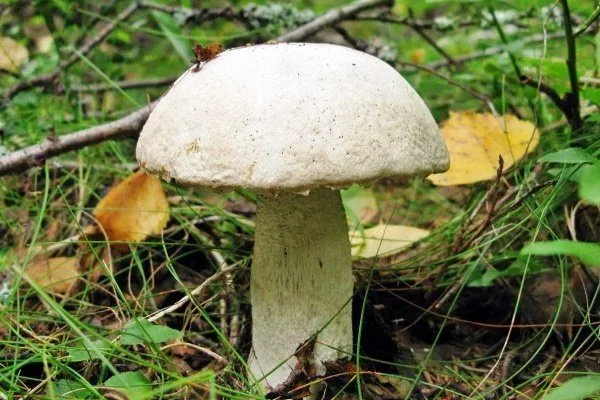
White aspen mushroom
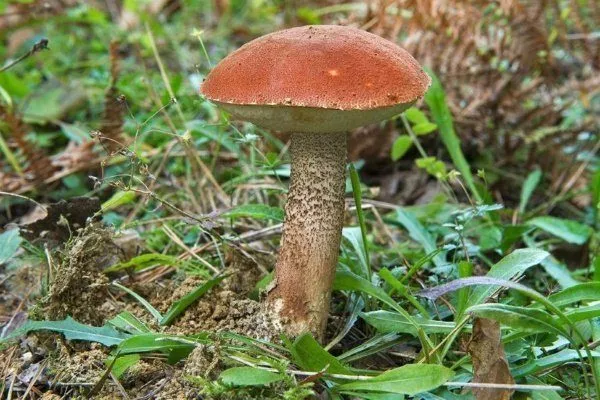
Oak aspen mushroom
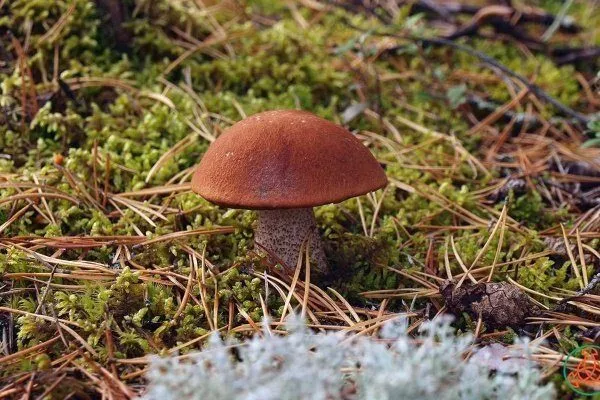
Pine aspen mushroom
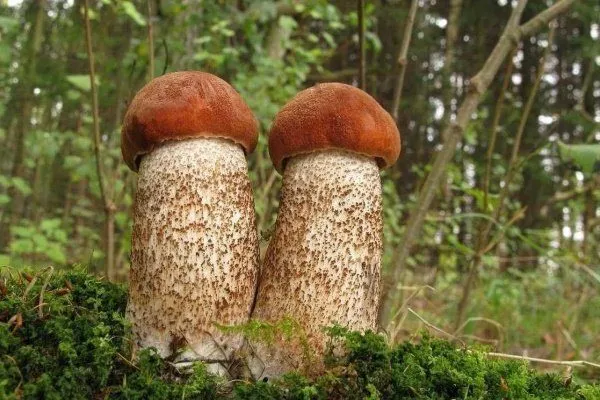
Red aspen mushroom
Where and when does it occur? Aspen mushrooms are harvested from late June until October, heading to Mshinsk, Losevo, Kannelyarvi, Priozersk, Sosnovo, Gorkovskoye, Kuznechnoye, Roshchino, and Vyritsa—mushroom-foraging areas in the Leningrad Region. The best places to look for fruiting bodies are under poplars, pines, oaks, beeches, willows, birches, and spruces.
Birch boletus
Description. When young, the birch bolete has a predominantly white cap, which matures to dark brown. The cap diameter is 18 cm. The stem is cylindrical and white or gray. Dark gray scales are visible along the surface of the stem.
Doubles. The edible birch bolete is often confused with its false analogue, which has a white-gray cap and a gray, mottled stem.
Varieties. Common species that are often encountered are the marsh bolete with a light grey or light brown cap and the common bolete with a uniform reddish cap.
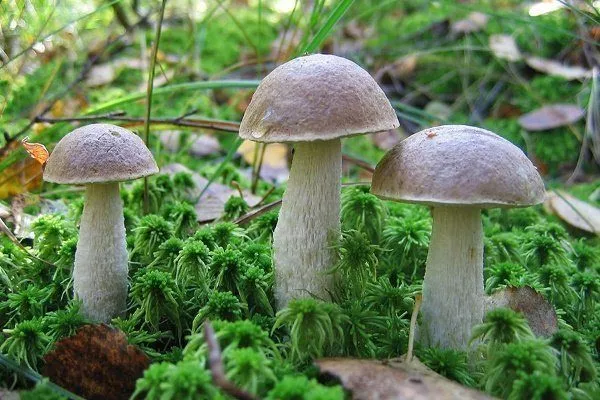
Marsh birch bolete
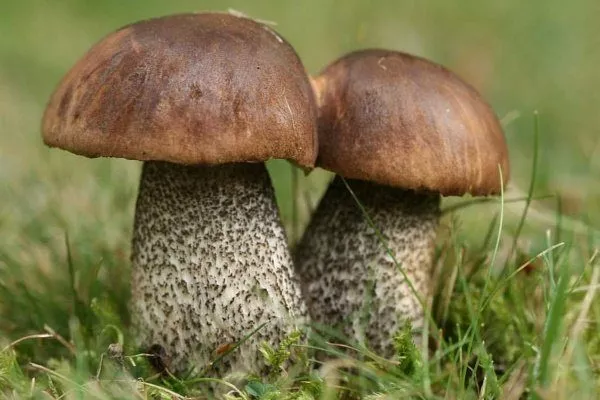
Common birch bolete
Where and when does it occur? A bountiful harvest of birch boletes awaits mushroom pickers in the Leningrad Region, in Kirillovskoye, on the road to Kamenka, and in the surrounding areas of the village of Yagodnoye. They begin to ripen when the bird cherry trees bloom, and the picking season ends in mid-October.
Umbrellas
Description. The cap is whitish, hemispherical or ovoid, 35 cm in diameter. As it grows, the cap skin begins to crack, forming small scales on the surface. The stem reaches up to 40 cm in length.
Doubles. The umbrellas are similar in appearance to Chlorophyllum cinquefoil and Amanita spp.
Varieties. Parasol mushrooms found in the Leningrad region:
- Blushing. This edible mushroom is gray or beige. When pressed, it turns reddish-brown. When young, the cap has curled edges; with age, they straighten out and become cracked.
- White (field). An edible mushroom, white-gray in color, with drooping flakes along the edge of the cap. The cap diameter reaches 5-10 cm.
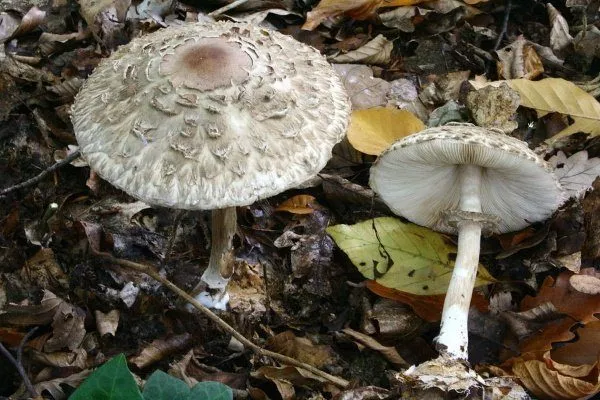
Reddening parasol mushroom
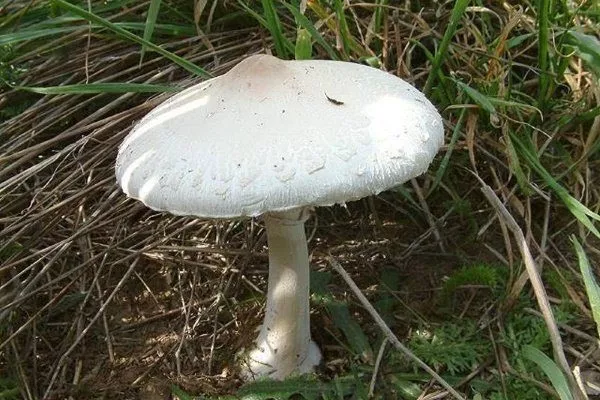
White parasol mushroom
Where and when does it occur? Parasols are found in open, well-lit areas of forests. They are found in steppes, meadows, and forest edges from the middle of the first month of summer until the beginning of the last month of autumn.
Horned
Description. Horned mushrooms are unique mushrooms with fleshy fruiting bodies and no cap or stem. They can be awl-shaped, club-shaped, or coral-branched, and are white with a yellowish tint. They grow vertically in branching tubes.
Varieties. The following types of horned beetles are found:
- Pistillate. The fruiting body is club-shaped, reaching up to 15 cm in height. The spores are white.
- Truncated. A club-shaped mushroom with a widened and thickened tip. Its predominant color is dark orange. It has no odor and a slightly sweet taste.
- Lingual. Upright tongue-shaped. Height – up to 13 cm. Surface – smooth and dry. Color – soft cream.
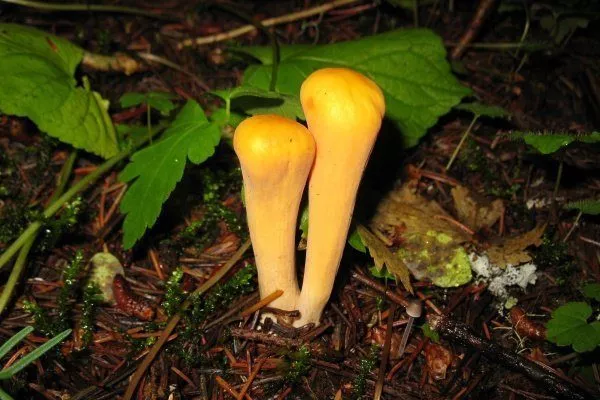
Horned pistillate mushroom
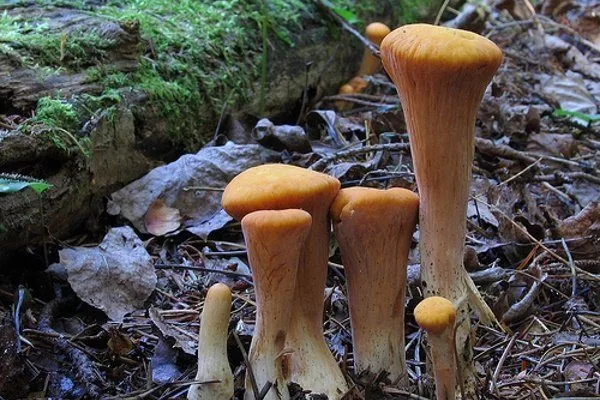
Truncated horn mushroom
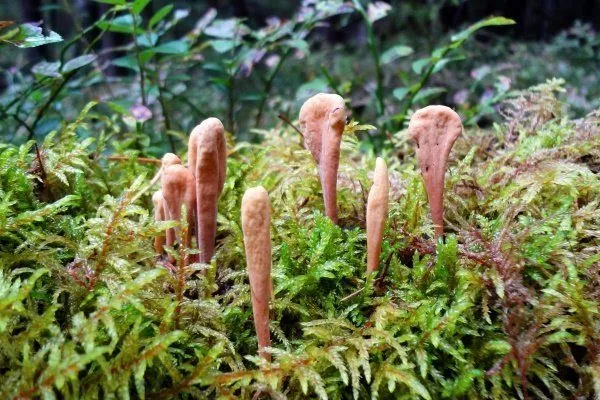
Horned Tongue Mushroom
Where and when does it occur? People start picking mushrooms at the end of August. They prefer to grow in lingonberry patches, damp coniferous forests, on moss, rotten tree debris, or bark.
flywheel
Description. A mushroom with a convex or semicircular cap with straight edges. As it matures, the cap becomes cushion-shaped, reaching up to 20 cm in diameter. Mushroom pickers also collect boletus mushrooms in olive-yellow, lemon, and dark yellow hues.
Doubles. The pepper and gall mushrooms are similar in appearance, which is why they are often confused.
Varieties. There's also the chestnut boletus, which has a convex cap at first, becoming cushion-shaped with age. The skin is velvety, cracking with age. The cap of this edible mushroom is predominantly a brownish-red hue.
Where and when does it occur? They grow boletus mushrooms Singly, forming mycorrhiza with pine, linden, hornbeam, spruce, beech, chestnut, and alder. They are found in deciduous, mixed, and coniferous forests. In the Leningrad Region, mushroom pickers can visit Sosnovo, where boletus mushrooms are found in large numbers.
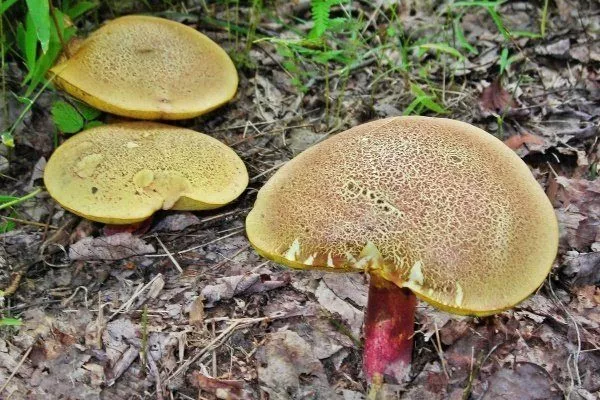
Butterlets
Description. The butter mushroom has a short cylindrical stem, up to 10 cm tall. Young mushrooms have a hemispherical or conical cap, while mature ones have a straightened, cushion-shaped cap. The cap diameter is up to 15 cm.
Doubles. In appearance, edible butter mushrooms are similar to pepper mushrooms, which have a smooth, shiny, convex cap.
Varieties. Common edible varieties of butter mushrooms include the following:
- Granular. They attract with their cushion-shaped red cap, which is slightly convex.
- Yellow-brown. When breaking the mushroom, a metallic or pine aroma can be felt.
- Ordinary. They come in yellow-brown, red-brown, and chocolate-brown colors. The stem diameter is 4-12 cm, and the stem height is 5-11 cm.
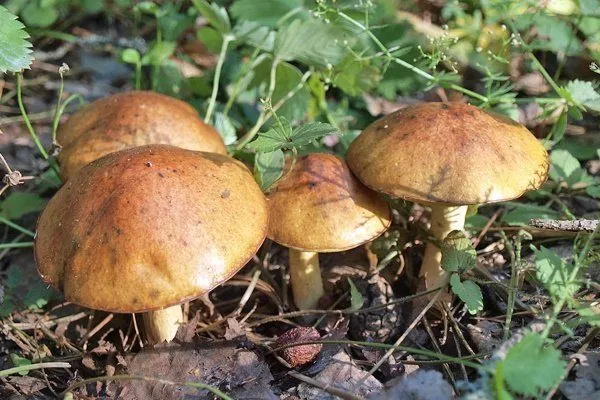
Butter grains
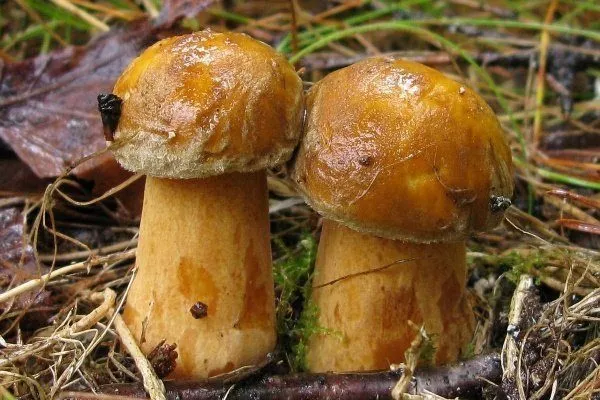
Yellow-brown butter mushrooms
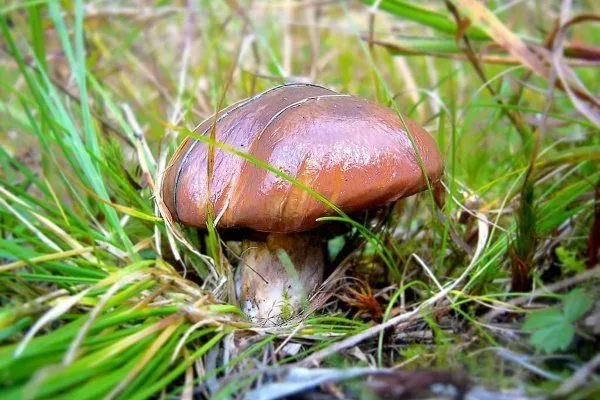
Common butter mushrooms
Where and when does it occur? The mushroom begins to grow from early summer until mid-October under birch and oak trees. Near the village of Sinyavino, it grows under coniferous trees.
Scaly cap
Description. The mushroom's cylindrical stem and bell-shaped or hemispherical cap are covered with dense scales. When mature, the cap has a flattened, spreading shape.
Doubles. The golden scaly cap is confused with the inedible common scaly cap, which has large protruding scales.
Varieties. There are several types of scales:
- Golden. An edible mushroom with a broad, bell-shaped or flat-round cap, 5-18 cm in diameter. Only the cap is eaten.
- Ordinary. A conditionally edible mushroom with a convex cap when young, which becomes convex and spreading when mature. The cap diameter is 6-10 cm. The mushroom has a slightly bitter taste and tough flesh.
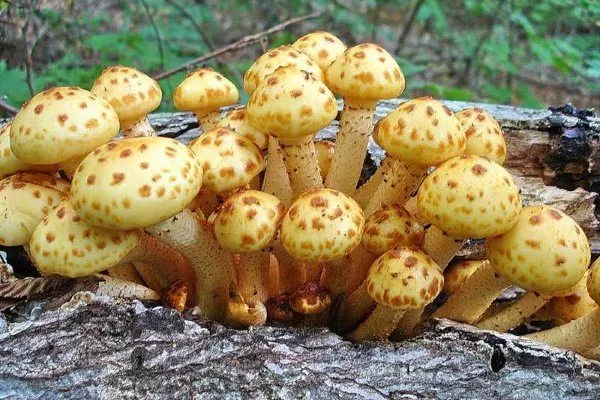
Golden scalycap
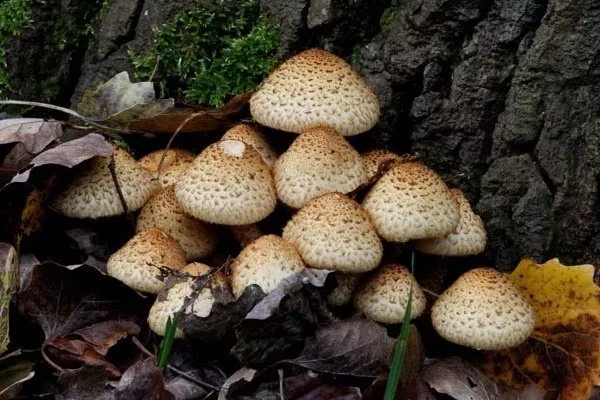
Common scaly mushroom
Where and when does it occur? Mushroom pickers can go for scaly mushrooms in places where there are birch trees, trunks and stumps of tree-like willows - they grow in large clusters from July to October.
Chanterelles
Description. Chanterelles They are characterized by concave caps with wavy edges. Orange and yellowish specimens are also found, with a scent reminiscent of dried fruit. The cap diameter reaches up to 10 cm.
Doubles. Dangerous look-alikes of chanterelles include the poisonous olive omphalot and the orange talker.
Varieties. The following varieties of chanterelle are found in the Leningrad region:
- Ordinary. Yellowish outlines are visible along the edges of the cap. The mushroom's flesh is fleshy and soft.
- Gray. An edible mushroom, the distinctive feature of which is a cap with wavy edges and a depression in the middle.
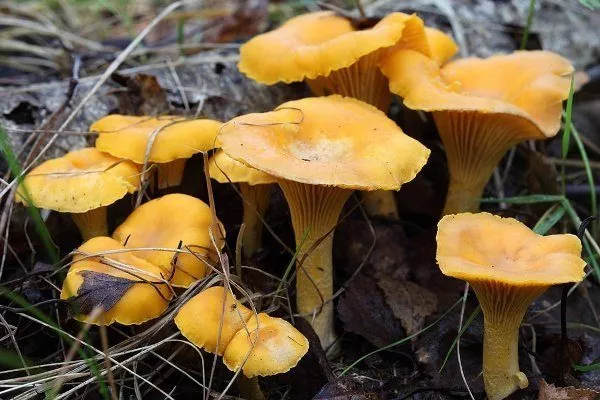
Chanterelle mushrooms
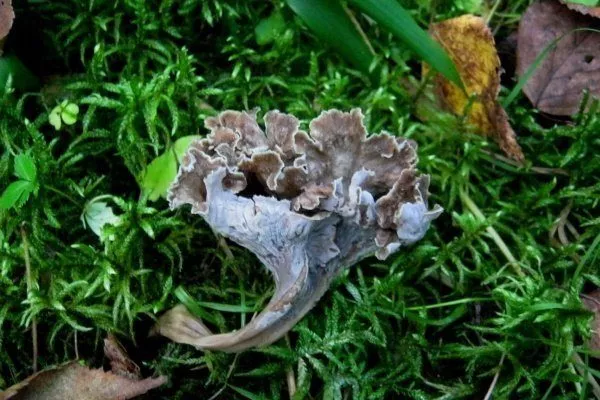
Gray chanterelle mushrooms
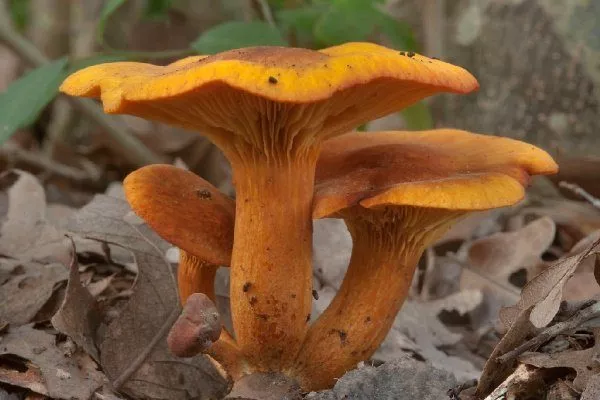
The chanterelle's twin is the poisonous olive omphalot.
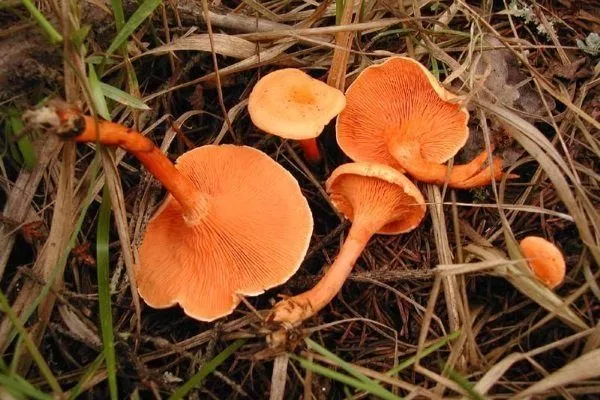
The orange talker (or false chanterelle) is an inedible lookalike mushroom.
Where and when does it occur? Chanterelles grow in forests, especially coniferous ones. People go mushroom-picking in early spring. They hunt for mushrooms until the end of November in the forests around Vyritsa, where the road runs along the Oredezh River.
Oyster mushrooms
Description. U oyster mushrooms Juicy flesh and a distinct mushroom aroma. The cap is concave, light gray, and rarely purple. A conical, light-colored stem holds the cap, which can reach a diameter of up to 20 cm.
Doubles. The oyster mushroom is virtually impossible to confuse with poisonous mushrooms. However, mushroom pickers may accidentally end up with the orange oyster mushroom, which has a distinctive orange cap. This mushroom is very bitter and therefore not recommended for consumption.
Varieties. The most commonly collected mushroom is the common oyster mushroom.
Where and when does it occur? Mushrooms grow from September to December in areas with birch, aspen, willow, and pine trees. They prefer to grow on fallen trunks and old trees beginning to rot.
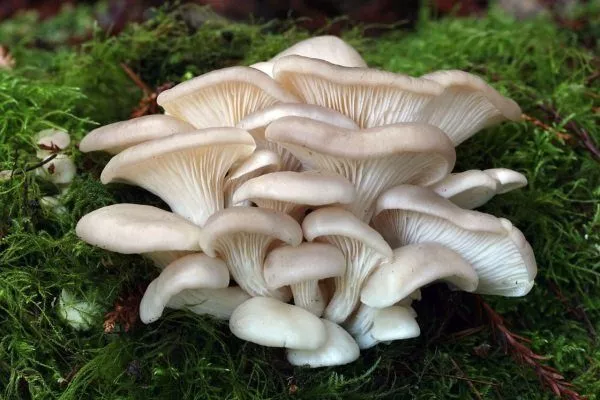
Tinder fungi
Description. Mushrooms with a greyish-brown or light-brown round cap, which becomes flat-convex as it matures. Tinder fungi consist of numerous branched stems with small white caps.
Doubles. A lookalike of the mushroom is the false tinder fungus, which has a fruiting body that is round when young and hoof-shaped when mature. The cap often has a matte and uneven surface, predominantly dark gray or black.
Varieties. Among the tinder fungi, the following species are considered common:
- Sulphur yellow. Yellow-orange fruiting bodies, up to 50 cm in diameter.
- Scaly. Spreading fleshy caps, up to 30 cm in diameter.
- Winter. The cap is flat-convex and the stem is hard. The cap is yellow-brown, the stem is gray-yellow.
- Umbrella. The fruiting bodies are rounded, flat, and slightly depressed in the center.
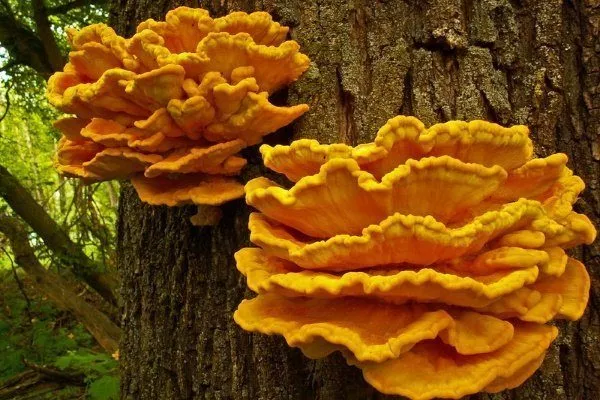
Sulphur-yellow tinder fungus
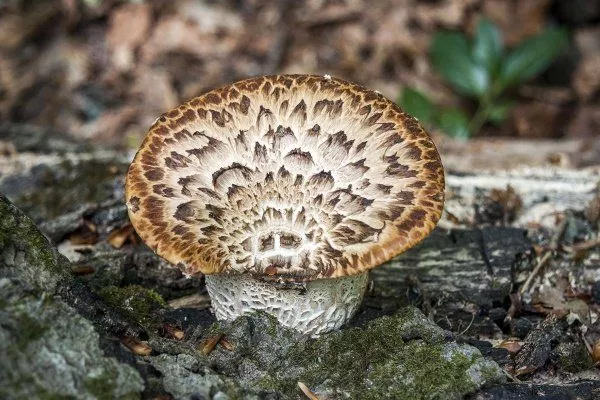
Scaly tinder fungus
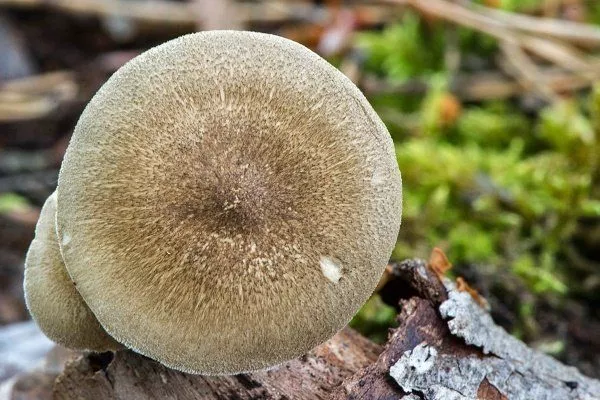
Winter tinder fungus
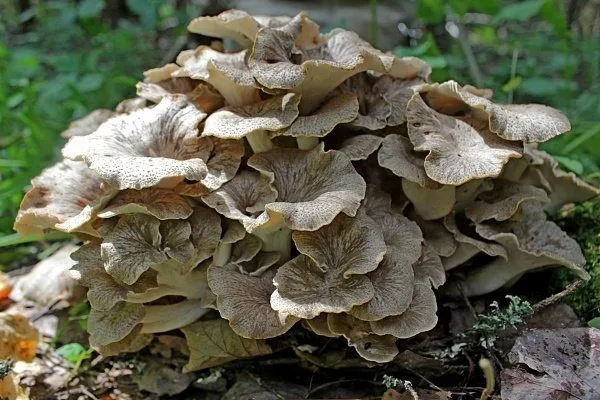
The umbrella polypore mushroom
Where and when does it occur? Polypores grow from August to November, found in mixed forests. Tree trunks and stumps are their optimal habitat.
Honey mushrooms
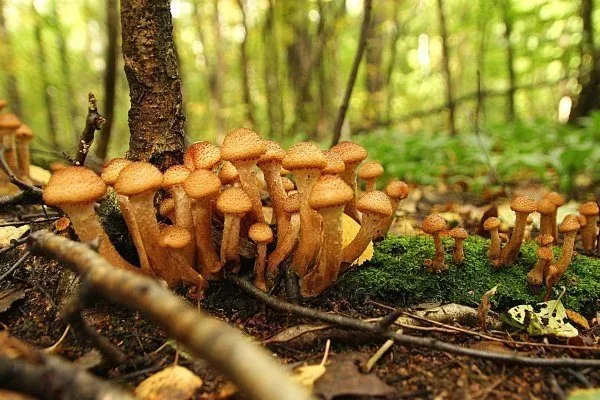
Description. When young, honey fungus has a hemispherical cap with small scales, which becomes umbrella-shaped and smooth with age. Many honey fungus have a ring-like skirt on the stem. Honey fungus stems range in color from light honey to dark brown. The long, thin stem can reach up to 15 cm in height.
Doubles. A distinctive characteristic of false honey mushrooms is their brightly colored caps—orange, rusty, or reddish-brown. The caps of true edible honey mushrooms are brown or light beige.
Varieties. There are several varieties of honey mushrooms:
- Summer. Young honey mushrooms have moist flesh and a pleasant flavor. They smell like living wood.
- Autumn. The flesh is fragrant and dense. The cap diameter reaches up to 17 cm, and the stem height is up to 10 cm.
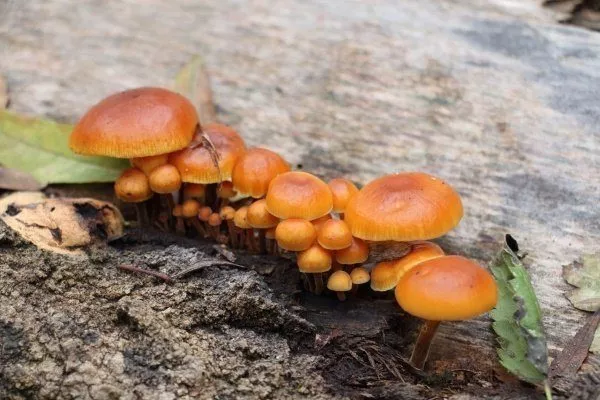
- Winter. The cap is brownish, yellowish, or brownish-orange in color. Diameter: up to 10 cm.
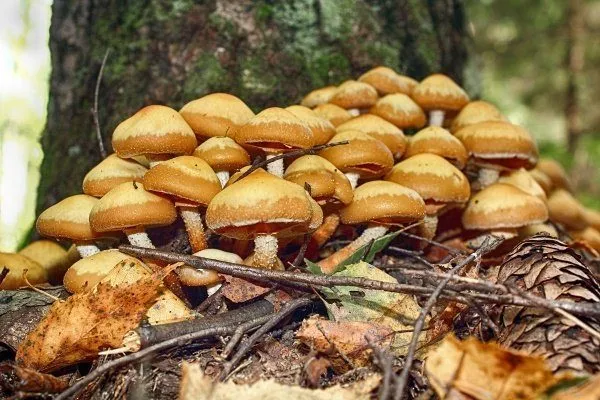
Summer honey fungus
Autumn honey fungus
Winter honey fungus
Where does it meet?me and when? Honey mushrooms grow in large quantities from May to the end of October. They are found near trees, in meadows and forest edges, and also near shrubs.
Oak trees
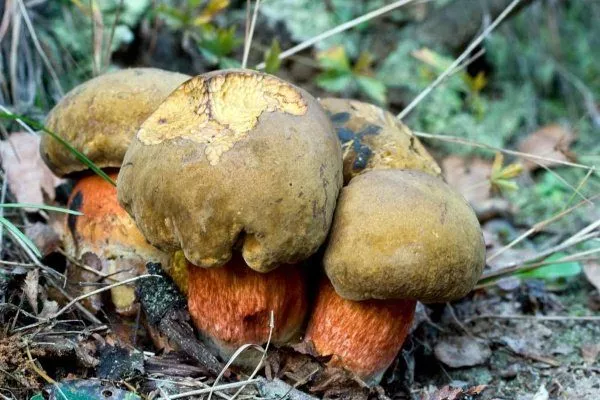
Description. It's no wonder the name oak tree The name comes from the mushroom's habit of growing near oak trees. The fruiting body's color ranges from yellow-brown to gray-brown. Young mushrooms have a large, cushion-shaped cap. As they mature, the cap becomes spherical.
Doubles. In appearance, the speckled oak mushroom resembles a poisonous satanic mushroom.
Varieties. A common variety of this mushroom is the spotted oak boletus, with a large, velvety cap reaching up to 20 cm in diameter. Young mushrooms have a hemispherical cap, but with maturity, it takes on a cushion-like appearance.
Where and when does it occur? Mushrooms are collected from May to June, heading to deciduous groves. Oak mushrooms often grow near linden trees.
Bittersweet
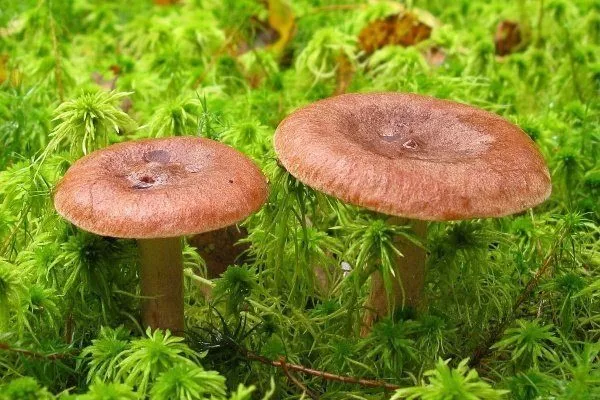
Description. A conditionally edible mushroom. When young, the mushroom has a bell-shaped cap, which flattens as it matures, reaching up to 18 cm in diameter. Older mushrooms have a conical depression in the center of the cap. The cylindrical stem, up to 7 cm tall, is occasionally covered with grayish fuzz.
Doubles. The bitter mushroom is often confused with the edible milk mushroom, which has a distinctive smell of dry roots, and with the orange milk mushroom, which has a red-orange cap and the same stem.
Where and when does it occur? The bitterling mushroom grows singly or in clusters. The picking season lasts from June to October. It grows exclusively in birch groves, pine forests, and coniferous forests. It prefers marshy, moist soils. Mushroom hunters head to Sosnovo in the Priozersk district and the village of Snegirevka. Bitterling mushrooms are also found in the village of Sinyavino in the Kirovsky district.
Scaly hedgehog
Description. When young, the mushroom has a flat-convex cap, later becoming concave in the center, reaching up to 25 cm in diameter. The cap's surface is covered with tile-like, exfoliating brown scales. The smooth, cylindrical stem, up to 8 cm long, is the same color as the cap, sometimes with a purple tint.
Doubles. The scaly hedgehog mushroom is often confused with the rough hedgehog mushroom, which is slightly smaller and has a bitter aftertaste.
Where and when does it occur? The mushroom begins to grow from August to November in coniferous forests. It grows in groups on dry, sandy soils. It grows in all forest zones, but not uniformly; in some places it is absent altogether, while in others it forms circles.
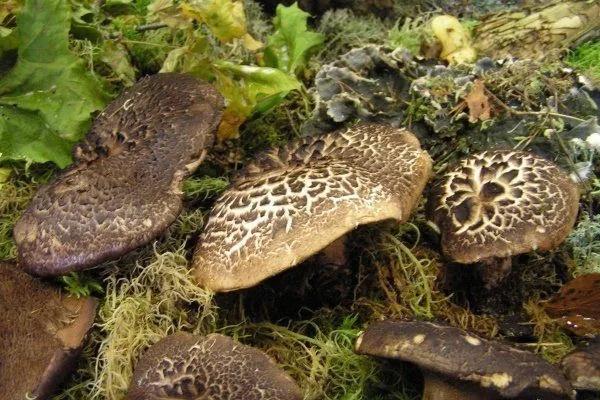
More information about such a mushroom as hedgehog mushroom can be obtained here.
Polish mushroom
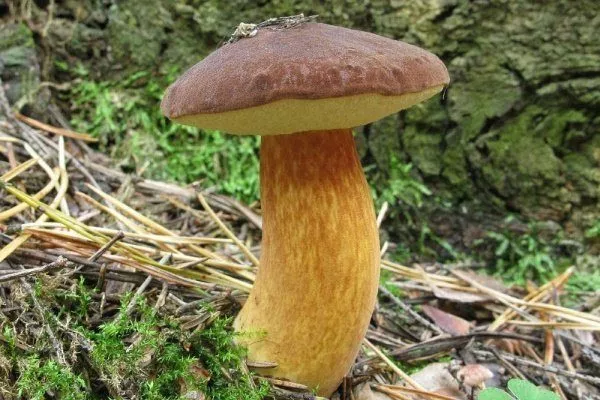
Description. The Polish mushroom has a hemispherical cap when young and cushion-shaped, convex, or flat-convex when mature. In old age, the cap flattens, acquiring a darker hue. The cap diameter varies from 3 to 20 cm. The stem reaches 3-14 cm in height and is cylindrical. When pressed, the light-colored stem turns bluish, then turns brown.
Doubles. The Polish mushroom is occasionally confused with the porcini mushroom, which is similar in shape and color. However, upon closer inspection, the porcini mushroom is lighter in color and has a distinctive net-like structure on its stem. Another similar mushroom is the inedible gall mushroom, which has a grayish-pink tubular layer.
Where and when does it occur? The Polish mushroom begins to grow as early as July in mixed and coniferous forests. It grows singly or in small groups. It prefers acidic and sandy soils. It is found under older trees or at their bases. The picking season ends in November.
Goat
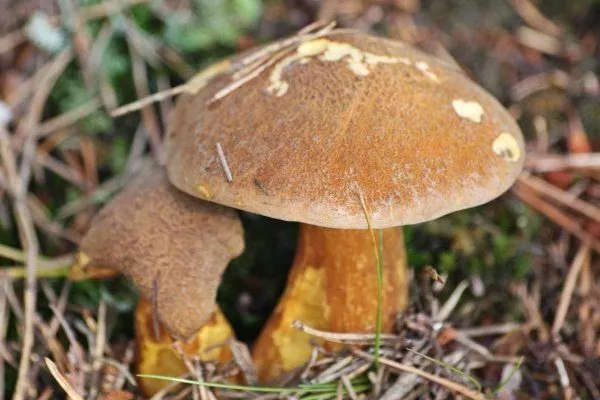
Description. Young goat's caps have a convex shape, which flattens with maturity. The cap diameter is up to 10 cm. It can be reddish-ochre, reddish-brown, yellowish-brown, reddish-brown, or light yellow with a brown tint. The cylindrical stem reaches 5-10 cm in height and is often curved.
Doubles. The goat mushroom is often confused with the pepper mushroom due to its similar appearance. However, the goat mushroom is larger than the pepper mushroom.
Where and when does it occur? The mushroom grows in clearings, ravines, damp coniferous forests, and along the edges of marshy areas. It grows in small clusters. Mushroom picking begins in June in the village of Mshinskaya in the Luzhsky District. The harvest season ends in October.
Wet
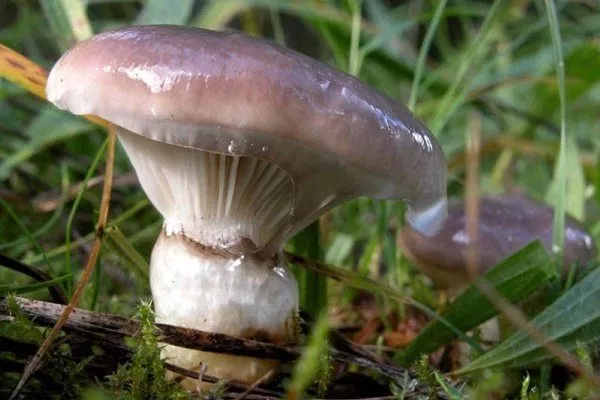
Description. A conditionally edible mushroom, its distinguishing feature is its ability to form a wet, slimy film on its cap. The fruiting bodies are always slippery to the touch.
Doubles. The advantage of this forest gift is that wetness It has no inedible or poisonous lookalikes. However, it is similar in appearance to the edible spotted mullein and purple mullein.
Varieties. A popular variety of this mushroom is the spruce mushroom, with a grayish, glaucous, or dirty-brown cap that initially becomes convex and then flattened. The cap sits on a tall stalk with a slight swelling in the middle. The stalk is smooth and moist, bright yellow below and whitish above.
Where and when does it occur? Mushrooms grow singly or in small groups. They fruit from early July until the first frost. They grow in coniferous, deciduous, and mixed forests, near moss.
Hygrophorus late
Description. The cap of a young Hygrophorus tarda is flat or slightly convex, with inverted edges. As it matures, it takes on a funnel-shaped form with a small tubercle in the center. It is predominantly yellow-brown in color, with an olive tint. The cylindrical stem reaches up to 10 cm in height. The cap diameter is 2-5 cm.
Doubles. The mushroom is rarely confused with the edible Hygrophorus larchis, but it has a yellow cap and forms mycorrhiza with larch.
Where and when does it occur? Mushrooms are collected in coniferous and mixed forests, near pine trees. They often grow in moss. At the right time, they produce large clusters of fruit. The picking season begins in mid-September and lasts until the first snow.
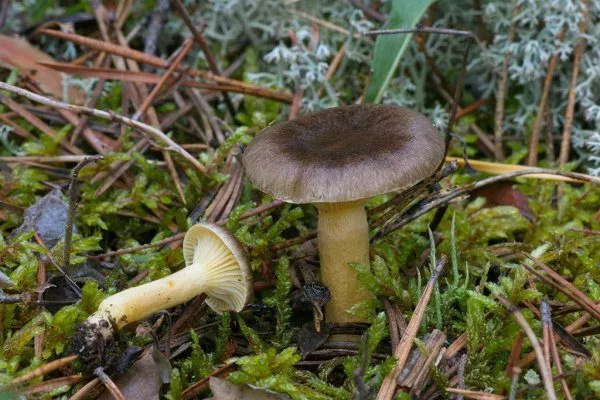
Valuy
Description. The mushroom has a tall cap—up to 4 cm long and up to 14 cm in diameter. Specimens with a light-brown cap, a slippery surface, and a hemispherical shape are also common. With age, the cap becomes flat or slightly concave. The stem is cylindrical, up to 15 cm tall, and lighter in color than the upper portion of the fruiting body.
Doubles. The mushroom has no poisonous lookalikes. However, it is often confused with the false horseradish mushroom, which has a sharp, unpleasant odor reminiscent of horseradish, hence its nickname, "horseradish mushroom."
Where and when does it occur? Valui mushrooms typically grow in dense, humid forests, under oak, pine, and birch trees. The mushroom harvest season begins in midsummer and lasts until early October.
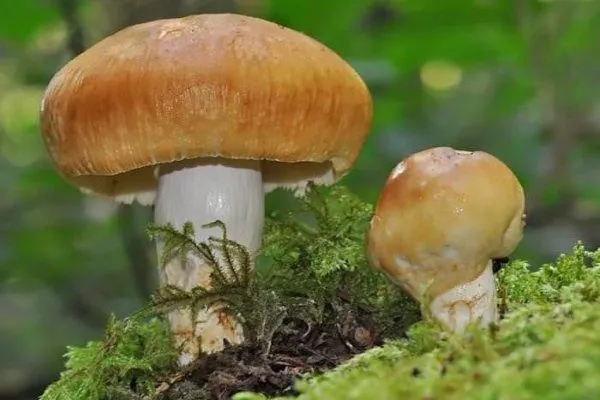
Blackhead
Description. A young mushroom has a semi-circular cap, which straightens out over time, taking on a cushion-like shape. A mature mushroom can grow up to 16 cm in diameter. Its color is primarily black or dark brown. It is dominated by a whitish, thick stem, completely covered with black or blackish-brown scales.
Doubles. The blackhead does not have poisonous look-alikes, but it is confused with other varieties of birch bolete.
Where and when does it occur? Blackcaps are found in mixed forests, typically on moist soil. They grow in large groups. They thrive from August to late September on the edges of lakes and swamps. After rain, the mushrooms are found at forest edges and in clearings, along forest roads. They grow on moss and in dense grass.
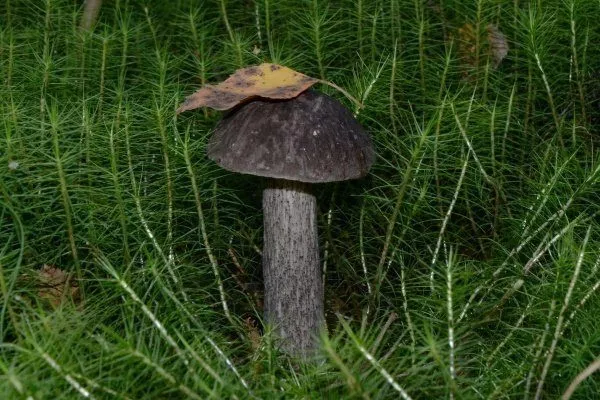
Cobweb
Description. Fruiting bodies vary in size. These mushrooms have cobwebby general and partial spathes. Some cobweb caps have hemispherical, conical, flat, or convex caps, sometimes with a distinct tubercle or scaly surface. Their coloration ranges from yellow, brown, russet, purple, ochre, orange, and dark red. The stipe is cylindrical or club-shaped.
Doubles. The conditionally edible orange cobwebcap is often confused with the deadly cobwebcap, the orange-red, reddish, or brown cap, and a dense, brownish-orange stem.
Varieties. There are several varieties of cobweb:
- Yellow. The cap is up to 10 cm in diameter. Young mushrooms are hemispherical in shape, which becomes cushion-shaped over time. The cap is yellow-orange and the stem is tall – up to 12 cm.
- Orange. A conditionally edible mushroom with a light brown or yellow cap, 8 cm in diameter. It has a wavy, always moist surface. The stem is rounded, widening toward the bottom, and reaches a height of up to 10 cm.
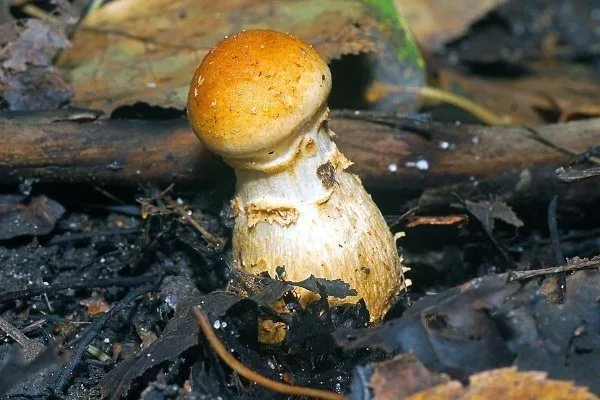
Yellow cobweb mushroom
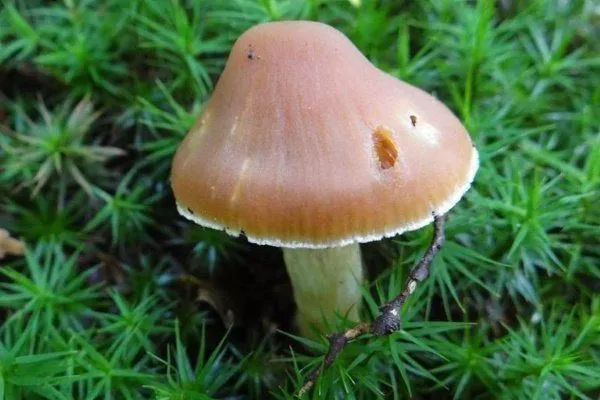
Orange cobweb mushroom
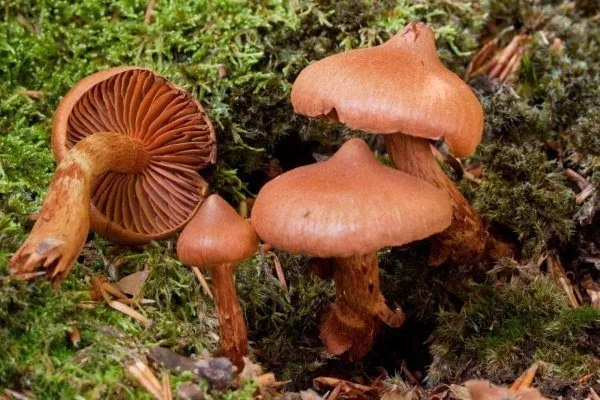
Cortinaria pulcherrima is a poisonous mushroom.
Where and when does it occur? In May, people go to deciduous and mixed forests to pick cobweb caps, where they grow in clumps among moss. Occasionally, solitary mushrooms are found near damp, marshy areas. Mushroom harvesting continues until late autumn.
White butterflies
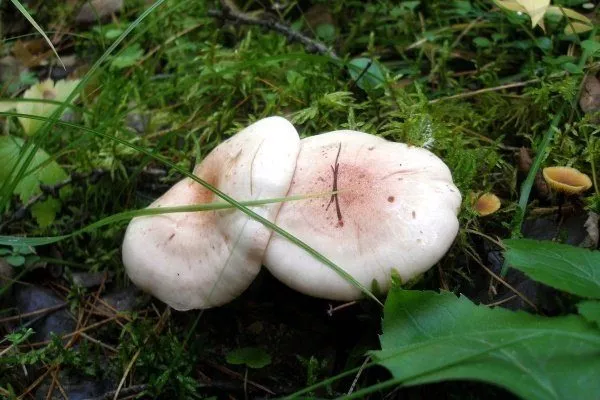
Description. The white mushroom (white volnushka) is characterized by a cap that is almost white or slightly flesh-colored, up to 6 cm in diameter. Young white mushrooms have a moist cap with downward-curved margins, while mature mushrooms have a dry surface and straightened margins. The white mushroom's cap has circular patterns. The mushrooms have a slightly bitter taste and a pleasant, fresh smell.
Doubles. White mushrooms are often confused with a conditionally edible mushroom, the milky cap, which has similar appearances.
Where and when does it occur? White mushrooms are sought in birch groves or pine forests mixed with birch. They prefer moist but well-lit forest edges and clearings with young birch trees. They also grow in groups along roadsides. The fruiting season begins in early August and lasts until the end of October.
Sarcoscypha
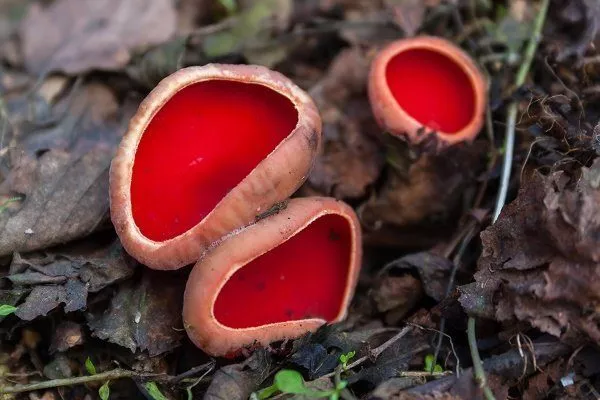
Description. Sarcoscypha is attractive due to its goblet- or cup-shaped form, reaching 1-5 cm in diameter. Both the exterior and interior of the mushroom are a rich red hue. The white, inward-curving edges of the cap give the mushroom its unique appearance. The cap has firm flesh and a delicate, hairy surface. The stipes are whitish, reaching up to 3 cm in height and up to 6 mm in diameter.
Doubles. Sarcoscypha has no twins.
Where and when does it occur? The mushroom is sought after after the snow melts. It thrives on dry branches, tree roots, and dead wood covered with fertile soil or fallen leaves. It is often found in large groups on moss-covered wood debris. It typically inhabits willow, maple, oak, and birch trees.
Poisonous and inedible mushrooms
When picking berries and mushrooms in the Leningrad Region, mushroom pickers encounter inedible and poisonous mushrooms that look similar to edible species. It's easy to accidentally add these mushrooms to your basket. But to avoid this, it's important to distinguish "bad" mushrooms from "good" ones. Common inedible and poisonous mushrooms include the following:
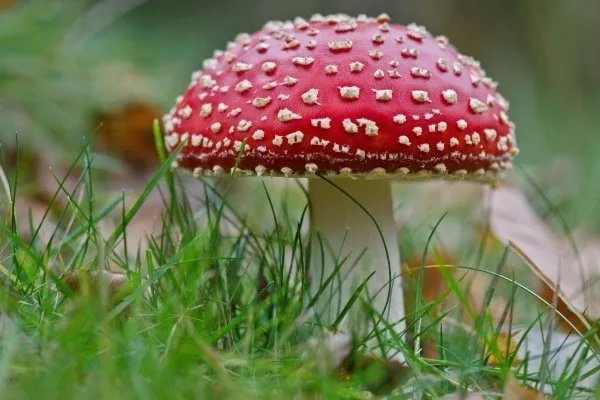
Fly agaric
Description. The poisonous fly agaric mushroom is distinguished by its red, orange-red cap, up to 20 cm in diameter. The cap's surface is covered with white or yellowish warts. Young mushrooms are spherical, becoming flattened as they mature. The stem reaches up to 25 cm in height. The cap is white with yellowish or white warts.
Who can be confused with? The red fly agaric has no lookalikes. Thanks to its distinctive external characteristics, the poisonous specimen cannot be confused with other mushrooms.
Varieties. Mushroom pickers often encounter the Amanita muscaria, whose cap is whitish when young, yellowish-green, and even brownish when mature. The cap diameter is up to 10 cm. The flesh is lemon-colored or white. The stem is thin, flake-like, and has a yellow-beige ring. The stem height is up to 12 cm.
Where does it grow and when? Red fly agarics are found from July to October in coniferous forests with acidic soil, less commonly under birch trees. They typically grow near spruce trees.
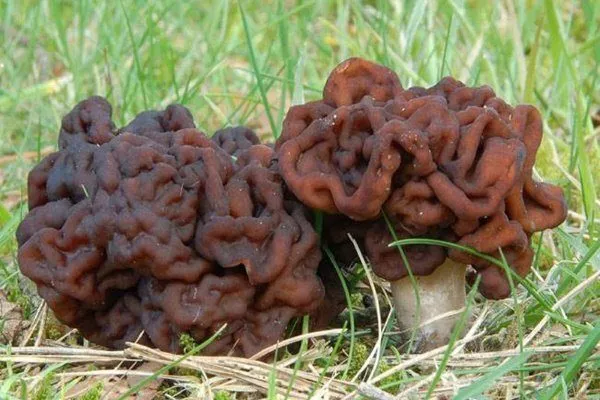
Lines
Description. Morels are distinguished by their caps, which resemble brain convolutions. When young, the cap is chestnut-brown, becoming dark brown as it matures, and can reach up to 13 cm in diameter. The cap is irregularly rounded. The stem is white, gray, or reddish, and cylindrical.
Who can be confused with? The common morel has a poisonous analogue – the autumn morel.
Varieties. The giant morel is also found, with a folded-wavy cap up to 12 cm in diameter. When young, the mushroom has a chocolate-colored cap, which turns ochre with age. The stem is short. Another subspecies of the common morel is the autumn morel, with a folded cap up to 10 cm in diameter, brown when young and black when mature.
Where does it grow and when? Morels are sought in clearings and fire-damaged areas. They typically grow in coniferous forests, under birch or poplar trees. The autumn morel grows in mixed and coniferous forests, while the giant morel grows in deciduous and mixed forests.
What is the difference between morels and lines? read here.
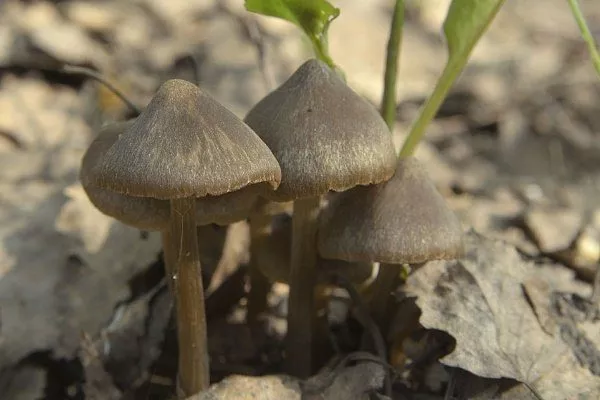
Entoloma vernalis
Description. The spring mushroom (Entoloma vernalis) is a poisonous mushroom with a cone-shaped, semi-prostrate cap, 2-5 cm in diameter. It typically has a distinctive tubercle in the center. They range in color from gray-brown to black-brown, with an olive tint. The cap sits on a stem of the same or lighter color. The stem is up to 8 cm tall.
Who can be confused with? Due to its early fruiting period, it's difficult to confuse Entoloma vernalis with other similar species. The mushroom is distinguished by its pink spores.
Where does it grow and when? Entoloma vernalis grows on forest edges. It is rarely found in coniferous forests on sandy soils. The season runs from early to mid-May to mid-to-late June.
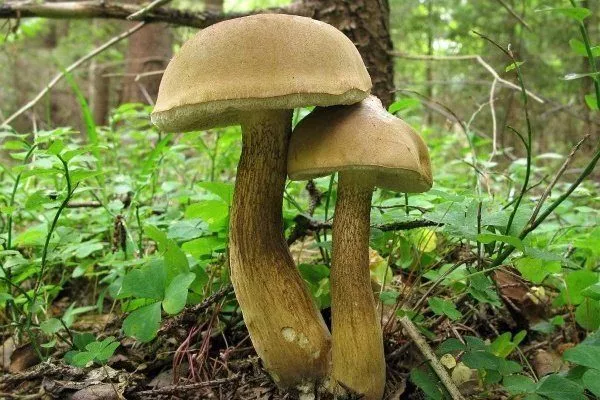
Gall mushroom
Description. The inedible bitterling mushroom is characterized by a hemispherical cap when young, which becomes round and spreading with maturity, reaching up to 15 cm in diameter. The bitterling mushroom ranges in color from brownish-yellow to light brown, with the predominant lighter tones characteristic of porcini mushrooms. The stipe of the bitterling mushroom is cylindrical, swollen at the base, and ranges from 3 to 13 cm in height. The flesh is fibrous, odorless, or with a characteristic mushroom flavor.
Who can be confused with? The bitter mushroom is often confused with porcini mushrooms. Edible counterparts of the bitter mushroom include birch boletes and boletuses.
Where does it grow and when? The gall mushroom grows from early summer until October, found in coniferous and deciduous forests, on rotten stumps, and in tree roots. Occasionally found singly, they most often grow in clusters of 5-15 mushrooms.
Piglet
Description. The poisonous pig mushroom is similar in appearance to the milk mushroom. It has a round or elongated-round cap, 12-15 cm in diameter. This mushroom is dangerous due to its ability to accumulate the poison muscarine. The cap can be reddish-brown, gray-brown, yellowish-brown, or olive. It has pale yellow flesh that darkens when broken or cut. The stem is the same color and reaches a height of up to 9 cm.
Who can be confused with? Pig mushrooms are often confused with milk mushrooms and russula due to their external similarity.
Where does it grow and when? It's growing piglet From July to October, often found in groups. They encounter the poisonous mushroom in forests on uprooted tree roots.
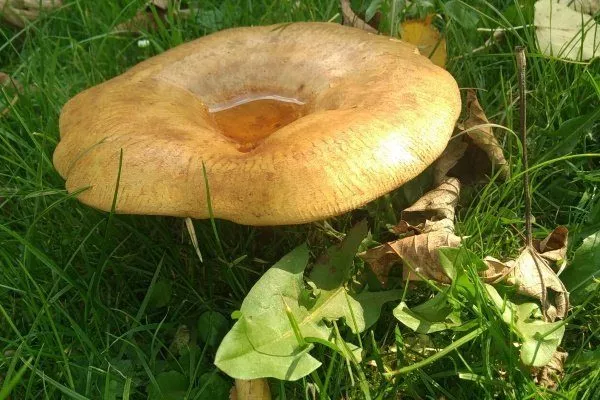
False honey fungus
Description. There are several varieties of inedible and poisonous false honey fungus, all very similar in appearance. It's dangerous to encounter one of these mushrooms, as it contains a poisonous milky sap. The caps are brightly colored. The skin is smooth to the touch. They are distinguished by their hollow, elongated stems.
Where does it grow and when? From early May to late October, false honey fungi are found in groups in deciduous forests, nesting on both rotting stumps and damaged, diseased trees. They most often grow on birch or linden trees.
Who can be confused with? The false honey fungus is confused with the oak honey fungus, autumn honey fungus, summer honey fungus or meadow honey fungus.
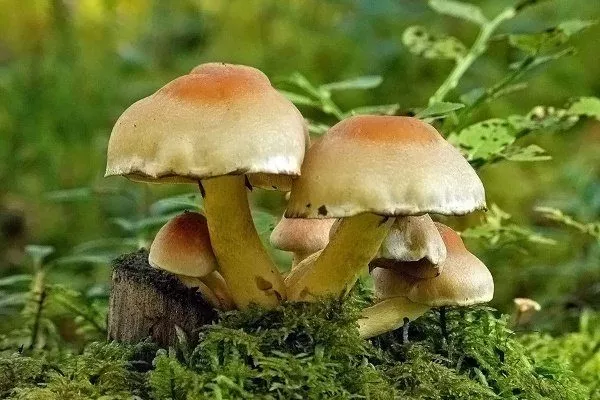
Death cap
Description. The death cap is a poisonous mushroom distinguished by its flat or hemispherical cap with smooth edges. Its color ranges from gray-green to olive. The cap diameter is 5-14 cm. A membranous ring is located on the top of the stem.
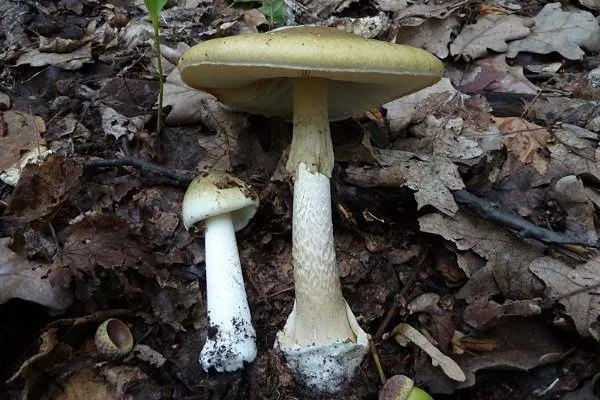
Who can be confused with? The poisonous mushroom looks like a green russula or champignon.
Where does it grow and when? Death cap grows singly or in groups in almost any forest at the beginning of summer.
The Leningrad Region produces a vast array of edible and inedible mushrooms, alluring with their striking appearance and variety. Many of them are similar in appearance, but they also have distinctive features that help you avoid picking dangerous mushrooms.
A very beautiful and useful article. I thoroughly enjoyed reading it! I'm eagerly awaiting mushroom season, and in the meantime, I'm gathering necessary information and gaining new knowledge.