
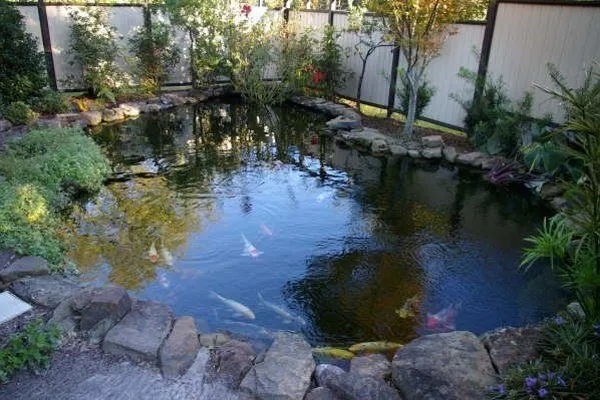
Fish farming can be a profitable business if the reproduction cycle is properly managed. When choosing a fish species, fish farmers must consider its nutritional value, growing conditions, maintenance costs, weight gain rate, and much more.
| Object | Maximum weight, kg | Optimum water temperature, °C | Oxygen content, mg/l |
|---|---|---|---|
| Carp | 25 | 6:30 PM | 5 |
| Crucian carp | 3 | 18-24 | 1-2 |
| Silver carp | 27 | 25 | 4 |
| Carp | 20 | 25-29 | 5 |
| Tench | 7.5 | 20-25 | 0.3 |
| Roach | 2 | 8-12 | 6.3-8.2 |
| Rudd | 2 | 18-24 | 3.5-5 |
| Chekhon | 1.5 | 15-20 | 5 |
| Bleak | 0.5 | 15-16 | 5 |
| Perch | 2 | 18-25 | 5 |
| Zander | 2.4 | 12-22 | 5 |
| Paddlefish | 80 | 20-25 | 5 |
| Bester | 30 | 20-25 | 5 |
| Salmon | 70 | 14-18 | 7 |
| Trout | 5 | 16-18 | 10-12 |
| Whitefish | 3 | 15 | 8 |
| Peled | 3 | 1-18 | 5-8 |
| Cod | 90 | 1.5-8 | 7 |
| Buffalo | 45 | 20-25 | 5 |
| Tilapia | 1 | 23-35 | 1 |
| Pike | 35 | 8:30 | 5 |
| Catfish | 400 | 20-25 | 7-11 |
| Acne | 1.5 | 22-28 | 6 |
| Grouper | 3 | 22-28 | 5 |
| Pelengas | 7 | 18-24 | 5 |
Carp
This delicious fish is a domesticated carp. The first carp were bred by the ancient Chinese. They resemble crucian carp in appearance, but are larger. Their bodies are more elongated and cylindrical. The back is thicker and wider. The carp's lips resemble those of the bream—they are large and thick. The scales have a golden sheen. A wide fin runs along the entire back. The tail is red, and the lower fins are dark purple.
Adult carp reach 30-60 cm in length. On average, young fish weigh 0.5-0.6 kg. But this is just the beginning; as carp grow older, they can reach 1 m in length and weigh up to 25 kg.
There are two types of carp: scaly and mirror. The latter has larger scales that cover only certain areas of the body.
Conditions. Carp are undemanding and prefer warmth. Water temperatures favorable for growth range from 18 to 28-30°C. Growth slows as temperatures drop. Oxygen levels should be maintained at 5 mg/L. If oxygen levels drop to 2 mg/L, carp may die. Optimal water pH is 6.5-8.5. pH should not fall below 4-4.5 or rise above 10.5.
Feeding. Carp are omnivorous. To achieve a growth rate of 1 kg per year, they need 4,000-5,000 kcal. Protein should make up 35-60% of their diet, fat – 1%, and carbohydrates – no more than 25%. They also require vitamins and minerals. Carp are fed special feed mixtures made from oilcake, meal, grains, bone meal, etc.
Reproduction. Sexual maturity occurs at 3-6 years, depending on the climate. For breeding, mature females and males are acquired and placed in a 5-10 square meter pond. The pond is 30-50 cm deep. It is connected to the main pond by a ditch and a screen with a net is installed.
Breeding. The easiest way to buy fry is from a fish farm. Raising fry from eggs is virtually impossible. You can also buy yearling carp bred in:
- Ponds. If it's a natural pond, cleaning it and providing the fish with plant food is sufficient. An artificial pond can be built; its depth should be at least 1 meter and its area 15-150 cubic meters.
- Swimming pools. They are populated only after the microflora has formed. The water is periodically enriched with oxygen, pumped up, and drained as needed.
Wintering. In the wild, carp hibernate. To prevent the fish from dying, it's necessary to maintain a temperature of 0°C and aerate the water. A second option, suitable for hobbyists, is overwintering in indoor aquariums.
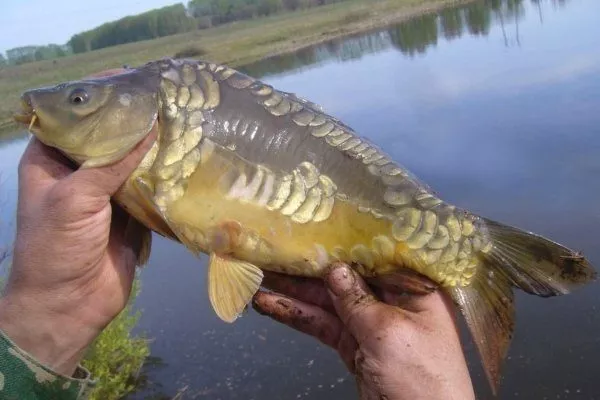
Crucian carp
Crucian carp have long fins and a high body with a thick back. The sides are moderately compressed. They grow up to 50 cm long and weigh up to 3 kg. The following species are distinguished:
- common or golden - common in Europe;
- silver - from the Pacific basin;
- Goldfish - bred in China from the golden crucian carp.
Conditions. A hardy and undemanding fish. It thrives even in swampy and shallow waters. Unlike carp, it easily tolerates low oxygen levels (up to 1-2 mg/L) and pH fluctuations. It can withstand temperatures up to 36°C.
Feeding. Crucian carp are omnivorous, eating mollusks, larvae, and other small animals in the wild. During breeding, they are fed a special diet, but can also be fed pig feed and unsalted cereals.
Reproduction. Sexual maturity occurs at 3-4 years of age. Spawning occurs in the spring. The eggs are laid on vegetation.
Breeding. Crucian carp and crucian carp are commonly bred. When housed together, the former tends to outcompete the latter. Crucian carp isn't as tasty as trout or carp, but it's still bred due to high demand. They are bred in natural and artificial reservoirs. Breeding begins with purchasing fry. The downside is that they grow slowly, are light in weight, and have a lesser flavor than carp. The upside is that they are easy to breed, feed, and raise at a low cost.
Wintering. It easily tolerates cold weather – the golden crucian carp can come to life, even frozen into the ice.
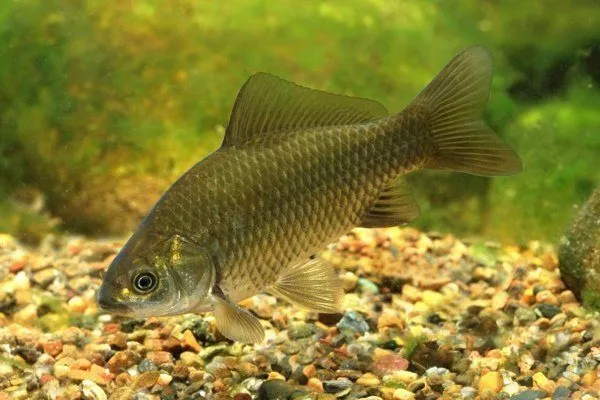
Silver carp
A large deep-sea fish, growing up to 1.5 m. Weighing up to 27 kg, individuals can reach 50 kg. Color ranges from silvery-white to white. The head is large, with a broad forehead. The head accounts for up to 20% of the total body weight. The eyes are located at the bottom of the head, seemingly upside down in the silver carp. There are three species of silver carp:
- ordinary or white - the most common;
- motley - larger, but its head makes up 50% of the body;
- hybrid – combines the best features of the white and variegated species.
Conditions. They prefer warm water—ideally, up to 25°C. This temperature is necessary for maximum weight gain. They grow best in muddy waters up to 4 m deep. Oxygen levels should be up to 4 mg/L.
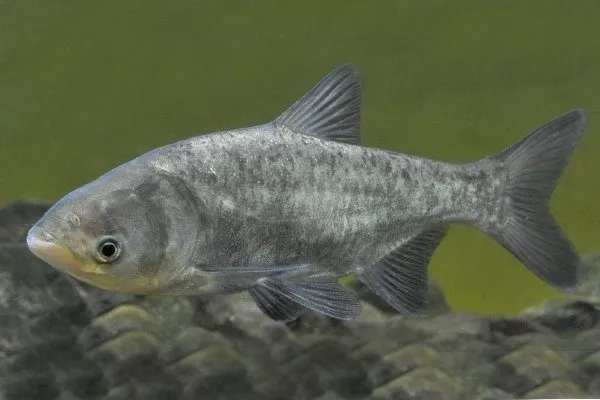
Feeding. In the wild, it feeds on plant matter and phytoplankton. The variegated trout also eats zooplankton, which helps it grow faster. It also eats artificial food.
In terms of diet, silver carp gets along well with grass carp, while bighead carp competes with carp.
Reproduction. They can reproduce from 3-5 years of age. Spawning occurs in early summer, after the water warms up to 20°C. The eggs are floating. Spawning areas are established separately from the main pond. Spawning grounds are needed in May-June, for two weeks.
Breeding. Silver carp Silver carp reach marketable size in just two to three years, weighing 0.5-0.6 kg. They have tasty, tender meat. Silver carp are best bred in unshaded ponds with a muddy bottom. The ideal depth is 3-4 m. This fish spends sunrise and sunset in shallow water, and moves deeper during midday.
Wintering. Individuals left for the following year for offspring overwinter in a separate pond, where they are kept until spawning.
A specialist talks about breeding silver carp at home:
Carp
A fish of the Cypriniformes order. It is the closest relative, or rather ancestor, of the common carp, which is a product of domestication. Unlike common carp, common carp always have scales. It has a more elongated body and grows lengthwise rather than widthwise like common carp. Adults grow up to 50-60 cm, rarely exceeding 1 m. Maximum weight is 20 kg.
Conditions. Carp grow fastest at 25-29°C. If the temperature drops below 12°C, they practically stop feeding. They don't like temperatures above 30°C. A lack of oxygen can cause the fish to die.
Feeding. They are not picky eaters. Juveniles feed on plankton, while adults are omnivorous, eating larvae, algae, insects, and crustaceans. Carp are fed a mixture of animal and plant sources, including oilcakes and meals, sunflower seeds, castor oil, and so on.
Reproduction. Sexual maturity occurs at the age of three. Spawning occurs at temperatures of 18-20°C. Spawning occurs from April to mid-July.
Breeding. The most difficult part is purchasing wild carp fry. Wild carp aren't bred in "sterile" conditions—the water needs to settle before the carp are released—a living environment is needed. The ideal pond depth is 1.5-2 meters.
Wintering. It's recommended to catch carp from ponds during the winter—if they freeze, they can die from lack of oxygen. Another option is to create depressions up to 5 meters deep in a separate section of the pond.
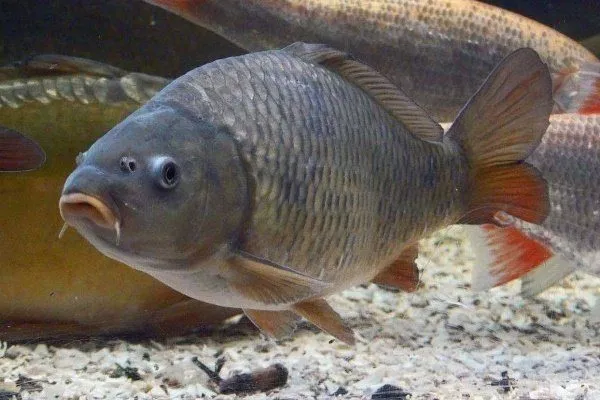
Tench
It is distinguished by its golden color and dark eyes. It grows to 20-40 cm, reaching a maximum of 70 cm. It weighs up to 7.5 kg. Its body is tall and thick, covered with fine scales and thick mucus.
Tench has always been prized by gourmets—it's especially delicious when fried. It was also used by healers—for example, the liver was used to treat headaches.
Conditions. It is undemanding in terms of maintenance conditions. Its thick mucus protects it from many diseases. It can survive where other fish cannot – in muddy and peaty waters with low oxygen levels. In winter, it can tolerate oxygen levels and pH levels as low as 0.3 cm3/L and 4.8 cm3/L, respectively.
Feeding. They feed on small crustaceans and algae. Adult tench also eat insect larvae and mollusks. When bred, they are fed the same feed as carp, but with a finer grain. For every 1 kg of growth, 2.5 kg of feed is needed.
Reproduction. It becomes sexually mature at 3-4 years. Tench It is a heat-loving fish, and spawning begins in the summer when the water warms up to 18-20°C. It is very prolific, with a female laying up to 800,000 eggs.
Breeding. Tench are extremely shy, so all stages of rearing are usually combined in a single pond. They are raised from fry. They reach marketable size in their second year. It is recommended to raise them in overgrown and silted ponds alongside carp.
Wintering. Tench typically overwinter by burrowing into the mud, like crucian carp. When farmed, tench overwinter in regular wintering ponds or cages.
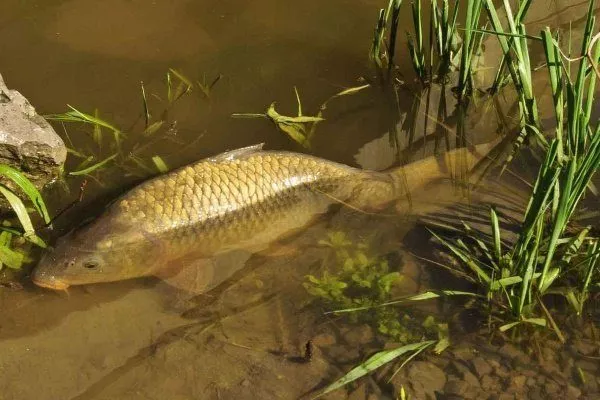
Roach
The roach has an oval body, flattened laterally. Its scales are dense and small. On its back is a small, truncated fin. Its back is green, its belly white, and its sides silvery.
Conditions. Avoids swampy areas and prefers quiet backwaters. Unpretentious, it survives where other fish cannot. The limiting factor is pH. For juveniles, it should be between 6.3 and 8.2.
Feeding. Juveniles eat zooplankton. From two years of age, they eat mollusks. When breeding, they can be fed compound feed, bread, potatoes, and porridge, which will accelerate their growth rate.
Reproduction. Spawns when the water warms up to 8-12°C.
Breeding. It can't compete with carp. Moreover, it was previously considered a trash fish. But roach Can grow without special feeding. The disadvantage of artificial feeding is that it pollutes the pond with food. It's not cost-effective to feed fish like roach. It can only be used as a supplement to a pond where more valuable herbivorous fish are bred. However, dried roach is in high demand at the market.
Wintering. It stays all winter in quiet backwaters and winter shelters. During the thaw, it approaches the shore in search of food.
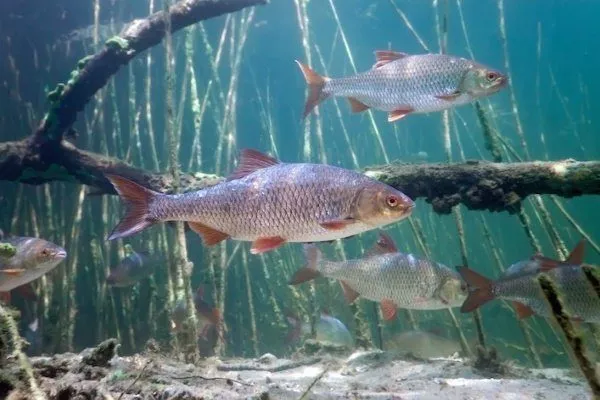
Rudd
The rudd is a distinctive fish. Its body reaches 36 cm in length and is covered with small scales. Its fins are bright red. Its eyes are orange. It resembles a roach in both appearance and habits. It has teeth—two rows of them—and weighs 0.3-2 kg.
Conditions. It's accustomed to living in quiet backwaters and bays, among reeds and rushes. It rarely strays from its natural habitat. It prefers deep water. It's as undemanding as tench in terms of living conditions and can tolerate poor water quality. It's more tenacious and resilient than roach. Favorable growth temperatures range from -18 to -24°C. The optimal oxygen level for rudd, like other herbivorous fish, is 3.5 to 5 cubic cm/L.
Feeding. They feed on plant matter, as well as insect larvae and worms. Herbivorous fish do not require food in winter.
Reproduction. It reproduces later than other fish—in May and early June, when the water warms to 15-20°C. The female lays up to 100,000 eggs.
Breeding. It's bred in ponds alongside other carp—the rudd is rarely bred specifically. However, if you need to stock a pond with all kinds of fish, rudd will do just fine.
Wintering. The young fish winter among the reeds, while adult rudd go into hibernation in October, choosing deeper places.
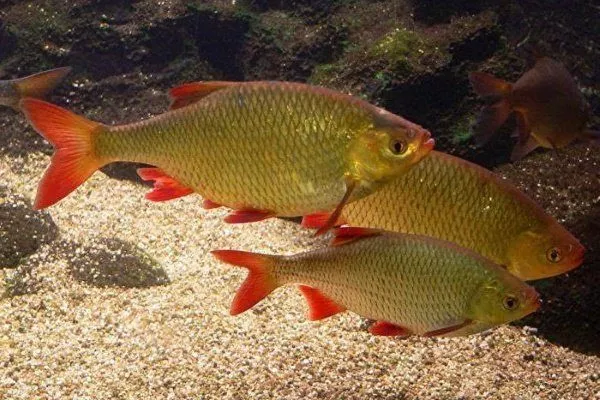
Chekhon
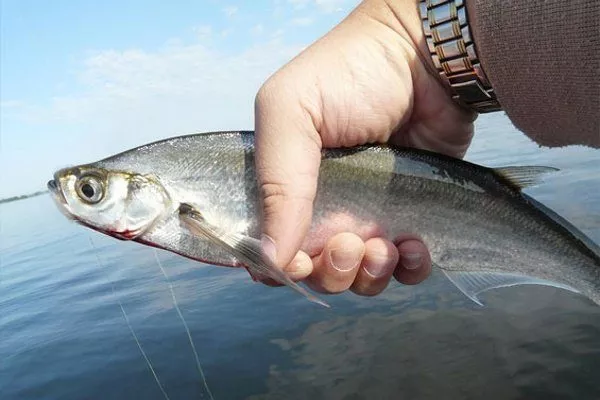
The long, narrow, saber-shaped body is compressed laterally. The back is gray-green, the sides are silvery, and the belly is light pinkish. It grows to 30-37 cm and weighs up to 1.5 kg. It resembles a herring in appearance.
Conditions. Lives primarily in freshwater. This migratory schooling fish can survive in water of any salinity. It prefers large, deep bodies of water and does not swim near the shore.
Feeding. In its third year, it feeds on the young of other fish. During spawning, it eats almost nothing. It loves insects, jumping out of the water to fetch them.
Reproduction. Spawning begins in May when water temperatures rise to 15-20°C. Spawning grounds are up to 1 m deep. Sabrefish eggs differ from those of carp. The eggs swell in water, increasing in diameter to 5 mm.
Breeding. Sabrefish used to be a commercial fish. It was caught on a large scale. Today, even fishermen show little interest in it. Its meat is bony. However, it is tasty and fatty, and dried sabrefish is prized in the market. This fish is characterized by high populations, rapid growth, and feed efficiency. Like other carp, it can be farmed in artificial ponds. They are farmed extensively, without bait, and intensively, with bait.
Wintering. During the winter, the sabrefish hibernates in deep waters, seeking out holes in the bottom. During the winter, the sabrefish is sedentary and barely eats.
Bleak
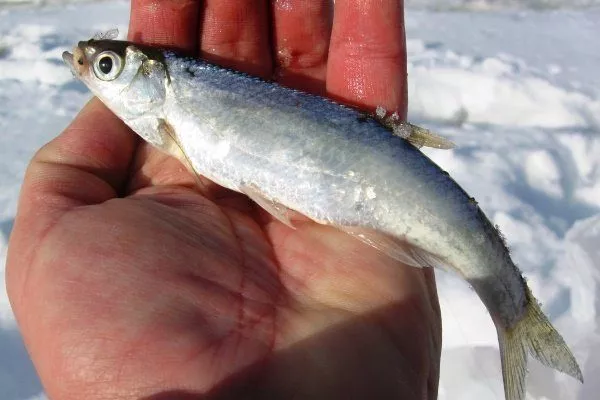
A small schooling fish, reaching 16-20 cm in length, bleak is a tasty and fatty fish. It makes excellent sprats. Bleak have shiny silver sides and a dark, iridescent back.
Conditions. They live in lakes and flowing ponds. They live in small schools, which do not attract predators. They prefer to swim at a depth of 80 cm.
Feeding. Juveniles feed on zooplankton and microalgae. Adults eat flies, mosquitoes, insects, eggs, vegetation, plankton, fry, and larvae.
Reproduction. Bleak reach sexual maturity at three years of age, reaching 7-8 cm. Spawning begins in May at temperatures of 15-16°C. Females lay three batches of eggs at 10-day intervals. Intensive reproduction is a distinctive feature of bleak.
Breeding. They are kept only in heavily overgrown ponds, as bleak quickly consume aquatic plants. Despite their small size, bleak require a lot of space for swimming and cannot be kept in small ponds. This fish is often bred in aquariums.
Wintering. Bleak winter in the deepest places with slow currents.
Perch
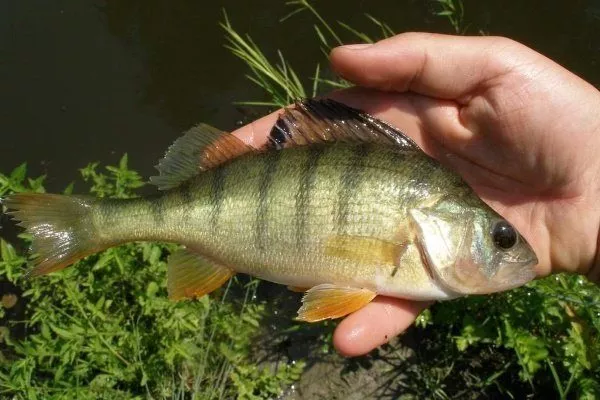
This predatory fish has a body resembling a spindle. It is laterally flattened. The scales are strong but extremely small. The top of the head is scaleless. The perch has many teeth. There are three species of freshwater perch:
- river;
- Balkhash;
- yellow.
The perch has bright red pelvic, caudal, and anal fins. It can weigh up to 2 kg and grow up to 45 cm in length. Perch Although best known as a recreational fishery, there are bodies of water where it is commercially important. Perch are considered a trash fish in Russia, but they are farmed in the United States and Canada. In these countries, perch are considered a dietary fish. They reach marketable weight in their third year.
Conditions. Optimal temperature conditions are 18-25 °C.
Feeding. In the wild, perch eat freshwater fish. Small fish are introduced into the pond specifically for feeding.
Reproduction. Spawning begins in early spring. The female lays eggs in a gelatinous ribbon. Average fecundity is 3,000 eggs. Spawning takes place in standard carp spawning tanks. The egg yield is up to 80%.
Breeding. Perch can be bred in overgrown lakes and ravine ponds—where carp won't produce well. Young-of-the-year perch can be raised alongside two-year-old carp and silver carp. Stocking density is up to 5,000 per hectare. Higher stocking density requires artificial feeding.
Wintering. To ensure a successful wintering, aeration is provided. Perch are fed earthworms through ice holes. Young-of-the-year fish overwinter in carp winter ponds.
Zander
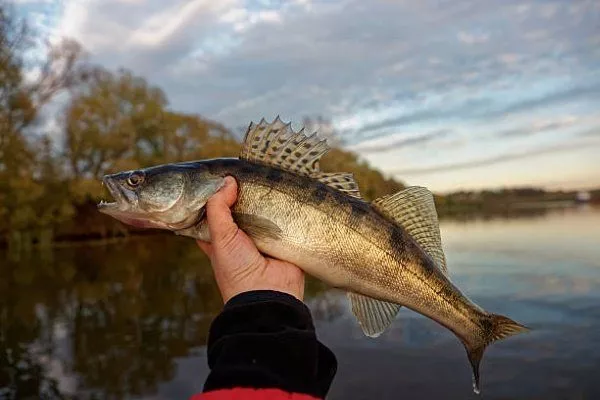
Zander – a predatory fish that prefers clean waters. It has an elongated body with small scales, a large head, and an elongated snout. It has a large mouth with well-developed teeth.
Conditions. Pike perch become most active at temperatures starting from 8°C. The minimum oxygen content is 5 mg/l. The optimal temperature is 12-22°C.
FeedingThey are fed live, low-value fish weighing up to 25 g once a week. The entire supply of fish is released into a fish tank or other body of water.
Reproduction. Spawning begins at 8°C. Fertilized eggs can be obtained using bottom spawning grounds or by setting up spawning in cages on a plant substrate.
Breeding. Pike perch can be successfully bred in carp ponds, lakes, and cages. They thrive especially well in oxygenated waters where they have plenty of small fish to feed on. By the age of five, they reach a weight of 2.4 kg.
Wintering. For wintering, fingerlings are transferred to flow-through wintering ponds. The minimum depth is 2 meters. Pike-perch transferred to winter cages should be submerged to a depth that prevents them from freezing into the ice.
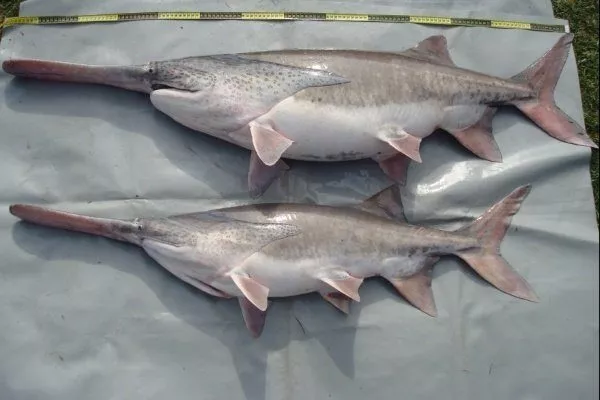
Paddlefish
This is a relatively new fish for Russian fish farmers. It was imported from America in the 1970s. Paddlefish is a large fish, reaching 2 meters in length and weighing up to 80 kg. It has an elongated body, tapering toward the tail. The snout is shaped like an oar. Paddlefish meat tastes similar to beluga. It is one of the most profitable fish to farm.
Conditions. Prefers to live and develop in water at 20-25°C.
Feeding. Of all the sturgeons, the paddlefish is the only one that feeds on zooplankton and phytoplankton. Its diet is similar to that of the silver carp. It is capable of actively capturing small fish and floating food.
Reproduction. Males reach sexual maturity at 6 years of age, and females at 9. Spawning occurs in the spring, when water temperatures rise to 15-20°C. The eggs are laid on the bottom. Fecundity depends on the fish's size and husbandry conditions. Large females (10 kg) can spawn up to 100,000 eggs at a time.
Breeding. Juveniles weigh 200-900 g, two-year-olds weigh 3-4 kg, and adult paddlefish weigh up to 6-7 kg. They grow well when kept in a community with herbivorous fish. Breeding stock is raised in ponds and cages. Constant monitoring of water conditions is essential.
Wintering. It can survive the winter under ice for long periods. This advantage makes paddlefish sought after throughout Russia.
Bester
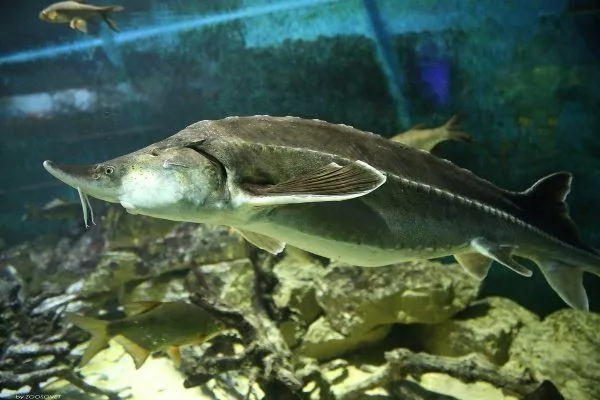
This is a hybrid of sterlet and beluga, bred in the middle of the last century. It is predatory and fast-growing, like the beluga, and capable of reproducing early, like the sterlet. These qualities, along with the excellent flavor of its meat, make the bester an enviable fish for aquaculture. It reaches a length of 1.8 meters and weighs up to 30 kg. Like all sturgeons, it is considered a delicacy.
Its body is covered with five rows of bony scutes. Its snout is rounded and has flattened whiskers, similar to those of the beluga. In appearance, the bester resembles its relatives, the sterlet and the beluga.
Conditions. Being a hybrid, the fish can adapt to a variety of breeding conditions – it thrives equally in fresh and brackish water. Best growth is observed at temperatures of 20-25°C, so it is best bred in the south of the country. The optimal water salinity for breeding bester is 10-12%. It grows better in brackish water than in fresh water. During incubation and larval rearing, the salt content in the water should not exceed 3%.
Feeding. To ensure rapid growth, the bester requires enhanced feeding. The diet consists of fishmeal, albumin, krill meal, hydrolyzed yeast, and phosphatides. Feedings are given twice a day, morning and evening. Feeding frequency depends on the fish's age, weather conditions, and breeding method.
Reproduction. This hybrid is not sterile, but does not produce offspring on its own under artificial conditions. Breeder fish caught in the spring are given special injections that accelerate the maturation of their eggs. To extract the eggs, the females are slaughtered. Sperm from a second fish species is added to the eggs. Incubation lasts 5-10 days, depending on the water temperature.
Breeding. Besters are bred in ponds, cages, and pools. They gain up to 100 g in the first year, and two-year-olds weigh 800 g or more. They are raised in ponds alongside herbivorous fish such as silver carp and grass carp. Besters compete with carp for food, so they are not raised together. If a sufficient natural food source is provided in the cages, besters can be raised without artificial feeding.
Wintering. It overwinters easily in any type of water body. Bester is the most undemanding sturgeon species, successfully bred in backyard ponds and ponds.
Salmon
Salmon is a collective name. The salmonid family includes about a dozen species of fish, including pink salmon, Atlantic salmon, sockeye salmon, chum salmon, coho salmon, and others. All of them easily adapt to new conditions, which also influence their appearance, including coloration. Classifying salmonids is extremely difficult due to their variability.
Length: from a few centimeters (whitefish) to 2 meters. Atlantic salmon can weigh up to 70 kg. They live for several years, with some species reaching 15 years. Salmon are similar in structure to herrings—they were once even classified as members of the same order. They have a long, laterally compressed body covered in cycloid scales. The fins lack spiny rays. Their meat is a prized delicacy.
Conditions. They are very demanding regarding their living conditions, especially oxygen levels—it should be at least 7 mg/L. The ideal water temperature for growth is 14-18°C. Young fish do not tolerate sunlight well.
Feeding. Special starter feeds are used for feeding juveniles. These feeds contain fishmeal, blood meal, fish oil, proteins, and other nutritious ingredients. Adults are also fed compound feeds, which, unlike starter feeds, are lower in protein but higher in lipids.
Reproduction. Salmon reproduce only in fresh water. They do not reproduce naturally in captivity. They must be bred artificially:
- The producers are selected and placed separately from other fish;
- waiting for the eggs to ripen;
- squeeze the caviar into a container;
- pour sperm over the eggs and mix;
- add a little water;
- fertilization will occur in 5 minutes.
To make it easier to collect the eggs, the females can be anesthetized.
Breeding. They feed well and grow in summer and winter. Salmon farming is almost undeveloped in Russia—trout is primarily farmed.
Salmon is bred:
- in artificial ponds with fresh water;
- in salt water;
- in swimming pools.
Wintering. Little is known about salmon's winter life in the ocean—research in this area is still ongoing. However, farmed salmon feed year-round. Their diet and feeding rates depend on the water temperature. The lower the temperature, the longer the intervals between feedings.
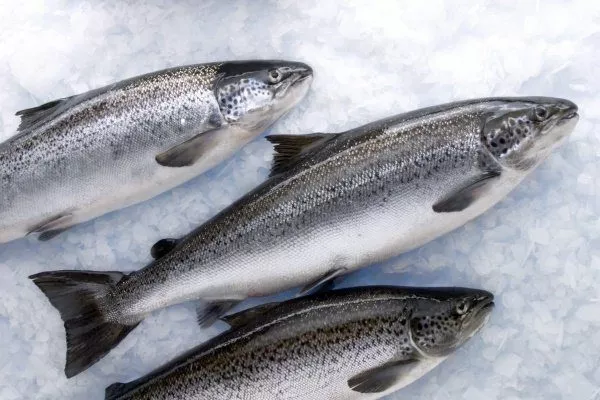
Atlantic (lake) salmon is listed in the Red Book of Threatened Species. According to Article 258.1 of the Russian Criminal Code, catching, keeping, and transporting this species of salmon is punishable by law.
Trout
Trout is tasty and easy to breed, making it one of the most popular fish in fish farming. Of the 20 trout species, only two are suitable for farming:
- Rainbow. A silvery fish with dark spots all over its elongated body. When farmed, it can grow to 3-5 kg in weight and 50-60 cm in length. Its exceptional taste makes this trout a preferred choice for cold-water farming.
- BrookIt has a retracted body with small scales. Its color ranges from dark brown to yellow. The back is dark. The entire body is dotted with red and dark spots—for this reason, the brook trout is often called "speckled." Adults range in length from 25 to 55 cm and weigh about 2 kg.
Conditions. Ideal conditions for trout farming are water temperatures of 16-18°C and oxygen levels of 10-12 mg/L. If oxygen levels drop to 5 mg/L, the trout's condition becomes critical; at 3 mg/L, the fish die.
Feeding. Trout are voracious predators; in the wild, they eat all kinds of small animals. When bred, they can be fed dragonflies, beetles, frogs, and small fish. They begin eating fish at 1-2 years of age. High-protein feed is recommended. Fry are fed every 30-60 minutes for 12 hours a day.
Reproduction. Females reach sexual maturity at 3-4 years of age. Males reach sexual maturity at 2-3 years. In artificial breeding, spawning time depends on temperature. Under favorable conditions, trout can spawn year-round. A female produces 2,000 yellowish-orange eggs at a time. The eggs are 6 mm in diameter and weigh 125 mg. They mature in 1-1.5 months, depending on water temperature. For breeding, juveniles are purchased at one year of age.
Breeding. They are characterized by a rapid growth rate. Yearlings weigh over 20 g, two-year-olds up to 200 g, and three-year-olds 900 g. When bred in cages and seawater, the fish gain 2-3 kg in a couple of years. High-quality, oxygen-rich water is a prerequisite for breeding.
Trout is bred in:
- ponds;
- cages;
- closed water supply systems.
Wintering. If you transfer trout from a pond to a net cage for the winter, its survival rate increases significantly.
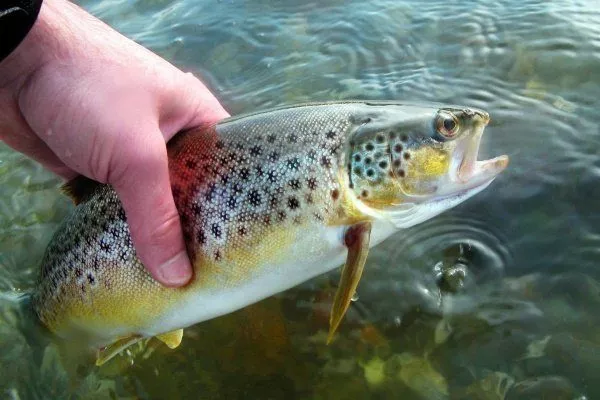
The Eisenham trout is listed in the Red Book of Russia, therefore catching, keeping or transporting this species of trout is prohibited by law.
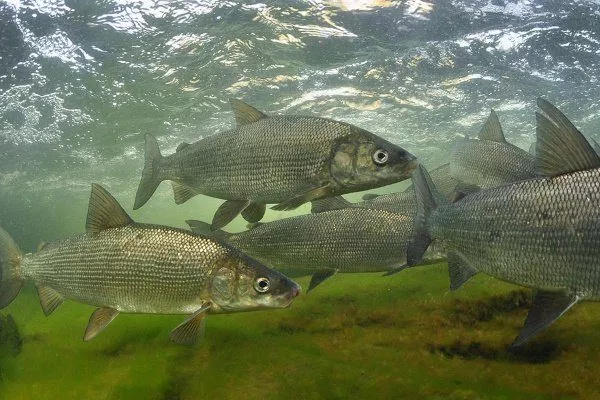
Whitefish
Several dozen varieties of whitefish live in Russia. They have a retracted body covered with small scales and a very small mouth. Their meat is white. They are considered a valuable breed.
Conditions. Demanding of its habitat. Water temperature: from 15°C. Oxygen content: 8 mg/l.
FeedingJuveniles are fed fresh zooplankton. Adult fish are given special food. Moreover, depending on their age, they are given different food, with varying pellet diameters.
Reproduction. Spawning begins in October, at low temperatures – down to 10°C. The eggs are incubated for 5-6 months. When breeding whitefish, the eggs are fertilized artificially.
Breeding. Whitefish are bred in ponds and pools. Juveniles weigh 16-36 g. Productivity is 20-215 kg/ha. The optimal stocking density is 20,000-25,000 fish/ha. It is recommended to avoid other benthic feeders, such as carp.
Wintering. During this period, the feeding rate for whitefish is 0.05-0.4% of the fish weight.
The Bauntovsky and Volkhov whitefish are listed in the Red Book of the Russian Federation, so keeping these species is prohibited by law.
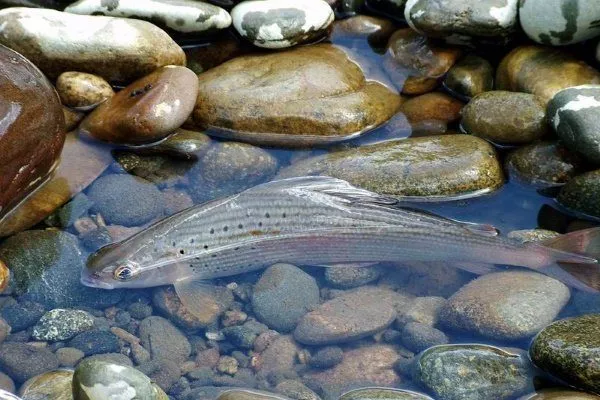
Peled
A freshwater fish of the whitefish genus. Its body, compressed laterally, is silvery, with a dark back. The head and dorsal fin are covered with black spots. Adults measure 40-55 cm and weigh up to 3 kg.
White peled is not safe – it is not recommended for children under one year old, and adults should eat it no more than four times a week. Overeating white peled can cause stomach upset and allergic rashes.
Conditions. Less demanding than other whitefish. Temperatures range from 1 to 18°C. Oxygen levels in artificial ponds range from 5 to 8 mg/l. Slight turbidity is acceptable.
FeedingWhen growing peled In monoculture or polyculture with other fish species, no compound feed is needed. This is a planktophage that can also feed on bottom organisms. It feeds year-round, at any temperature.
Reproduction. Early maturing – females become sexually mature in their second year of life. The optimal temperature for artificial incubation of eggs is 1-4°C.
Breeding. Can grow in fresh and salt water (up to 20 g/l). They are stocked in ponds free of plankton feeders. It is profitable to grow them alongside carp.
Wintering. Peled fingerlings are transferred to carp wintering ponds for the winter. Winter losses do not exceed 15%.
Cod
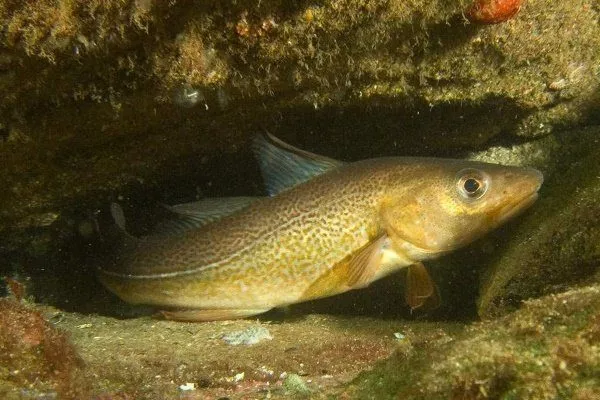
Members of this order inhabit both saltwater and freshwater bodies in the Northern Hemisphere. Cods have very small scales and no spines on their fins, and usually have a barbel on their chin.
There are several varieties of cod, differing in size and flesh color—white, red, and pink. Cod is classified as:
- Atlantic – grows up to 90 kg. Green or olive color.
- Pacific – grows to an average height of 1.2 m, weighing 20 kg. It is distinguished by its large head.
- Greenland – smaller than the Pacific Ocean scaly. Grows up to 0.7 m.
- Pollock – small cod, weighing no more than 4 kg.
Cod is valued for its tasty and healthy meat, which has almost no bones.
Conditions. The water temperature in the pools is maintained at 1.5-8°C. The oxygen content is 7 mg/l.
Feeding. They are fed fish and scallops. Feeding schedules are adjusted depending on the fish's age and water temperature. Typically, they are fed 1-3 times a day, for example, with substandard frozen fish and salmon pellets.
Reproduction. Spawning occurs from February to April. The eggs are collected artificially after maturation, or collected by netting. Hormonal stimulation is used if necessary.
Breeding. Cod is a commercial fish, always harvested on a large scale. Previously, cod was not bred in captivity, but this is currently being explored in Norway. In Russia, marine fish farming is not yet developed. However, given the depletion of natural reserves, this approach has potential. Typically, cod are reared—juveniles up to 1 kg are caught and provided with optimal living conditions in tanks with running seawater. The ratio of females to males in the tank is 1:2.
Wintering. In winter, cod's diet is adjusted. This predatory fish requires protein year-round; in the wild, it feeds on planktivorous fish.
Kildin cod cannot be kept by law, as this species of cod is listed in the Red Book.
Buffalo
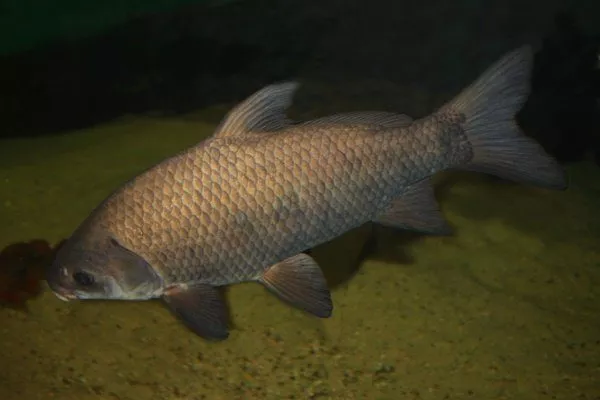
Buffalo resembles the crucian carp in appearance, with which it is often confused. The meat of this North American fish is much more valuable than that of the crucian carp. Buffalo is a hybrid bred in the United States from the crucian carp. Three species have been imported to Russia: smallmouth, largemouth, and black, weighing 15-18, 45, and 7 kg, respectively. The fish differ in size and gill structure. Buffalo meat is more valuable than carp.
Conditions. Prefers calm and quiet waters. Grows well in ponds. They prefer warmth more than carp. They grow faster in warm water.
Feeding. The young of the year feed on zooplankton. During breeding, they are fed with compound feed.
Reproduction. They reproduce similarly to carp. Males reach sexual maturity at two years of age, and females at three. They reproduce in the spring, with spawning occurring at temperatures of 17-18°C. About 20% of the fish die during spawning.
Breeding. They are raised in ponds. Yearlings weigh 200-500 g, and two-year-olds weigh 1,500-2,000 g. 2-3 centners of fish can be grown per hectare. The average growth rate for different buffalo species ranges from 700 to 1,000 g.
Wintering. In winter, it goes into pits, where it remains in a state of suspended animation until spring – until the water warms up to 13-15°C.
Tilapia
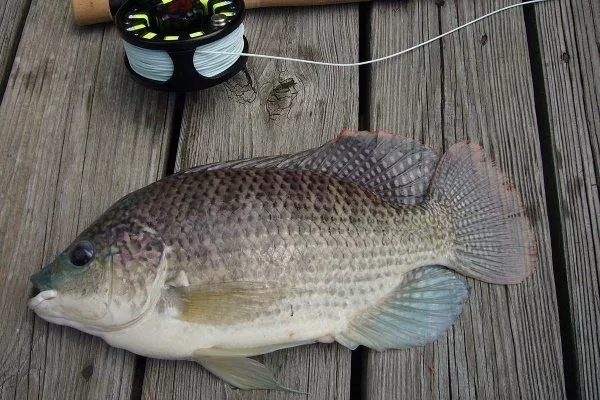
Tilapia encompasses a wide variety of fish found in waters across Africa and the Middle East. The Mozambique tilapia and the Aurea tilapia are primarily farmed. All varieties have short bodies and massive heads. They average up to 1 kg in weight. They reproduce quickly and have tasty meat.
Conditions. They are undemanding, living in fresh and brackish water. The salt concentration is 15-21 g per 1 liter of water. They easily tolerate low oxygen levels. At 25°C, 1 mg/L is sufficient. At 0.4 mg/L, tilapia die. They survive where other fish die. The optimal growth temperature is 23-35°C.
Feeding. It is recommended to feed live food. The fish is omnivorous and voracious. Special compound feeds can be used.
Reproduction. Possibly in ponds, with a ratio of 10 males to 50 females per 100 square meter pond. Spawning begins at a temperature of 24-28°C. Sexual maturity occurs at 3-6 months. The fish spawn approximately 16 times a year.
Breeding. Tilapia is bred in ponds, pools, cages, and aquariums. Commercial tilapia weighs from 200 g. They grow rapidly, at 3-5 g per day. The growing cycle is 180 days.
Wintering. The broodstock are kept for the winter in artificial reservoirs heated to 20-23°C. They are fed at a rate of 2-3% of their body weight.
Pike
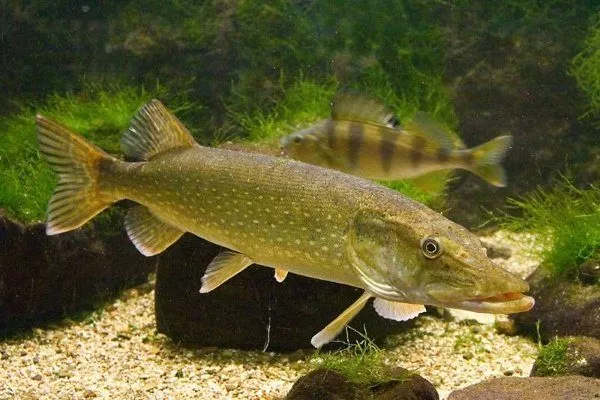
Predatory fish that inhabit freshwater bodies. Species include the Amur pike, striped pike, and common pike. They live an average of 20 years.
The northern pike grows to a length of 1.5 meters and weighs up to 35 kg. More commonly, it reaches 1 meter and weighs up to 8 kg. Its body is torpedo-shaped. It has a large head with a wide mouth. Its coloration is determined by its habitat, with gray and green shades predominating. Its meat is tasty and nutritious.
Conditions. Resistant to lack of oxygen and high temperatures – up to 30 °C.
Feeding. The fry are fed zooplankton. Adults feed on small fish. This makes mass pike farming unprofitable, as the food—fish—requires investment.
Reproduction. Natural and artificial reproduction methods can be used. Fry are bred by capturing the broodstock or by artificially fertilizing the eggs. The favorable temperature for egg development is 8-9°C.
Breeding. In artificial ponds, pike grow 3-5 times faster than in natural ones. Juveniles weigh 450-800 g. Pike It's a source of valuable meat, and it also increases fish productivity when farming carp, crucian carp, and other fish by eliminating their weedy competitors. It grows well in overgrown ponds.
Wintering. This predatory fish does not hibernate in winter, it simply goes into the depths.
Catfish
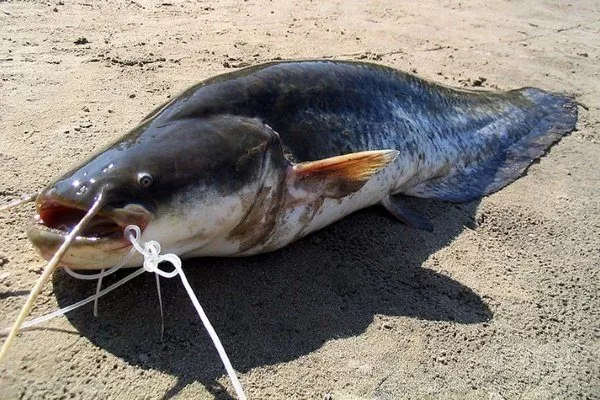
The common catfish is a giant, reaching 3-5 meters in length and weighing up to 400 kg. However, today it's rare to find a catfish weighing more than 100 kg. Its coloration is usually brown, with a lighter belly.
The family comprises about a hundred species, with only two found in Europe. A characteristic feature is the absence of scales.
Conditions. Optimal development at water temperature of 20-25°C. Oxygen content 7-11 mg/l.
Feeding. Juvenile catfish are fed zooplankton; from two weeks of age, they are fed mosquito larvae, crustaceans, and starter feed. Feeding is then adjusted based on the fish's weight and water temperature. Two-year-olds are fed twice a day, with trout feed and a paste-like additive. Their diet includes all types of river creatures, including mollusks, worms, and frogs.
Reproduction. Sexual maturity begins at age five. Breeders are harvested a year before spawning, which begins when the water warms to 20°C. The fish are transferred to a 500-600 square meter pond in nets. There is a ratio of one male to one female.
Breeding. Catfish They don't require large ponds. Catfish density is 400-600 g per square meter. They are raised in ponds and on specialized farms capable of producing up to 50 tons of fish per year. On the farm, rearing begins with fry. Feed consumption on the farm is 1 kg per 1 kg of live weight. A recirculating aquaculture system is used, allowing for standardized farming of any species.
Wintering. For the winter, the juveniles are transferred to carp wintering ponds approximately 2 meters deep. The catfish are dormant and pose no threat to other fish during this period.
Soldatov's catfish is under strict state supervision, so not only is catching this species prohibited, but keeping it is also prohibited.
Acne
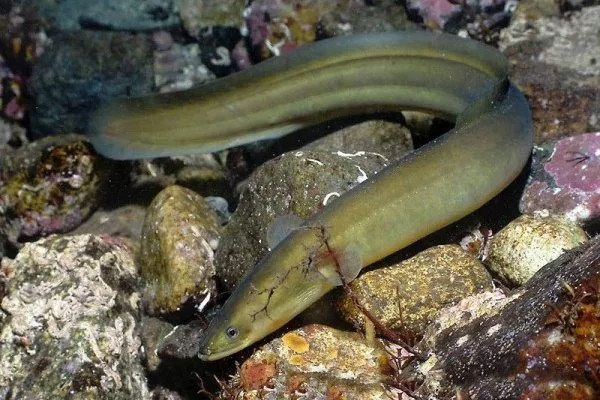
The eel has a long, cylindrical body with an elongated head. The body is flattened at the back, resembling a snake. Its mouth contains small teeth arranged in stripes. It is a migratory fish, breeding in the ocean.
Eel meat is a delicacy. It commands a high purchase price—800 rubles per kilogram live. The market price is 1,500 rubles.
Conditions. Breeding is profitable if the water temperature is maintained at 22-28°C. This requirement is the main challenge when cultivating eels in ponds at mid-latitudes. The minimum oxygen saturation is 6 mg/L.
FeedingIn the wild, this predator feeds on fish, frogs, and other small animals. Intensively raised fish are fed mixed feeds and wet pastes. European producers produce eel food.
Reproduction. Spawning begins at a water temperature of 16-17°C. The fry are purchased from specialized farms, which are found only in Europe.
Breeding. Eels are currently farmed primarily in Japan and Europe. They are raised in ponds and pools. The ponds are long and narrow. Females grow faster. Farm productivity is up to 5 kg/m2. In Russia, eels can only be raised using recirculating aquaculture systems (RAS). The equipment is expensive—approximately 2 million rubles.
Wintering. During the winter, eels enter a state of suspended animation. They curl up into balls and lie in the deep water. When artificially bred, eels are transferred to special eel ponds.
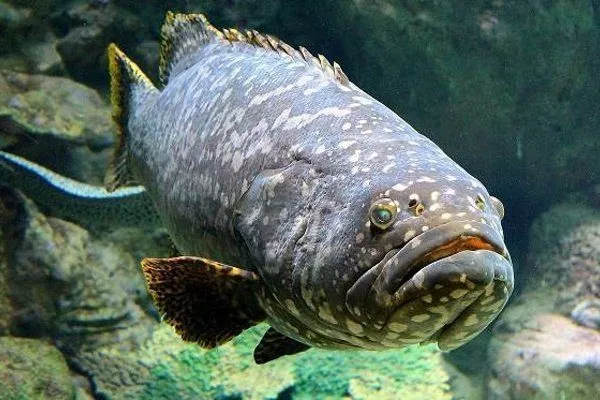
Grouper
This exotic fish belongs to the order Perciformes, a large family of groupers. Most are inedible, but some species are commercially important, such as the grouper. This ocean fish has well-developed jaws and can even swallow a human. Their meat is of culinary interest.
Members of this family live in oceans and warm seas. They range in size from 10 cm to 3 m. They are hermaphrodites.
Conditions. They live only in warm climates, so they require water temperatures of at least 22°C. In the wild, groupers dive to depths of up to 20 m at temperatures above 28°C.
FeedingGroupers are predators, feeding on fish and other organisms.
Reproduction. Hermaphrodites produce eggs themselves and fertilize them themselves.
Breeding. These fish are bred in aquariums for ornamental purposes. Russia's climate is unsuitable for the commercial breeding of these giants.
Wintering. This fish is an inhabitant of warm waters, so it needs food all year round.
Pelengas
A variety of Far Eastern mullet. It can be found in the Sea of Azov. Its coloring is light, with a darker back. In warm waters, it grows to 3-7 kg. Length: 60-150 cm. Until recently, it had no commercial value. However, the taste of the mullet's flesh is reminiscent of trout.
Conditions. Far Eastern fish adapt well to any changes. They can withstand fluctuations in temperature and salinity.
FeedingIt feeds on bottom sediment and invertebrates. It is a bottom cleaner. When bred, it is fed special compound feed.
Reproduction. The easiest way is to purchase specimens for breeding. Spawning usually begins in May when water temperatures rise to 18-24°C.
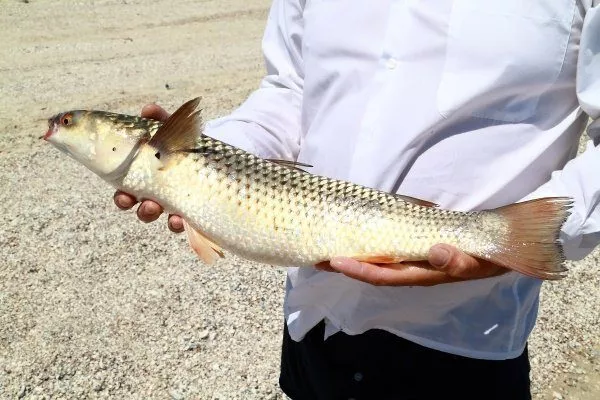
Breeding. Pelengas are bred in artificial ponds and pools at a depth of 3 meters. The fish require darkness and deep, pitted areas.
Wintering. Juveniles overwinter in wintering pits at least 1.5 m deep. Adults begin wintering at the end of October.
We've covered not only the most popular fish in artificial farming, but also those that are just beginning to attract interest from domestic fish farmers. Perhaps, after assessing the scale of the enterprise, you too will want to take up the profitable and exciting business of commercial fish farming.
Why is there no rotan?