
Silver carp are large schooling fish characterized by strength and endurance. They are swift and agile, making catching them a thrilling experience. Silver carp have their own behavioral traits that are important to understand not only for fishermen but also for those who decide to breed and raise this fish.
Description of the silver carp
The silver carp is also known as the bighead carp. The fish is distinguished by its large size: at 1.5 meters in length, it can weigh over 27 kilograms. Officially, a weight of 50 kilograms has been recorded. Fishermen diligently try to catch this trophy fish, as it is prized not only for its impressive size but also for its nutritional value, beneficial properties, and unique taste.
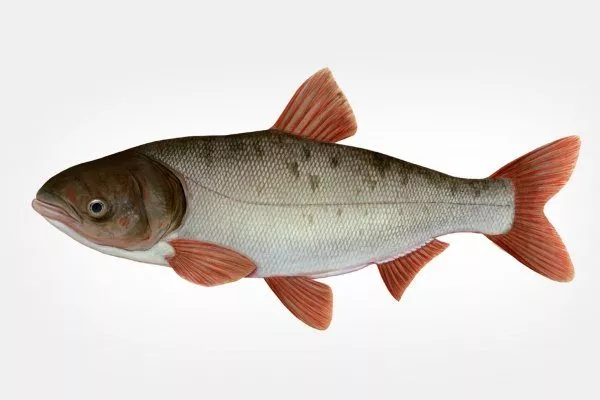
The fish has silvery sides. The belly color ranges from silvery-white to pure white. The eyes are located high on the head and point slightly downward. The silver carp is distinguished from other fish by its wide forehead and mouth.
The silver carp's large head is adorned with a toothless mouth. Visually, the mouth appears upside down. The fish's mouth functions as a filtering apparatus, resembling fused gills, similar to a sponge. This structure facilitates the better capture of its main food source—plankton.
Introducing silver carp into artificial fish ponds ensures effective protection from pollution and algal blooms. Silver carp have a long body covered in fine scales.
Types of Bighead
There are only three varieties of silver carp, each characterized by different coloring and significant variations in weight. The following types of silver carp are distinguished:
| View | Weight Limit | Preferred food | Temperature resistance | Growth rate |
|---|---|---|---|---|
| Bighead carp | 40-60 kg | Zooplankton | Moderate | Fast |
| Silver carp | 20 kg | Phytoplankton | High | Average |
| Hybrid | — | Phytoplankton and zooplankton | High | Very fast |
Bighead carp
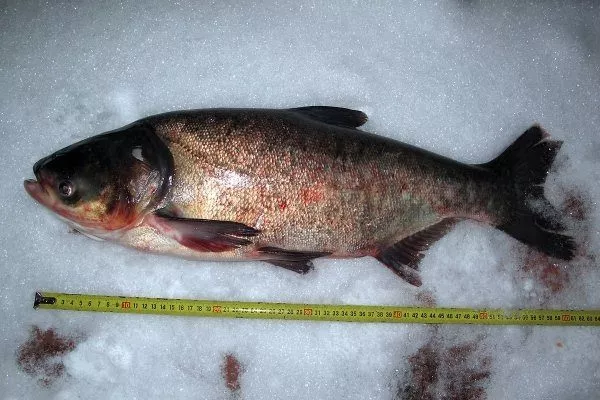
The silver carp has a large head, large fins, and a long tail. Adults are characterized by a coloration approaching black, with spots on their sides. Juveniles have golden skin and scales. The fish's gills are not fused, allowing it to easily feed on zooplankton. Unlike the silver carp, the ventral keel extends from the pelvic fins to the anal feather.
The fish grows up to 1.5 meters in length, and its maximum weight is 40-60 kilograms. Its preferred food is phytoplankton. Spawning occurs in late spring and early summer, when water temperatures reach 18-30 degrees Celsius. The fish reaches sexual maturity at 2-6 years of age, depending on habitat. Maximum fertility is observed in the waters of Turkmenistan and Moldova: a single female can spawn between 600,000 and 1 million eggs.
It is distinguished by its high economic value:
- reservoir reclamation;
- grows quickly, gains weight just as quickly;
- Bighead carp meat is high quality and in demand.
Silver carp
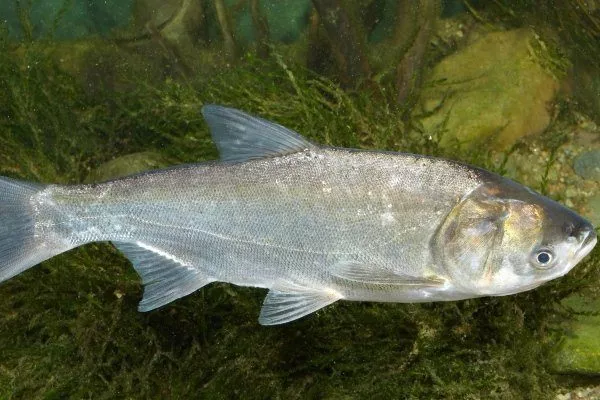
The fish has a tall, silvery body. Its distinctive features include a large head with low-set eyes and dark fins. The maximum weight of the fish ranges from 20 kilograms to 1 meter in length. It is characterized by the presence of a ventral keel, which begins at the neck and extends to the anal fin.
The optimal temperature for feeding whitefish is considered to be 25 degrees Celsius. For this reason, schools constantly move throughout the reservoir during the day, searching for comfortable habitats: in the morning, they stay near the shore, and in the afternoon, they choose deeper parts of the bays, settling in the middle layers of the reservoir.
When cold weather sets in, around mid-autumn, silver carp practically stop feeding. The exception is those individuals that inhabit warm-water canals and reservoirs.
The unique structure of the gill apparatus allows the fish to feed on phytoplankton, filtering it from the water. The meat is highly nutritious. Its fat content ranges from 4 to 23%, increasing with age and weight gain.
Fish oil is similar in composition and properties to the fat of marine life. When consumed as food, it lowers blood cholesterol levels. It is recommended for dietary purposes. Silver carp meat is used to make a delicious balyk.
Hybrid
The hybrid silver carp was bred by fertilizing the eggs of white carp with the milt of silver carp. The main result of this breeding method is that the species incorporates all the best qualities of its parents:
- instantly gains weight, increases in size as quickly as possible;
- prone to tolerate low water temperatures;
- has a small head, unlike the white species;
- feeds on phytoplankton;
- The scales and skin of this species are white.
These characteristics make it possible to introduce this species of fish into colder regions and waters where this was previously impossible.
Habitat and living conditions
Silver carp were first bred in the United States in the 1970s, where they were recorded in several locations in the central and southern United States. Silver carp prefer the Mississippi River basin, where they form their spawning grounds. They have been introduced worldwide, and are often targeted by fishermen in East Asia, Africa, Mexico, and the Antilles.
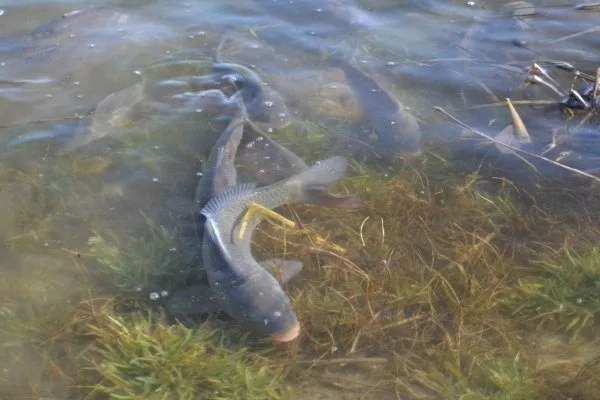
Silver carp inhabit virtually all bodies of water in Russia, but typically only in areas where they have been artificially introduced. The fish are typically introduced in the spring, forming schools and becoming fully established within the reservoir. During periods of warmer waters and the growth of various vegetation, fish activity declines, and silver carp settle in one area.
Silver carp typically prefer areas with a muddy bottom and soft aquatic vegetation, where the depth is no more than 3 meters. Before sunset and early in the morning, the fish move closer to the shore. During the day, silver carp tend to stay away from the shore.
Behavior and lifestyle
The silver carp is a fish that inhabits the middle and upper depths. It is found in large rivers, backwaters, lakes, warm-water ponds, and flooded areas connected to large rivers. They prefer still water and currents. The ideal habitat for silver carp is calm, warm water with gentle currents. It does not linger in waters with strong currents, as this discourages them. Their favorite habitats are shallows with gentle currents and muddy, sandy, or rocky bottoms, as well as artificial reservoirs with abundant nutritious plankton.
When fishing, it's best to look for silver carp in quiet backwaters away from major roads and city noise. Silver carp tolerate a wide range of temperatures—from 0 to 40 degrees Celsius—as well as low oxygen levels and slightly salty water.
At different times of the year the fish's behavior changes:
- In the autumn, when the water temperature is below 8 degrees, silver carp actively accumulates a layer of fat.
- In winter, fish fall into a deep sleep, choosing holes at the bottom of the reservoir.
- In spring, the water becomes overloaded with detritus and plankton, prompting the fish to search for food upon awakening. They first explore the depths and only rise to the surface when the water temperature reaches 24 degrees Celsius. During this period, due to extreme hunger, silver carp will take any bait, making them easy to catch. In late May, they can even be caught with a piece of a cigarette filter or foam rubber.
Under favorable conditions, the fish can live up to 20 years. This is completely unprofitable for commercial farming, so the fish are caught for sale at 2-3 years of age, when they have reached the appropriate size.
Diet
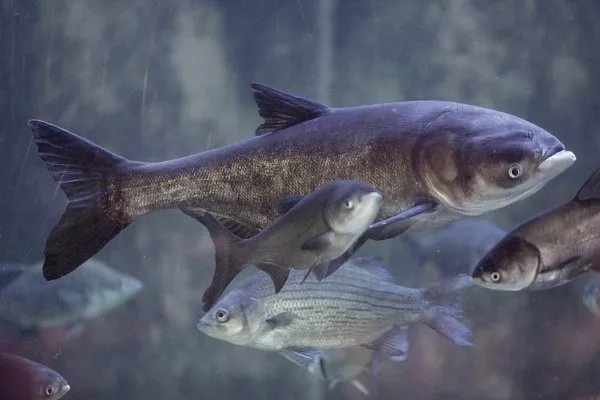
The diet of silver carp depends on the species and age of the fish. It primarily consists of animal and plant plankton. Silver carp prefer plant foods, relying on phytoplankton. Their most delicious meal is blue-green algae, which appear in all freshwater during hot weather. This makes silver carp a welcome addition to still waters, as consuming algae helps combat the main source of disease in the water.
Bighead carp prefer the same diet as whitefish. However, in addition to phytoplankton, they prefer to feed on small animal prey. This rich diet promotes rapid growth, leading to large sizes.
Russian breeders have successfully developed a hybrid silver carp by crossing a silver carp with a bighead carp. This resulted in a single species combining all the advantages of both. The hybrid fish has a small head, like the bighead carp, but boasts a larger size. This allows it to have a much broader menu. In addition to animal and plant plankton, the hybrid feeds on small crustaceans. Its digestive system is adapted to special feed mixtures for artificial breeding.
Spawning
Silver carp reach sexual maturity when they reach 5 years of age. Identifying a mature fish is easy: their scales turn a grayish-blue color. The spawning process begins in the reservoir when the water temperature reaches 20 degrees Celsius. This typically occurs in late May or early June.
A fish weighing over 20 kilograms can lay up to 3 million eggs. Females living in artificial ponds don't boast such numbers, spawning no more than 1 million eggs.
Newly hatched juveniles feed on zooplankton because their gill filter apparatus is undeveloped. This diet promotes rapid weight gain. They will only be able to feed on algae once their gills have developed, at a body length of 5 centimeters.
Natural enemies
Young silver carp are threatened by predatory pike and, very rarely, large perch. Once silver carp are introduced into a reservoir, the toothy predators categorically refuse artificial bait. Due to attacks from predators, schools of small silver carp become significantly thinner. This threat to the population remains until the fish reach two years of age, when they gain sufficient weight and increase in size.
Another danger is the fact that bigheads can harm the fish fauna of water bodies. Because they consume large quantities of all types of plankton, the fry of other fish are left without a food source, which prevents them from developing fully.
Diseases
Silver carp carry the Asian tapeworm, a parasite that negatively impacts the development and growth of the fish. Humans can become infected by consuming raw or undercooked fish meat. The parasite develops in the human intestine, infecting the intestinal mucosa.
Symptoms of infection include vomiting, diarrhea, and severe lower abdominal pain. If you notice any of these symptoms after consuming silver carp products, you should seek medical attention and have your blood tested.
To avoid infection, fish from reputable sources, buy from reputable sellers, and cook silver carp thoroughly during preparation. When salting, soak the fish in salt for at least 5 days, followed by soaking.
Beneficial properties
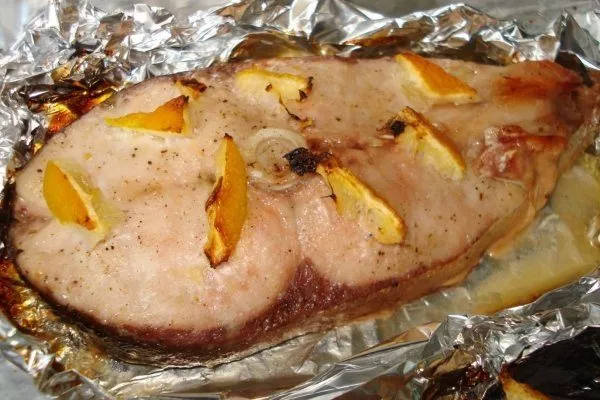
The energy value of 100 grams of silver carp is 86 calories. This value varies depending on the cooking method, age, and size of the fish. For example, when stewed, the calorie content is 76 calories, while when fried, it is 71 calories.
The meat of 5-year-old fish is considered fatty and therefore has a higher energy value. It also contains beneficial, easily digestible proteins and carbohydrates, omega-3 and omega-6 fatty acids, vitamins D, E, and B vitamins, and provitamin A. Silver carp meat is rich in phosphorus, sulfur, iron, zinc, sodium, and calcium.
Omega-3 and omega-6 acids, when consumed regularly, improve human health:
- lower cholesterol levels;
- prevent the formation of malignant tumors;
- relieve nervous disorders, depression, stress;
- reduce the risk of developing cardiovascular failure and hypertension.
Due to the large amount of minerals in fish, nail and hair growth is improved; the production of iron-containing hemoglobin, which performs gas exchange functions, is stimulated; toxic substances are removed from the body; and reparative regeneration occurs, including of the skin.
People suffering from diabetes, hypertension, gout, gastritis, and low acidity should eat silver carp, preferably boiled, stewed, or steamed. Within just a few weeks, cholesterol levels are reduced and blood pressure normalizes.
Breeding and cultivation
Growing silver carp is a complex process that requires special conditions. The pond water temperature should be no higher than 25 degrees Celsius. These fish are warmth-loving, preferring full sun, muddy bottoms, and ponds with abundant vegetation. The ideal depth for these fish is considered to be 3-4 meters. At dawn and dusk, silver carp swim to shallow waters, and during the day, they hide on the bottom.
What do they feed fish during breeding?
The diet of silver carp consists of phytoplankton and zooplankton, which are a source of protein. There are three species of silver carp, which differ not only ecologically but also morphologically. They also differ in their feeding preferences. Silver carp are medium-sized schooling fish that consume only phytoplankton. Bighead carp are large fish that feed on zooplankton, which facilitates rapid growth and weight gain. Hybrids are larger fish that consume everything that bighead and silver carp eat.
Silver carp can also be fed artificial food. They reach marketable weight at two years of age, weighing approximately 500-600 grams. Sexual maturity occurs between three and five years of age, when their body length reaches 50 centimeters.
- ✓ Disease resistance
- ✓ Rate of growth and weight gain
- ✓ Adaptation to temperature conditions
- ✓ Economic benefits from breeding
Silver carp can be farmed in a pond. The requirements for the pond's conditions, size, and depth must be taken into account. Separating the fish by size is recommended, as this will prevent the spread of diseases and improve breeding and rearing conditions.
Construction of a pond
Ideally, choose or build a pond of 200-300 square meters. It's filled with various plants to ensure better egg attachment during spawning. Spawning areas are used in late May or early June for no more than 14 days.
The first time the fish are transferred is after 5-7 weeks of hatching. Up to 900 fish are stocked per hectare of pond, provided their growth rate does not exceed 2 kilograms. Initially, the transferred fish are fed natural food, which must be regularly and generously added to the pond bottom. In the fall, the future breeders are selected and placed in a separate pond, where they will remain until spawning.
As a business, silver carp farming is considered a simple but labor-intensive undertaking that requires adherence to basic rules:
- Fish will not be able to obtain sufficient nutrients from food if water temperatures are below 18 degrees Celsius. All the energy they receive is expended on maintenance, leaving no reserves. This results in the fish not gaining sufficient weight.
- Water bodies must be regularly cleaned and disinfected, otherwise fish may develop infectious diseases.
- Agricultural products are subject to a specific agricultural tax. Therefore, agricultural products must account for 70% of sales. The primary income is considered to be profit from processing or retail sales.
First, a thorough study of the area of the fish farming site, the pond depth, and the availability of water supply and discharge is essential. Profitability is achieved by raising silver carp or hybrid silver carp, as they grow quickly, and 80% of their body weight is edible. This allows for a fish gain of up to 600 kilograms.
Costs and payback
By calculating the cost of fish and feed, it's possible to estimate future profits. A 10-hectare pond holds 5 tons of fish. The average price of 1 kilogram of silver carp is 100 rubles. Therefore, the income from selling this amount will be approximately half a million rubles. Expenses include the purchase of feed, catching fish, pond maintenance, transportation, and advertising. Only after deducting all expenses can net profit be calculated. On average, 3 kilograms of feed yields a 1-kilogram increase in fish. Costs can often exceed profits if food is not grown in the area around the pond.
If space doesn't allow, raising geese is recommended, but the pond must be able to process waste from the animals. Geese fertilize the pond and clean it, thereby creating additional food for the fish and eliminating fish parasites and disease carriers. Geese also lay eggs, which they later sell, providing a particularly profitable operation.
Organizing recreational fishing in the pond for a fee would be a good way to generate additional income. This will not only popularize the business but also increase earnings. Silver carp are deep-sea, heavy fish: they don't bite with fishing rods and are quite difficult to catch. This provides additional profit with no expenses.
Catching silver carp
Catching silver carp is incredibly rewarding, and the fisherman's greatest trophy is landing a large specimen. To make the process easier, float or bottom tackle, as well as technoplankton, are used. The right bait will help you catch a good fish.
On a float tackle
It's believed that the easiest way to catch silver carp is with a universal carp rig for long-distance casting. In this case, it's important to choose the right float—it should be transparent. Regular floats can spook the fish. Greater depth is required, although fish are sometimes found no deeper than 15 centimeters from the surface.
If the chosen body of water has various sticks or reeds, balsa floats are used. However, the float with the antenna should not be positioned vertically, as this could alert the silver carp if the float stands out among the horizontal branches. It's better to secure it in the same position as the branches.
For fishing, it is recommended to use several types of floats:
- An oblong foam float weighted at the bottom with several pellets. The top of the rig has a bright color, while the bottom has a protective tint. Because fish view food from below the water, and everything appears blue to them, it's advisable to choose floats with a bluish, gray, or white tint on the bottom.
- Universal with antenna. It's best to use floats that require the line to be passed through a cambric on the antenna. They are weighted so that the antennas don't stand upright, but float on the surface of the water.
On technoplankton
Over the past few years, many anglers have mastered catching silver carp using a special compressed bait called technoplankton. It gradually disintegrates in water, creating a cloud of turbidity around it, similar to phytoplankton, the silver carp's natural food. The bait is a barrel-shaped bait with a hole running along its length, and is mounted on a thin rod. Specialty stores offer a more economical option: loose technoplankton, but you'll have to compress it yourself.
Using technoplankton involves long-distance casting and vertical fishing. The bait is attached to a special rig called a silver carp stick. A float holds it at a predetermined depth after casting. The depth varies from 30 centimeters to 1 meter, making this the best fishing zone.
Technoplankton is neutrally buoyant. As the turbidity, attractive to fish, breaks down and spreads near the hooks, one of the fish will sooner or later be sucked in.
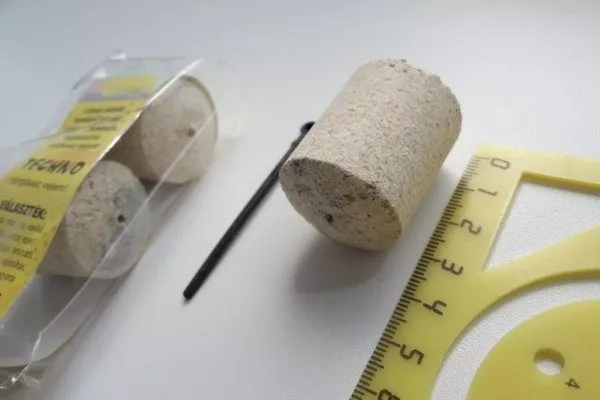
The silver carp stick is a floating rig that needs to be fixed in one place, otherwise the consumption of technoplankton will be useless.
Some anglers use a sliding sinker above the float, but this placement negatively impacts casting distance. Others combine a sliding float, limited by a stopper, with a fixed sinker, positioned at the end of the main line. After casting, the sinker settles to the bottom, and the bite alarm hits the stopper, lifting the rig. Using this setup requires precise knowledge of the fishing depth to correctly set the stopper.
Instead of a stick or technoplankton, a spring feeder filled with effective bait is often used in the rig. However, it's important to keep in mind that the rig's weight will increase significantly, as homemade groundbait is significantly heavier than technoplankton. You may need to use a higher-test rod and a heavier-duty float.
On the bottom tackle
The design of the bottom fishing rig is quite simple. Two or three hooks are attached to a large spring feeder on leaders at least 20 centimeters long. It is recommended that the leaders be made of braided cord up to 0.12 mm in diameter. Foam balls are attached to the hooks; the fish suck them in along with the rising food particles and hook themselves.
Bottom fishing has several significant drawbacks. First of all, you have to make your own bait. A mistake in the proportions can result in the bait not producing enough dust. In this situation, experienced fishermen find a way around this by adding an Alka-Seltzer tablet to each filled feeder—the tablet reacts with the water and begins to bubble, destroying the mixture from the inside.
Another drawback is the fishing horizon. Large specimens rarely descend to the bottom, preferring bait that accumulates in the upper layers. Despite this, bottom fishing is simple and accessible, which is why it's so popular.
Bait
Many people don't believe that silver carp are capable of taking a completely bare hook without bait. But it's actually possible. Nothing is required, not even vegetables on the hooks. It's not the bait that matters, but the type of hook and what's around it. So, if an empty hook lands in an area with plankton, silver carp can swallow it in the murky water without even noticing.
Greater success is guaranteed with a larger number of hooks, because during active feeding, the fish is sure to stumble upon one of them.
If you're unsure whether this method will work, using porridge for fishing is acceptable. However, in this case, special ingredients are essential. Typically, store-bought "Geysers" are used in such cases, as they have proven themselves to be effective for catching silver carp. Sometimes, bait is replaced with "Yubileinoye" cookies, mixed with porridge, oilcake, halva, bread, etc.
Please note: fishing during spawning season is prohibited by law!
Silver carp is a unique fish, striking in its sheer size, which attracts not only fishermen eager to catch such a trophy, but also entrepreneurs determined to make a business out of selling commercial fish. Breeding and raising silver carp on your own plot is possible, provided you follow all the necessary requirements.