
There are two major groups of bees: wild and domesticated. The former live in the wild, while the latter are used in beekeeping. Domesticated bees are bred to produce honey and bee products. families, numbering tens of thousands of individuals, consist of drones, a queen, and worker bees. There are several dozen breeds used in beekeeping. Let's look at the most popular bee breeds – those living in natural and artificial habitats.
| Breed | Length of proboscis (mm) | Queen productivity (eggs/day) | Frost resistance | Aggressiveness | Honey productivity (kg/family) |
|---|---|---|---|---|---|
| Central Russian | 6 | 3000 | High | High | 100 |
| Orlovskys | 6.3 | 3000 | High | Average | 50-70 |
| Italian | 6.6 | 3000 | Low | Low | — |
| Carpathian | 7 | 2000 | High | Low | — |
| Vuchkovskys | 6.7 | — | — | Low | 50-120 |
| Caucasian (gray mountain) | 7.2 | 1500 | Average | Low | — |
| Carniolan | — | — | Average | Low | — |
| Northern | — | — | High | — | — |
| Ukrainian | 6.5 | 2000 | Average | Average | 40 |
| Polesie | — | — | High | High | 70 |
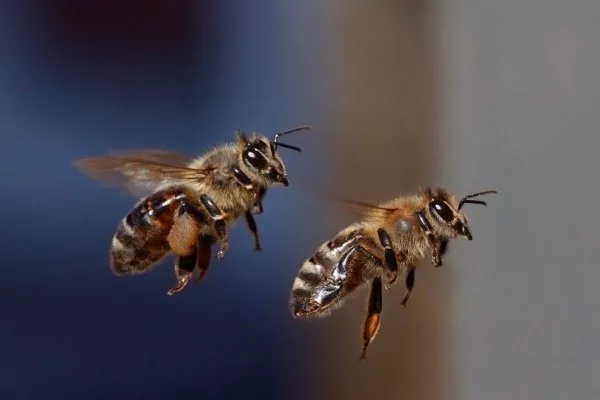
Central Russian
Second name Central Russian bees – Dark European bats. Native to central and northern Europe, these large insects are dark gray in color. They are disease-resistant and frost-tolerant. Their queens are very prolific, laying up to 3,000 eggs per day. The average proboscis length is 6 mm. They are known for their vicious nature. They become irritated and react equally aggressively to:
- lack of attention on the part of the beekeeper;
- excessive rough interference in the affairs of a bee colony.
They don't steal. They swarm actively. They poorly guard the hive from bees that steal honey. A colony can collect up to 100 kg of honey per year. They prefer to collect nectar from a single crop—a valuable quality for beekeepers interested in monoculture honey varieties. A disadvantage is that if they stay with one crop, they don't switch to better plant species in time, collecting honey from honey plants that are finishing flowering. They are zoned for Russia, the Baltic states, and Belarus.
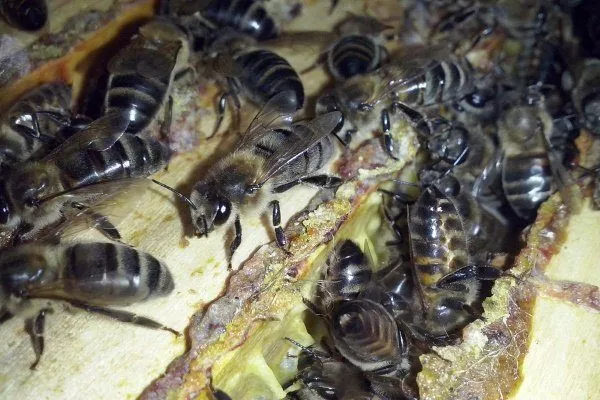
Orlovskys
This is a subspecies of the Central Russian bee. The breed was developed at the Beekeeping Research Institute (Oryol Experimental Station). The insects are large, with dark gray fur. The breed's strength lies in its ability to withstand the harshest conditions. Because of this, the breed develops late in spring, but quickly. An individual weighs 104 g, and the proboscis length is 6.3 mm. Compared to the Central Russian breed, they are less aggressive.
Other features:
- do not steal from other people's hives;
- increased immunity to diseases;
- The queen's egg production is up to 3000 eggs per day;
- honey productivity – 50-70 kg per family;
- increased wax productivity;
- swarming is insignificant – up to 5%.
The Orlov breed is a late-flowing honey bee, collecting honey from linden, buckwheat, and fireweed. They are suitable for breeding in the Central, Volga, Ural, and Siberian Federal Districts. The breeding base is located in the Orlovskoye Polesie National Park (Oryol Oblast).
A specialist tells novice beekeepers about bee breeds and how to choose the best one:
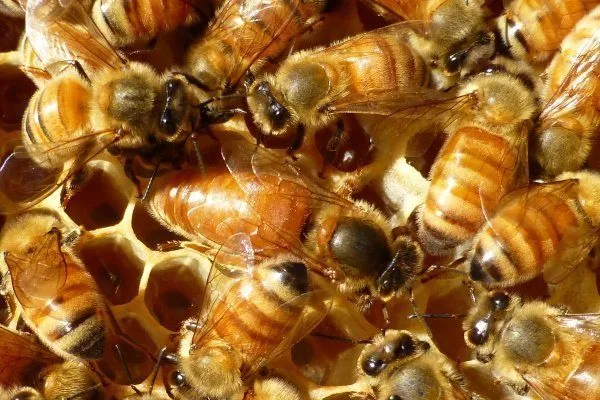
Italian
These insects weigh 113-117 g and are yellow in color. They are peaceful, produce a lot of wax, and swarm moderately. They are prone to thieving, actively defending their hive from thieves, and fight wax moths. The proboscis length is up to 6.6 mm.
They actively search for food and readily switch honey plants. They are exceptionally hardy and immune to European foulbrood. Queen bees produce 3,000 eggs per day. They are not very winter-hardy. During winter, the colony requires a lot of food. A disadvantage is slow development in the spring. This breed is ideal for beekeepers in areas with a late honey flow. They are zoned in Italy.
Read more about the Italian bee breed Here.
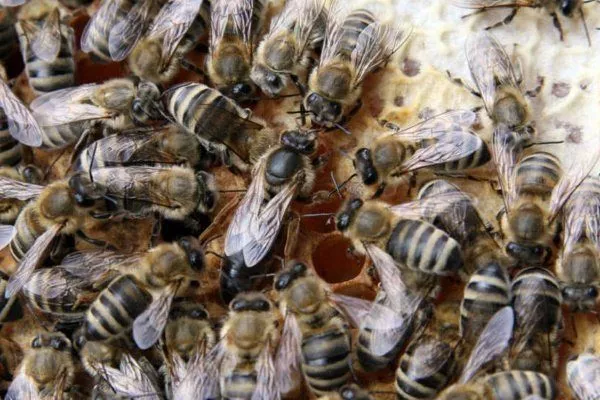
Carpathian
Carpathian storks are distinguished by their ash-colored coat and an especially long proboscis—up to 7 mm. This breed has the longest wings. The body size is medium.
Distinctive features:
- worker bees quickly feed their offspring – the family is actively expanding;
- enterprising in the matter of searching for honey plants;
- actively produce wax and other beekeeping products;
- swarming - weak;
- immunity to diseases;
- high frost resistance;
- use the food base economically;
- thieves;
- do not pay attention to wax moth;
- honey collected by Carpathians contains little sugar;
- peace-loving.
The queen's productivity is 2,000 eggs per day. They are good pollinators. This breed has an old and a young queen, who can coexist for 1.5 months. The breed originates from Transcarpathia.
Carpathian bees are found throughout almost all of Russia. In popularity among domestic beekeepers, they are second only to the Central Russian breed.
Vuchkovskys
A variety of the Carpathian breed, it is distinguished by a more docile temperament. The proboscis is 6.7 mm long. The body is gray, with a silvery down on the front. This breed is known for its peacefulness—beekeepers can inspect hives without nets or smokers. A vicious disposition can manifest itself in the fall, when the weather turns bad.
They are resourceful when collecting food and can use a wide variety of honey plantsThe honey yield per colony ranges from 50 to 120 kg. Gross wax production ranges from 1.1 to 1.9 kg.
Caucasian
There are two types of Caucasian bees:
- YellowZoned in the Transcaucasus. Yellowish coloration. Very thievish. Low frost resistance. The queen lays up to 1,700 eggs per day. Swarming is intense. What are the risks of swarming and how to combat it? read here.
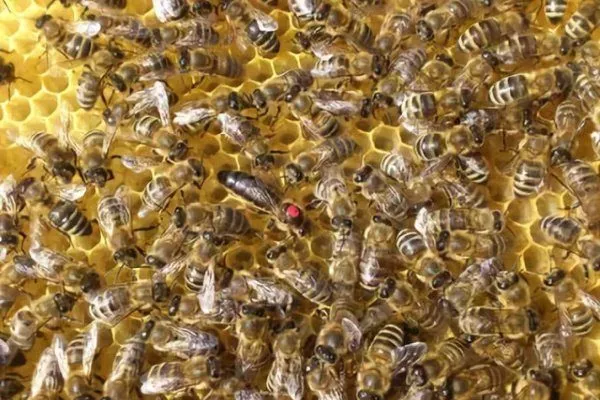
- Gray Mountains. Habitat: Caucasus and Transcaucasia. Proboscis length: 7.2 mm. This is a record length for bees. They are peaceful and swarm weakly. They produce a lot. propolisThey actively search for honey, quickly change honey plants, and pollinate legumes well. They fly in rain and fog. They have average winter hardiness, and a queen can lay up to 1,500 eggs.
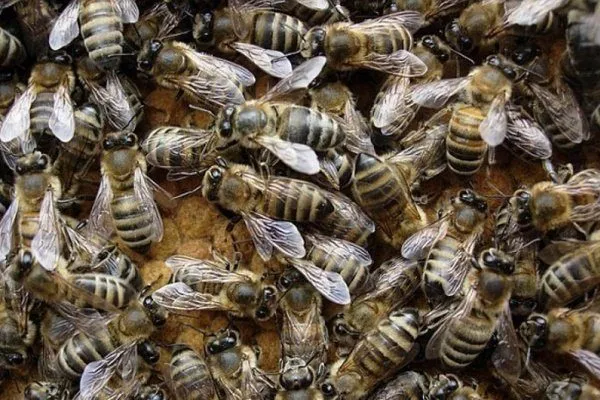
The breed is heat-loving, so it is only of interest to beekeepers from the southern regions.
Kuban
Another name is North Caucasian. This is a population of the yellow Caucasian bee. They have yellow rings on their abdomen. They are very heat-loving and perform winter flights. They are peaceful, but do not tolerate queens of other species. They collect a lot of honey. They love to steal. A disadvantage is that worker bees can transform into drone bees.
They are less resistant to foulbrood diseases than the Central Russian bees. Today, almost no purebred bees survive—beekeepers in the southern regions breed hybrids by crossing local queens with Kuban drones. They are native to the Northern Caucasus, Krasnodar, and Stavropol Krais.
Megrelian
Another name for these bees is Georgian bees. This is a population of the Caucasian breed, which is currently actively expanding northward. Megrelian bees are known for their excellent frost resistance. These insects are silvery-gray in color, without any yellow markings. Megrelian bees have a longer proboscis than the common Caucasian bee—up to 7.25 mm and even up to 7.5 mm. This length allows them to extract nectar from narrow, tubular flowers.
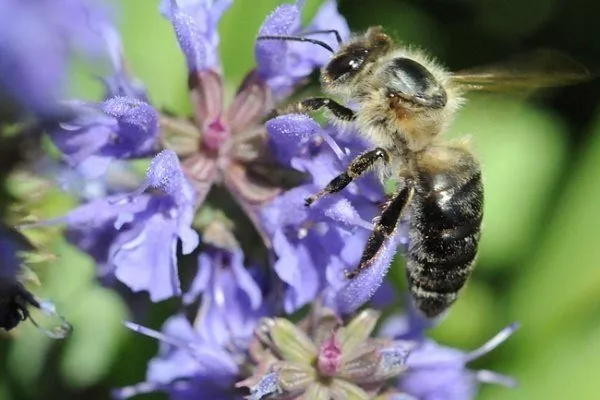
A queen's productivity is up to 1,500 eggs per day. Beekeepers love working with the Megrelian breed because of its combination of activity and peacefulness—it produces a lot of honey and is not very aggressive. Many beekeepers work exclusively with this breed because of its success.
Carniolan
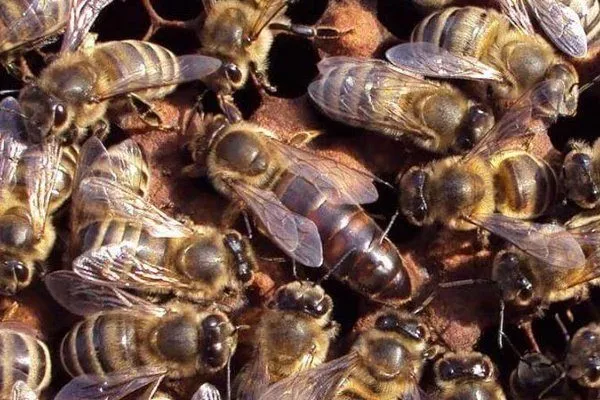
Another name is Carnica. Color: Gray. Silver trim. Small body. Characteristic features: Carniolan bee breed:
- calm and peaceful;
- early development in spring;
- propolis formation is weak;
- do not suffer from honeydew toxicosis;
- swarming – average;
- actively change honey plants.
Originally native to the Alps, Austria, and Yugoslavia, this breed is the most popular in Europe. It is more winter-hardy than the Caucasian variety. It is bred by beekeepers in warm and temperate climates. It is also raised in areas where honeydew honey can be harvested.
Northern
This is the conventional name for bees found in the Far East, Siberia, and the Altai region. They are often called Central European or dark forest bees. They are unpretentious and adapted to harsh weather conditions. Their honey is prized for its eco-friendliness. During the short summer, bees have a lot to accomplish, making them extremely industrious.
Distinctive qualities of the breed:
- high productivity;
- strong immunity;
- fertility of queens;
- the healing properties of honey;
- frost resistance;
- consume food sparingly during wintering.
The breed is valued for its hard work not only by Russian, but also by foreign beekeepers.
Ukrainian
Their full name is Ukrainian steppe bees. They have long inhabited the forest-steppes of Ukraine, Russia, and Moldova. They are similar to the Central Russian bees, but have a lighter coloration. The proboscis is up to 6.5 mm. They are moderately aggressive and tolerate cold well. They are prone to swarming (how to stop swarming is described). here). These are large insects, hardworking and courageous – capable of protecting the hive. A queen lays approximately 2,000 eggs.
The Ukrainian breed is very hardworking – when not busy collecting honey, the bees clean the hive. Thanks to their cleanliness, steppe bees rarely get sick.
They prefer plants with a high sugar content. Activity begins in early spring. Honey yield during the season is 40 kg. They fly at temperatures of +8°C (46°F). They are peaceful, making them easy to breed, even for novice beekeepers.
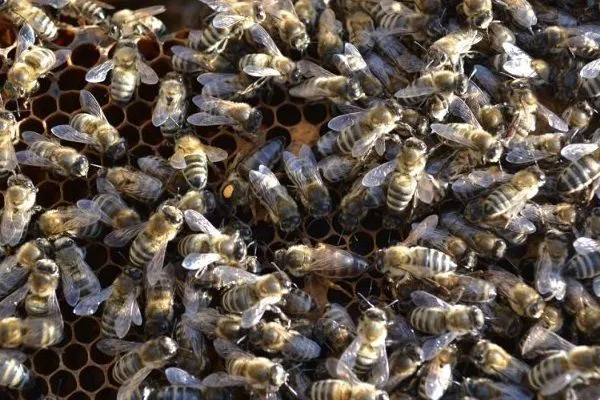
Polesie
This is a variety of the Ukrainian breed. It tolerates cold well. Honey production per colony is 70 kg, which is more than the average of 50 kg. It is native to northern and western Ukraine. Its color is dark gray, without any yellow. It is characterized by its medium size. A drawback is its increased aggression towards humans.
Advantages:
- immunity against most diseases;
- honey is collected well from buckwheat, linden, and cultivated plants;
- high quality honey.
The breed is suitable for breeding in Russia; its biggest drawback is aggression; otherwise, it is a very suitable option for honey production.
Far Eastern
This is a product of free crossbreeding between Ukrainian, Caucasian, and Central Russian breeds. The proboscis is about 6.8 mm long. The body color ranges from pure gray to yellowish.
Peculiarities:
- peacefulness;
- variability of traits;
- enterprising in finding food;
- moderately thieving;
- they do not accept implanted queens well;
- high winter hardiness;
- egg production of the queen is up to 1550 eggs per day;
- immune to foulbrood;
- honey productivity per family is 30-60 kg, sometimes even 200 kg;
- high wax productivity.
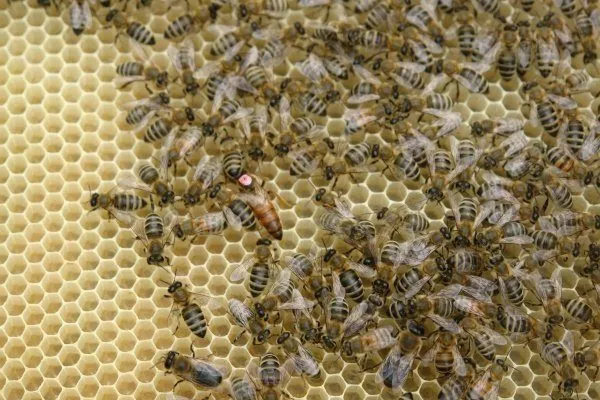
Beekeepers are drawn to this breed for its early and rapid development. It is recommended for breeding in the Far Eastern Federal District.
German
They are also called "black" bees. Their black bodies are framed with yellow fluff. They live primarily in France. This breed is known for its calm demeanor, but actively avoids smoke. However, they do not leave the hive as a swarm. They have a strong immune system, are hardy, and aggressive, and can withstand cold winters. Today, beekeepers have lost interest in this breed due to its aggressiveness and susceptibility to European and American foulbrood.
Buckfast
Buckfast Bees – a hybrid with no natural habitat. The breed is very profitable, but the queen is expensive. The breed is popular worldwide due to the following characteristics:
- resistant to tracheal mites, which can wipe out entire families of bees;
- peaceful - they practically do not sting humans;
- not prone to swarming;
- undemanding in terms of maintenance.
The downside is low frost resistance. This breed was bred for the humid British climate; it loves warmth and is not suitable for beekeepers in northern regions.
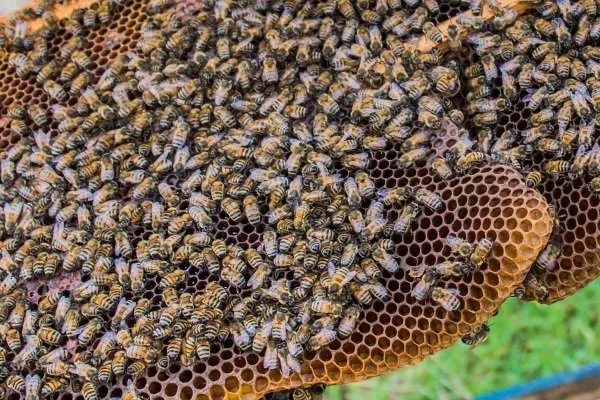
Bashkir
This is one of the best varieties of dark European bees. Another name for this breed is the Burzyan bee. The breed gets its name from its habitat—they live in the Burzyansky District Nature Reserve. Their bodies are dark gray, without any yellow coloring. They are large insects, with a proboscis measuring 5.6 mm.
Breed characteristics:
- poorly protect their hives;
- resistant to European foulbrood;
- as honey plants, it prefers linden and medicinal plants;
- the flight begins at +7 degrees;
- in unfavorable weather conditions their performance decreases;
- do not fly out of the hives in hot weather;
- can work in the rain.
This hardworking insect is capable of working for 17 hours. The breed's weaknesses include aggression toward beekeepers. The Bashkir breed is recommended for breeding. Bashkiria Beekeeping is not limited to apiaries; beekeepers also gather bees in forests. Honey is collected from the hollows of abandoned trees.
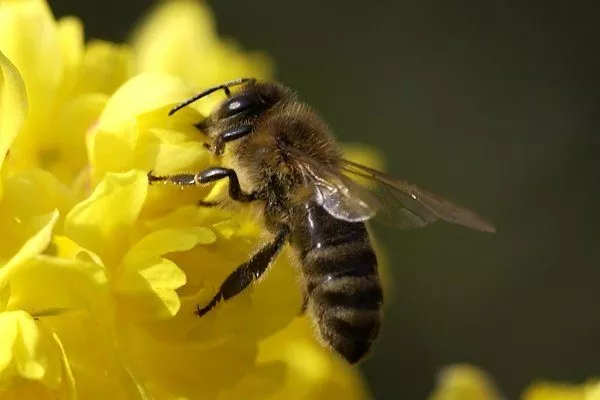
Asian
These are very large insects native to Asia. This species prefers to live in colonies. Asian bees attach their nests to tree trunks and branches.
Thai
This small insect is calm and peaceful. It has a distinctive appearance. Unlike most bees, the Thai bee has no stripes on its abdomen—it's black. Its wings are darker than those of other bees. This breed is little known in Russia; it's practically uncommon here. A distinctive feature of this breed is that Thai bees are completely safe for humans; they don't sting, which is why bee farms in Thailand are full of tourists.
European
This breed was brought to Europe from Africa. The insect is inconspicuous in appearance, dark in color. Its main distinguishing feature is its extreme aggressiveness and irritability. They attack with lightning speed, usually in groups. Today, this breed has become established throughout Europe. The insect is large, vicious, and frost-resistant. They are known for their high honey production.
The breed is suitable for regions with short summers and long, cold winters. Breeding is complicated by the breed's aggressive nature. European bees are even kept in Siberia, Kamchatka, and Yakutia.
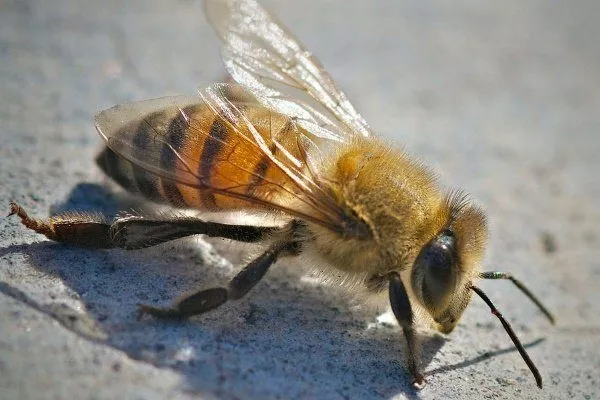
Persian
In appearance, it resembles the Caucasian breed. It is characterized by an aggressive nature. A major drawback is its vulnerability to cold. It is the most yellow-colored breed of all those found in the CIS. The Persian bee is distinguished by:
- hard work;
- low swarming;
For a long time, this breed, unique to Iran, was little known. In appearance, Persian bees resemble the Italian breed—they are medium-sized and yellow-bodied. Iran has extremely poor conditions for honey collection, but in Tauris and northwestern Persia, bees collect nectar by flitting among mountain flowers.
Beekeepers don't like this breed – it's extremely difficult to work with due to its nasty character and low frost resistance.
Abkhazian
Honey is a vital commodity for Abkhazia. Beekeeping is highly developed here, and a locally bred honey bee breed exists. The main distinguishing feature of the Abkhazian honey bee breed is its peacefulness and hard work. Abkhazian beekeepers claim that their bees do not bite at all. This remarkable breed has attracted the interest of beekeepers in Russia and Ukraine.
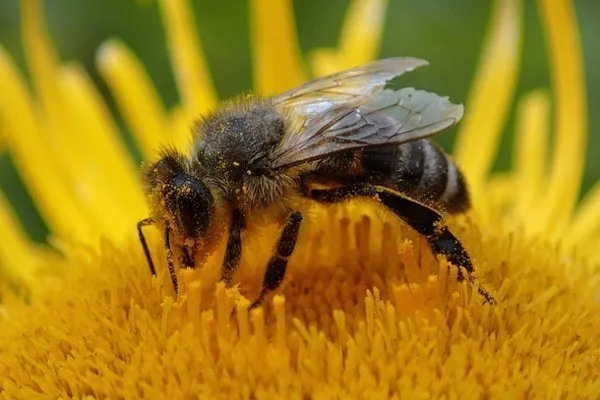
Tiger
These aren't even bees, but actual hornets. This gigantic insect is the largest representative of its class. It's called the tiger hornet not for its coloring, but for the excruciating pain its stings cause. The pain is caused by special substances in the hornet's venom. This insect poses a threat not only to humans but also to bees. These tiger monsters are constantly on the lookout for food. They are capable of attacking an entire apiary and killing all the honey plants. They fly away, taking honey, larvae, and the corpses of the bees with them.
They are also called wax bees and are considered a subspecies of the Indian species. Chinese bees are the largest in Asia, reaching 11 mm or more in length.
Breed characteristics:
- produce high quality honey;
- They protect hives well from attacks by predatory insects - wasps, hornets, and from thieving relatives;
- hardworking honey plants;
- produce a lot of wax;
- able to fly and collect honey in cool weather – very frost-resistant;
- are loyal to beekeepers;
- swarming – average.
Beekeepers value this breed for its profitability and peacefulness. It is a highly promising breed for mass honey production.
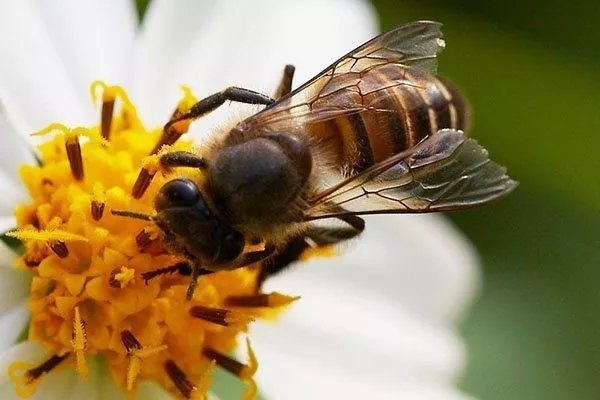
Altai
The gene pool of Altai bees is a mixed bag—it's a blend of nearly every breed that inhabited the USSR. Moreover, this population has accumulated all the negative traits of its predecessors—the insects are characterized by weakness, illness, and low frost resistance.
These bees are completely unsuitable for breeding. They are characterized by low honey production. Up to 20% of the colony dies during the winter. They are susceptible nosematosisDuring the winter they consume almost the entire honey supply.
Carpenter
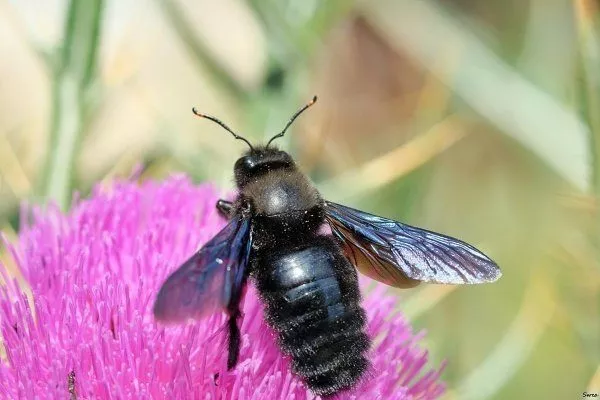
Carpenter bees resemble bumblebees in appearance. They are also known as black bees, or, more scientifically, as Xylocopia violacea. They are very ancient insects. Unlike bumblebees, they lack yellow on their bodies. Drones and queens are black, with blue wings. They collect honey in any weather. Having hairy legs, they are good pollinators.
Blue bumblebees are large, up to 3 cm in length. They are solitary insects and do not swarm. Beekeepers are attempting to domesticate carpenter bees to turn them into regular honey bees. So far, these attempts have been unsuccessful—the xylocopa does not thrive in artificial habitats.
English
This breed is considered extinct. It disappeared in the 1950s. The cause of its extinction was an infestation with tracheal mites. The tragic story of the English bees served as the impetus for breeding stronger, healthier bees resistant to this harmful mite.
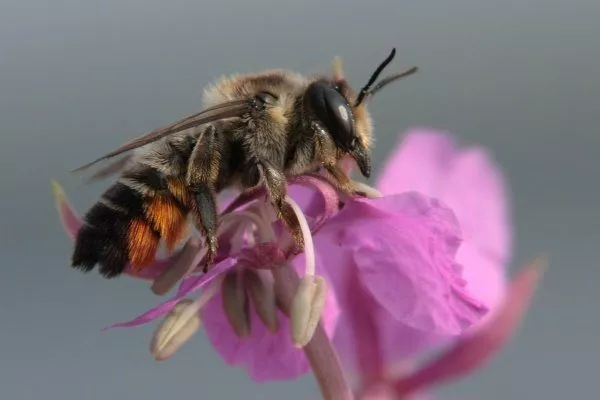
Leaf cutter
The insect is 1.1-1.2 cm long and comes in black, green, blue, and purple colors. They are known for their peaceful nature. One female produces 20-40 bees.
Breed characteristics:
- flattened body;
- large rounded abdomen;
- a long proboscis and a strong lower jaw with which they cut leaves.
This breed is bred to pollinate strategically important honey plants—alfalfa, melons, and vegetables. Leafcutters do not produce honey and are solitary. Their habitat is worldwide. They have been introduced everywhere—to Australia and Mongolia, Siberia and Africa, America, and the Far East. Their purpose is to pollinate alfalfa.
Giant
They live in the wild. Queens and worker bees are visually indistinguishable. They build honeycombs in trees or rock crevices. Queens and worker bees are 16 mm long, while drones are 18 mm long. Their color is yellowish. Honeycombs can contain 25-27 kg of honey. They are aggressive towards intruders. If disturbed, they abandon the nest forever. These are wild bees that have not been domesticated.
Himalayan
They live in mountainous regions. Their coloring is yellow and black. They build nests in trees and cliffs. They migrate with the onset of cold weather. Himalayan bee honey is collected by the natives of the Himalayan foothills; it has a unique healing composition.
Spring honey from Himalayan bees contains rhododendron pollen, a source of hallucinogenic substances.
A unique video showing a swarm of real Himalayan bees:
Prioksky
These bees are the result of crossing the Central Russian and Caucasian honeybees. They are distinguished by their peaceful nature and produce a large amount of honey. However, compared to the parent breeds, they produce 15% more brood. Almost the entire body of the insect is gray, with only a small portion being yellow.
The breed is resistant to nosema. Its disadvantage is limited frost resistance, and it does not thrive in northern latitudes. It is popular among beekeepers due to its peaceful nature and high productivity.
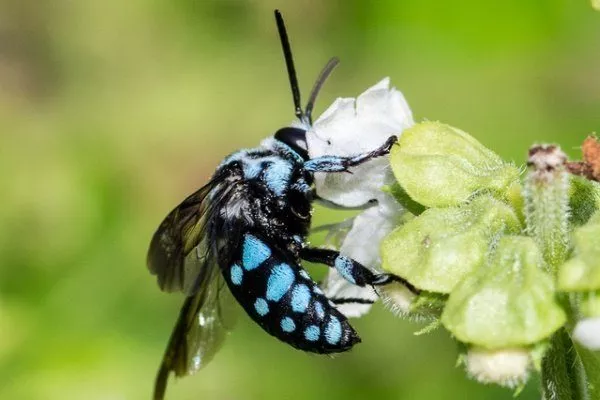
Cuckoos
A species of bee native to Southeast Asia and Australia. They are distinguished by their large size and blue-black coloration. Cuckoo bees do not build nests. They leave their young for other bees of the genus Amegillum. Cuckoo bees are known for their laziness and sluggishness, and they do not collect pollen.
Dwarf
These are the smallest representatives of the bee genus, with a body length of up to 2 mm. They can even squeeze through the mesh of a mosquito net. They are native to the United States. They like to "graze" on milkweed. They are not suitable for breeding, as they are solitary. They build nests in the ground, preferring arid areas.
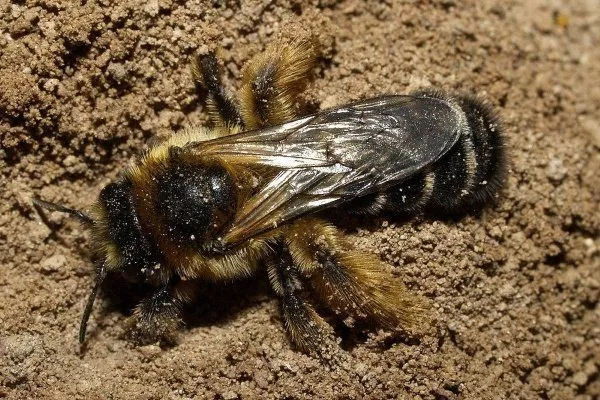
Earthen
These insects build their nests underground. Their burrows are connected to each other by tunnels. A single network can contain up to a hundred burrows. The walls of the tunnels are earthen, and the bees treat them with nectar.
The insects' bodies are covered in thick fur. They resemble bumblebees in appearance, but are smaller. Females are larger than males. Their favorite honey plant is coltsfoot flowers. They prefer sandy areas and are often found in pine forests and low mountains.
Forest
Wild bees adapted to harsh environments. They have strong immunity and winter hardiness. They are resistant to foulbrood and toxicosis. The only problem for them is wax moth. Queens lay up to 2,000 eggs per day.
Wild honey is only 50% "honey", the rest are medicinal substances that help the plant survive in harsh climatic conditions.
Forest bees produce valuable forest honey. People collect it from tree hollows. It is the most environmentally friendly honey. It is expensive and difficult to find.
A common species of forest bee is the Central Russian dark bee. They have a large honey stomach, which allows them to produce large quantities of honey. They are industrious and aggressive. Most forest honey is collected in Bashkiria, Belarus, and the Perm region. Beekeepers claim that forest bees produce fewer dead bees.
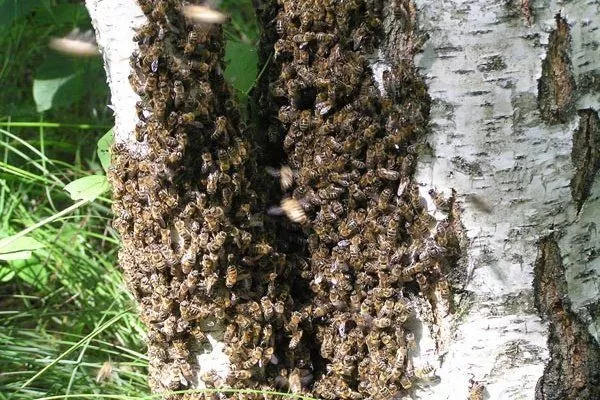
African
Large insects, completely covered in yellow fur. The dark stripes are lighter than those of other species. They carry a toxic venom.
Distinctive features:
- increased vitality;
- high level of aggression;
- easily adapts to any weather;
- productive – can produce three times more honey than ordinary bees.
African bees They can pursue an offender for up to 500 meters. Their vibrations and movements are particularly irritating. It takes an African honeybee 8 hours to calm down after being irritated, while a European honeybee only needs 1-2 hours.
They are called killer bees. They are capable of attacking in swarms. They are the most aggressive bee species and are not used in beekeeping.
In Russia, many productive bee breeds are raised, forming the basis of a profitable business. In the central region, the most profitable breeding is purebred Central Russian and Carpathian bees.