
Mushrooms that can be eaten without risk of poisoning are called edible. They grow in abundance in natural environments (forests, fields, meadows), and they are always in demand and popular. But how many types of mushrooms do you know? Perhaps there are some you simply don't recognize because you're unfamiliar with them. Want to expand your knowledge? Read on.
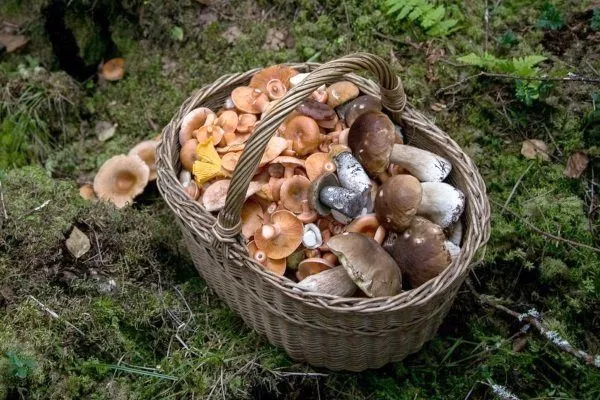
Common edible mushrooms
These include mushrooms, which we learn about as children, and mushrooms that city dwellers know and comfortably pick or buy from mushroom pickers.
| Name of the mushroom | Cap color | Cap diameter, cm | Leg height, cm | Collection time |
|---|---|---|---|---|
| White mushroom | Light brown to yellowish brown | Up to 30 | Up to 20 | July - October |
| Aspen mushroom | Red, orange, grayish-brown | 5-25 | Up to 10 | June - September |
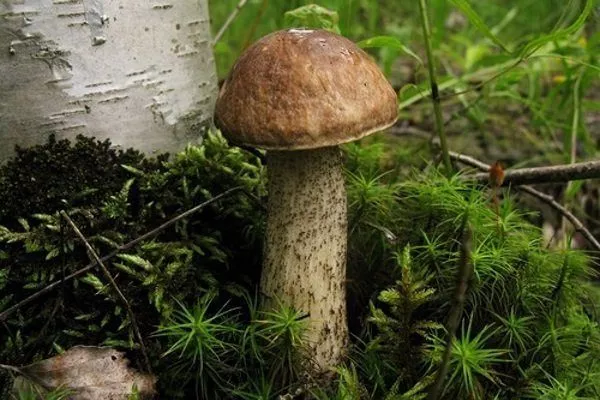
| Birch boletus | Gray, from light to dark grayish-brown | 3-5 | Up to 15 | July - September |
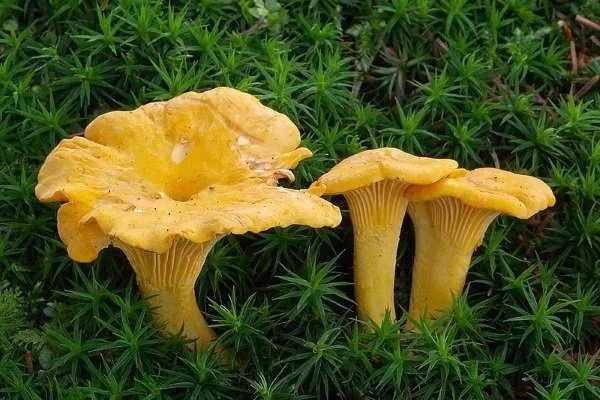
| The fox is real | Bright yellow | — | — | June - October |
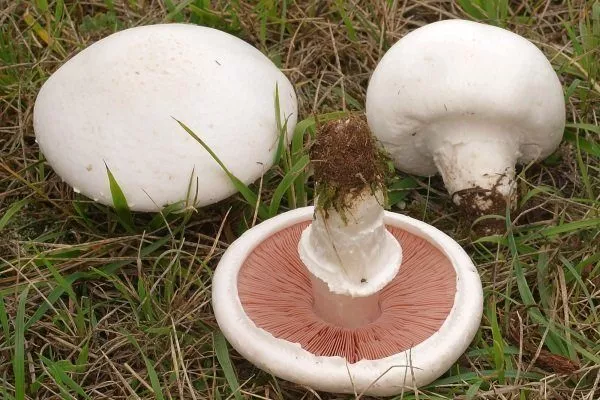
| Champignons | White, grayish, light | 2-15 | — | — |
White mushroom (boletus)
Boletus – the king of the forest. A first-class mushroom. It grows in coniferous, deciduous, and mixed-conifer forests. They can be found singly, proudly rising above the ground. But often, several others grow alongside one.
- ✓ No wormholes
- ✓ Dense flesh without signs of rot
- ✓ Characteristic odor for the species
- ✓ No unnatural spots on the cap and stem
The mushroom is dense and firm. It can be quite large. The cap often reaches a diameter of thirty centimeters. The cap color ranges from light brown to yellowish brown. The stem is thick and dense. This mushroom grows up to twenty centimeters in height (sometimes a little more). A distinctive feature of a true porcini mushroom is the white flesh of the stem (not a pinkish tint). It does not have a bitter taste (which is typical of false porcini mushrooms).
The mushroom retains its aroma and flavor no matter how it's cooked. Therefore, it can be boiled, fried, salted, pickled, or dried. It doesn't turn black when dried, unlike many other mushrooms.
The varieties of porcini mushrooms depend on their growing location:
- Birch – distinguished by its light-brown, ochre-colored, or almost white cap. It grows in birch forests from early July to late September.
- Oak – has a longer stem and a grayish-brown cap. The flesh is loose. It grows in oak groves from July to October.
- Pine (pine forest) The cap is dark (brown or almost black). The stem is short and thick. It grows in pine forests from July to the end of August.
- Spruce The cap is brown, reddish-brown, or chestnut-brown. Compared to other porcini mushrooms, it has a longer stem. This mushroom can be found among spruce forests from late July to late September.
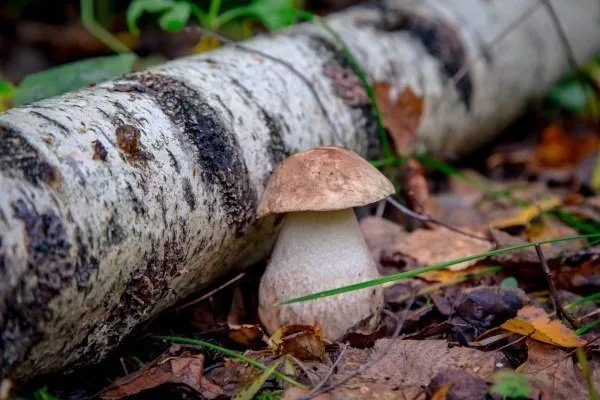
Birch boletus
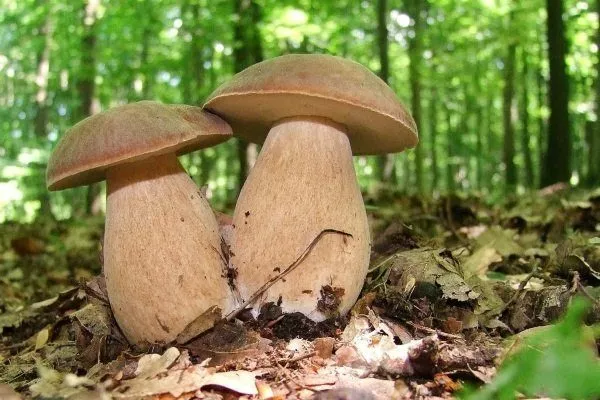
Oak boletus mushroom
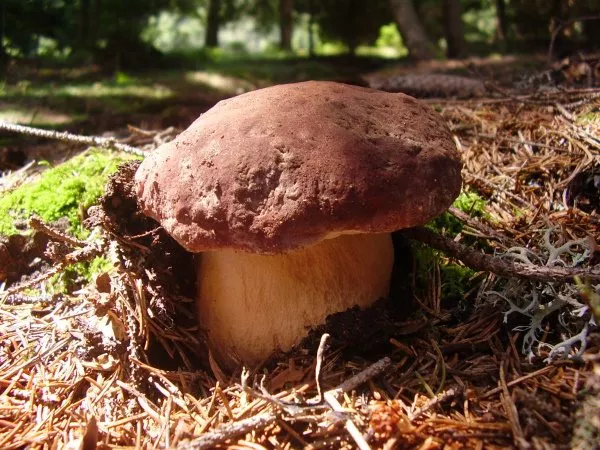
Pine boletus
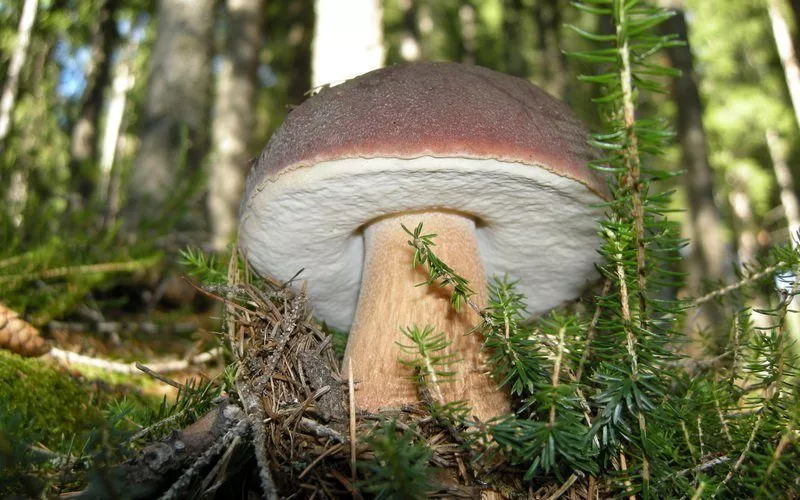
Spruce boletus
If you decide to grow mushrooms on a farm, you will find this useful This article.
Aspen mushroom
A second-category edible mushroom. It grows in deciduous or mixed forests, where aspen trees are a must. It has a distinctive cap, which typically features reddish hues: it can be red, orange, or, less commonly, grayish-brown. The stem is firm. When cut, it has white flesh that initially turns pink when exposed to light, gradually turning greenish-black. These mushrooms grow in clusters, and several other very small mushrooms can usually be found around the central mushroom.
Mushrooms are especially tasty when salted or pickled, but they can also be dried, fried, or boiled.
Varieties of aspen mushrooms:
- Red The cap is orange, red-orange, or brick-red. The diameter starts from five centimeters, and the largest "obabkas" can reach twenty-five centimeters. The surface is smooth, slightly velvety. The inner surface of the cap is finely porous and devoid of gills. The stem is up to ten centimeters long. The flesh is dense. The thickness is three to five centimeters. The larger the mushroom, the taller it is. The largest specimens reach thirty centimeters.
- Yellow-brown (also known as red-brown). It grows in mixed coniferous forests (where aspen trees are always present) from mid-June to mid-September. Its distinctive feature is the color of its cap, which can be yellowish, yellow-orange, or reddish-brown. Otherwise, it has the same properties and characteristics as the common aspen mushroom.
- White – a very rare species, therefore listed in the Red Book. From July to early October (if you're lucky), you can find it in coniferous, deciduous, and mixed forests.
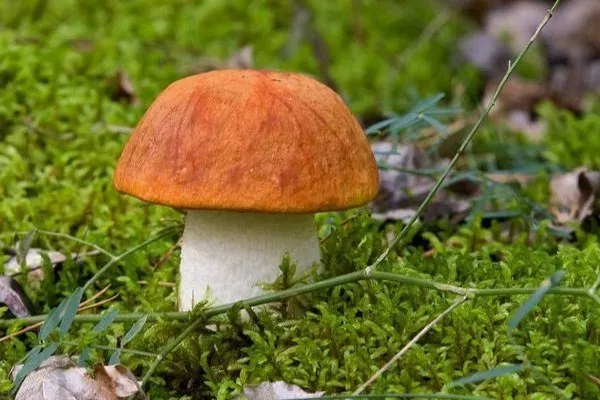
Red aspen mushroom
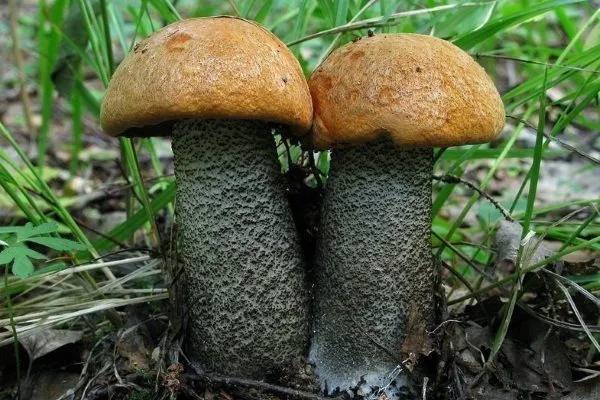
Yellow-brown aspen mushroom
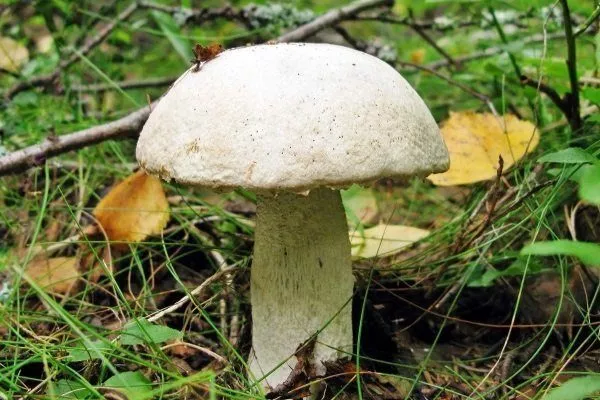
White aspen mushroom
It has an interesting cap color—a soft, light cream. The cap itself is fleshy and dense, five to ten centimeters in diameter. It is distinguished by a concave inner surface. The stem is narrow, long, and thickened at the base. It turns blue when cut.
Common birch bolete
It grows in mixed coniferous and deciduous forests, preferring large numbers of birch trees. It is, of course, most common in birch groves. During warm summers and abundant rainfall, harvesting can begin from July to the end of September.
It has a smooth cap that comes in a variety of shades of gray (from light to dark grayish-brown). The cap diameter is three to five centimeters. Young mushrooms have a small, hemispherical cap, but as the mushroom matures, the cap becomes large and quite fleshy.
The stem is long and covered with small, dark-gray scales. It reaches up to fifteen centimeters in height. The flesh is light—cream or grayish.
It has a false, inedible lookalike—the bitter birch bolete (false birch bolete). Unlike the true birch bolete, it is never worm-eaten. The mushroom is nonpoisonous, but very bitter.
The fox is real
Chanterelles They grow in coniferous, mixed, and deciduous forests, near trees and among moss and fallen leaves. Typically, not just one mushroom grows, but an entire "fox-like glade." Fruiting occurs from late June to October. The cap is flat, with a jagged edge, gradually becoming funnel-shaped. The color is most often bright yellow, but depending on the soil composition and the age of the mushroom, it can be paler.
The stem is slightly curved and cylindrical. Often, two mushrooms grow from a single base.
Mushrooms are fried, salted, and marinated.
It can be confused with the false chanterelle, which is edible but not as aromatic and tasty.
Champignons
Mushrooms are known to every city dweller, as they are sold in every grocery store in winter.
In the wild, it prefers to grow in fertile, humus-rich soils. These are most often found in open spaces (not dense forests). It can be found in fields, abandoned vegetable gardens, meadows, and near farms and barnyards. The mushroom's mycelium is resilient and can grow in the same place for decades.
Distinguishing features. The mushroom cap ranges from two to three centimeters in diameter. Initially spherical, it gradually expands into an umbrella-shaped form. The cap's color ranges from white to light gray. The surface of the cap is silky-satin. The gills are light pink, or dirty pink in older mushrooms. It is the pink gills that distinguish the champignon from the death cap, which always has pure white gills.
The mushroom stem is long and dense, with a ring of flesh right in the middle. Fresh champignons have a subtle iodine aroma. The flesh is firm, white, and slightly pinkish when cut.
Both farmers and amateur gardeners cultivate champignons. No special growing conditions are required. Simply purchase the mycelium or mushroom spores, prepare the soil, and provide some care. They are widely used in cooking.
Honey mushrooms
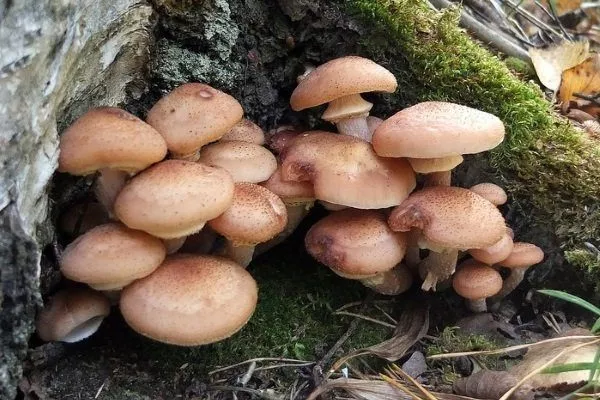
Honey mushrooms They got their name from their habitat. They grow exclusively on stumps and tree roots protruding from the ground. There are over thirty species of honey mushrooms, but mushroom pickers typically encounter summer, winter, autumn, and meadow varieties. These are tasty and healthy mushrooms. They vary slightly, but share common features.
Young honey mushrooms have semicircular caps that become almost flat as they grow. The caps are muted in color, ranging from yellowish with a honey tint to tawny brown. Sometimes the caps have small scales on top. The gills are light cream.
False honey mushrooms can be distinguished from real ones by their bright, even flashy caps: they are yellow, red-brick.
The stem is long and hollow, reaching fifteen centimeters in height. Another important difference between true honey mushrooms of all types and false (poisonous) specimens is the leathery ring on the stem. True honey mushrooms have a pleasant aroma, while false ones have a heavy, earthy odor. You can also test for "falseness" by placing a cut mushroom in water. A poisonous specimen will immediately turn blue or black.
Like champignons, honey mushrooms are successfully grown in gardens, vegetable gardens, and on mushroom farms.
Butter dish
Butter mushrooms, or butter mushrooms, are common in coniferous and mixed-deciduous forests. They prefer to grow in small, bright clearings. They often grow in groups of several. They grow throughout the summer until October.
They have a smooth, oily cap. The skin is easily removed when cleaning the mushroom. In young mushrooms, it is slippery and sticky. The cap color varies from light brown ochre to chocolate brown. The color depends on the type of forest where it grows, the lighting conditions, and the type of boletus.
The mushroom's flesh is soft, dense, and porous. Its color ranges from light to dark yellow. The tubular layer is covered with a white film. As the mushroom grows, this film breaks and hangs in flakes. The butter mushroom "ages" very quickly, becoming dark and wrinkled. It is the mushroom most often attacked by worms.
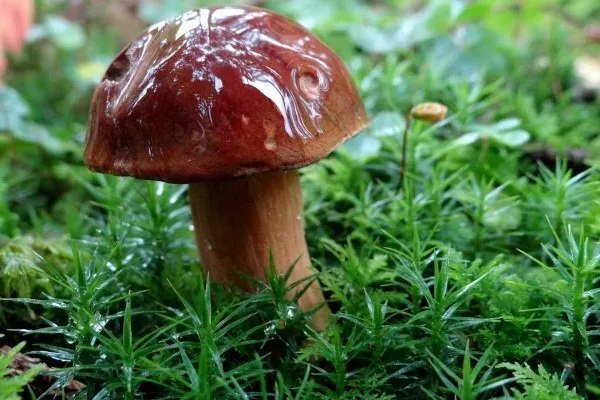
Milk mushroom
Popularly considered the "king of pickling," it grows in deciduous and mixed-coniferous forests where birch trees grow. It is short, with a stem no more than five to six centimeters tall. Its color is white or yellowish. The cap curls inward at the edge. The flesh is white and slightly bitter.
Milk mushrooms are salted, but before salting they must be soaked or boiled.
Types of milk mushrooms:
- Yellow – grows in birch groves and mixed forests from July to September. It has a large, yellow cap, slightly curved downwards. The stem is short, no more than five centimeters long and no more than three centimeters thick.
- Blueing – found in deciduous and coniferous forests. The cap is yellowish, covered with hairs. The stem is up to seven centimeters long and hollow. The milky sap is white, turning blue when exposed to air. It is consumed only in salted form after soaking.
- Oak – grows in oak groves from July to September. It has a large yellow-orange cap. The stem is light, spotted, and hollow.
- Aspen – grows among aspen trees. The cap is dirty white. Found from July to September.
- Black (nigella) – grows in birch forests, in clearings. The cap is olive-brown, almost black. It tastes great when salted. When pickled, it turns a dark cherry color. After soaking, the mushroom can be used not only in pickles but also in soups and stir-fries.
- Pepper – grows in broadleaf forests from August to October. It has a large, light-colored cap and a short stem. The milky sap turns blue when exposed to air.
- Parchment – similar to the peppercorn, but has a longer stem, and the cap is not smooth, but slightly wrinkled. It grows from August to early October.
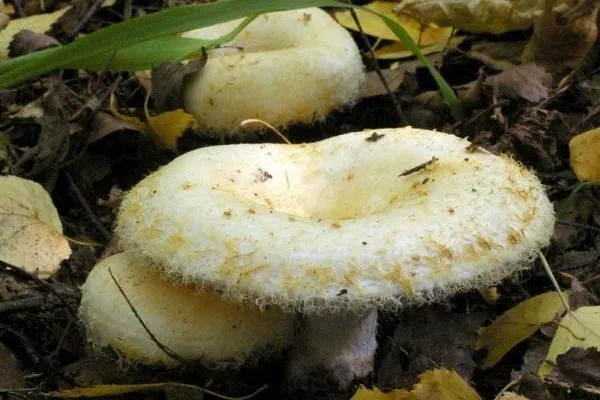
Real milk mushroom
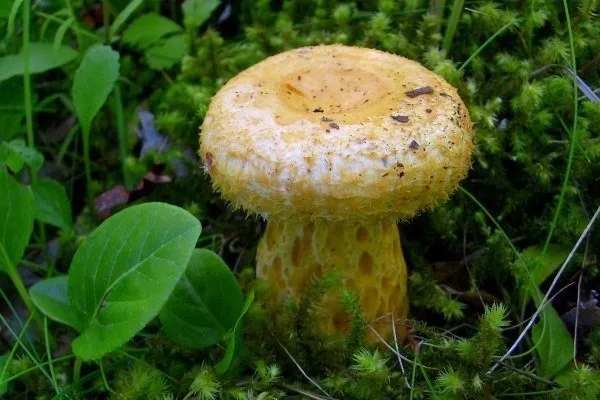
Yellow milk mushroom
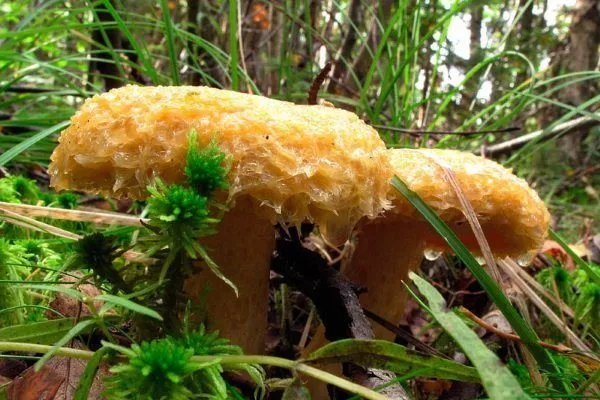
Blue milk mushroom
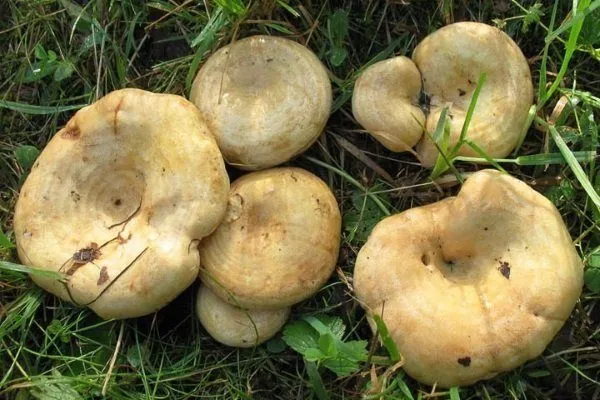
Oak milk mushroom
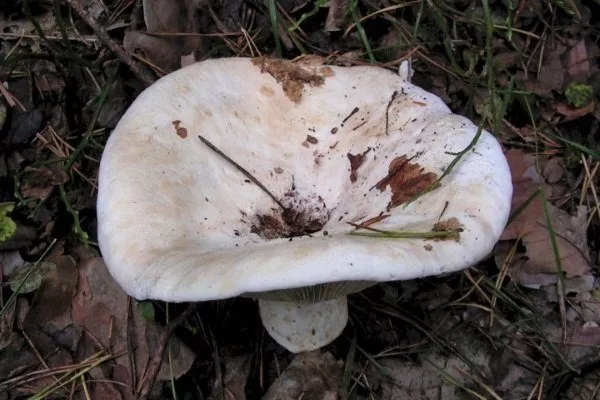
Aspen milk mushroom
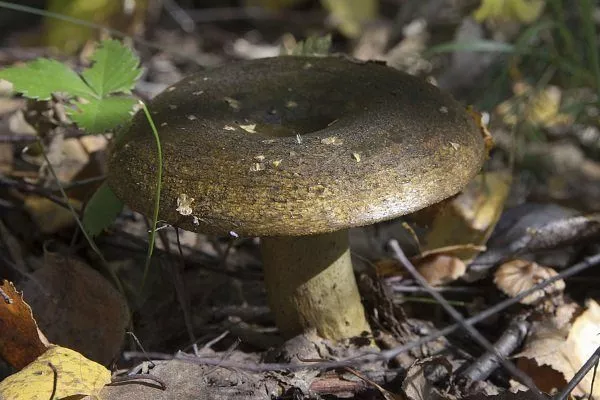
Black milk mushroom
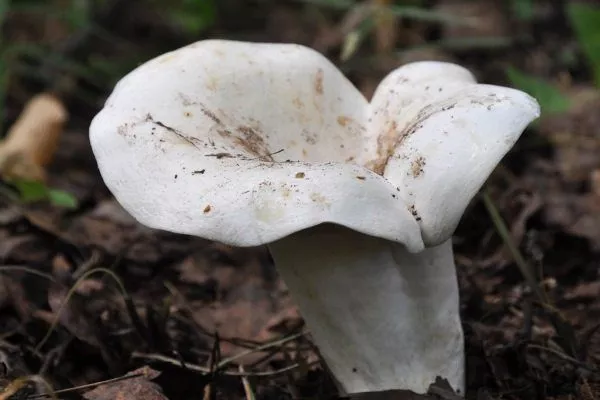
Peppery milk mushroom
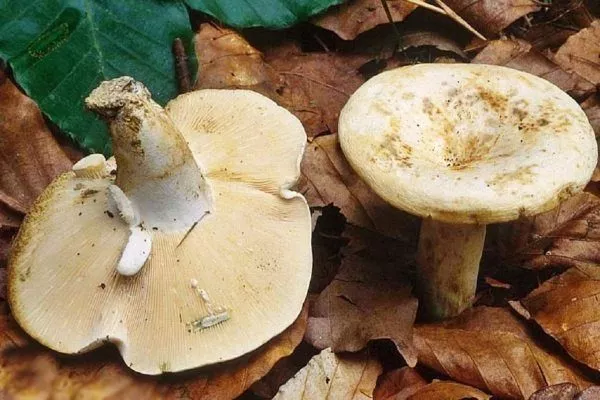
Parchment milk cap
Oyster mushrooms
They prefer old stumps and can be found among rotting trees. They grow in clusters, fused at the base, rarely growing alone. Young mushrooms are best harvested; only the caps of older specimens are edible. Harvest season is from late August to October, but they can sometimes bear fruit in spring, in May or June. Sometimes these mushrooms can even be found during thaws in winter.
They are widely grown on an industrial scale. Cultivation is simple, as they can grow on any type of substrate containing cellulose, such as sawdust, bark, old paper, and sunflower seed husks.
Oyster mushrooms have large, fleshy caps (up to twenty centimeters in diameter). There are two types of oyster mushrooms: gray and light. Light mushrooms have a whitish, light yellow, or creamy hue. Gray specimens are grayish-blue, steel-gray, or dark gray. The flesh is white. The stem is about four centimeters long, about two centimeters thick, and often curved. The mushroom is juicy, fleshy, and has a pleasant mushroom aroma.
There are many varieties of oyster mushrooms. Their appearance depends entirely on their habitat. The most well-known are:
- Autumn – can be found on stumps and trunks of deciduous trees such as maple, aspen, poplar, and linden (in autumn). They have a gray or gray-brown cap up to fifteen centimeters in diameter.
- Horn-shaped – grow from mid-May to October practically anywhere where deciduous trees are present. They can grow on stumps, dead wood, and trees. They prefer damp but warm weather. In dry summers, only a few specimens emerge.
The cap's edges are slightly wavy. Only young mushrooms are used. They are eaten boiled and fried. - Oak – found in oak groves on oak and elm stumps and trunks in July and August. They have a light-colored cap with dark scales and inverted edges. The stem, with scales, is up to five centimeters long.
They are eaten boiled and fried. They can also be freeze for preparing mushroom dishes later.
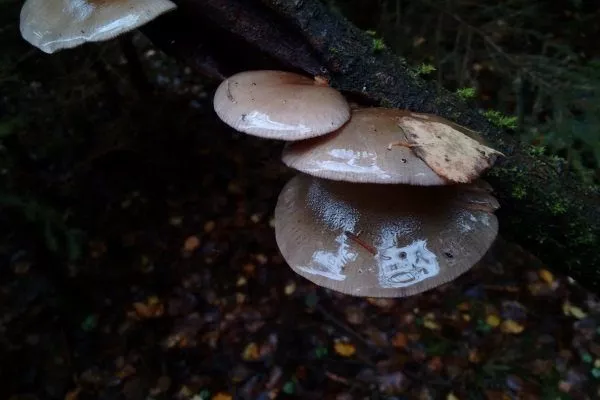
Autumn oyster mushrooms
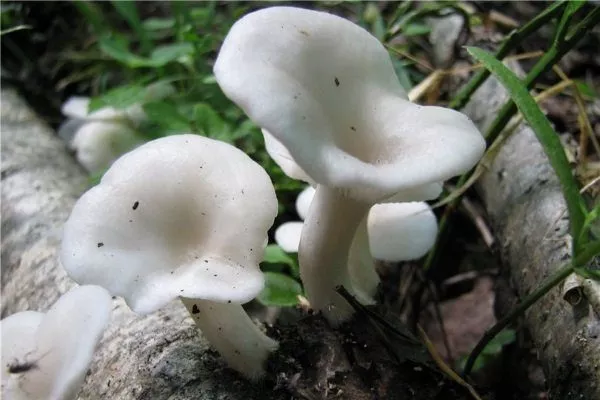
Oyster mushrooms
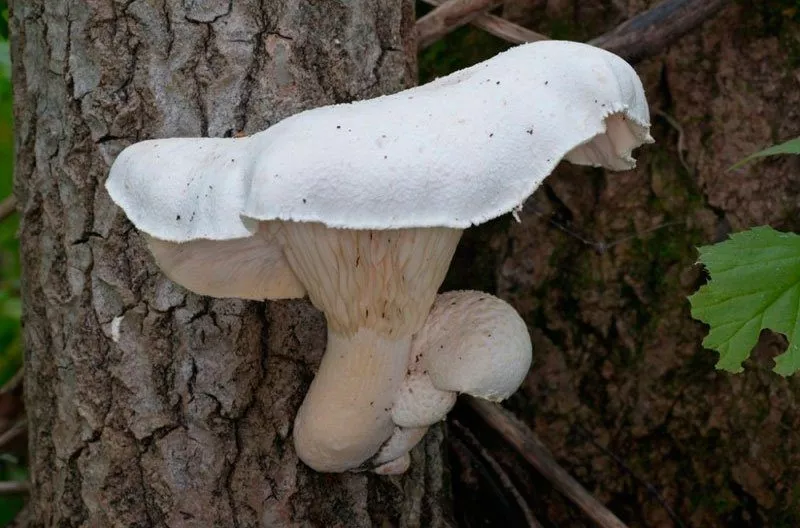
Oak oyster mushrooms
Raincoat
Raincoat Grows in deciduous forests, meadows, and clearings. It begins bearing fruit from early summer until October. It has a spherical shape that turns into a pseudostem. The color is white, brownish-brown, or gray.
Types of raincoats:
- Giant – the size of the mushroom ball can reach fifty centimeters.
- Pear-shaped – has the shape of a pear, five centimeters in height, three centimeters in diameter.
- Pearl The mushroom's head is irregular, seemingly composed of individual pearls. The mushroom's height is no more than ten centimeters.
- Umber – ocher color, covered with small needles.
- Spiky - spherical, ovoid, has long spines.
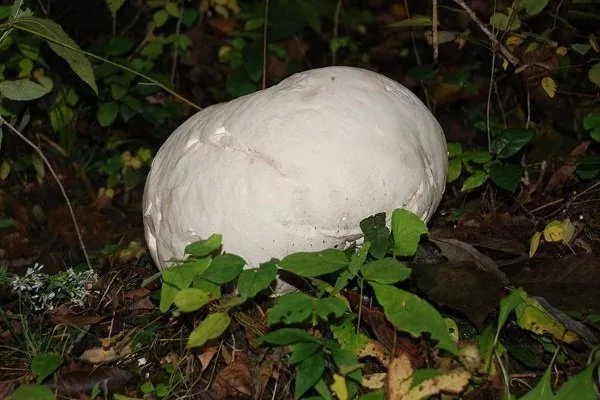
Giant puffball
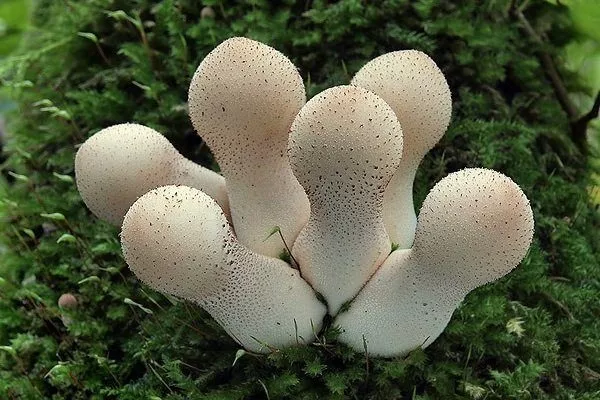
Pear-shaped puffball
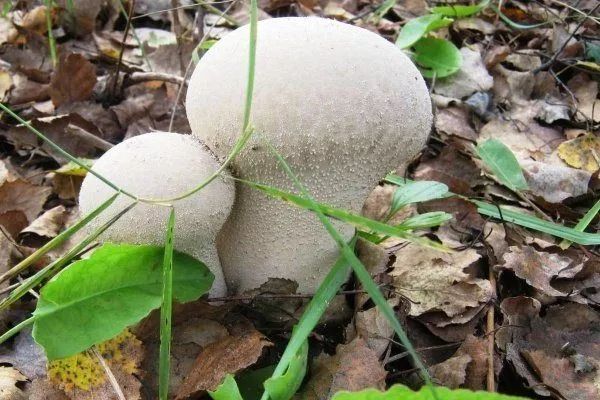
Pearl puffball
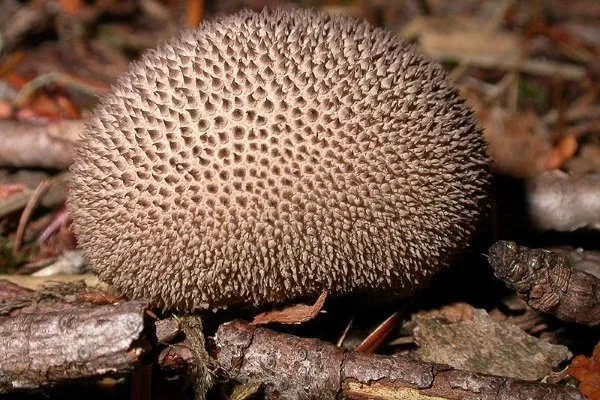
Umber puffball
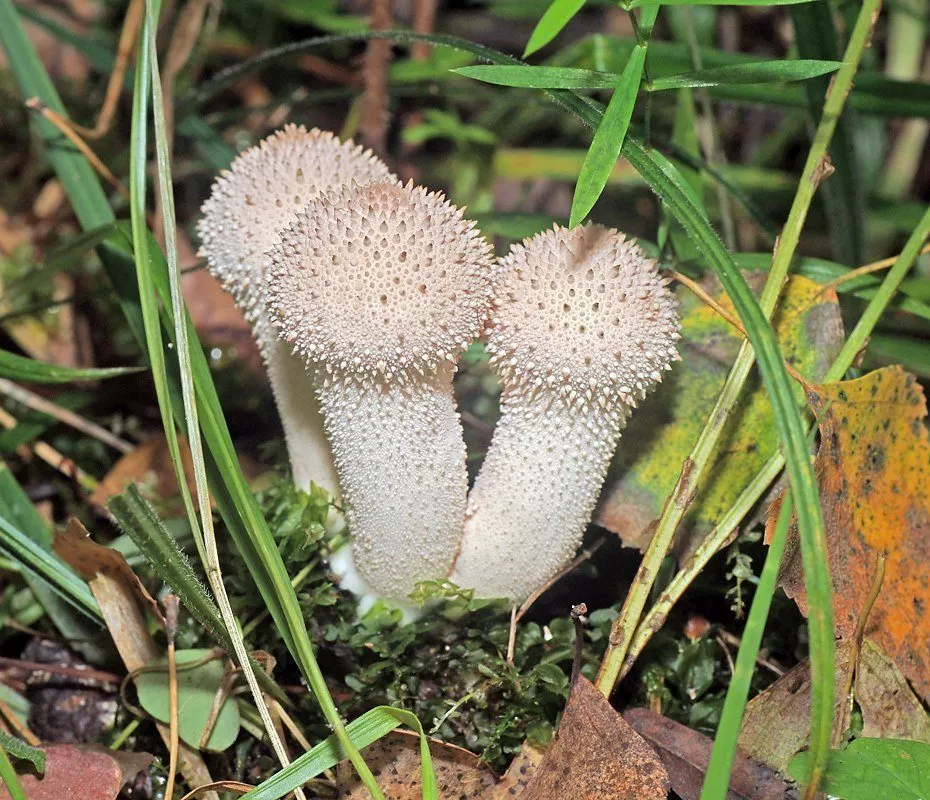
Prickly puffball
It is used boiled and can be dried.
Valuy (snot mushroom, crying mushroom, kubar)
It grows in deciduous and mixed forests, in shady and damp areas, and near streams. It grows in groups, rarely singly. It grows from early summer to late autumn.
The cap is spherical, depressed in the center. Color ranges from yellowish-brown to reddish-brown. When young, the mushroom has a slimy, lamellar cap. As the mushroom matures, the stickiness disappears. An older specimen has a dry cap.
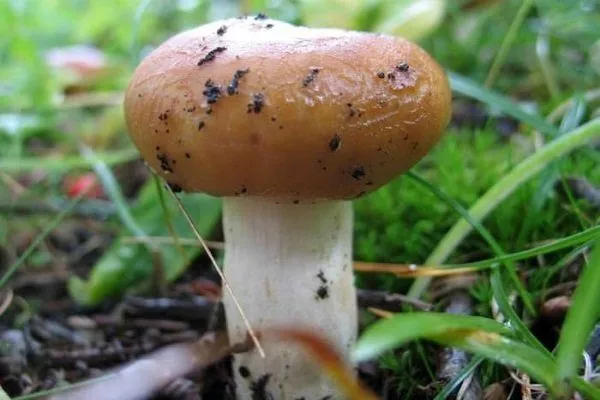
The mushroom has a pungent, bitter taste and an extremely unpleasant smell of rancid oil. To remove the bitterness, it must be boiled at least twice. In cooking, it is used salted and pickled.
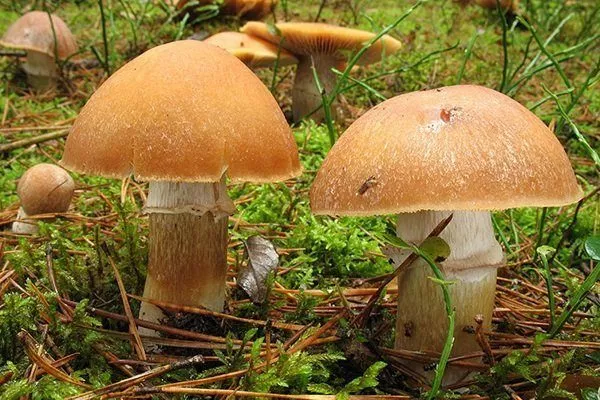
Ringed cap
A rare mushroom, it prefers peaty soils and usually grows in colonies. It can be found in the forests of Belarus, European Russia, and Ukraine.
The taste is somewhat similar to champignons.
The cap ranges from three to fifteen centimeters in diameter. When young, the cap is shaped like a hood, which opens as it grows. The color of this cap is yellowish, light brown, and dusty.
The gills on the cap have a brownish tint. These gills distinguish it from its poisonous relatives (the death cap), which has white or grayish flesh, not yellowish-brown. The mushroom's flesh has a pleasant aroma, which distinguishes it from the inedible cobweb caps. The stem is smooth, dense, and yellowish, with a double-edged mushroom ring.
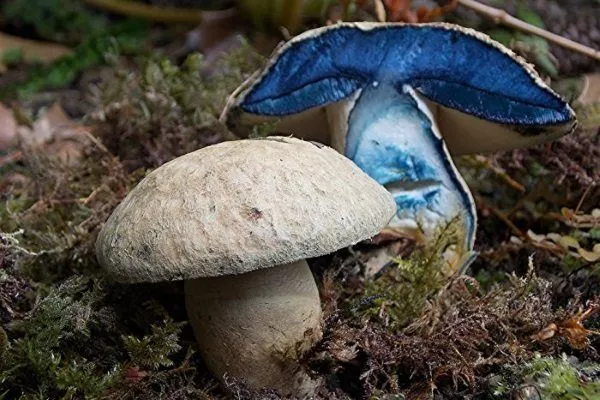
Bruise
It grows in oak and pine forests until the end of October. It has a large, round cap up to fifteen centimeters in diameter and is light brown in color. When pressed, the cap turns blue. It is consumed boiled, dried, or pickled.
Goat (lattice)
It grows in swamps and pine forests with high humidity, from August to October. It has a reddish cap up to twelve centimeters in diameter. The flesh is yellow, turning red when cut.
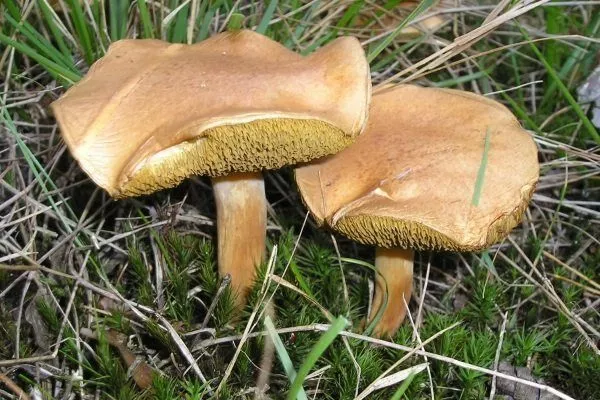
Used boiled, dried, and pickled.
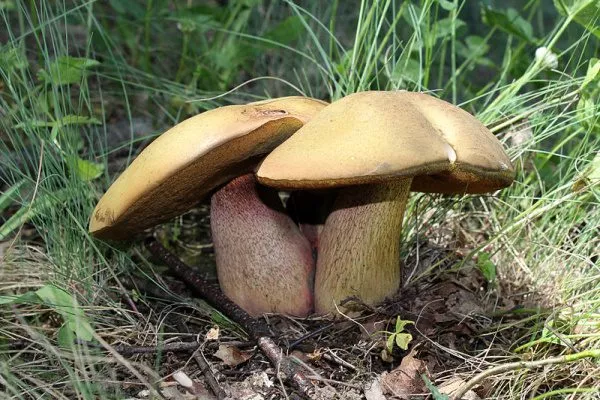
Boletus edulis (or olive-brown boletus)
Dubovik grows in the south of Russia where oak trees grow.
The mushroom cap is brown, yellowish-brown, or olive-green. The cap flesh is red-orange. The stem is yellow-orange. The flesh is yellow.
The mushroom is edible, but requires boiling in two waters for fifteen minutes. It can be used as a sauce for meat dishes. These mushrooms are delicious marinated.
Podoreshnik
It grows near oak or walnut trees, preferring moist, shady spots. It can be found near the roots of fallen trees and old stumps. This mushroom is in season from July to October.
Due to its milky juice, it has a peppery taste and a fishy smell.
The cap is reddish-brown, but lighter and darker colors are also possible. The center of the cap has a depression. The margins are curved inward.
The stem is hollow and fragile. When cut, a milky juice oozes out.
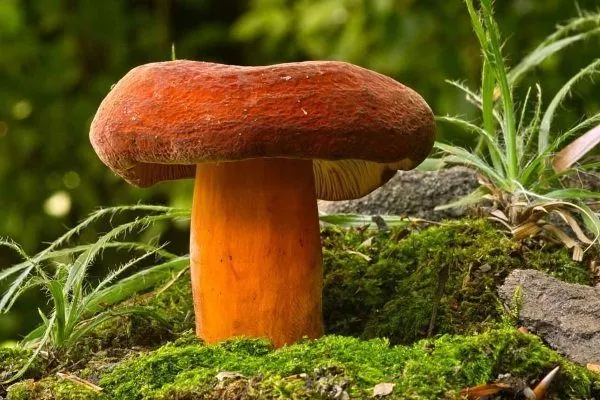
Like all milk mushrooms, the scaly-sided mushroom requires soaking. It's best to soak it in salted water, changing the water once or twice (to remove the bitterness). After this, it can be used in any culinary preparation.
Conditionally edible mushrooms
Conditionally edible mushrooms are those with a rather pungent or bitter taste that are perfectly edible after appropriate pre-treatment (soaking or boiling). These mushrooms also include those that should only be eaten when young.
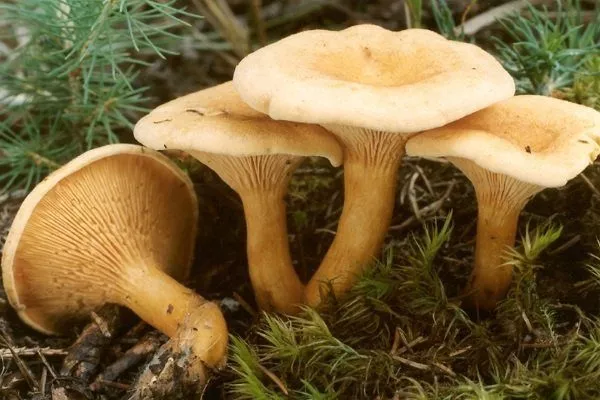
False chanterelle (or orange talker)
Despite the name "false", the mushroom is quite edible, although its taste differs from the common chanterelle.
It has a beige-orange cap that fades over time to a pale yellow (but with a bright yellow center and white edges). The gills are bright orange, closely spaced, and large. The stem is brighter in color than the cap. The flesh within the stem is firm.
Only the caps of young mushrooms are used for food. The stems are not used at all, as they are very tough and tasteless.
Volnushka
There are several varieties waves:
- White – found where birch trees grow.
The cap's edge is light-colored and fluffy. When cut, the mushroom exudes a bitter, milky juice. It should only be used after pre-boiling. - Pink – grows in deciduous, moist areas, dominated by birch trees. Entire meadows of milkweed are often found. Fruiting period: August–October.
The cap is pinkish, yellow-pink, with red speckles. Flat when young, it becomes funnel-shaped as it matures. Like the white milk cap, the edges are "hairy." The stem is hollow inside and pink. - Swamp – grows in damp places and near swamps. The cap is flat with a wavy edge and a smooth surface, sticky. The cap color is grayish, lilac, light brown, or purple with a brown tint. The center of the cap is darker than the edges. The mushroom flesh is brittle, with a pungent, pungent taste. It secretes a caustic milky juice.
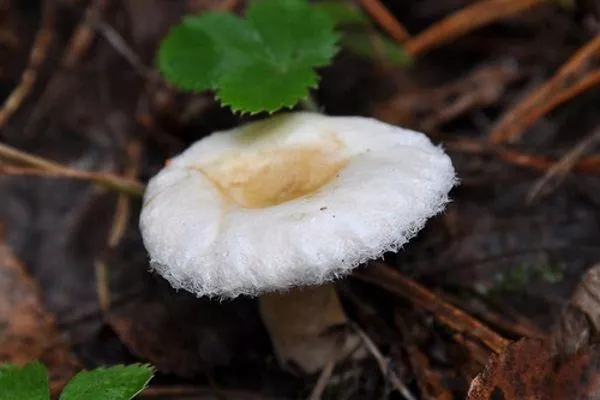
White volnushka
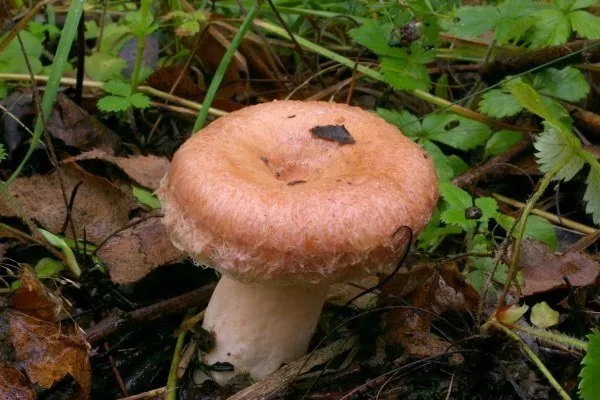
Pink volnushka
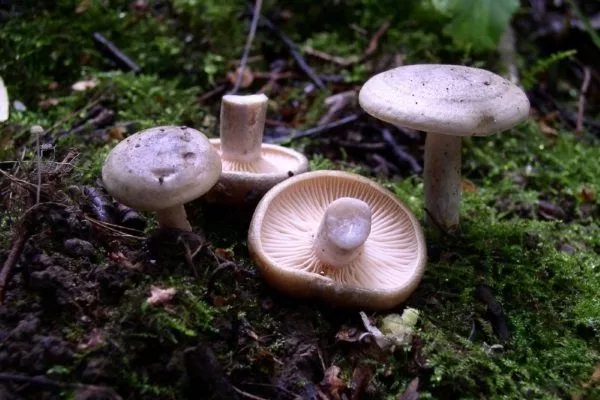
Marsh volnushka
Edible russula
There are about thirty varieties of russula. What makes these mushrooms unique is that they grow even in years with poor mushroom yields, when other mushrooms are unavailable.
All russula mushrooms are similar. They all have a dry cap that varies in color (from pink to black). The cap is initially slightly convex, but flattens over time. There is a depression in the center of the cap. All russula mushrooms have a distinctive pungent flavor, which disappears after boiling. The stem is round, hollow, and white.
The most common types of russula:
- Golden – grows on the edges of mossy bogs. It has a bright yellow cap.
- Blue (blue) – has cap shades from blue to blue-purple, blue-green.
- Green russula – has a bluish-greenish cap with brown spots.
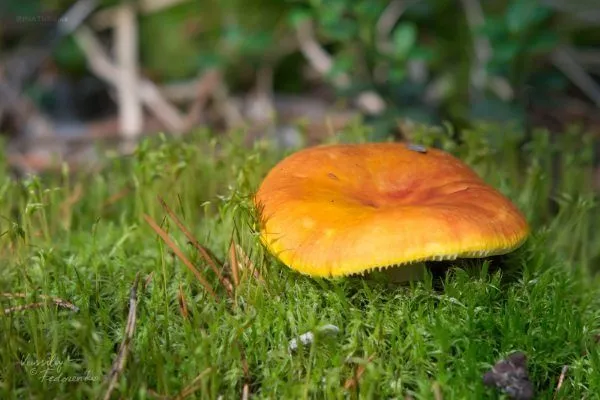
Russula aurea
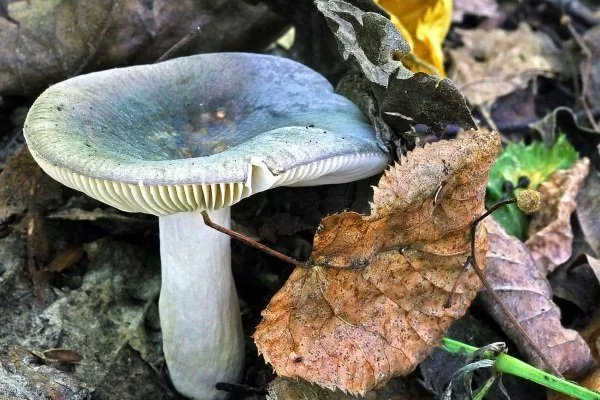
Blue russula
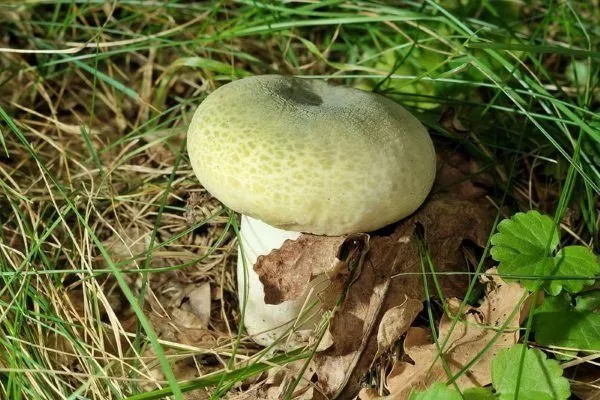
Green russula
Morel
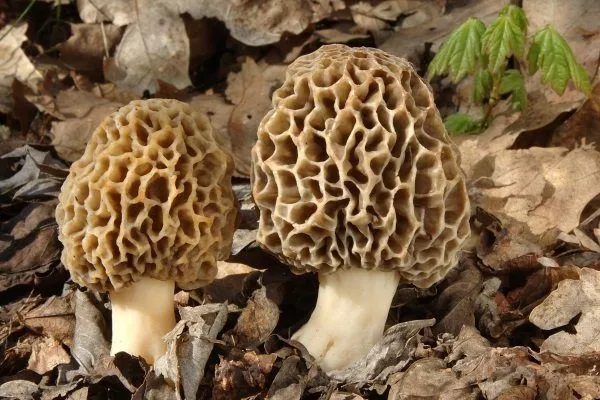
A mushroom with an unusual cap. It is very light in weight, as it is hollow inside. The cap is shaped like an elongated, wrinkled cap. The cap color ranges from yellowish-brown to dark gray. The stem is cylindrical, almost fused with the cap. The stem of young mushrooms is white, while that of older specimens is yellowish.
Only young morels are used for food. Old and overgrown morels tend to accumulate harmful and toxic substances, which poses a health risk.
Little-known, but quite edible mushrooms
This type of mushroom is less common, is not very popular, and mushroom pickers often simply do not notice it.
Polish mushroom
It has a wide cap up to fifteen centimeters in diameter. The flesh of the cap is yellow, turning blue where cut, and then brown. The stem is light brown and up to three centimeters thick.
This mushroom is consumed boiled, dried and pickled.
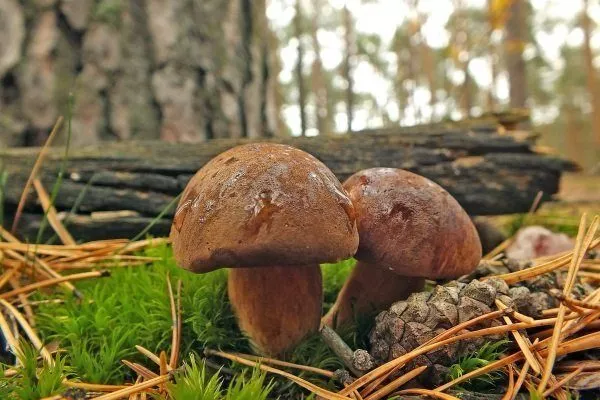
Garlic
It's found on fallen tree trunks, stumps, and near anthills. It can also be found in fields on last year's compacted grass. It belongs to the Trichophyceae family and grows in colonies.
The mushroom is small, with a cap no more than three centimeters long and a tubercle at the base. It is creamy brown in color. The flesh is thin and lamellar, releasing a garlicky aroma when crushed.
The stem is thin. The color is brownish-red.
The mushroom can be boiled or fried. It also retains its flavor well when dried. Frozen, it tastes just like fresh.
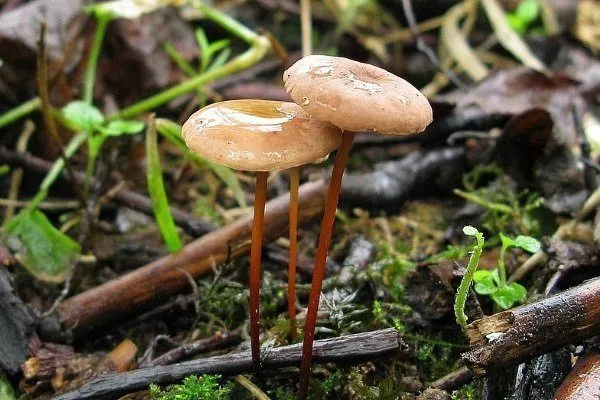
You can grow this mushroom in your garden. Dig up the mycelium with a generous amount of soil and transfer it to a garden bed. Add some champignon planting mix and water. The mushroom takes root fairly quickly and produces fruit well.
Scaly cap
Found in deciduous (and occasionally coniferous) forests. It can grow on stumps, fallen trees, and around trunks. These mushrooms grow in clusters, like honey mushrooms.
The caps are spherical, ten to twelve centimeters in diameter. The cap is pale yellow, turning brownish-brown as it matures. A distinctive feature of the mushroom are the triangular scales, which are arranged like needles across the entire surface.
The stem is dense, up to ten centimeters tall, and bears a mushroom ring. The flesh is firm and becomes very tough with age.
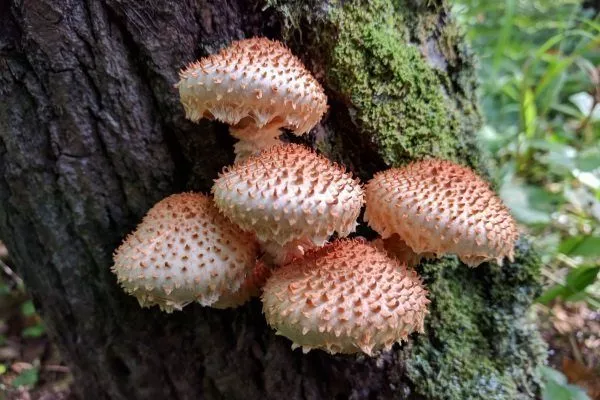
The mushroom is edible, but it's best to pick it before it becomes overgrown. Also, avoid eating the stems.
The list is long, but it's far from all the edible mushrooms that exist. Explore mushrooms, expand your mushroom horizons, and join the "silent hunt" crowd.
"Pine boletus" - pictured is a pink boletus, "common oak boletus" - pictured is a false white mushroom (satanic mushroom). Thanks for the effort, but I wouldn't trust such authors.
Thank you for your attention to this article and for the error we found! We've checked the photo and corrected both issues.