
Freezing mushrooms is an easy and quick way to prepare semi-finished products that can then be used in various dishes. However, not everyone knows that this process can be done not only with fresh oyster mushrooms, but also with boiled and even fried ones. Of course, for freezing in any form, mushrooms must be properly prepared.
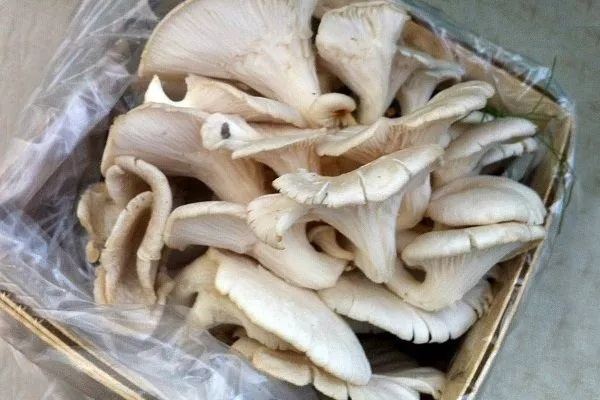
What are the benefits of freezing?
Freezing is the most popular method for preserving mushrooms. This method preserves their original flavor and aroma. Raw frozen mushrooms of this type can be stored for about a year, while boiled or fried mushrooms can be stored for 6-7 months. These preserved mushrooms can be used to make any dish, from soups to pizza.
Freezing is also considered the fastest method, since, for example, canning oyster mushrooms takes much more time and effort.
Frozen mushrooms retain most of the vitamins and minerals found in fresh ones, while canning removes about 40% of their beneficial nutrients.
It's also very convenient that you can freeze the portion needed for a single meal, whereas canning mushrooms often makes it impossible to calculate the required quantity, leaving you with excess mushrooms. Frozen mushrooms are safe to eat, even for children, while canned mushrooms can be dangerous for them.
How to choose oyster mushrooms for freezing?
For frozen preserves, it's important to carefully select mushrooms. When purchasing or picking mushrooms yourself in the forest, pay attention to the appearance of each mushroom:
- Oyster mushroom caps should not have any yellow spots or any damage.
- Avoid mushrooms with a strong, unpleasant odor. They are not suitable for freezing or eating directly.
- There shouldn't be any cracks on the caps. This indicates they're not fresh.
- When purchasing, look for mushrooms with very short or almost no stems. When picking mushrooms yourself, cut them off at the cap, as oyster mushroom stems are usually tasteless and tough.
- A mushroom's cap is too large, indicating it's old. These mushrooms aren't as nutritious and usually taste unappetizing. Young oyster mushrooms, on the other hand, contain numerous vitamins, minerals, micro- and macroelements, and are soft and delicious.
- All mushrooms should be a uniform grey-blue colour.
Freezing
Fresh oyster mushrooms
If you decide to freeze this type of mushroom, but want to do so within a few days of purchasing or picking, temporarily place the unwashed and uncut mushrooms in the refrigerator. Once you're ready to freeze them, check each mushroom again to ensure they're not rotted or damaged.
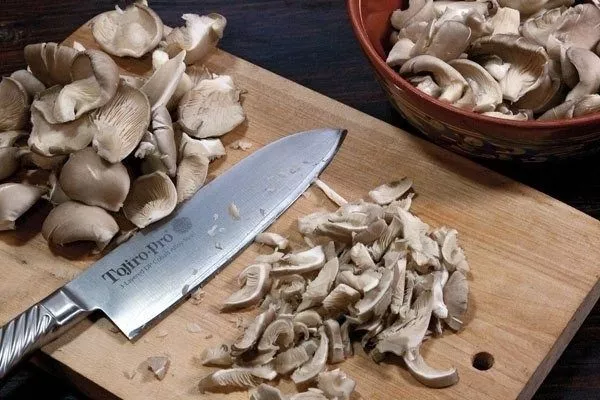
Rinse the oyster mushrooms with cool water and place them on a paper towel to drain. Then cut the mushrooms into small pieces or slices and place them again on a napkin or towel in an even layer to dry.
Transfer the oyster mushrooms to a board or tray and place them in the freezer at -18°C (-18°F) for four hours. This is to prevent the mushrooms from sticking together into a solid layer. Then, transfer them to bags or a container and place them in the freezer.
Boiled
You can also freeze cooked oyster mushrooms. To prepare them, you'll need:
- 2 kilograms of oyster mushrooms;
- 2 tablespoons of salt;
- 5 bay leaves;
- half a teaspoon of citric acid;
- black pepper – 4 peas.
Quality control before freezing
- ✓ Check for absence of condensation in the packaging.
- ✓ Labeling indicating the date and type of processing (raw/boiled/fried).
- ✓ Tightness of containers or bags (vacuum sealing is preferred).
Bring a saucepan of water to a boil. Add the peeled and sliced mushrooms. Let them simmer for another 15 minutes, then add all the spices. Stir and let them simmer for another 15 minutes. When the mushrooms settle to the bottom of the saucepan, remove them from the heat and place them in a colander.
Be sure to let them drain completely. It's best to place them on a wooden cutting board. Then, transfer the oyster mushrooms to a tray lined with parchment paper or plastic wrap. Freeze them for 3 hours. Once frozen, divide the mushrooms into portions of your desired size, place them in bags or plastic containers, and freeze.
Fried oyster mushrooms
To freeze fried oyster mushrooms, they must be prepared correctly:
- Clean the oyster mushrooms, wash them well and cut into pieces (use about 2 kg).
- Heat a frying pan, previously greased with sunflower oil.
- Place the oyster mushrooms on a hot frying pan.
- Add salt and fry until all the water has evaporated from the mushrooms.
- Let the oyster mushrooms cool, then portion them into plastic containers. Place in the freezer.
You can see how to properly prepare mushrooms and freeze them in the following video:
Freezing rules
Mushrooms retain all their beneficial properties when frozen if done correctly:
- It's important to understand that mushrooms cannot be re-frozen, so they should be frozen in portions initially. That way, if you need to prepare a dish with oyster mushrooms, you can take the amount you need and defrost it right away.
- Mushrooms should be frozen in a freezer at -18 degrees.
- When freezing, write the freezing date on the bag or container, and in what form the mushrooms were frozen (fried, boiled, raw).
Shelf life of oyster mushrooms at -18°C
| Type of processing | Maximum term (months) | Optimal packaging |
|---|---|---|
| Raw | 12 | Vacuum bags |
| Boiled | 7 | Plastic containers |
| Fried | 6 | Glass jars with lids |
How to defrost oyster mushrooms?
The most beneficial method is slow defrosting. It takes longer, but preserves all the beneficial properties of the mushrooms.
To do this, transfer the mushrooms to the refrigerator for about 12 hours. Once completely defrosted, place them in a colander with a bowl underneath to catch any excess water.
Remember, defrosted mushrooms should not be refrigerated; they must be cooked immediately. Otherwise, dangerous bacteria will develop, and you risk food poisoning.
You can defrost oyster mushrooms in the microwave using the auto-defrost mode, but this method is not as useful.
If you clean uncooked mushrooms well before freezing, you can simply place them in boiling water and cook.
Freezing oyster mushrooms is quite simple; no special equipment or recipes are required. This method allows you to eat mushrooms any time of year, while preserving their beneficial nutrients and vitamins.