
Garden strawberries with large, sweet berries have long been popular among gardeners. These varieties not only produce a bountiful harvest but also boast attractive berries, making them equally valuable for personal consumption and for sale. However, each variety has its own characteristics that are important to consider before planting.
Features of large-fruited strawberry varieties
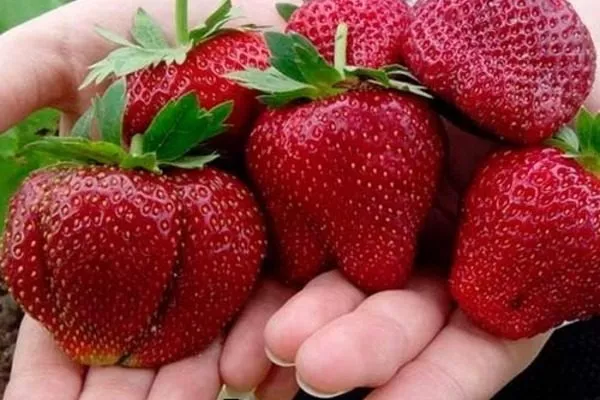
Large-fruited garden strawberry varieties are characterized by particularly large and fleshy berries. These varieties are prized for their high yield and attractive marketable appearance.
Zenga-zengan
The bushes are compact, upright, with dark green, rounded, medium-sized leaves and characteristic serrations along the edges.
Main characteristics:
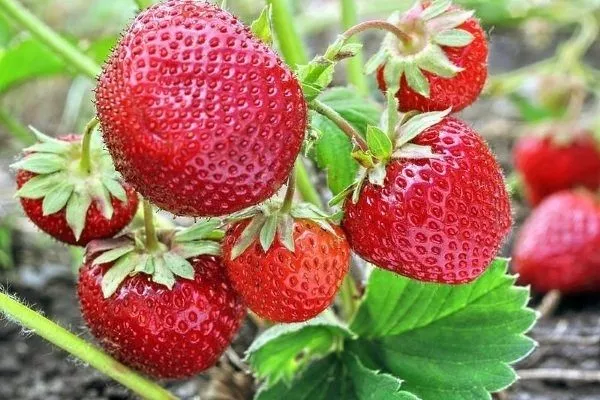
- the average weight of the fruit is about 10 g, the first harvests produce larger berries weighing 30-40 g;
- shape – broadly conical, angular, without a distinct neck;
- the peel is bright red or dark red with a characteristic shine;
- the pulp is dense, juicy and uniform, with deeply set seeds;
- the taste is sweet and sour.
Zenga-zengan This late-ripening variety blooms in late May, and the first fruits appear in June. A single bush can yield 30 to 50 berries. Yields range from 0.5 kg for a small bush to 1-1.5 kg for a more mature plant.
Kimberly
Forms squat bushes with erect shoots densely covered with medium-sized, light green leaves. They form vigorous runners.
Peculiarities:
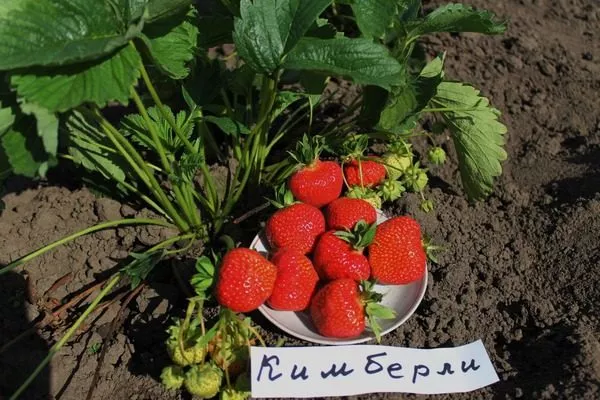
- At the stage of biological maturity, the cone-shaped berries reach 50-60 g, acquire a bright red color with a glossy skin and juicy flesh without voids.
- The taste is sweet with light caramel notes.
- Peak fruiting of the variety Kimberly occurs in the 2-3 year of development: up to 2 kg of berries can be collected from one bush.
Marishka
A characteristic feature is its compact, low-growing, yet vigorous bushes with dense green foliage. The leaf blades are small, neat, and glossy.
Distinctive features:
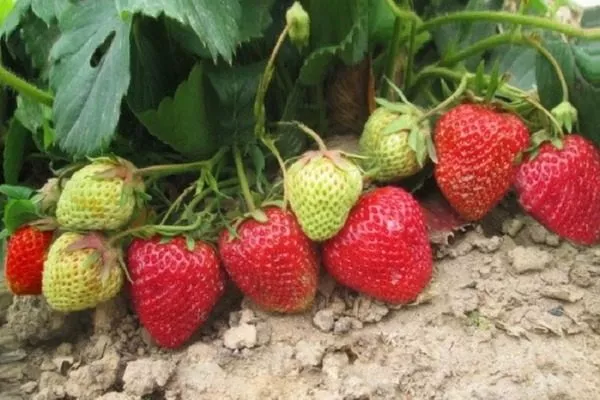
- Ripe berries are a rich red color with a smooth, glossy surface. Some fruits may have a burgundy hue.
- The berries are large, cylindrical, with a slightly flattened base, sometimes widening toward the bottom. The fruit weighs 45-50 g, and its appearance varies depending on climate conditions.
- The pulp is juicy, aromatic, and moderately firm, without crunch. The surface of the berries is covered with yellow-green seeds.
This is a mid-season variety. Fruiting begins around the second ten days of June, with the berries ripening slightly earlier in southern regions. This variety is highly productive: up to 500 g of berries can be harvested from a single bush.
Tsarskoye Selo
Characterized by medium-sized, moderately spreading bushes with dense foliage. The leaves are large, matte, and a rich dark green.
Botanical description:
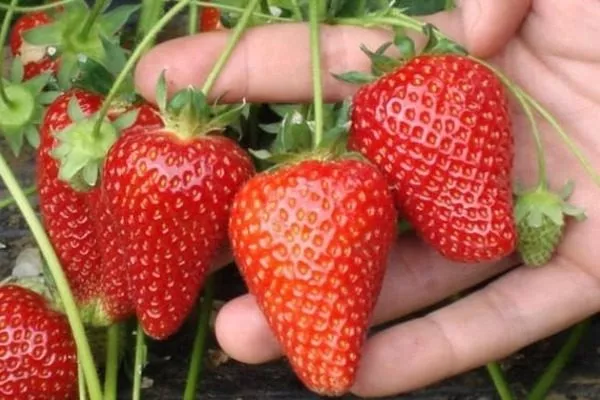
- The berries are medium-sized, dark red, with a glossy surface and a blunt-conical, sometimes ribbed shape, weighing approximately 50-70 g.
- The pulp is red, juicy and dense, has a pleasant sweet and sour taste and a distinct strawberry aroma.
- Taste qualities are rated at a maximum of 5 points.
The variety ripens mid-late. The average yield per bush is approximately 7.36 tons per hectare, making it a high-yielding variety.
Malvina
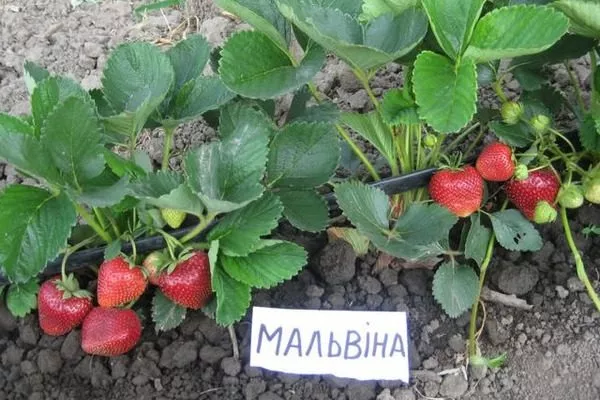
It is distinguished by its large bushes: height reaches 50 cm, diameter – up to 60 cm. The leaves are slightly wrinkled, rich green with a glossy sheen. The green mass is lush and dense, spreading moderately.
Description of the variety:
- Ripe fruits vary in color from raspberry to deep cherry.
- The average weight of berries is 40-45 g, the maximum is up to 80 g.
- The berries are a regular conical shape, sometimes with twin berries. The flesh is firm, juicy, and crisp.
This late-ripening, non-everbearing variety produces fruit once, beginning in late June and lasting 2-3 weeks, depending on the weather. The yield is high: up to 1 kg of berries can be harvested from a single bush.
A giant delicacy
Forms a vigorous yet compact bush up to 50 cm in height and up to 70 cm in diameter. The bush is multi-flowered, with large, matte, rich green leaves.
Characteristics of strawberries:
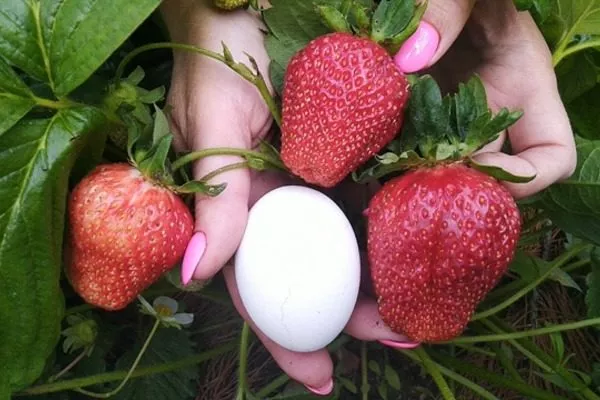
- It is famous for its large, conical, slightly elongated berries of a burgundy-red hue.
- The average weight of the fruit is about 80 g, individual specimens can reach 100 g.
- The berries have a unique aroma, combining notes of strawberry and pineapple, as well as an exquisite sweet caramel taste.
- The pulp of ripe fruits is juicy, white-red in color.
The harvest ripens from late June to mid-July, depending on weather conditions. A single bush can yield up to 2 kg of berries.
Queen
The bushes are compact, reaching up to 20 cm in height, with green leaves. The plants develop red, pubescent tendrils.
Description and features:
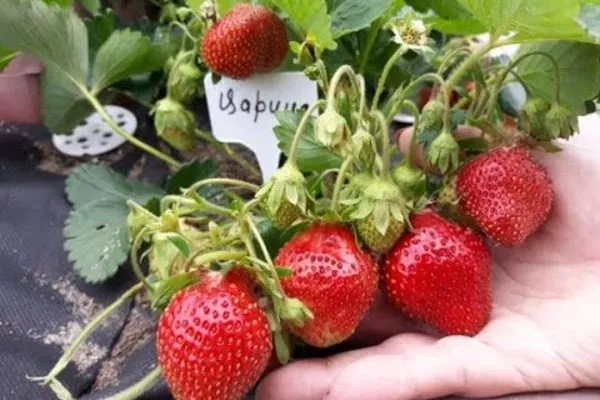
- The fruits are cone-shaped, widened at the base, and deep red.
- The pulp is elastic, sweet and sour, with almost no aroma.
- The average weight of berries is 30-40 g.
This mid-season variety blooms in May, and the fruit is harvested from June to late July. Fruiting is abundant and single-fruiting, reaching technical maturity in the second ten days of June. In commercial cultivation, yields reach up to 13 centners per hectare, with 350-1000 grams of berries harvested per bush.
Alba
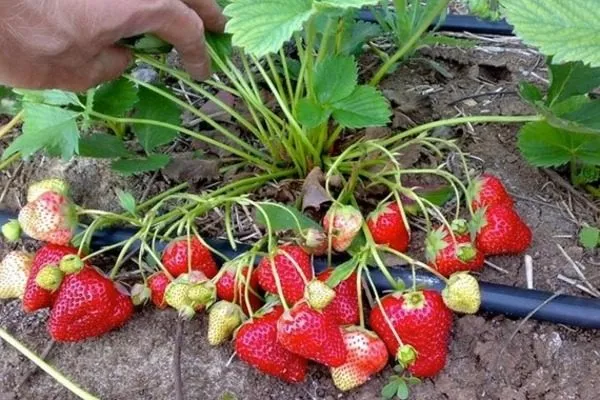
An early variety with a medium yield (1-1.2 kg per bush), ripening in May-June. It has an excellent sweet flavor and a pleasant, though not overly strong, aroma.
Botanical description:
- The plants are characterized by a powerful, but compact structure with dense foliage.
- The bushes reach 30-35 cm in height, with large, erect, bright green leaves on long petioles.
- Berries of the variety Alba They have an attractive bright red color, a conical shape, and are medium-large in size. The average fruit weight is 25-30 g. The flesh is dense and juicy.
Albion
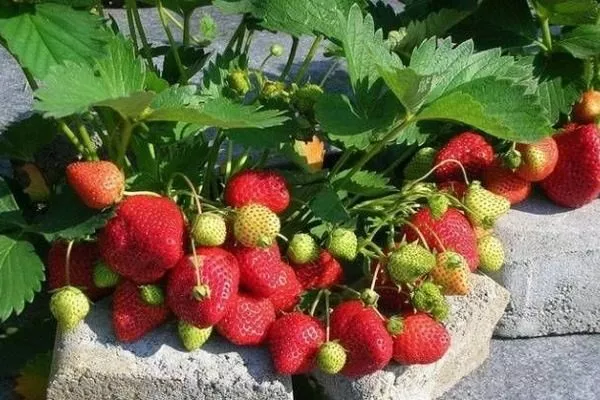
The bush is easily recognized by its large, densely green foliage with a glossy sheen. The plants are strong and medium-sized.
Distinguishing characteristics:
- The berries are conical in shape and turn a deep carmine color as they ripen. Their surface is smooth and shiny.
- The average weight of fruits ranges from 30 to 50 g, with individual specimens reaching 60 g.
- The berries are large, with a pleasant sweet taste and a slight refreshing sourness, and are distinguished by a distinct aroma.
Yield of the variety Albion high: usually from 400 g to 1 kg of berries are collected from a bush, with good care – up to 2 kg.
Queen Elizabeth II
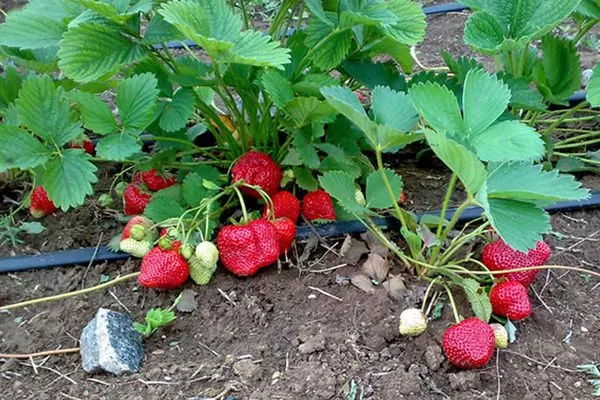
The plant forms large bushes with a spreading rosette of emerald-green leaves and dense shoots. The large leaves provide natural protection for the fruit from dirt and precipitation.
Main characteristics:
- The fruits are oval-shaped, large (up to 50 g), sometimes bumpy-conical, with glossy scarlet skin.
- The pulp is dense, with a pleasant dessert taste, which received a high tasting score (4.7 points out of 5).
- One bush can yield up to 1.7 kg of berries per season, and up to 4 kg per square meter with dense planting.
- Valued for its dessert flavor with honey notes.
Variety Queen Elizabeth II Characterized by early and prolonged fruiting (from late May to October), it exhibits high resistance to gray mold, powdery mildew, and brown spot.
Mara de Bois
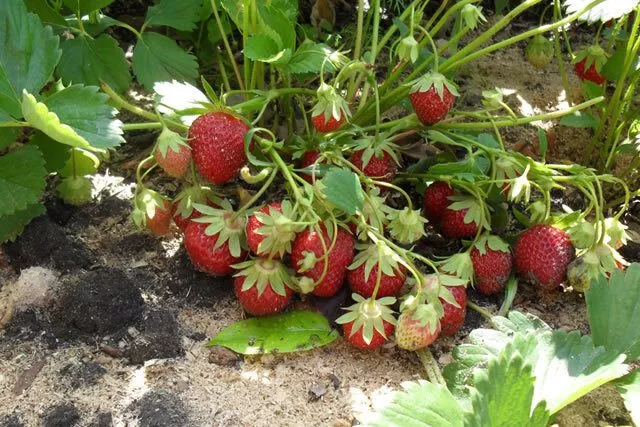
Forms low-growing, spreading bushes up to 20 cm high. Light green leaves slightly droop and only partially cover the fruits.
Botanical description:
- The berries are large, weighing from 40 to 60 g, red in color, and conical in shape.
- The pulp is sweet with a nutmeg hue and a distinct strawberry aroma.
- The variety is remontant, bearing fruit from June until frost.
- One bush can produce up to 0.85 kg of delicious berries.
The plant is highly frost-resistant and can withstand temperatures down to -29°C. You can find other frost-hardy strawberry varieties that can be grown in Siberia. Here.
Ruiana
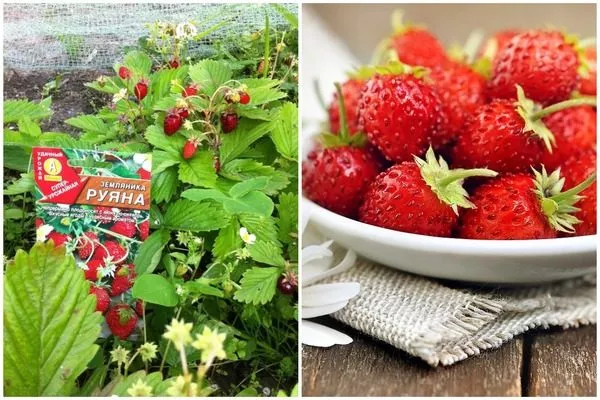
This variety is easily recognized by its compact bushes, reaching 15 cm in height and 20 cm in width. It boasts a long fruiting period, from spring until October, and high yields—up to 2.5 kg per square meter.
Distinguishing characteristics:
- The berries are conical in shape, sometimes with slight deviations.
- The fruits are small in size, up to 2 cm in length and weighing up to 7 g.
- Ripe berries acquire a rich red color and are distinguished by their juiciness, sweet taste and strong strawberry aroma.
- The leaves of the bushes have a dark green hue and a dense structure.
Black Swan
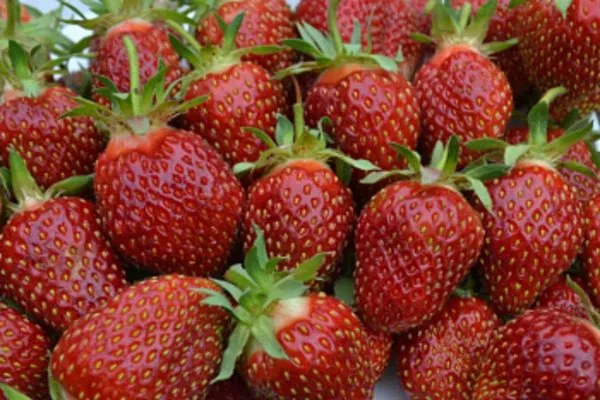
Forms tall but compact bushes, reaching 60 cm in height. The shoots are vigorous, with elongated, dark green leaves capable of supporting large fruits.
Main features:
- The fruits of this variety are large, dark cherry, round-conical in shape, weighing up to 100 g.
- The pulp is firm and juicy, the taste is distinguished by unusual strawberry-cherry notes.
- The variety is late-ripening: flowering begins in May, fruiting lasts from the second ten days of June until September.
- The yield is high: up to 2 kg of berries can be collected from one bush.
The variety is frost-resistant and can withstand temperatures down to -20°C. Suitable for growing in greenhouses.
Vima xima
The bushes are distinguished by vigorous growth, dense foliage, and a semi-spreading habit. The leaves are large, slightly concave, and slightly wrinkled. The flowers are large, white, and borne in small clusters on short but sturdy stems.
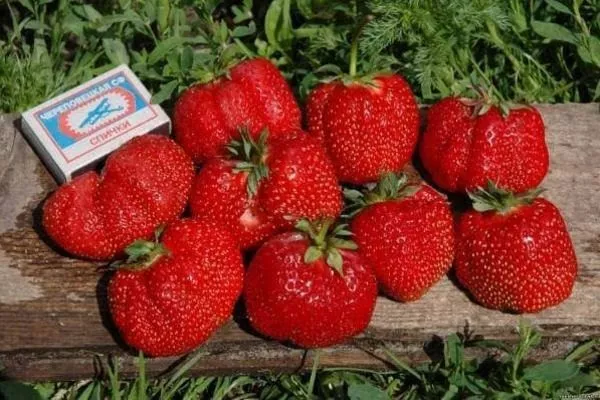
The berries are dark red, round, and large, weighing up to 30 g, and sometimes even 120 g. The flesh is juicy and firm, with a distinct strawberry aroma and a sugar content of up to 10%. Fruiting begins in mid-summer.
It is susceptible to attacks by ants, weevils, and wasps. You can find more details about the pests and diseases that pose a threat to this garden crop and how to control them here. Here.
Florian F1
This is a day-neutral variety. The bushes are compact, medium-sized, up to 30 cm tall and about 35 cm in diameter, with strong flower stalks and large, light green leaves.
Distinctive features:
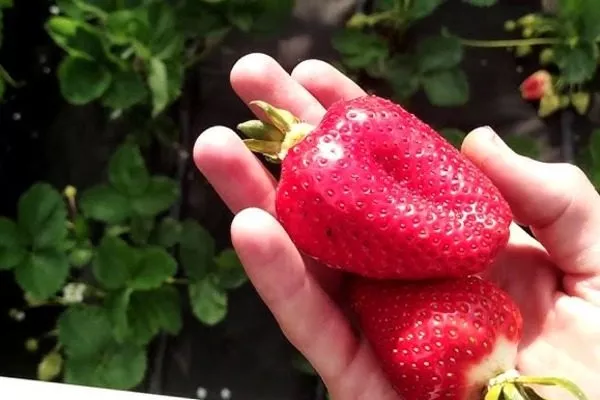
- The berries are slightly elongated, broadly conical in shape, light red, weighing 20-40 g, usually medium or large, small ones are rare.
- The pulp is tender, sweet with a slight sourness and a distinct aroma.
- The variety is remontant; flowering lasts from May to October, producing up to 4 waves of harvest per season.
- On properly prepared soil, the yield is high: 0.75-1 kg of berries are collected from a bush, and in good seasons – up to 1.8 kg of berries.
Florian is resistant to drought, gray mold and most typical diseases of garden strawberries.
Roman F1
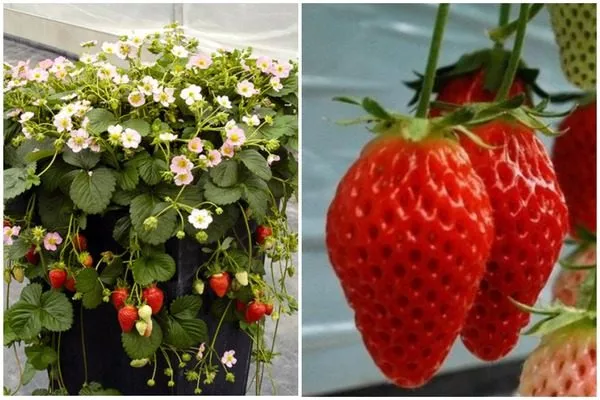
Remontant and hanging variety, genetically predisposed to long flowering and fruiting. A detailed description is provided below:
- Powerful yet compact bushes form long shoots, at the ends of which fruiting rosettes appear, reaching 100 cm in length.
- The berries are large, elongated, teardrop-shaped, dark red in color, weighing 25-30 g.
- The pulp is dense, juicy, with a pleasant aroma and a distinct sweet taste.
- It belongs to the early varieties with the ability to bloom and bear fruit continuously throughout the growing season.
Grandian F1
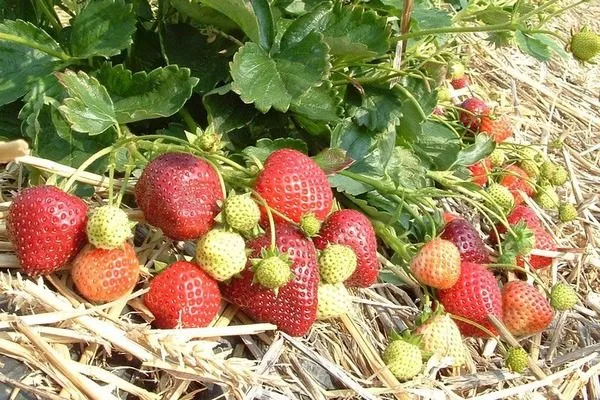
A Dutch-bred variety with low-growing bushes 20-25 cm tall. They are vigorous and compact.
Distinguishing features:
- The berries are burgundy in color, heart-shaped, 2-3 cm in diameter and weighing up to 25 g.
- The pulp is dense, sweet, with a rich aroma, which gives the berries juiciness and a slight crunch.
- This is a late-ripening variety: fruiting begins in July.
The yield is high – up to 1.3 kg of berries can be harvested from one bush, which makes the variety attractive for commercial cultivation.
Bogota
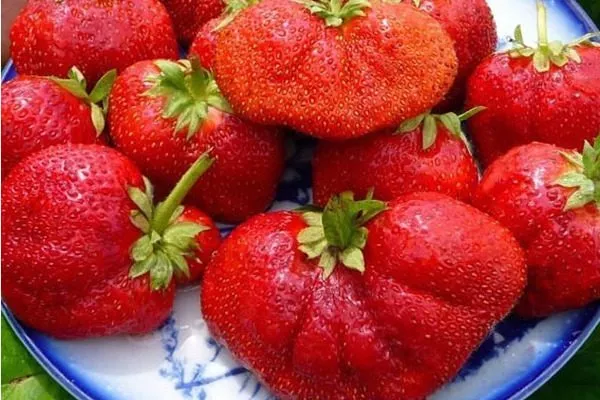
The fruits are eaten fresh and also used to make jams and purees. The berries are large, reaching about 12 cm in diameter and weighing up to 150 g when properly cared for.
Fruit characteristics:
- the shape is usually fan-shaped, less often conical;
- the surface is red, with a bright shine;
- the seeds are yellow, slightly pressed into the pulp;
- the pulp is dense and juicy;
- the taste is sweet with a slight sourness, the berries are considered dessert;
- The harvest is well stored, easily transported and resistant to rotting.
This variety is characterized by late fruiting: the main ripening occurs in July, with harvesting sometimes continuing until August. It produces well with regular watering and growing in fertile soil. Yields up to 1 kg per bush, making it a highly productive variety.
Fresco
Characterized by an early ripening period, the plant requires little care and is highly resistant to various diseases.
Botanical description:
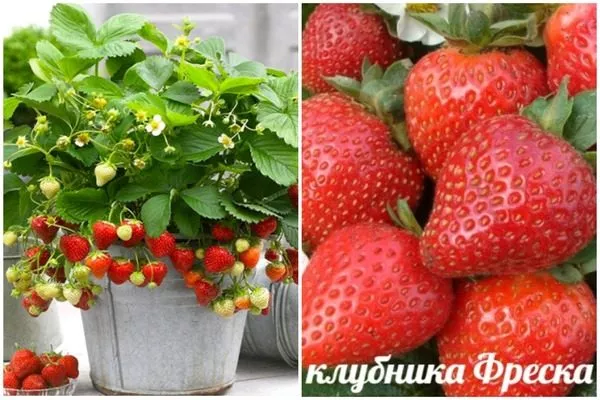
- The bushes are small and compact, reaching a height of no more than 30 cm. The foliage is medium-sized and rich green.
- The berries are a rich red color, rounded at the top and tapering toward the bottom, giving them a conical appearance. The diameter of the fruit is 2-3 cm.
- The berries are large, weighing up to 25 g. The pulp is juicy and fleshy.
- The taste is sweet, with a slight sourness. The aroma is typically strawberry.
Fruiting continues from mid-June to October, with one to two week breaks between berry ripening. A single plant yields 0.8 to 1.3 kg of fruit, and young bushes yield up to 1 kg.
Gigantella
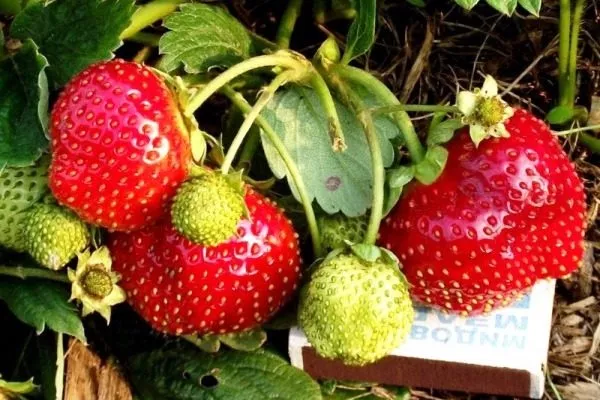
A Dutch-bred variety known for its large berries and high yields. The bushes are compact, medium-sized, with dense green foliage, producing strong flower stalks.
Distinguishing features:
- The berries are very large, cone-shaped, weighing up to 80-100 g.
- The skin is bright red, glossy, the flesh is juicy and dense.
- The taste is sweet with a slight sourness, the aroma is rich strawberry.
- The variety is remontant and bears fruit for a long time: the first berries ripen in June, and with proper care, the harvest continues until the end of September.
- The yield is high – up to 1-1.5 kg of berries are collected from one bush.
Scarlet Light F1
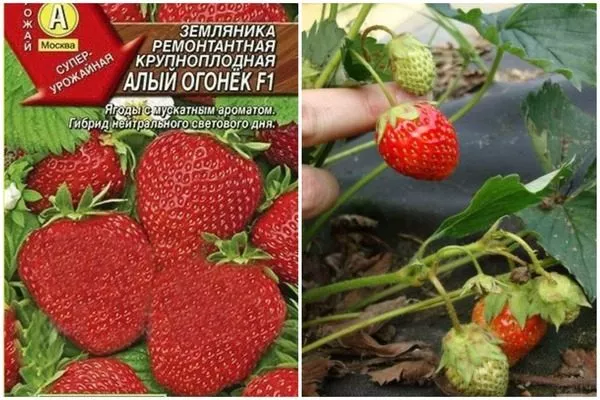
The bushes are compact, strong, about 30-35 cm high. The leaves are green, medium-sized, with a slight glossy sheen.
Distinctive features:
- The flower stalks are strong and tall, so the berries do not touch the ground and are less susceptible to disease.
- The fruits are large, round-conical in shape, bright red in color, with a glossy surface.
- The average weight of berries is 25-35 g, individual specimens reach 40 g.
- The pulp is dense, juicy, sweet, with a light muscat aroma.
This everbearing variety bears fruit from early summer until frost. The yield is high: an average of 1-1.2 kg of berries is harvested from one bush.
Clery
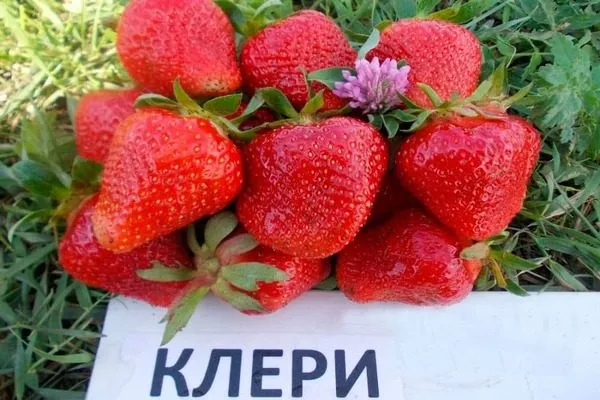
The foliage is large and a rich, dark green with a glossy surface. The bushes develop into a spherical shape as they mature.
Key Features Clery:
- Flowering begins in May, and within a month you can harvest the first crop.
- Ripe berries turn dark red. Large fruits weigh between 25 and 45 g and have a regular conical shape.
- The berries are dense inside, without any voids, with juicy flesh. They retain their shape and size throughout the entire fruiting period.
- The taste is described as sweet with a pleasant sourness.
This is an early-ripening variety, peaking in June. It is not everbearing. With proper care, a single bush can yield 1 to 2 kg of berries. In commercial production, yields reach up to 290 centners per hectare.
Sonata
The berries are red, glossy, cone-shaped, neckless, weighing 25-50 g, juicy, and have a sweet-tart flavor. The bushes of this variety are distinguished by their upright, bright green, wrinkled leaves.
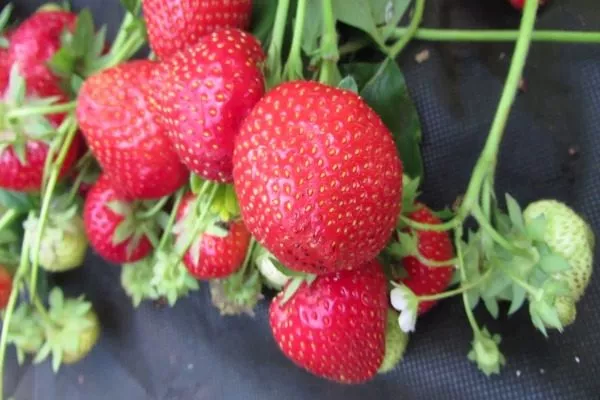
The plant is tall, with a not too spreading crown and strong, well-developed branches.
Mid-early and high-yielding (over 1.5 kg per bush), it bears fruit from late June. Sonata is frost-resistant down to -8 degrees Celsius.
Darenka
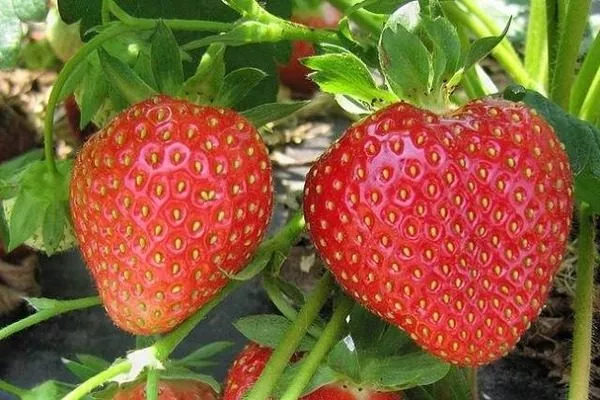
This is an early-ripening variety: flowering occurs in April-May, and the first berries ripen early in the season. A detailed description is provided below:
- It produces dark red berries, quite large, weighing about 14 g.
- The shape is heart-shaped with a pronounced neck.
- The pulp is sweet, slightly sour, with a delicate and distinct strawberry aroma.
- The yield is high: 1.2-1.5 kg of berries are collected from one bush, and in industrial cultivation the figure reaches 108 centners per 1 hectare.
Shelf
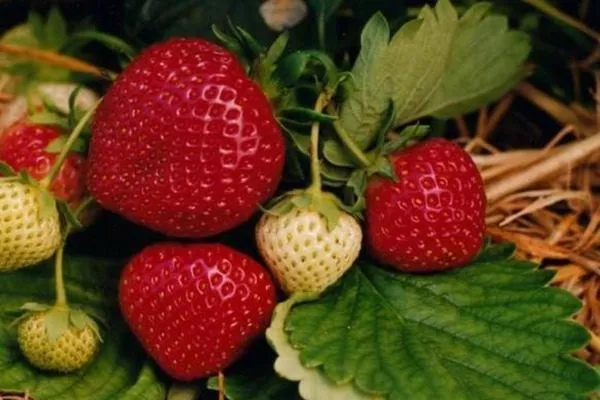
A medium-yielding variety with excellent-tasting berries, ripening in late June. Distinguishing characteristics:
- The bushes grow no higher than 15 cm and are distinguished by a powerful but compact structure.
- The foliage is dark green, with a glossy sheen, forming numerous tendrils.
- The berries are large, cone-shaped, deep scarlet in color with glossy skin.
- The weight of an individual fruit varies, sometimes reaching 60-80 g, but most often is within 30-40 g.
- The pulp is juicy, dense, without voids, has a distinct strawberry aroma and a sweet taste with a caramel hue.
The yield is considered average: one bush yields between 500 g and 1.5 kg of berries. The variety has good immunity, but is susceptible to disease if not properly cared for.
Ruby pendant
It forms medium-sized, semi-spreading bushes with medium-sized, dark green foliage. Flower stalks grow below the leaf level and can collapse to the ground under the weight of the berries.
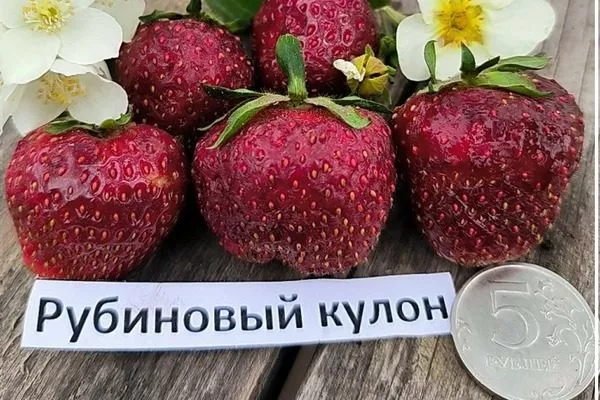
Key Features:
- The berries are cone-shaped, red with a glossy surface and a characteristic cherry-ruby hue.
- The pulp is dark red, dense, juicy, without veins or crunch.
- The taste is sweet, without being overly cloying, with a pleasant strawberry aroma.
- The size and weight of the fruit depend on growing conditions: the average weight is 15-30 g, while individual specimens, with good care, can reach 50 g.
- The variety ripens evenly: the first harvest can be collected from late June. The average yield is 500-700 g per bush, sometimes up to 1 kg under favorable conditions.
The ruby pendant is frost-resistant up to -23°C.
Brighton
The berries have a distinctive shape, with an average weight of 50 to 70 grams, although some can reach 80 grams. The berries' dense skin is reddish-orange in color. The strawberry flavor combines a wild strawberry aroma with hints of pineapple and wild strawberry.
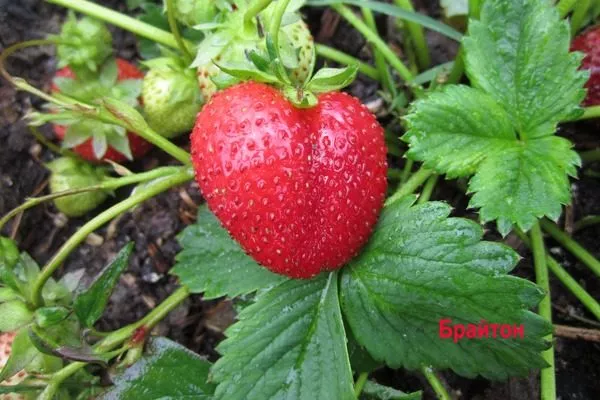
In central Russia, the first harvest ripens in early summer, in the northern regions in mid-June, and in the south in mid-May. Fruiting continues until autumn. A single mature bush can yield up to 800 g, and in favorable years, up to 1 kg of large berries.
This variety is characterized by good immunity to most fungal diseases, but is susceptible to root rot. Proper watering of garden strawberry bushes helps prevent this problem. Read on to learn how. Here.
Irishka F1
The bushes are characterized by a spreading habit and numerous flower stalks, while the plant exhibits moderate growth. The berries are a rich, dark red color and small in size, weighing between 20-25 g.
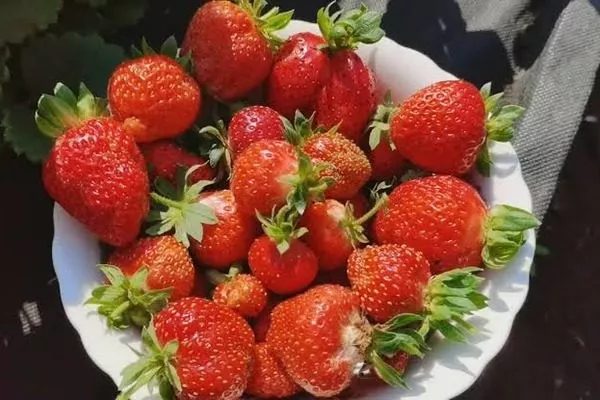
The berries have a very sweet flavor, and a distinct and pleasant aroma. This variety is mid-season: flowering begins in May, and harvesting continues until October. A single bush can yield 1 to 1.5 kg of berries per season.
Vikoda
Quickly forms large bushes with spreading foliage. The leaves are large, dark green, with slight ribbing along the edges.
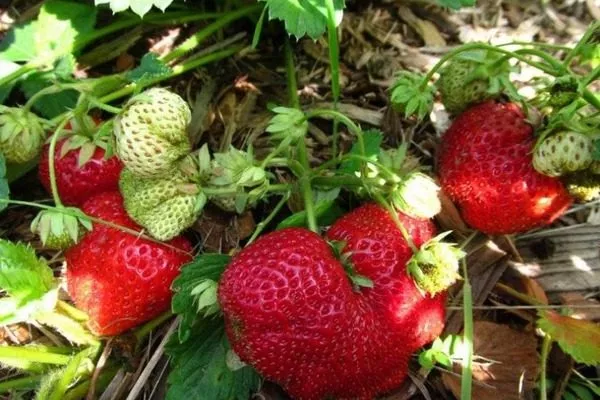
Botanical description:
- Strawberries are red in color with a green tip.
- The shape is round, the fruits are large, weighing up to 50 g.
- The pulp is dense but juicy, with a slight cherry flavor that comes out when chewed slowly.
- It belongs to the late varieties: the fruits begin to color in the second half of June, and in the northern regions ripening may occur later.
Berry harvesting usually begins in mid-July. On an industrial scale, up to 74 centners of ripe berries can be harvested per hectare, while in a garden plot, up to 0.7 kg of ripe berries can be obtained from a single bush.
Juan
It boasts high yields, reaching up to 2 kg of berries per bush. It's a versatile variety with a mid-season ripening period.
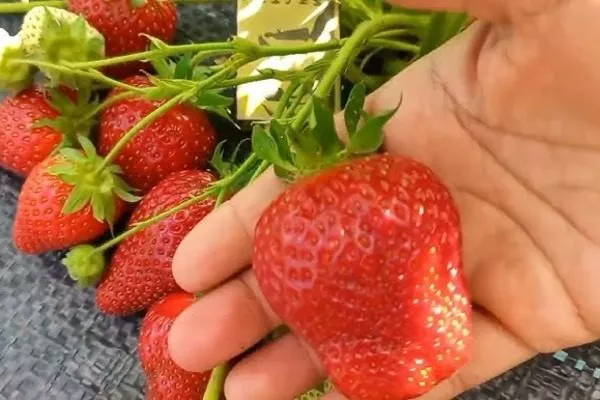
Description:
- The bush is strong and tall, the flower stalks are of medium length and are arranged in such a way as to facilitate harvesting.
- The flower stalks are capable of supporting the weight of large berries, reaching 90 g.
- The berries have an attractive red colour with a shine, and their weight can reach up to 90 g.
- The pulp is characterized by juiciness, density and sweet taste.
This variety is susceptible to pests such as sawflies, weevils, and aphids. The most common diseases are rust, gray and brown rot, and spotting.
Lord
Forms bushes up to 30 cm tall. Young leaves are light green and large, while those of older plants are darker, with a shiny surface and jagged edges.
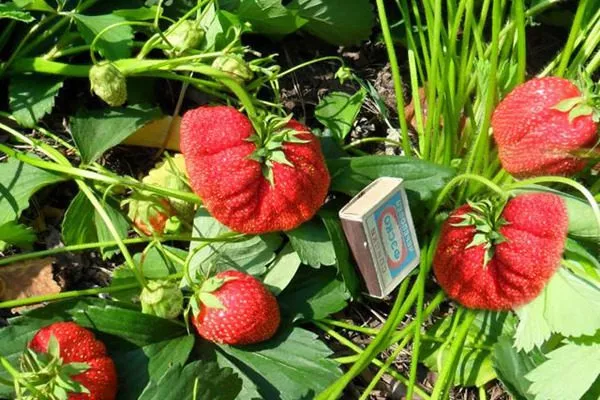
The berries are bright red, round-conical in shape with a blunt tip, and weigh 20-35 g, sometimes up to 50 g at first harvest. The flesh is firm and sweet.
Fruiting of the variety Lord The growing season lasts almost a month. One plant produces 1-3 kg of berries.
Kokinskaya Selection
A large bush, reaching 15-20 cm in height and 30-40 cm in width, features juicy green leaves with prominent veins. The berries are dark red with no greenish tint at the tip. They are elongated, reaching 5 cm in length, and weigh 40-50 g.
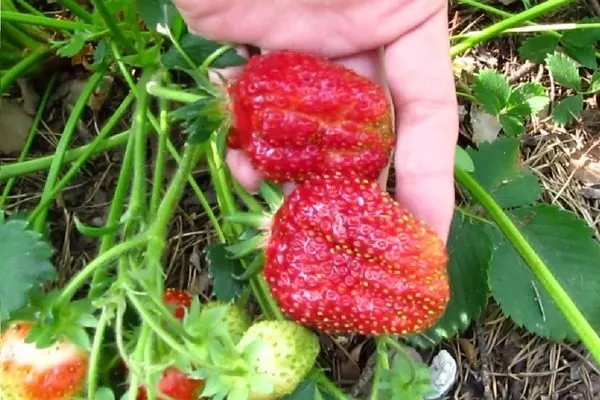
The flavor is velvety and exquisitely sweet, with light pineapple notes in the aftertaste. The juicy, meaty, and bright red flesh is complemented by a distinct strawberry aroma.
It is characterized by high productivity, allowing you to collect up to 1 kg of berries per bush, and an early ripening period, beginning in June.
Tristar
It is distinguished by compact bushes reaching 20-25 cm in height. The berries are elongated and conical, measuring 3-4 cm in size and weighing 25-30 g. Ripe berries are a rich, dark red color and have a glossy sheen. The flesh is juicy, bright red, with a pleasant aroma and sweet flavor.
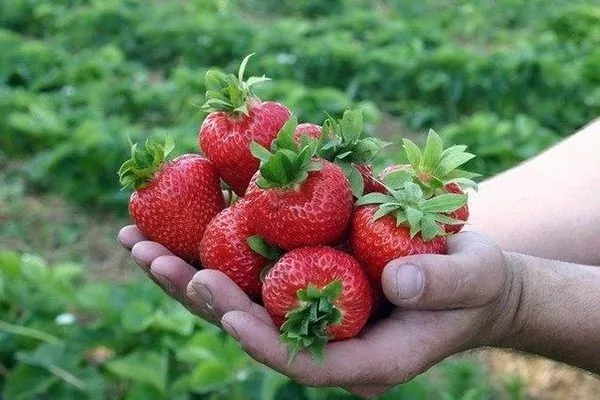
Fruiting lasts from June to August. With proper care, a single bush can yield up to 2 kg of berries per year, and thanks to its disease resistance, frequent treatments are not required.
Geneva
The bushes are spreading and powerful, 25-30 cm high. The leaves are light green, on long petioles, with noticeable serrations along the edges.
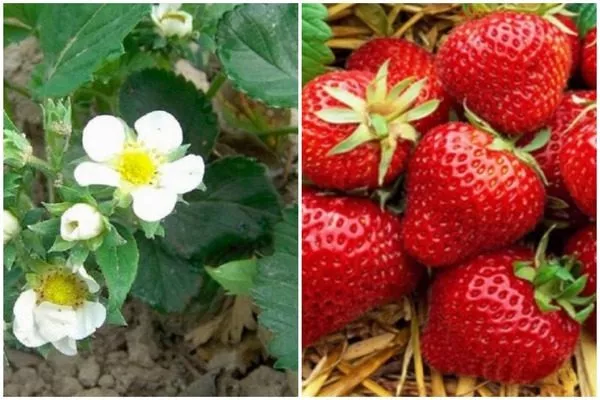
Key Features:
- The berries are bright red, glossy, large, weighing 25-30 g, truncated-conical in shape, ribbed, with a pointed tip, which sometimes remains light.
- The flesh is red, dense, and juicy, with a very sweet flavor and a distinct strawberry aroma. Sometimes the berries are fused together.
The first berries appear in early summer, and the initial fruiting period ends by mid-June. A single bush can yield up to 1 kg of berries with proper care and favorable conditions.
Advantages and disadvantages of large-fruited strawberries
Large-fruited strawberries attract gardeners and consumers thanks to their vibrant appearance and sweet flavor. These varieties are particularly prized for their high culinary value and versatility.
How to choose a variety?
When choosing a strawberry variety with large fruit, it's important to consider several key factors. Pay attention to:
- Ripening periods. Choose early, mid-season or late varieties depending on when you want to harvest.
- Productivity. For personal use, you can choose varieties with a moderate number of large berries, and for sale, high-yielding ones.
- Taste and aroma. Pay attention to tasting notes to ensure the berries are sweet, aromatic, and juicy.
- Resistance to diseases and pests. Varieties with high immunity are easier to grow and require less treatment with fungicides and insecticides.
- Frost resistance and adaptation to climate. Take into account winter temperatures and regional characteristics to ensure that the bushes successfully survive the winter.
- Marketability and transportability of fruits. If you plan to sell, choose varieties that do not lose their shape or wrinkle during transportation.
- Repairability. Everbearing varieties bear fruit several times per season, which increases the overall yield.
Reviews of varieties
Large-fruited strawberry varieties are particularly popular among gardeners due to their impressive berry size, vibrant color, and rich flavor. These plants are not only aesthetically pleasing but also practical: the fruits are suitable for fresh consumption, processing, and sale. There are many varieties with unique qualities.