
To breed pigs, a breeder must be familiar with the basic rules of animal care. There are specific requirements for feeding, housing conditions, etc., depending on the pig species, their age, and other factors.
Pig breeding technologies
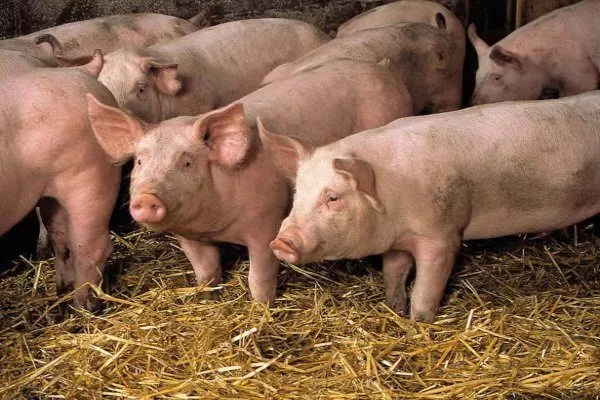
Various technologies and methods are used worldwide for raising pigs. Their distinctive features include individualized approaches to housing, feeding, and care, depending on the ultimate goal. Each system is adapted to a specific situation, taking into account the climatic and technological characteristics of the production environment.
| Object | Content technology | Process automation | Suitable for |
|---|---|---|---|
| Danish technology | Slotted shelves, self-propelled manure cleaning system | High | Large enterprises |
| Canadian technology | Deep, permanent litter | Low | Small farms |
| Two-phase technology | Nest-group method | Average | Reducing stress in piglets |
Danish technology
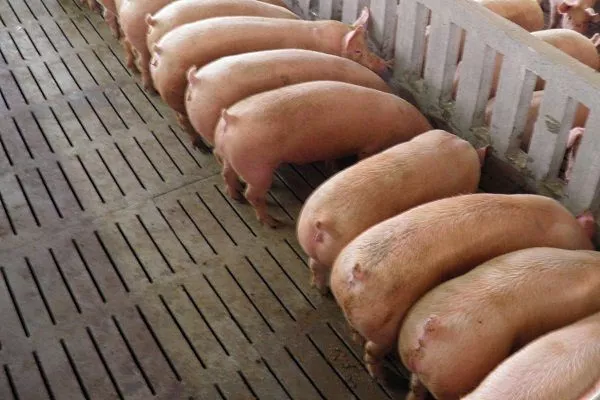
The main feature is a completely different approach to pig barn design. The animals will be housed on slatted shelves, which will incorporate a self-propelled manure cleaning system into concrete basins.
The facility is equipped with stalls for pregnant sows, as well as maternity stalls. Heating is provided by infrared lamps and electric heating panels. The maximum number of sows per stall is 30.
The Danish technology uses equipment that prepares and delivers the feed. It also includes a special computerized ventilation system that controls the temperature.
TO advantages This technology includes:
- Relevance for all age-old groups of animals.
- It is used for keeping pigs, boars and sows.
- Automation of the growing process, supply of feed and water to drinking bowls, mechanical manure removal system.
- The risk of stress for pigs is minimized and there is no possibility of clashes.
- Reduced financial costs for maintenance.
- A consultant or veterinarian visits the complex at least once a month.
Disadvantage The technology is that it is suitable only for large enterprises, otherwise the investment in equipment will not pay off.
In this video, an experienced breeder offers advice on choosing a breed, how to raise pigs, timely vaccinations and feeding, and how to care for your pets according to Danish farming practices.
Canadian technology
The basic principle is to separate the animals into groups. They are kept on deep, permanent bedding, with unrestricted access to dry food and clean water. Dry straw or sawdust is most often used for bedding. The first 20 cm layer should always remain dry. As it becomes damp, fresh bedding is added.
When the bottom layer begins to rot, maximum heat transfer occurs, significantly reducing heating costs. The recommended bedding amount is approximately 1 kg per pig per day.
Canadian technology is used for keeping fattening pigs, barren and pregnant sows, and boars. The main advantages are quick to erect and have a minimal payback period. Ideal for small farms. disadvantages They point out that it is strictly forbidden to allow drafts in the room, which in this case are difficult to combat.
Two-phase technology
This method of pig husbandry involves raising piglets in nests and groups, which is designed to minimize stress. In practice, this method yields significant economic benefits, with production increasing by approximately 12-15%.
The main ones advantages The two-phase technology has the following points:
- At the first stage after birth, small piglets are kept in the same pens for approximately 90-120 days.
- The second stage is their transfer to a pigsty for fattening, while the sows remain in another room.
It should be noted that during the transfer of piglets to the fattening house they can be regrouped.
This method has no such drawbacks. You just need to follow the specified phases sequentially.
Feeding
Anyone who works with pigs knows that these animals have a single-chambered stomach, so they have a slightly more difficult time digesting fiber-containing feed than other cattle. Therefore, it's important to approach the issue... What exactly to feed pigs you need to do it wisely.
What you feed your pigs will determine not only their health, but also their weight gain. types of feed:
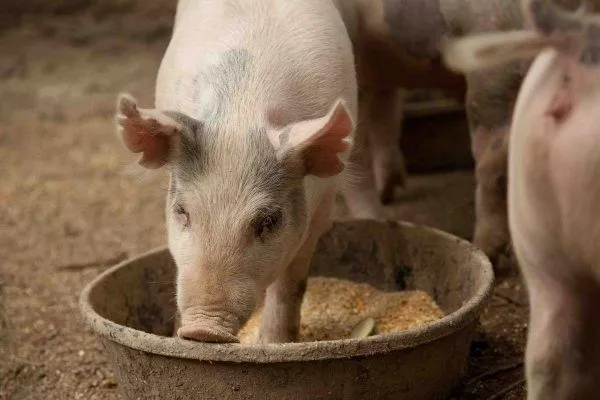
- Traditional wet food. It includes mixed food scraps, boiled potatoes, vegetables, various grains, and herbs. The downside is the time required to prepare the food.
- Dry compound feed. These include crushed grain mixtures, which often include pea flour, vitamins and mineral supplements.
- ✓ Consider the climatic conditions of your region when choosing a maintenance technology.
- ✓ Assess the level of automation you can afford given the size of your farm.
- ✓ Consider the availability and cost of bedding materials for Canadian technology.
When feeding dry food, be sure to provide plenty of water for your pet. Otherwise, constipation and weight loss may occur.
Pigs are typically fed twice a day—morning and evening. This depends on the chosen breeding method and the size of the operation.
Helpful tips:
- It is best to give grains in a ground form - this way they are digested more quickly in the body, since pigs hardly chew them, and the product is excreted along with feces.
- Potatoes should only be given boiled, and be sure to rinse them to remove any dirt. It is not recommended to give water from boiled potatoes.
- For vitamins, you can add a small amount of fresh root vegetables.
- Count the food for one meal. Anything the animal doesn't eat cannot be used for the next meal.
Place where pigs are kept
The location where you plan to keep your pigs directly affects their health and reproduction. To achieve the best possible results, ensure good conditions and consider all technical aspects.
Air temperature
In a pig barn, air temperature and microclimate play a crucial role. These factors significantly influence the growth and development of animals.
Be vigilant, as excessive heat can cause pigs to overheat, which in turn will reduce their appetite and cause weight loss. In cold temperatures, pigs will expend their energy reserves on self-warming, and consume significantly more food.
Please note that drafts, humidity and poor quality bedding will increase the chances of illness, which will lead to a decrease in productivity.
Air humidity
To maintain a normal microclimate, it is best to have an automatic ventilation system, which will reduce the number of bacteria and dust in the room.
Moisture levels can be reduced by using quicklime (6-10%). Additionally, regular cleaning of stalls, removal of manure, and avoiding over-wetting of the flooring are essential.
Water availability
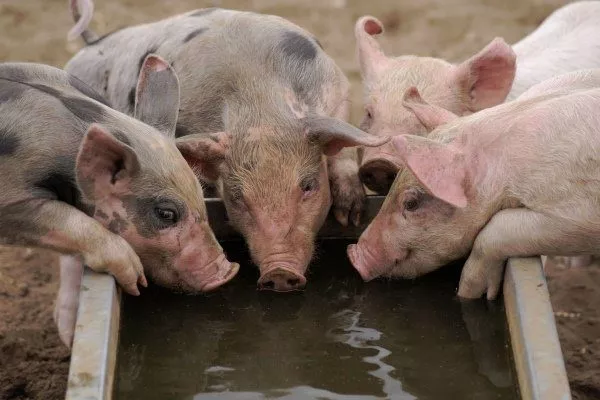
If your operation is large enough, be sure to provide automatic waterers. Depending on the age of the animals, farmers use nipple or cup waterers.
Remember that water must be available 24/7, and the water itself must be clean, odorless, and free of impurities. If pigs suddenly don't have enough fluids, their appetite and food digestibility will decrease dramatically.
The optimal water temperature is between 12 and 15 degrees Celsius. In summer, increase the amount of liquid by approximately 25%.
Walking area
On pig farms where breed purity and quality are monitored, a walking area is often used. It can be:
- regime-walking – are let out for a walk strictly according to the schedule;
- free-range – animals can walk at any time.
It's best to locate such a platform on the south side of the building. Make sure the surface is hard, and be sure to enclose the platform with a secure fence. Waterers and feeders are often placed on the fences, but the pigs are driven back in strictly half an hour after feeding to maintain cleanliness.
Lighting
With proper lighting, a farmer can increase production by up to 20%. A lack of light or insufficient light affects sexual desire and growth.
Special lighting is selected depending on the specific goals. For example, active breeding will require bright light, while raising babies and keeping piglets requires the opposite.
In production facilities, both natural and artificial lighting can be used, which can be for process or emergency lighting. Since there are different types of lighting areas, it is recommended to select the appropriate power:
- 50 Lx – for fattening livestock;
- 75 Lx – for boars, pregnant sows, weaners and young animals;
- 150 Lx – for suckling queens;
- 250 Lx – for the insemination process.
It's best to place lamps above the animals' heads and choose LED options. They are closer to natural light than incandescent bulbs and have a better impact on the animals' overall well-being.
Manure removal systems
In livestock farming, the most labor-intensive and unpleasant process is manure removal. Because pigs grow quite rapidly, the amount of waste increases daily. On a small farm, manure removal can be done manually, but on medium-sized and large-scale operations, this is virtually impossible.
The following options of cleaning systems are available:
- Mechanical system. The system requires manure channels in the area where the feeders are located. Since the floor there is sloped, all urine and other liquids drain into the channels, and the manure is removed manually or using a drain.
- Hydraulic system. In this version, water supply pipes are installed along the entire length of the canals. During sanitation, water is pumped through them, washing the manure into settling basins (which serve as storage). This manure is then separated into a liquid phase, which is used to water the fields, and a solid phase, which is used as fertilizer.
- Slatted floor removal system. Here, urine and feces collect through cracks in the second floor level. They fall into special trays, which are cleaned with water. Then, everything that has accumulated there is discharged through a channel toward the septic tank.
Requirements for a pigsty
There are unspoken requirements for a pigsty, following which you can keep animals in comfortable conditions:
- A window or ventilator should be installed in the room where the pigs are kept for ventilation. It is advisable to insulate it with polyethylene during the cold season.
- The doors to the room must close tightly. Animals are very sensitive to drafts and hypothermia.
- It's best to make the floor concrete or wood. Additional insulation is recommended.
- For building a farm, it is best to choose a slightly elevated, dry area with protected terrain.
- The optimal proximity would be buildings located no closer than 150-200 meters from the pig barn. The pig barn should be no closer than 200-300 meters from highways.
- It is strictly forbidden to build such production facilities on previously buried territories or on the sites of former wool processing plants.
- Don't forget about fire safety measures. Use fire-resistant materials in construction.
Diseases
If not properly cared for, a pig can become ill. Signs of illness are determined by the following criteria:
- loss of interest in food;
- rapid breathing;
- in white breeds of pigs, the skin changes color and becomes slightly pinkish;
- diarrhea appears, sometimes with blood clots;
- ears drooping, eyes dull, tail limp;
- The pig tries to stay away from the others and looks lethargic.
If you notice any unusual behavior in your pet, contact your veterinarian immediately. Do not attempt to diagnose or treat the problem yourself.
What diseases can pigs get?
All diseases can be conditionally divided into the following groups:
- Non-infectiousThe most common non-communicable diseases include:
- Diarrhea – occurs due to stomach upset and poor feeding practices. Less commonly, diarrhea occurs as a result of pathologies of certain organs.
- Bloating – occurs due to overeating or poor-quality food. Characteristic signs include refusal to eat and an enlarged abdominal cavity.
- Constipation – Like diarrhea, it occurs as a result of poor nutrition or overeating. It is also a symptom of other illnesses, but in these cases, it is often accompanied by fever and general weakness.
- Infectious diseasesThese include:
- Plague This is a viral disease that can be transmitted through bedding or food. It causes digestive problems and seizures.
- Pasteurellosis. The pathogen is a specific bacterium that appears as a result of unsanitary conditions. Since the mortality rate from this disease is high, vaccinations are recommended for animals.
- Diseases caused by parasites, which can be both external and internal:
- Worms – the most dangerous threat to pig farming. Veterinarians identify over 30 varieties of worms, which primarily affect intestinal function. The most common are roundworms, or tapeworms.
- Scabies – caused by small mites that cause irritation and itching. This damage to the skin leads to flaking and hyperkeratosis.
- Lice – insects that also cause irritation and parasitize livestock. They most often hide in folds of skin, between the legs, and behind the ears.
- Myiasis – the disease is caused by flies that lay their eggs in the wounds of animals.
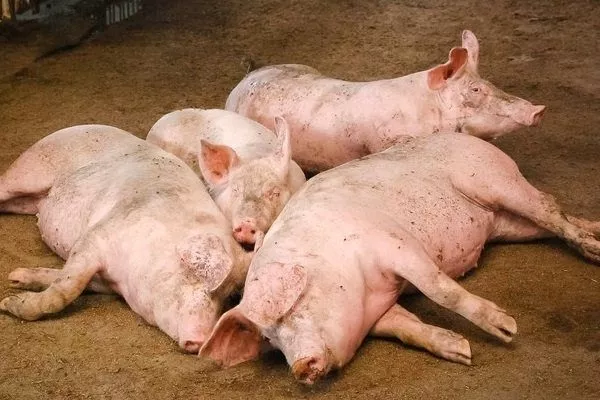
Other diseases that cattle can suffer from include influenza, pneumonia, salmonellosis, mastitis, uterine prolapse, leptospirosis, etc. Read more about pig diseases here.
Disease prevention
There are precautions to prevent diseases:
- First of all, avoid sudden temperature fluctuations in the room and unsanitary conditions.
- To prevent diseases such as gastroenteritis, gastritis, etc., do not feed animals spoiled, sour, salty, or frozen food, which will inevitably disrupt the normal functioning of the body.
- To prevent hypovitaminosis, pigs are given vitamin-rich feed and sometimes injections with a solution of vitamins A, D, and E are used.
- To prevent anemia, piglets are given ferroglucin, iron glycerophosphate, and solutions with microelements, which include cobalt chloride, copper sulfate, and ferrous sulfate.
- Rickets is prevented by monitoring food quality, improving sanitary control, and eliminating excess acidic feed.
- To combat seasonal diseases, ultraviolet radiation is used in summer, and infrared radiation is used in winter using artificial sources.
- To prevent the appearance of flies, a strict sanitary regime is observed with regular disinfestation of premises.
- It is recommended to treat the exterior of the wall with a 3% hexachlorane emulsion. After the treatment, animals should be brought back into the premises no sooner than three hours after disinfestation and ventilation.
- Take measures to prevent rodents, weeds, and debris. To exterminate unwanted rodents, use products such as Zoocoumarin, Penocoumarin, Krysit, and other similar poisons.
Place bait in places inaccessible to other animals.
Features of winter maintenance
In the summer, pigs can freely roam and move around within the farm or production facility. However, in the winter, they require special conditions. Generally, these animals tolerate cold quite well, so temperatures of 8-10 degrees Celsius (46-50 degrees Fahrenheit) will be comfortable for them.
- Check and insulate all windows and doors to prevent drafts.
- Provide plenty of bedding material such as straw or sawdust.
- Provide a heating system for areas containing pregnant sows and newborn piglets.
Other nuances that you need to pay attention to include:
- Air humidity. During cold periods, it should be no more than 75-80%.
- All windows and cracks that could allow drafts must be sealed. In areas with particularly harsh winters, the siding should be supplemented with additional insulation such as straw, sawdust, or moss.
- Hay bedding has proven to be excellent. Pigs love to burrow in it. It keeps them warm, and it's also less expensive.
- Using a heater is only worthwhile in special cases, such as when the sow is pregnant or has already given birth. In all other situations, it's expensive and unsafe, given how easily the straw in the room can catch fire.
- During winter, don't rule out walks. In fine, sunny weather, you can let the pigs out to frolic a bit and get some fresh air.
- Winter feeding also has its own specifics. The main requirements are a constant supply of warm drinking water and a varied diet containing minerals and nutrients. It's best if the menu includes fish and meat scraps, high-quality meadow hay, fruits, and vegetables. Sometimes a bowl of salt is provided for the pig to consume if its body craves it.
Reproduction
Farrowing is a crucial and challenging process for both the pig and the farmer. Many details must be carefully considered to ensure the offspring are born healthy and worth all the physical, financial, and emotional effort.
Caring for a sow
The main requirements for sow care are:
- When the pig is still young and hasn't yet completed its growth, be sure to provide it with all the necessary nutrients to support the growth of both it and its babies. This will require a high-protein diet. Approximately 60% of the feed should consist of succulent foods, specifically:
- all kinds of root vegetables (carrots, potatoes, beets);
- grain crops (barley, corn);
- legumes and oilcake.

- During the final stages of pregnancy, the diet should consist of easily digestible carbohydrates and proteins that don't put unnecessary strain on the body. During this final stage, the fetus's weight is finally determined, so high-quality care during this time is especially important. You can use a formula containing:
- wholemeal flour;
- meal and bran;
- silage and fodder yeast.
You can read more about proper nutrition for pigs during pregnancy here. Here.
- The gestation period is 108 to 114 days. Until the time of birth, prepare a separate room for the piglets and the sow.
- Once an adult sow has farrowed, she will need nutrition that will help her maintain her weight and ensure the normal development and weight gain of her piglets. Vitamin and mineral supplements, such as table salt and chalk, can also be given.
- Feed the sow three times a day. Avoid increasing the amount of food to prevent the sow from becoming overweight, as this will negatively impact the litter.
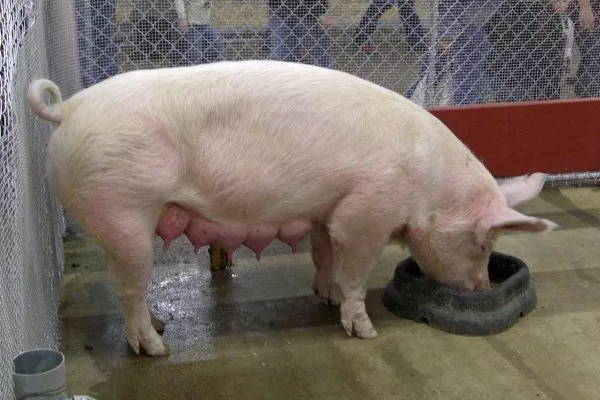
Caring for newborn piglets
To ensure the health of the newborns, you need to start feeding them colostrum as soon as possible. Piglets generally develop instinct as soon as you place them on the sow's teats.
In some cases this may not happen, for example if:
- the sow is aggressive and refuses to feed her piglets;
- lack of milk and colostrum;
- The sow died during birth.
The problem of lack of milk can be solved in the following ways:
- If you have another sow with a litter, you can place the piglets there. Just keep in mind that they should be no more than three days old, otherwise the sow will likely not accept the piglets.
- Alternatively, freeze milk from another pig and feed it to the babies.
- If there's no other sow available and no milk from her, they're fed regular cow's milk or artificial milk replacer. The main thing is to ensure the piglets don't develop diarrhea.
7 Helpful Tips for Beginner Pig Farmers
Here are some tips for those who want to start a pigsty:
- First, decide on the number of animals and the pigsty construction method. Select a location and design a plan.
- Take care of the systems that will maintain the desired temperature in the room.
- Build bird feeders, give food 3 to 5 times a day depending on the age of the pigs.
- Remove any remaining food after each feeding. Thoroughly clean the feeders once a week.
- The premises must be disinfected once a month.
- Provide areas for livestock to exercise. Pigs will be healthier when allowed to roam in the fresh air.
- If any symptoms of illness occur, contact your veterinarian immediately.
This video will show you how to properly set up a farm and raise pigs:
Pig farming isn't difficult, but it's still important to follow basic pig care guidelines. This will determine the health and productivity of your pigs, and ultimately, your financial compensation.