
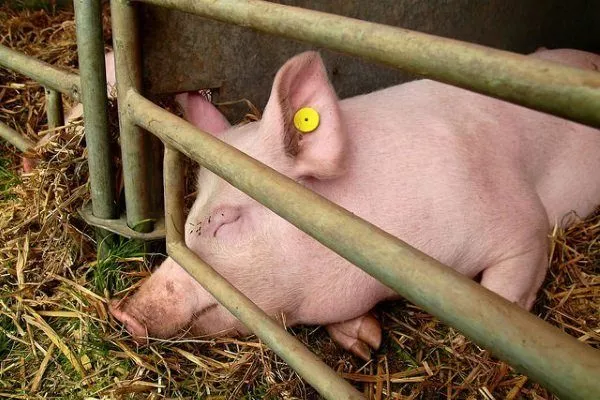
Pasteurellosis in pigs is one of the most dangerous diseases found in these domestic animals. This disease infects the blood with pathogenic microorganisms, causing hemorrhagic inflammation of the intestines and upper respiratory tract. Pasteurellosis spreads rapidly among livestock.
General characteristics of the disease
Pasteurellosis is an infectious disease caused by the non-motile bacterium Pasteurella, which grows rapidly in standard culture media. The infectious origin of this disease was proven in the second half of the 19th century.
The pathogen is active in water for 3 weeks, in the body of a dead animal – up to 4 months, in frozen meat – up to 12 months.
Pasteurella is not resistant to disinfectants: it dies within one minute of treatment with phenol (5%) and creolin (5%). The bacterium is also sensitive to high temperatures: temperatures between 70 and 90 degrees Celsius inactivate the pathogen within 5 to 10 minutes.
Pasteurella is killed by treatment with a solution of copper sulfate (1%) and lime milk (5%). This pathogen is also negatively affected by ultraviolet rays.
Once inside the pig's body, the bacteria enters the lymph and begins reproducing. The pathogens produce toxic substances that increase the permeability of blood vessels. The bacteria localize in the alveoli of the lungs, which contain a lot of oxygen.
As a result of pasteurella activity, edema occurs and increased bleeding develops.
The animal's immune system produces a large number of antibodies that destroy pathogens along with them. This causes mucus to form, clogging the respiratory tract and triggering sneezing, which then leads to further bacterial spread.
Swine pasteurellosis is widespread worldwide. In Russia, cases are most frequently recorded in Central Europe. Peak incidence occurs in early spring and autumn.
Causes of the disease and routes of transmission
The development of pasteurellosis is caused by such provoking factors as:
- failure to comply with sanitary and hygienic standards in premises where livestock is kept;
- poor nutrition of animals, lack of vitamins in it;
- too many individuals in the room;
- increased humidity levels in the room;
- hypothermia;
- weakened immunity;
- failure to comply with the vaccination schedule.
The sources of the virus that causes the development of pasteurellosis are:
- sick pigs and animals that have had this disease;
- healthy animals that have been in contact with infected individuals;
- blood-sucking insects;
- rodents;
- wild birds;
- kitchen and slaughter waste that has not undergone heat treatment and is used as an additive to feed;
- a person who is a carrier of this bacterium;
- contaminated soil;
- contaminated water;
- milk from an infected sow nursing piglets;
- waste products of sick pigs;
- poor quality feed contaminated with viruses.
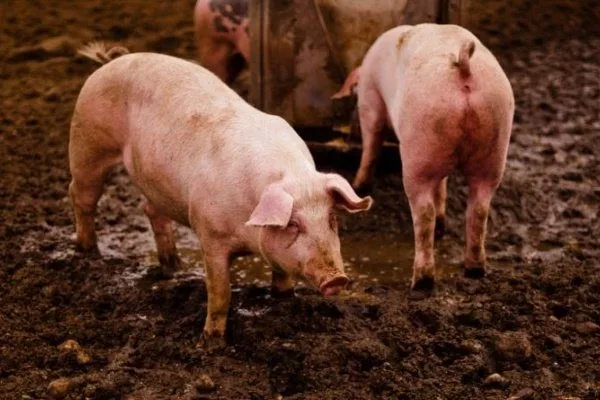
Pigs become infected with pasteurellosis through the fecal-oral and airborne routes. Pathogenic microorganisms enter the body through damaged skin, mucous membranes, and the respiratory tract.
Symptoms of pasteurellosis are often observed in pigs that have recently suffered from other diseases.
Symptoms of the disease depending on the form
| Form of the disease | Body temperature, °C | Duration to death | Main symptoms |
|---|---|---|---|
| Super sharp | 42 | 1-2 days | Difficulty breathing, weakness, apathy |
| Acute | 41 | 3-8 days | Shortness of breath, cough, nasal discharge |
| Subacute | Increased | 5-8 days | Cough, shallow breathing, bowel disturbances |
| Chronic | Normal | 1-2 months | Persistent cough, swollen joints, weight loss |
The incubation period for pasteurellosis ranges from a few days to 14-16 days. The duration depends on the animal's resistance to the disease. Symptoms of the pathological process depend on the stage of the disease.
The following main forms of pasteurellosis are known:
- Hyperacute. In this case, infected individuals die quickly—within a day or two after the first symptoms appear. Symptoms of hyperacute pasteurellosis include a fever of up to 42 degrees Celsius and difficulty breathing. Affected pigs lose their appetite. They tire quickly, exhibiting marked weakness and apathy. This form of the disease is also characterized by impaired cardiac function and the appearance of bluish spots on the legs, ears, and thighs. Inflammation of the respiratory tract mucosa is also observed.
- Acute. Animals rarely survive this form of the disease, with death occurring 3-8 days after the onset of the disease. Acute pasteurellosis is characterized by a sharp rise in temperature to 41 degrees Celsius, loss of appetite, shortness of breath, and coughing. Nasal discharge, which may contain traces of blood, may occur. Cyanotic spots develop on the lower abdomen, snout, and ears. If the disease persists for a long time, severe coughing and swelling of the extremities occur.
- Subacute. This form of pasteurellosis leads to death in pigs within 5-8 days after the onset of the disease. This type of pasteurellosis is characterized by fever, chills, coughing, and shallow breathing. Affected animals groan when exhaling. Bluish spots appear on various parts of the body, and bowel disturbances occur.
- Chronic. This form of pasteurellosis is quite rare. Death of the infected individual occurs within 1-2 months. Symptoms of this form of the disease include persistent coughing, swollen joints, and rapid weight loss. Affected individuals also develop patches of eczema on the skin. All these symptoms occur despite a normal body temperature.
Pathological changes depend on the duration of the disease and the severity of the pathological process. They include the following:
- hemorrhages in the larynx, lungs, myocardial membrane;
- serous edema in the sternum and neck area;
- swelling of the mucous membrane of the larynx;
- inflammation of the digestive tract;
- changes in the structure of vascular walls.
The form of the disease can only be determined with the help of diagnostic tests.
Diagnostic methods
If dangerous symptoms appear that suggest pasteurellosis in pigs, you must immediately contact your veterinarian.
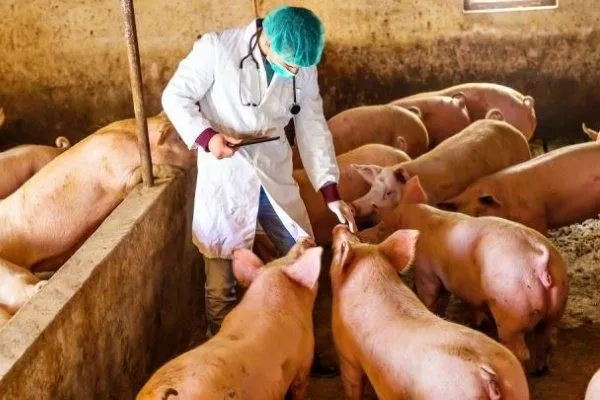
To establish an accurate diagnosis, differential diagnostics are essential. Pasteurellosis is distinguished from plague, faces, viral pneumonia, and salmonellosis. For this purpose, a mixture of antibiotics and anti-pasteurellosis serum is used.
Also, to make a diagnosis, bioassays and culture are required.
Treatment of pasteurellosis in pigs
Infected animals with confirmed pasteurellosis are placed in a warm, dry, well-ventilated area. A complete, high-quality diet is a mandatory component of treatment.
Infected animals must be given serum against pasteurellosis.
Individuals suffering from this disease are given systemic antibiotics throughout the entire course of treatment. The following medications have a negative effect on the pathogen:
- Cephalexin;
- Tetracycline;
- Levomycetin;
- Enrofloxacin;
- Streptomycin.
Isotonic chloride or glucose solution is administered intravenously.
Sick animals are prescribed symptomatic drugs to support the activity of the heart muscle - Mildronate, Trimetazidine.
The course of treatment must include ascorbic acid, glucose, and B vitamins.
In severe cases, blood transfusions and inhalations with oxygen-containing mixtures are indicated.
In case of pasteurellosis, the following recommendations must be followed:
- isolate sick pigs in spacious areas;
- regularly provide animals with high-calorie feed and clean water;
- Ventilate the room where infected pigs are kept daily.
- ✓ The room temperature should be maintained at +10-15°C to reduce stress in sick animals.
- ✓ Relative air humidity should not exceed 70% to prevent the development of secondary infections.
The temperature in the rooms where sick animals are kept should be between +10-15 degrees.
Buildings are disinfected daily. Suitable disinfectants include a suspension of freshly slaked lime (10-20%) or a bleach solution (2% active chlorine).
Pigs that die from pasteurellosis are incinerated or disinfected in deep pits. Their waste products are also disinfected and disposed of.
If pasteurellosis is detected in a livestock facility, a quarantine regime is imposed. Mandatory measures during this period include:
- restrictions on the import and export of animals;
- prohibition on walking and watering contact animals;
- appointment and implementation of a course of treatment for infected individuals;
- administration of antibiotics and serum to piglets and contact animals;
- prohibition on the export of undisinfected animal waste products, bedding, and liquid manure;
- burning of carcasses of dead animals in compliance with all sanitary and veterinary standards;
- daily disinfection of the quarantine room.
All quarantine restrictions are lifted 14 days after mass vaccination and the cessation of the pathological process.
Prevention
In order to prevent pasteurellosis in pigs, it is necessary:
- keep newly arrived animals on the farm in quarantine for a month;
- provide the farm's workers with special clothing and equipment, and also require them to undergo a full sanitary inspection;
- refuse to purchase animals from farms that are considered unfavorable in terms of sanitary and veterinary standards;
- limit contact of adults and piglets with animals from other farms;
- carry out planned vaccination activities for pigs.
To prevent the development of the infectious process in an area where an outbreak of this disease is observed, it is necessary:
- restrict the removal of animals from the premises;
- destroy the carcasses of pigs that died from pasteurellosis at special stations;
- disinfect skins;
- administer serum and antibiotics to all animals that have come into contact with infected individuals;
- destroy rodents in the room where pigs are kept, as they are potential carriers of infections;
- regularly disinfect areas where pigs are kept;
- Do not export feed and equipment from farms affected by pasteurellosis;
- do not take manure obtained from sick animals to the fields;
- disinfect waste products of sick individuals.
Preventive restrictions are lifted 2 weeks after the last case of the disease is recorded.
Vaccination
To prevent the spread of the disease among pigs, routine vaccination is essential. Currently, this is the most reliable method of preventing infection in livestock.
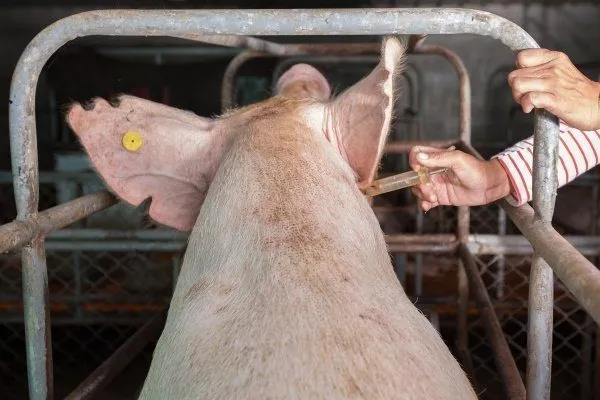
A special vaccine against pasteurellosis consists of cattle blood.
The following drugs are used in modern veterinary medicine:
- inactivated PPD vaccine;
- vaccine against salmonellosis, streptococcus and pasteurellosis in piglets;
- SPS-2 vaccine.
Piglets born to unvaccinated sows are vaccinated at 12-15 days. If the sows were vaccinated, their piglets are vaccinated at 30 days of age. The serum is re-administered 35-40 days later.
Immunity after vaccination lasts for 6 months. After this period, the vaccine must be repeated.
Vaccination does not necessarily guarantee protection for pigs, as their immunity can be compromised by poor nutrition and inadequate living conditions. Therefore, it is important to ensure adequate living conditions for the animals.
Pasteurellosis is a dangerous infectious disease that affects pigs. The pathogen causes changes in the structure of internal organs and often leads to the death of the infected animal. The most effective method of prevention is regular vaccination of pigs.