
Estonian quail are an excellent choice for both experienced farmers and beginners. They require little maintenance, but they do have distinctive characteristics. This breed was developed through selective breeding of egg-laying and meat-producing breeds, selecting the best specimens with a high survival rate in the wild, a long lifespan, and a minimal egg-laying period.
Breeding of the breed
The hybrid was obtained by crossing the following quails:
- English Whites;
- Japanese;
- Pharaoh.
The last breed is a meat breed, the others are egg breeders. These quails first appeared in Estonia in 1989 and have rapidly gained popularity in the poultry market. Breeders have managed not only to maintain egg production but also to nearly double the carcass weight, thanks to the meat and fat.
The appearance and character of the bird
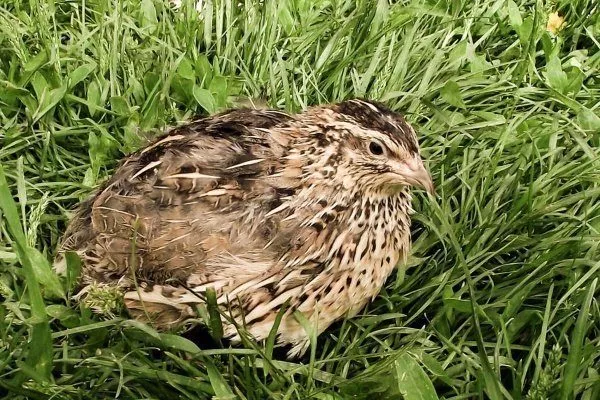
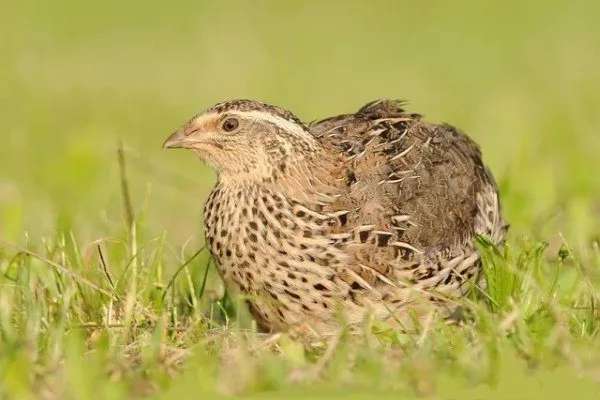
Before buying Estonian quail, it's a good idea to familiarize yourself with their appearance to avoid being scammed at the market. Their coloring is very close to the natural, wild quail, but their feathers have a more brownish tint and dark stripes along their body—a legacy of the Pharaoh breed.
Appearance features:
- The body shape is round, females are a quarter larger than males.
- Short tail.
- Small neck.
- Brown bill, may be grey in females.
- In males, the flight feathers are dark, with light stripes.
- The backs are raised, with a small hump in the front part.
Estonian quails aren't capricious, but they have a distinctive character. Females are quiet, but males are known for their shrill screeching. A loud noise or the appearance of a stranger can cause a commotion in the bird kingdom.
Productive indicators
Estonian quails are highly valued not only for their combination of valuable properties, but also for their good weight and presentable appearance.
Important characteristics:
- Weight. It can reach 300 g per individual, on average – about 250 g, at the age of 4-5 months.
- Egg production. Females produce six eggs per week, which can reach up to 300 per year. The hens lay eggs year-round, which is also very important.
- Egg size. Larger than the Japanese quail, more elongated. They begin laying eggs at 37 days old, each weighing up to 10 g.
- Taste. Estonian quails have delicious meat; birds can be slaughtered as early as one month old. Males are the first to be slaughtered, and females are used only if a replacement is available.
| Indicator | Estonian quail | Japanese quail |
|---|---|---|
| Average carcass weight | 250–300 g | 120–150 g |
| Egg production (year) | 280–300 pcs. | 250–280 pcs. |
| Beginning of oviposition | 37 days | 40–45 days |
| Egg weight | 9–11 g | 8–10 g |
| Survival rate of chicks | 98% | 85–90% |
Quail eggs have a long shelf life thanks to the amino acid lysozyme, which blocks the development of microorganisms.
Advantages and disadvantages
Like any other breed, Estonian quails have their strengths and weaknesses, which should be considered when purchasing. We'll look at these in more detail in the table.
| Advantages | Flaws |
| High survival rate | Voracity |
| Intensive egg laying | High maintenance requirements |
| Rapid growth | Conflict between brothers |
| High hatchability | |
| Laying period | |
| Good vitality | |
| Short incubation time | |
| Adaptability in chicks |
How to distinguish a female from a male?
When buying birds, it's important to be careful not to bring home only females or only males. The sex of Estonian quails can be determined as early as one month old.
| Male | Female |
| The breast is darker, with brown feathers | The breast is speckled, light, without brown feathers |
| The cheeks and mandible are brownish, the crop is lighter | Lighter color, as if covered with dust |
| Coloring: 3 light yellow stripes | The cheeks and lower mandible are greyish |
| Beak - dark brown | The cloaca is bluish in color |
| The skin around the cloaca is pink | The chest and crop are grey-brown, with speckles |
| A more saturated shade of feathers | The color is solid |
| Light stripes on the flight feathers |
How to care for and maintain Estonians?
There's nothing particularly difficult about raising Estonian quail. If you read the instructions carefully and follow the recommendations, you can quickly stock up on both eggs and meat.
Valuable tips:
- The birds are kept in cages; standard cages are suitable for Estonian quail. The size is 100 x 50 cm, which is enough for 20-30 birds.
- The cage height should be no more than 20 cm. A low ceiling is necessary to prevent quails from hitting their heads and injuring themselves; if threatened, they take off quickly. If the height is higher, the birds may break their necks. It's best to cover the top of the cage with a fabric mesh.
How to make a quail cage with your own hands – read here.
- If you breed quails for eggs, 4 males will be enough for 15 females.
- From time to time, the cages need to be thoroughly cleaned: washed with soapy water, scalded with boiling water, and dried to remove any dampness.
- During cleaning, birds need to be relocated.
- A disinfectant barrier should be installed at the entrance to the poultry house to clean shoes. This is easy to construct: fill a box with sawdust and cover it with a cloth soaked in disinfectant.
Drafts are very dangerous for quail! They can lose feathers, decrease egg production, and, in severe cases, destroy the entire coop.
Conditions of detention
Estonian quails are not capricious, but they require specific living conditions, which owners should be aware of.
What is important to know:
- VentilationThe poultry house must have constant fresh air ventilation, with the standard being 2 cubic meters per kilogram of birds in winter. In summer, the area expands to 4 cubic meters.
- LightEstonian quail don't like bright lighting; they become nervous and fight. It's best to use dim lighting: a 20-watt bulb per 15 cubic meters.
- Day-night modeAdult birds have a 15-hour daylight period, so it's best to install an electric timer that automatically adjusts the lighting. Shortening the daylight hours will reduce the quail's egg production. A farmer's tip: spotlight feeder and waterer areas with LEDs; they won't harm the birds.
- HumidityThe ideal range is 60-70%. With proper ventilation, this level is established automatically, as birds produce a lot of moisture due to high body temperature and evaporation. In a dry climate, birds eat poorly, drink excessively, lose feathers, and experience stunted growth. A humidifier can help balance this.
- TemperatureThe Estonian breed prefers moderate temperatures: 22-25 degrees Celsius. If the temperature drops to 16 degrees Celsius, the hens stop laying eggs. At 28 degrees Celsius, quails can suffer heatstroke and die.
- Daily: Check temperature and humidity (morning/evening)
- Once a week: clean the ventilation openings from dust
- Once a month: calibrate the hygrometer and thermometer sensors
- Seasonal: lighting adjustment (summer - dimming, winter - additional lighting)
- Once a year: disinfection of the poultry house with a complete replacement of the litter
Annual microclimate control plan
If birds huddle together, it's a sign they're cold. If they're breathing heavily with their beaks open, they're suffering from the heat.
Bird's place
Estonian quails don't have many requirements: warmth, moderate humidity, and good ventilation. This isn't a fuss, but a necessity due to their high metabolism. Quail are also very shy. Therefore, choosing a location should take the following into account:
- No strangers should enter the room with the cages; if the quail gets scared, the stress will affect egg production.
- Drinking bowls should be placed behind the feeder, not in front of it, so that the water gets less dirty.
- Before cleaning, bird cages must be moved each time.
Feeding quails
Feeding quail is a special topic, as these birds are known for their exceptionally voracious appetites. Some farmers consider this a disadvantage, while others consider it an advantage, as it allows quail to gain weight faster. But the fact remains: quail eat 10% more than other species; this is genetically determined.
If their rations are cut, they'll become nervous and lay eggs poorly. Therefore, it's important to choose nutritious feed, containing elements for both layers and broilers. The average feed requirement is 3-35 g per bird.
Some tips:
- It's possible to make mashes of grains, grasses, and cereals with mineral supplements, but they're more of a supplement. The best solution is compound feed.
- Adult birds eat chicken PK-2 and PK-5 well; they are cheaper than special feed for quails, but contain everything they need.
- Calcium deficiency is revealed by soft eggshells, while excess calcium is revealed by a white coating on the egg. This can be corrected by adding crushed shells or eggshells to the feed.
- After 40 days of life, quails are fed twice a day: in the morning and in the evening.
- The feeding regime must be strictly observed, otherwise the eggs will not lay well.
- To enrich the mixture with vitamins, it is worth adding chopped herbs.
- Twice a week mix in meat, cottage cheese, and boiled liver.
- Leftover food must be removed to prevent it from spoiling.
- The water must be fresh at all times.
- During the mating season, feed containing vitamins and protein should be supplemented. Farmers recommend wheat bran, which is especially beneficial for Estonian quail during this period.
- These birds are very fond of May beetles, and some poultry farmers buy this product.
- Cockerels intended for slaughter can be given unlimited food, but laying hens require a strict feeding regimen to avoid obesity or egg-laying failure.
Features of feed
Quails lay better eggs when supplemented with grain feed or premixes. Even taking into account the cost of such supplements, the income outweighs the expenses, so skimping is not recommended. Another characteristic feature of the Estonian breed is its immediate response to food shortages, so their diet must always be varied.
The quantity of eggs, as well as the nutritional value of quail meat, directly depends on the quality of feed, so it is necessary to know the following characteristics:
- Grain feed. Experienced farmers recommend buying these, but there's a significant drawback. They lack vitamins, which must be added separately. This isn't very convenient, so it's easier to buy special mixtures. There are series for fattening, and others for improving egg production.
- Premixes. They are mixed into the morning feeding, and the required amount is poured directly into the concentrate. The dosage is indicated on the packaging. However, the vitamins lose their effectiveness if diluted with water or added to hot mash.
If birds are raised for meat, the feed should contain more protein; if for eggs, more calcium should be added.
Caring for chicks
Estonian chicks need to be kept in a brooder for some time to grow, at a temperature of about 33-35 degrees Celsius. Then the temperature is reduced to 30-32 degrees Celsius, and in the third week, to 26 degrees Celsius, gradually increasing to 22 degrees Celsius.
A few rules:
- Quail chicks can eat from the first hours of life; they need to be given ground compound feed PK-0 and fresh water.
- The food only needs to be chopped up for the first 10 days; the chicks are not restricted in food for up to 3 weeks.
- Feed three times a day.
- Already on the third day of life, it is recommended to add chopped green onions, it is good for the stomach.
- Any chicken feed will do, you can add corn.
- Birds for fattening begin to be intensively prepared from the age of 1 month.
- Babies under one day old can drown in a deep drinking bowl. A nipple or vacuum-type waterer is ideal, but the latter requires a tube.
Winter care
It is important to remember that in winter Estonian quails require:
- A warm room where all windows and doors should be insulated. Many farmers use infrared lamps.
- High humidity.
- Moderate daylight. If there's too much of it, quails won't lay eggs well.
How to resolve a conflict between quails?
Males should be introduced with caution; if the female is unsympathetic, a fight to the death could result. If this occurs, the birds should be separated, and the male should be reintroduced to the female, not vice versa. Injuries on the bird may also indicate a fight. It can take up to a week for them to reconcile, so it's worth separating the male from time to time.
Breeding and incubation
Quails reproduce very actively, and soon after purchasing the birds, the owner will have to manage their offspring. This task is made easier by the high survival rate of the chicks—98% of all chicks. But before preparing to collect eggs, it's important to consider the birds' personalities when choosing a mate.
The male is introduced to the female. If the reconciliation is successful, you're in luck. If not, the procedure will have to be postponed. Some farmers use a short-term mating method, introducing the "rooster" in the morning for 20 minutes, repeating the "meetings" after 2-3 days. There's a good chance the "lady" will relent.
Reproduction
Of course, quails are perfectly capable of mating themselves, but the process can be improved. Experienced poultry farmers offer advice on how to do it correctly:
- Males often choose mates from among low-quality layers and avoid productive ones. Therefore, it's advisable to isolate the first-grade hens for a while.
- Only young individuals, no older than 3-4 months, are suitable for breeding. For males, the threshold is higher: around 8 months.
- Under no circumstances should individuals from the same parent be mated! The offspring will be sick.
- For 1 male, 2 to 5 females are enough.
- When a male is replaced, a quail's egg production may decrease. It takes about a week for egg production to recover.
Selecting eggs for incubation
It's also important to know that quails don't hatch their eggs, so an incubator is essential. It's not without some extra effort, but it's worth it. To ensure strong, healthy chicks, it's also crucial to select the eggs wisely. They should be stored for no more than a week at a temperature of around 10 degrees Celsius.
- ✓ Reject eggs with cracks, growths, or uneven pigmentation
- ✓ Wash your hands before placing the eggs in the incubator (oil clogs the pores of the shell)
- ✓ Mark the eggs with a pencil (to control turning)
- ✓ Conduct ovoscopy on the 7th and 14th day of incubation
- ✓ Turn off automatic turning 2 days before hatching
Turn it over twice a day.
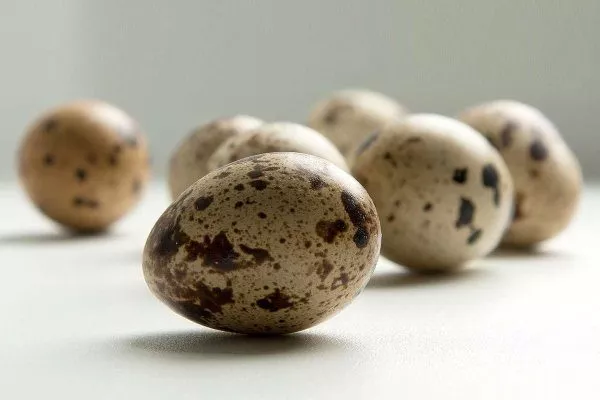
Which eggs are best:
- smooth, matte.
- with a clean shell.
- medium pigmentation.
Incubator requirements:
- Calibrated thermometer and hygrometer.
- The best material to use is polystyrene foam, although any material can be used.
Subtleties of the procedure:
- The first 10 days the temperature should be 37.7-37.8 degrees, humidity – 55-65%.
- Then the humidity drops to 40-45%.
- On the 15th day, the eggs should be turned, the temperature should be lowered to 37.3 degrees Celsius, and the humidity should be raised to 75%. If the incubator can't handle this humidity, the walls should be sprayed with warm water several times a day. But not the eggs!
- The babies begin to hatch on the 16th-17th day, a process that can last up to three days.
- Wet chicks need to be held until they dry, otherwise the down will stick to their skin. Some farmers transfer the chicks the next day.
Never help the quail chicks get out of their shells! They must do it themselves.
For more information on incubating quail eggs, see here.
Features of breeding for meat
Males from failed or rejected eggs are usually discarded. If kept separately, they are easy to fatten up.
Some tips:
- Always leave a dim light in the cage so they can always eat.
- Do not limit food.
- Vegetables and ground corn can be mixed into the feed.
- Start with small portions, from 1 month of life to 2.
Diseases and prevention
Even such resistant breeds as "Estonians" are still susceptible diseasesTherefore, the owner's job is to also monitor the birds' health.
Necessary measures:
- Monitor the birds' appetite and activity.
- If signs of illness appear, the quails are isolated from the others and veterinarians are contacted.
- Install buckets of soda or chorus.
- Use ultraviolet lamps.
Symptoms of an unhealthy bird
Signs that birds show when they are sick:
- bald spots and feather loss on the back;
- brittle plumage;
- wounds;
- poor appetite;
- throw back their heads;
- stretch their necks;
- lower their wings;
- ruffle their feathers.
Sick birds infected with the disease move little, tuck their heads under their wings, and appear sleepy and lethargic. They breathe heavily and may cough.
Infectious diseases
They are transmitted by direct contact and through the air, and the mortality rate in such cases is quite high. The most dangerous of these are:
- Pseudoplague. It is also transmitted through food, water and feces.
- Fowl choleraThe methods of infection are similar.
- Pullorosis. It affects only young individuals, but can be fatal. Causes include hypothermia or overheating, poor food, and lack of drinking water.
- OrnithosisFever appears, the lungs and nervous system are affected.
- AspergillosisA fungal disease. Birds become weak, their feet and beak turn blue, they breathe heavily, and they drink a lot due to thirst.
- Newcastle diseaseRats, cats, and other poultry are carriers. When infected, quails' eyes become cloudy, and their droppings are runny and dirty green.
- Colibacillosis. An intestinal disease similar to pullorum, but progressing much faster, reaching epidemic proportions. Birds are lethargic and constantly trembling. The carcasses and eggs of dead birds must be destroyed.
- Fowl cholera or pasteurellosisAffects the liver of birds, disrupting metabolism. Characteristic symptoms include liquid feces with blood. It does not respond to treatment. The carcass of the dead bird is burned, and the poultry house and cages are disinfected.
Birds infected with the contagious disease must be slaughtered and their carcasses burned. Eating their meat or eggs is strictly prohibited!
Non-communicable diseases
They are conventionally divided into 3 groups:
- Due to improper dietThis means the food is either too low or too high in nutrients. Find a middle ground or change the formula.
- Due to improper maintenanceThis is caused by low humidity and drafts. It can be treated with vitamin B, fodder yeast, and improved environmental conditions.
- Due to injuries. The injured animal needs to be removed, the wound treated, and preferably bandaged.
Improper nutrition can also trigger a complex condition such as prolapse of the oviduct along with the egg. This occurs when chicks are fed adult food, which encourages early egg production before their bodies are ready. Therefore, it is crucial to ensure that adults and chicks are fed different diets.
Where to buy and how much does the bird cost?
Estonian quail are a popular purchase among farmers, and they are bred at many specialized farms across Russia. In Moscow, the company "YUSIKO" offers these services, while in St. Petersburg, "Farmer's Gift" offers them. In Chelyabinsk, local poultry farmers offer these products.
| Region | Farm | Minimum order quantity |
|---|---|---|
| Moscow region | "YUSIKO" | From 50 heads |
| Leningrad region | Farmer's Gift | From 20 heads |
| Chelyabinsk | Ural quail | From 10 heads |
| Krasnodar Krai | Kuban Yard | From 30 heads |
| Novosibirsk | Siberian quail | From 15 heads |
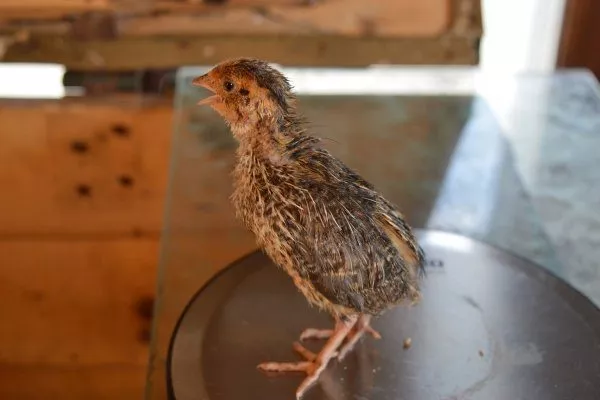
The cost of quail depends on its age:
| Age | Price per unit |
| Daily allowance | 10 rubles |
| Weekly | 17 rubles |
| Three weeks | 32 rubles |
| Period | 40 rubles |
| Adults | 55 rubles |
Farmers' reviews
Estonian quails are very popular, as evidenced by numerous reviews on farmers' forums.
Breeding Estonian quail is very profitable; the investment quickly pays for itself, but only with the right approach. Furthermore, this dietary product is in high demand. The breed is hardy and easy to care for, with hens laying eggs well and producing delicious meat. Chicks hatch uniformly, with virtually no mortality. It's a great start for beginners in quail farming.