
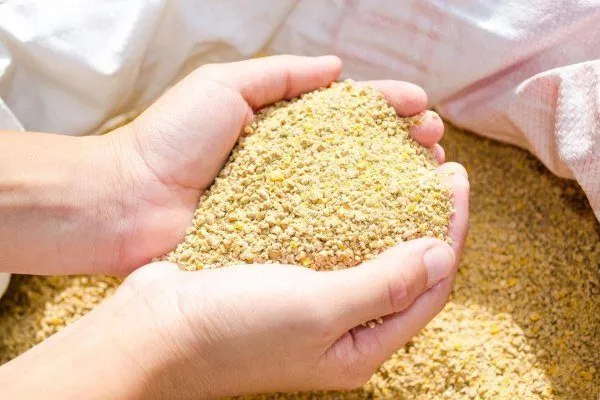
Compound feed is a nutritious mixture based on grain raw materials, enriched with proteins, vitamins, and minerals. This feed allows quails Gain weight, grow actively, and reproduce. Manufacturers of mixed feeds offer both universal formulas and formulas designed for specific target audiences—chickens, layers, and adult birds fattened for meat.
Advantages of compound feed
By using compound feeds for feeding livestock, you receive a lot of benefits:
- Save time on food preparation.
- The bird receives complete nutrition, grows quickly and lays many eggs.
- Quails grow healthy, receive a lot of energy, and produce strong and numerous offspring.
- The compound feed is easy to store and convenient to give to the birds.
- It makes it easier to control the amount of food consumed – you are sure that all the quails have received their portion.
When choosing feed, an individual approach is required, taking into account the poultry farming sector (meat/eggs) and the age of the birds. However, a three-stage feeding system—"start-growth-finish"—is extremely convenient, allowing quail to be fed from the first days until slaughter.
Disadvantages of compound feed
The only drawback of compound feed is its cost. Convenience and effectiveness come at a price: feeding compound feed is more expensive than feeding ingredients purchased separately.
What does the compound feed consist of?
Let's look at the main components of quail feed.
Squirrels
Protein is essential:
- chicks - for active growth;
- laying hens – to maintain health during the period of active egg laying.
Protein intake standards for quail:
| Age group | Protein content | Key sources |
|---|---|---|
| Chicks (0-30 days) | 24-27% | Fish meal, soybean meal |
| Young animals (1-1.5 months) | 17-24% | Meat and bone meal, yeast |
| Layers | 21% | Sunflower cake, peas |
| Fattening for meat | 16-17% | Corn, wheat bran |
- A chick, just after hatching, should receive feed containing 24-27% protein. This level is maintained for 30 days. Proteins should be of two types: animal and plant.
- Once quail reach one month of age, they require slightly less protein – 17-24%. This requirement lasts for two weeks.
- Adult birds intended for meat require feed containing 16-17% protein.
- Layers - about 21% protein.
Carbohydrates
The amount of carbohydrates a bird receives in its feed determines its energy level. Incorrect feed selection leads to reduced growth and reproduction rates.
The main source of energy in compound feed is grains. The following are commonly used to prepare grain mixtures:
- corn;
- millet;
- barley;
- wheat.
Oats in mixed feed should be used with caution. Unhulled oats are especially dangerous – their hulls can clog the chicks' esophagus, leading to diseases and even the death of the brood.
Other nutritional supplements
The following supplements help to replenish the feed with minerals, amino acids and vitamins:
- cake and meal from soybean and sunflower seeds are sources of vitamins E and B;
- yeast is a source of enzymes and vitamins, pantothenic acid;
- green fodder;
- meat and bone meal – replenishes protein needs;
- Salt is an important mineral for quails;
- fish meal – contains a lot of protein, amino acids and fat;
- Chalk and crushed shell rock are sources of calcium.
Compound feed for quails may differ in digestibility, caloric content and balance.
Industrial type of compound feed
Beginning poultry farmers, who are wary of feeding their birds homemade feeds, are especially drawn to commercially prepared feeds. Experienced farmers use both feeding options:
- buy industrial compound feed;
- prepare feed mixtures themselves.
Commercial feed is sold in packages. See the diagram for feeding quail with various feeds:
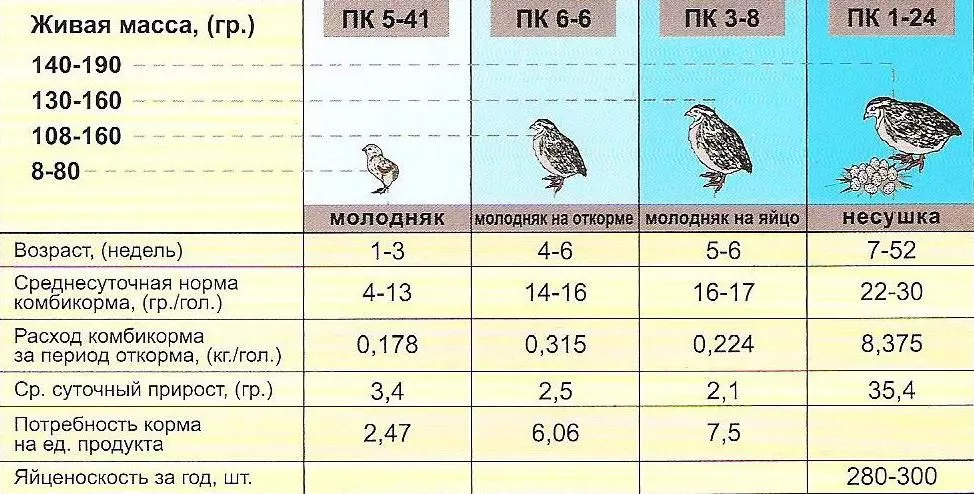
We will also consider each type of complete feed for quails separately.
For chicks
Starter feed is needed for hatched chicks. The young are fed it for up to 21 days. Preparing starter feed is a complex process, so it's best to buy it. It's inexpensive—chicks eat little—but it ensures they receive a complete diet. Even a slight deviation from the formula can negatively impact the bird's development. The following feeds are available for quail chicks:
- PC 5-41 – a complete starter feed. 3 x 3 mm grain. Feed from day one to week four. Builds cellular and humoral immunity and accelerates weight gain. Contains corn, wheat, soybean meal, sunflower meal, fishmeal, feed yeast, limestone, feed phosphates, and vegetable oil. It also contains a vitamin and mineral mixture, an antioxidant, amino acids, enzymes, and an antibacterial complex.
- PC 6-6 – feed for replacement stock. Administered at 4-6 weeks. It differs from the starter feed by containing corn gluten, wheat bran, vegetable fat, sodium bicarbonate, and a mold inhibitor. The remaining ingredients are the same as the starter feed.
- PC 3-8 – a complete granulated feed made from natural ingredients. It is given at 5-6 weeks. The composition is similar to the previous one, but the components are selected in different proportions. PK 3-8 feed is designed for young animals raised for eggs, so it contains higher levels of calcium, sodium, and chlorine.
When feeding young animals, any feed is soaked in water.
For adult birds
Quail are given growth feed starting at 21 days of age. Feeding continues until they reach 1.5 months of age. When choosing growth feed, consider whether they are being bred for eggs or meat:
- PC 1-24 – fed to laying hens during the production period. The feed is a 3 x 3 mm grit. It consists of wheat, soybean oil, soybean meal, and sunflower meal. It also contains phytase, a multienzyme and vitamin-mineral complex, and an antibacterial agent.
- DK 52-4 – 2-3 mm grain size. Complete feed for layers, given from the 7th week. Contains wheat, bran, corn, meal, salt, fishmeal, and fish oil. Also contains the Bacillus enzyme, soda, lime powder, and other ingredients.
- PC-1P – Recommended for meat breed quail. Can be fed from 22 days. High-calorie, balanced, and easily digestible feed. Recommended for mixing with greens. Contains grain, grain by-products, meal, corn, proteins, and vegetable fats. Enriched with premix.
- DK-52 – compound feed for layers. Feed from the 7th week. Produced in crumb form. Improves bird productivity and strengthens eggshells. A balanced feed that ensures 85-90% productivity.
- DK-53 – for poultry intended for fattening for meat. A complete pelleted feed for fattening from the 7th week. Standard composition – grains, bran, meal, etc. A full range of vitamins, antioxidants, and bioactive substances.
Homemade compound feed: recipes
Homemade quail feed is less expensive than commercially produced feed. Beginning farmers use recipes from experienced poultry farmers. As they breed quail, most poultry farmers develop their own recipes.
The basis of homemade compound feed is grain crops, to which minerals, fruits and vegetables are added.
It is important to prepare the ingredients correctly:
- clean vegetables and fruits from rot;
- rinse in water, then cook for 45 minutes, changing the water;
- cool and grind to a gruel consistency.
- Check the grain for mold.
- Grind solid components to 2-3 mm
- Steam vegetables at 70°C to disinfect.
- Mix in a concrete mixer for at least 15 minutes
- Packing in bags with moisture content up to 12%
Ingredient preparation plan
Onion or garlic peels should not get into the feed - they can clog the quail's esophagus.
In the video below, a specialist explains how to prepare quail feed using inexpensive ingredients found at any farmer's market:
Recipes for adult quails
To ensure quails grow and stay healthy, they must not be fed grain alone. Protein (22%) and trace elements are essential.
Recipe No. 1. Table 1 shows the norms of products for preparing 1 kg of feed.
Table 1
| Product name | Weight, g |
| crushed wheat | 300 |
| cake | 170 |
| crushed corn and barley grain | 150 |
| wheat bran | 70 |
| small shell and fodder yeast | 30 |
| fish and meat and bone meal | 20 |
| peas and unrefined sunflower oil | 20 |
| chalk | 13 |
| premix | 10 |
| salt | 2 |
Mix all ingredients thoroughly. Feed the birds as a mash, which can be dry or wet. Water or sour milk is added just before feeding. The consumption of homemade feed made according to this recipe is 1 kg per 40 days (for one quail).
Recipe No. 2. This is an alternative with a higher corn content. Table 2 shows the ingredient proportions.
Table 2
| Product name | Content, % |
| corn | 40-42 |
| wheat | 16 |
| soybean meal | 10 |
| sunflower meal | 10 |
| meat and bone meal | 5 |
| fish meal | 5 |
| chalk and shells | 6 |
| yeast | 4 |
| herbal flour | 2 |
You can add flax and hemp seeds—quail love them. It's also recommended to add salt and premix—0.5% each.
Recipes for laying hens
Egg-laying quails require special nutrition. They need at least 30 grams of feed per day. If a poultry farmer wants to produce high-quality eggs, they need to provide the hens with protein—26% of their feed should be protein. The following ingredients are essential in the feed for laying hens:
- base – compound feed or cereals;
- proteins – for example, soy, peas, lentils, blood of slaughtered poultry;
- calcium – eggshells;
- Additionally – plant seeds, barley flour, fish eggs, bones and offal, maggots and meat-and-bone flies;
- minerals – shells and yeast;
- vitamins – potatoes, onions, cabbage, carrots.
If hens have digestive problems, rice is added to their feed. Sour milk is also beneficial for quail.
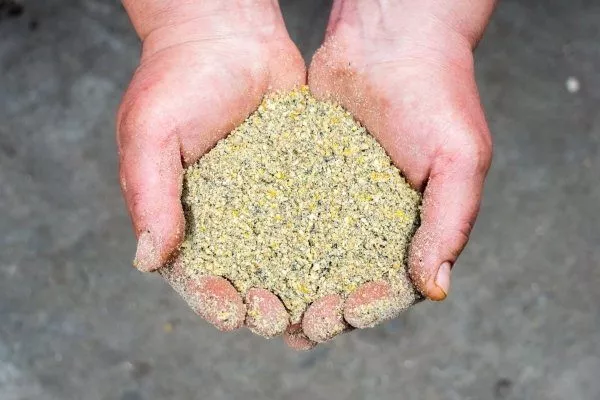
Recipe No. 1. An example recipe for layers. Table 3 shows the percentage of ingredients.
Table 3
| Product name | Content, % |
| sunflower cake | 12 |
| soybean meal | 7 |
| wheat and corn in equal parts | 55 |
| peas | 3 |
| chalk | 1 |
| sunflower oil | 1 |
| fodder yeast | 5 |
| bone meal | 5 |
Mix all ingredients thoroughly. A premix may be added.
Recipe No. 2. Feed for laying quails, enriched with calcium.
Table 4
| Product name | Weight, kg |
| dry milk | 4 |
| corn | 20 |
| wheat | 19 |
| yeast | 6 |
| millet | 12 |
| bone meal | 12 |
| sunflower cake | 5 |
| ground shells | 2 |
You can add minerals to the composition - chalk or crushed shells.
Recipes for chicks
Recipe No. 1. Feed for chicks is prepared from crushed grains.
Table 5
| Product name | Weight, g |
| wheat groats | 100 |
| corn | 400 |
| barley | 100 |
| unrefined sunflower oil | 5 |
| bone meal | 10 |
| salt | 10 |
| chalk | 10 |
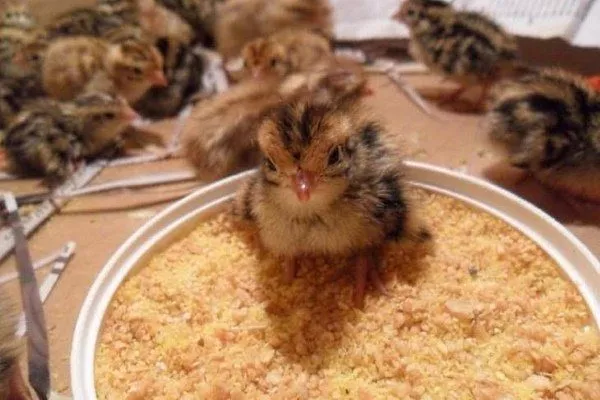
This amount of food is designed to feed a chick for a month. The food can be given dry or soaked. This is the basis of the young quail's diet. It is recommended to supplement it from time to time with:
- greens - dill and parsley;
- crushed eggshells;
- minced meat – fish or meat, low-fat cottage cheese.
From 14 days onwards, gravel and small shells are introduced into the diet.
Recipe No. 2. This recipe is universal and is suitable for both chicks and mature birds.
Table 6
| Product name | Weight, kg |
| corn | 40 |
| cake | 5 |
| wheat | 15 |
| fish meal | 10 |
| meat and bone meal | 12 |
| yeast | 4 |
| herbal flour | 3 |
| salt | 0.3 |
| shell rock | 2 |
Features of feeding chicks
It is recommended to feed chicks premixes and protein-mineral supplements during the first few weeks. Once the quails grow older, they are given starter feed.
For the first few days, the chicks are fed boiled eggs—crushed and mixed with oatmeal or wheat grains in a 1:3 ratio. Millet porridge and yogurt are then introduced into the chicks' diet. Day-old quail are also given:
- grated carrots;
- green;
- eggshell.
Chicks can be given cottage cheese no earlier than the second day, and only 2 g each, and boiled fish – from the fifth day.
When feeding chicks, adhere to the following rules:
- quails should always have clean water to drink;
- water is first poured into shallow containers - for example, plastic lids, and later - into drinking bowls;
- for disinfection it is useful to give a weak solution of potassium permanganate;
- food should be at room temperature;
- in the first week the chicks are fed 5 times a day, in the second week – 4 times, in the third week – 3 times;
- Food leftovers should not be left in the feeders for longer than two hours.
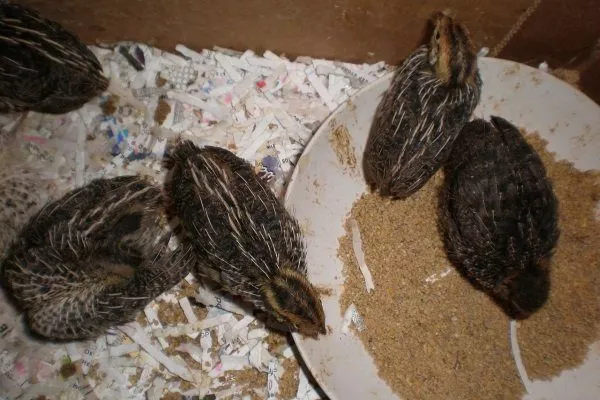
What other recipes are there for quail?
Recipe No. 1. With carrots. Homemade feed for adult birds:
Table 7
| Product name | Weight, g |
| carrot | 100 |
| wheat | 200 |
| sunflower cake | 100 |
| soybean meal | 50 |
| meat and bone meal | 30 |
| fodder yeast | 30 |
| sunflower oil | 10 |
Recipe No. 2. With beets and other vegetables.
Table 8
| Product name | Weight, g |
| beet | 100 |
| boiled potatoes | 50 |
| cabbage | 100 |
| millet | 200 |
| semolina | 200 |
| meat and bone meal | 50 |
Recipe No. 3. With eggs. Table 9 shows the nutritional requirements for 5 boiled eggs.
Table 9
| Product name | Weight, g |
| cottage cheese | 100 |
| fodder yeast | 50 |
| vegetable oil | 10 |
Recipe No. 4. With minced fish.
Table 10
| Product name | Weight, g |
| millet | 100 |
| oatmeal | 100 |
| cottage cheese | 100 |
| minced fish | 100 |
What micronutrients do quails need?
Each microelement affects a specific system in the body. For example:
- Calcium – the basis of the skeleton. Calcium makes up 97% of the total weight of the shell, and the shell itself accounts for 7-8% of the total weight of a quail egg. Without calcium, egg production drops, and the shell loses its strength.
- Phosphorus – a component of the skeleton. Responsible for energy processes in cells.
- Magnesium – is part of the shell and body fluids. Activates enzymatic processes.
- Sulfur – its deficiency leads to sparse plumage.
- Iron – its deficiency slows down the growth of birds and anemia develops.
- Copper – stimulates processes in the bone marrow. If copper is insufficient, egg production decreases and bones become deformed.
- Zinc – is a component of the hormone insulin. If zinc is deficient, quails experience stunted growth, become nervous, and develop poor feathering.
- Manganese – if chicks don’t have enough of it, their tibia bones develop poorly and their tendons become deformed.
- Iodine – stimulates the egg-laying organs. Deficiency affects hatchability. Feather loss is observed.
- Cobalt necessary for sexual activity and activation of egg laying.
- Selenium – improves immunity.
- Sodium – without sufficient quantities, growth and development are disrupted.
- Chlorine – affects digestive activity.
- Potassium – an essential component of cells. Its deficiency leads to stunted growth and increased mortality.
The requirements of quails for elements depending on their age are given in Table 11.
Table 11
| Elements | Unit of measurement | Age (in weeks) | ||
| up to 6 | 6-12 | more than 12 | ||
| calcium | % | 1.3 | 0.6 | 4.5 |
| phosphorus | — | 0.75 | 0.6 | 0.7 |
| magnesium | — | 0.02 | 0.04 | 0.04 |
| potassium | — | 0.3 | 0.3 | 0.5 |
| manganese | mg/kg | 90 | 90 | 90 |
| selenium | — | 1 | 1 | 1 |
| iodine | — | 0.4 | 1.2 | 1.2 |
| zinc | — | 65 | 75 | 75 |
| iron | — | 8 | 20 | 20 |
| copper | — | 2 | 3 | 3 |
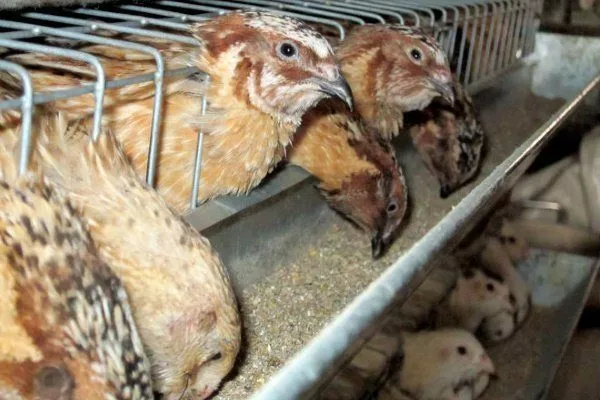
Nutritional standards depending on age
Quails' feed is changed as they grow. Depending on their age, quail require specific amounts of feed and nutrients. Table 12 lists the feed compositions for quail of different age groups. Table 13 lists the nutritional requirements for quail fed the specified feed compositions.
| Indicator | Chicks | Young animals | Adults |
|---|---|---|---|
| Feed per day (g) | 4-8 | 14-18 | 25-30 |
| Frequency of feedings | 5-6 | 4 | 3 |
| Water temperature (°C) | 22-24 | 18-20 | 16-18 |
Table 12
| Recipe composition | up to 35 days, % | 35-42 days, % | more than 42% |
| Wheat | 15 | 15.15 | 10 |
| Corn | 35.1 | 39 | 46.19 |
| Sunflower seed cake | 9 | 11 | 18 |
| Soybean cake | 35 | 29 | 14.3 |
| Monocalcium phosphate | 1.3 | 1.3 | 0.7 |
| Chalk | 2.8 | 2.8 | 5.7 |
| Table salt | 0.41 | 0.41 | 0.41 |
| Lysine | 0.17 | 0.21 | 0.17 |
| Methionine | 0.22 | 0.13 | 0.03 |
| Premix P-5 (with enzymes) | 1 | 1 | — |
| Shell | — | — | 4 |
| Premix P-1-22 | — | — | 1 |
Table 13
| Guaranteed performance indicators | up to 35 days, % | 35-42 days, % | more than 42% |
| Humidity | 12.5 | 12.5 | 12.5 |
| Crude fiber | 4.5 | 5.1 | 5.4 |
| Crude protein | 21.5 | 20.2 | 17.2 |
| Crude fat | 6.5 | 5.4 | 4.9 |
| Metabolic energy, kcal | 305 | 281 | 283 |
| Methionine + cystine | 0.96 | 0.78 | 0.63 |
| Methionine | 0.61 | 0.47 | 0.34 |
| Lysine | 1.3 | 1.2 | 0.9 |
| Threonine | 0.68 | 0.74 | 0.63 |
| Calcium | 1 | 1.3 | 3.5 |
| Total phosphorus | 0.75 | 0.75 | 0.74 |
| Sodium | 0.18 | 0.2 | 0.2 |
What can be added to compound feed in different seasons?
Daylength influences quail development. Long daylight hours, combined with adequate feeding, promote sexual development and early egg production. When sunlight is insufficient, it's important to provide quail, especially females, with vitamin D. Depending on the season, mixed feed is fortified with vitamins and minerals, adding appropriate ingredients.
Spring-summer season
As soon as the first green leaves appear, add chopped greens to the homemade feed. This supplement will enrich the birds' diet with vitamins and microelements.
In summer, vegetables are added to quail's diet. The following can be added to the feed:
- carrot;
- cabbage;
- beets;
- spinach.
Both chicks and adults benefit from eating earthworms in the spring and summer.
Autumn-winter season
The closer to winter, the fewer vitamins the birds receive. In winter, there's no green fodder, vitamin intake decreases, and daylight hours become shorter. To maintain the birds' health and energy, fortified components are added to their feed. Here's a sample recipe for winter feed, g:
- oatmeal, wheat, barley - 12 g each;
- minced meat/fish, or cottage cheese – 12 g;
- chalk, shells, seashells – 3 g;
- cabbage or carrots - unlimited;
- sunflower meal.
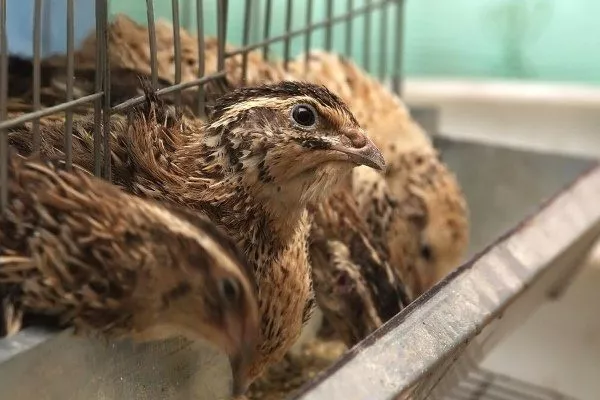
To supplement the diet with vitamins, it is also recommended to add the following to the feed:
- dried herbs – nettle, clover, alfalfa;
- sprouted oats;
- green onions.
Waste for compound feed
Commercially produced feed is always enriched with vitamins and minerals. When making your own feed, it's difficult to achieve the exact ingredient ratio. However, vitamin supplements are easy to make—they're made using vegetable and fruit scraps. They're both healthy and economical. Suitable supplements for vitamin supplements include:
- carrot peel;
- beet peel;
- cabbage leaves;
- green;
- apple peel;
- cleaning the pumpkin.
Before adding waste to the feed, you need to:
- rinse the peelings;
- cut out the rot;
- pour into a saucepan and turn on low heat - this is necessary for disinfection, so that dangerous microbes and bacteria die;
- Mash the mixture and add it to the feed.
Oil cake for compound feed
Oil cake is a byproduct of oil milling. It is used in almost all animal feed recipes.
If you're making the mixture yourself, it's helpful to know the different types of cake and how they differ:
Soybean cake
Even finely ground soybeans are poorly digested by birds. Soybean waste is more likely to harm quail. When choosing soybean meal, consider the following:
- Protein – it should be at least 38%, the more the better.
- Urease – an enzyme; on the contrary, it should be present in as little quantity as possible. If the urease content exceeds 0.15%, the cake will harm the chicks. Exceeding the limit can even lead to the death of the chicks.
Urease can be neutralized by heating, which occurs during oil extraction. Soybean meal should only be purchased from vendors who produce the product themselves and can verify its urease content.
Sunflower cake
When choosing sunflower seed cake, pay attention to its color. Light brown is best. Roasted sunflower seed cake is used for compound feed; it can be recognized by its delicious "seed" aroma.
What other additives are there for compound feed?
To ensure that the bird grows better and that the homemade feed is easily digested, various additives are added to it:
- Limestone (feed chalk). The standard rate is 3.5%. It's necessary to provide calcium to the feed. Not all chalk is suitable—its particle size should be 2-3 mm. If feed chalk is unavailable, you'll have to use construction chalk or shell rock.
- Premixes – special vitamin and amino acid supplements. Content in feed: 1-2%.
- BMW – protein-mineral vitamin supplements. They contain amino acids and enzymes. Experienced quail breeders say that BMVD should be added to feed at all times. The recommended dosage is 9.7%.
Mineral supplements
Minerals are essential for meat and egg production. They are needed for metabolism and eggshell formation. A lack of minerals leads to thinning of the bird's bones. Popular mineral feeds include:
- Bone meal. A full range of minerals is available. The downside is the low mineral concentration.
- Limestone with marble chips. Calcium balances in the small intestine. The downside is significant losses.
- No. 1. Chalk with coarse-grained limestone and shell.
- No. 2. Shell with limestone flour. Improves small intestinal peristalsis. Cons: difficult to digest.
- No. 3. Limestone flour with shell and marble chips. The chips have abrasive properties. The downside is that they increase stomach acidity.
- No. 4. Limestone with crushed shell and marble chips. Absorbs trace elements from other additives.
Animal additives
Feeds made from waste from meat and other parts of animals, fish, and poultry are a source of protein. The following flours are used to make compound feed:
- Meat and bone. The raw material is the carcasses of dead animals. Quails are fed feed starting at 4-1 weeks of age. The standard is 5%.
- Meat. The raw material is animal by-products. The finished flour is added to compound feed according to feeding standards.
- Bloody. Raw materials: blood and bones. Contains a lot of protein. The recommended daily intake in feed is 3%.
- Meat and feather. Made from feathers and internal organs of birds. It is added to compound feed at a concentration of up to 2% to increase nutritional value.
- Fish. Made from fish processing waste. Rich in vitamins and amino acids. Contains up to 3% of the feed.
Animal-based additives also include skim milk powder, which is used to feed young animals. It is also added to chick feed. Its content in the feed is 3%.
| Type of flour | Shelf life | Optimal dose | Restrictions |
|---|---|---|---|
| Meat and bone | 6 months | 5% | Not for chicks under 7 days old |
| Fish | 3 months | 3% | For wet mashes only |
| Bloody | 1 month | 3% | Mandatory heat treatment |
Frequently Asked Questions
Quail breeding – an interesting and profitable business. Beginners gradually master the intricacies of poultry farming. Most often, they are interested in questions such as:
- How much feed should a quail receive per day? One adult quail should receive 25-30 g of feed.
- How often should quails be fed? Adults are fed 3-4 times a day.
- Do quails need to be fed boiled eggs in the first few days? No, if they get enough protein and vitamins from their feed, they can get by without boiled eggs.
- What should I mix the feed in? A concrete mixer is ideal.
- What is Mycofix? It's a mycotoxin absorbent. It's essential if the grain is of poor quality.
- Is it possible to do without soybean meal? Yes, but then you'll have to add more fishmeal, which is more expensive than soybean meal.
Even a novice quail breeder can prepare compound feed on their own. The most difficult part is maintaining the feeding standards and adjusting them according to the bird's age. To ensure quail receive a balanced diet, experienced farmers recommend combining commercial and homemade compound feed.
I had no idea there was such a huge variety of quail food. And I want to thank you so much for the tips, for example, about scraps for feed, etc. A very useful article.