
Quail farming only began 50 years ago. This bird offers numerous advantages, including early maturity, low egg cost, lean meat, and ease of maintenance. Therefore, today we'll explain how to incubate quail eggs.
Technology for selecting quail eggs
First, you need to select the eggs. There are several parameters to pay attention to, as the success of incubation depends on them. When selecting eggs, consider:
- Form. Elongated or round shaped eggs are not suitable.
- Weight.Eggs of medium size should be selected. For breeding eggs, choose eggs weighing 10-15 g. Small and large eggs can have various defects, such as weak and non-viable quail hatching or double yolks.
- Surface. Preference should be given to those eggs that have a perfectly matte surface with the usual pigmentation.
- Smoothness of the shell. It is also important to pay attention to such a parameter as the smoothness of the shell surface: it should not have any defects, dents, growths, cracks, or notches.
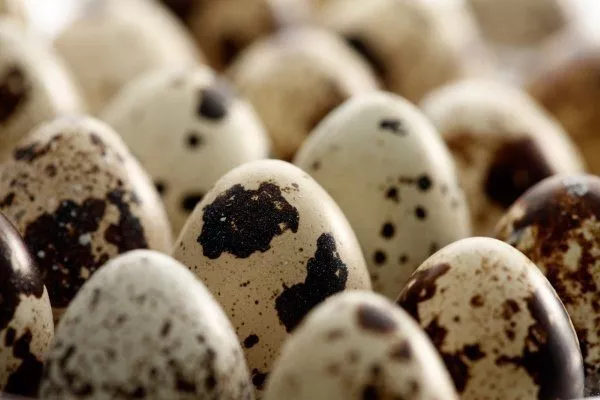
Each egg should be examined with an ovoscope, a device used to assess egg quality. A flashlight can also be used for illumination. Carefully inspect the egg for any imperfections, including the location and size of the air cell, the presence of blood, and mixed yolk and white.
| Parameter | Norm | Deviation |
|---|---|---|
| Air chamber | 4-5 mm, blunt end | Displaced, >7 mm |
| Yolk | Center, clear boundaries | Stuck to the shell |
| Protein | Transparent, without inclusions | Spots, cloudiness |
| Shell | Uniform thickness | Thickening/thinning |
The air cell should be located in the center of the blunt part of the egg, have a round shape and
medium size.
To ensure good hatchability, remember that hatching eggs should be no more than 10 days old. They should be stored at a temperature of at least 10 degrees Celsius (50 degrees Fahrenheit; the optimal storage temperature is between 10 and 15 degrees Celsius). Incubating eggs should not be kept at temperatures above 27 degrees Celsius.
An ovoscope will be needed on the 7th and 14th day of incubation, when it will be necessary to cull low-quality eggs.
The process of laying quail eggs
Preheat the incubator to 37.8 degrees Celsius (99.8 degrees Fahrenheit). At this point, remove the eggs from their cool storage location and allow them to warm up (the room temperature should not exceed 25 degrees Celsius). It is recommended to use eggs that are 4-6 days old for incubation. The longer an egg is stored, the less likely it is to hatch a healthy, viable quail.
Place the eggs vertically, with the blunt end facing up. After laying, disinfect the eggs using a UV lamp at a distance of 40-45 cm for 6-7 minutes.
Many breeders pre-treat eggs with a weak solution of potassium permanganate or even formaldehyde. We strongly recommend against this. There's no need to wash eggs for incubation, clean their surfaces, or subject them to any type of cleaning. The hatchability and viability of the young don't depend on this. Conditions should be as close to natural as possible, not as sterile as an operating room.
The incubator should also be protected from direct sunlight by covering the windows to keep the room shaded and cool. Because the eggshells release carbon dioxide, it's recommended to ventilate the room occasionally.
Video tips
We recommend watching a video on selecting high-quality eggs for successful incubation:
We recommend watching the following video, which describes an unsuccessful attempt at incubating quail eggs and how to remedy the situation:
Turning the eggs is essential to ensure proper embryo development. This should be done at least twice a day (ideally 4-6 times a day during the first two weeks of incubation). Two to three days before hatching, stop turning the eggs and lay them horizontally.
Proper maintenance of humidity
Maintaining humidity at 60% is crucial when storing quail eggs. During incubation, this value ranges around 50% for the first two weeks. On days 13-15, humidity is slightly reduced to 45%. On days 16 and 17, humidity should be increased to 75%.
Humidity is a key factor during the incubation period. Since metabolic processes occur during early embryonic development, humidity levels should be regulated to prevent the embryo from becoming dehydrated. To increase humidity during hatching, containers of warm water (42-45°C) should be placed at the bottom of the incubator.
Dry air before hatching can cause the shell membrane to dry out, causing it to become denser. This can lead to the chick simply not being able to escape.
If the humidity in the incubator is too high, a similar situation can occur, where the egg shells crack because the embryo's membrane becomes overly moist. Dampness in the incubator should be avoided, as this can lead to the growth of fungi and mold in the tray. Bacterial diseases can be transmitted to the embryos.
Humidity Control Schedule
- Day 1-12: 50-55% (hygrometer + water trays)
- Day 13-15: 45% (remove 1/3 of the pallets)
- Day 16-17: 75% (add warm water 42°C)
- After hatching: 60% to dry the chicks
Temperature during the incubation period
Maintaining a stable temperature is crucial during the incubation period to ensure the normal development of the quail eggs, or rather the embryos within them. Quails have the advantage of being more resistant to overheating or power outages.
For the first 14 days, maintain a constant temperature in the quail incubator—around 37.6 degrees Celsius. During the hatching period, the temperature should be lowered to 37.2 degrees Celsius.
| Period | Temperature (°C) | Duration of ventilation |
|---|---|---|
| Days 1-2 | 37.8 | Not required |
| Days 3-14 | 37.6 | 5-7 minutes 2 times a day |
| Day 15-17 | 37.2 | 10 minutes 3 times a day |
From the third day onward, you can open the incubator for a few minutes to ventilate and cool the eggs. In the wild, the female will leave for 5-10 minutes to feed.
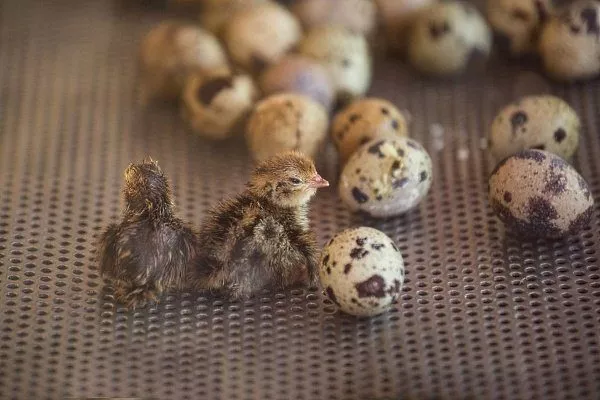
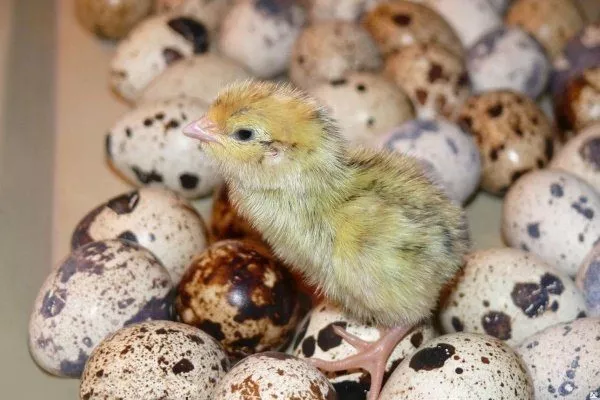
By following these simple rules, hatching is guaranteed as early as 17 days after laying. The hatching process takes 6-9 hours. After hatching, leave the chicks in the incubator for 3-5 hours to dry. Only then can they be transferred to the brooder.
In the event of a power outage, the incubator is insulated with a blanket to retain heat for as long as possible (a temperature drop to 15°C is not harmful for most embryos). Due to a temperature imbalance, the chicks will hatch later than expected.
Optimal conditions for the incubation period
Numerous factors influence hatchability, particularly feeding type, quail age, and sex ratio. The optimal ratio is one male to four to five females. Some producers prefer to separate each pair for mating. This significantly increases the fertilization rate compared to free mating.
Mating of related quails is prohibited, as this can result in the birth of weak babies, which are more than 50% likely to die at a young age.
It's recommended to collect eggs from females between 2 and 8 months of age. Younger females are used for human consumption. If a quail is over 12 months old, its egg production remains unchanged, but the percentage of fertilized eggs decreases. Male quail are used for much longer.
What incubators should be used for hatching chicks?
Quails have lost their instinct to brood, so they hatch their young using incubators. Let's look at the main brands of incubators currently available.
1Incubators “Ideal hen”
The "Ideal Hen" incubator has proven itself to be a reliable choice. The IB2NB-3Ts model is in demand. The unit is made of pressed foam and weighs approximately 5-6 kg without eggs. Its dimensions are 590 x 540 x 320 mm. The top of the incubator is covered with a lid with a window for visual observation and a digital display showing the current temperature. The unit is equipped with a removable grid for automatically turning eggs every 4 hours. It operates by moving the grid sideways, causing the eggs to roll as they rest in the cells and touch the base of the grid.
Before turning on the unit for the first time, ensure the automatic egg turning grid is moved toward one side of the housing to allow it to move fully. You can also turn off the egg turning mechanism, but in this case, you must first mark two opposite sides of each egg with a soft pencil and manually turn the eggs 3-5 times per day. Do not turn the eggs during the last week of incubation.
The top lid contains built-in infrared heaters, ensuring a constant temperature. The user can set the temperature manually within the range of 35-42 degrees Celsius. The temperature is maintained automatically by an electronic thermostat.
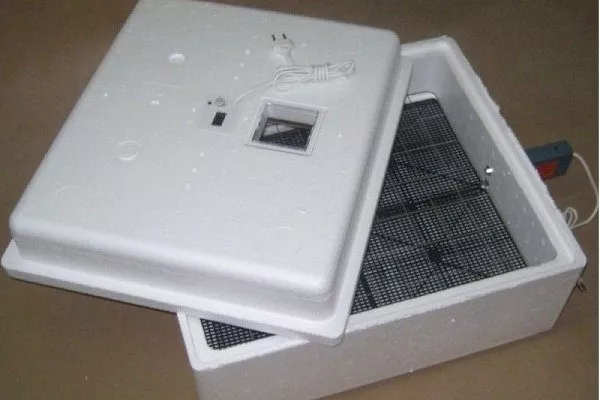
Incubator "Ideal Brood Hen", model IB2NB-3C
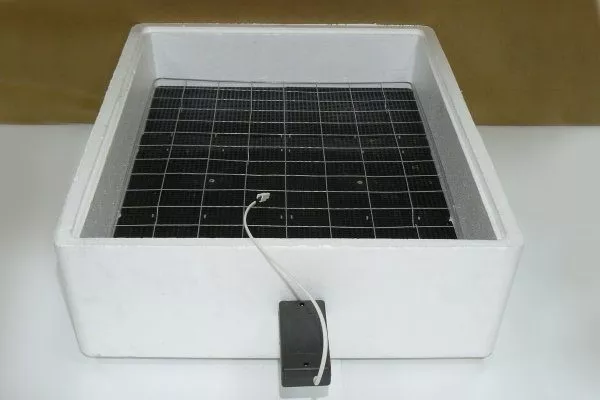
The IB2NB-3C model is designed for 143 quail eggs.
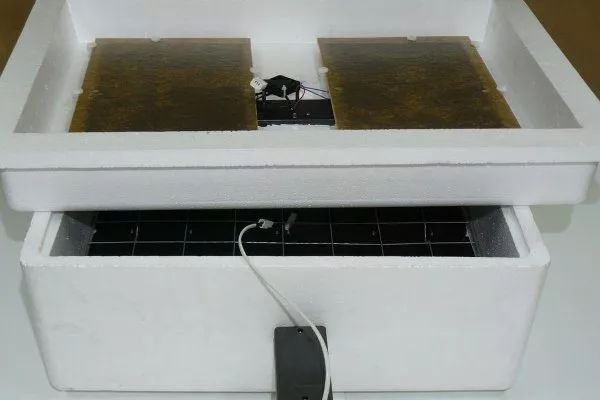
There is a thermostat, but there is no temperature sensor inside the case.
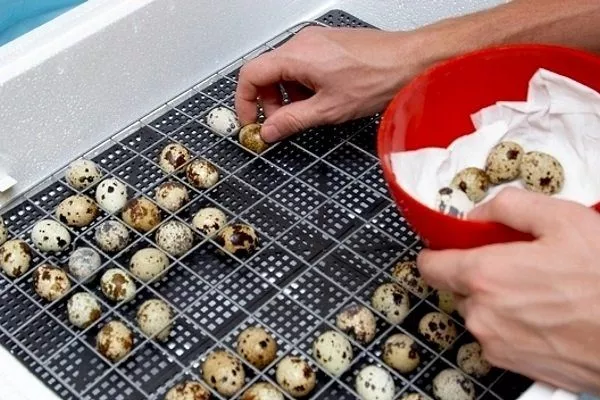
The kit includes instructions on how to properly select eggs and stack them correctly.
The IB2NB-3C model is not suitable for connecting to an additional power source. For successful hatching under conditions of frequent power outages, it is recommended to choose other models, such as the IB2NB-4C.
The manufacturer has provided a water tank located under the egg clutch. Warm boiled water is poured into it, and its evaporation maintains the required humidity in the incubator. To regulate this humidity, the manufacturer recommends pouring water into the 2nd and 4th wells when the humidity is low, and into the central well when the humidity is high. You will also need to purchase a separate moisture meter for the incubator, as only the IB3NB-4Ts model has a humidity sensor.
The incubator has ventilation holes in the bottom and lid. During power outages, cover the incubator with a blanket and close the ventilation holes to retain heat for as long as possible.
Typically, the same incubator is designed for hatching chicks from chicken, goose, and quail eggs. Simply purchase and install a grid with the required mesh size and place the eggs in the incubator.
2Blitz Incubators
Blitz is a popular and sought-after incubator brand in Russia. It features a built-in heater and fan to maintain an optimal incubation environment. It also features a thermostat and convenient humidity control. The egg rack rotates automatically every two hours. The control panel is located on the side. A battery connection is available, helping to preserve the clutch during an unexpected power outage. The Blitz incubator can be used to dry chicks after hatching.
The unit is constantly being upgraded, so you can find several visually very similar models on the market. However, they do have some differences:
- Model Blitz 48 or 72 The incubator does not have an automatic water refill function, and the lid is made of transparent polycarbonate. There is no audible alert when the temperature inside the incubator drops or when the power goes out.
- Blitz 48 or 72 Digital The automatic refill system allows you to reassure yourself of the water level in the tray. There's an audible alert when the set temperature drops, the unit is unplugged, or the battery is low. The top cover is a sheet of foam with a round viewing window in the center, which limits visibility but improves heat retention. Otherwise, the model is quite good.
- The model Blitz Norma The lid is made of transparent polycarbonate, making it easy to observe the clutch and hatching of the chicks. Water is added manually (a funnel with a hose is included, so there's no need to remove the clutch each time to fill the tray).
- "Blitz" Norma S8 (Lupper)It has an improved housing (polystyrene foam encased in plastic), making it easier to clean and longer-lasting. This model does not have a humidity sensor or automatic water refill system.
The video below shows the differences between the digital panels of the same incubator model, but different modifications (c6, c8, and s8):
- Blitz PCIt doesn't have an automatic egg turning or water refill feature, and there's no automatic power-down switch during a power outage. The control panel is more basic and not located separately.
"Blitz" marked 48 holds 130 quail eggs, marked 72 - 200 quail eggs, marked 120 - 325 quail eggs.
3TGB incubators
These are the most expensive incubators presented in this article. TGB incubators do not have a box. They are made of a stainless steel metal frame, tightly covered with an insulated fabric cover.
The heating element is a flexible wire that follows the shape of the structure, heating the egg tray more evenly and naturally. The necessary humidity is achieved through water evaporation. This company's incubators use a waterproof sheet stretched under the egg tray as a water reservoir. To reduce humidity, an insulated mat is placed on the water surface, thereby reducing the evaporation surface (the mat is removed to increase humidity). There is no viewing window.
TGB incubators are somewhat complex to assemble and operate, but they offer an impressive variety of modifications and interesting features. Let's look at the letters next to the incubator model:
- A – automatic egg turning (12 times a day);
- B – there is a measure of humidity;
- L – there is an ionizer (Chizhevsky chandeliers) to suppress possible bacterial growth in the incubator;
- R – possibility of connection to a backup power source;
- BIO – has a biostimulation function (the biostimulator makes clicking sounds, imitating those made by chicks before hatching, which speeds up the hatching of chicks).
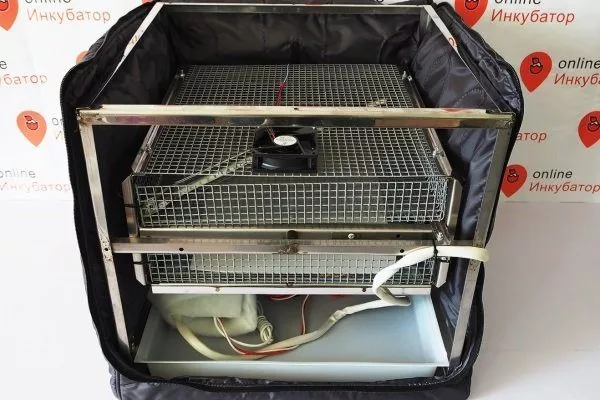
Incubator TGB 140 VLRA “BIO”
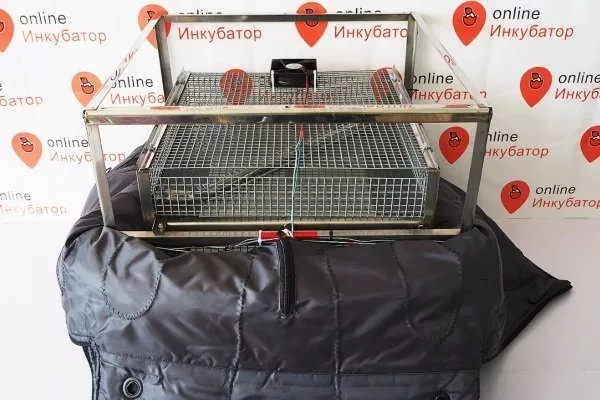
Fans (1 on top and 2 on the bottom) provide good air circulation
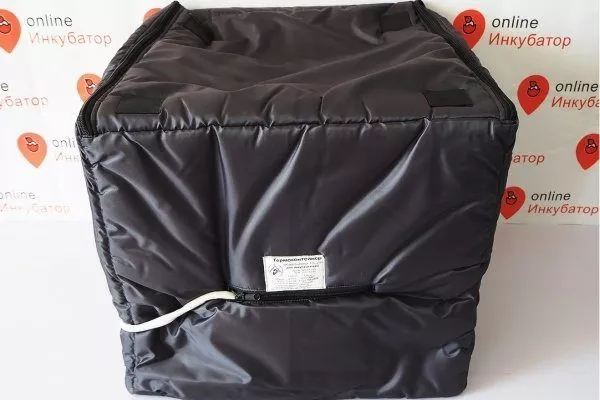
The cover is an electric heating pad (there are heating elements inside it)
TGB incubators hold 200-250 quail eggs. The eggs are placed blunt-end up, and the gaps between the row of eggs and the tray rim must be filled with isolon. This is a painstaking process. We set the incubator's rotation angle to 30 degrees to prevent the eggs from spilling or being damaged. Experienced poultry farmers stack the eggs in two rows, but this can have its consequences (there's a risk of not hatching the bottom eggs).
If you purchase a special set of partitions, it can hold 400 quail eggs, but maintaining such an installation still requires skill and sometimes ingenuity.
Why are conclusions sometimes unsuccessful?
There are many factors that can contribute to a decline in hatch rate. It's important to be aware of them to avoid future consequences:
- Poor nutrition. If quails don't receive enough minerals and vitamins, or if their diet is unbalanced, this leads to the development of weak embryos with defects and pathologies. This makes it very difficult for the chicks to break through the shell with their beaks. Such quail often die within the first few months of life.
- Violation of the incubation regime. This is the most common cause of failure. Towards the end of incubation, embryos require sufficient oxygen and constant ventilation of the room and incubator to remove carbon dioxide. As a result, the embryos simply die from suffocation.
- Turning eggs. Insufficient turning or improper egg-turning also poses a risk of reduced hatch rates. This results in incomplete protein utilization, which ultimately leads to uneven embryonic development, and the chick simply dies after hatching.
- Violation of gas exchange. This occurs when the embryo's head is positioned toward the pointed end of the egg. This is caused by overheating. It's important to carefully monitor the incubator's temperature and occasionally cool the eggs.
Every beginning poultry farmer should be familiar with all the rules for hatching quail chicks. The temperature and humidity requirements in each incubation guide may differ slightly from those we provide, but trust us, these are not significant differences (there are no strict standards). We've tried to provide average data to help you achieve a successful brood of quail.
Hatching quail in an incubator is a simple task, but it's painstaking and requires patience and persistence. It's crucial to carefully follow all the conditions and requirements, remembering to maintain temperature and humidity, as well as turning and periodically cooling the eggs. Then, there will be no problems with hatching.