
Beekeeping in Russia is a traditional branch of agriculture, enabling the production of valuable biologically active food products for the population and raw materials for industry. However, beginning beekeepers need to learn about Russia's honey-producing regions and the development and specifics of beekeeping in the country.
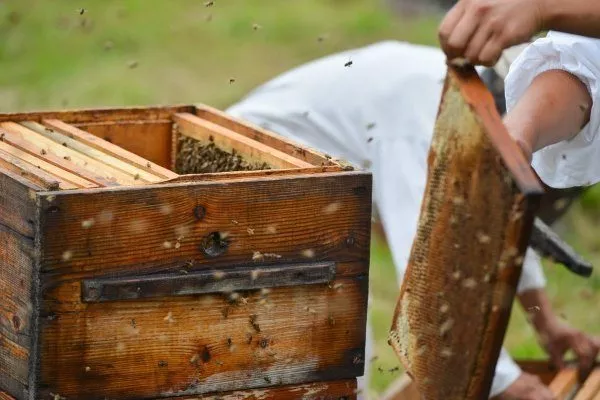
Development of beekeeping in Russia
Even in the fifteenth century, when beekeeping was just beginning to develop in Russia, it became clear that this industry would become as significant as agricultural crop cultivation. Several stages in the development of beekeeping are distinguished:
- Bee hunting.
- Beekeeping in large holes cut in a log (side).
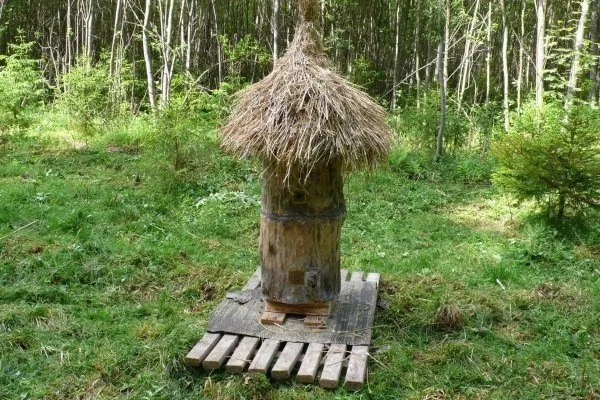
- Log beekeeping.
The frame design was first proposed in early 1814 by the renowned scientist P.I. Prokopovich, which contributed to the development of frame beekeeping in Russia. In the 19th century, the forage base for this industry was developed and systematized, along with new methods for controlling bee pests and diseases.
Beekeeping in Russia suffered great losses during the October Revolution and the Great Patriotic War. The number of bee colonies during these periods decreased by approximately 400,000. After the war, active measures were taken to restore and further improve beekeeping.
The development of the industry was slowed by the state of the market economy in the 1990s.
Beekeeping in apiaries
Beekeeping, or beekeeping, is one of the oldest folk crafts, dating back thousands of years. Beekeeping is most widespread in Russia, as the country boasts numerous dense forests filled with honey-producing shrubs and trees, forest clearings, and river floodplains filled with meadow grasses.
At first, hunters simply came and "robbed" bee colonies nesting in tree hollows. Over time, people realized that a destroyed nest could only yield honey once, so they began marking the hollows they found and claiming them as their own.
Due to widespread deforestation, beekeepers had to consider new ways to install beehives closer to their homes. They settled on the following methods:
- Cutting out a part of a forest tree with a beehive and a bee colony, and moving the latter to your own yard.
- Making a "home" for bees with your own hands in a stump left from a fallen tree.
The beehives, made by hand, were either vertical or horizontal. Given that creating such beehives was relatively easy for beekeepers, the industry began to develop even more rapidly. Furthermore, by placing these structures in their own yards, people had to worry less about protecting their bee colonies.
After some time, the beehives were no longer placed in the yard, but in cleared forest glades, which were called “poseki” (later, the name of the modern beekeeping farm – apiary – came from this same word).
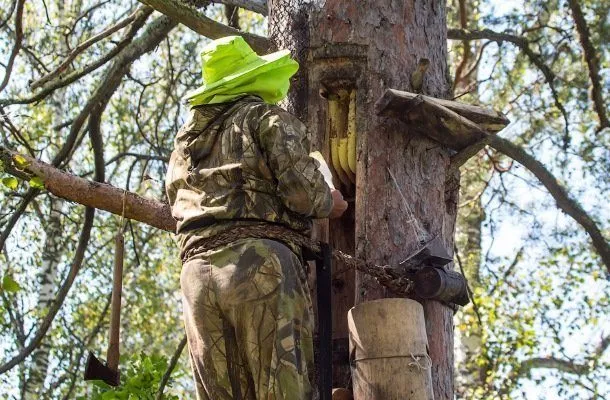
After the mid-20th century, forest beekeeping began to fade into obscurity, and beekeepers became increasingly rare. However, the practice did not fade into oblivion, as about two decades ago, beekeepers in Bashkiria took up the cause of restoring beekeeping. Experts note the following reasons for returning to the ancient method:
- The desire to obtain purer honey with healing properties.
- The presence of real bee trees with bee colonies living in them on the territory of local nature reserves.
- Abundance of diverse honey-bearing vegetation.
Log beekeeping
Log beekeeping is a special case of artificial housing transitioning to modern frame beekeeping. Solid logs of various designs were created, as well as collapsible logs, which became the prototypes of multi-body hives. A tall log was sawn into several pieces in the summer and assembled over time as the colony grew.
Nowadays, log beekeeping is rare, as this type of beekeeping requires special care. Furthermore, the timing of introducing the colony into the log hive influences the success of the practice.
Nature is very unpredictable and recently, years have increasingly been unfavorable for the development of log beekeeping, which has forced people to switch to a mixed, frame-based type of beekeeping (frames are installed in the log itself).
"Honey" regions of the Russian Federation
Russian beekeeping was most widespread in the former Moscow and Ryazan principalities, as well as the Rostov-Suzdal and Novgorod regions, where it continues to thrive to this day. Besides honey, one of the main products beekeepers produce is candle wax.
In large cities such as Pskov and Novgorod the Great, there was always an active trade in honey and wax, most of which was sent annually to England, Greece and other European countries.
Let us also note other regions where honey production is developing on an industrial scale:
- Altai;
- Krasnodar;
- Permian;
- Bashkiria (see Beekeeping in Bashkiria);
- Udmurtia.
Altai and Perm produce the largest quantity of the product, while the former and Udmurtia produce the best quality goods.
Particular attention is being paid to the Perm Krai, where major state programs are being implemented, the latest of which is the "Beekeeping Development" agricultural franchise. The core of this program is to encourage private entrepreneurs to establish profitable farms.
Russian honey market
Currently, approximately 5,000 farms and 300,000 amateur beekeepers, farmers, and individual entrepreneurs are engaged in beekeeping. Russia produces approximately 50,000 tons of commercial honey annually (this figure has fluctuated slightly over the past 18 years).
Agrarian reforms have led to a sharp decline in the structure of beekeeping production by farm category, and now the main producers are households rather than agricultural organizations. The latter already saw a significant decrease in the number of bee colonies by 7.4 times compared to the previous decade in 2006, and this figure continues to decline rapidly.
Comparing actual honey consumption in Russia (0.4 kg per capita) with that in economically developed countries (over 2 kg per capita), it becomes clear that beekeeping, at its current stage of development, cannot meet the needs of the country's population. Furthermore, due to insufficient honey harvests caused by unfavorable weather conditions and widespread bee die-offs, the price of honey has increased significantly in recent years.
Despite all the efforts of farms specializing in beekeeping, insufficient government support is slowing down this process.
Russian honey on the world market
Russian honey exported accounts for less than 1% of total production. Instead of domestically produced honey, honey from third countries is often shipped to Europe under the guise of domestically produced honey, making it difficult to assess the place of Russian honey in the global market.
The main buyers of Russian honey:
- Lithuania;
- Estonia;
- Slovakia;
- Germany (supplies have increased recently).
A look at Russian honey export trends over the past 10 years shows that the peak of foreign sales occurred in 2015, when 3,556 tons of honey were sold. By 2017, this figure had declined to 1,896 tons. This figure is expected to continue to decline.
The reasons for the almost twofold decline in Russian honey exports include:
- There is an insufficient quantity of honey produced in Russia that meets international quality standards for this product.
Particular attention is paid to non-compliance with requirements such as the absence of antibiotics and other "contaminants".
- A decline in honey supplies to China. In 2015, almost 70% of honey sold went to that country. This is due to China's tightening quality requirements for imported honey.
In September 2017, two shipments of 18 tons of honey were returned home from the Russian-Chinese border. The honey was returned due to non-compliance with standards for nitrofuran, metabolite, and bacterial levels.
In the spring of 2017, China's General Administration of Quality Supervision, Inspection and Quarantine informed Rosselkhoznadzor (the Federal Service for Veterinary and Phytosanitary Surveillance) that it would impose a complete ban on honey exports from Russia if Chinese imports were found to repeatedly violate veterinary and sanitary requirements and standards. Problems arose with some products exported from Primorsky Krai. Low-quality honey was also exported from Altai.
Beekeeping problems
Despite the many challenges the country, and beekeeping in particular, faced, the Russian honey market consistently struggled to remain competitive and profitable for a long time. But the biggest blow to production came with the collapse of the Soviet Union, which led to the liquidation of a large number of collective farm and industrial apiaries.
Much time has passed since the last "tragedy," but beekeeping remains in crisis. Let's look at the main reasons for this:
- Insufficient attention to the industry from the authorities. Currently, there is no system of administrative regulation or legal protection for beekeeping and beekeepers. To address this issue, some regions are adopting their own legislation, but the country lacks large-scale decisions and actions aimed at restoring and developing beekeeping.
- Small number of qualified personnel. The smallest proportion of beekeepers are young people and individuals whose drive and ambition could propel Russian beekeeping forward. Currently, there are only a few higher education institutions in Russia responsible for training highly qualified specialists.
- Insufficient technical support for the industry, practical absence of state apiaries. Nowadays, most honey is produced by amateur beekeepers, whose work is not automated and is low-productivity.
- Honey quality control. In Russia, there are no clear regulations or quality control standards. Numerous scammers are known to sell low-quality products as natural honey.
Every year, large quantities of low-quality honey are imported into Russia from third world countries.
It is important to take into account the fact that Russia is not spared the problems that almost all other honey-producing countries face:
- Excessive mortality of bee colonies. This figure, 10 or more years ago, was no more than 5%, but today it has risen to 30-45%. This is largely due to the use of powerful pesticides in agriculture.
- Steady growth in the costs of keeping bees and producing honey. This includes increased prices for quality control of honey, as well as gasoline, apiary equipment, and equipment.
- Aging of beekeeping, increasing average age of beekeepers. The average age of beekeepers in 2015 was 45-50 years. If young people are disinterested in this field and are not actively involved, there's a chance that within one or two generations, there will simply be no one left to work in beekeeping.
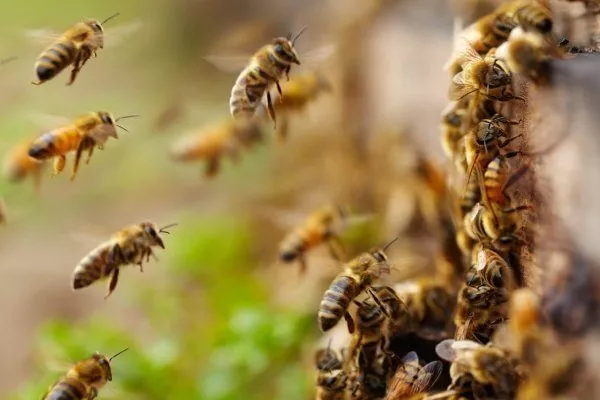
Beekeeping development centers in the Russian Federation and their characteristics
Let's look at the main centers of beekeeping development in Russia at the moment:
- Belgorod region. Conveniently located for the industry, the region boasts approximately 6,400 beekeepers. New programs, projects, and plans aimed at increasing honey production are being introduced in the region. Bee farms designed for integrated production are being established in the Belgorod Region. The area boasts numerous specialists trained not only in professional institutions but also in schools.
- Bryansk region. The region has a mixed nature, which is suitable for the successful development of beekeeping. Hobbyist beekeepers are the main honey producers, owning the majority of the apiaries. The largest industrial farm has up to 120 bee colonies. The Bryansk region's leadership has officially pledged support for the development of this sector, but little action has been taken.
- Volgograd region. Despite the region's unfavorable geographical location (two-thirds of the region is forested, with only 10% meadow), short summers, and long winters, the industry continues to thrive in this region, thanks to 2,500 private beekeepers. The largest quantities of honey are produced from mixed herbs, heather, and fireweed-raspberry.
- Voronezh region. Favorable conditions for beekeeping, such as humid summers and a relatively warm climate, have contributed to the industry's development since ancient times. Today, the region is home to numerous permanent and large migratory apiaries. Due to the lack of educational institutions training highly qualified specialists, beekeeping in this region is practiced primarily by older people. However, regional authorities are interested in the industry's development, providing subsidies and developing new programs.
- Kemerovo region. Given the region's unique location (southeastern Siberia), the Kemerovo system for beekeeping was developed in 1957. It is based on four inspections in the spring: hive cleaning, a quick inspection, sanitization, and an inspection. Beekeeping in the Kemerovo region is a labor-intensive and complex process, as it is necessary to constantly cull weak colonies and replace them with strong, highly productive ones. Furthermore, their system requires replacing the old queen to increase productivity.
- Rostov region. The industry is developing more rapidly in the northwest of the region than in the east. The climate and flat steppe terrain are ideal for beekeeping. The industry is represented by a large number of both stationary and mobile apiaries. Favorable natural conditions and enthusiasm will enable the development of beekeeping in the Rostov Region, as programs aimed at supporting the industry are simply not being developed.
- Krasnoyarsk Krai. It is one of the most productive regions in terms of honey production, second only to the Amur, Omsk, and Kemerovo regions. Beekeeping has become difficult for the local population in recent years due to a significant decline in the number of bee colonies.
Features of industrial beekeeping
Industrial apiaries use a single type of standard hive, distinguished by its durability, interchangeability of structural components, reliability, and high build quality. Industrial apiary technology in Russia, as in Finland, has several advantages, including:
- Development of strong bee colonies, which allows for increased product productivity and reduced cost.
- The introduction of group care for bees, which reduces the likelihood of colony extinction.
- Use of vehicles and automated equipment to perform labor-intensive work.
- Application of the housing method for expanding sockets.
- Special preparation for the winter period, aimed at preventing the extinction of bee colonies.
- Formation of strong colonies with queen bees, characterized by high fertility.
- Implementation of accelerated distribution of insect feed (in this case, sugar syrup is replaced with honey dough prepared from water, soy flour, dry milk, honey, powdered sugar, and pollen).
- Transportation of bee colonies to honey collection sites using containers or mobile apiary units.
- Careful extraction of honey, filtration, and packaging into sterile containers in accordance with sanitary control requirements.
- Rational placement of beehives, rapid response in case of unsatisfactory honey collection rates.
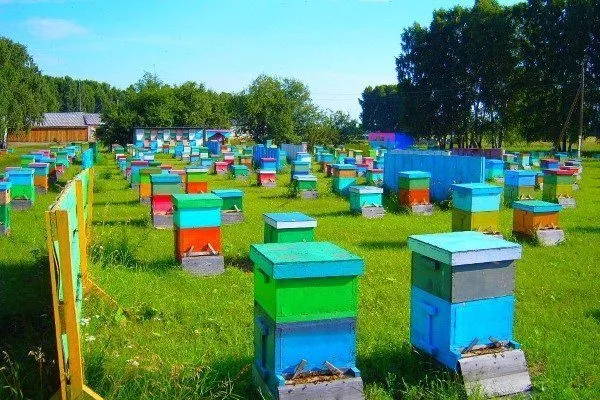
In industrial beekeeping, professional equipment is used, designed for:
- frame extensions;
- unsealing of honeycomb frames;
- collection of pollen, propolis, honeycomb, royal jelly;
- honey extractors;
- wax processing and wax foundation production.
Simplifying work
An important aspect of industrial beekeeping is the rational division of labor. An average apiary, comprising 3,000-4,000 bee colonies, is typically maintained by no more than four people, each responsible for their own portion of the work (transporting hives, raising queens, and extracting honey).
Some employees of such enterprises may only perform the mechanical part of the work, without being beekeepers at all.
Each stage of industrial production should include a minimum amount of human effort, which is used when it is impossible to mechanize any process.
Industrial bee colonies
Industrial beekeeping requires highly productive, strong colonies, but some bee species simply don't meet these criteria and are unsuitable for industrial production. The best-suited species are:
- carnica;
- Carpathian;
- Central Russian;
- Italian;
- some species of English bees.
| Type of bee | Disease resistance | Productivity, kg of honey/family | Adaptation to climate |
|---|---|---|---|
| Carnica | High | 30-50 | Moderate |
| Carpathian | Average | 25-45 | Moderate |
| Central Russian | High | 20-40 | Cold |
| Italian | Low | 35-60 | Warm |
| English | Average | 30-50 | Moderate |
It should be noted that each species will only show its positive aspects under appropriate conditions (terrain, climate, vegetation).
- ✓ Resistance to local diseases
- ✓ Adaptation to the climatic conditions of the region
- ✓ Family productivity
- ✓ Availability of replacement queens
Anti-swarming techniques
Swarming Swarming is a natural instinct among insects to reproduce and develop new colonies. This process is difficult for beekeepers, as it reduces the effectiveness of honey collection. Therefore, basic principles for combating swarming have been developed, including the following measures:
- providing sufficient interior space;
- timely expansion of families;
- correct honeycomb design;
- full-fledged breeding work;
- removal of excess drones and satisfactory temperature;
- seasonal migrations.
Complete change of queens
Considering that the queen is the primary driving force of the entire bee colony, her timely replacement is key to maintaining the positive qualities of the population. This procedure is necessary because the queen loses her qualities after two years. When replacing the queen, it's important to remember two rules:
- The queen is replaced at the beginning of a new season.
- Elimination of 2 queens in the hive and a foreign queen cell.
8 useful tips for beginning Russian beekeepers
Not everyone should take up this business, as only a few regions and territories in Russia are working to create favorable conditions for beekeeping. So, we offer some helpful tips for beginning beekeepers:
- Knowledge. Even a hobbyist beekeeper must possess not only keen observation and a passion for their work, but also deep knowledge, which can be achieved through reference books, encyclopedias, seminars, and online articles.
- Allocating free time. Maintaining 10 bee colonies for one week during the spring and summer will require 5-6 hours.
- Start small. The best option to start with is purchasing 3-6 bee colonies.
- Providing bees with honey plants. Choosing the right geographic location is crucial, as the best option, even for just a few bee colonies, is an abundance of suitable vegetation within a 2-km radius.
- Availability of space for hive placement. Following all regulations, hives are placed 3-4 meters apart and 4-6 meters apart in rows.
- Purchase of special clothing and tools.
- Keeping apiary diaries and journals will help you track the health of your bee colonies and any upcoming beekeeping activities.
- Know the weather forecast. When planning your workday, you should constantly pay attention to precipitation and other factors.
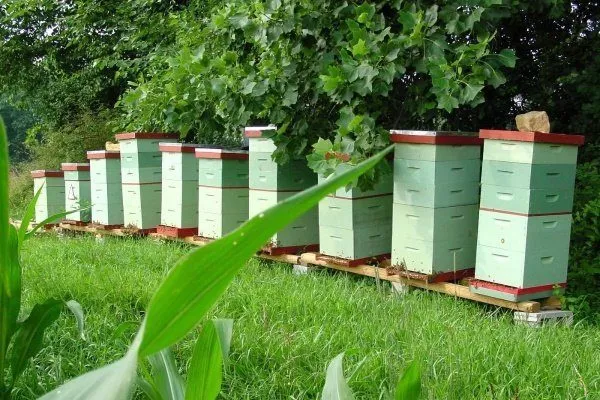
For more tips and instructions for the novice beekeeper, you will find it here.
Legislative framework
In 1995, the Law of the Republic of Bashkortostan “On Beekeeping” was adopted in Bashkiria.
In accordance with the order of the Minister of Agriculture of Russia dated October 19, 2006, the breeding beekeeping industry was classified as a branch of livestock farming.
Currently, there are national public organizations operating – 2 Unions and an Association.
In addition, official Beekeeping Laws have been introduced in the following regions:
- Altai and Krasnodar regions;
- Novosibirsk, Belgorod and Oryol regions.
The pros and cons of beekeeping in Russia
Let's consider positive aspects beekeeping in Russia:
- Moderate initial capital. You can get started in this field by purchasing just a few bee colonies and hives, protective clothing, and equipment (all of which remain reasonably priced in the country).
- The work is simple. Although it's a delicate matter, if you apply your heart and mind, results are sure to follow.
- Hobbyist beekeepers are not subject to taxes; you can sell any surplus of your produce to purchasing organizations or at the market.
- The presence of favorable conditions in some areas of the country.
Cons beekeeping in Russia:
- The absence of a law on beekeeping in the Russian Federation has led to a dismissive attitude toward the agricultural sector among leaders at all levels.
- A small number of specialized universities and schools.
- Most of the country's territory is currently unsuitable for beekeeping.
- Getting started is very challenging. This is because it requires a lot of effort, as the hives will need to be repaired over time. You need to find a suitable market for your products and ensure honey extraction. You also need to ensure comfortable working conditions for the bees.
Beekeeping is currently going through difficult times, not only in Russia but also in other countries, due to a variety of factors, including the mass extinction of bee colonies and the proliferation of low-quality products. Despite all this, the industry needs new blood, and if you have the desire and knowledge, you can support beekeeping.