
The Belgian Blue cattle breed is an unusual animal among cattle. The main characteristic of the Blue cow is its well-developed muscles and heavy weight (they are also called bodybuilders). These cows give birth early and frequently, and pregnancy is faster than in other breeds.
Description and Features
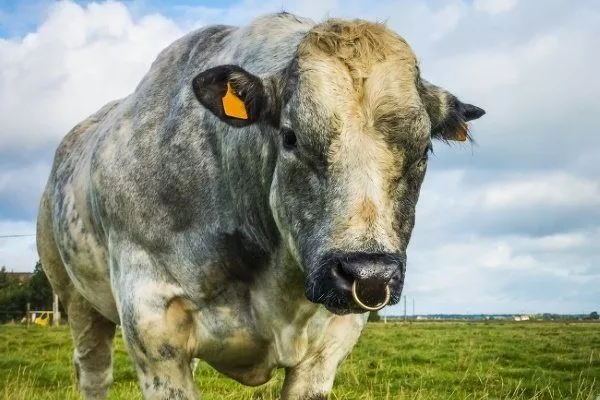
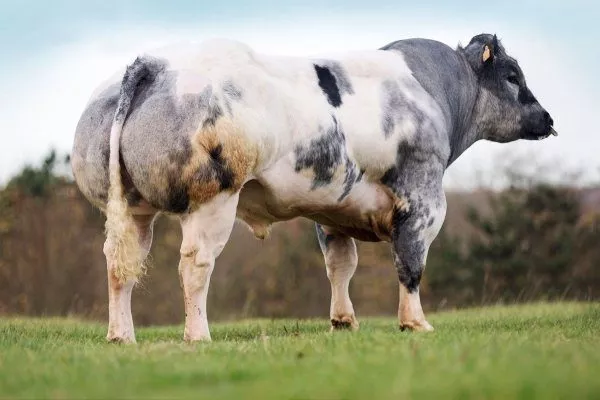
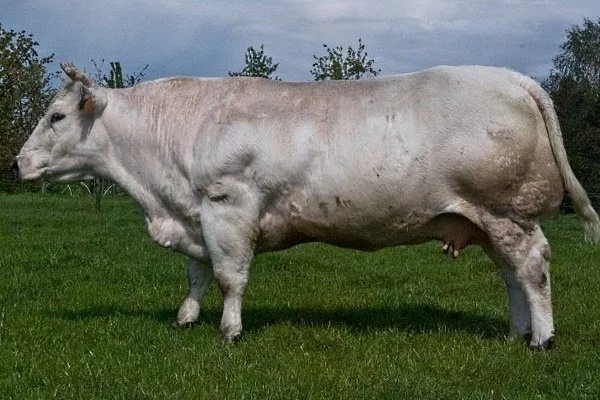
Many people, upon seeing Belgian Blue cattle for the first time, think they're Photoshopped, as they resemble over-muscled weightlifters. These cows are characterized by their large, muscular bodies. The cows' muscles grow throughout their lives thanks to genetic modification. The maximum weight of a bull is 1,400 kg.
The video below explains how and when the Belgian Blue cow was developed, as well as its appearance and characteristics:
The coloring can be bluish, white, or white-gray. The skin often has a bluish tint, which is why the breed is called "blue." The cows are raised in warm climates, so they have virtually no hair. The skin of the Belgian cow is light and thin.
Although many people are horrified by this cow's appearance, they are all intelligent, kind, and calm. A major advantage of these cows is their ideal character. Belgian cows interact well with people, are friendly, and kind. They rarely show aggression, making them easy to care for.
Origin of the breed
The breed was developed in the 19th century. Breeders decided to cross a red-and-white cow with English Pied dairy cattle with short-legged bulls. After some time and much experimentation, they produced large cattle with a low stance.
Before the breed was developed, scientists spent many years selecting the mass the best beef cowsInitially, they wanted the blue cow to be a dairy and beef breed. This would produce high-fat milk and high-quality meat. But ultimately, the decision was made to prioritize meat production.
Artificial insemination experiments (in Liège) resulted in strong muscles. As a result, a new breed of cow was developed, called the Belgian Blue.
The most common breed in:
- Belgium;
- Germany;
- France;
- USA.
Breed characteristics
The cow has received a completely different characteristic compared to its ancestors, namely:
- the skin is thin, there is practically no hair;
- the muscles are rounded and massive;
- short legs, both hind and front;
- the height of a cow is about 140 cm, and a bull 150 cm;
- elongated body;
- the skeleton is strong;
- a thin layer of subcutaneous fat;
- the head is big;
- the neck is short but massive;
- the relief is strong.
The cow's color is blue-gray with speckles, but sometimes you can see brown, white, and black-and-red ones. The spots and speckles can have different colors. Although the animals are large, they move quickly thanks to their strong hooves.
Physical characteristics depending on age:
| Bulls | Chicks | |||
| Age in months | Body weight | Height | Body weight | Height |
| 12 | 475 kg | 120 cm | 370 kg | 115 cm |
| 24 | 775 kg | 135 cm | 500 kg | 122 cm |
Productivity
The meat yield per carcass is 80%, which is quite substantial. Blue beef is the most valuable because it's juicy, tender, and delicious, making it suitable even for dieters. It contains very little harmful cholesterol and fat.
The study found that Belgian beef is highly profitable to raise both commercially and at home. Belgian beef is comparable to chicken in all respects. Its beef has a well-balanced composition of proteins, fats, and carbohydrates.
The benefits are provided in the table:
| Indicators | Blue Cow Beef | Beef from other cows | Chicken breast |
| Humidity, % | 60 | 52 | 58.70 |
| Protein, g | 18 | 15:40 | 18 |
| Fats, g | 5.15 | 16:40 | 7.70 |
| Cholesterol, g | 38.50 | 55 | 54.50 |
Milk production is also quite good: during the lactation period, which lasts from 180 to 250 days, they can produce between 2,000 and 4,500 liters of milk. The milk fat content is approximately 4%.
Content
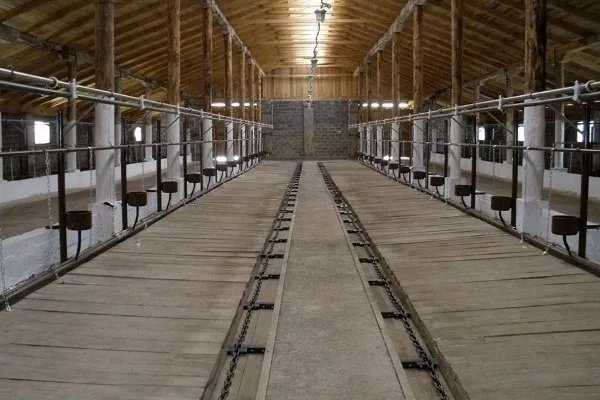
To ensure optimal health and well-being, it's important to follow proper housing guidelines. Belgian cows are extremely sensitive to cold, so it's important to ensure the cows are kept insulated.
In warm climates, you can save money by building a barn out of wood, but there's a downside: such structures burn quickly and easily. For this reason, cinder block or foam concrete is a better choice. If you're raising a large herd, a reinforced concrete structure is best.
The following principle should be followed when constructing a metal cowshed:
- First, clear the area for the future shed. Construction must be on solid ground, so the top layer of soil is removed.
- Next, crushed stone is laid and leveled. If the frame is made of iron beams, a foundation is not necessary, but if it's made of blocks, a fill is required.
- The next stage is installation. Metal beams are laid on top of the crushed stone, and supporting posts are welded into the center and sides.
- Next, the roof is installed and the floor is poured to create a slope for the sewage pit. The concrete screed is reinforced with 11 mm diameter rebar.
To avoid disappointment with the great value of expensive cattle, it's important to familiarize yourself with a few recommendations before purchasing:
- First, you need to calculate the area of land allocated for the animals. These cows love open space and eat a lot of grass, so the grazing area should be large.
- Before purchasing a pet, you need to purchase the necessary equipment and food. You also need to choose a veterinarian who will provide care for the animal.
- If your cows are going to live in a steppe region where beef cattle are primarily raised, you should stock up on feed. These areas are often subject to droughts, and humidity drops significantly in the summer.
- Housing for the cows also needs to be considered. In winter, they are usually kept tethered in the barn. The bedding consists of a thick layer of straw (50 cm high). The animals compact it with their hooves and moisten it with urine. The straw undergoes a biochemical process, which produces additional heat.
Care
Raising a Belgian cow requires a lot of land, premixes, feed, and farm machinery. A veterinarian and livestock specialist should be nearby to care for the animals.
Care is the same as for other beef cows. On a private farm, you need to stockpile feed and create an area with summer feed.
To produce a large amount of beef when raising Belgian cattle, the cheapest pastures are needed. With modern farming techniques and proper feed selection, they can be kept on pasture from early spring to late fall. In warm climates, cows are kept on pasture year-round.
Feeding
To ensure good weight gain, animals need proper and balanced feeding. Their main diet should be straw, hay in winter, grass in summer, and mixed feed. Vegetables and greens should also be added. Calcium supplements are also important for a healthy life and strong bones. They can be given safely, as this breed's legs are fragile and require constant strengthening.
To illustrate the feeding requirements for a Belgian Blue cow, the table below is provided. Feed calculations are based on a body weight of 1,000 kg.
| Name of feed | Feed rate during the dry period of a pregnant cow in winter | Feed rate during the dry period of a pregnant cow in summer | Feeding norms for a dairy cow in winter | Feeding norms for a dairy cow in winter |
| Juicy grass | - | 70 kg | - | 100 kg |
| Hay | 6 kg | - | 12 kg | - |
| Silage | 12 kg | 8 kg | 30 kg | 8 kg |
| Haylage | 8 kg | 5 kg | 7 kg | 5 kg |
| Straw | 2 kg | - | 3 kg | - |
| Roots | 12 kg | 8 kg | 18 kg | 8 kg |
| Vegetables | 7 kg | 8 kg | 6 kg | 10 kg |
| Oilcake | 0.8 kg | 0.9 kg | 1.5 kg | 1 kg |
| Bran | 1.4 kg | 1 kg | 0.6 kg | 1 kg |
| Compound feed | 5 kg | 4 kg | 4.5 kg | 4 kg |
| Salt | 50 g | 50 g | 70 g | 60 g |
| Concentrates | 4 kg | 2 kg | 3 kg | 1.5 kg |
Proper nutrition has a positive impact on livestock health and productivity. Without the necessary amount of minerals, proteins, fiber, and other beneficial nutrients, good growth and weight gain are impossible.
Read more about how to raise bulls for meat. here.
Diseases
Cows are susceptible to both infectious and bacterial diseases, including parasitic infestations. The main diseases affecting cows are:
- Leukemia. This is a chronic disease of the hematopoietic system caused by a virus. Initially, the pathology is very difficult to detect, but once it progresses to the next stage, it is virtually impossible to cure.
- Leptospirosis. It can affect both calves and adult animals. Symptoms include diarrhea, jaundice, and fever.
- Actinomycosis. A fungal infection occurs when the infection enters through open wounds. A fistula forms, interfering with normal breathing and nutrition.
- Pathology of the mammary gland. Presence in a cow mastitis This causes colossal losses. Productivity declines, fat content drops, and milk cannot be consumed during these days. Symptoms of mastitis include fever, soreness, and hardening of the udder.
- Esophageal obstruction. This condition can only occur if the animal was fed small potatoes or root vegetables that weren't pre-crushed. The symptoms are obvious: loss of appetite, cessation of chewing, increased salivation, and restlessness. To alleviate this problem, pour a small amount of vegetable oil into the animal's mouth. Burping will soon occur, at which point applying external pressure to the esophagus will cause the food to come out on its own.
- Retained placenta. The most common problem in Belgian breeds. The placenta should be expelled immediately after birth, but if it hasn't happened within six hours, seek help. Symptoms include: the rear becomes wobbly and trembles, and the dog loses its appetite.
- ✓ An elevated body temperature may indicate the onset of mastitis.
- ✓ Decreased activity and appetite often precede esophageal obstruction.
Breeding and calving
Belgian cows are distinguished from other cows by their well-developed muscle mass. This crossbreeding has resulted in a narrowing of the pelvis, making natural birthing difficult. Belgian Blue calves are born by cesarean section. If you want a cow to give birth naturally, it's best to inseminate her with a Belgian bull. This increases the likelihood that she will give birth naturally.
A Belgian Blue cow gives birth to her first calf between 28 and 35 months of age. Compared to other breeds of cows, the gestation period for Belgian Blues is slightly shorter. A heifer is born at 281 days, and a bull at 285 days. A newborn calf weighs approximately 60 kg, and a heifer 50 kg.
At birth, calves acquire a gene responsible for growth, which causes them to begin growing rapidly within a month (gaining 2 kg in a single day). Heifers gain 900-1500 g per day, and bulls 1200-1700 g per day.
Care and maintenance of calves
Calves are born without the muscularity of their parents, but their muscles appear at one month of age. Daily weight gain is good:
| Newborn weight | Daily weight gain | |
| Chicks | from 40 to 55 kg | from 900 to 1400 g |
| Bulls | from 42 to 73 kg | from 1200 to 1800 g |
The weight of grown bulls at one and a half years reaches 740 kg.
During the first few days, newborn calves need to be closely monitored, as they are still helpless at this time.
Within the first half hour after birth, the calf should be given colostrum to drink, after being moved to a warm, clean room. Don't allow the calf to drink colostrum from the cow on its own; it's best to express it and feed it to the calf using a bottle.
The first feeding of colostrum should be 4 liters at a temperature of 40 degrees Celsius. The sooner the calf tastes colostrum, the stronger its immunity will be. Unlike humans, a calf does not receive immunoglobulin from its mother in utero, so feeding colostrum is a matter of life and death.
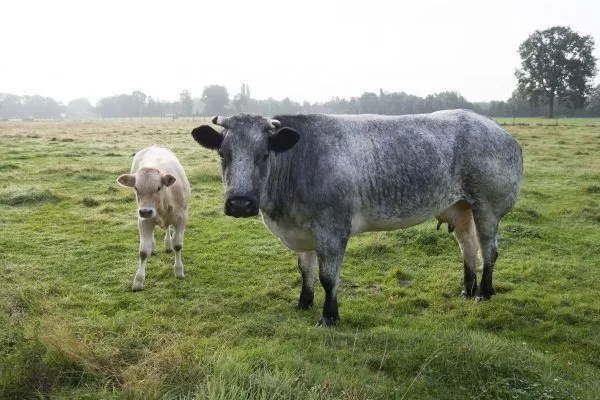
To ensure that calves gain weight well, they should be fed in two ways:
- Traditional. The calf lives close to its mother and drinks her milk at any time. This method ensures the mother is calm, and the calf quickly gets up on its feet, grows strong, and gains weight well. It's important to understand that the calf may not be able to completely suckle its mother's milk, which can lead to mastitis, which has serious consequences.
- Artificial. In this case, calves are fed a special milk formula, separated from their mothers until they are two months old. 350 ml of milk is consumed per day.
If calves become ill, they must be immediately separated from healthy ones to prevent infection of the rest of the offspring. Calves should be weaned gradually at 5-6 months of age.
Advantages and disadvantages
Every animal has its strengths and weaknesses. Experts believe the Belgian Blue cow has the following positive qualities:
- excellent body structure;
- constant growth of muscle mass regardless of age;
- rapid development;
- high daily weight gain;
- calm character, friendliness;
- early calving;
- high percentage of meat;
- the meat is dietary, tender and juicy;
- does not require special attention and care;
- indiscriminate feeding;
- short pregnancy period;
- high probability of getting tasty milk.
In addition to a long list of positive qualities, these cows also have some negative aspects:
- since the animal is massive, they often experience swelling of the legs;
- increased thermophilia;
- complications during childbirth are possible;
- Meat may contain genetic modifications.
Commercial benefit
Considering the adult cattle's weight and the correspondingly high meat yield at slaughter, the commercial benefits are obvious, but only in Europe. As for Russia, such cows are almost impossible to find there, as they have a frightening appearance and are also very demanding of warmth.
Where can I buy cows?
This breed of cow is rarely bred, as it is considered unusual. Because they are easy to care for, undemanding in feeding, and offer considerable profits from their milk and meat, private farms are considering acquiring them.
Where to buy a Belgian cow:
- This purchasing method is quite expensive and is more suitable for larger farms, as one animal can cost around $2,000. Additionally, there's a significant cost for transportation.
- The second option is to purchase blue cow semen in Belgium. It can be purchased for 300 to 400 euros per 100 doses of bull semen. The package will arrive by mail, and the semen will be stored in specially preserved containers.
Popular myths about the breed
Many people are wary of buying a blue cow because of rumors circulating among farmers. Below are the most common myths about the Belgian cow:
- Cows of this breed have a short lifespan. This is a myth, as Belgian cattle live just as long as cows of other breeds, and their offspring survive 100% of the time.
- Constantly swollen limbs. While there is a predisposition to swelling, it's not as severe as people say, and it can be easily treated. Hooves are strong enough to support their own weight and even move quickly and confidently.
- Because this breed is a product of genetic engineering, its meat and milk cannot be consumed. In fact, the gene responsible for muscle mass does not have any detrimental effects on the human body. The birth of calves with malformed appearance is no more common than in other breeds.
Farmers' reviews
Farmer reviews of the Belgian Blue breed of cows:
Belgian cows, also known as bodybuilders, are very cost-effective to keep and breed, but this doesn't apply to Russian latitudes, as they only require a warm climate. A high percentage of tasty and juicy meat and relatively high milk yields with a high fat content make these cows profitable to keep and breed, both on commercial and private farms.
Great!!