
Cochin chickens are a popular breed among many farmers. They are prized for their productive qualities and the ability to produce tender, lean meat and eggs. Chicken farming is considered a profitable business, but it does require some additional investment.
History of origin
The Cochin's ancestors are large birds native to Indochina. The birds were bred in large numbers in Vietnam, in the Cochin region of the Mekong Delta. This is where the breed's name comes from. These chickens were registered in the 19th century. They arrived in Europe in 1843, and only arrived in Russia in the late 19th century.
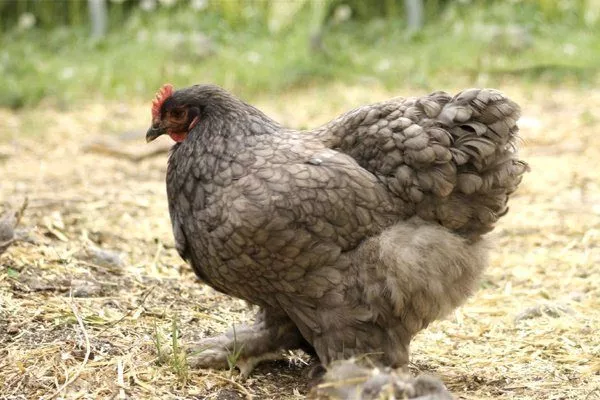
Russian breeders have appreciated the qualities of this bird and have developed many different meat-and-egg crosses based on it – they are often similar to Cochins.
Description of appearance and other characteristics
Cochins are large, robust birds with a muscular, broad chest and a short, full back. A distinctive feature is the pronounced curve of the neck at the shoulders. Roosters of this breed have short tail feathers.
A short neck supports a small head with a short, curved yellow beak, small red-orange eyes, and a leaf-shaped comb. A massive body on short, strong legs with well-developed tibiae makes this bird recognizable. Roosters have small wings.
Compared to roosters, hens of this breed have a shorter build, a stocky neck, and a short tail. The bird's body is slightly tilted forward, giving the appearance of a massive and squat bird.
Individuals come in a variety of colors, the characteristic shade depending on the subspecies. However, the bird's plumage is lush and loose, giving the chickens a spherical appearance. The feathers conceal the bird's legs, providing protection from cold weather.
| Subspecies | Average weight (kg) | Egg production (pieces/year) |
|---|---|---|
| Black | 4.5 | 110 |
| Whites | 4.5 | 110 |
| Dwarf | 0.7 | 80 |
Birds are considered peaceful and non-aggressive. They interact easily with people and are easily tamed. They are phlegmatic birds, preferring a measured, unhurried lifestyle.
Productive characteristics
Compared to the high-yielding crossbred chickens used in modern industrial poultry farming, Cochins are not as productive. Hens produce approximately 100-120 brown eggs per year. Each egg weighs between 50-60 grams. A distinctive feature of this breed is that, unlike other birds of their kind, they lay eggs in the winter and spring rather than in the summer.
Roosters weigh on average 4.3-5 kilograms, while laying hens weigh 3.5-4 kilograms. Young birds grow slowly. By four months of age, they reach 2.5 kilograms. Sexual maturity occurs relatively late. For these reasons, laying hens are rarely kept for egg production.
Although Cochins have tender and tasty meat, a single carcass produces a lot of fat, as the birds are prone to obesity.
Advantages and disadvantages of the breed
Birds have many advantages:
- Beautiful exterior. Cochins are ornamental birds with a striking appearance. Each subspecies is captivating. All varieties are beautiful, but the dwarf Cochins are particularly striking in appearance.
- Massive body. For a long time, the breed was considered not only an ornamental breed but also a meat breed. And this was entirely justified. However, today, when precocity rather than weight is more important, Cochins are not in demand in commercial poultry farming. However, these characteristics are quite satisfactory for farmers raising poultry on their private farms. The birds are considered a suitable option for personal consumption.
- Low maintenance. It's hard to find a breed that compares to Cochins in terms of care and upkeep—the farmer doesn't need to put in much effort. The animals don't require any special conditions or feed. Providing them with the bare minimum is sufficient. Furthermore, these chickens can adapt to cramped conditions, making it possible to keep them in a small coop if a spacious one isn't feasible.
- Peaceful and calm disposition. Cochins are considered friendly, non-aggressive birds, making them easy to house with other chickens. These birds are flightless and are not prone to property damage, fighting, or conflict. They are easygoing with people.
- Good egg production in winter. While most other breeds lay their maximum number of eggs in summer, Cochins lay better in winter and spring. This allows them to be used to compensate for the winter decline in productivity in other breeds.
But the breed also has some negative qualities:
- relatively low prevalence of the breed;
- difficulty in breeding breeding individuals;
- high cost of birds;
- the need for feeding in precise dosages.
Some farmers note that raising young birds can be challenging. Chicks grow slowly, and are particularly susceptible to disease at an early age. After acquiring new birds, they must be isolated from the rest of the flock for a period of time. Chicks are born featherless, and breed-specific traits only appear after a year.
Varieties of Cochins
Unlike their species, Cochins come in a variety of colors. The subspecies of this breed include the following varieties, described below.
| Name | Weight of an adult (kg) | Egg production (pieces/year) | Plumage color |
|---|---|---|---|
| Black | 4.3-5 | 100-120 | Black with a green tint |
| Whites | 4.3-5 | 100-120 | White with a silvery sheen |
| Silver-edged | 4.3-5 | 100-120 | Light edging and feather color |
| Fawn | 4.3-5 | 100-120 | Bright red or yellow |
| Partridges | 4.3-5 | 100-120 | Red-brown with golden-brown rump |
| Blue | 4.3-5 | 100-120 | Gray-blue |
| Dwarf | 0.65-0.8 | 100-120 | Golden |
Black
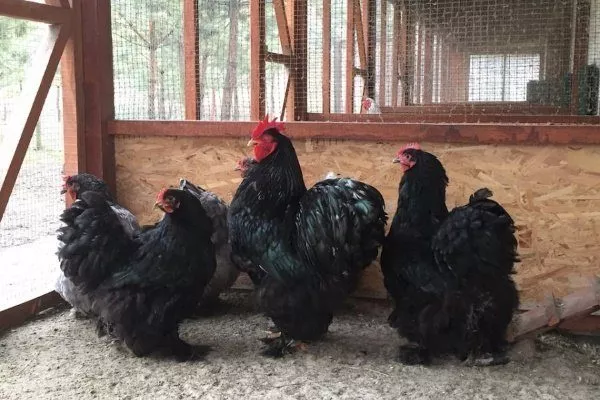
Cochins of this species are considered the most common. They have black plumage and iridescent green shafts. Some specimens have white down on their legs, but this is hidden under the wings. The bird has yellowish or greenish tarsi and a dark yellow bill.
A bird's defect is indicated by a purple tint to the base color, brown spots, and black tarsi. Birds with a dark, horny beak may be encountered, but this is acceptable.
Whites
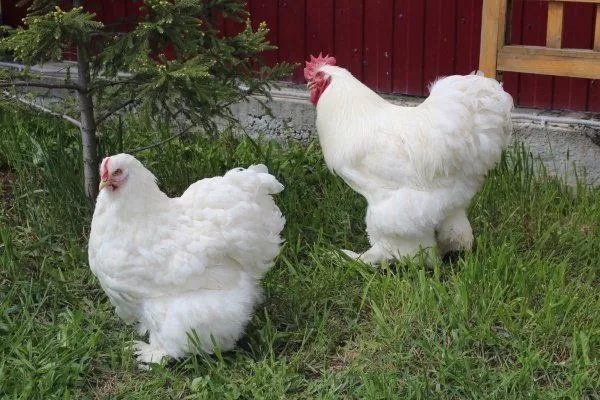
White birds have completely white plumage. Some specimens have a silvery sheen. These birds have a small yellow bill. The tarsi are white or have a yellow-green tint. If white Cochins have feathers with a yellow sheen, this indicates a defect.
Silver-edged
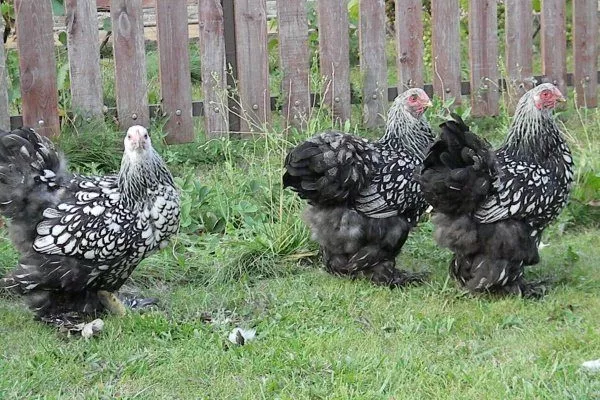
Silver-edged Cochins have light-colored feathers and feather edging. Although rare, they are considered one of the most beautiful varieties of this breed.
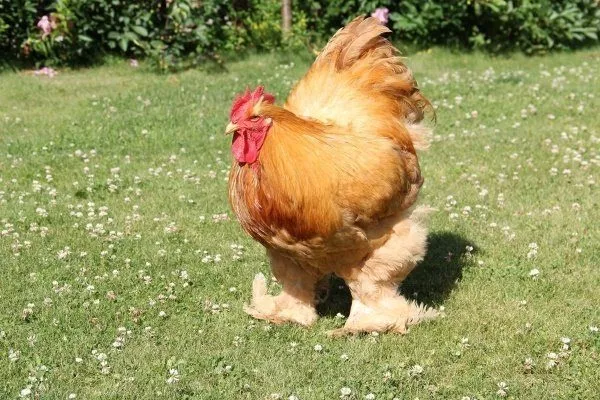
Fawn
Fawn, or more accurately, yellow Cochins, are no less well-known. These birds have glossy, bright red or yellow feathers. This hue extends across all body parts, including the beak, tarsus, and down. A bronze sheen is acceptable on the wings and tail. The presence of black feathers or their shafts, white or red feathers, or white down indicates a defect.
Partridges
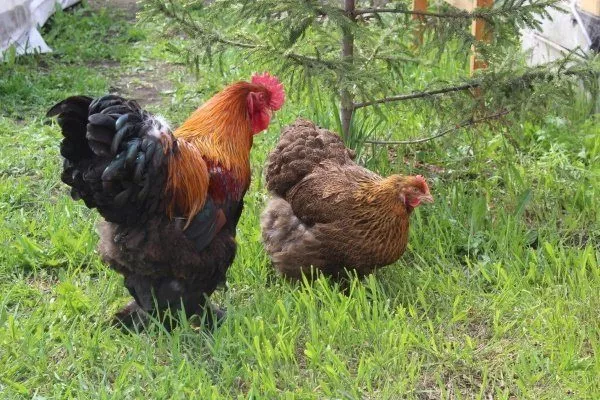
This species includes roosters with a reddish-brown head and shoulder area. Partridge birds also have a golden-brown rump and a blackish-brown breast. The inside and outside of the wings are black, with a dark stripe with a green sheen running across them. These birds have dark gray tarsi and tail. The golden feathers are decorated with black streaks along the shaft.
Partridge hens are predominantly golden-brown in color. Their feathers have a multi-tiered border. The ruff and tail of the birds range from dark brown to black. The bill and tarsus are yellow. Occasionally, individuals with a dark horn-colored bill are found.
Birds that have red body feathers, white spots on the wings and tail, lighter areas on the belly and chest, and no clear pattern on the feathers are considered defective.
Blue
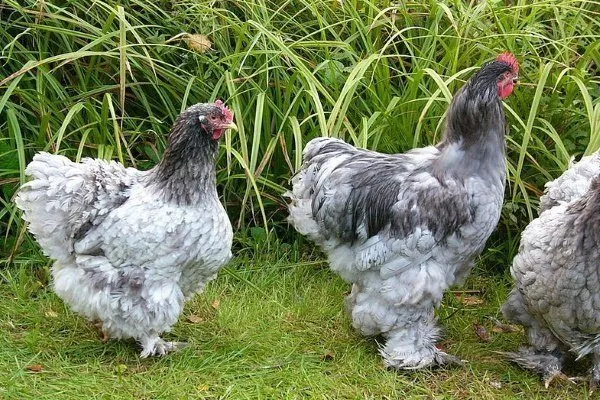
Bluebirds have a gray-blue plumage. Sometimes, the collar, back, and wings of hens may be a darker shade, close to black. The underparts may be white. These birds have emerald or yellow tarsi and beaks.
A distinctive feature of this variety is the velvety texture of its feathers. If the blue subspecies has white feathers in its tail, or a reddish or brownish tint to the base color, it is considered a defect.
Dwarf
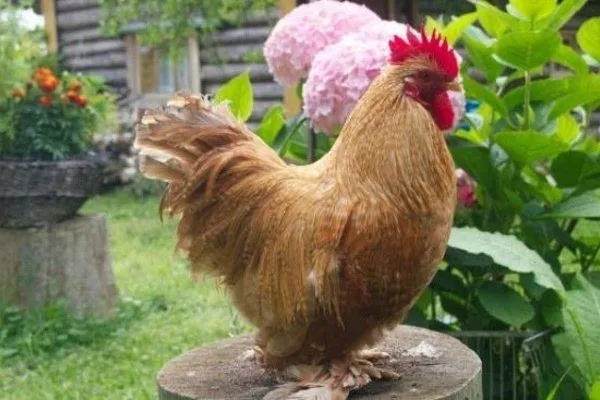
Dwarf Cochins are an ornamental subspecies of the cross. They were bred parallel to standard birds. They have a similar body shape, stocky build, and muscularity. However, they are significantly smaller, weighing between 650 and 800 grams. They have soft plumage and a rounded tail. Their legs are short and less feathered. Golden-plumaged specimens are common.
Care and maintenance
Cochins are unpretentious birds, making them considered easy to care for. They thrive in coops, are not prone to aggression, and are calm. Another advantage of these birds is their excellent weather resistance. Their lush plumage protects them from severe frosts, and they require no additional heating.
How to build a chicken coop with your own hands is described in this article.
Arrangement of a poultry house and walking area
In individual aviaries, there should be no more than two birds per square meter. Overcrowding can cause the birds to wither and develop deformed wings. Low perches are permitted in the common area; the birds cannot fly and therefore cannot reach high perches.
A dry and perfectly clean coop is essential. If litter is neglected and droppings are not removed, the birds' feathers will become soiled, which can ultimately lead to illness. Lighting in winter should be 14-16 hours per day. The temperature in the coop should be 14-18 degrees Celsius, and the humidity level should not exceed 65%.
Any enclosure with plenty of grass and other vegetation can be used for walking. The enclosure should be about 1 meter high. A mesh fence can be used as a boundary. The birds will appreciate the space, as they love to run. A shade canopy is essential to prevent them from overheating.
Feeding
Due to their tendency to obesity, birds will need to be fed strictly within the recommended proportions. If they are fed natural feed, their diet should include whole grains such as barley, wheat, and oats.
- ✓ Consider the age of the bird: young birds require more nutritious feed with a high protein content.
- ✓ Pay attention to the season: in winter, increase the proportion of grains to maintain energy.
- ✓ Check the quality of the feed: the absence of mold and foreign odors is essential.
Vegetables and greens should make up almost half of the diet. Greens include vegetable tops, alfalfa, clover, and nettles. Boiled root vegetables and bran are also recommended.
Read more about feeding laying hens separately. Here.
If the farmer prefers to feed Cochins with compound feed, it's advisable to feed them low-calorie formulas. Chalk, vitamins, and bone meal should be added to both natural feed and compound feed. Boiled cauliflower and zucchini are also helpful in the summer. Kefir, cottage cheese, and yogurt can sometimes be used as a source of vitamins and calcium.
Protein supplements should be given no more than twice a week. Excess protein can lead to obesity. For this reason, this breed of chicken rarely receives bread or potatoes. Increased protein intake is recommended only during the mating season for males and for young birds up to 4 months of age. Starting from 5 months, protein intake should be reduced.
Breeding Cochins
If a poultry farmer decides to breed Cochins at home, they must first form their first family of birds. This requires purchasing young birds rather than hatching them from an incubator. The correct method the process of fertilization provided with one rooster and five hens.
During mating season, it's important to separate the male and female to prevent feather damage. During this period, the rooster's diet should include protein, while the hens' diet should be low in protein.
After the offspring hatch, the strongest individuals are selected. The chicks should be robust, with properly developed individuals having a uniformly colored comb and prominent, bright eyes.
Incubation and maternal instinct
Chickens of this breed have a well-developed maternal instinct and are capable of brooding eggs to the end. However, it is possible that the birds may crush the eggs with their weight. For this reason, farmers rarely an incubator is used to hatch chicks or hens of other breeds.
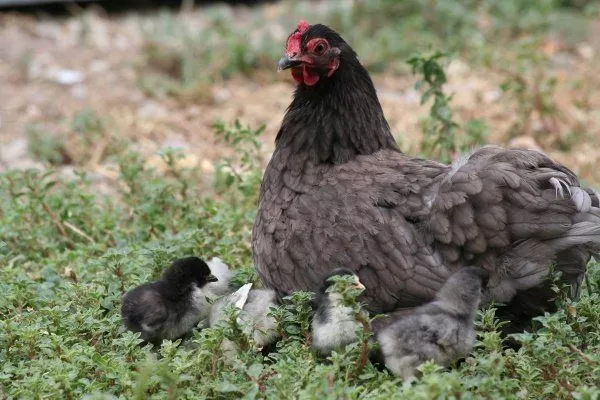
In addition to patiently incubating their chicks, they are also capable of caring for and raising them. The chicks fledge slowly, and the females keep them warm by covering them with their fluffy wings.
Moulting period
Cochins begin their molting period in the fall. At this time, the birds' bodies especially need vitamins and enhanced nutrition to speed up recovery. The molt lasts for a month, and egg-laying ceases during this period. Only after the birds regain their plumage does laying begin.
Treatment of diseases
Chickens of this breed, like any other birds, are prone to a variety of diseases. The table shows the mostcommon chicken diseases and ways to combat them:
| Disease | Symptoms | Treatment |
| Tuberculosis | Appetite decreases, limbs become paralyzed, productivity declines, and birds become lethargic. | Special preparations are used, but due to their high cost, farmers rarely combat the disease. |
| Salmonellosis | Digestion is disrupted, chickens become exhausted, and egg production decreases. | Antibiotics are administered. Sick birds are isolated, and the area is treated with disinfectants. |
| Parasitic diseases | Diarrhea, sometimes with bloody discharge. | Antiparasitic drugs are used to combat the disease. |
| Colibacillosis | In addition to lethargy, the birds suffer from severe suffocation. They refuse to eat, and their mucous membranes take on a bluish tint. | There is no treatment. Sick birds are slaughtered, and healthy ones are given a furacilin solution and antibiotics as a preventative measure. |
| Pasteurellosis | Birds become lethargic, lose their appetite, and become extremely thirsty. Their feces become greenish-yellow, often with bloody discharge. Foam often comes out of their noses. | The disease kills young birds within 2-3 days after the first symptoms appear. Treatment is with antibiotic injections and hyperimmune serum. |
Raising chickens
With proper care, chicks have a high survival rate—90-95%. Given that Cochins have a slow metabolism, farmers should avoid overfeeding them. They require consistent portion sizes and a consistent feeding schedule. This will help prevent obesity in the future.
If you notice that your chicks are rapidly feathering, you should introduce cabbage and pumpkin into their diet. These vegetables will promote feather development and protect the birds from worms. It's also a good idea to add gravel once a week—2 grams per chick. A solution of potassium permanganate should be fed up to three times a week—it's an excellent preventative and immune-boosting agent.
When the chick is 5 days old, vitamins are added to its diet. Vitamins A, E, and D are beneficial for chicks. It's also possible to prepare a fortified formula yourself. Combine the following ingredients:
- vegetable oil – 500 ml;
- vitamin A – 2.5 ml;
- vitamin E – 2.5 ml;
- vitamin D2 – 2.5 ml.
The resulting mixture should be stored in the refrigerator. Vitamins are available at the pharmacy in oil form. Use 1 teaspoon of the mixture per 1 kilogram of feed. For optimal growth, it is recommended to feed commercial feed, as it is balanced and allows for faster growth. Compound feed contains the vitamins and proteins needed by poultry raised for meat.
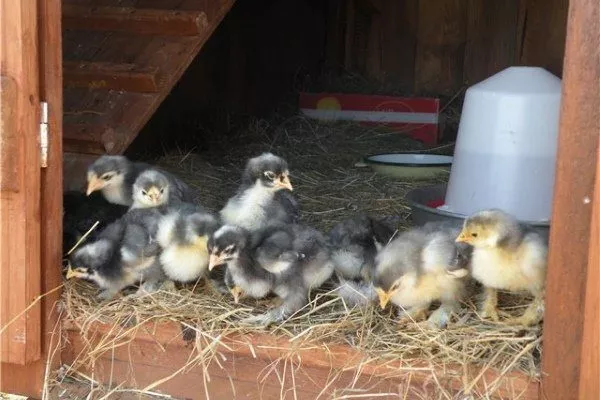
From the first days of life, it's important to provide good care for the young. Establishing a routine and a balanced diet are essential. It's not recommended to introduce new foods until the babies' gastrointestinal tracts are functioning properly.
Prospects and benefits
Cochins are considered an excellent choice for breeding in Russia. They thrive in the southern regions and are warm in the northern ones.
Because the breed isn't known for its high productivity, acquiring it solely for meat and eggs isn't profitable. If the bird is being bred solely for ornamental purposes, Cochins are considered a worthy option.
Where to buy and at what price?
Cochins are popular chickens in Europe. They are bred on mini-farms and in private farms in the Netherlands, Belgium, Switzerland, Germany, the UK, and France. They actively participate in agricultural exhibitions. In Russia, the breed is considered one of the rarest.
You can purchase hatching eggs or young birds of this breed from specialized breeders. The birds are unreasonably expensive, but breeders guarantee that the breed is pure and fully meets standards. An adult bird will cost up to 8,000 rubles. Hatching eggs cost up to 200 rubles.
Reviews
Reviews of Cochins are generally positive, as the bird's decorative qualities and ease of care are considered a major plus by some farmers.
Cochin chickens are sweet, peaceful, and friendly birds with an attractive appearance. They are low-maintenance and easy to care for. Breeding them isn't particularly difficult, as long as you follow all the necessary rules, ensure proper feeding, and keep the coop clean.