
Tomatoes are a perennial plant, but in our country they are grown as annuals. To ensure a bountiful tomato harvest outdoors, it's important to choose the right variety and create optimal growing conditions. Let's learn about the agricultural practices used to grow these juicy, vibrant fruits outdoors.
Selecting high-quality seedlings
You can buy ready-made seedlings at the market or grow it yourselfIn any case, for planting, it is necessary to select only those seedlings that have a well-formed root system and a strong stem that has reached a height of 20 cm.
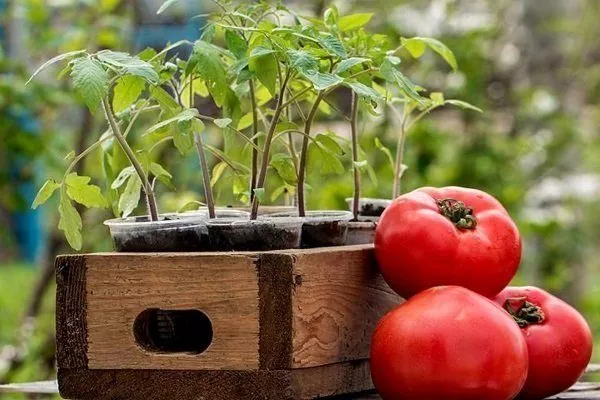
It's important that each shoot has 8-9 fully developed leaves. If they are a rich and uniform green color, this is a sure sign of a healthy seedling. Spotting or pale green indicates improper growing conditions or disease.
| Parameter | Healthy seedlings | Diseased seedlings |
|---|---|---|
| Stem | Thickness 5-7 mm, height 20-25 cm | Thin, elongated (>30 cm) |
| Leaves | 8-9 pieces, deep green | Pale, spotted, twisted |
| Root system | White, twines around the earthen lump | Brown, underdeveloped |
| Internodes | 2-3 cm | 5 cm or more |
If you are going to grow seedlings yourself, you need to maintain the correct temperature conditions for each stage of development and the correct sowing time.
Preparing the soil for tomatoes
Tomatoes are sun-loving plants, but they don't tolerate direct sunlight well. A bed shaded by a nearby greenhouse or fruit tree is considered ideal. Ideally, the area should be free of drafts.
It's recommended to plant seedlings in the same spot where cucumbers, onions, or carrots grew last year. If potatoes were previously planted in the same spot, there's a risk of various diseases, such as late blight. Proper soil preparation is crucial.
Before planting, enrich the soil with fertilizer and normalize its acidity. If this is not done, even with timely fertilization, tomatoes will wilt and become diseased. Specialized soil pH tests are available at specialist stores. The ideal range for tomatoes is considered to be between 6 and 7.
To reduce soil acidity, it is recommended to use lime – 500 g per 1 square meter. To increase acidity, sulfur is used in the same proportions.
It's not recommended to plant tomatoes in the same area two years in a row, but not everyone has the opportunity to change locations. In this case, you can reclaim the soil in the fall:
- In autumn, the soil is dug up and all plant debris is removed.
- Fertilizers are applied to the depth of a shovel blade - superphosphate, potassium salt, or compost, humus, peat, bird droppings.
- Rye or white mustard is sown in the beds; other green manure crops can also be substituted.
- To activate beneficial microflora, it is recommended to pour a humic solution onto the soil.
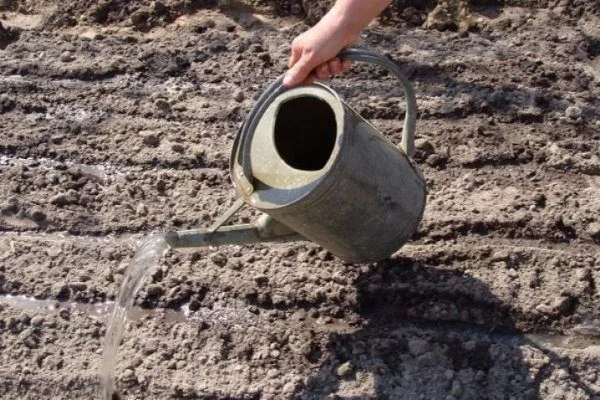
It is not recommended to dig immature compost into the soil, as this can attract worms and wireworm larvae, which can damage the roots of young seedlings.
Avoid adding manure to the soil, as tomatoes thrive on it. This will result in all the energy going into growing green foliage. The tops of the plants will curl up, but the yield will be small. If there have been frosts, it's recommended to cover the soil with any black material around mid-May.
The seedling beds should be formed approximately a week before planting. The holes should be at least 20 cm deep. A few weeks beforehand, it is recommended to water the soil with a copper sulfate solution. Prepare the solution in the following proportions: 1 tablespoon per 10 liters of water. This simple procedure will help disinfect the soil.
Planting seedlings in open ground
Only well-hardened seedlings should be used for planting outdoors; otherwise, most of the seedlings will be lost. Sudden changes in weather conditions can delay seedling growth. Depending on the regional climate, the planting time for young plants should be adjusted. It's important to remember that tomato seedlings cannot tolerate extremely low night temperatures or frost.
May is considered the optimal time for planting seedlings in open ground. If temperatures drop, use agrotextile or special film-based structures to protect the young plants.
Once the soil has been completely prepared for planting (the soil has been dug and leveled), you can begin planting the seedlings. This is best done early in the morning, before the sun gets too hot. Dig holes for the seedlings, spacing them slightly apart, depending on the plant variety you've chosen.
For tall tomato plants, a spacing of approximately 60 cm is ideal, while for smaller plants, a spacing of approximately 40 cm is ideal. When planting tomatoes in multiple rows, it's recommended to stagger the plants to save space. The spacing between rows varies depending on the variety, ranging from 40 to 70 cm.
| Bush type | Distance between plants | Distance between rows |
|---|---|---|
| Determinant | 35-40 cm | 50-60 cm |
| Semi-determinate | 45-50 cm | 60-70 cm |
| Indeterminate | 60-70 cm | 70-80 cm |
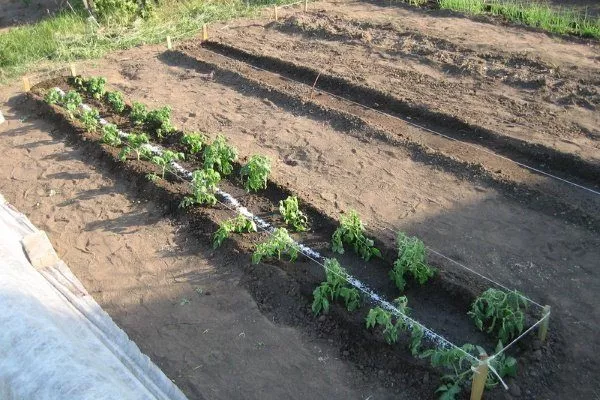
After digging shallow holes, it's essential to disinfect the soil. To do this, dissolve potassium permanganate in water; the resulting solution should have a light pink tint. Water the holes generously with the solution, after which you can water the soil thoroughly with clean water. It's important to keep the soil well-moistened before planting. After planting, avoid watering the seedlings for several days.
Planting tomatoes in open ground: step-by-step instructions
The process of planting tomato seedlings in open ground is very simple; just follow these recommendations:
- Planting should only take place after frost has passed and above-zero temperatures have remained for a week. This could be early May or June.
- The area should be sunny and well-ventilated, but free of drafts. Southeast, southwest, or south exposures are excellent choices.
- Once the first flower cluster appears on the seedlings, they can be planted outdoors. The seedlings should have at least six fully formed leaves.
- It is recommended to plant tomato seedlings at the age of 50-60 days, but this figure may vary depending on the type of plant chosen.
- Pre-prepared holes are watered - no more than a liter of water per hole.
- You need to wait until the water is completely absorbed into the soil.
- If the seedlings have grown too tall by the time of planting, cut off a few of the lower leaves.
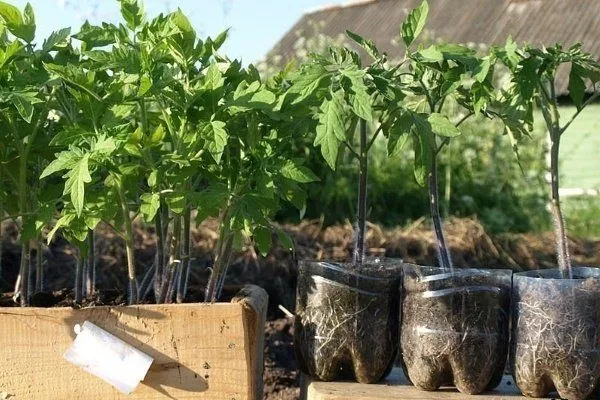
- After pruning, the seedlings are replanted into the soil, deepening the soil. Adventitious roots located on the lower part of the stem provide the tomatoes with additional nutrition. Strongly elongated seedlings are placed at an angle, always planting them halfway up the stem.
- Standard seedlings are placed in a hole in a vertical position and deepened up to the cotyledon leaves.
- The holes are watered again and a small layer of dry soil is poured on top.
It's not recommended to plant seedlings near plants that can harm them, such as fennel, zucchini, or potatoes. Tomatoes thrive near onions, basil, bird cherry, and celery.
Caring for seedlings
Proper and timely care of seedlings helps ensure good fruiting. To develop a strong root system and provide the plants with the necessary oxygen, it is recommended to loosen the bed every 2-3 weeks by inserting a tool into the soil to a depth of at least 8-10 cm. If the soil is fairly dense, this procedure should be performed more frequently.
Loosening the soil is often combined with weeding, as weeds can trigger a veritable pest infestation. Grass retains moisture in the soil, creating ideal conditions for the development of various diseases. A heavily dense garden bed is poorly ventilated.
Watering and fertilizing
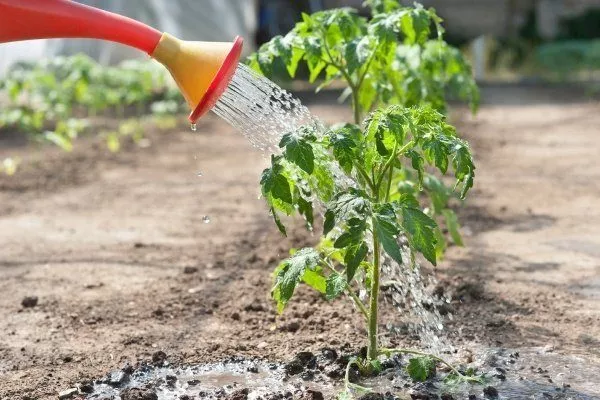
Watering should be done directly at the plant's roots; avoid watering foliage. When choosing between existing irrigation systems, it's best to opt for spot irrigation. Using overhead irrigation can cause flower heads to drop and fruit to turn pale.
After planting, don't overwater the seedlings. A few times a week is sufficient. Make sure the soil doesn't dry out.
When watering tomatoes, consider the following tips:
- Overwatering is harmful.
- For watering, use water at room temperature.
- When watering, try to avoid contact with the trunk and leaves of plants, otherwise this may cause burns.
- Tomatoes need to be watered in the evening, with the exception of hot sunny days.
- Before hilling, during the flowering of the first and second brushes, it is necessary to water the plant.
- After planting: 3-4 l/bush every 5 days
- Flowering: 5-6 l/bush every 4 days
- Fruiting: 8-10 l/bush every 3 days
- Ripening: reduce to 4-5 l/bush
Watering schedule
It's recommended to fertilize tomatoes 4-5 times throughout the growing season. Fertilizer is applied according to the following schedule:
- The first time top dressing is performed 15 days after transplanting the seedlings into the open ground. For this purpose, you can use nutritious infusions of bird droppings or mullein, to which a small amount of wood ash is added. At this time, the bushes begin to form buds, so applying the fertilizer will have a positive effect on the formation of fruit ovaries.
- Second feeding This is done 10 days after the second cluster of tomatoes blooms. Use an organic infusion with a complex mineral fertilizer in the following proportions: 1 tablespoon per bucket. For tall tomatoes, apply 1.5-2 liters of the infusion; for short tomatoes, no more than 1 liter.
- Third feeding This should be done when the first tomatoes are ripening. The same nutrient solution is used, but in this case, the volume is changed: 500 ml of the solution is poured under each plant.
- The last feeding Performed 15 days after the third application. The ideal option would be to use the industrial fertilizer Agricola-3, which contains superphosphate—4 liters of solution per square meter.
Read more about fertilizing tomato seedlings. Here.
Pinching out stepsons
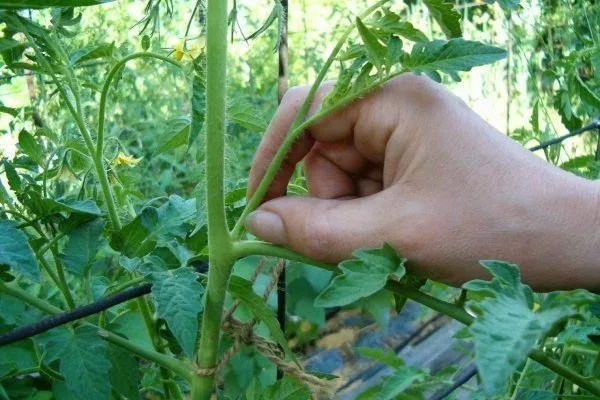
Side shoots or side shoots should be formed as tomato plants grow. They simply don't have time to ripen, while simultaneously drawing large amounts of nutrients. Therefore, they should be removed early in the plant's development.
Each plant should retain 2-3 main shoots. By the time the fruit begins to ripen, the bushes should be free of side shoots. Lateral shoots, 3-5 cm long, are removed. They should be broken off or pinched off approximately 1 cm from the main stem. Work carefully during this process to avoid leaving large wounds on the plant. It is advisable to remove side shoots in the morning.
Tying up tomatoes
Tall varieties require additional staking. This prevents the plants from falling to the ground and facilitates harvesting. The staking procedure itself is very simple:
- A stake is installed next to each plant that will be tied up.
- You can dig in strong stakes along the edges of the row, and then stretch a cord or twine between them.
- Twine and thick synthetic threads are considered excellent garter materials. Their main advantage is that they do not rot.
- You can use metal or wooden stakes.
- Plants should not be tied too tightly to a stake or wire.
- To strengthen the stems, you can use a net, trellis or a cap made of rods.
Pollination
Tomatoes are self-pollinating plants, which means they easily handle this task. Insects such as bumblebees and honeybees greatly assist in the pollination process. To attract them to your garden, you can plant fragrant honey plants such as mint, rapeseed, lemon balm, coriander, mustard, and basil.
In some cases, artificial pollination is required:
- Each bush shakes a little.
- You can simply tap on the flowering brush, but not too hard.
- This procedure is carried out in the first half of the day.
- After pollination is complete, you need to spray or water the tomatoes with warm water so that it runs down the flowers.
Diseases and pests of tomatoes, control methods
There are quite a few pests that can harm tomatoes, the most common of which are:
- Mole cricket – an insect that thrives in well-fertilized and moist soils. Strong insecticides, including vinegar and red pepper infusions, are used to control it.
- Wireworms These are larvae covered with a thick shell that damage the plant's root system. To prevent this, alkalize acidic soils during fall soil preparation.
- Cutworms These caterpillars are considered the most dangerous enemy of vegetable crops. To prevent them, deep mechanical tillage and timely weeding are recommended. If large numbers of caterpillars appear on tomatoes, they should be collected and destroyed by hand.
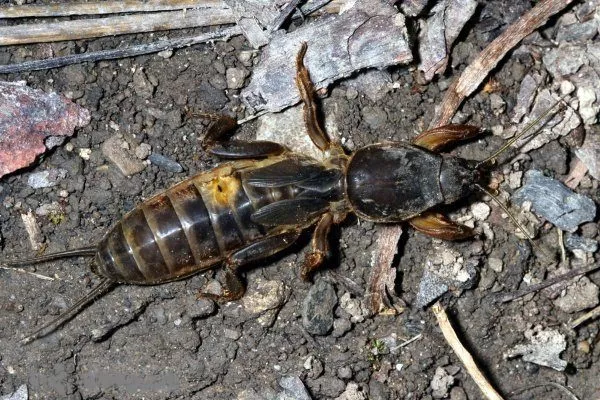
The mole cricket is a pest of tomatoes.
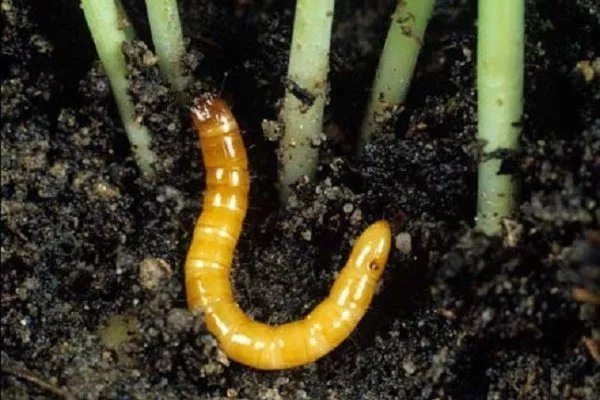
Wireworm: These larvae damage the root system.
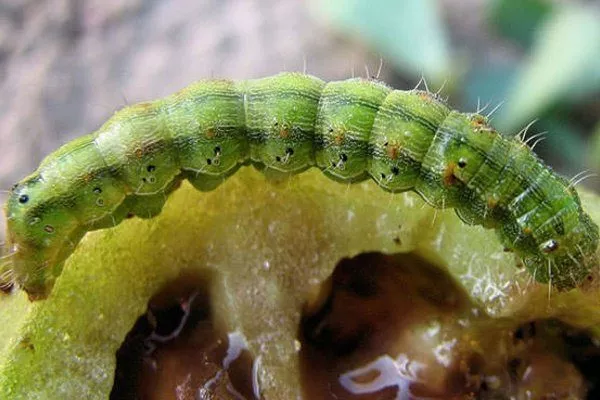
Cutworms are dangerous caterpillars
Tomatoes can suffer from Colorado potato beetles, thrips, spider mites, whiteflies, and melon aphids. To combat these pests, insecticides should be used.
Preventative spraying of tomatoes is recommended every 5-7 days, alternating between onion infusion and Bordeaux mixture. If the plant has been infected with a dangerous disease, serious treatment is required.
Tomatoes are often susceptible to diseases such as blossom-end rot, mosaic, late blight, black spot, anthracnose, and phoma. In these cases, it is necessary to treat the plants with special, potent fungicides, and remove any affected parts of the plant.
If the tomatoes are severely damaged, the entire planting must be destroyed.
| Disease | Signs | Control measures |
|---|---|---|
| Late blight | Brown spots on leaves | Treatment with 1% Bordeaux mixture |
| Blossom end rot | Black spots on fruits | Foliar feeding with calcium nitrate |
| Mosaic | Yellow patterns on leaves | Removing affected plants |
To minimize the likelihood of recurrence of the infection, before the new season, the soil must be treated with disinfectants, for example, by watering it with a solution of copper sulfate or a hot solution of potassium permanganate, and by deep digging.
The main mistakes when growing tomatoes
To protect your harvest from major losses, it's worth familiarizing yourself with the mistakes often made by inexperienced gardeners:
- Violation of the timing of planting seeds or seedlings.
- Using tomato varieties that are intended for growing in a greenhouse.
- Purchasing seedlings with inflorescences, as this will disrupt the formation of ovaries.
- Too abundant and frequent watering leads to rotting of the root system.
- Over-fertilization.
- Planting seedlings prematurely in open ground – violation of the temperature regime negatively affects the formation of ovaries.
Harvesting
Harvest time begins in midsummer. Because ripening occurs unevenly, the fruits need to be picked daily. Tomatoes should be harvested without stems. There's no need to wait until they're fully ripe, as they ripen perfectly indoors.
To speed up the ripening process, you can place tomatoes in a well-lit and ventilated area. To delay ripening, it is recommended to store the fruits in a cool, dark place.
Let's watch a video about growing tomatoes outdoors. What fertilizers are needed, how to identify any nutrient deficiencies, how to prune tomatoes, and how to dramatically increase your future harvest:
Caring for and growing tomatoes isn't as difficult as it might initially seem. Simply follow the tips above and remember to weed, fertilize, and water regularly.