
To obtain a large, high-quality, and delicious tomato harvest, timely feeding is essential, starting with seedling fertilization. Fertilizing can be done in a variety of ways, including making your own fertilizer or purchasing a ready-made product.
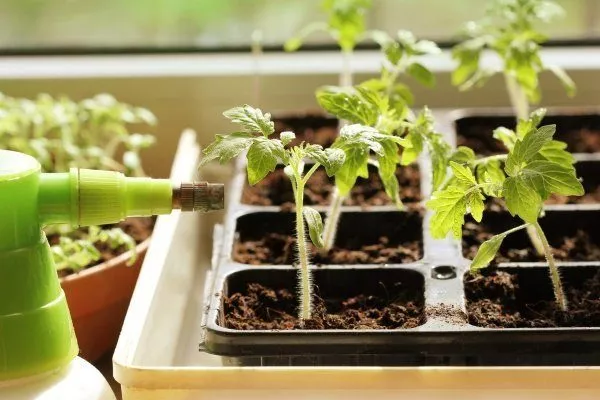
General scheme for fertilizing tomatoes
During the seedling growth stage, tomatoes are fertilized several times. The first application is made when the first true leaves appear. Fertilizer is then applied two weeks after transplanting. The final application is made 1.5 weeks before planting.
Additionally, seedlings can be fertilized if they are growing poorly or if there are signs of a deficiency of some substance.
Tomatoes also need to be fertilized throughout the growing season. On average, this should be done four times according to the following schedule:
- The first feeding is needed approximately two weeks after planting the bushes in open ground.
- The second time the crop needs to be fertilized is after another two weeks, when the second inflorescence blooms.
- The next feeding is carried out during mass flowering.
- Fertilizing is also necessary during the fruiting period. Stop feeding for two weeks before harvest. During this period, limit yourself to root feeding only.
This feeding scheme is a generalized option.
Critical periods of tomato nutrition
| Development phase | NPK requirement | Key micronutrients |
|---|---|---|
| Seedlings (3-4 leaves) | N>P>K | Fe, Mn, B |
| After the dive | N=P=K | Ca, Mg |
| Bloom | P>K>N | B, Mo |
| Fruit formation | K>P>N | Ca, Zn |
| Maturation | K>>P>N | Mg, Cu |
The plant may also need additional measures.
The plant's appearance can help determine which nutrients it's lacking. In this case, additional fertilizer should be applied:
- nitrogen when the lower leaves fall;
- phosphorus when leaves darken and purple color appears in the veins;
- potassium for yellow-green or orange border on leaf blades;
- magnesium for fragile seedlings;
- calcium when stem growth decreases, leaves turn yellow and fall off.
It's important to tailor tomato fertilization to the soil conditions, variety, and soil conditions. For problematic plants, fertilizer should be applied every two weeks, while under normal conditions, fertilization is required two to three times less frequently.
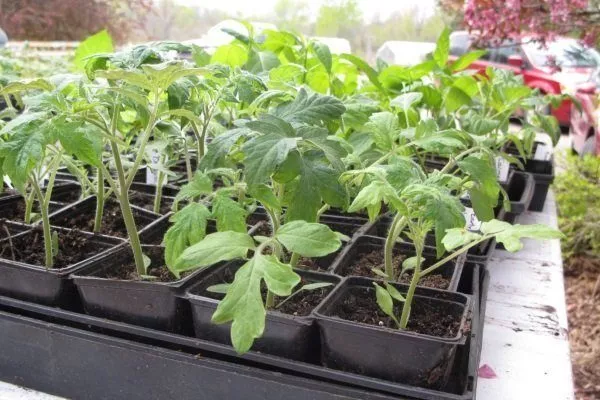
Root feeding should be performed according to the standard schedule. Additionally, foliar feeding can be done once a week.
Ready-made fertilizers for tomato seedlings
The easiest way to fertilize tomatoes is to purchase a ready-made fertilizer from the store and use it according to the instructions. The following store-bought fertilizers are the most popular:
- Sudarushka tomatoThe product is suitable for both root and foliar feeding. To prepare, add 0.5-1 teaspoon of the mixture to a 10-liter bucket of water.
- BabyThis solution can be used to feed seedlings and newly planted crops. It promotes root development and increases plant stress resistance. The solution is also suitable for soaking seeds to accelerate and increase germination.
- Signor Tomato Bio VitaThe composition is a mixture of organics and minerals. It promotes fruit set, increases yield, and improves the taste of the fruit. Root feeding is done by dissolving 5 tablespoons of the product in a bucket of water.
- UreaThis fertilizer is usually used when the seedlings have formed 2-3 true leaves. Only 1 tablespoon of the product is needed per 10-liter bucket of water.
- NitrophoskaThis complex mineral composition is applied one week after liquid fertilizer. Dissolve 1 tablespoon in a liter of water. This amount is enough to feed 25-30 seedlings.
- DiammophoskaThis mineral composition is used during soil tillage. 35 g of the product is sufficient per square meter. The same fertilizer can be applied to the roots when watering mature plants. In this case, dissolve 1-2 teaspoons of the fertilizer in a bucket of water.
- HumateThis is a versatile product. Seeds are soaked in it, and seedlings and mature plants are watered with it. For root and foliar feeding, use 1 tablespoon of fertilizer per bucket of water.
- RastvorinThis fertilizer is universal and comprehensive. To accelerate fruit development, use grade A, and during harvest, use grade B. To prepare the solution, add 10 g of fertilizer to a 10-liter bucket of water.
- HeteroauxinThis preparation stimulates growth and fruit formation. Prepare the solution according to the instructions and use it for spraying.
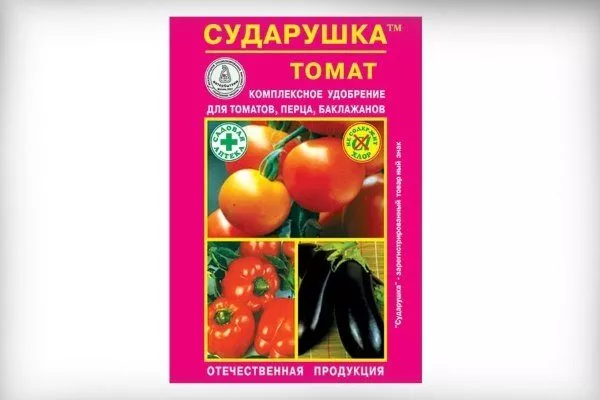
Sudarushka tomato
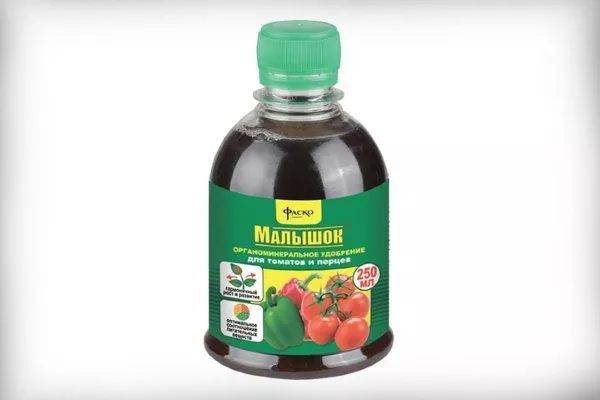
"Malyshok" solution
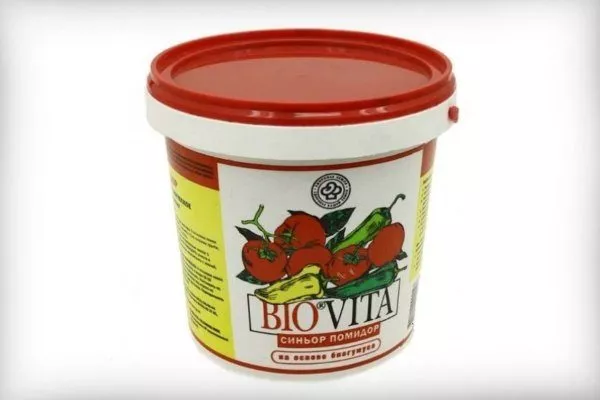
Fertilizer "Senior Tomato Bio Vita"

Urea fertilizer
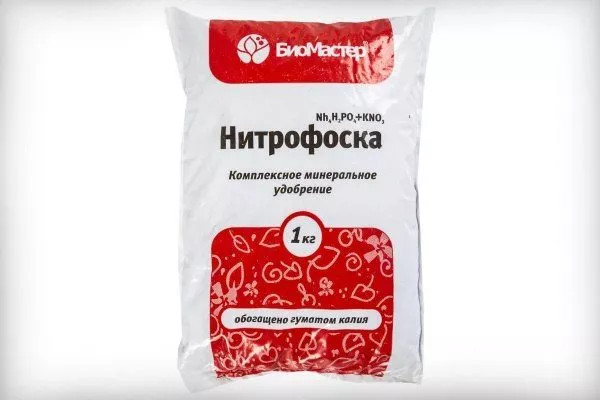
Fertilizer "Nitrophoska"
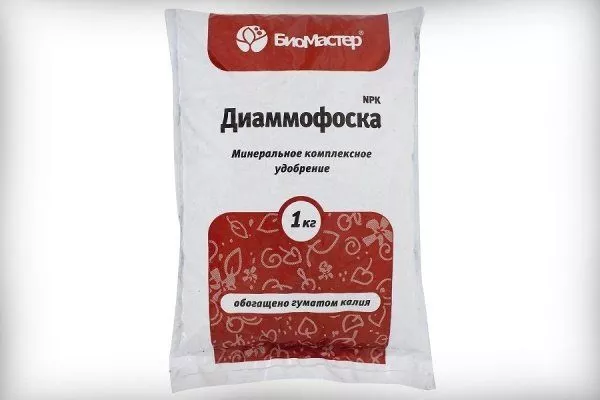
Fertilizer "Diammophoska"
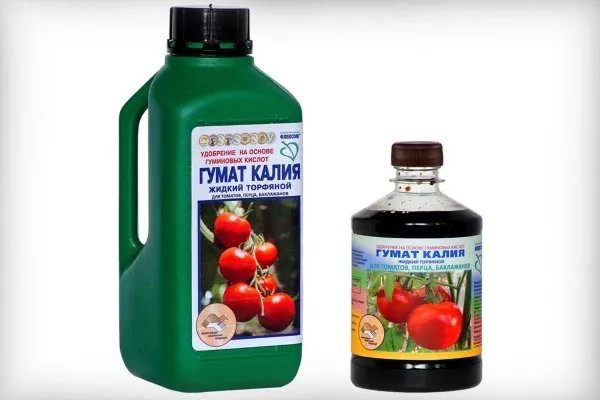
Fertilizer "Humate"
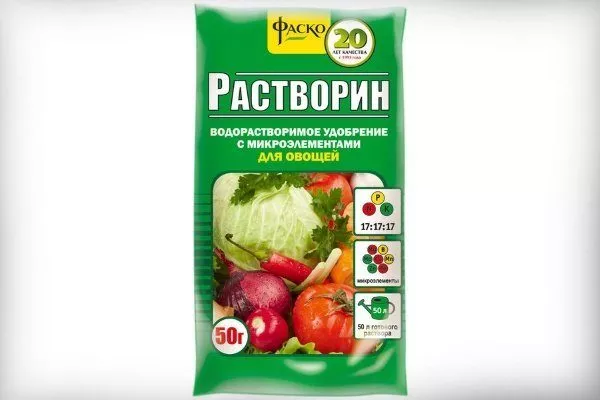
Fertilizer "Rastvorin"
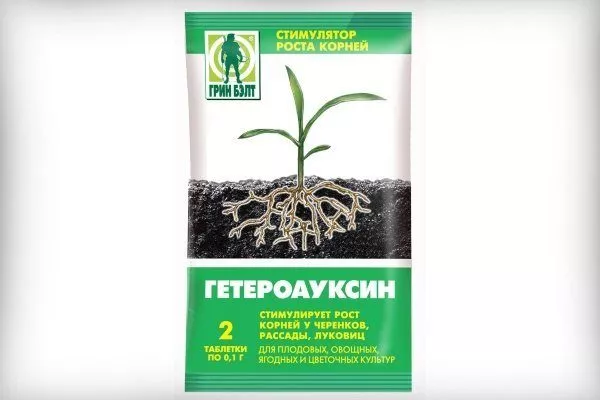
The drug "Heteroauxin"
Folk remedies for feeding tomato seedlings
Fertilizing tomatoes doesn't require using store-bought products. There are also folk remedies:
- Dry yeast can be used during the seedling growth stage. Dissolve the contents of one packet in a glass of water, adding 2 tablespoons of sugar. Let the mixture steep for half an hour, then dilute it in 5 liters of water and water the seedlings. Using this mixture has a positive effect on the subsequent development of the crop.
- Eggshells. Warm the product in the oven, crush it, and soak it in water for 24 hours. This solution is good for watering seedlings, distributing a cup of the solution among 3-4 plants.
- Banana peel. Simply soak the peel of one banana in a liter of water for 24 hours. The resulting mixture is enough to water 20 seedlings. This feeding is done when the plant has four true leaves.
- If seedlings aren't growing well, water them with honey water. To do this, dissolve 1 tablespoon of the product in a liter of water.
- Sugar. You can sprinkle it on the soil around the plant or make a watering solution by adding 2 teaspoons of the product to a glass of water. This sweet fertilizer can be applied once a month.
- Black bread. Pour 1 liter of water per 0.1 kg of product and leave in a warm place for 4 days. Then strain the solution and dilute the resulting liquid with 10 parts water. For feeding, half a liter of solution per bush is sufficient.
The effectiveness of organic fertilizers
| Means | Validity period | pH influence | Basic elements |
|---|---|---|---|
| Yeast | 7-10 days | +0.5 | N, B, Zn |
| Eggshell | 2-3 years | +1.2 | Ca, Mg |
| Banana peel | 3-4 weeks | -0.3 | K, Mn |
| Wood ash | 1-2 years | +1.8 | K, P, Ca |
| Bread infusions | 10-14 days | -0.5 | N, P |
Organic matter
Organic fertilizers are attractive because of their natural origin. They can be used at various stages of crop cultivation.
Before planting the seedlings, add organic matter to the prepared holes. Compost or humus is used for this purpose. One handful of the chosen material per hole is sufficient. A pinch of ash is also effective.
If compost and humus are unavailable, green tea is an excellent substitute. This mixture is prepared by soaking the plant material in water and letting it steep. This infusion should be used immediately after planting the seedlings. Ash and mullein can be added for enhanced results. Green tea with nettle extract is a better fertilizer for tomatoes.
Peat is also used to fertilize tomatoes. This material is considered a universal fertilizer and is excellent at regulating moisture in all types of soil. Peat itself contains only a small amount of nutrients, so it's effective when used in combination with other organic matter.
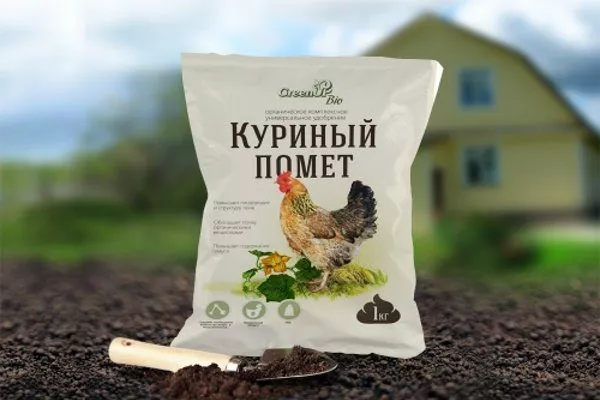
Another good fertilizer is bird droppings. It's effective during mass flowering to promote good fruit set. To apply the fertilizer, dissolve half a liter of organic matter in a 10-liter bucket of water. Adding potassium sulfate (1 tablespoon) to the solution is also effective. Cow manure can be used instead of bird droppings; the solution is prepared using the same principle.
One of the popular organic fertilizers for tomato seedlings is ash. It is obtained by burning branches, straw, firewood, and charcoal. It is rich in microelements, potassium, and phosphorus. To make a nutrient solution, simply dissolve 2 tablespoons of the ash in a bucket of hot water and let it sit for 24 hours.
During fruit formation, use infused wood ash as a fertilizer. It is diluted in water at a ratio of 1:5. Boric acid (10 g per bucket) can be added to the solution.
Ash can reduce the effectiveness of other fertilizers, so it shouldn't be added to lime, mullein, bird droppings, or rock phosphate. It shouldn't be combined with nitrogen—nitrogen can be applied no sooner than a month later.
Ash can cause crust formation on the soil, so it is not applied superficially, but is embedded 10 cm deep.
Pharmaceutical products
You can fertilize tomato seedlings using pharmaceutical products. This option is attractive due to its affordability, versatility, and effectiveness.
The following tools will help in growing tomatoes:
- IodineWhen growing seedlings, simply adding a drop of iodine to 3 liters of water will ensure larger fruits and a greater harvest. After planting, you can apply another dose of iodine – 3 drops of the product diluted in a bucket of water is sufficient for 10 plants.
- Green stuffThis solution can be used to treat damaged areas of plants. To combat late blight, add 40 drops of the solution to a bucket of water and spray the crop. Dissolving a whole bottle of brilliant green in a bucket and watering the beds will help get rid of slugs.
- Hydrogen peroxideThis medication helps combat late blight. Simply dissolve 1 tablespoon of the solution in a bucket of water. You can also add 40 drops of iodine to the same solution.
- Boric acidThis product is excellent for stimulating fruit set. An effective spray solution can be obtained by adding 2 g of the product to 10 liters of water.
- ManganeseIt is used for foliar feeding. Simply dissolve 2 g of crystals in 10 liters of water. This solution serves as a preventative against diseases and pests.
- Metronidazole (Trichopolum)This medication serves as an excellent preventative against late blight. Simply dissolve one tablet (250 mg) in a liter of water and spray the crop.
- Tar soapThis remedy helps fight pests. Dissolve a bar of soap in 10 liters of water and pour it over the plants.
Calendar of treatments with pharmaceutical products
- Iodine: 1 drop/3 l for 2 leaves
- Boric acid: 0.02% during flowering
- Potassium permanganate: 0.01% after planting
- Metronidazole: 1 tablet/l in case of late blight threat
- Peroxide: 1 tbsp./10 l every 14 days
When do tomatoes not need fertilizing?
Signs of excess fertilizer
| Element | Visual symptoms | Recovery period |
|---|---|---|
| Nitrogen | Dark green curled leaves | 21-28 days |
| Phosphorus | Leaf margin necrosis | 14-20 days |
| Potassium | Interveinal chlorosis | 10-15 days |
| Calcium | White spots on fruits | 30-45 days |
| Magnesium | Marginal leaf burn | 7-10 days |
On sunny days, fertilize early in the morning or evening. Otherwise, any liquid spilled on the leaves can cause sunburn.
Tomatoes shouldn't be fertilized for about six weeks after transplanting. This break allows the plant to restore its root system.
You should also wait two weeks after transplanting the seedlings into the ground. This interval is necessary for the plant to rest and adapt.
Don't fertilize your plants frequently. It's important to follow a standard schedule, and light weekly feedings are also acceptable. Excessive nutrient intake can be just as harmful to the plant as underfeeding.
This video explains more about how and what to fertilize tomato seedlings with:
Fertilizing tomato seedlings is an essential part of their cultivation. Fertilizers can provide the plant with essential nutrients, accelerate growth and fruit set, and improve yield and flavor. Properly selected fertilizers also help reduce the risk of various plant diseases.