
To obtain a good tomato harvest, it's crucial to prepare the seeds for germination. Healthy seeds are sorted, processed, and prepared for planting. This vegetable has its own unique development, growth, and fruiting characteristics, and therefore requires a tailored approach to the germination process.
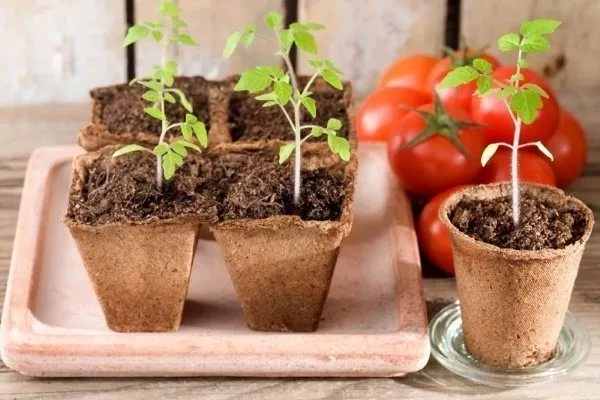
- ✓ Seeds must be no older than 2 years to ensure high germination.
- ✓ Preference should be given to seeds collected in the previous season, as they have the greatest germination potential.
Why is it necessary to wait for seedlings to emerge?
Many novice gardeners wonder why they should germinate tomato seeds if the process takes so much time and effort. But if we sow a seed that's been stored in a dry state for some time, there's no guarantee it will sprout at any given time.
What are the disadvantages of sowing untreated tomato seeds:
- pronounced unevenness of sprouts;
- a longer period of time will pass before the first shoots appear;
- predisposition to frequent illnesses and infections.
The seed germination process affects tomato yields – on average, the volume of vegetables grown can increase by 30%.
To increase the chances obtaining healthy and strong seedlings and to avoid infection, it is necessary to carry out a number of special measures, which include increasing resistance to various diseases, the process of selection, soaking in water and germination of seeds.
Duration of seed germination
The time it takes for tomato seeds to germinate under certain conditions varies from 3 to 14 days. This will depend on climate and weather conditions.
Germination speed is directly dependent on temperature and humidity. When dry seeds are planted in the ground, they germinate only after ten days. However, when tomato seeds sprouted in a humid environment are planted in the ground, this period is more than halved (3-4 days).
When purchasing seeds for seedlings, pay attention to the production and packaging dates. The fresher the seeds, the faster they will germinate.
When talking about temperature and timing, it should be taken into account that:
- The seedlings germinate within 3-4 days at an air temperature of 25 to 30°C.
- On the fifth or sixth day, sprouts appear at an ambient temperature of 20-25°C.
- With a decrease in air temperature to 13-19°C, the germination period increases to 1 week.
- At low air temperatures of 12-14°C, seeds germinate slowly, only after two weeks.
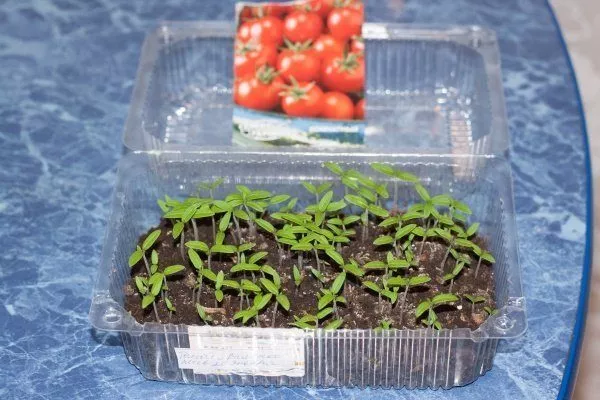
Stages of seed preparation
Preparing vegetable seeds for sprouting involves several stages, during which the seeds undergo special treatment. Let's look at these steps:
Checking for seed germination – is necessary to select potentially healthy planting material from empty grains that are unlikely to be of any use.
To perform this test, dissolve 30 grams of salt in a glass of water and stir thoroughly. Pour the vegetable seeds into the resulting solution. After a while, healthy, fruitful seeds will sink to the bottom of the glass, while empty and dry ones will float to the surface. After this procedure, be sure to rinse the selected seeds under clean running water.
Disinfection – will protect planting material from potential plant diseases, harmful microbes, and pathogens of various kinds. The most common disinfection method is to soak the seeds in a weak (1%) solution of potassium permanganate for 15-20 minutes. Be careful not to overexpose them to avoid burning.
Alternatively, soak the seeds in hydrogen peroxide for 10 minutes. Afterward, it's a good idea to treat the seeds with aloe vera juice or products like Epin or Immunocytophyte to boost immunity.
Warming up – a procedure necessary for seeds that have spent the winter in the refrigerator or in the dark. Warming is accomplished by gradually increasing the temperature. For example, tomato seeds can be spread out from the refrigerator on dry newspaper on a windowsill out of direct sunlight. After a day or two, leave them on a table in the room before moving them to a radiator.
Warm the grains in advance, at least a month before sowing them into the soil, so that they can fully recover.
Hardening – a session that increases the resilience of future seedlings to sudden temperature changes. Tomatoes are quite heat-loving plants; comfortable air temperatures for rapid growth are 25-30°C. Sudden cold or hot temperatures can kill the seedlings.
- Before hardening, make sure the seeds are completely dry from the previous processing steps.
- Place the seeds in the refrigerator for 12 hours, avoiding direct contact with the freezer.
- After refrigeration, leave the seeds in a warm place (18-20°C) for the next 12 hours.
To prevent this, tomato seeds are hardened before germination by storing them in the refrigerator for 12 hours, then leaving them in a warm place at 18-20°C for the rest of the day. These two steps are alternated at least three times. Hardening is usually carried out during the seed soaking stage.
After thoroughly processing the seeds, it is necessary to move on to the next two important stages – soaking and germination of the seeds.
Let's watch a video about several methods for pickling tomato seeds, including treatment with hydrogen peroxide:
Specific aspects of seed germination
To ensure seeds germinate and sprout quickly, they need to be kept in a moist environment for a certain amount of time. Let's look at the process of soaking and germinating seeds before sowing them in the soil:
| Procedure | What is it for? | What is the point? |
| Soaking seeds | Necessary for the fastest emergence of seedlings and disinfection of seeds. | To soak, take a piece of cotton cloth and place it in a shallow bowl. Fill it with room-temperature purified water, and place the tomato seeds on the cloth. Cover the seeds with another piece of clean cloth, ensuring the entire cloth and its contents are submerged in water. Place the bowl with the seeds in a warm place. Soaking in sawdust is also an option. |
| Germination | Allows you to select the strongest shoots for planting in the ground. | While the tomato seeds are sprouting, keep the cloth moist and add a little water. Avoid soaking the seeds in water that they float on the surface. This will cause them to spoil and rot. To speed up germination, you can add growth stimulants to the water. |
A tomato seed is ready for planting in the ground when the length of the sprout and the size of the seed itself are the same.
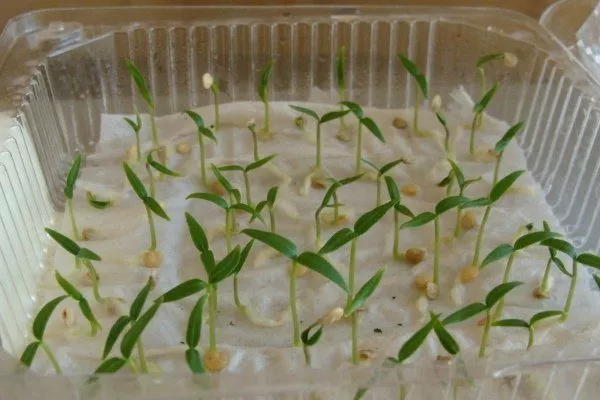
As you can see, soaking and sprouting are two closely related procedures. Once the sprouts have emerged, you can plant the sprouted seeds in prepared soil and containers.
How to germinate seeds using toilet paper
Germinating tomato seeds using toilet paper is a rather unique, simple, and minimally time- and money-consuming method. The advantages of this method are as follows:
- Toilet paper contains the minimum amount of substances necessary for the germination of grains;
- minimal care for seeds (no need for fertilization or feeding).
To get sprouts from tomato seeds using toilet paper, you will need a plastic bottle/cup, plastic film (or several bags) and a roll of toilet paper:
- Cut 10-centimeter-wide strips of polyethylene into a quantity sufficient to accommodate the seeds in a single row.
- Place a strip of toilet paper on each strip of film, possibly in two layers, moistening it with water.
- Place tomato seeds on paper so that the distance between them is 2-3 centimeters.
- Lay down another layer of toilet paper soaked in water, then cover with a strip of plastic wrap. Roll the strips into rolls and secure with a rubber band.
- Place the resulting rolls in a plastic cup, seed-side up, and add water, making sure it doesn't touch the seeds. Leave the cup in a warm place for several days. The future seedlings will be enriched with oxygen from the air and will receive moisture from the wet toilet paper. Typically, with this method, the first shoots from the seeds appear on the seventh day.
Another option is to use a plastic bottle cut lengthwise. Place two layers of toilet paper, generously moistened with water, on the bottom. Place the tomato seeds inside and wrap the bottle tightly in plastic wrap, poking holes in several places, then leave the resulting structure in the sun. This allows oxygen to enter the container, creating a greenhouse effect, which will cause sprouts to appear within three or four days.
The following video shows in detail the process of spreading tomato seeds on toilet paper for further germination:
The best time to plant tomato seedlings
The most stable and ready for planting seedlings are those that grow from seeds within two months.
When planting tomato seeds for seedlings, one should take into account the characteristics of a particular vegetable variety, weather conditions, and the climate of a particular region.
- In the southern regions, early tomato seeds are sown between February 20th and early March. After 50 days planted in open groundMid-season tomato varieties are sown between March 1 and 20. Late varieties are sown similarly (or slightly later, from mid-March to mid-April).
- In northern regions, the best time to sow tomato seeds depends on daylight hours and temperature conditions. Strict adherence to these dates is crucial, otherwise the seedlings will either be unhealthy or constantly experience problems with lighting, temperature, and humidity. Early varieties are sown between March 15th and the 20th of the same month. Mid-season varieties are sown between March 20th and the end of the first ten days of April. Late varieties are not sown in these regions due to short daylight hours and early temperature drops.
Also read about the correct fertilizing of tomato seedlings in this article.
Despite the extensive work required before planting mature tomato seedlings, all the procedures described above remain relevant. It's important to properly treat tomato seeds in advance, as they contain the full potential and nutritional value of the future vegetable.