
Tuleevsky is a mid-season variety that has gained popularity among many experienced gardeners. It is grown for personal use or for selling tubers for a decent profit. The variety is renowned for its marketable appearance, uniform tubers, and excellent taste. However, all of this depends on proper cultivation and care.
Characteristics and description of the variety
The Tuleevsky potato variety is a mid-late variety, ripening 80-110 days after the first shoots emerge. However, if necessary, gardeners dig up the potatoes after 50-60 days "for testing."
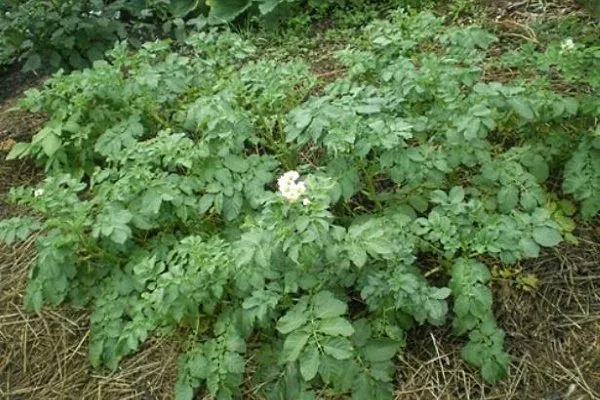
The potato plants are compact and low, about 30-35 cm tall. Each plant has at least six lateral shoots. Stems are straight or slightly drooping. There is little green mass, but the foliage is large, with slightly ruffled edges. The Tuleevsky variety is recognizable by its bright lilac flowers, tinged with yellow petals at the base. The corolla is large and snow-white.
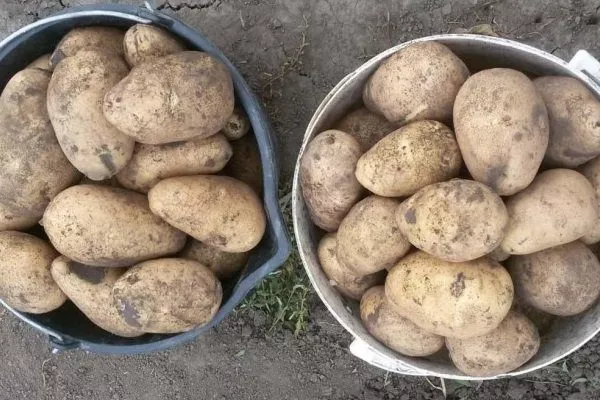
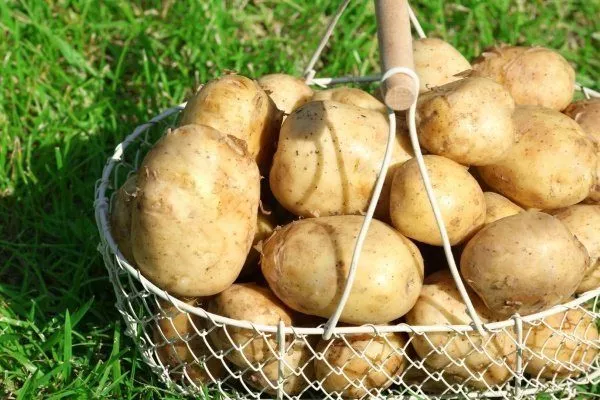
Gardeners appreciate this variety for its smooth, oval tubers with a yellow-beige skin that's slightly rough to the touch. The potatoes have shallow, shallow eyes. The flesh is firm and yellowish in color. It doesn't darken when cooked; in fact, it brightens.
The average potato weighs between 150 and 270 grams. Vegetable growers rarely harvest small tubers. However, fruits weighing over 500-600 grams are sometimes found. This is only possible with proper care and favorable weather conditions. On average, a single plant produces up to 25 potatoes, weighing up to 7 kilograms.
The average yield of Tuleevsky potatoes grown on an industrial scale is approximately 180-300 centners per hectare. However, higher yields are possible.
| Characteristics of the variety | |
| Name | Tuleyevsky |
| Ripening period | 80-110 days |
| General characteristics | a moderately demanding variety with excellent yield |
| Productivity | 180-300 c/ha |
| Number of tubers in a bush | 20-25 |
| Weight of commercial tubers | 200-300 g |
| Starch content | 14-16% |
| Shelf life | 90% |
| Pulp color | yellow |
| Peel color | yellow |
| Disease resistance | the variety is susceptible to golden cyst nematode |
| Preferred growing regions | Potatoes are suitable for growing throughout Russia and are recommended for planting in Siberia. |
History of creation
The Tuleyevsky potato was developed by Siberian breeders at the Kemerovo Agricultural Research Institute. Several varieties bred in Russia and Canada were used, including Chernsky and Tolokan. It took about 10 years to develop the Tuleyevsky. The potato was named after the most popular figure in Kuzbass, Aman Gumirovich Tuleyev, governor of the Kemerovo region, who ruled for 20 years. The variety was added to the State Register in 2006. Its cultivation is recommended in Western Siberia.
The variety was developed specifically for cultivation in harsh Siberian conditions, but it was quickly appreciated by vegetable growers in the Urals, the Far East, and those living in the European part of Russia.
How to plant the Tuleevsky variety?
The Tuleevsky potato requires certain planting requirements. First, prepare the soil and seed before planting the potatoes in the holes or trenches.
| Parameter | Requirement |
|---|---|
| Distance between plants | 65-70 cm |
| Planting depth | 15 cm |
| Soil temperature for planting | +8-10°C |
Soil preparation
Gardeners prefer to plant Tuleevsky potatoes in furrows. To plant the potatoes, prepare holes 65-70 cm apart and 15 cm deep.
- ✓ Soil pH should be between 5.5-6.5 for optimal potato growth.
- ✓ The soil must be well-drained to avoid water stagnation and rotting of the tubers.
In the fall and spring, be sure to dig up the soil and thoroughly weed, removing weed stems and roots. Planting begins when the soil warms to 8-10 degrees Celsius. To stimulate plant growth and form a strong bush, treat the seeds with any stimulant.
Preparation of planting material
Three days before planting, cut the tubers into several pieces, each weighing about 50 grams. Leave 2-3 eyes on each piece. Leave them out in the sun for a short time to warm up and green the skin. Then, begin planting the potatoes in the pre-prepared holes.
How to care for potatoes?
Tuleyevsky potatoes are characterized by compact, low bushes, but they require hilling at least three times per season:
- The procedure is performed for the first time when the first shoots appear—this helps protect the young plants from potential frost. Even under unfavorable conditions, seedlings emerge quickly and uniformly.
- The second hilling is carried out simultaneously with the beginning of flowering.
- The third time, the procedure is performed when the stems begin to droop, "lying" between the rows. If the weather is not very good during the summer, fresh mullein, bird droppings, or liquid nettle leaves diluted in water are initially poured into the holes. This is considered excellent support for the plants.
It's important to remember to regularly loosen the space between the rows, preferably after rain. This variety doesn't require watering. In fact, many gardeners believe that watering can actually harm the potato. This causes the tubers to become more waterlogged, and their flavor is slightly diminished. It can also lead to tuber rot. Only if there has been no rain for more than a month and the heat continues, is it permissible to lightly water the space between the rows.
How to properly and when is the best time to hill potatoes? read here.
This variety is sensitive to boron deficiency in the soil. Obvious signs include flower drop, squat and thickened plant stems, drying of terminal buds, and light green streaks along the veins of the leaves.
To prevent the problem of cavities forming in tubers, plants are sprayed with a boric acid solution (2 g per 10 liters of water). One liter of solution is required per square meter. It's best to perform the procedure on a cloudy day, in the morning or evening. Spraying should be repeated several times throughout the season, as boron doesn't migrate from old leaves to new ones.
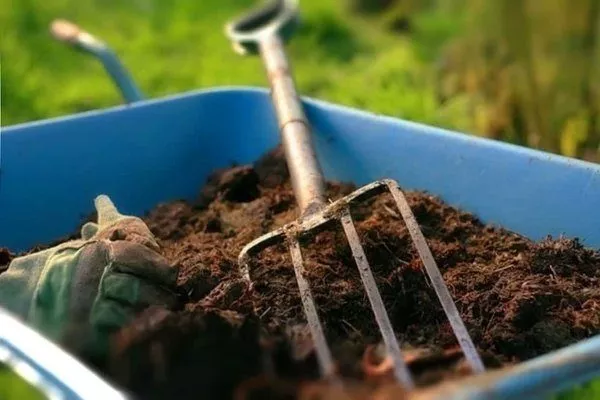
Natural organic fertilizers are also recommended: wood ash, compost, rotted manure, and humus. However, these should only be applied when the soil is severely depleted. This usually occurs when potatoes are grown in the same location for more than a few years.
Pests and diseases, prevention
Like all potato varieties, Tuleevsky is also susceptible to various pests and diseases. It is distinguished by increased resistance to potato cancer, common scab, and Alternaria. It is moderately susceptible to late blight and viral diseases.
Potatoes are susceptible to the golden nematode. This causes the root system to be damaged by worms. Stems begin to weaken and turn yellow prematurely. Tuber production decreases or disappears altogether. Potatoes become infected by planting diseased potatoes or by transplanting tubers into already infected soil.
Nematodes are controlled using specialized chemicals. Experienced gardeners recommend "Bazudun." Equally important: aster, tansy, or mustard planted around the perimeter provide protection against the disease.
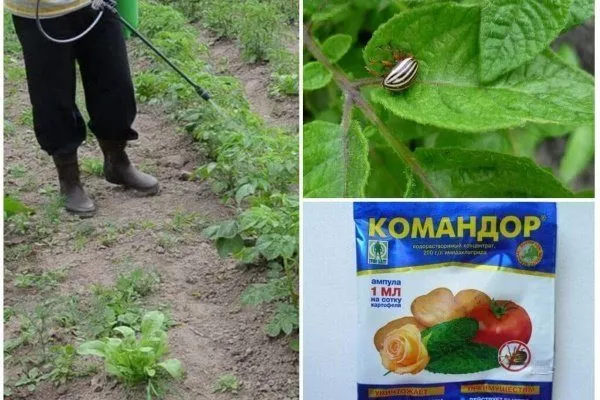
If plants are suffering from attacks by the Colorado potato beetle, they are collected by hand or sprayed with the drug "Prestige" before planting in the ground. Good protection for potatoes from the pest are such effective drugs as "Aktara", "Bombardier", "Commander".
The value and disadvantages of culture
There's no potato variety in the world that boasts only advantages. The Tuleevsky potato has both positive and negative aspects. Many gardeners are already aware of these, but only beginning vegetable growers need to know about them to avoid problems:
| Advantages | Flaws |
|
|
Reviews of the variety
Reviews of the Tuleevsky variety are generally positive. Gardeners say its main advantage is that it requires little watering. Caring for the variety is straightforward, making planting it annually for a bountiful harvest both profitable and hassle-free.
The Tuleevsky potato variety is praised by many gardeners and vegetable growers, both for personal use and for business. Because the potatoes are large, uniform, and always presentable, profits are high, easily offsetting expenses.