
The Rocco potato is a popular variety that is resistant to various diseases. Farmers value it for its high yield and low maintenance. This article discusses the intricacies of growing and caring for potatoes, as well as tips for increasing yields and producing large, uniform roots.
Description of the Rocco variety
The Rocco potato variety was developed by Dutch breeders. Its unique properties quickly gained it popularity. Today, it is in demand among gardeners in many countries.
Russians first planted the Rocco potato in 2002. Currently, the variety is grown not only in home gardens but also on a large scale. This is due to its high yield. It sells quickly at market, accounting for approximately 95% of all potatoes grown by farmers.
Potato characteristics in detail
Rocco is considered a mid-season variety. Some consider it a late-ripening one. The potato matures five months after planting. Gardeners harvest up to 12 roots from a single plant. Rocco has excellent flavor. It can be used for both boiling and frying. It retains its creamy white color during cooking.
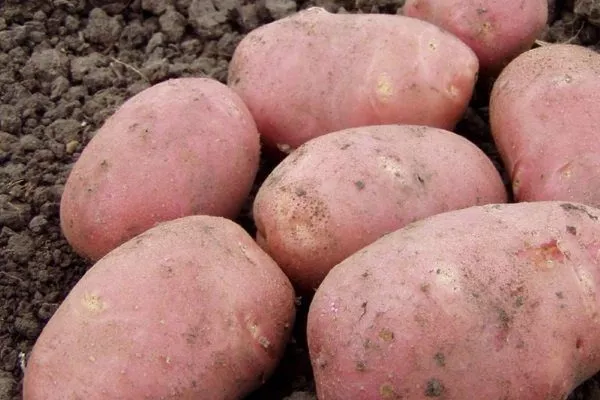
The product is also resistant to diseases, including viruses. It tolerates drought well and is easy to grow. Seedlings take root easily. The potatoes store well.
A single potato weighs up to 125 g. The fruits themselves have a pleasant flavor and aroma. The flesh is creamy white, the skin is pale pink, smooth, and thin. Potato plants reach a height of up to 50 cm. The stems grow vertically. The flowers are lilac with a burgundy hue. Sometimes, potatoes of this variety do not bloom, but this does not prevent the tubers from actively growing.
The table below provides detailed characteristics of the Rocco potato:
| Name of the variety | Rocco |
| General characteristics | mid-season table variety (tubers are large, smooth, red) |
| Ripening period | 100-150 days |
| Weight of commercial tubers | 100-125 g |
| Number of tubers in a bush | 8-12 |
| Productivity | 350-400 c/ha |
| Shelf life | 89% |
| Consumer qualities | Excellent taste, retains color when cooked, used for chips and French fries |
| Starch content | 13-16% |
| Peel color | red |
| Pulp color | cream |
| Disease resistance | has strong immunity against many diseases |
| Preferred growing regions | any soil and climate |
The variety contains 13-16% starch, which is why it is used to make French fries and crispy chips.
Positive qualities and disadvantages of the variety
The variety has a long list of advantages and a minimal number of disadvantages.
| Pros | Cons |
| Average resistance to tuber blight and relatively average acclimatization in northern regions. |
How to prepare the soil and tubers for planting?
The Rocco potato is a variety that adapts to any climate, making planting much easier. The soil for planting should be fertile.

To preserve their original shape and prevent tubers from becoming deformed, they need to be planted in loose soil. In hard soil, potatoes can lose their potential varietal properties, resulting in crooked fruits.
Choose a level, well-cleared site where snow and precipitation won't accumulate. Potatoes prefer moderate moisture. The site should be prepared in the fall:
- When digging deeply, add wood ash and compost. Be sure to add peat or any other soil structurer—the soil should be podzolic, light loamy, or sandy loamy.
- It's best to purchase seed from specialized stores or bring your own. Properly stored tubers will ensure a good and abundant harvest. Use healthy potatoes, free from mechanical damage, for planting.
- Before planting, treat the root vegetables, preferably with copper sulfate, boric acid, and potassium permanganate. Of the specialized preparations, Epin is recommended.
Planting stages
Planting dates are determined based on the region's weather conditions. In central and southern regions, the second half of March or early April is considered ideal. Northern regions are a bit more complex, as timing is crucial: planting potatoes in March may be too early, but even a few weeks late can reduce the yield.
Dig holes and add a handful of ash—this helps enrich the root crop with starch or potassium. To ensure Rocco displays its best qualities, follow crop rotation rules or plant green manure (lupine, clover, mustard) immediately after harvest, but don't leave it over winter, as dried grass will prevent proper snow melting.
The planting depth should be up to 15 cm, with a distance of about 30 cm between holes. For medium-sized potatoes, place one potato per hole; for smaller potatoes, add several. Pour 500 ml of water into the hole containing the tuber and cover with soil. The distance between rows should be about 70 cm.
Care
Rocco potatoes are a moisture-loving variety, so regular and generous watering, at least 3-4 times a week, is essential. The best way to retain moisture is by using mulching products.
It's important to carefully tend the soil, weed the beds, and regularly loosen the soil to ensure excellent air circulation. Fertilizing the soil and feeding the plants themselves is essential. In this case, traditional methods, such as specially formulated preparations, are recommended. Traditionally, plants are fed with organic and mineral fertilizers. Tubers will be more resilient to external factors if the soil contains sufficient amounts of phosphorus, nitrogen, and potassium.
Potato diseases and pests
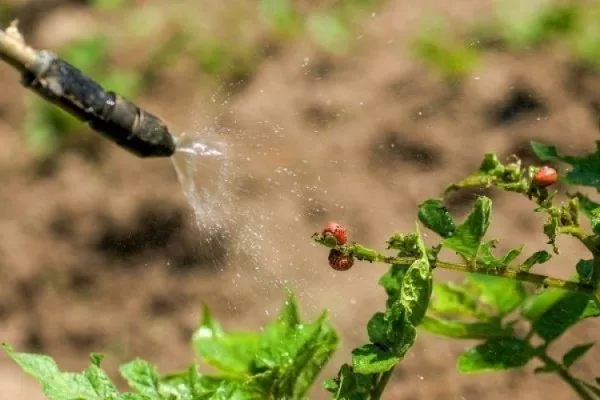
Rocco potatoes have weak immunity to fungal diseases – late blightThe disease spreads in the second half of summer, making mid-season and late-season potato varieties most susceptible. Potatoes are also susceptible to attacks by the Colorado potato beetle.
| Disease/pest | Development of the disease | Prevention and control methods |
| Late blight | Late blight manifests itself as dark spots on the leaves, which then begin to rot, and the infection gradually spreads to the stems and tubers. If no action is taken, the crop will be completely destroyed. |
When plantings are too dense, moisture stagnates, which results in poor ventilation, creating favorable conditions for late blight. This should be avoided. |
| Leaf curl | This variety has moderate susceptibility to a viral disease that causes the lower leaves to curl and become stiff. This results in stunted growth, weakening, and pale leaves. | Preventive measures include the following actions:
|
| Colorado beetle | A common pest that can seriously damage crops. It feeds on young potato leaves, leaving bare stems. This disrupts the nutrient supply to the roots, preventing tuber development. | To combat the pest, the beetles are collected by hand, checking the undersides of the leaves for the presence of the pest's eggs—they are orange-yellow in color. Leaves containing the eggs are plucked, placed in a separate container, and then burned.
Beetle traps are also set in the spring: holes are dug and chopped potatoes are placed in them. The beetles will awaken after winter and crawl towards the bait. Spray with special chemicals strictly 1 month before harvesting. |
How to properly assemble and store Rocco?
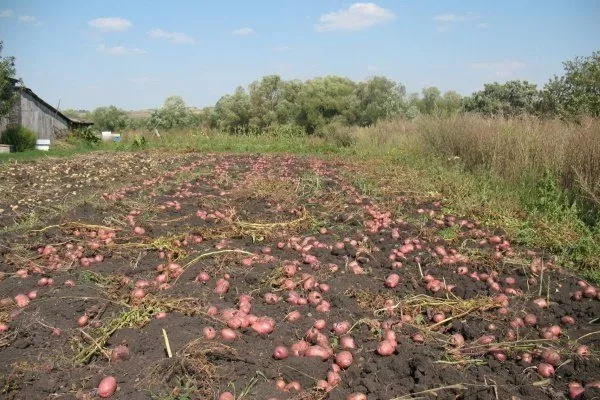
Autumn is the time to begin harvesting. Harvesting must be done in a timely manner to prevent spoilage and rot. Potato ripeness is determined by monitoring the condition of the tops. When the tops begin to dry out, the tubers are actively growing, and it's time to harvest.
The harvest is dug up from late August to the second half of September. Before harvesting, the dry tops are mown down and removed to prevent possible infection of the tubers.
| Condition | Recommendation |
|---|---|
| Temperature | 2-4°C |
| Humidity | 85-90% |
| Lighting | No direct sunlight |
| Ventilation | Moderate, no drafts |
After the potatoes are dug up, they are spread out in a single layer on the site to dry. They are then placed in wooden boxes or special nets. A small amount of potatoes is left as seed for next year.
Feedback from farmers and gardeners
There are many reviews of the Rocco potato online today, most of them positive. Some farmers note the variety's low maintenance, while others grow it for its high yield.
If you take Rocco potato cultivation seriously, you'll enjoy a reliable, large harvest every year. This variety has gained popularity in many countries worldwide, as evidenced by its high yield, attractive presentation, and the ability to market the vegetable for a good profit.