
Many poultry farmers successfully raise quail even in city apartments. By adapting cages for their housing, you'll enjoy a steady harvest of delicious eggs, and by starting a small farm, you'll be able to provide yourself with nutritious meat. Read on to find out how.
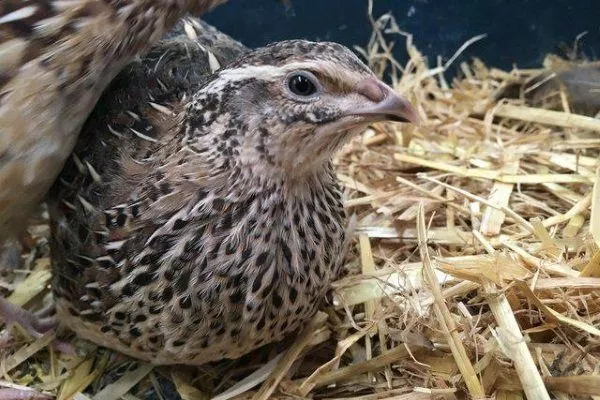
Why quails?
Quails are the smallest birds in the Galliformes and Phasianidae family. They weigh approximately 150 g and are no more than 20 cm long. They are increasingly being bred at home and in the countryside for three reasons:
- This is an excellent alternative to traditional poultry farming, as it eliminates the need to build a large coop, let the birds roam, or worry about feeding them. Keeping 50 quail requires only a few square meters, if you manage the space wisely.
- Despite their modest size, quails are excellent layers. Some species can produce up to 300 eggs per year. On average, 50 quails can produce 45-48 eggs per day, equivalent to eight chicken eggs. However, quails are more nutritious than their counterparts, containing several times more B vitamins, copper, potassium, iron, phosphorus, and cobalt. Remarkably, they can be eaten raw, as they do not carry salmonella.
- Poultry meat is a dietary source of B vitamins, iron, copper, potassium, and beneficial amino acids. It is especially recommended for people with gastrointestinal problems, heart disease, vascular disease, diabetes, tuberculosis, asthma, or anemia.
Quail meat can be stored for a long time, as it retains its beneficial properties even after freezing.
How to choose a productive breed?
Depending on their purpose, quail breeds are divided into egg-laying and meat-producing. The characteristics of popular breeds can be found in the table:
| Name | Group | Egg production, pieces/year | Egg weight, g | Live weight, g | Fertility, % | |
| male | females | |||||
| Japanese | egg | 250-300 | 9-11 | 110-130 | 130-150 | 80-90 |
| Pharaoh | meat | up to 220 | 12-16 | 200 | up to 300 | 80-90 |
| White English | egg | about 280 | 10-11 | 160 | 190 | 75 |
| Black English | egg | 280 | 10-11 | 170 | 200 | 75 |
| Tuxedo | egg and meat | 280 | 10-11 | 140-160 | 160-180 | 80-90 |
| Marble | egg | 260-280 | 9-10 | 110-120 | 130-150 | 70 |
| Manchurian | meat | 220 | 16 | 150-200 | 300 | 80 |
| Estonian | egg | 300-310 | 12 | 170 | 200 | 95 |
| Population of the NGO "Complex" | egg and meat | 260 | 11-12 | 150-170 | 180-200 | 70-80 |
The most popular breeds are:
- Japanese. Females begin laying eggs at 1.5 to 2 months of age. They can lay up to 300 eggs per year. They are undemanding in terms of habitat and disease resistance. Domestic quail have coloring similar to birds living in the wild.
- British (English) white and blackThey are less prolific egg layers than Japanese quail (280 eggs per year), but slightly larger. They are the result of mutations of Japanese quail. They have black plumage with a brown tint. Black quails are heavier than the white variety.
- Manchurian GoldenThey lay up to 250 eggs per year. They have beautiful feather coloring—mixed brown and wheat, giving the bird a pleasant golden hue.
- PharaohThey are in steady demand among farmers. Their coloring resembles Japanese quail. They begin laying eggs at 40-50 days old, but produce relatively few eggs—about 200 per year. These quail are widely used for broiler farming.
Criteria for choosing a breed based on its purpose
| Purpose of breeding | Recommended breeds | Optimal ratio |
|---|---|---|
| Egg production | Japanese, Estonian, Marble | 1 male for 4-5 females |
| Meat production | Pharaoh, Manchu | 1 male to 3 females |
| Mixed direction | Tuxedo, Population of the NPO "Complex" | 1 male for 4 females |
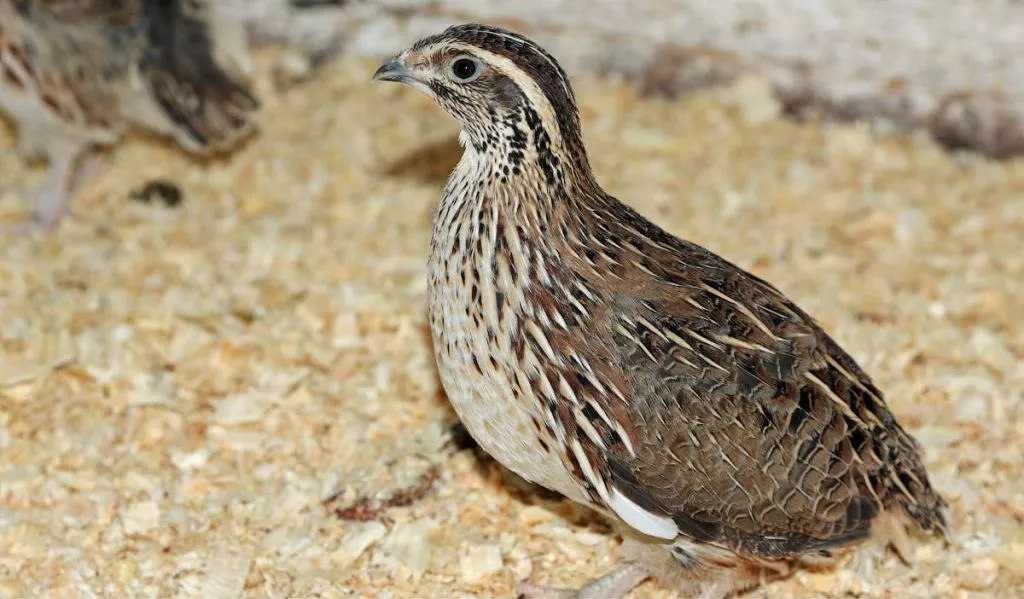
Japanese breed of quail
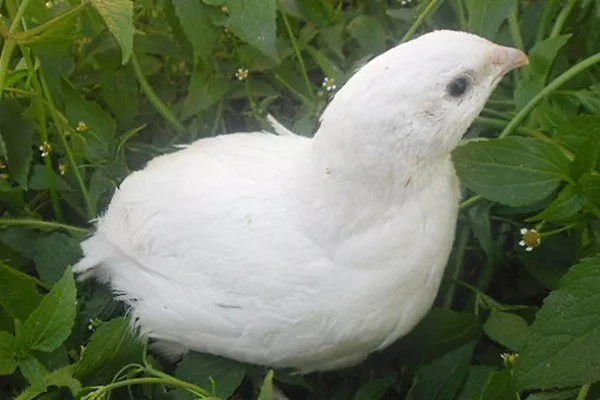
British White Quail
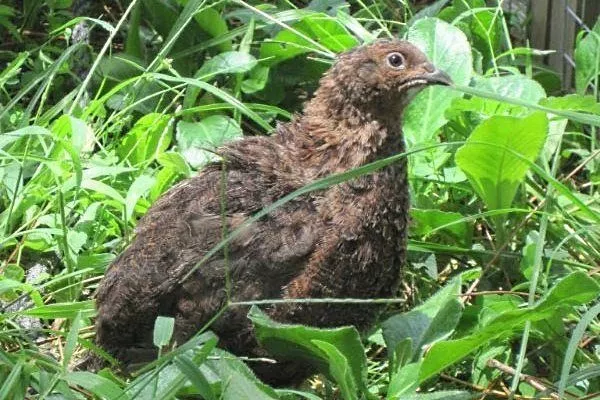
English Black Quail
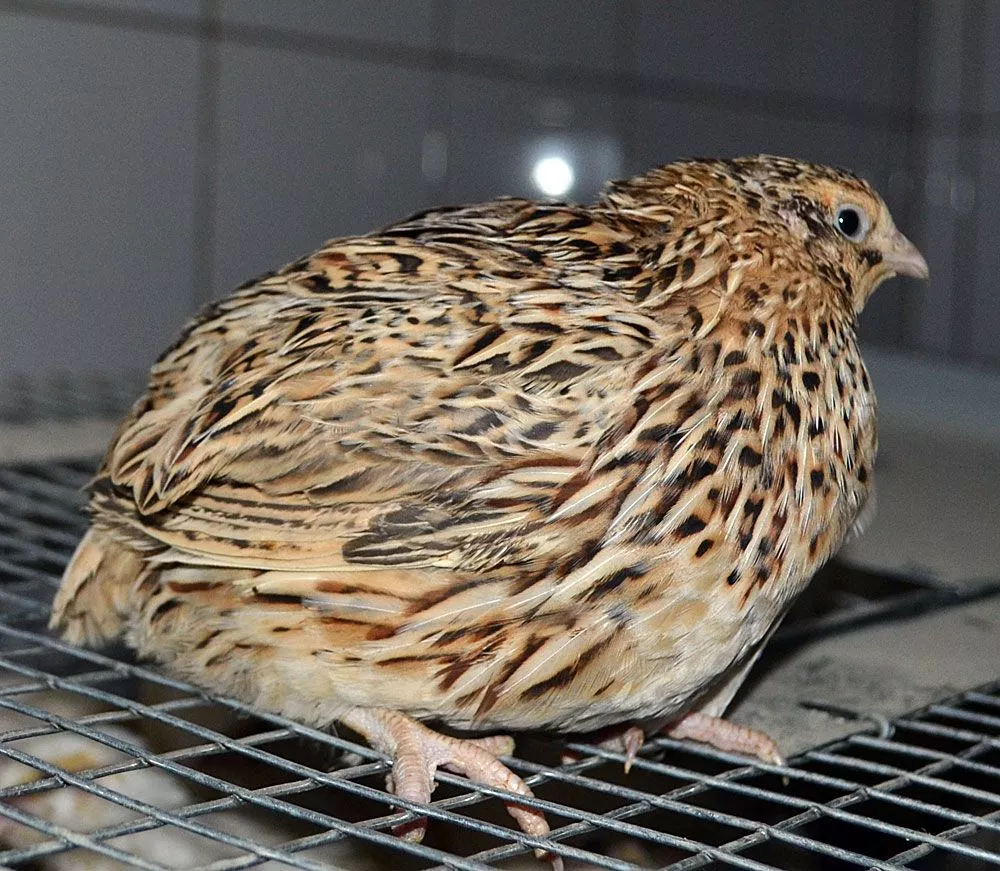
Manchurian golden quail
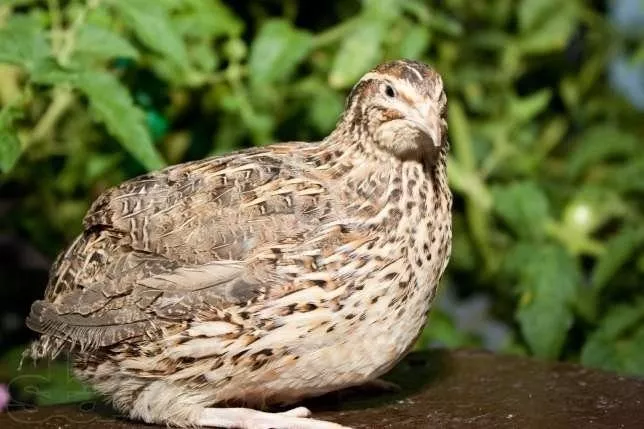
Quail paroda "Pharaoh"
Japanese, Estonian, marbled and British white/black breeds, as well as Pharaoh, are often chosen for domestic breeding.
Arrangement of premises and cages
To successfully raise quail, the room must be equipped with ventilation, lighting, and heating. Comfortable cages, feeders, and waterers should also be provided. Every detail deserves due attention.
Lighting
The room should be illuminated for 17-18 hours. Incandescent lamps should be turned on between 6-7 a.m. and turned off at 11 p.m. 24-hour lighting causes hens to lay eggs more frequently, but this leads to rapid wear and tear. Bright lighting is not recommended, as it can provoke restlessness and aggression among the birds. Quail may begin fighting and pecking at the eggs.
A single 40-watt bulb is sufficient to illuminate a 16 square meter room. During sunny summer days, natural light is sufficient.
If the room where the birds are kept has no windows, in addition to incandescent lighting, quail should be illuminated with ultraviolet lamps. These simulate sunlight and prevent rickets in birds.
Humidity and temperature
The humidity level in the room should not exceed 50%. The optimal level is 60-70%. If the room is too dry, quails will lay eggs less frequently, and their feathers will become brittle. This can be remedied by placing a bucket or bowl of water next to the cage. Conversely, in damp rooms, quails can catch cold and die.
The room temperature should be between 18 and 24 degrees Celsius. However, it's important to keep in mind that if it drops to 5 degrees Celsius, the birds will die. It's important to ensure that the room temperature doesn't fall below 18 degrees Celsius during the winter, otherwise egg production may be severely affected. It's important to avoid temperature fluctuations, as this will also affect the birds' productivity.
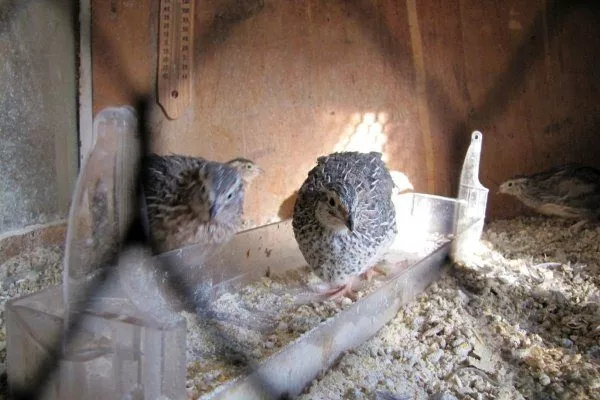
Ventilation
If the birds are raised indoors, good ventilation is essential, as the odor of their droppings will waft into neighboring apartments, potentially leading to some unpleasant conflicts with neighbors. In this regard, it's easier to raise quail in a dacha or country house.
Cells
For keeping quail indoors, regular bird cages are sufficient. They should be set up according to the following rules:
- make the cage frame from galvanized mesh, but in extreme cases metal can be used;
- maintain a size between the bars that allows the bird to stick its head through, otherwise it will not be able to reach the feeder when feeding;
- the height of the cage should be at least 20 cm, otherwise the quails may hit their heads when they jump;
- Provide space in the cage for two trays: one for eggs and one for droppings, otherwise the eggs will be dirty and infection may occur.
In this case, the following nuances should be taken into account:
- keep the cages in a quiet place, but not on a windowsill exposed to strong sunlight;
- in a cage measuring 30x30 and 25 cm high you can keep 3 females and 1 male;
- If you plan to place cages on a loggia, you need to ensure that it is airtight and insulated, since drafts and temperature fluctuations can lead to illness and death of birds;
- You need to put paper on the bottom of the cage, or you can add wood shavings or sand, but they should be changed daily;
- Wash the cages at least once every 2-3 months.
You can arrange cage racks along the walls of a shed or other utility room. You can make them yourself using household items.
Feeders and drinkers
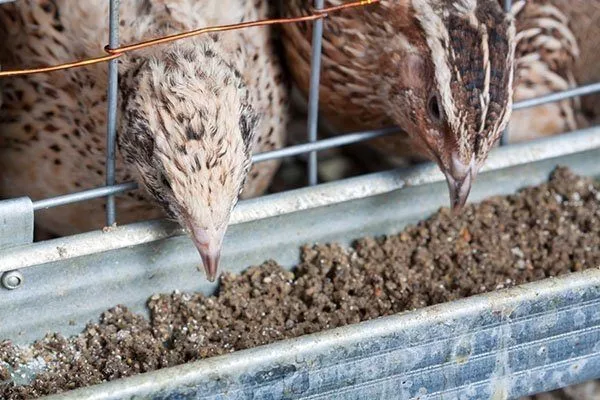
Hopper feeders can be made from roofing iron, but they must be deep and tall—at least 10 cm high. For water, it's best to use regular cups or clean tin cans. These can be placed behind the cage to prevent the birds from knocking them over while drinking.
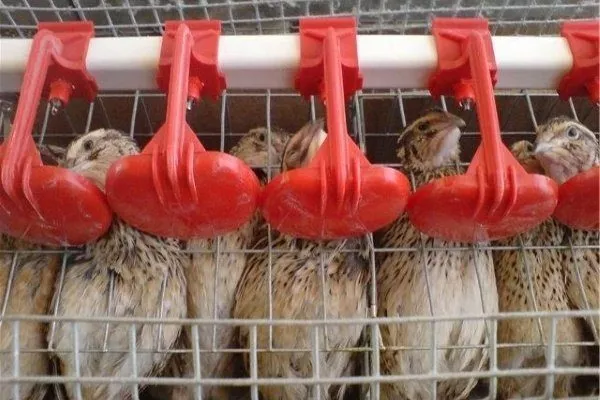
Mating and feeding of the parent stock
Having organized suitable conditions for keeping quails, you can proceed directly to their mating and pay special attention to feeding.
Pairing
For breeding, females should be selected between 3 and 8 months of age, and males between 3 and 6 months of age. Quail of different breeds, closely related quail, and birds from the same sire are not suitable for mating.
Limiting the number of matings between females will improve hatchability. There should be no more than four females per male. Males often avoid mating with high-quality laying hens, preferring low-quality ones. In such cases, the inferior specimens are simply culled and removed.
During the mating season, quails must be fed with plenty of protein and vitamins. Various vitamin supplements are available for this purpose. Bran (preferably wheat bran rather than rye) is a good choice.
Breeding flocks should be kept separate from meat-producing breeds. Over time, female egg production may begin to decline, requiring replacement males. This isn't always a peaceful process, as females are often hostile to new breeders. They may chase them around the cage, pluck their feathers, and refuse to let them near them. Egg production declines for about a week during the adjustment period, but then recovers.
Feeding
As for feeding, older quails are fed a prepared grain mix, just like chickens. However, for growth and health, the following foods should be given separately:
- bone or fish meal (2-3 times a week);
- chalk or lime;
- small stones and eggshells.
Feeding regime for parent stock
- Morning: grain mixture (wheat, corn, barley) - 60% of the diet
- Day: protein supplement (fish meal, cottage cheese) - 25% of the diet
- Evening: greens/vegetables + mineral supplements - 15% of the diet
To diversify the diet, you can give:
- boiled potatoes;
- chopped greens;
- fresh vegetables, but finely chopped;
- sunflower seeds;
- grain waste.
Feed at the same time 2-3 times a day. The optimal portion size is 30 g per bird.
To keep the cage clean and reduce food waste, the feeder should be placed outside the cage, but at a distance that allows the quails to reach their food.
Artificial incubation
As females become domesticated, they lose the ability to incubate eggs, so to obtain young, you can successfully use artificial incubationIn this case, the hatchability of chicks is 60-70%.
You can make an incubator yourself, but many prefer to buy a ready-made device. The most economical option is a foam incubator. It's not particularly durable, but it's reasonably priced and suitable for home use. Incubators with automatic egg turning are also available, but they are larger and more often used in industrial settings.
The incubator must maintain the required temperature and humidity, and it must also have ventilation.
For incubation, use eggs of average size and weight, with a perfect oval shape. The shell should be a normal color, without chips or damage. Incubation itself is carried out in the following order:
- Do not wash the eggs, but remove any dirt with the finest sandpaper.
- Warm the incubator thoroughly, then set the eggs all at once or in several stages. Keep in mind that the prepared eggs should not be placed in the warmed incubator until at least one day after they are laid. Until then, they should be stored in a cool place for up to six days.
- Place eggs on their sides or pointy end down in the incubator. Eggs placed on their sides should be turned over after 2 hours to ensure even heating.
Incubation parameters by day
| Period (days) | Temperature (°C) | Humidity (%) | Coup |
|---|---|---|---|
| 1-12 | 37.7 | 55-60 | Every 2 hours |
| 13-15 | 37.3 | 50-55 | Likewise |
| 16-hatching | 37.0 | 65-70 | Not required |
The duration of incubation depends on the chosen quail breed:
- for Japanese and common ones - 17 days;
- Chinese - 16;
- Californians have 22;
- Virginians have 23.
To avoid confusion about incubation periods, you should keep a log.
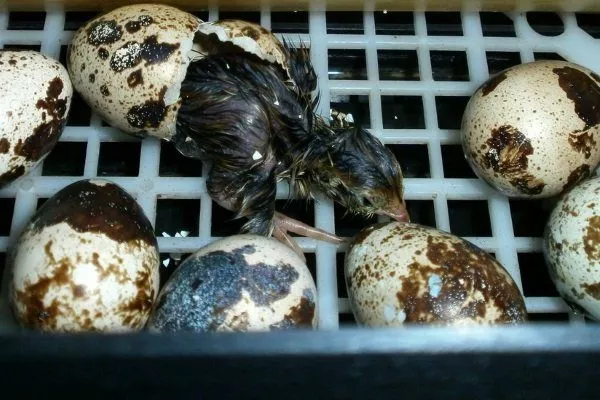
As soon as the quail hatch, they begin to move actively. They should be quickly removed from the incubator, carefully examined, and sorted.
Maintenance and rearing of young animals
Raising young quail chicks involves providing them with healthy food and creating favorable living conditions. After hatching, they should be moved to a warm room and placed in cardboard or plywood boxes. The bottom should be lined with paper. The boxes should be large enough to accommodate at least one hundred chicks.
The room where the quail cages are located should be washed, disinfected and warmed up.
Quail chicks must be given water diluted with potassium permanganate to a light pink color. In the first hours after birth, water will have to be literally poured down their throats to ensure they can drink independently.
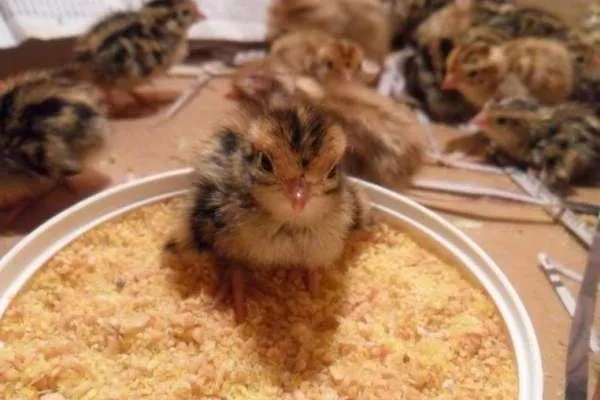
Quail chicks are able to feed themselves from the very first days of life. It's best to feed them prepared feed for chicks and young birds. If this isn't available, they can be fed hard-boiled and finely mashed eggs. If they're quail eggs, they can be fed with the shells crushed to a powder. The egg mixture can be supplemented with:
- soaked millet;
- boiled fish (chopped together with bones);
- crushed breadcrumbs;
- fresh herbs - nettle, goutweed, dandelion, plantain (the herbs need to be chopped and sprinkled on top of the feed).
Place food out at least six times a day, removing any uneaten food first. Over a few days, gradually remove eggs from the diet and increase the amount of feed.
As a food supplement for quail, you can use feed intended for broiler chickens.
Health of quail chicks
Healthy birds have bright, clear plumage, clear eyes, and strong, powerful legs. To ensure their proper development, regular checkups are essential. In addition, it's important to follow these basic rules:
- The poultry house must be clean, well-heated, and ventilated. The poultry house must be regularly disinfected, with cages and feeders thoroughly cleaned.
- All feed must be of good quality and within its expiration date. When adding wild greens (collected locally), be careful to ensure that the leaves are free of any traces of wild bird droppings.
- Quails should not be allowed to come into contact with wild or domestic birds while grazing, as dangerous diseases can be transmitted through their droppings.
- Place a container of wood ash in the cage once a week so the quail can bathe. This is a simple measure, but it reduces the likelihood of parasites.
Errors
- × Use of antibiotics without veterinary supervision
- × Violation of the vaccination schedule
- × Keeping young animals of different ages together
If you do not follow these recommendations, quails may be affected by the following diseases:
- Prolapse of the oviductOften caused by vitamin deficiency, your veterinarian can prescribe vitamins and minerals to restore metabolism.
- MoltingIn a private farm, in this case, a herd renewal is required.
It's also worth noting that quails can be injured if they fall from a height of more than 0.5 m or if they fight among themselves. This can also be caused by awkward human actions. The bird's wound should be treated with brilliant green or iodine, and it should be kept in a separate cage until it has fully recovered.
In case of any widespread illness or injury, be sure to contact your veterinarian. You can also read about the most common quail diseases here. here.
Preparation for slaughter and slaughter
At one month of age, quail chicks are separated by sex. Substandard, rejected females and excess males are transferred to fattening and prepared for slaughter. The following rules must be followed:
- Feed the birds 3-4 times a day with a large amount of high-calorie food. The diet consists of a grain mixture combined with feed fat. Adult quail should also be fed with compound feed.
- Fattening is continued for 1.5-2 months. By this time, the bird typically weighs 130-160 g.
- 12 hours before slaughter, remove water and food from the cage, which is necessary to empty the bird’s intestines.
Slaughter readiness indicators
| Breed | Optimal age (days) | Live weight (g) | Meat yield (%) |
|---|---|---|---|
| Pharaoh | 45-50 | 280-320 | 67-72 |
| Manchurian | 50-55 | 250-280 | 65-70 |
| Japanese | 40-45 | 120-150 | 60-65 |
When slaughtering, adhere to the following scheme:
- Cut off the bird's head with scissors, pruning shears or a small hatchet.
- When all the blood has drained, begin processing the carcass – cut off the legs and the lower part of the wings.
- Dip the carcass in hot water, then pluck and gut it. This takes a few minutes.
Wrap the finished carcass in a plastic bag and freeze.
Video: Quail Breeding Mistakes
The following video explains the common mistakes made when raising quail:
Raising quail requires a great deal of care. If you're willing to invest your time, energy, and some money in this profitable venture, go for it! Providing your quail with healthy, nutritious foods is guaranteed.