
Breeding laying quail is a business that provides a stable income for entrepreneurs. These birds provide delicious meat and nutritious eggs, which contain many beneficial nutrients. Breeders have artificially developed breeds that are designed for either meat or egg production.
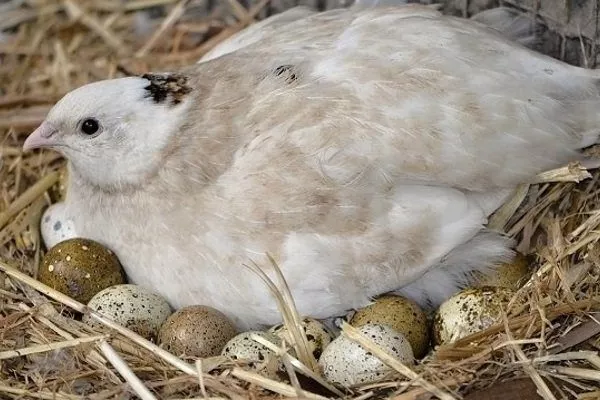
| Breed | Egg production (pieces/year) | Egg weight (g) | Start of laying (days) | Survival rate (%) |
|---|---|---|---|---|
| Japanese quail | 300+ | 11 | 35-40 | 90 |
| English White Quail | 280 | 10 | 41-43 | 85 |
| Kaitaverse | 290 | 10 | 40-50 | 95 |
| Manchurian golden quail | 220 | 16 | 45-50 | 80 |
Breeds of laying quail for home farming
Quail eggs are more nutritious than chicken eggs. A key advantage is their cholesterol-free composition. They can be safely eaten raw, as quails are salmonella-resistant. Quail eggs contain iron, potassium, and vitamins A, B1, and B2.
- ✓ Egg production level
- ✓ Egg weight
- ✓ Age of onset of laying
- ✓ Disease resistance
If an entrepreneur decides to breed quail for eggs, they should consider egg-producing breeds. These include the following:
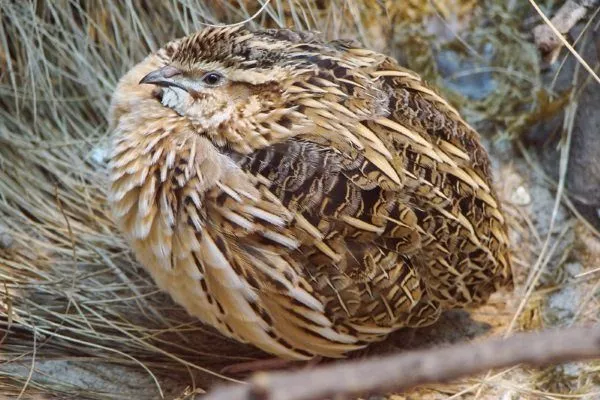
- Japanese quailThese birds are characterized by high egg production rates: 90% or more. Japanese quails average up to 150 g in weight. Eggs from this breed average 11 g. Active egg production lasts for about a year, after which it declines. Representatives of this breed are undemanding in terms of living conditions. They also have strong immune systems.
- English White QuailThese birds belong to the meat-and-egg group. Representatives of this breed have good egg production rates: one female lays approximately 280 eggs per year. Egg laying begins at 41-43 days of age. They are easy to care for and do not require special food.
- KaitaverseQuail of this species produce approximately 290 eggs annually. Females begin laying eggs at 40-50 days of age. These quails have the highest survival rate of any breed: 95%, making them particularly profitable for home farming.
- Manchurian golden quailRepresentatives of this breed have lower egg production rates. Females produce up to 220 eggs per year, but this breed is popular among breeders. This is due to the fact that the egg weight reaches 16 g – 4-5 g more than eggs from other quail breeds.
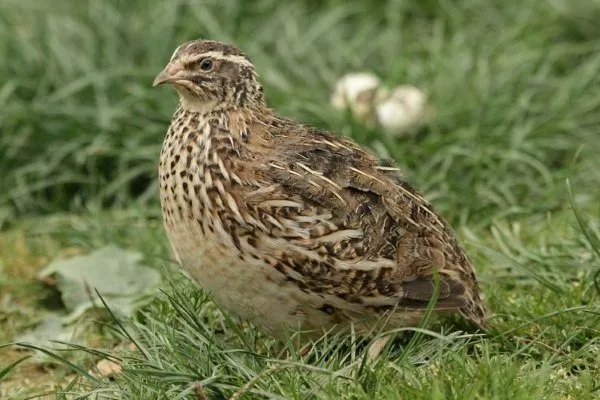
Japanese quail
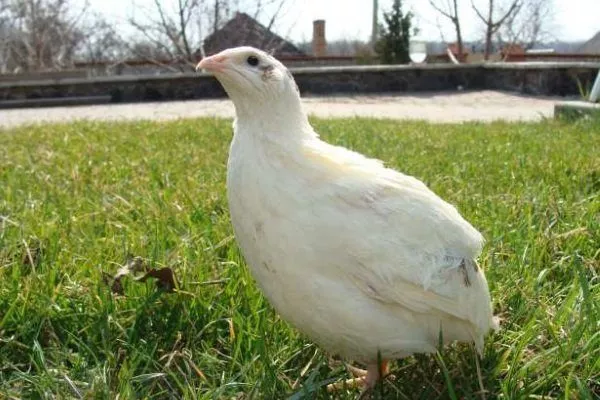
English White Quail
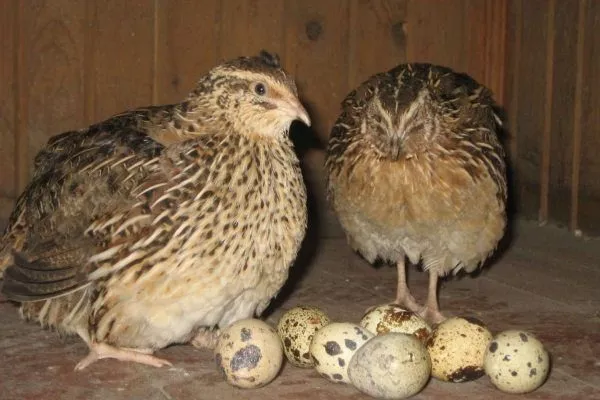
Breed Kitavers
Manchurian golden quail
These breeds are ideal if the entrepreneur plans to derive most of their profits from egg sales. All of these quails are lightweight, so they produce a modest amount of meat.
How many eggs can lay quail hens?
The number of eggs produced by laying quails depends on the specific species of bird, as well as its weight. The standards were given above. egg production for each breed.
A quail weighing 120 g lays 300 eggs or more, provided it is properly cared for.
In the first month after the start of laying eggs, one female produces about 8 pieces, in the following 6 months - 25 pieces in 30 days.
Small breeds produce fewer eggs, but some types weigh more.
This article tells you when a quail starts laying eggs, how many eggs it produces on average, and how to increase this number.here.
Peculiarities of keeping and breeding birds on a home farm
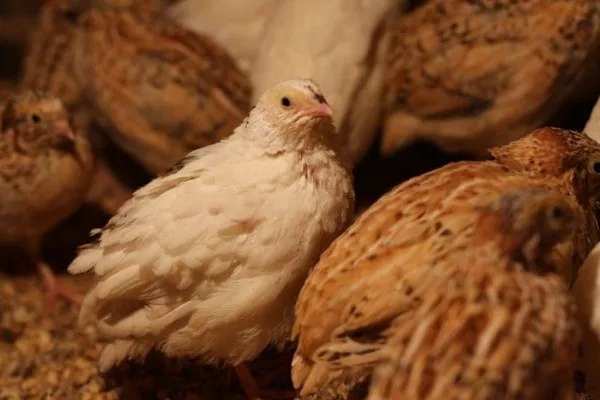
To ensure quails produce the required number of eggs, they must be placed in comfortable conditions and provided with everything necessary for their full development and reproduction.
First of all, laying quails need to be kept in spacious cages. These can be made from timber, plywood, or galvanized wire mesh. To save space, you can stack the cages one on top of the other.
You should not start breeding quail of egg breeds on a farm where birds of other breeds were previously kept: this can lead to the development of various diseases among them.
Quail can lay eggs without males, but breeding requires both sexes. For this purpose, it is recommended to purchase young quail—males and females between one and a half months old.
Sand should be placed on the bottom of the cage. It's recommended to angle the bottom toward the feeder so the eggs roll into the trough. A cloth should be placed on the top of the cage.
Each cage must be cleaned weekly using disinfectants. Feeders and waterers must be thoroughly washed, and bird droppings must be removed.
It is also necessary to remember such points as:
- Temperature conditionsThe temperature in the room where laying hens are kept should not exceed 25 degrees Celsius. Under no circumstances should temperatures fall below freezing.
- LightingLaying hens require 18 hours of daylight. At night, the lighting should be subdued or dim.
- Room ventilationThe utility room must have a high-quality ventilation system. There should be no drafts.
As for nutrition, quails need a balanced diet. The structure of a complete diet compound feed for a laying hen the following should be included:
- herbal flour;
- cereals;
- cake;
- fodder yeast;
- crude protein, which can be provided by chopped boiled eggs.
You can find more information about keeping and breeding quails here.
Methods to increase egg production
To increase the egg production of laying quails, it is necessary:
- minimize extraneous noise near bird cages;
- improve the lighting regime: to ensure the bird feels comfortable without reducing egg production, it is recommended to dim the additional light every 12 hours;
- Do not allow large amounts of waste products to accumulate: when this happens, an ammonia smell is released, which negatively affects the quails' ability to lay eggs;
- add corn, sunflower, rapeseed or soybean oil to the birds' food;
- increase the level of air humidity: the indicator should be 50-70%.
The following video explains how to increase quail egg production and avoid problems:
Breeding laying quail is an opportunity to start your own business that generates a stable income. These birds don't require any special care; the main things are providing adequate nutrition and cleanliness. To produce eggs on a home farm, you should breed birds that produce eggs.