
To ensure hens lay a sufficient number of eggs, it's essential to provide them with the right diet, including egg-laying vitamins. Feeding chickens only on feed won't provide them with the necessary nutrients, so poultry farmers must know what food and vitamin supplements their birds need and when.
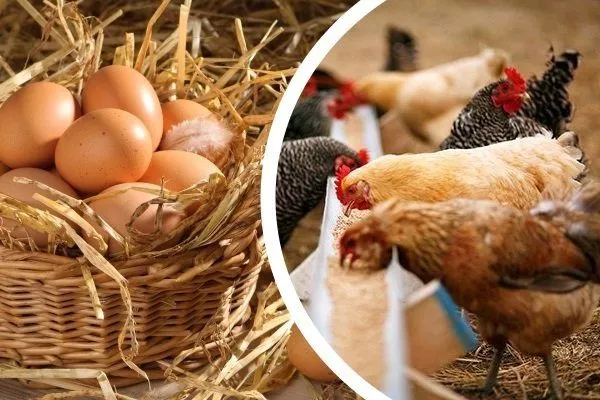
What vitamins do chickens need to increase egg production?
Minerals and vitamins are biological catalysts for metabolism and other processes occurring in the body of any living being. Their deficiency disrupts the functionality of internal systems, which leads not only to decrease in egg production, but also severe pathologies leading to the death of the animal.
- ✓ Consider the age of the bird: young hens require more B vitamins for growth, while adults require vitamins D and E for egg production.
- ✓ Check for quality certificates on vitamin supplements to avoid counterfeits.
Water-soluble vitamins:
- B1. Thiamine deficiency leads to loss of appetite, decreased egg production, and eventual death. Thiamine normalizes the functioning of the chicken's endocrine and nervous systems. Without thiamine, the muscular system is damaged, hatchability is reduced, and the fertilization process is disrupted.
- B2. A lack of riboflavin causes paralysis, stunted growth, and lack of eggs. This is because the vitamin accelerates all metabolic processes, restores tissue respiration, and allows the body to more easily absorb essential amino acids. This affects fertility.
- B6. A deficiency of adermine reduces egg production and hatchability in chickens. Adequate intake of adermine in the diet stimulates growth and prevents skin and eye diseases.
- B12. Growth is reduced, and anemia develops. Birds don't require much cyanocobalamin, but without it, amino acids are not formed, and the protein obtained from plant-based feed is not complete. This impacts embryonic development, hatchability, and egg production.
- Choline. Increases egg production. Without it, the liver becomes coated with fat, reducing vitality. Laying hens require vitamin B4 supplements in small doses.
- Pantothenic acid. A deficiency causes tissue damage and dermatitis. Supplementing the diet is especially important during the embryonic period, as hatching rates are reduced without this nutrient.
- Biotin. Without it, chickens develop skin diseases and egg hatchability is significantly reduced. Vitamin B7 must be supplemented artificially, as it is present in feed in a form that is difficult to obtain. Exceptions include oats, green beans, grass, and bone and fish meal.
- Folic acid. Deficiency is characterized by anemia, reduced growth, poor feathering, and decreased egg production. Chickens obtain B9, partly through microbial synthesis. When laying hens are fed clover, alfalfa, or grass meal, protein levels increase. In this case, the body requires more folic acid.
Fat-soluble vitamins:
- In case of deficiency vitamin A Productivity decreases, growth is absent, and the body weakens. Vitamin A deficiency can be identified by examining the egg yolk—it becomes pale. The size of the eggs also decreasesVitamin deficiency particularly affects the visual organs, causing the cornea to become overdried. This puts hens at risk of frequent illness.
- If it doesn't arrive group D, egg production decreases, and rickets develops. Vitamin A affects bone formation, causing chicken bones to become brittle and eggshells to become loose. The main source of this vitamin is sunlight, so laying hens must be allowed to walk outdoors.
- Deficit vitamin E It leads to softening of the chicken's brain, decreased immunity, weakened muscle tissue, and nervous system disorders. With sufficient vitamin E, a chicken lays fertile eggs.
- In case of shortage vitamin K Blood clotting is impaired, and internal bleeding occurs. Phylloquinone is synthesized by microorganisms and green vegetation. Deficiency rarely leads to disease, but it reduces hatchability and egg production. Vitamin K deficiency often occurs due to feeding spoiled silage and hay.
Minerals:
- Calcium – a vital element, without which the shell and skeletal system become weak. Deficiency is easy to determine: the hen lays eggs with very thin shells, eating them.
- Magnesium – its absence is characterized by a sharp decrease in egg production and sudden death of the chicken, weakness of the skeletal system, and deterioration of appetite.
- Without phosphorus The eggshell doesn't form properly, leading to rickets. It helps with calcium absorption, which is essential for laying hens' diets.
- Shortage iodine This leads to an enlarged crop, which compresses the larynx, making breathing difficult. Research has shown that hens given iodine increased their egg production by one and a half times.
- Without gland anemia develops and the hens stop laying eggs.
- Absence manganese – bones are anatomically deformed, eggs become thin-walled, their number decreases.
- Deficit zinc leads to deterioration of the skeletal system and disruption of the feathering process, as a result of which the shell becomes thin.
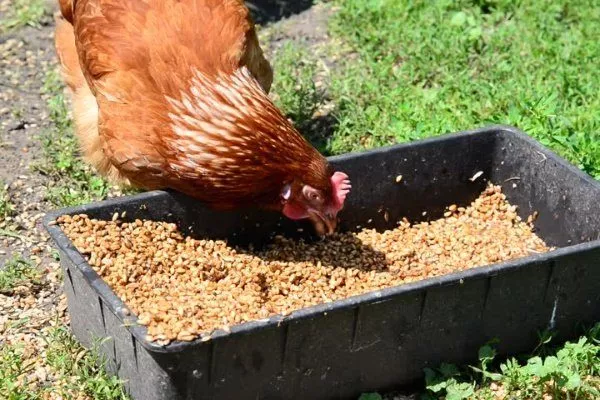
A deficiency of each micronutrient slowly destroys internal organs, but an excess can also lead to pathological processes. Therefore, it's important to have a balanced diet rich in vitamins. It's important to remember that micronutrient intake should be increased during the winter.
Complex vitamin preparations
Complex vitamin premixes are most often used in winter, when greens and other foods are scarce. They are aimed at strengthening the immune system, increasing the body's resistance to viruses and infections, and restoring productivity. Administering these supplements to chickens should be done strictly according to the instructions.
The most popular remedies:
- Vitvod It is produced as a solution that is administered to laying hens by injection or added to their water. It contains vitamins A, D3, and E. For prevention, the solution is administered subcutaneously or intramuscularly once a month, and for treatment, twice a month. For oral administration, the liquid is added to water or feed once a day for three days.
- Vittry It is available as an oil solution. It contains vitamins D3, A, and E. It is administered to the chicken intramuscularly or orally (through the beak). The liquid is added to the feed once a day for 2-3 months. For preventative purposes, 1-2 drops should be administered per hen; for treatment, 3-6 drops.
- Vitamin and mineral supplement "Zdravur nesushka". Contains vitamins D, E, A, K, B2, B3, B5, B4, B6, B12, H, sodium, and other minerals. Rich in amino acids and essential enzymes, this supplement has a positive effect on the immune system and performance. Add 1 gram per head daily to chilled feed.
- Ryabushka. Contains a vitamin premix: H, A, B1, B2, B3, B4, B5, B6, B12, E, D3, K. Microelements: iodine, iron, manganese, copper, cobalt, zinc, selenium, and amino acids. Daily dosage per layer: 0.5 grams for prevention, 1 gram for treatment. The mixture is mixed with an equal amount of flour or bran and then added to the general feed.
- Mineral complex Agroservice consists of proteins, vitamins and minerals – copper, zinc, iodine, cobalt, manganese, iron, selenium, phosphorus, calcium, etc. The daily dosage for 1 unit is 10 grams.
- Economy broiler (from the manufacturer KapitalProk)Contains vitamins, copper, iron, manganese, cobalt, zinc, selenium, and iodine. The recommended daily dose for one laying hen is 1 gram.
- Sun. This supplement is based on vitamins and minerals (cobalt, iodine, zinc, iron, copper, manganese, and selenium). It can be given to chicks from birth to ensure good egg production in the future. The recommended dosage per hen is 0.1 to 1 gram, depending on the severity of the egg production decline. Before adding to the feed, mix the contents of the packet with flour or bran in equal parts. The feed should be refrigerated.
Minerals
Minerals are used to improve egg production, especially during the winter and when hens are kept indoors. They contain a high amount of calcium and other elements.
These days, they're sold in specialty stores, but it's better to make your own. You can use the following:
- Feed the chalk in large chunks, and the chickens will peck at it on their own. Alternatively, you can add chalk powder to their feed.
- Use homemade or store-bought eggshells, but be sure to crush them and bake them in the oven for 15-20 minutes at a high temperature before feeding them to your birds. This will prevent infection.
- You can crush sea shells.
- Sand, which is rich in minerals, is also used.
- Slaked lime and let it sit for two weeks. Then add river sand and pour it into the feeder.
- It is allowed to give crushed stones, gravel, wood ash.
What vitamin-enriched food is given to laying hens for egg production?
There are many vitamin-enriched foods for grouse that are not only approved for consumption but also recommended. However, each food has its own specific characteristics.
Cereals
| Name | Ripening period | Productivity | Disease resistance |
|---|---|---|---|
| Wheat | 90-110 days | 50-60 c/ha | High |
| Barley | 70-90 days | 40-50 c/ha | Average |
| Oats | 80-100 days | 45-55 c/ha | High |
| Rye | 100-120 days | 30-40 c/ha | High |
| Corn | 120-150 days | 70-80 c/ha | Average |
The main food source for poultry is grains, and a variety of them, so it's important to ensure variety. Mixing several types of feed together won't do any good.
- Check grain for mold and foreign matter before use.
- Grind the grain to an optimal size for easy digestion by the bird.
- Mix grain with vitamin supplements immediately before feeding to avoid loss of nutritional properties.
The most useful cereals:
- Wheat should definitely be included in the menu and make up 75-80% of the total grain mass, since it contains proteins and vitamins E and B.
- Barley is considered highly nutritious due to its carbohydrate content. It is given dry in all seasons except winter, when it must be sprouted.
- Oats contain fiber and fat, which prevents feather plucking. They should be steamed and sprouted.
- Rye is rich in protein, but contains only small amounts of other nutrients, so it is not recommended to feed birds this grain on a regular basis.
- Chickens love corn, and rightfully so, as it contains many nutrients essential for egg production. The grains are pre-crushed, as their size can clog the esophagus. Corn can lead to obesity, so it's fed in small doses.
Root vegetables and vegetables
| Name | Ripening period | Productivity | Disease resistance |
|---|---|---|---|
| Beet | 60-80 days | 40-60 c/ha | High |
| Carrot | 70-90 days | 30-50 c/ha | Average |
| Cabbage | 90-120 days | 50-70 c/ha | High |
| Potato | 90-150 days | 200-300 c/ha | Average |
What and how can be given:
- Raw sugar beet or fodder beet. Grate the root and add it to the feed mixture. Ingredients:
- vitamins – C, retinol, thiamine, riboflavin, tocopherol, pyridoxine, nicotinic acid, pantothenic, folic;
- minerals – iodine, manganese, zinc, iron, phosphorus, magnesium, copper, potassium;
- other – organic acids, flavonoids, pectin, betacyanins.

- Raw carrots are given in a similar manner. They contain vitamins B, A, E, C, PP, and D. They also contain magnesium, sodium, potassium, lithium, phosphorus, and much more.
- Raw cabbage. This vegetable can be hung, finely chopped, or eaten whole. It has a very rich nutritional composition, but is especially rich in vitamins C and B, calcium, iron, potassium, manganese, and fluorine.
- Potatoes should be thoroughly boiled, as raw potatoes contain toxins. Once boiled, chop them and serve them to the birds when cool. Ingredients: vitamins C, K, A, E, B, and minerals (sodium, potassium, magnesium, etc.)
Legume grain
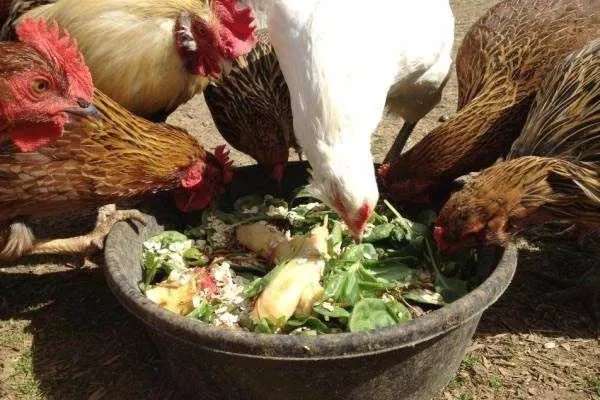
Recommended legumes include kidney beans, soybeans, black and white beans, and lentils. However, chickens should not eat these foods raw, as they contain toxins. If they are thoroughly cooked (until fully cooked), the harmful substances will be released into the water. Beans contain vitamins PP, C, and B, as well as numerous minerals, amino acids, proteins, and fiber.
The beans are first soaked in water for about 40 minutes, then boiled. They can be fed as a stand-alone meal or added to other food.
Flour feeds
Some chickens are intolerant to certain foods, so they are processed into flour. Oats, barley, wheat, soy, amaranth, and corn can be used for this purpose.
Take the grains, grind them into a powder and add them to any feed.
Read more about the diet of laying hens here.
Protein foods and worms
Protein foods contain a large number of amino acids, which provide the body with energy and serve as its building blocks. These foods include both plant and animal products:
- peas and beans;
- sunflower seeds;
- rapeseed;
- flax;
- sesame;
- cottage cheese;
- meat and fish by-products (chopped);
- fish and meat meal;
- bone meal;
- serum.
Feeding fish to laying hens is not recommended, as the eggs will acquire a fishy odor. These by-products can be added in small portions once or twice a week.
Earthworms are a high-protein food. They contain up to 28% protein, as well as fats and other nutrients necessary for increased egg production.
Chickens readily peck at worms, so they can simply be sprinkled around the coop. To breed them, any organic material is sufficient. These include potato, carrot, beetroot, and other vegetable peelings, root vegetables, horse manure, pulled weeds, fallen leaves, and paper. You don't need to dedicate much space to breeding, as the process occurs quickly.
Food additives
Food additives include the different types of flour discussed above, but you can also add the following:
- pine flour – obtained from dry branches by grinding;
- probiotics – strengthen the immune system, restore the stomach microflora;
- seaweed (dry) – strengthens the eggshell;
- fish oil – increases productivity;
- Unfiltered apple cider vinegar – strengthens the entire body (add to water).
The following video explains how to properly prepare a grain mixture for laying hens with the addition of food additives:
Green
No laying hen can survive without greens. They should be a part of all hens' diets. Alfalfa, fresh vegetable tops, grain crops, dandelion, and any grass can be fed.
Before serving, finely chop the greens with a knife. If possible, it's permissible to let the chickens roam freely.
Other products
List of foods that can be given to increase egg production:
- Clean water. Without it, laying hens become dehydrated, which negatively impacts productivity.
- Bread rusks. Fresh bread, especially yeast bread, should not be given because it ferments in the stomach. Rusks can be given dry, crumbled or briefly soaked in water. However, keep in mind that the bread must be thoroughly dried and free of mold.
- Pumpkin, squash, radish, zucchini. Melons are cut up and placed in the chicken coop.
To increase egg production, give the laying hens the following compound feed: KK-1, PK-1, Premix.
Preparing vitamins for the winter
Some vitamins can be prepared for the winter as early as summer or autumn:
- Potatoes, beets, carrots, and other vegetables can be stored for a long time. Be sure to follow proper storage guidelines to prevent them from rotting, drying out, and developing diseases.
- Herbs. These can be dried ahead of time and then added to the feed in chopped form during the winter. Herbs can also be dried in bunches and then hung near the hens.
What food should not be fed to laying hens?
There are foods that are strictly prohibited for laying hens:
- Excessive salt intake. It turns out that chickens only need regular water, which contains a maximum of 0.25% salt. Adding additional salt to their food can lead to toxicity.
- Nightshade vegetables include tomatoes, potatoes, and eggplant. Feeding unripe fruits or throwing the leaves will expose birds to a significant amount of the toxin solanine.
- Citrus fruits cause allergic reactions, but not in all types of chickens.
- Onions contain thiosulfate, a toxic substance that can cause anemia and death.
- Dried beans. It's also not advisable to give these beans undercooked. However, if you cook them thoroughly, the toxins are destroyed.
- Dry rice clogs the intestines.
- Apple seeds contain a shocking amount of cyanide, which can be fatal to chickens. Therefore, if you feed iron-rich apples to your chickens, be sure to remove the seeds.
- Human food products – sausages, salted fish, smoked meats and the like.
Raw eggs are very rich in nutrients, but feeding them to laying hens is prohibited. The reason is simple: it can lead to cannibalism.
When choosing vitamins to increase egg production, it's important to consider the hen's age, breed characteristics (some hen breeds are intolerant to certain foods), veterinary recommendations (potential illnesses), and climatic conditions. Based on these considerations, you can create a balanced diet, and if necessary, consult a specialist for advice.