
Chickens aren't raised solely for meat: many farms focus on producing as many eggs as possible for sale. Sometimes, a problem arises: hens aren't laying eggs. There can be many reasons for this. By addressing these negative factors, you can improve the situation and increase egg production.
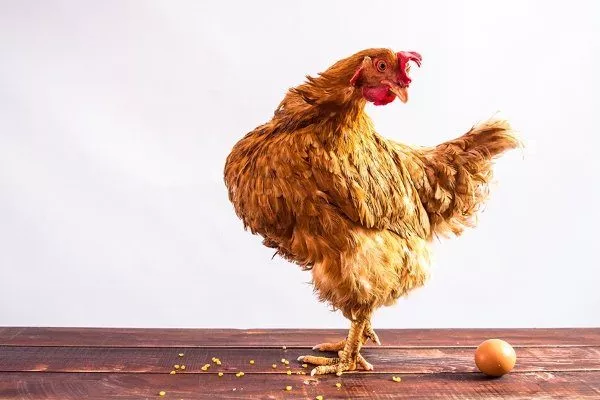
Nutrition that promotes increased egg production
One of the most common reasons that negatively affects the egg production of laying hens is an unbalanced diet and a lack of certain elements in the food.
To ensure normal development of chickens and regular egg laying, their daily diet must include the following components:
- a grain mixture consisting of corn (40%), oats (30%), wheat (20%), barley (20%); the daily amount of a grain mixture with this composition is 120 g;
- boiled potatoes – 100 g;
- mash – 30 g;
- cake – 7 g;
- chalk – 3 g;
- bone meal – 2 g;
- baker's yeast - 1 g;
- table salt – 0.5 g.
During the summer, to increase egg production, it's recommended to feed hens finely chopped garden greens, such as green onions and garlic, parsley, and dill. Also, at this time of year, you can diversify your hens' diet with grated beets, carrots, and shredded cabbage. However, don't overdo it with vegetables—they should be in moderation; too many fresh vegetables can cause digestive upset.
Laying hens should be fed at the same time every day, in the same portions. The food should be enough for the hens to finish it within half an hour.
Don't forget about mineral supplements, as a hen's body expends a significant amount of energy to produce eggs. Layers have a particular need for phosphorus, calcium, and potassium. Sources of these nutrients include limestone, small shells, and eggshells.
| Mineral supplement | Ca content (%) | Recommended intake (g/head/day) | Digestibility (%) |
|---|---|---|---|
| Fodder chalk | 37-38 | 3-5 | 60-65 |
| Seashell | 38-40 | 5-7 | 70-75 |
| Limestone | 32-35 | 4-6 | 50-55 |
| Eggshell | 34-36 | 3-4 | 80-85 |
| Bone meal | 24-26 | 2-3 | 75-80 |
The listed mineral supplements should be thoroughly crushed and placed in a separate feeder.
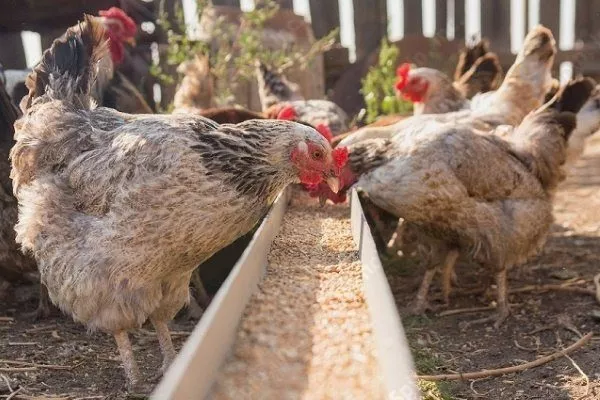
Lighting in the chicken coop
Lighting is another important factor affecting egg production in hens. These birds' eyes are highly sensitive to light intensity. When they detect light, the optic nerve is stimulated and sends a signal to the hypothalamus, which releases substances that stimulate hormone production and affect the ovaries.
During the winter, the chicken coop should be illuminated from 7 a.m. to 10 p.m. This light schedule will ensure normal laying rates without affecting egg production.
The light should be turned on and off at the same time each day. The bird gets used to this routine, which has a beneficial effect on its metabolism.
The average daylight hours in a chicken coop are about 14-15 hours. Avoid providing a constant light schedule throughout the day, as chickens also need sleep and rest.
Low-wattage fluorescent lamps are used to illuminate the chicken coop. The number of lighting elements depends on the area of the room where the chickens are kept. For 6 square meters, 60 watts is required.
If daylight hours in a chicken coop are less than 14 hours, this has a negative impact not only on egg production: under such conditions, the birds' body weight decreases and various diseases develop.
Temperature conditions
Laying hens thrive in certain temperatures, which is why their ability to lay eggs depends largely on them.
It's important to remember that heat, like hunger, negatively impacts a hens' ability to lay eggs. In this case, consider the following:
- The most comfortable temperature for laying hens is +20-25 degrees.
- As temperatures rise to 28 degrees Celsius or higher, egg production declines. To improve the situation somewhat, constantly monitor the water in your chickens' waterers. It should always be fresh and cool, and changed up to three times a day.
- In winter, the temperature should reach at least +12 degrees.
- During the summer, chickens need to be walked regularly, as the coop can become very hot.
- To prevent excessive sunlight from hitting the hens in summer, it is necessary to install a canopy.
To ensure year-round egg production, care must be taken during the construction and equipment of the chicken coop: it must be designed in such a way that it is possible to maintain the required temperature in both summer and winter.
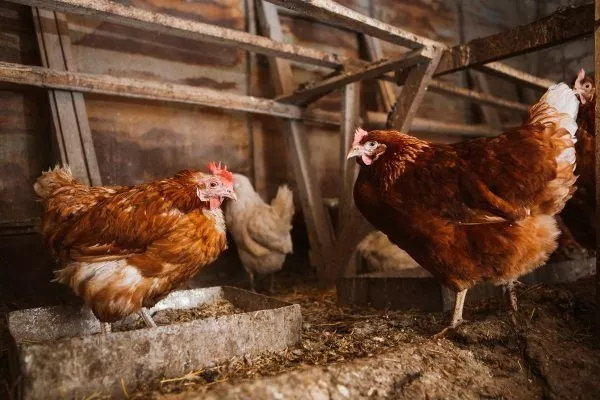
Room size and number of chickens
The size of the chicken coop and its stocking density are another important factor affecting egg production. Overcrowding reduces egg production and increases aggression among the birds.
For hens to thrive and lay eggs, they require ample space. The coop should have at least 0.4-0.5 square meters of space per bird.
Age of chickens
If your hens are laying fewer eggs, it could be due to their age. Peak egg production occurs in the first year of a bird's life, during the warmer months.
Most laying hens begin laying eggs at 22 weeks of age, with some breeds starting at 17 weeks. The egg-laying period in this case is 1.5 years.
Breed of chickens
If you're keeping chickens to produce large quantities of eggs, you should choose egg-laying breeds. They share the following common traits:
- small body size;
- average weight does not exceed 2.5 kg;
- the instinct to brood is completely absent or reduced to a minimum;
- long tail feathers;
- mobility;
- large bright red comb.
The best egg-laying chicken breeds include the following:
- Leghorn. Chickens of this breed lay approximately 370 eggs per year. The maximum egg weight reaches 454 g, with an average weight of about 60 g. Leghorns begin laying eggs as early as 17-20 weeks of age. Leghorns are particularly sensitive to noise, so they should be kept in soundproofed conditions.
- Kuchinskaya Yubileinaya. Layers produce up to 220 eggs per year, each weighing approximately 60 g. This breed also produces meat, which is high in protein.
- Lohmann Brown. These hens lay up to 320 eggs per year. The average egg weight is 64 g. Lohmann Brown hens are stress-resistant, friendly, and have a calm temperament. After reaching reproductive age (5.5 months), they lay eggs well for 20 weeks.
- Minorca. Hens of this breed lay up to 200 eggs annually, each weighing approximately 80 g. Their productivity is not affected by the season. Minorca hens do not tolerate dampness, low temperatures, or drafts well.
- Russian White. This breed is a hybrid of Leghorn and Russian mixed-breed chickens. The hens produce up to 240 select eggs annually, with an average egg weight of 56 g. The advantages of this breed include a strong immune system, which prevents the risk of many diseases, and tolerance to low temperatures.
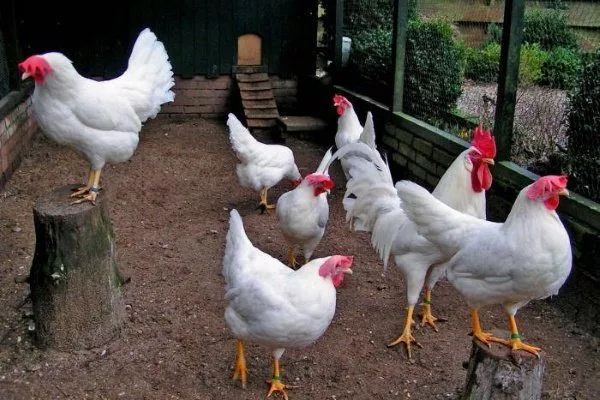
Leghorn chicken breed
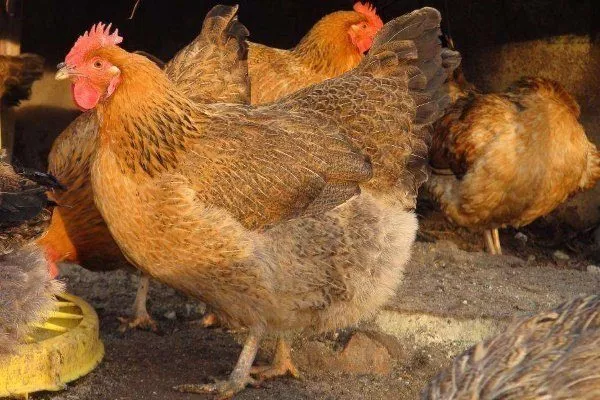
Chicken breed "Kuchinskaya Yubileinaya"
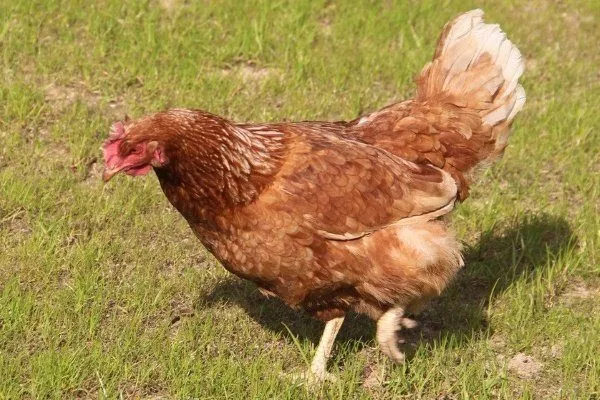
Lohmann Brown chicken breed
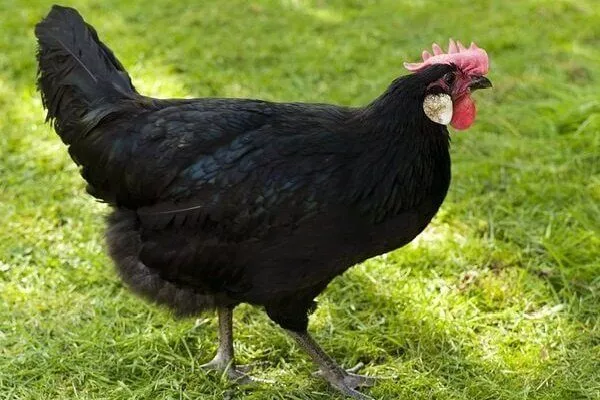
Minorca chicken breed
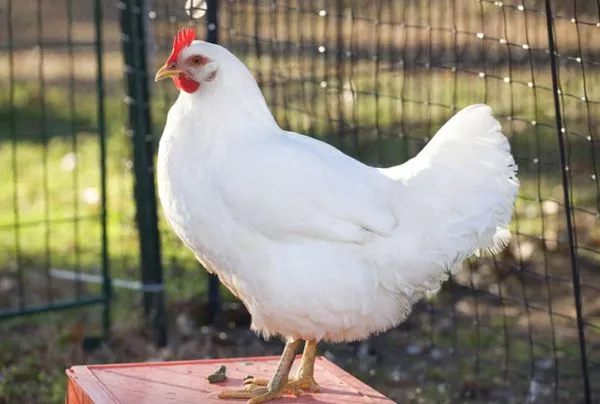
The Russian White chicken breed
Representatives of all the breeds listed above must be provided with appropriate conditions.
| Breed | Egg production (pieces/year) | Age of onset of laying | Egg weight (g) | Feed intake (g/day) |
|---|---|---|---|---|
| Leghorn | 300-370 | 17-20 weeks | 55-60 | 110-120 |
| Loman Brown | 310-320 | 21-22 weeks | 62-64 | 115-125 |
| Hisex Brown | 330-350 | 20-21 weeks | 63-70 | 110-115 |
| Russian white | 230-240 | 22-23 weeks | 55-56 | 105-110 |
| Minorca | 180-200 | 24-26 weeks | 75-80 | 120-130 |
Infectious and non-infectious diseases
Preventive measures plan
- Disinfection of the chicken coop every 2 months
- Vaccinations by age (schedule from the veterinarian)
- Water and feed analysis once a quarter
- Rodent control (deratization)
- Quarantine of new birds (21 days)
The ability of hens to lay eggs is affected by various diseases that laying hens are susceptible to.
Typical symptoms of the disease are:
- lethargy of the bird;
- difficulty breathing;
- an apathetic state that gives way to excitement and anxiety;
- reluctance to move;
- mucous discharge from the eyes;
- inflammatory processes near the organs of vision;
- diarrhea;
- feather loss and unkempt appearance.
The following are infectious diseases of laying hens:
- Pasteurellosis (or fowl cholera)The disease is caused by Pasteurella, a bacteria known for its ability to survive in external conditions. Symptoms include joint deformities and swelling, decreased mobility, fever, mucous discharge, feed refusal, and intense thirst. Treatment for fowl cholera is with sulfonamides. These medications are mixed with feed or water.
- Neuroliftosis (or Marek's disease)The causative agent of this pathological process is a virus that attacks the visual organs and central nervous system. This disease disrupts the musculoskeletal system, and tumors form on the skin. Affected birds refuse to eat and are practically unable to move. Neuroliftosis also causes discoloration of the iris, blindness, and crop paralysis. Treatment is ineffective, and the flock is culled.
- MycoplasmosisThis disease is a chronic respiratory pathology. Symptoms include gastrointestinal dysfunction, difficulty breathing, coughing and sneezing, and runny nasal discharge. Unhealthy hens and roosters are culled.
- Bird fluThis pathology affects the respiratory system and the gastrointestinal tract. Bird flu is severe and leads to mass mortality of birds. Symptoms include diarrhea, fever, lethargy, blue wattles, and wheezing. There is no treatment, and all birds are culled.
- Infectious bronchitisIn young laying hens, the respiratory system is affected, and in mature hens, reproductive function is impaired. With infectious bronchitis, hens cough and have difficulty breathing. A mucous discharge appears from the nasal cavity, and diarrhea begins. The birds refuse to feed and try to stay closer to heat sources. The disease is incurable; once it is detected, quarantine is prescribed.
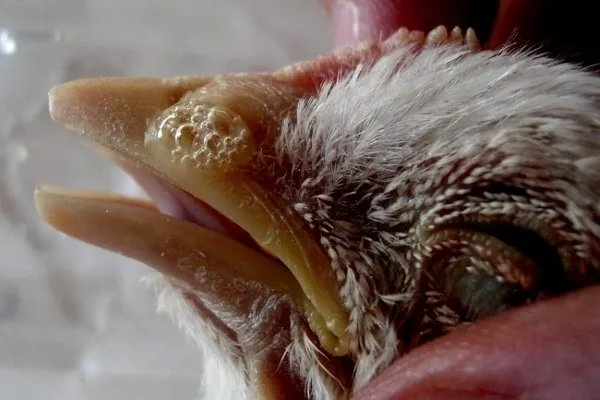
Pasteurellosis (or fowl cholera)
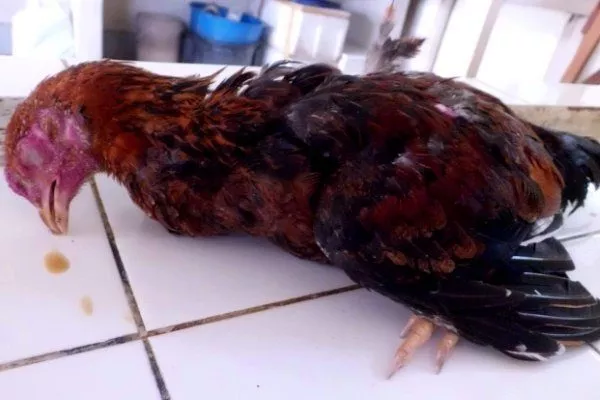
Neuroliftosis (or Marek's disease)
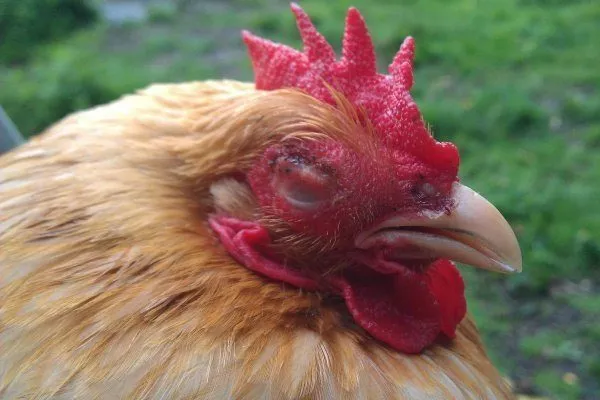
Mycoplasmosis disease
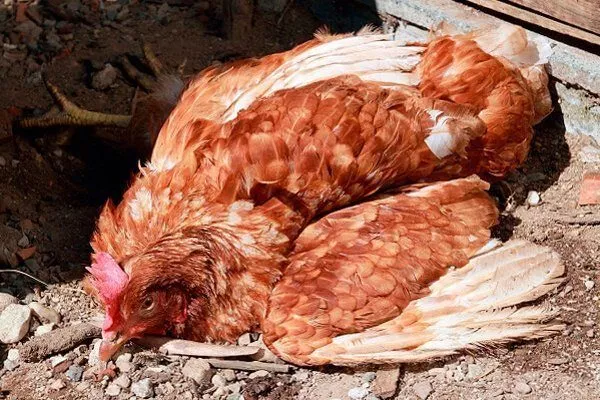
Bird flu
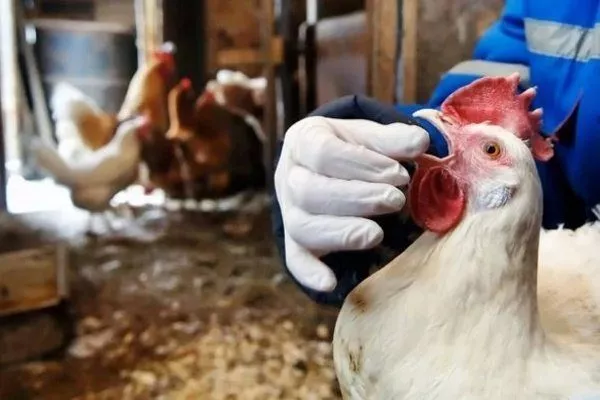
Infectious bronchitis
Other diseases also affect the ability of hens to lay eggs:
- Coccidiosis, a parasitic diseaseParasites can enter the bird's body through water and feed. Symptoms include diarrhea, with green stools containing blood clots. Treatment involves sulfonamides.
- GastritisWith this disease, birds develop diarrhea and their feathers become ruffled. The hens' general condition is weakened. Treatment is based on diet and the use of a weak solution of potassium permanganate.
- Salpingitis is an inflammatory process of the fallopian tube.The main symptom of this disease is an abnormally shaped egg or missing shell. As the disease progresses, the bird loses the ability to lay eggs. Treatment involves adjusting the diet, adding essential vitamins and minerals.
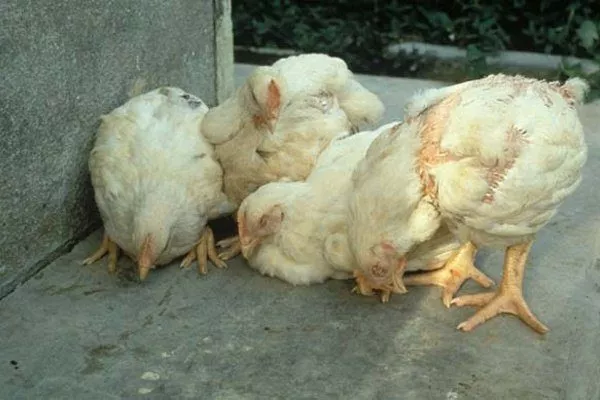
Coccidiosis: a parasitic disease
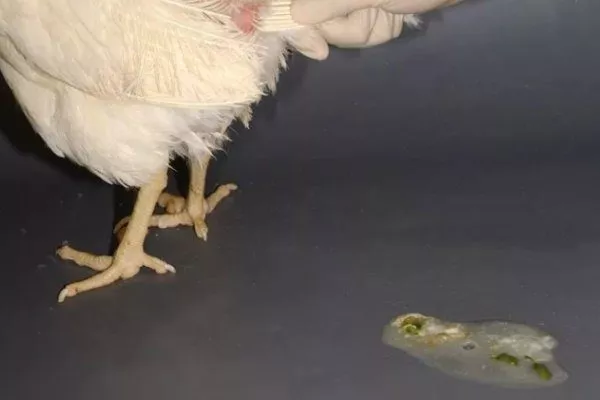
Gastritis in birds
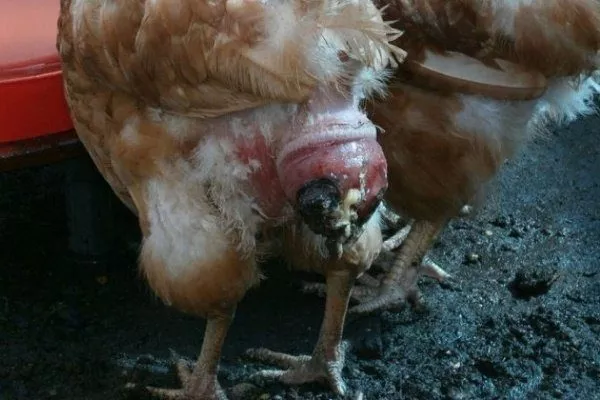
Salpingitis in laying hens
At the first symptoms of infectious or non-infectious diseases in chickens, it is necessary to contact a veterinarian in order to take measures at an early stage.
Seasonality
Egg-laying ability also depends on the season. Egg production significantly decreases during the cold season. Peak egg-laying occurs in mid-summer.
To increase this figure, it's necessary to provide the hens with adequate living conditions. The temperature in the coop should not fall below 10 degrees Celsius.
The chicken coop needs to be prepared for cold weather in advance. Specifically, you need:
- carrying out disinfection: the walls, floor and ceiling should be whitewashed;
- Insulation of the room: you need to pay special attention to the cracks and close them, since chickens do not tolerate drafts well;
- ventilation check;
- collecting warm bedding - a 15 cm thick layer of peat is suitable for this purpose.
In winter, to improve the air quality in the room where the chickens are kept, you can fumigate the air with aromatic herbs.
- ✓ Humidity control: 60-70%
- ✓ Heating water to +15°C
- ✓ Increase daylight hours to 14 hours
- ✓ Addition of sprouted grains (10% of the diet)
- ✓ Weekly change of litter
Oregano, caraway, and juniper branches are placed on hot coals.
Stress
External stimuli also affect the ability of laying hens to lay eggs regularly.
Nervous tension in chickens occurs due to factors such as:
- Incorrectly formulated dietWhen birds lack certain vitamins or nutrients, they suffer. Egg production drops, but they continue to lay eggs, to the detriment of their own health. This leads to rapid muscle loss.
- High density of chickensLack of space not only causes stress in laying hens, but also increases the number of pathogenic microorganisms in the cages, leading to the rapid development of infectious diseases and other pathological processes.
- Psychological factorsThe struggle for food, water, and space are processes that also cause stress.
- InjuriesBruises, pecking, and surgical interventions cause pain and stress.
- Preventive vaccinationIf the serum is administered to healthy individuals, the stress is mild and passes quickly, but if the birds are weakened, serious complications may develop when the vaccine is administered.
- Stress due to loud noiseTo protect birds from adverse conditions, the rooms should be located away from places with loud sounds.
Other possible reasons
Other factors also influence the egg production of laying hens. These include:
- Molting. This process is natural. At this stage in a hens' lives, feathers are naturally shed. This process lasts 1-3 months, usually occurring in the fall. The longer the molting period and the earlier it occurs, the lower the egg production.
- The appearance of a new rooster or laying hen in the flock.
- Moving livestock to another premises.
- The appearance of predators. Foxes, rats, and various rodents frighten hens, causing them to become stressed and, as a result, stop laying eggs.
- Poor ventilation. If the air in the room becomes stagnant, the birds' health deteriorates: the ammonia produced by the hens fills the air space of the coop, starving them of air and causing them to suffocate.
- Chickens eating eggs. This occurs when the birds don't get enough vitamins and nutrients from their feed.
- A bad rooster. If the rooster is old and unable to cope with his duties, the hens will lay significantly fewer eggs.
- Domestic birds stop laying eggs when they become broody. This is a natural process: during this period, the hens are busy incubating their young.
There are many possible causes for a decline in egg production in hens. To improve this performance, it's important to assess the birds' living conditions, whether they are sick, or whether they are experiencing stress from external stimuli.