
Farmers today raise chickens not only to produce eggs throughout the year but also to sell them. Selling chicken eggs is a profitable business, but it requires attention and time, as high egg production depends on the diet and quantity of food the hens eat.
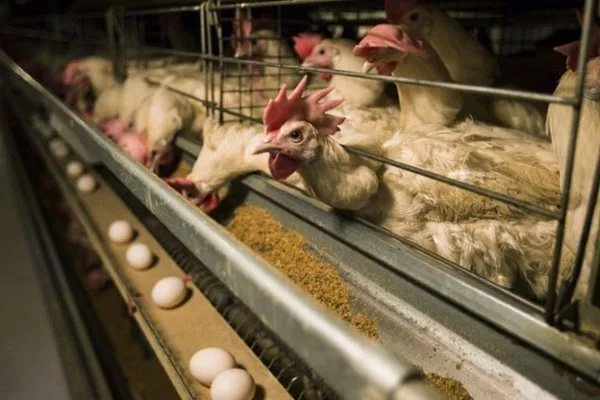
Feeds: their varieties
When raising chickens, it's essential to know how to properly feed them to ensure they produce plenty of eggs and generate a good profit. A responsible approach to feeding your chickens can increase your chances of producing high-quality, large eggs.
Poultry farmers need to use three types of laying feed on their farms:
- Dry. This is a compound feed manufactured and sold exclusively in a ground form. This prevents the birds from overeating, thus preventing obesity. A daily feed of 120-130 g per hen fed this compound feed is sufficient.
- Wet. This homemade mash contains the following ingredients: oilcake, cake, groats, boiled potatoes, grass meal, other vegetables, wheat bran, and meal. The mash is made with water and dairy products. It is not recommended to prepare large quantities of this mash, as it quickly turns sour. For caged laying hens, chopped greens should be added to the food. If the birds are kept in an aviary, the grass is provided separately—this allows the birds to choose their favorites.
- Combined. To prepare this food, you can use a variety of foods, including dry mixes and mashes. It's recommended to add grain and mineral supplements to the mash. A healthy mixed feed should consist of 1/3 protein supplements and 2/3 grain.
Comparison of feed types for laying hens
| Type of feed | Energy value (kcal/100g) | Shelf life | Recommended dietary intake |
|---|---|---|---|
| Dry (compound feed) | 250-280 | 3-6 months | 60-70% |
| Wet (mash) | 180-220 | 2-3 hours | 20-30% |
| Combined | 230-260 | 12 hours | 10-20% |
What should the compound feed be like?
Farmers are advised to carefully consider the composition of their laying hens' feed. Factory-produced feed is manufactured using special technologies and strictly adheres to GOST standards. It contains numerous nutrients essential for birds and their nutritional needs.
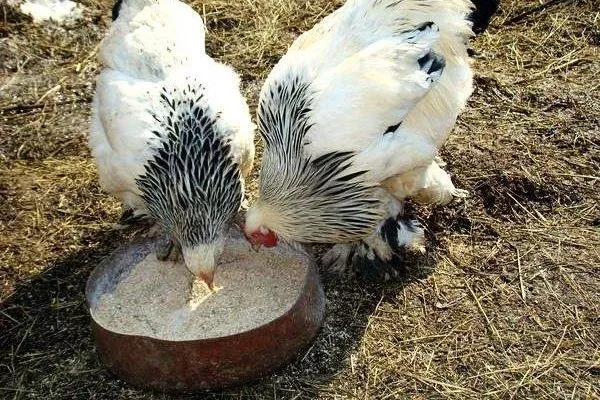
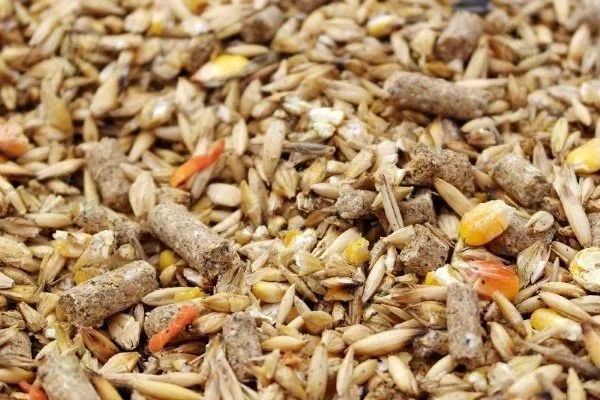
Compound feed for laying hens is a special feed mixture consisting of the following ingredients:
- grain mixtures and other plant elements;
- natural vitamins;
- elements with animal origin;
- microelements.
For one bird, a compound feed is prepared consisting of the following ingredients and their quantities:
- wheat grain – 50 g;
- vitamins – 1 g;
- corn – 10 g;
- table salt – 0.5 g;
- barley – 40 g;
- crushed shells – 5 g;
- bone meal – 1 g;
- feed chalk – 3 g;
- bran – 20 g.
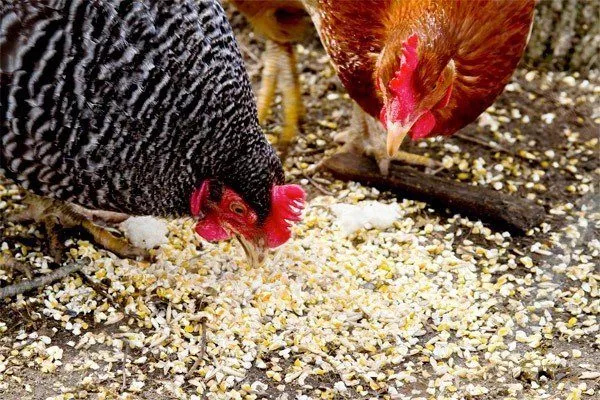
The above components are the main ingredients found in compound feed. There are feeds specifically designed for young or adult chickens. You can also purchase feeds specifically designed for summer or winter use.
A balanced feed for laying hens should consist of grain mixtures, comprising 60-75% of the total diet. Corn, comprising 40-50% of the diet, is especially valuable for broiler birds. It also provides carbohydrates and vitamins, including carotene, which helps the yolk acquire a bright yellow color.
Barley should make up 30% of a chicken's diet—it's essential for making the meat juicy. Wheat should also make up 40-70% of the diet; it provides protein and vitamins E and B. Sprouted wheat is beneficial for laying hens, especially in winter when greens are scarce.
Oats should make up no more than 15% of the total diet. This product is used to prevent pecking, often in the form of bran, as it is difficult for birds to digest. Millet (10-20%) is a source of carotene and is added to feed not only for young birds but also for adults. Sunflower, legumes, and flax are important for increasing egg production. Adding meal and cake to grain for chickens increases protein levels. The age and breed of the bird determine the type of grain used.
Premixes or vitamin complexes can be added to chicken feed. However, they should not be used as a standalone diet, as this can lead to overdosing, disease, and bird mortality.
Calcium is an essential nutrient for laying hens, helping to ensure strong eggshells. Bone meal, limestone, salt, gravel, and shells are all rich sources of calcium. Chalk is considered the best-known source of calcium for chickens, so it's crucial to supplement their feed with it.
Amino acids found in fish and meat scraps and meal can help prevent pecking. Calcium sulfate, found in gypsum, also helps prevent cannibalism. These additives are essential in birds' diets from the first days of life.
Diet of laying hens depending on the age of the bird
Feeding a bird a specific set of foods depends on its age. This is due to intensive egg production. It is known that the most productive period for laying hens is the first year of their egg production, with a peak at 27 and 28 weeks. During this time, it is important to feed the hens generously.
Transition plan to a new diet
- Week 1: 75% old food + 25% new food
- Week 2: 50% old food + 50% new food
- Week 3: 25% old food + 75% new food
- Week 4: 100% New Diet
During peak egg production, carrots, boiled potatoes, barley, pumpkin, yeast, fishmeal (bone meal), crushed shells, millet, and green grass are added to the hens' daily diet. This feed provides a wide range of nutrients. It is also recommended to gradually introduce protein into the hens' feed to improve egg quality. This should be done as peak egg production approaches.
When a hen reaches one year of age, her egg production declines significantly, so she no longer requires the same amount of energy. During this period, she can be fed the same ingredients, but the fishmeal can be replaced with pumpkin or barley.
So, for one laying hen aged from 6 to 12 months, the following amount of ingredients is required:
- baker's yeast - 1 g;
- meat and fish waste – 5 g;
- fish meal – 4 g;
- boiled potatoes – 50 g;
- pumpkin – 0;
- carrots – 10 g;
- crushed shell – 5 g;
- feed chalk – 3 g;
- green grass – 30g;
- sunflower meal – 11 g;
- corn – 40 g;
- barley – 0;
- wheat – 20 g.
For one laying hen aged 12 months and over, the following amount of ingredients is required:
- baker's yeast - 14 g;
- meat and fish waste – 10 g;
- fish meal – 0;
- boiled potatoes – 50 g;
- pumpkin – 20 g;
- carrots – 0;
- crushed shell – 5 g;
- feed chalk – 3 g;
- green grass – 30 g;
- sunflower meal – 14 g;
- corn – 0;
- barley – 30 g;
- wheat – 40 g.
By feeding laying hens correctly at different stages of development, you will be able to obtain high-quality, large eggs in the future.
Standards for carbohydrate, fat and protein intake
Proper nutrition for laying hens requires a balanced diet containing proteins, fats, and carbohydrates. Egg production is directly dependent on the birds' diet. Compound feeds come in the following varieties:
- Protein. Source of plant and animal proteins.
- Vitamins. The food is intended to replenish the supply of vitamins and provitamins.
- Mineral. They fill the body with minerals.
- Carbohydrates. They contain flour mixtures, grain mixtures, root vegetables, vegetables, bran, and cereals.
Daily norms of proteins, fats, and carbohydrates for laying hens
| Component | Minimum norm (g/day) | Optimal norm (g/day) | Maximum norm (g/day) |
|---|---|---|---|
| Protein | 15 | 18 | 22 |
| Fats | 3 | 5 | 7 |
| Carbohydrates | 60 | 70 | 80 |
A single hen contains 60 to 70% carbohydrates, 15 to 18% protein, 4 to 6% fiber, and 3 to 5% fat. This is enough for a hen to replenish its energy reserves daily. It's important for laying hens to receive adequate protein, as 80% of it is used for egg production.
You can supplement the diet with plant proteins by adding mixtures of oilcake, sunflower, or rapeseed. To replenish animal proteins, it is recommended to feed chickens meat and fish scraps. You can also supplement with bone meal, insects, and earthworms. Ensuring adequate fat intake is equally important, as it also influences egg formation. Oats, corn, pumpkin, and sunflower seeds should be included in the diet.
Carbohydrates are the foundation that sustains a chicken's overall health. Feed laying hens bran, grains, and root vegetables to obtain carbohydrates.
What to feed laying hens in winter, spring, autumn, summer?
To increase egg production, it's recommended to formulate a proper diet based on the season. A table is provided that outlines seasonal feeding requirements for laying hens:
| Feed | The norm for one laying hen per day | |||
| Spring | Summer | Autumn | Winter | |
| Cereals | 98 g | 99 g | 85 g | 70 g |
| Table salt | 0.5 g | 0.5 g | 0.5 g | 0.5 g |
| Meal (fish, meat and bone) | 11 g | 10 g | 5 g | 13 g |
| Dairy products | 10 g | 10 g | 14 g | 100 g |
| Bone meal | 2 g | 2 g | 2 g | 3 g |
| Baker's yeast | 1 g | 1 g | 1 g | 1 g |
| Hay flour from legumes | 7 g | 0 | 7 g | 10 g |
| Crushed shell, feed chalk | 5 g | 5 g | 5 g | 3 g |
| Green herbs | 40 g | 60 g | 40 g | 0 |
| Roots | 40 g | 0 | 40 g | 50 g |
| Wheat bran | 10 g | 10 g | 10 g | 10 g |
| Potato | 40 g | 0 | 40 g | 50 g |
| Oilcake | 12 g | 11 g | 10 g | 15 g |
How many times should I feed laying hens and how much feed do I need?
The average daily requirement for laying hens is 120-130 grams of feed. Air temperature directly affects how much food a hen consumes. If the temperature in summer exceeds the normal range by 1 degree, they will eat 1% less. In winter, the opposite is true. Therefore, in summer, it's best to include less feed in the diet, but use nutrient-rich varieties based on the amount of feed the hen consumes.
In winter, laying hens are fed three times a day; in summer, twice a day. Feeders should be filled 1/3 full with dry mixes to prevent the birds from scavenging. The mash should be placed in sufficient quantities to allow the hens to consume it completely before it goes bad. Clean water should be added to the waterers along with the feed.
In the morning and afternoon, chickens are fed wet feed, and in the evening, grain. Mashed feed should not be given in the evening, as it is heavy on the stomach.
It is important to know that the number of times a day the feed is given is the same number of times the laying hens' feeders are cleaned:
- During the winter period, meals are distributed so that there is a five-hour interval between them.
- In summer, it's much easier to monitor the birds' nutrition, as in addition to their two meals a day, they also go out to pasture and graze on green grass. Therefore, feeders are filled at 10-hour intervals, for example, at 8 a.m. and 6 p.m.
In the morning, laying hens are fed mash, and in the evening, dry grain feed. If farmers keep their hens in cages, which prevents them from getting enough sleep, they are fed a midday meal during the summer.
What should I feed my chickens to increase egg production?
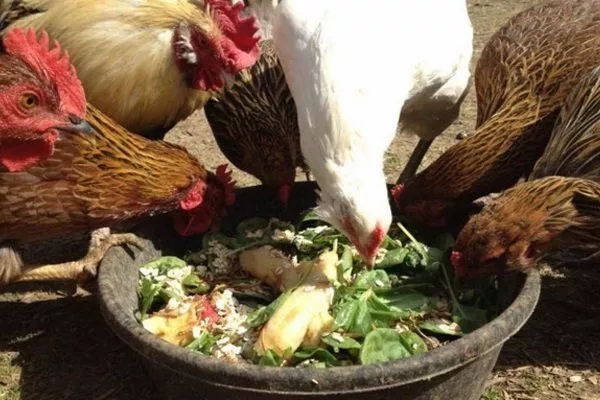
Thanks to the abundance of grass and greenery in the summer, chickens receive vitamins. In winter, things are a bit more complicated; during this period, it's important to carefully consider their diet and include foods that will support egg production. In winter, it's best to feed hens vitamins found in root vegetables and juicy vegetables. Dairy products, oilcake, sprouted grain, silage, and hay are also a good addition to their diet.
There are special feeding requirements during the molting period. Increased succulent and protein-rich feed is essential. Feeding hens as much as during peak egg production is not recommended, but the menu should be varied. During this time, provide the birds with carrots, chalk, baker's yeast, pumpkin, boiled potatoes, cabbage, slaked lime, and crushed shells. Vitamin supplements are also added to the diet.
What is prohibited?
Prohibited foods for laying hens
| Product | Reason for the ban | Possible consequences |
|---|---|---|
| Raw fish | Contains thiaminase | Vitamin B1 deficiency |
| Green potatoes | Contains solanine | Poisoning |
| Moldy bread | Mycotoxins | Liver damage |
Chickens are omnivores, feeding on what they can find, but they are not allowed to eat everything. For example, feeding fish oil to chickens is highly undesirable, as it imparts an unpleasant odor to the eggs. Avoid giving chickens tough foods, such as potato peels, watermelon peels, and orange peels. These foods are difficult for chickens to digest, and they can cause encephalopathy.
Overfeeding chickens can cause diarrhea and digestive upset. If this occurs, stop feeding them vegetables for a while.
It's beneficial to include boiled potatoes, mashed and added to the chicken mash, in your diet. Don't feed more than 50 g per day. Sprouted or green potatoes are considered more dangerous, as they contain solanine, which is harmful to the body.
It's also recommended to include zucchini in the mash, especially in winter, as it's an excellent replacement for green grass feed. However, there's a downside: avoid feeding zucchini as a single feed, and it's also not suitable for birds under three weeks old. Overfeeding this vegetable can cause diarrhea and digestive upset.
Before you start raising hens that are expected to produce a good number of eggs, you need to know what to feed them and how to formulate a diet to maximize egg production. This will help you earn a good profit and provide your family with high-quality, large eggs year-round.