
Experienced farmers can determine a chicken's health at a glance. Diarrhea in laying hens should not be ignored, as various stool abnormalities can indicate serious poultry diseases that require immediate treatment.
Causes of occurrence
Diarrhea in laying hens, accompanied by frequent bowel movements and watery stools, is caused by a variety of factors. Before treating a chicken, it's important to determine the underlying cause of its intestinal upset. Veterinarians identify several key factors that can cause intestinal upset in poultry.
Parasite infestation
Sticky droppings with mucus and blood mixed in, and orange streaks, may indicate coccidiosis. Some species of coccidia infect chickens en masse, causing them to literally suffer from bloody diarrhea. This disease is treated with Amprolium and Salinomycin.
In addition to coccidia, poultry can become infected with intestinal helminths, which can also cause diarrhea. Owners may find worms and their eggs in the chicken's droppings. Treatment should be with Albendazole, Fenasal, or Nilverm.
Liquid yellow droppings may indicate that laying hens are infected with nematodes (roundworms).
- ✓ The ratio of proteins, fats and carbohydrates must strictly correspond to the age and productivity groups of chickens.
- ✓ Mandatory presence of prebiotics in food to maintain healthy intestinal microflora.
Unbalanced diet
An improper combination of proteins, fats, and carbohydrates in poultry feed can cause intestinal upset. For example, excessive protein consumption is accompanied by increased lactic acid production, which forms a white coating on the feces of laying hens.
Loose, dark, and sticky stools in domestic chickens can be caused by consuming excessively fatty foods. High carbohydrate intake can also cause gas-laden stools with a strong, unpleasant odor.
If laying hens are allowed to roam freely around the yard, they may overeat grass, which will cause watery droppings and increased gas production.
Read more about proper nutrition for laying hens – here.
Moving
When transported long distances, young chickens can experience stress, often developing intestinal upset. Their stools return to normal once they settle in, so no treatment is required.
Poisoning by chemicals, poison or pesticides
A laying hen can ingest various toxic components either through feed or when the hen roams freely in the yard and has access to the garden or vegetable patch, where she accidentally eats vegetation treated for insects.
Low-grade feed
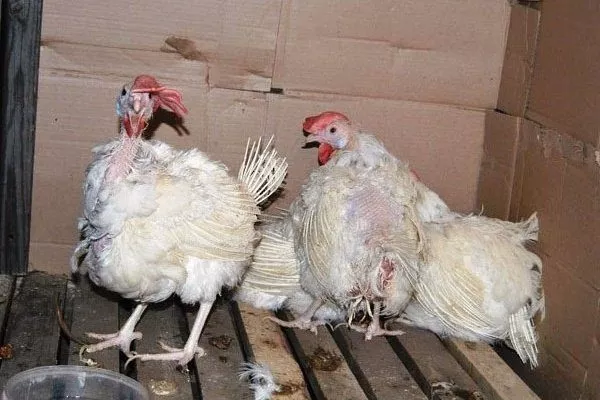
Cheap feed often contains gravel or mycotoxins, which can cause intestinal upset in poultry, accompanied by foamy, green or brown stools. Replacing this type of feed with a higher-quality one will quickly resolve the situation.
If for some reason feeding only expensive and high-quality food is not possible, then you need to dilute good food with less high-quality food so that there is more of it.
Additionally, a chicken's digestion can be improved by providing it with adsorbents, such as clay water and zeolites. These substances are added at a rate of 10 grams per 10 kilograms of feed. If a laying hen has been severely poisoned by poor-quality food, she should be given a 0.2% solution of potassium permanganate. Antibiotic treatment may be necessary.
Poor quality water
The water your poultry drinks should be clean, preferably running water. Special devices can be purchased for this purpose. Old, stale water poured into dirty waterers can cause diarrhea in chickens.
Sudden and frequent changes in diet
Diarrhea in chickens can occur when changing feed. For example, if a chicken is accustomed to compound feed and then suddenly switched to pellets or mash, its droppings often become runny. Laying hens may also refuse unfamiliar food altogether. Substituting one type of feed for another should be done gradually, initially mixing it in small amounts with the old one.
Poor conditions of detention
Diarrhea in chickens can develop if their living conditions are unacceptable. Hens whose houses are not cleaned and whose litter is not changed are very susceptible to diarrhea. Therefore, regular cleaning is essential.
Hypothermia
Cold and unheated rooms are not suitable for laying hens, as even slight drops in temperature can cause diarrhea. The stool doesn't change color, but it becomes very loose. Treatment is not necessary in this situation, but the poultry house or coop should be insulated.
Colds
Most viral diseases that can affect domestic laying hens are accompanied by intestinal upset. In this case, it's important to address the underlying cause of the illness, and the stool will return to normal on its own.
Infectious diseases
Bowel disorders in chickens often occur due to infectious diseases, which include the following:
- Gumboro disease. Poultry stools become yellowish-white. The condition is usually diagnosed at autopsy.
- Colibacillosis. This disease most often affects individuals under 60 days old. It is characterized by exhaustion, eye damage, and respiratory damage.
- Newcastle disease. The stool of poultry becomes liquid, acquires a brown color, and contains mucus.
- Salmonellosis. The stool is whitish in color and contains a large amount of mucus.
- Clostridiosis. The stool has an unpleasant odor, is dark in color, and contains gaseous bubbles.
- Pasteurellosis. Green stool with blood and viscous mucus.
Intestinal upset in chickens and laying hens can also be caused by medications, such as antibiotics. Furthermore, poultry often suffer from intestinal upset after consuming certain plants, such as buttercups, milkweed, and datura, due to frequent stress and metabolic disorders.
Signs
Diarrhea is characterized by frequent, loose stools, which may contain blood clots, mucus, undigested food particles, and various inclusions. Other signs may also be present:
- lethargy and drowsiness;
- soiled feathers in the cloaca area;
- a large amount of liquid droppings in the chicken coop;
- rapid weight loss;
- problems with the gastrointestinal tract;
- lack of appetite;
- strong feeling of thirst;
- mucus impurities in the droppings.
In laying hens, sticky, dark-colored droppings, often with traces of blood, are observed on the surface of the eggshell. Birds suffering from diarrhea become skittish, inactive, and begin to lose feathers. the number of eggs laid decreases.
The condition of the litter in the chicken's room can indicate intestinal upset. If it's damp, the bird is likely suffering from diarrhea. Laying hens with this problem will always lay dirty eggs.
Types of diarrhea in laying hens
To determine if your chicken is suffering from diarrhea, you need to know what healthy stool looks like. Normal chicken droppings come in two types:
- Intestinal. It's granular and brownish in color. It's easy to remove from the litter in the chicken coop. This type of stool is covered with whitish deposits. These are uric acid salts, excreted from the cloaca by the bird along with urine and feces. If this type of feces isn't granular, it means the chickens are cold or are becoming ill.
- Cecical (nocturnal). This type of droppings is observed in chickens once a day. It is liquid in consistency and dark brown in color. If the droppings become lighter, the chicken's digestion is suboptimal, leading to fermentation and increased gas production.
Other types of stool, changes in its color, the presence of gas bubbles, admixtures of blood and mucus indicate intestinal disorders in laying hens.
Yellow, brown and tan stools
Stools of this color often indicate a bird is infected with viruses or infections. Yellow diarrhea can also indicate Gumboro disease. If the bird isn't eating and is drinking a lot, it most likely has a respiratory illness.
When yellow diarrhea in a chicken is short-term, it can be observed due to a change in the usual food, stress, or feeding poor quality feed.
Digestive tract problems in birds are often accompanied by brown or even black diarrhea. Diarrhea with significant amounts of blood is observed in cases of infectious diseases, such as coccidiosis, or cloacal trauma.
Green chair
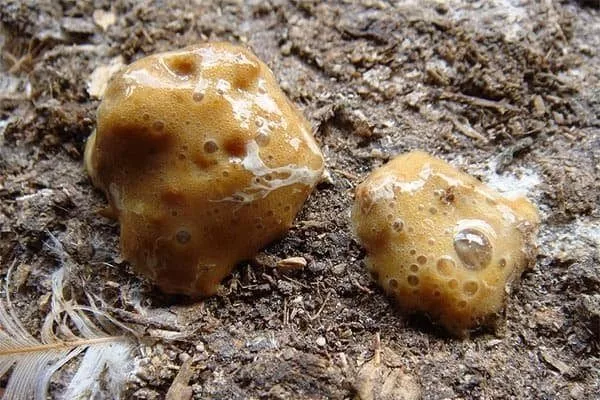
Droppings of this color often occur because the bird eats too much grass and other plant matter. Chickens can also develop diarrhea of this color when they are frightened, eat poor-quality feed, or are poisoned by poisonous herbs or other plants. If the stool is light green, the chicken may have a cold.
If the feces are also foamy and slimy with blood streaks, the chicken may be suffering from pasteurellosis, which results in the death of birds en masse if treatment measures are not taken in a timely manner.
White chair
White diarrhea often indicates a vitamin and mineral deficiency in a domestic chicken. If the stool is chalky in consistency, it may indicate a viral or bacterial infection, requiring the chicken to be separated from other chickens. Diarrhea of this color can be caused by paratyphoid fever, an acute, highly contagious disease transmitted by airborne inhalation.
Droppings of this color may indicate that the bird has a parasitic disease, a malfunction of the digestive system, or is infected with salmonella.
Possible complications and consequences
If diarrhea in a domestic laying hen is left untreated, she may gradually stop laying eggs. She will then become dehydrated and malnourished, leading to death.
If diarrhea is infectious, there may be a risk of losing all the chickens, as such diseases quickly affect healthy chickens.
How to treat diarrhea in laying hens?
Veterinarians advise against self-medication and instead seek professional help. A veterinarian can determine the underlying cause of a laying hen's intestinal upset and prescribe the optimal treatment plan. Uncontrolled or no treatment can lead to serious health problems or even death.
General recommendations for treating diarrhea in laying hens
If bowel problems are caused by poor feed quality, the chicken's diet should be adjusted. If a chicken eats a lot of plants, causing green diarrhea, limit its time outdoors. If diarrhea is caused by hypothermia, the coop should be warmed up.
Chickens can also experience diarrhea due to gastritis. To treat this, they should be fed hard-boiled egg yolks mixed with hemp seeds. Gastritis can also be treated with ash and activated charcoal.
If birds suffer from paratyphoid fever, they are treated with yogurt and other dairy products. Yellow stool in laying hens is treated with a solution of water and clay. They can also be given rice or oatmeal broth, chamomile, or St. John's wort tea. For diarrhea, chickens are given water mixed with a few drops of wine, or a decoction of pomegranate peels.
In case of intestinal upset, the bird can also be given a solution of potassium permanganate or water with added sodium chloride.
You can learn about other well-known remedies for treating diarrhea in laying hens by watching the following video:
Treatment of diarrhea with medications
When folk remedies fail to cope with diarrhea in poultry, medication is prescribed, consisting of three stages:
- Reception antibacterial drugs within 3-5 days:
- Enrofloxacin or Ciprofloxacin (10 mg per 1 kg of chicken or chick weight);
- Tetracycline, Biomycin, Doxycycline (10-20 mg for adults);
- Furazolidone (4-8 g per 10 kilograms of feed);
- Levomycetin, Floron (2-4 ml per liter of water);
- aqueous solutions (Dolink, Quinol, Trisulfone);
- Sulfadimezine, Etazol, Sulgin (0.1-0.2 g per head).
- Probiotics to normalize intestinal microflora:
- Monosporin;
- Acilact;
- Bifidumbacterin.
Comparison of the effectiveness of probiotics for chickensProbiotic name Microflora restoration period Directions for use Monosporin 3-5 days Feed additive Acylact 5-7 days Water additive Bifidumbacterin 7-10 days Feed additive - Vitamins. Aqueous solutions are taken for 5-7 days. Feed supplements are given for 7-14 days. The following medications are often prescribed:
- Vitaminol;
- Chiktonik;
- Aminovital.
Preventive measures
The occurrence of diarrhea in laying hens can be avoided by following the preventative measures recommended by veterinarians:
- Balanced nutrition, high-quality feed.
- Maintain cleanliness in the chicken coop, change the bedding frequently.
- Furazolidone or Terramycin can be added to the feed. They are added to the food for two weeks, then a three-day break is taken, and then added again for another two weeks.
- To increase the resistance of poultry to viruses and bacteria, veterinarians recommend adding the medication Katozal to their water.
- To ensure normal digestion in laying hens, they need to be given chalk, vegetables and vitamins.
To prevent diarrhea in laying hens, farmers should pay attention to the choice of building materials for the poultry house. They should be non-toxic. The dishes used by poultry for feeding should not contain zinc or copper.
These measures significantly reduce the risk of diarrhea and its consequences in laying hens.
Diarrhea in poultry is quite common. Antibacterial treatments can be started without waiting for a veterinarian's visit if the underlying cause is not dietary. It's also important to ensure that the upset stool isn't caused by an infection, as this carries a high risk of spreading the infection to all the chickens.