
Sheep are precocious animals, reaching sexual maturity within six months of birth. They are easy to care for because they are undemanding feeders, obedient to their owners, and quickly begin mating, producing offspring.
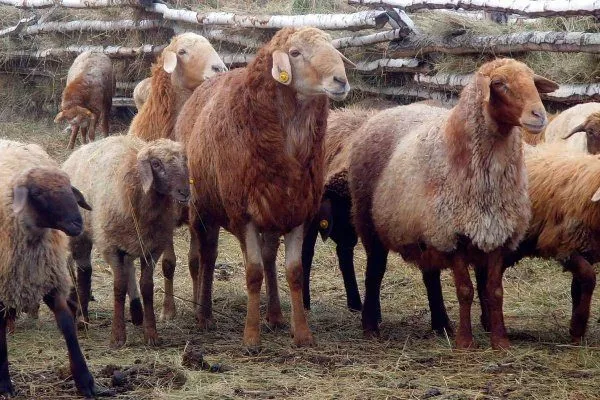
Features and Signs
In England and New Zealand, sheep's wool was once considered a luxury and highly prized, but those days are gone, and meat sheep have become popular. Their meat is tender and tasty, with no distinctive odor.
During the Soviet era, people rarely ate lamb because of its distinctive smell and taste, but this was true only for wool-producing breeds. At that time, people sought to breed sheep solely for their wool and fur. During the collapse of the USSR, virtually all sheep suffered, as they were slaughtered and sold due to a lack of funds.
But despite this, the sheep managed to survive, and meat breeds entered the circulation and became popular in Russia. The Gorky breed still requires specialists to prevent it from disappearing entirely.
Meat breeds differ from other breeds in that they gain weight quickly. A lamb reaching four months of age weighs half as much as an adult sheep. By the time it reaches one year, it will weigh 90% of its adult weight.
Each breed of sheep is different in some way, but there are some common signs that can help you determine if a sheep is truly a meat breed:
- The body is large, the muscles are well developed.
- The bones are thin.
- Thin skin with a thick layer of fat.
- A large amount of meat from one sheep.
- Good fruitfulness begins already in 3-4 months.
- Meat breeds are not picky eaters.
- High immunity.
- Great endurance.
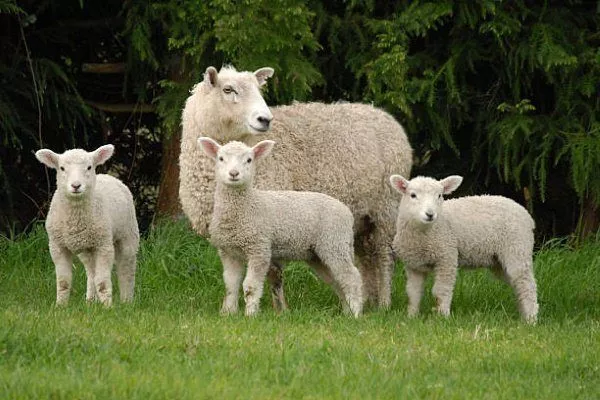
Mother ewes produce abundant milk, which they feed their young with for extended periods. Lambs that nurse grow rapidly, and their mortality rate is reduced to zero.
Domestic breeds
When living in the private sector, it is profitable to breed meat sheep, since they are unpretentious in maintenance, grow quickly, are highly productive and have a large amount of meat, which is quite suitable for daily consumption.
Romanovskaya
Romanov sheep They appeared two centuries ago and have a large amount of meat and are highly productive.
A female can produce three lambs in two years, with an average fertility rate of 300%. Lambs that are still suckling at six months already weigh 30 kilograms. Adult males can weigh up to 100 kilograms, while females can weigh up to 50 kilograms.
The sheep have a strong build, well-developed muscles, and strong bones. The main characteristics of the Romanov breed are their humped head and the absence of horns. They can grow in a variety of climates and are easy to care for.
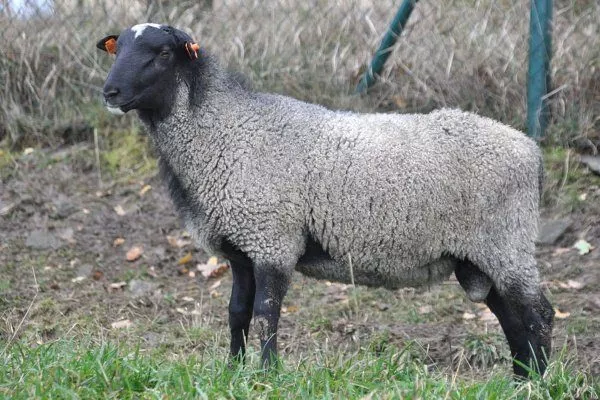
Kuybishevskaya
The Kuybishev breed of sheep, also known as the Romney Marsh, was developed two centuries ago in England and then brought to Russia. During their long journey, the sheep endured numerous climate changes and thrived, making them resilient. They can graze even in damp pastures, their hooves are resistant to rot, and their immune system protects them from fungal diseases. Their wool is curly and covers the entire body, from the eyes to the joints. Females can weigh up to 60 kilograms, and males up to 100 kilograms.
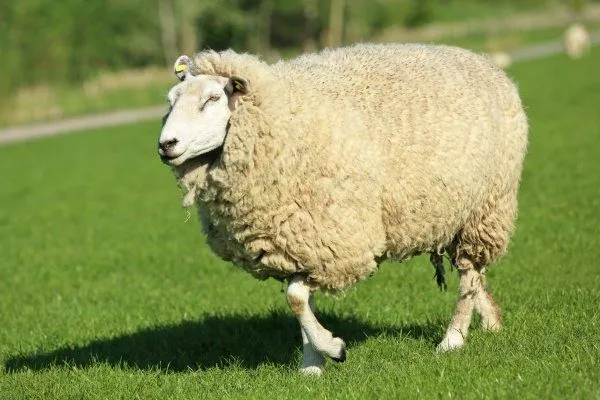
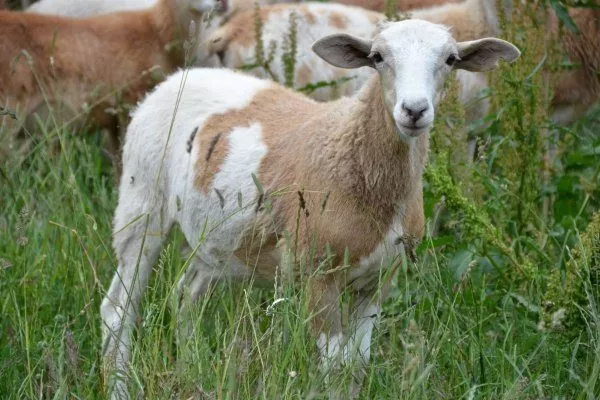
Katumskaya smooth-haired
Katumskaya breed of sheep These sheep differ from other meat breeds in their rapid weight gain. They are also known as broiler sheep because they produce a large amount of tasty and juicy meat. They have a strong immune system, short wool, are highly fertile and milky, and are not picky eaters. Shearing is not necessary for these sheep, as the undercoat that appears in winter naturally disappears in the spring.
An adult male can reach a weight of 110 kilograms, and a female 80 kilograms. The body is muscular, the muscles are strong, the horns are absent, and the bones are strong and robust.
Gorky
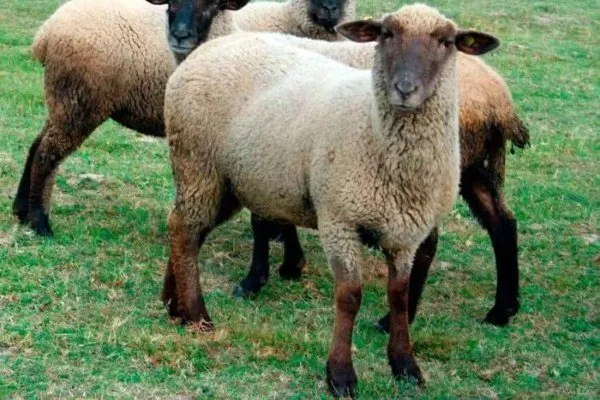
The Gorky breed of sheep was developed a century ago. They have a barrel-shaped body, massive legs, and a short muzzle. Except for the legs and head, the wool is white. Adult males can weigh up to 130 kilograms, and females up to 80 kilograms. They quickly adapt to any climate, have great stamina, and are prolific breeders. During lactation, females can produce approximately 150 liters of milk over the entire lactation period. The Gorky breed has one drawback: it produces little wool due to the uneven fleece.
North Caucasian
This common breed has valuable wool, abundant meat, and excellent survivability in any weather conditions, even the harshest. The sheep have an attractive appearance: broad bones, large thighs, and necks. Males can reach a weight of 110 kilograms, while females reach up to 65 kilograms. North Caucasian sheep have visible soft horn rudiments due to the absence of bone. If the sheep are well-fed, they can gain up to 300 grams of body weight per day.
West Siberian
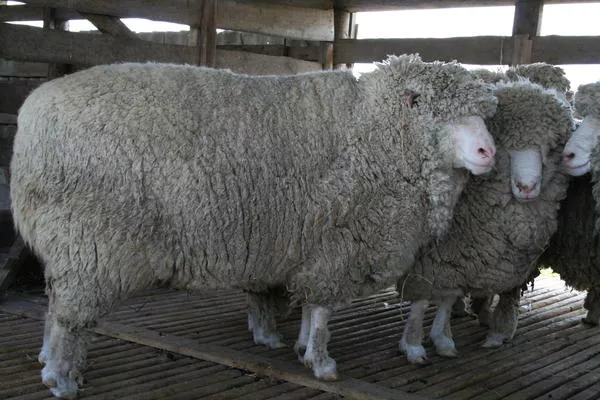
This sheep breed was developed in the North Caucasus. Interestingly, there are no analogues to these sheep, as scientists spent 18 years developing the West Siberian breed, with the help of British scientists. This breed was created by crossing Kuban rams and Siberian sheep. Its main difference from other breeds is that it produces more meat than other sheep breeds.
A single lamb can yield 50% meat, while in other breeds this figure drops to 40%. Another distinguishing feature of these breeds is their high fertility. Five-month-old lambs will weigh 40 kilograms, an adult male 120 kilograms, and a female 70 kilograms.
Foreign breeds
Foreign sheep breeds are no less popular. But they also have their own advantages and disadvantages.
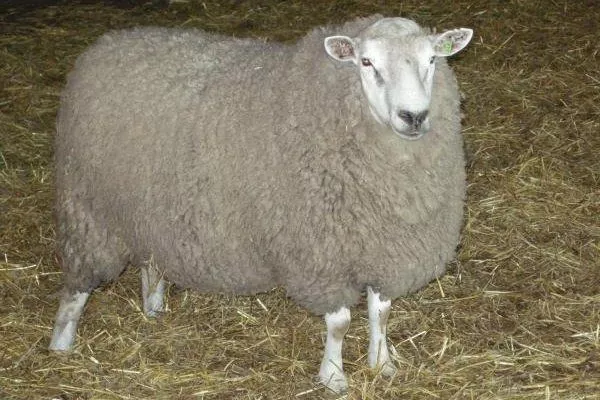
Texel
The breeding of this breed began in Roman times, but the Texel breed was only fully developed at the end of the 19th century.
| Breed | Country | Killer exit | Features of meat |
|---|---|---|---|
| Texel | Netherlands | 58-60% | Marbling 3-4 points |
| Prekos | France | 52-54% | Fine fiber |
| Dorper | South Africa | 55-57% | Low fat content |
| Zvartbles | Holland | 50-52% | High juiciness |
Adult males can reach a weight of 130 kilograms, while females weigh slightly less at 125 kilograms. Lambs gain weight quickly and can weigh 60 kilograms at five months. Lambs have plenty of muscle tissue and tender meat, which cooks quickly. This breed is easy on the feeder.
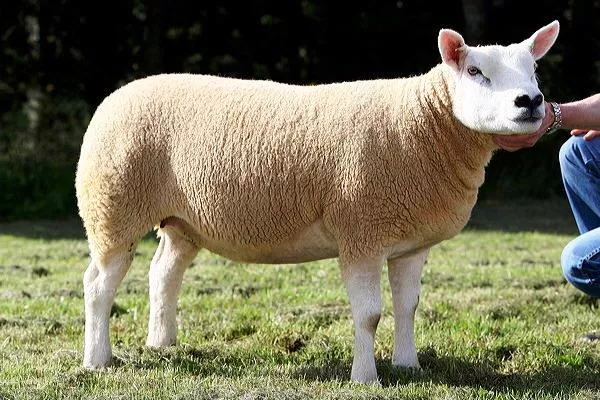
Prekos
The Précoce sheep, a French breed, is popular and bred worldwide. These barrel-shaped, robust sheep have a strong immune system, are easy to feed, and produce good lambs. A newborn lamb weighs 5 kilograms, and at four months, it weighs 35 kilograms live. An adult male lamb weighs approximately 130 kilograms, yielding 55 kilograms of meat at slaughter. Females weigh 65 kilograms at one year of age.
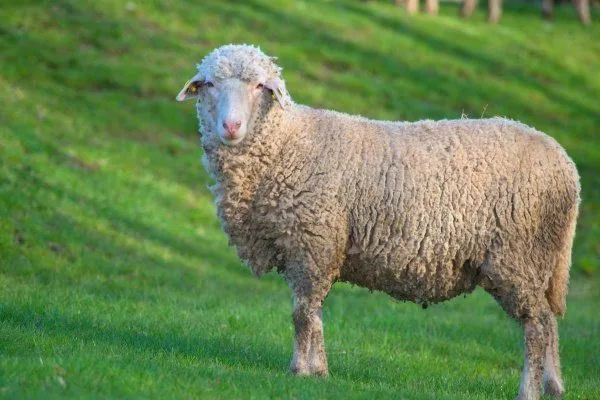
Barbados black-bellied
A short-haired meat breed developed in the Caribbean. There is also a horned breed developed in America, which arose from crossbreeding with the Rambouillet breed. The sheep are medium-sized, with strong bones and a dark red color. Males have a mane on their chest and neck, with hair lengths of 12-16 cm. Adult males weigh up to 90 kilograms, while females weigh up to 60 kilograms. Lambs are born weighing 3 kilograms, and by three months of age, they reach 17 kilograms. Females of this breed produce three lambs in two years, and they produce abundant milk, ensuring a daily weight gain of approximately 250 grams per lamb.
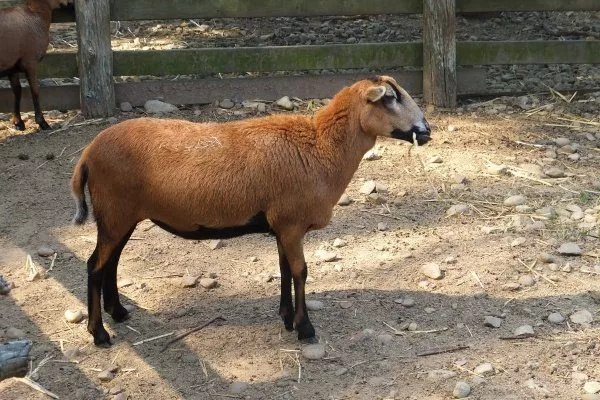
Wiltshire Horned
The woolless Wiltshire sheep breed was developed in England in 1923 and is currently bred in North Wales. The sheep lack wool, but instead have white skin covered with coarse, horsehair-like hair. The rams have strong, well-developed horns. Adult males weigh approximately 100 kilograms, while females weigh 60 kilograms. Females are excellent mothers and, unlike some breeds, produce a larger amount of milk.
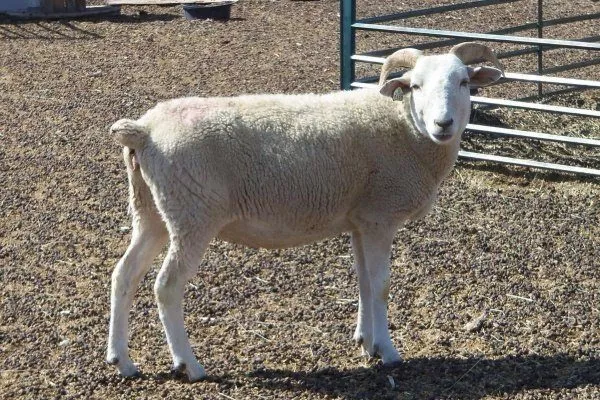
Dorper
This breed appeared in the last century in South Africa, thanks to crossing the following breeds:
- Dorset Horn.
- Fat-tailed Persian Blackheads.
- Fat-tailed.
| Indicator | Meat breeds | Woolly breeds |
|---|---|---|
| Average daily weight gain | 300-400 g | 150-200 g |
| Meat yield at slaughter | 50-55% | 38-42% |
| Age of puberty | 5-6 months | 8-10 months |
| Fertility | 120-300% | 100-120% |
| Thickness of the fat layer | 2-3 cm | 0.5-1 cm |
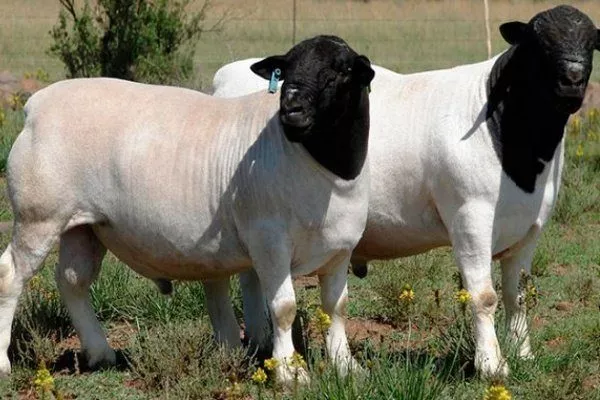
Merino sheep were also crossed, resulting in the pure white color of the sheep. Due to the harsh weather conditions in South Africa, droppers had to survive in extreme cold and with minimal food. This allowed them to develop excellent immunity and disease resistance, allowing them to survive even the harshest, coldest, and snowiest winters. The same applies to summer; droppers can even survive for two days without water.
This breed's face is shortened, giving the head a small, boxy appearance. Their legs, although short, are strong, supporting their own weight. Males can grow up to 140 kilograms, and females up to 95 kilograms. Lambs gain weight quickly, weighing 25 kilograms at three months, and 70 kilograms by six months.
Zvartbles
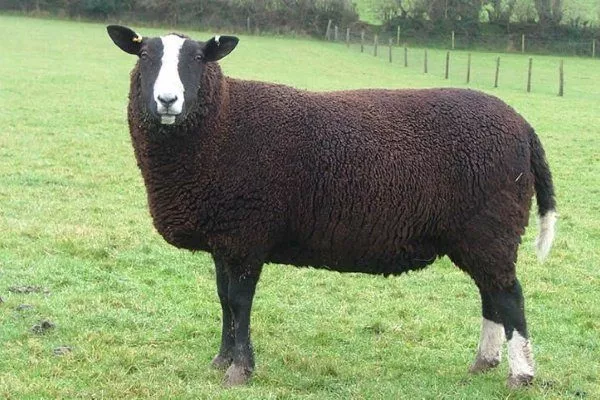
A century ago, a meat breed of sheep called the Zwartbles was developed in Holland. Their meat is lean, tender, and delicious. Adult males can weigh up to 130 kilograms, and females 100 kilograms. Thanks to their thick wool, these sheep can easily withstand even the coldest, snowiest winters, winds, and can graze in damp conditions. They are also easy to feed.
Breeds of neighboring countries
There are breeds from neighboring countries of Russia that are also considered meat breeds and are common in agricultural livestock farming.
Saradzhinskaya
The cattle themselves are white in colour, but their legs and heads are red; there are also dark sheep.
The cattle are large, with heavy bones and a short body. Males have small, rounded, hard horns. Adult males weigh up to 90 kilograms, while females weigh up to 75 kilograms. Lambs weigh about 4.5 kilograms at birth, reaching 40 kilograms by four months of age. Sarajinskaya sheep produce lard, tender meat, and wool, which professionals use to make carpets.
Tajik
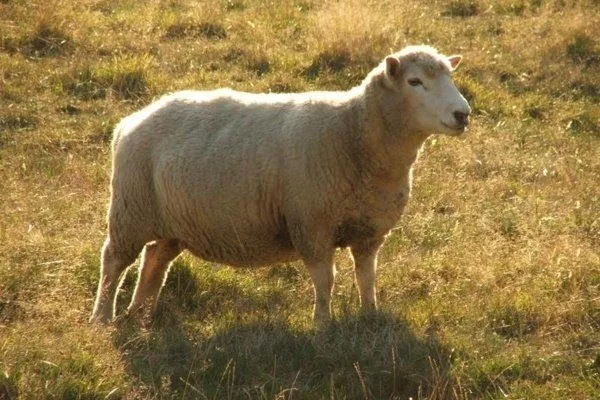
The breed was developed in Tajikistan by crossing Sarajin males and Hissar females in 1963. These lambs are large, with strong, well-developed legs and a substantial frame. Their coat is braid-like, dense, shiny, and durable. An adult male weighs up to 150 kilograms, and females up to 120 kilograms. Lambs are born weighing 4 kilograms, and by five months of age, they weigh 40 kilograms.
Gissar
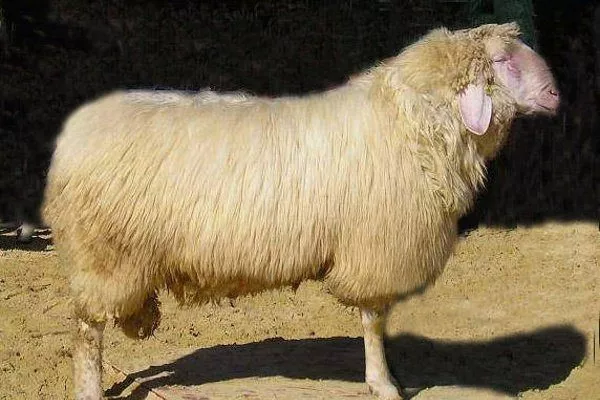
This breed of sheep has broad bones and a disproportionate body. The legs of adults are long and thin, but they support their weight well. This meat sheep is the largest in the world, reaching a height of 85 centimeters, and males weigh a whopping 190 kilograms, while females weigh up to 90 kilograms. The Hissar breed has no horns, and the same goes for its wool, which is very scanty. The breed is large-bodied, and its legs are long and lean, but most importantly, they are resilient.
Feeding schedule
- 0-2 months: milk period (weight gain 300-350 g/day)
- 2-4 months: transition to roughage (450-500 g/day)
- 4-7 months: intensive fattening (600-700 g/day)
- 7-9 months: finishing fattening (800-900 g/day)
The sows produce a lot of milk, but the same cannot be said about their fertility. Their fur contains a natural antiseptic called lanolin.
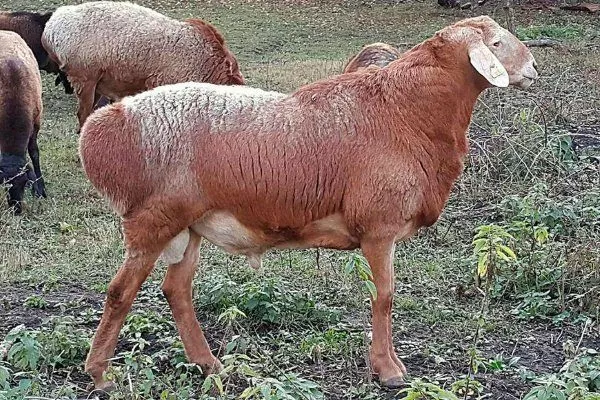
Edilbaevskaya
This breed was first developed in Kazakhstan and is now bred in southern Russia. An adult male can reach 120 kilograms, while a female can reach 75 kilograms. Lambs grow quickly and are ready for slaughter at four to five months. The Edilbaevskaya sheep breed is easy to manage and feed.
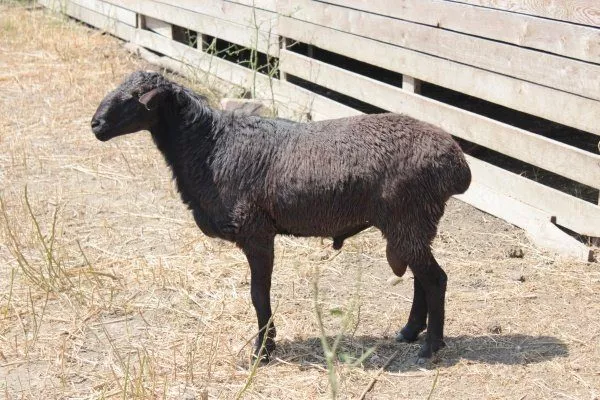
Jaidara
Sheep are kept for their fat and meat; the wool of the Jaidar sheep is coarse. They have a large frame, short legs, and an elongated body. An adult male weighs 110 kilograms, and a female 60 kilograms live weight. Newborn lambs are born weighing 3.5-4 kilograms, and by four months of age, they reach 45 kilograms.
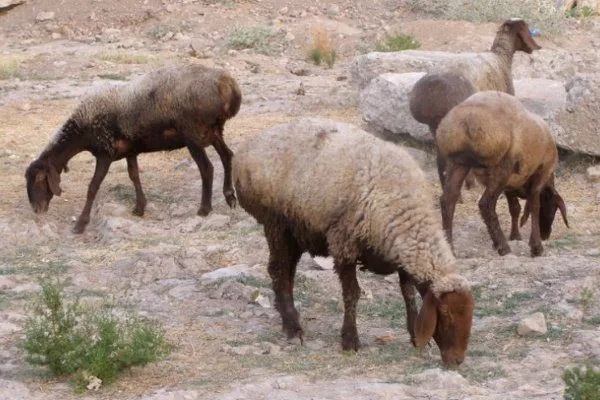
Kalmyk
Kalmyk cattle are tall, have large bones, well-developed muscles, and coarse wool. They pasture year-round, making them hardy and active. The meat of this breed is prized only when young, as it develops a greasy aroma and flavor as it ages. An adult male weighs approximately 100 kilograms, and a female 75 kilograms. A lamb weighs 40 kilograms at four months of age.
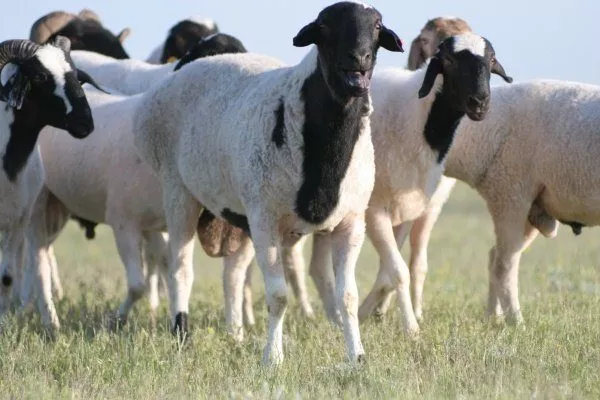
Advantages and disadvantages of meat breeds of sheep
Meat breeds of sheep have their pros and cons, let's start with the positive side:
- Meat breeds of sheep have a large amount of meat and fat.
- They can graze in the open air all year round.
- They are resistant to sudden temperature changes and feel good both in summer and winter.
- Even if the diet is meager, the sheep will still have a lot of fat and meat.
- They are unpretentious in maintenance, accustomed to any food.
Now about the downsides:
- Some breeds have either no hair at all or very little.
- Kalmyk lamb meat is only valued when young; if the lamb is allowed to grow, the meat will be tough and have a fatty smell.
Meat sheep are raised both on farms and at home to produce tasty, fresh, and juicy meat. Meat breeds are easy to maintain and are known for their high fertility and meat yield. There are actually a wide variety of meat breeds available; all you need to do is choose.