
Emperor dill is a late-season bush variety bred in Russia, prized by gardeners for its late stem formation, rapid foliage growth, and excellent flavor. This dill is ideal for home gardens and can also be grown commercially for sale.
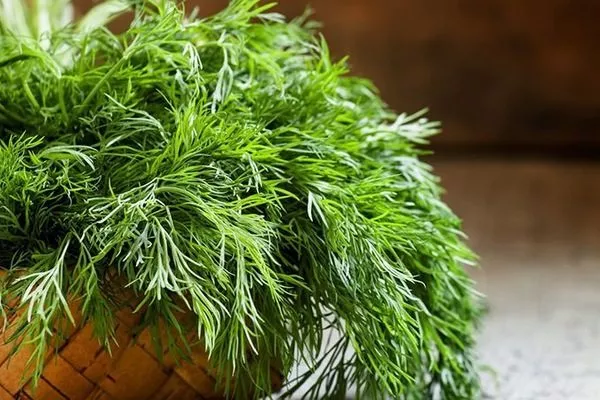
Description of dill Emperor
The plant is compact and bushy. The foliage is dense. The leaves are dark green, covered with a light waxy coating, and arranged in a basal rosette. The leaves are long, moderately dissected, and the segments are medium in length and width, flattened and filiform.
The plant's stem is dark green without a blue tint. It is medium in length and diameter. It has a medium-thick waxy coating.
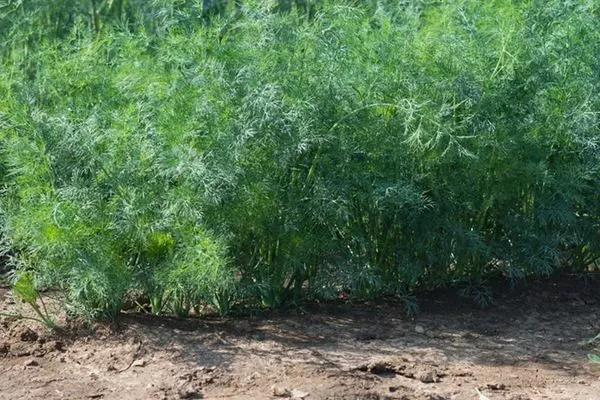
During the flowering phase, the plant reaches 100-115 cm. The average weight of the plant when harvested for greens is 25 g, for spices - 50-55 g.
Who and when developed the Emperor variety?
The Emperor variety was developed by breeders from the Poisk Agroholding. Authors: S.V. Maksimov, N.N. Klimenko, A.N. Kostenko, O.A. Elizarov.
You can find out about other varieties of green crops that are recognized by domestic gardeners as the best. Here.
Characteristics
Dill Emperor is a late-ripening variety. It takes 55 to 60 days from emergence to technical maturity and harvesting for greens. Dill for spice is harvested in 75 to 80 days.
Commercial yield of dill Emperor:
- for greens - 3–3.3 kg/sq.m
- for spices - 4 kg/sq.m.
The Emperor variety is suitable for cultivation in all regions of the country.
Taste and application
The herb has a pleasant, refreshing flavor—spicy and without bitterness. It can be used in salads and other dishes. Dill leaves are very aromatic, rich in essential oils, and can be added to soups, main courses, and various fillings.
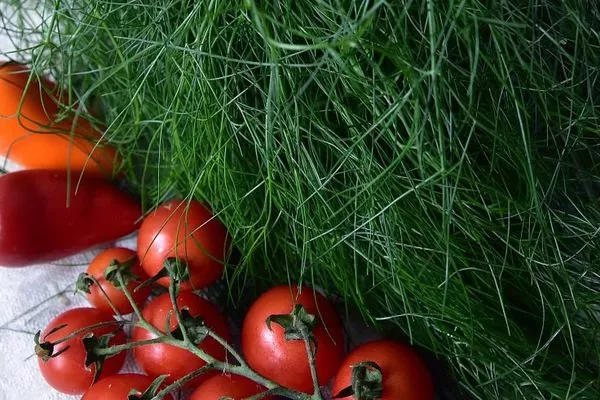
Emperor dill is an excellent seasoning for meat and fish dishes. Chopped dill can also be used to garnish baked goods. It can be eaten fresh, dried, frozen, or added to pickles and preserves.
Pros and cons
The Emperor dill deserves its impressive name for a reason; it truly deserves the attention of even the most discerning gardeners. It seems as if this variety is nothing but a treasure trove of virtues.
Pros:
No defects have been found with the Emperor dill. Gardeners only complain about seed germination, but this may be a matter of individual manufacturer liability.
Landing
Emperor dill is usually grown by direct seeding. To ensure a good harvest, it's important to sow it correctly, and most importantly, at the right time.
Seed preparation
Dill seeds are coated with essential oils, which slow down germination. Therefore, it is recommended to soak them before sowing to speed up the process.
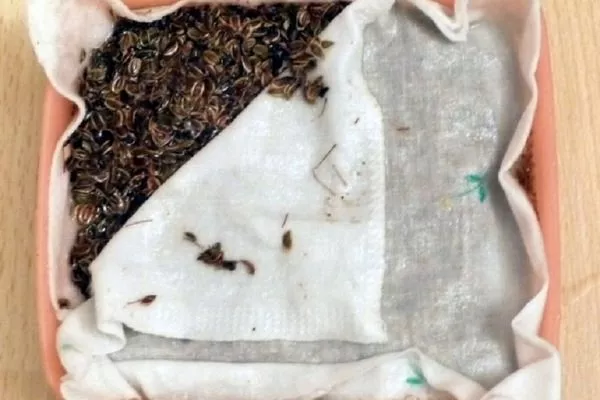
Dill seeds can be soaked:
- In ordinary water. It should be initially warm—around 50°C. Soaking time is 24 hours. Warm water softens the seed coat, facilitating germination.
- In 40% alcohol solution. The seeds are soaked, for example, in vodka for 15-20 minutes. Alcohol quickly dissolves essential oils and also disinfects the seeds. After this treatment, the planting material is rinsed under running water and dried.
- In a 3% solution of hydrogen peroxide. Soak for 20 minutes. This process removes essential oils and stimulates germination.
Planting dates
Dill is sown when the risk of frost has passed or at least become minimal, as the crop does not tolerate temperatures below freezing. By the time of sowing, the soil should warm to 10–15°C—this can be verified using a special soil thermometer.
The planting time for Emperor dill depends on specific climatic conditions:
- In central Russia, dill is sown no earlier than mid-April, and preferably in late April or early May.
- In the south of the country, dill is sown much earlier – at the beginning of April or even at the end of March, if the weather is favorable.
- In Siberia and the Urals, dill can be sown from the end of May.
Selecting a site
Emperor dill grows well in full sun or partial shade. It's recommended to plant it on a south- or east-facing site. If the plants don't receive enough light, they will stretch, wilt, and wither, and yield will decline.
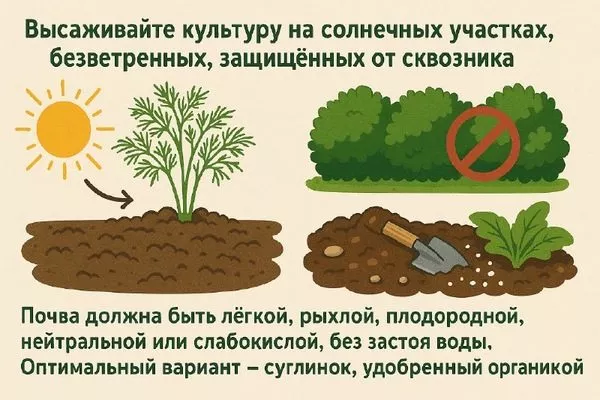
The best soils for dill are light, loose, and fertile. Heavy clay soils are poorly suited for water and air permeability. Dill also grows poorly in very light and dry sandy soils, which cannot retain moisture and nutrients.
The ideal soil for Emperor dill is light, fertile loam rich in organic matter. It's breathable yet retains moisture well. The optimal pH for dill is 6.5–7.0; soils should be slightly acidic or neutral.
Favorable neighbors for dill:
- carrot;
- parsley;
- onion;
- salad;
- radish.
Soil preparation
Don't sow dill in unprepared soil. If you simply plant the seeds in the soil, it can dry out quickly. A hard crust will form, preventing the sprouts from breaking through.
Features of soil preparation for sowing Emperor dill:
- It's best to prepare the plot in the fall. Add 10 liters of organic matter—rotted manure or compost—during digging.
- In spring, a complex mineral fertilizer containing all the essential elements—nitrogen, phosphorus, and potassium (NPK)—is added to the soil. 50 g of this fertilizer per square meter is sufficient; for example, you can add diammophoska, azofoska (nitroammophoska), etc.
- If the soil pH is outside the range favorable for dill, it needs to be adjusted. If the soil is excessively acidic, add dolomite flour or wood ash.
If soil deacidification wasn't successful in the fall, sifted ash or chalk can be added directly before sowing, into the planting furrows. If the soil is slightly acidic (alkaline), adding undiluted (high-moor) peat is recommended.
Sowing in the ground
Before sowing dill, level the soil with a rake and then form furrows. Water for irrigation should also be prepared in advance; it should be warm and settled.
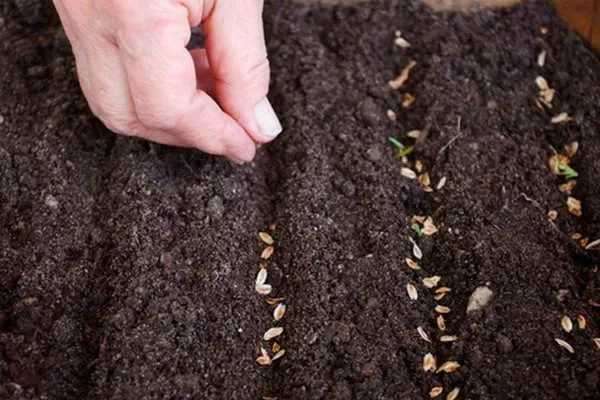
Features of sowing dill Emperor:
- The depth of the furrows is 1-1.5 cm. The distance between rows is about 20 cm.
- If the soil is dry, water the furrows. Seeding begins once the water has been completely absorbed. Space adjacent seeds 10 cm apart. The seeding rate is 15-20 g per square meter.
- Cover the seeds with soil and compact it lightly. Humus or compost can be used instead of soil. If the soil (compost or humus) is dry, water the plantings again.
- It's recommended to cover the crops with plastic film at first to create greenhouse conditions and speed up germination. Once germination occurs, the cover is removed immediately.
Growing in a greenhouse
Emperor dill can be grown in a greenhouse, but certain conditions must be created. The optimal growth temperature is 18 to 22°C. Higher temperatures increase the risk of bolting, which significantly impacts the quality of the greens.
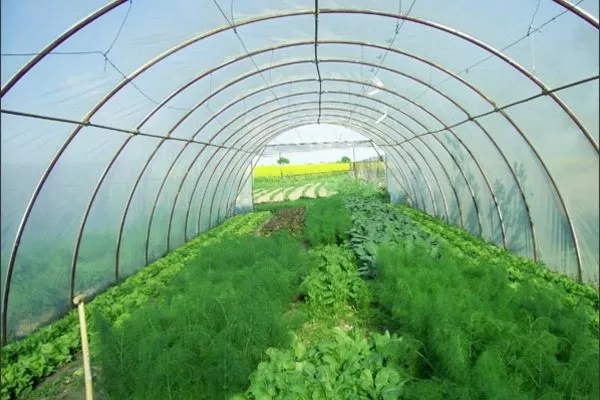
The optimal humidity for dill in a greenhouse is 50-65%. In greenhouse conditions, it's especially important to monitor the soil. Water the dill lightly every 3-4 days, avoiding overwatering. Sprinkle the dill several times a week.
Dill is grown in greenhouses in winter, provided the soil doesn't freeze during the cold months. Otherwise, the seeds are sown in deep boxes filled with soil and pierced for drainage.
You can grow the Emperor greens at home on your windowsill. Learn how to do it right. Here.
Care
Emperor dill requires standard care, including watering, loosening, and other cultivation techniques. The quality and quantity of the resulting greens depend on regular and proper care.
Watering
Emperor dill requires regular watering. If it doesn't get enough moisture, its leaves become smaller and rough. Watering should be moderate; Emperor dill doesn't tolerate excess water well.
Watering features:
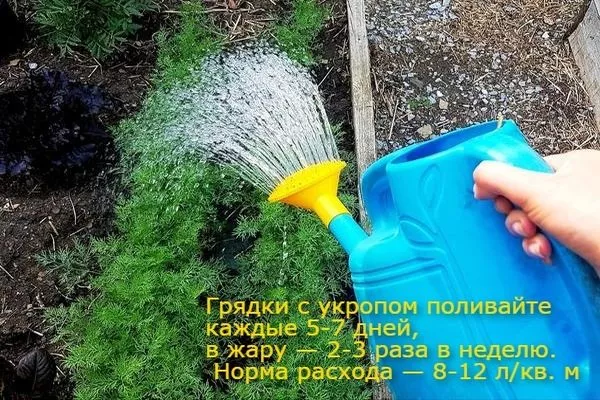
- In normal weather, dill beds are watered every 5-7 days; in hot weather, 2-3 times a week. If the heat is accompanied by drought, dill needs to be watered every day, or even twice a day.
- The recommended watering rate for dill is 8-12 liters. In hot weather, the water consumption should be approximately doubled, as moisture is absorbed and evaporates very quickly in such conditions.
- If it's hot, the best time to water is early morning or evening after sunset. Watering dill in the scorching sun is not recommended, as it can burn the plants. In cool weather, it's best to water dill in the morning and afternoon to allow the soil to dry before evening.
- For watering, use settled and sun-warmed water or rainwater.
- Water when the top 2-3 cm of soil has dried out. Overwatering can cause water stagnation, which leads to root rot.
Thinning
Emperor dill is characterized by late flower formation and requires thinning. If the plants don't have enough space to grow and develop, they will be weakened and susceptible to disease. Thinning also ensures adequate ventilation, which increases the risk of disease.
The first thinning of dill is carried out 15-20 days after emergence. Space adjacent plants 10-15 cm apart. If the plantings are very dense, a second thinning may be necessary, 5-7 days later. During thinning, the weakest plants are pulled out. Afterward, the beds are loosened.
Loosening
To enrich the soil with the oxygen needed by plants, the spaces between the rows are regularly loosened. The first loosening is done when the seedlings emerge. The optimal depth is 5-7 cm. Subsequently, the soil is loosened to a depth of 8-12 cm.
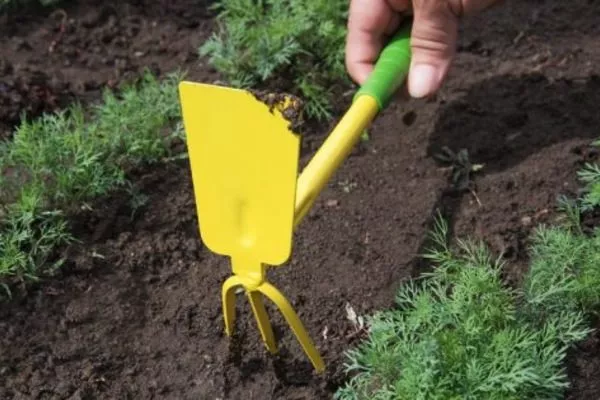
Loosen the soil after watering or rain to prevent crust formation and at the same time weed out any growing weeds.
Top dressing
To obtain a good harvest, Emperor dill requires fertilizing. A combination of mineral and organic fertilizers is recommended. The optimal balance of nitrogen, phosphorus, and potassium in complex fertilizers is 2:1:2.
A total of three fertilizing sessions are carried out: one during digging, a second in the spring, during bed preparation, and only a third during the growing season, and only then as needed if a nutrient deficiency is observed. You can find more details about fertilizing dill in the garden. Here.
Fighting diseases
Emperor dill has excellent immunity, but the risk of damage increases under unfavorable growing conditions. Good agricultural practices and crop rotation can help prevent diseases such as phoma, verticillium wilt, powdery mildew, and others.
If disease symptoms appear, it is recommended to reduce the frequency and volume of watering and treat the soil with potassium permanganate. Treat the plants with fungicides, such as Fitosporin or Baktofit. For more information on dill diseases and how to treat them, read on. Here.
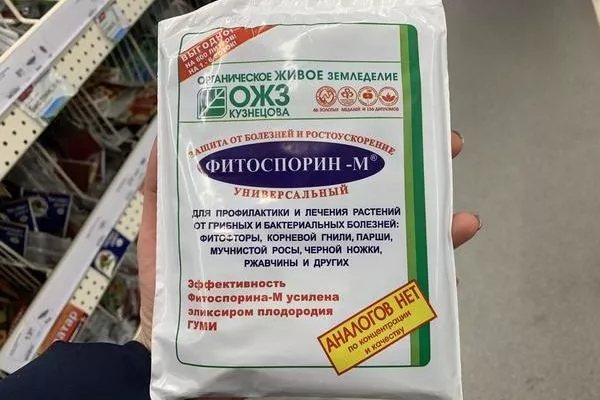
After spraying, carefully loosen the top layer of soil, trying not to damage the roots.
Pest control
Dill 'Imperator' is not prone to pests, but can be affected by them during widespread pest infestations. The most common pests are umbrella aphids, dill moths, and carrot flies. Dill can also be susceptible to psyllids, thrips, parasol beetles, and various caterpillars.
To combat pests, you can use folk remedies such as soap or wood ash solutions, herbal infusions and decoctions, and vinegar. For severe infestations, you can use biological products such as Fitoverm, Iskra Bio, Bitoxibacillin, Entobacterin, and others.
Harvesting
Dill is harvested at different stages of growth. For greens, it's harvested 30-35 days after germination, and for spices, 75-80 days later. When harvesting greens, the leaves are picked gradually as they grow. It's best to harvest in the morning, when dew is still on the plants; this will produce fresher and more flavorful greens.
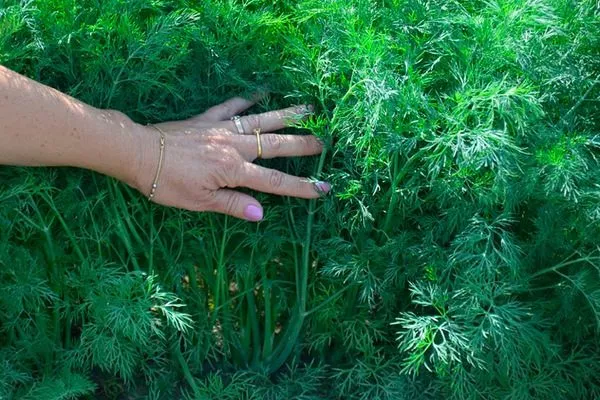
Dill is harvested for spice when the leaf rosette reaches 20-25 cm. Three to four large leaves are broken off from each plant and tied into bundles. It's important not to cut too much from a single plant, otherwise its growth may be stunted.
Reviews
Emperor dill is an excellent choice for gardeners who prefer compact, bushy varieties. By planting this dill in your garden, you're guaranteed to get luxurious, tender, and aromatic greens suitable for a wide variety of purposes.