
Spinach is an annual plant from the Amaranthaceae or Pigweed family, which has become increasingly popular among healthy eaters. It's easy to care for, tolerates light frosts, and yields up to 3 kg of greens per square meter. However, the exact qualities depend on the specific variety, of which several dozen have been developed. Read on to find out what these varieties are.
Fast-ripening varieties
To get the earliest spinach harvest, gardeners choose early-ripening varieties. If you sow these seeds in mid-August and cover them with a covering material, you'll see sprouts and small rosettes appearing as early as September. On average, early spinach can be harvested 18-30 days after planting. It's worth noting that many varieties are also suitable for winter sowing. These are listed below.
| Name | Ripening period (days) | Yield (kg/m2) | Frost resistance |
|---|---|---|---|
| Gigantic | 30-35 | 3 | High |
| Stoic | 6:30 PM | 2-3 | Average |
| Rook | 15-28 | 2.5 | High |
| Marquise | 35 | 3 | Average |
| Round dance | 15-28 | 3 | High |
| Puma | 30-40 | 2.5 | High |
| Dolphin F1 | 20-40 | 3 | High |
Gigantic
This is one of the most popular early varieties in Russia. The leaves can be harvested for consumption 30-35 days after planting, but the first rosettes form as early as 15-28 days. The fleshy leaves are elongated and up to 45-50 cm in diameter.
For those who want to preserve spinach leaves for the winter, this variety is the best choice, since even when canned, it retains its vitamins well and does not change its taste.
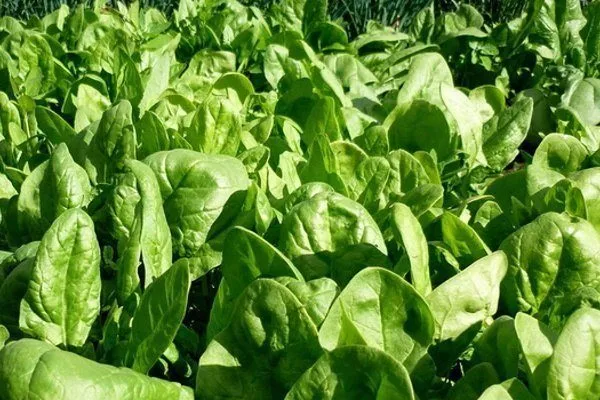
Giant spinach easily tolerates frost and sudden temperature changes, so it is suitable for sowing in early spring and autumn.
Stoic
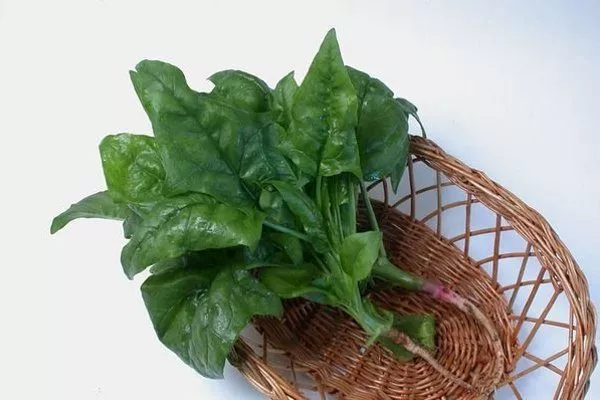
This variety thrives in temperate climates and tolerates light frosts, but it requires watering and light. Therefore, it can only be grown on a windowsill with a special grow light. Stoik is prized for its high yield, yielding 2-3 kg per square meter.
Rook
Sowing is permitted at the end of April. Leaf harvesting can begin as early as 15 days after germination, but full ripening occurs by the 28th day. A beautiful, lush rosette develops. The leaves are dark green, smooth, and slightly upward-facing. They are suitable for freezing. One plant weighs approximately 38 g.
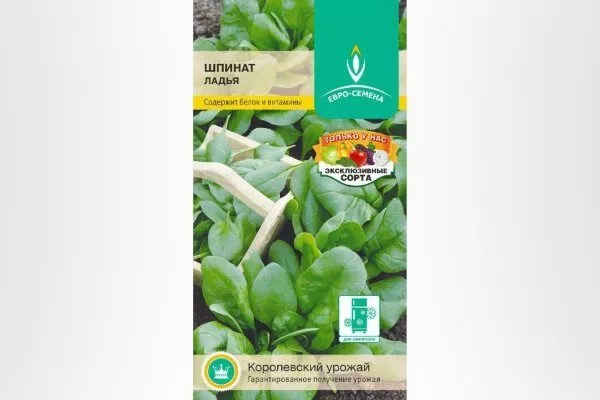
The variety is good because it is resistant to bolting and tolerates frost well.
Marquise
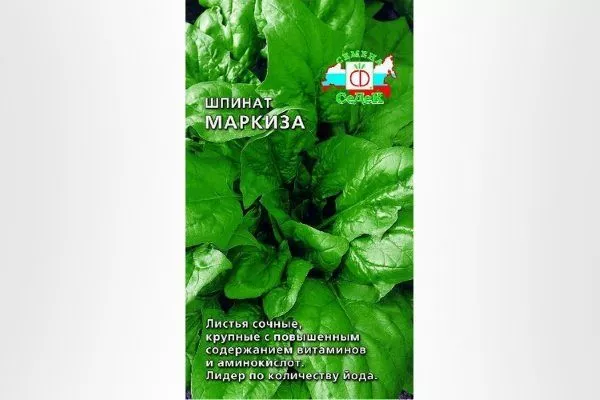
This variety germinates and ripens quickly, but fruiting lasts a long time. The growing season is 35 days. Marquise is versatile and can be grown both in greenhouses and open ground. Sow the seeds in May, but can also be done in August.
The plant's leaves are slightly wavy and oval. They contain numerous vitamins and beneficial microelements, which are preserved even when canned, cooked, or frozen for the winter.
Round dance
This variety is attractive for its abundant green growth—a single plant can produce up to 15 leaves. They reach a height of 19 cm and a diameter of 15 cm. The leaves are eaten fresh and frozen.
Khorovod easily tolerates low temperatures, but it will not be possible to obtain crisp and juicy greens without timely watering and exposure to ultraviolet radiation.

To ensure a consistent harvest of spinach, it is recommended to sow seeds at 2-week intervals.
Puma
This variety thrives in summer. It's recommended to sow its seeds in June. The harvest can continue until the end of September. The succulent leaves grow round, have short petioles, and are beautifully colored. Both the leaves and roots are edible.
Puma is considered resistant to bolting and also has strong immunity to mildew-causing diseases. It can be grown as "root spinach."
Dolphin F1
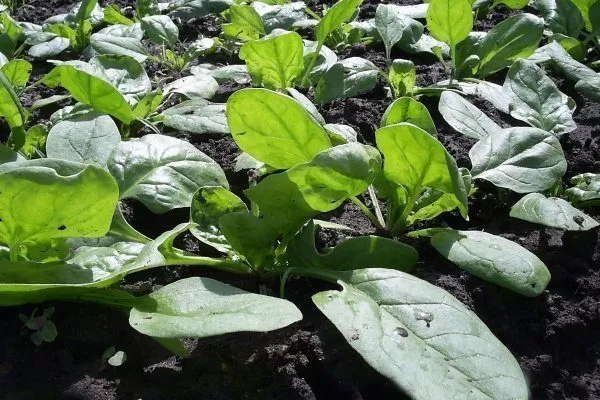
The hybrid variety Dolphin has large, dark green, glossy leaves that are pointed at the tips and slightly upward. It can be grown outdoors. It tolerates sudden weather changes and low temperatures well and is not damaged by light frosts. It ripens fully in 40 days, but the first harvest is recommended as early as 20 days.
Mid-season varieties and hybrids
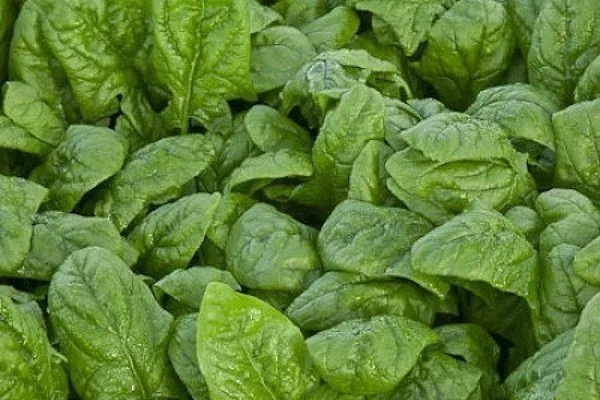
These varieties are ready to eat in just 30-60 days. If you want to enjoy spinach leaves regularly, it's recommended to plant early varieties at the same time as mid-season varieties.
To speed up the germination of mid-season spinach, gardeners recommend soaking the seeds in a weak solution of potassium permanganate for 1-2 days before sowing.
| Name | Ripening period (days) | Yield (kg/m2) | Frost resistance |
|---|---|---|---|
| Bloomsdelsky | 30-60 | 3 | High |
| Rembor | 58 | 2.5 | Average |
| Strongman | 20-40 | 3 | High |
| Fat-leaved | 30 | 3 | High |
| Matador | 30-50 | 3 | High |
| Mariska | 9:30 PM | 2.5 | High |
Bloomsdelsky
This hybrid variety was developed by Dutch breeders. It is prized by gardeners for its resistance to bolting. It is also considered easy to grow, easily tolerating weather extremes such as heavy rains and spring frosts.
The rosettes are large, reaching 25 cm in diameter. The leaves themselves are juicy and fleshy, dark green with subtle light green spots.
Rembor
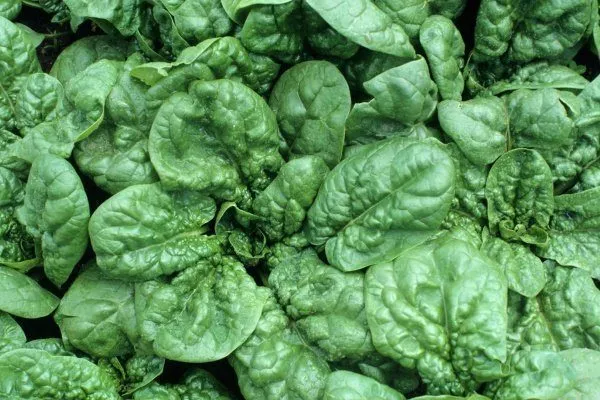
This variety is valued for its tolerance of short-term frosts and resistance to leaf-fall. The growing season is 58 days. The plant has a lush appearance and grows up to 17 cm in height. The fleshy leaves are rounded, slightly elongated, and dark green with a slight sheen. Their tips are slightly raised.
Strongman
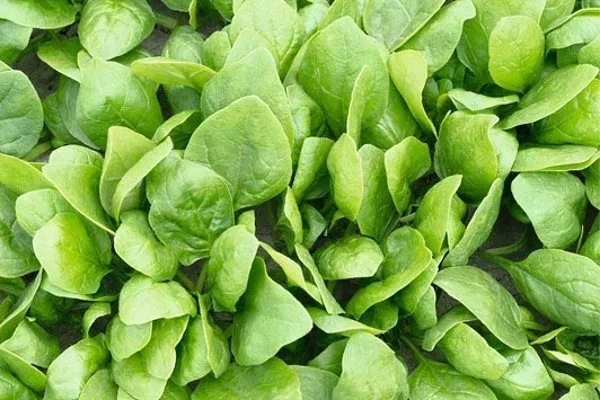
Gardeners love it because it produces large harvests regardless of weather conditions. Its growing season lasts from 20 to 40 days. The rosette is quite compact, measuring about 23-25 cm in diameter. The leaves are slightly raised, oval-shaped, and very smooth with bubbles.
This spinach variety requires ample watering to keep the leaves plump. The plant has a genetically built-in immunity to rot and mold. It thrives after fertilizing with nitrogen fertilizer.
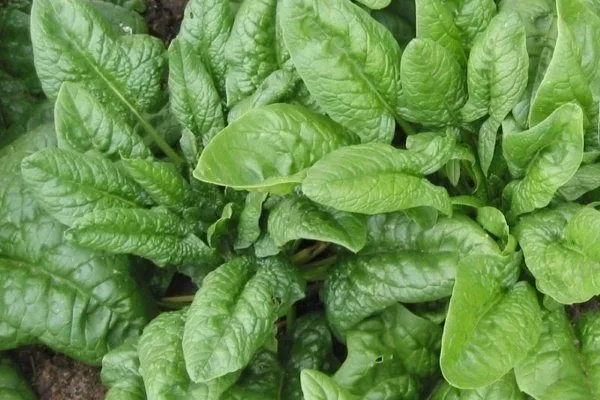
Fat-leaved
This mid-season variety is popular among gardeners due to its high yield, producing 3 kg of greens per square meter. Its growing season is short, about 30 days.
The plant is easy to care for, adapting readily to a variety of climates and weather conditions. The rosette is quite lush, reaching 25-28 cm. The leaves are smooth to the touch and a rich green color.
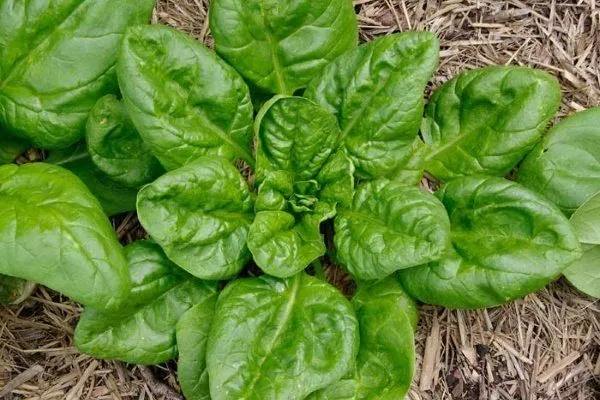
Matador
This variety was developed by Czech breeders. The growing season lasts from 30 to 50 days. The rosette is lush, reaching a diameter of approximately 25-28 cm. The fleshy leaves are oval, smooth, and grayish-green.
The plant has strong immunity to most infections.
Matador thrives in moist soil and can even grow in water for a while, but it absolutely cannot tolerate dry weather, so timely watering is essential. It tolerates slight temperature drops well and is resistant to bolting.
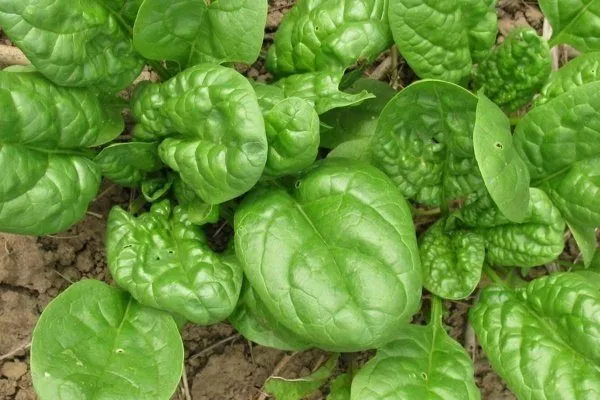
Mariska
This variety is popular because it's easy to grow. It tolerates frost well thanks to its high frost resistance and has excellent immunity to many infections. The growing season lasts 21 to 30 days. The leaves are tender, yet large and juicy. They can be eaten dried or frozen.
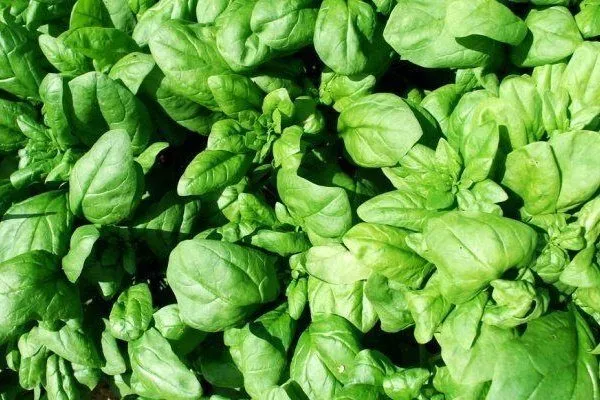
Late-ripening varieties and hybrids
Late-season varieties are recommended for sowing in mid-August. They produce very juicy and crisp foliage, as the days become shorter and the weather cooler in late summer. Rainfall is also more frequent. Therefore, the plant devotes more energy to leaf formation rather than fruit ripening, resulting in a larger harvest. Popular varieties in this group are listed below.
| Name | Ripening period (days) | Yield (kg/m2) | Frost resistance |
|---|---|---|---|
| Victoria | 20-40 | 3 | High |
| Korenta F1 | 40-60 | 3 | High |
| Varangian | 50-60 | 2.5 | High |
| Nikitos | 52-55 | 3 | High |
| Spokane F1 | 65 | 3 | High |
Victoria
This variety tolerates low temperatures well, so it can be grown outdoors from May to November. The resulting bushes are small, up to 20 cm in diameter. The growing season lasts from 20 to 40 days. This plant is resistant to mold and bolting and powdery mildew.
To ensure lush foliage, it's recommended to apply complex mineral fertilizers containing phosphorus, potassium, and nitrogen. Regular soil moistening is also essential.
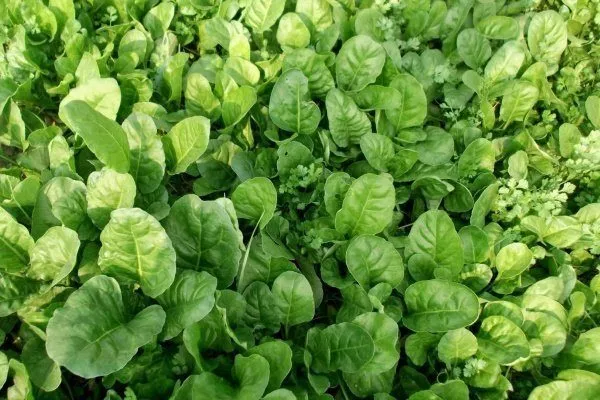
Korenta F1
The Korenta hybrid attracts vegetable growers with its large leaves and rosettes. They are glossy and dark green. This hybrid is best grown outdoors and is not suitable for greenhouses. It produces a bountiful harvest with timely watering and fertilizing.
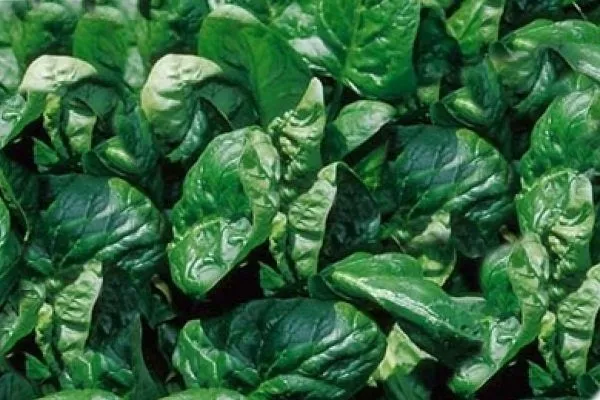
Sow seeds in April-August and harvest in May-August.
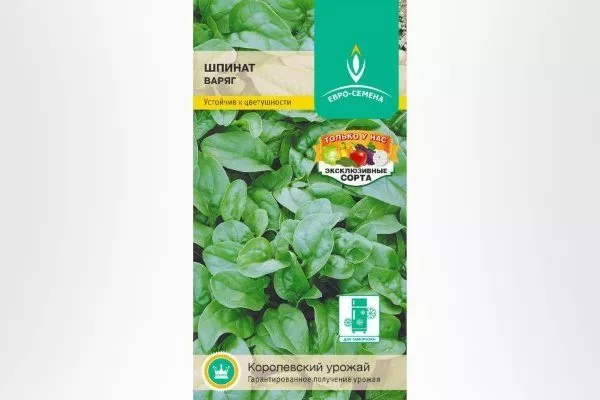
Varangian
This variety has a long maturation period of 50 to 60 days. The leaves are dark green, oval, and quite large. They are slightly arched and covered with bubbles. A single, raised rosette weighs approximately 50 g. This variety rarely bolts.
Nikitos
The variety is resistant to cold and flowering. The leaves will be ready for harvesting 52-55 days after sowing. The rosette appears tight and compact, with a diameter of approximately 25-30 cm. Each bush weighs from 42 g.
The leaves are slightly upward-facing and obovate. They are dark green, smooth, large, and elongated. They are suitable for fresh consumption and freezing.
Spokane F1
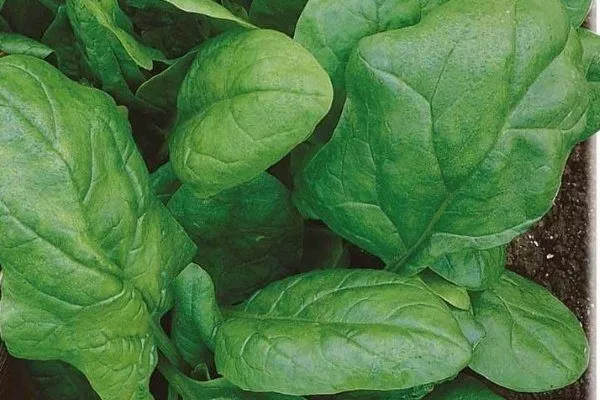
Spokane is considered one of the best late-season spinach hybrids. It appeals to gardeners because it can grow and produce large yields even under unfavorable conditions. Its growing season is 65 days.
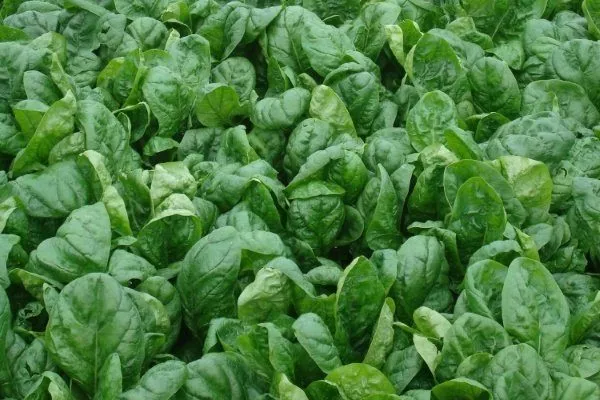
Spokane is considered the best commercial hybrid because it produces record amounts of fruit.
The plant rarely gets sick, as it has strong immunity to mold, fungi, and viruses. It is almost immune to pests, but does not tolerate untimely watering and insufficient light. The finely fibrous leaves have a slightly wrinkled surface and corrugated edges.
The best varieties for growing in the middle zone
Many varieties of spinach thrive in temperate climates in the central zone. These include:
- Victoria;
- Stoic;
- Virofle;
- Bloomsdelsky;
- Gigantic;
- Fat-leaved;
- Matador;
- Strongman.
Of course, you can try to grow other varieties.
| Name | Ripening period (days) | Yield (kg/m2) | Frost resistance |
|---|---|---|---|
| New Zealand (Tetragonia) | 25-30 | 2.5 | Average |
| Godry | 6:30 PM | 3 | High |
| Rumex | 30-40 | 3 | High |
| Strawberry (zhminda) | 30-45 | 2.5 | High |
New Zealand (Tetragonia)
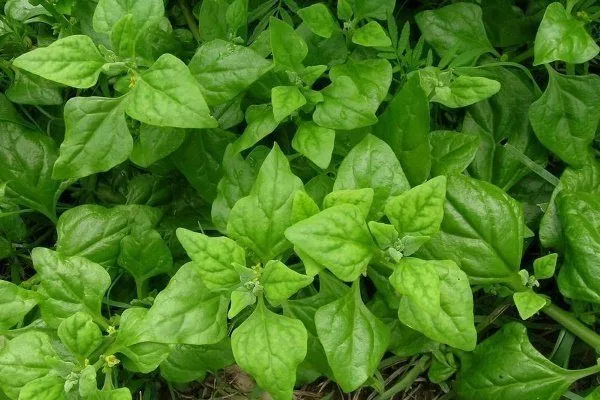
This mid-season variety belongs to the Crystal family. The bush grows up to 1 m, and its rich green leaves trail along the ground. They are thick and fleshy, resembling triangles with serrated edges.
The seeds have a good germination rate, but the variety is extremely demanding of light and frequent watering. Germination occurs in 20 days. Seedlings are considered the most successful method for growing. This New Zealand variety produces multiple crops, and pruning can be done after 25-30 days.
Godry
An early variety for growing in greenhouses, hothouses, and hotbeds. It can also be successfully grown outdoors from early May to late August. It tolerates light frosts well. Godry rosettes form 18 to 30 days after germination. They are quite dense but compact, reaching approximately 23 cm in diameter. The leaves are ovate and green.
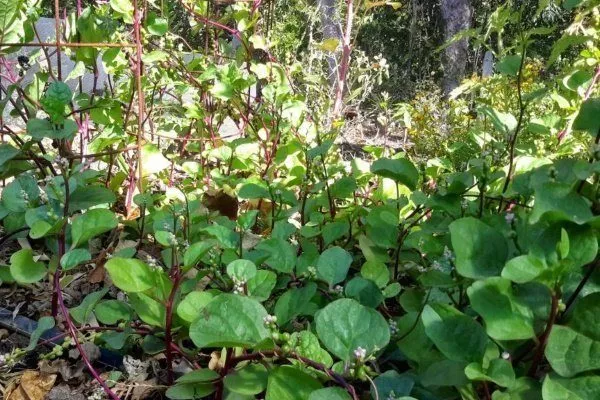
When cultivating this variety, care must be taken as it tends to bloom early.
Rumex
This variety was created by crossing spinach with sorrel, hence its other names: "shavnat" or "heroic vegetable." It is a perennial crop that tolerates frosty winters well and is characterized by rapid foliage growth.
This variety is good not only for humans but also for domestic animals and birds (chickens, geese, rabbits, ducks), as it is rich in nutrients. When fertilized with nitrogen, like bamboo, it can reach almost 2 meters in height, so it is fed to cattle and pigs. The leaves are large, juicy, and have a slightly tart taste.
Strawberry (zhminda)
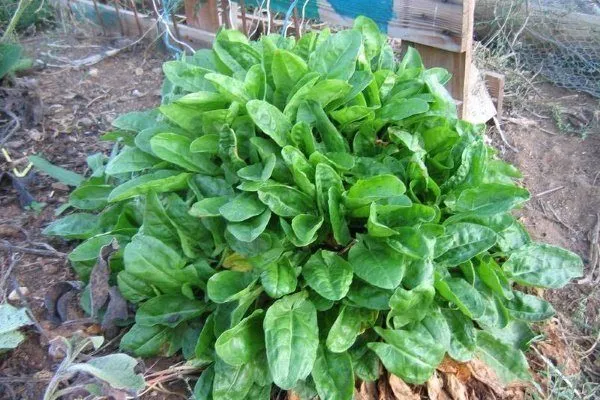
This variety of spinach attracts gardeners because of its strong root system (even roots that remain overwinter can produce new shoots). The plant is somewhat similar to strawberries, hence its name. It requires growing in open, sunny beds. The leaves grow with small teeth along the edges.
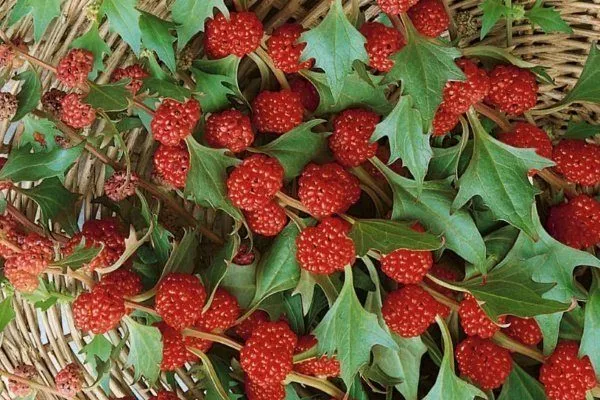
The berries are edible and have a sickly sweet taste.
The best varieties for growing indoors
Many gardeners grow spinach in greenhouses to produce early greens with a tender, juicy flavor. Sowing begins in the fall, around September, and in the spring, as soon as the soil warms, green rosettes will appear. It's best to grow plants specifically designed for greenhouses. We'll discuss them below.
| Name | Ripening period (days) | Yield (kg/m2) | Frost resistance |
|---|---|---|---|
| Boss | 28 | 3 | High |
| Boa | 45 | 2.5 | High |
| Virofle | 30 | 3 | High |
| Chef Misha | 12 | 3 | High |
Boss
An early-ripening variety that matures in 28 days. The rosette can reach a diameter of up to 60 cm and a height of up to 20 cm. The leaves are dark green, reaching 16-17 cm in length and up to 11 cm in width. Blisters form on the leaf blade. It is considered resistant to bolting and flower budding.
Boa
A hybrid variety that closely resembles sorrel. It has similarly shaped leaves but differs in its short petioles. It grows rapidly, reaching full maturity in 45 days. The leaves are smooth, emerald green, and perfectly oval.
Boa can germinate at temperatures as low as 4°C, as it tolerates frosts down to 6°C. The optimal growing temperature is 15°C. It should be planted in early spring, as the plant bolts as the days lengthen.
Virofle
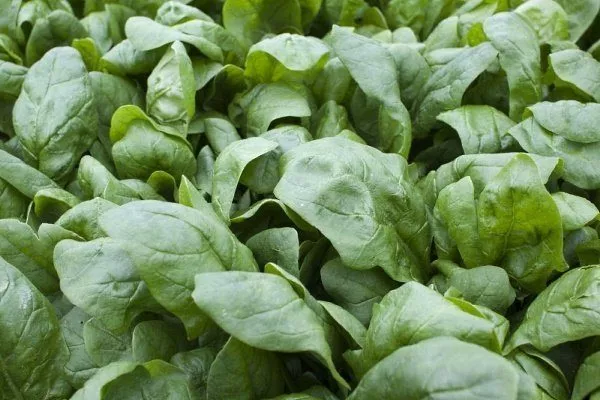
An early-ripening variety that impresses with its rapid germination and vigorous growth. It's considered easy to grow, as the seeds germinate well both in a greenhouse and in the open ground, even at lower temperatures and with limited ultraviolet radiation. With proper care, the plant grows succulent and lush, reaching a diameter of approximately 30 cm.
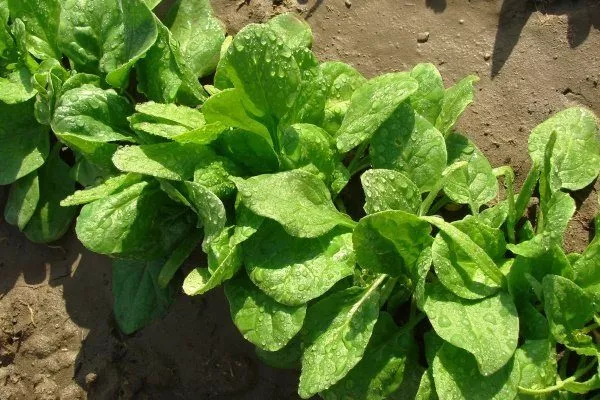
It's best to cut the leaves as quickly as possible, as the plant quickly develops stalks and begins to bloom. For this reason, it's best to sow Virofle in early spring.
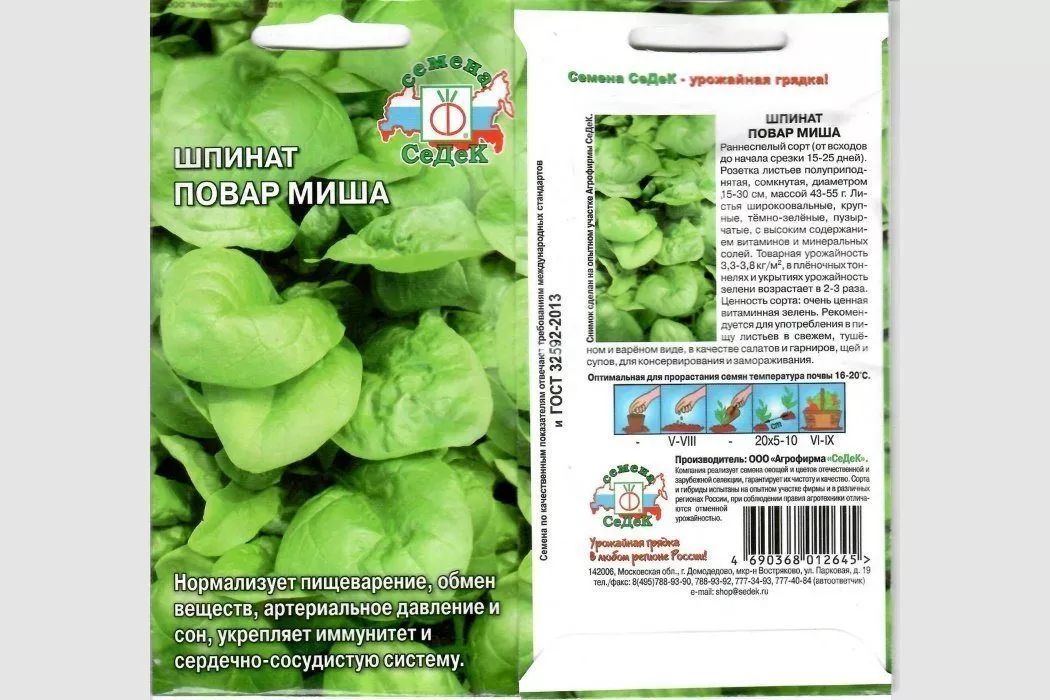
Chef Misha
This is an early-ripening crop—greens can be harvested as early as 12 days. The leaves are rich green, smooth, and wide. It's especially good for growing indoors, as greenhouse conditions significantly increase yields.
Breeders have developed numerous varieties of spinach, each with distinct appearance, flavor, and ripening time. By reviewing the descriptions of the various varieties, you can choose the right one for growing in your own garden or even at home on the windowsill.