
To ensure potatoes grow well and yield a bountiful harvest, it's important to calculate the right time to plant them outdoors. The health of the roots depends on accurate calculations, as planting at the wrong time can lead to delayed germination and development. Let's explore the reasons for this and when exactly to plant this most popular vegetable crop.
The influence of planting period on yield
Although potatoes are unpretentious, not every period is suitable for planting their tubers, as there are the following risks:
- Planting too early in unheated soil risks freezing the tubers, which will delay germination. This will stunt the plant's development, affecting its health and yield.
- Late planting can also prevent root crops from sprouting on time due to moisture deficiency. This is because the water that saturated the soil during the snowmelt has already evaporated by the time the potatoes are planted. Furthermore, with late planting, there's a high risk that the tubers will be damaged by the first autumn frosts.
- Potatoes can be killed by fungal diseases if the soil is too moist. The planting material is also vulnerable to rot.
- Planting on days when the soil is too dry can lead to reduced yields.
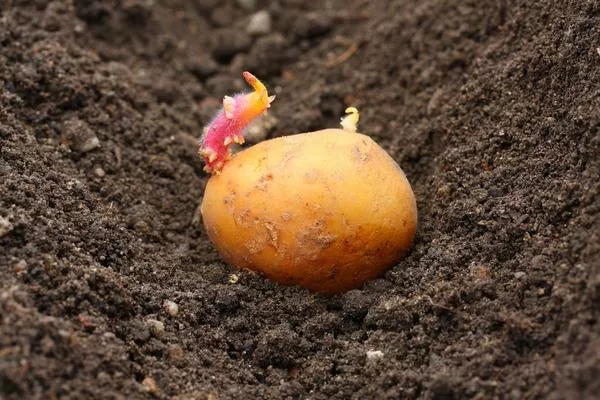
Considering all the risks, it becomes clear why it's important to calculate favorable days for planting seedlings. Both the lunar calendar and folk omens can help with this.
When to plant according to the lunar calendar?
Plants and many living organisms depend on the phases of the moon. Potatoes are no exception. Even experienced gardeners take this into account, as years of observing the crop's behavior have revealed how each lunar phase affects sowing:
- Waxing MoonThey promote the active development of plants planted during this period, so they become stocky and strong.
- Waning MoonOn the contrary, it "sucks" all the energy out of the cutting and shoot. Potatoes planted during this period may not sprout at all. If the seed is of good quality, it may sprout, but you won't see any fruit.
- New Moon and Full Moon Phases. Unfavorable for planting potatoes, since crops planted at this time do not produce a good harvest.
In addition to the lunar phases, the lunar transit through various zodiac signs also influences crop germination and yield. The most favorable days are considered to be those when the moon transits:
- Cancer constellationRoot crops planted during this period are stored well.
- Signs of Taurus and AriesPlanting material planted during this period germinates quickly and is not susceptible to diseases and pests.
Taking these recommendations into account, each year one can determine the most suitable days according to the lunar calendar. This year, these are the following periods:
- March 27, 28 and 29;
- April 9, 18, 22, 27, 29;
- May 4, 7, 9, 19, 24, 31;
- June 1, 6, 7, 15, 16;
- July 15, 18, 19.
| Moon phase | Recommended works | Prohibited actions |
|---|---|---|
| Growing | Planting early varieties | Herbicide treatment |
| Waning | Fertilization | Planting of any varieties |
| Full moon | Loosening the soil | Picking seedlings |
| New moon | Weed removal | Watering |
Working on the plot during the summer months is only possible if early-ripening potato varieties are planted in open ground.
What should the climate be like?
The temperature of the top layer of soil (about 10 cm deep) should be at least +8°C. When the soil warms to this level, it means that severe frosts have passed, which could negatively affect germination.
Soil warms up at different times in different regions, so planting often occurs at different times. Furthermore, weather instability affects soil ripening. This factor should also be taken into account when determining planting times.
Typically, the time for planting seeds falls between the second ten days of April and the third ten days of May. However, depending on the variety and weather conditions, the timeframe can vary from two weeks to a month.
Control measurements before landing
- Measure the soil temperature at a depth of 10 cm in the morning for 3 days
- Check the moisture: squeeze the soil in your fist – the lump should crumble
- Make sure there is no frost forecast for 7-10 days
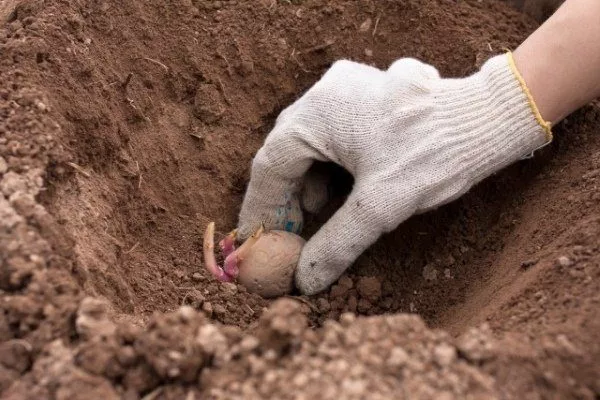
To roughly determine when the final warming will occur and true spring will arrive, it is worth following the weather forecast for several days in advance.
When to plant in different regions?
Since soil warming varies across different regions, planting dates vary. Let's find out when to plant potatoes in different climate zones below.
In the Moscow region
For the Moscow region, preparatory work begins as early as the 20th of March. This is when the tubers begin sprouting. The air temperature should be between 20 and 24°C. After the sprouts emerge, the seeds are moved to a cool room to harden off.
For the Moscow region, the best dates for planting potatoes in open ground are considered to be May 8-17.
Many inexperienced gardeners begin planting early varieties at the end of April, but since the Moscow region is prone to recurrent frosts, it is still recommended to adhere to the specified planting dates.
Read more about growing potatoes in the Moscow region. here.
In Primorsky Krai
The optimal times to begin spring field work in this region are considered to be:
- end of the first ten days of April - in the western and coastal regions;
- the second half of April - in the central regions.
Thus, in the fields of the western regions, planting potatoes will be possible as early as the third ten-day period of April, and in the central regions and on the coast – only at the beginning of May.
In the South
Southern Russia is an excellent region for growing potatoes, as it offers all the conditions for a bountiful harvest. In southern cities, potatoes can be planted as early as the first half of spring: from late March to mid-April. By this time, there's no need to worry about frost returning, and soil temperatures are perfect for planting.
In the Volgograd region, planting takes place in late April-early May, and in the Krasnodar region - from the very beginning of May.
In the Urals
Late ground frosts are common in this region, sometimes even occurring in June. Therefore, there's no point in planting potatoes early, as they'll begin sprouting just before the next frost.
Based on optimal temperatures and weather conditions, root vegetables are planted in the Urals after June 10-12. This is the time when the optimal balance of temperature and soil moisture is observed.
In Siberia
Potato planting time in northern regions comes much later than in central Russia. For example, in western Siberia, planting can begin as early as early May, while in eastern regions, it's only two weeks later, in mid-May.
| Region | Optimal timing | Risks |
|---|---|---|
| Moscow region | May 8-17 | Return frosts until May 25 |
| Primorye | April 20 – May 5 | Overwatering of the soil |
| South of Russia | March 25 – April 15 | Early drought |
| Ural | June 10-25 | Cold dews |
| Siberia | May 15-30 | Night frosts |
In what month should seedlings be planted?
In some regions, planting early potatoes in open ground does not produce fruit, so gardeners resort to planting root crops as seedlings.
Potato seedlings are planted as early as late winter and early spring. This requires transplanting. In the southern republics, beds are laid out in open ground after the cold weather, while in the north, potatoes are planted in April, but in greenhouses. In the Moscow region, greenhouse work begins as early as February, allowing for an early potato harvest.
You shouldn't plant root vegetables as seedlings in open ground in the summer (for example, in mid-June), as they simply won't have time to bear fruit.
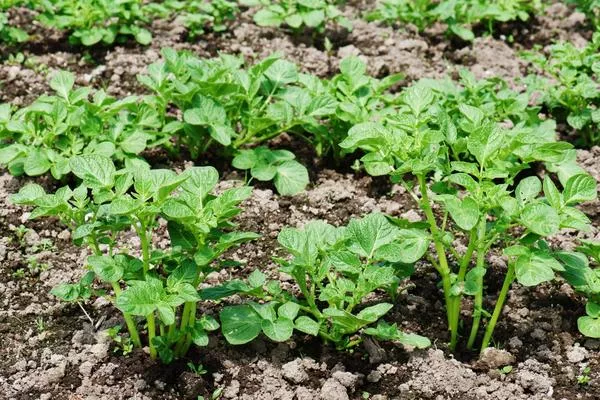
It's worth noting that potatoes can be grown from seedlings directly in the ground. In this case, the seeds should be sown in pre-prepared beds. Growing can begin in early April. Transplanting into the ground should then take place in June. The only exception is in the southern regions, where planting can take place in early May.
Folk omens
Years of gardening experience show that the lunar calendar and climate indicators alone can help determine optimal potato planting times. Folk omens are also considered a valuable tool, specifically:
- If the first leaves have appeared on the birch tree, the temperature is right for planting root vegetables. Other factors also indicate this: the bird cherry tree has blossomed, the dandelions are opening, and the elderberry has bloomed.
- The water in the reservoirs has warmed up to a comfortable temperature, and the birds are singing and mating—it's time to start planting potatoes.
- A month (30 days) after the coltsfoot begins to bloom, early potatoes can be planted.
- It is not recommended to plant potatoes on Saturday or Wednesday or during Palm Week, as the harvest will not be stored for long.
According to folk beliefs, if the soil under the shovel crumbles and doesn’t stick together, then the harvest will be rich!
So, planting dates are crucial, as only by following them will you achieve maximum yields and improve the quality of the resulting fruits. Experienced gardeners advise both following the lunar calendar and taking into account the climate conditions of your local area. Folk omens can help you ensure you've chosen the right planting dates.