
Irga The berry bush is a valuable berry bush that many gardeners grow for its tasty and healthy fruit. However, sometimes the plant doesn't produce a bountiful harvest or doesn't bear fruit at all, which causes concern and a desire to understand the cause. It's important to study the main factors that may be contributing to reduced fruit production, identify them, and address them.
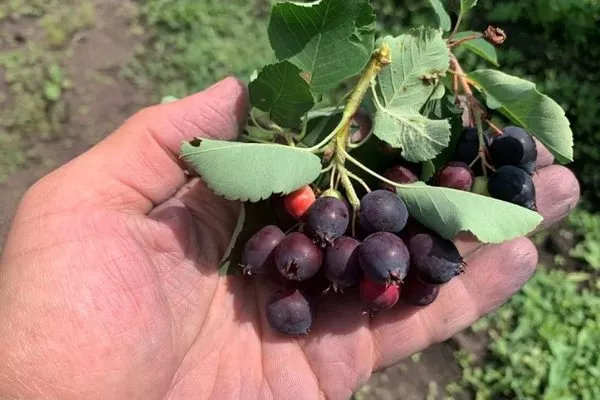
How to determine the cause of low fruitfulness of irgi?
To determine the cause of poor fruiting, a comprehensive plant diagnosis is necessary. Key recommendations:
- Start by considering varietal characteristics and assessing the compatibility of different varieties.
- Next, analyze the growing conditions: is there enough sunlight, are watering and fertilizing organized correctly.
- If the agricultural practices are satisfactory, check the bush for diseases and pests that may be affecting the plant.
Key reasons for lack or decline in crop yields
The serviceberry is a little-known berry, rarely seen in gardens. Many consider this plant capricious and difficult to care for, although in fact, it's quite easy to maintain. However, gardeners often face the problem of a lack of fruit. It's worth understanding why serviceberries stop bearing fruit and how to help the plant.
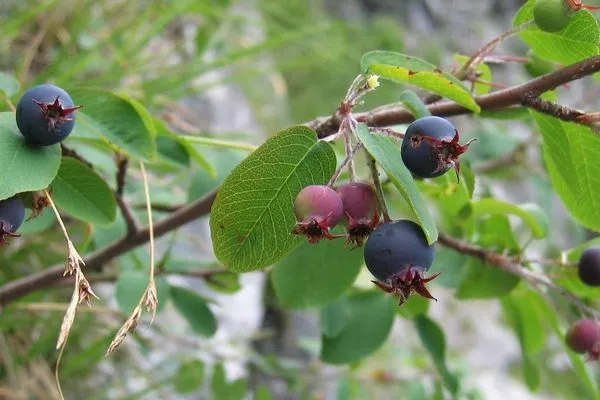
Insufficient lighting
To address the problem of insufficient light for serviceberries, several effective approaches can be used. Key requirements:
- Selecting a suitable landing site. The plant prefers open, well-lit areas. When planting, choose a location with maximum sunlight. If there are nearby trees or shrubs that create shade, they should be trimmed or removed to ensure the serviceberry receives sufficient light.
- Use of artificial lighting. If natural light is limited due to buildings or other obstructions, install additional light sources such as LED bulbs or phytolamps. These systems will help maintain optimal light levels throughout the day.
Don't forget about the plant's dormant period and reduce the light intensity at night.
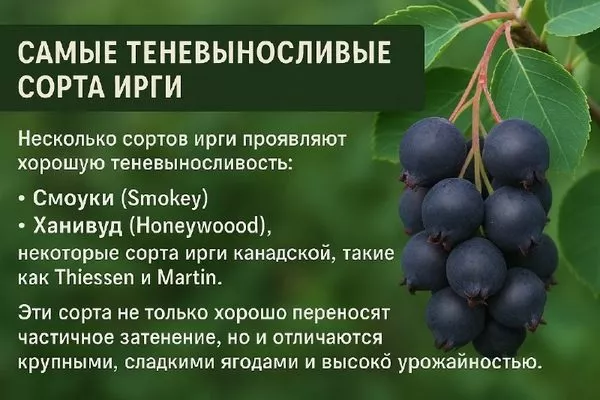
- Selection of shade-tolerant varieties. Some varieties of serviceberry tolerate low sunlight better. When purchasing seedlings, consider the light conditions in your area and choose suitable varieties. You can find out about the best serviceberry varieties here. Here.
- Creation of sun protection structures. On hot sunny days, the irga can be protected with awnings, tents, or special nets that will reduce exposure to direct rays and prevent the plant from overheating.
Particular attention to lighting and the timely application of these measures will help create optimal conditions for crop growth and improve its fruiting.
Poor pollination
In urban environments or arid regions, serviceberry can suffer from a lack of pollinating insects, which directly impacts the quantity and quality of the harvest. Without sufficient pollination, flowers fail to set fruit, resulting in poor yields.
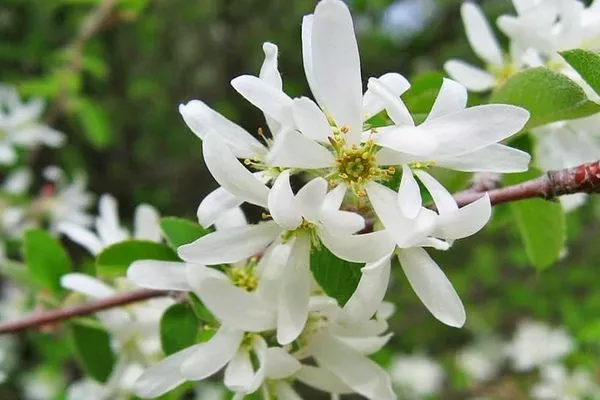
To improve pollination efficiency, take the following measures:
- Place the serviceberry in a sunny, open area where good air circulation will help transfer pollen.
- Plant honey plants such as lavender, thyme, or sea buckthorn nearby to attract bees and other pollinators.
- Ensure regular watering during the flowering period – this increases air humidity, improves pollen production and increases the likelihood of its transfer.
Unsuitable soil
Start with a soil analysis and assessment of its characteristics. Based on this data, you can choose effective measures to improve the structure and fertility. Below are typical problems and how to address them:
- Waterlogged, lingering soil. Add sand or compost to improve soil looseness. Create drainage channels or raised beds.
- Heavy clay soil. Add peat moss, compost, or humus to improve air circulation. Loosen the soil regularly.
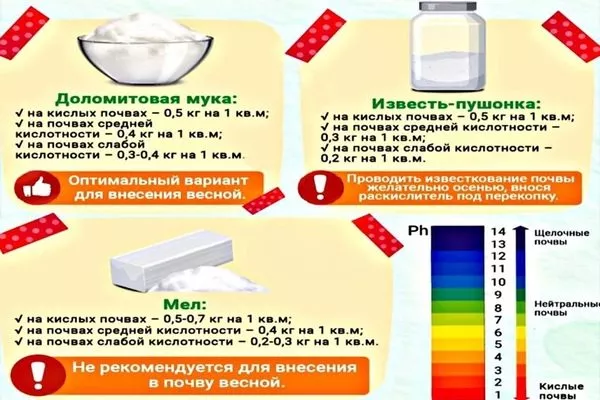
- Acidic soil. Use lime, chalk, or dolomite flour for deoxidation. Add organic matter to improve the structure.
- Impoverished land. Add organic fertilizer such as humus or compost. Mulch the tree trunk area to retain moisture.
Regular soil maintenance and improvement create favorable conditions for the development of irgi and promote stable and abundant fruiting.
Incorrect watering
It's important to maintain a moderate irrigation regimen for this crop. The plant doesn't require frequent and abundant watering, but during dry periods, without regular water, its growth and fruiting can be significantly impacted.
Follow these recommendations:
- During the warmer months, water the shrub 2-3 times a week, and slightly more frequently during active growth and flowering. Avoid overwatering, as the root system is sensitive to standing water and does not tolerate dampness.
- Apply water so it doesn't form puddles—the top layer of soil should dry out between waterings. To determine whether the chokeberry needs moisture, check the soil moisture manually: inspect and feel the soil around the roots.
- Adjust watering frequency based on weather, temperature and season.
- Seedlings and young bushes up to 3 years old especially need regular watering.
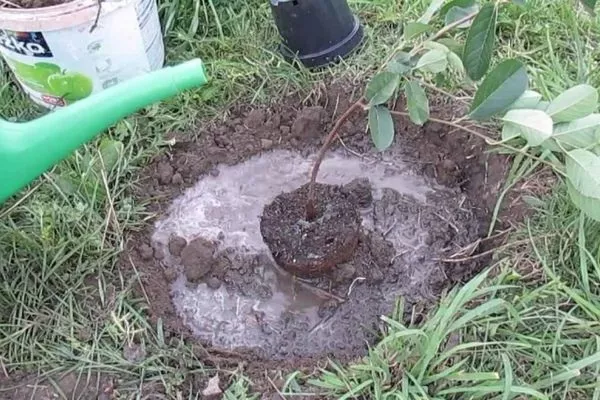
A properly selected watering regime will help maintain the health of the plant and ensure stable fruiting.
Pests and diseases
One of the most common pests of the shadberry is aphid, which feeds on the plant's sap. It quickly spreads along shoots and leaves, leaving behind a sticky honeydew that then becomes a breeding ground for sooty mold. This leads to the formation of dark spots, disruption of photosynthesis, and general weakening of the plant.
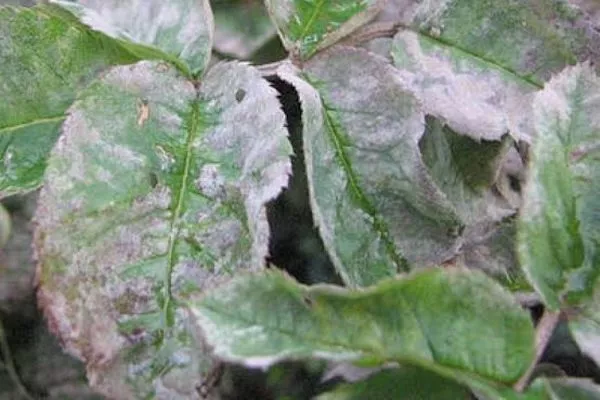
In addition to pests, irga can also be affected by fungal diseases, the most common of which are:
- powdery mildew – appears as a white powdery coating on leaves and shoots;
- late blight – causes root rot and leads to plant wilting.
To protect your crop, follow these recommendations:
- Use insecticides against pests and fungicides to treat fungal diseases. These products are effective, but require careful application, especially near living areas and during fruiting.
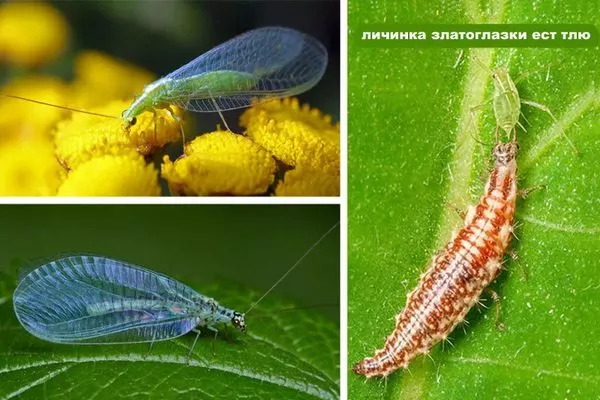
- A more environmentally friendly approach is to use biological products based on living organisms (e.g., Boverin, Fitosporin, Trichodermin), as well as attracting beneficial insects that are natural enemies of aphids (e.g., lacewings). These measures are safe for people and the environment.
Additionally, observe sanitary measures:
- inspect the bushes regularly;
- remove damaged parts of plants;
- carry out preventive spraying;
- Observe crop rotation.
An integrated approach will help keep the irga healthy and increase its yield.
Incorrect circumcision
Inappropriate pruning can significantly reduce the yield of serviceberry. Excessive shoot removal or unnecessary pruning of productive branches leads to a reduction in the fruiting area and weakening of the plant. As a result, the bush loses vigor and slows growth.
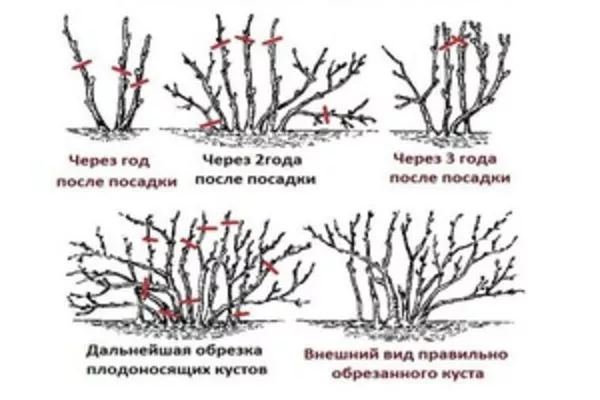
To avoid such consequences, carry out the work wisely. pruning (The diagram is shown in the picture.) It's best to entrust this procedure to a specialist who understands the specifics of chokeberry bush formation and can correctly determine which branches need to be removed. This will ensure not only healthy growth but also abundant fruiting.
Nutrient deficiency or excess
Nutrient deficiency isn't the only reason for poor serviceberry fruiting. Excessive fertilizer can also negatively impact the plant's health and lead to the opposite effect.
For example:
- Excessive nitrogen It stimulates active growth of shoots and leaves at the expense of flowering and fruiting. The bush becomes lush, but few ovaries are formed.
- Excess phosphorus or potassium may interfere with the absorption of other elements, including iron and magnesium, which causes leaf chlorosis and weakening of the root system.
- Accumulation of salts in the soil Frequent application of mineral fertilizers worsens the soil structure and disrupts the water balance of the irgi.
Please follow these guidelines:
- Conduct an agrochemical analysis of the soil not only in case of deficiency, but also if you suspect excess nutrition;
- Observe the dosages and application rates of mineral fertilizers indicated on the packaging;

- Alternate organic and mineral fertilizers to avoid overloading the soil;
- Apply fertilizers at the appropriate time of year when the plant can absorb them effectively;
- After intensive fertilizing, water the soil with clean water to wash out excess salts and balance the nutrition.
To successfully grow serviceberry, it's important to maintain a balanced nutrient balance—both a deficiency and an excess of elements can cause a poor harvest. A balanced approach to fertilization and careful attention to soil conditions will create favorable conditions for the bush's growth and fruiting.
How to increase the harvest of irgi?
Serviceberry thrives on light. Plant bushes in open areas, away from shade trees and buildings. The more sun, the sweeter and larger the berries.
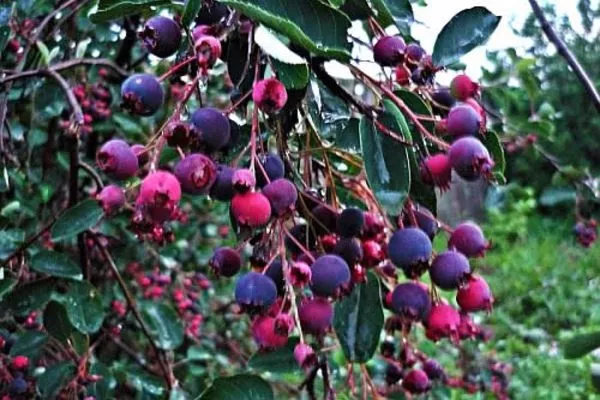
Follow these other rules too:
- Trim the bush correctly. Pruning stimulates the growth of young shoots and rejuvenates the plant. Remove old, diseased, and crowded branches. Perform this procedure in late winter or early spring. Leave 10-12 well-developed shoots of varying ages.
- Improve the soil. Serviceberry prefers loose, fertile soil. When planting, add humus, compost, and wood ash. If necessary, provide drainage and reduce acidity (for example, by liming acidic soils).
- Monitor the watering regime. Water 2-3 times a week in summer, especially during hot weather and flowering. Avoid stagnant water and dry soil. Mulch the area around the tree trunk to retain moisture.
- Apply fertilizer. In spring, use nitrogen fertilizers (such as mullein infusion or ammonium nitrate) to promote foliage growth. During flowering and fruiting, phosphorus-potassium fertilizers (superphosphate, ash, potassium sulfate) are effective. In autumn, apply organic matter (humus, compost) to restore plant strength.
- Fight pests and diseases. Watch for aphids, powdery mildew, and late blight. Use biological products (Fitoverm, Fitosporin, Trichodermin) or mild insecticides. Remove infected branches and observe sanitary measures.
- Improve pollination. Amelanchier is a cross-pollinating plant and produces better fruit when planted with other varieties nearby. Attract bees and other pollinators by planting honey plants (lavender, thyme, and mint) nearby. Provide adequate air and light to promote pollen transfer.
- Analyze the soil periodically. To determine nutrient deficiencies or excesses, adjust fertilizers based on the analysis results.
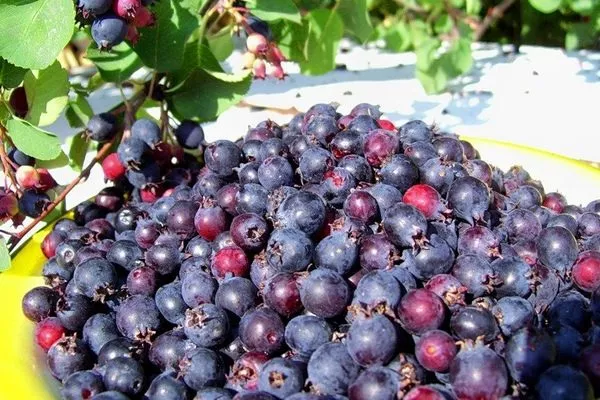
A systematic approach to care will ensure stable and abundant fruiting year after year.
Low shadberry yields are most often due to a combination of factors, ranging from insufficient light and improper care to problems with soil, watering, pollination, and pests. Paying close attention to each of these factors, timely diagnosis, and appropriate measures will help restore fruiting and increase the number of berries.