
The serviceberry is easy to grow, but it does require comprehensive care, including pruning. This is necessary for several reasons and can be done at different times of the year. There are several types of serviceberry pruning, each with its own specific purpose and specific procedures.
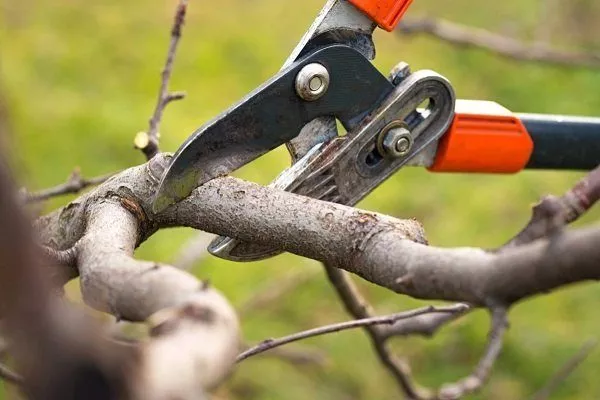
The need for pruning irgi
Pruning is an important agricultural practice. It serves several purposes:
- promoting plant development;
- rejuvenation of irgi, increasing its lifespan;
- increasing crop yields;
- ensuring the decorative appearance of the bush, giving it the desired shape;
- prevention of pests and fungal diseases – excessive density and tangled crown are a risk factor;
- better distribution of the products used for spraying - with a dense crown, the substances do not penetrate deep enough.
When pruning, some of the basal shoots are removed. These primarily include old, broken, diseased, and weak branches. Strong shoots emerge in their place.
Regular pruning helps reduce the volume of green foliage, which requires a lot of nutrients to grow. As a result, nutrients are redirected, more ovaries are formed, and the fruit ripens faster and more evenly.
General recommendations for the procedure
When pruning irgi, the following points must be taken into account:
- For pruning, use pruning shears or a specialized saw. The tool must be well sharpened.
- Before the procedure, disinfect the blades to prevent the spread of infection. You can use bleach for this purpose.
- It is necessary to leave 10-15 trunks of different ages in the bush, the rest should be cut down at ground level.
- When pruning the main branches, leave 10 cm, and from thin branches - 5 cm.
- In spring, prune the main trunk before the first buds appear. Otherwise, the new shoots will be damaged, and the spring fruit will spoil.
- To stimulate the formation of new buds and flowers, remove all dry and old branches older than 4 years at the end of winter.
- If the branches are very thick, prune them gradually. First, make a large cut from the bottom. This prevents the bark from being torn off at the end of the pruning.
- To create short bushes, serviceberry is pruned from the top. Compact size is achieved by removing all mature branches, leaving only two-year-old branches and young basal shoots.
- To obtain fluffy, bright green bushes, sharply reduce the branches at the beginning of the growing season.
- If you discover aphids, mites, caterpillars or other pests during pruning, treat the bushes with horticultural oil or soap solution.
Regardless of the type of pruning, the bush quickly returns to its original size. This is due to its large size and well-developed root system.
Deadlines
Serviceberry pruning is done in spring or fall. The purpose of the procedure and the age of the plant must be taken into account:
- First pruning This is done the following year after planting the bush in the spring. You should leave six large buds on each branch and remove the rest. This will reduce the foliage, stimulating the growth of the bush.
- In the fall Serviceberry trees need to be pruned after the harvest. This helps shape the crown and remove old, dry branches.
- To increase crop yields Bushes can be pruned in May.
- For decorative purposes Pruning is carried out annually in the fall.
- For rejuvenation The procedure is performed every 3-4 years.
- Sanitary pruning This can be done at any time, including flowering and fruiting. It is recommended to perform this procedure once every 1-2 years.
The frequency of pruning depends on many factors: the type of procedure, conditions growing irgi, yield, rate of branch aging.
Types of pruning
There are three types of serviceberry pruning: decorative, rejuvenating, and sanitary. Each type has its own specific considerations.
Decorative pruning
This procedure is also called formative, as it shapes the bush's crown. There are no restrictions on the shape—it all depends on the gardener's imagination.
Decorative pruning not only provides a beautiful appearance but also improves sunlight exposure, which is important for fruit ripening. Another benefit of this procedure is easier access to the berries during harvest.
Decorative pruning is done in the spring, often to give the bushes a rounded or conical shape. To shape the bush, trim any protruding branches from the top and sides, and remove old and diseased ones. If the bush is young, you can only trim the crown to the desired height.
If you want to shape a tree, you need to gradually lift the crown. This can be done not only in the fall but also in the winter. Lower branches should be pruned, but not too close to the trunk.
For information on pruning irgi in spring, watch the following video:
Rejuvenating pruning
This procedure is necessary for older plants. Rejuvenating pruning will help them last much longer.
Even an old and unsightly bush can be rejuvenated. This revitalizes it and increases productivity for a certain period. During this time, new bushes can be grown that will successfully replace the old plantings—the serviceberry grows quickly.
Plant rejuvenation is required in the following cases:
- abundant flowering, but small harvest;
- Flowers and fruits fall off regularly.
Rejuvenating pruning is carried out according to the following algorithm:
- Shortening the thickest and oldest branchesOnly a third of the original length should be left. The cut should be immediately treated with charcoal.
- Trimming the central part of the remaining branchesThey need to be shortened to the first fork. This will ensure a beautiful, lush crown, and it will form quickly.
- Counting trunks in one bushIf there are more than 15 of them, then select the thickest and most woody specimens and cut them out.
After rejuvenating pruning, the height of the bush should be no more than 2-2.5 m.
If the bush is very old and neglected, it should be treated in stages. It is not recommended to remove more than three old stems at a time. The serviceberry needs time to recover.
If the crown is left too tall during rejuvenation, neighboring plants will be shaded. At heights greater than 2-2.5 m, harvesting is also difficult.
You can learn about autumn pruning of irgi from the following video:
Sanitary pruning
The purpose of this type of pruning is to remove crooked, dead, diseased, and frozen branches. Disease can spread to healthy shoots. Sanitary treatment also serves an aesthetic purpose—those specimens that need to be removed spoil the appearance of the shrub.
It is important to organize the procedure correctly, adhering to the following algorithm:
- Inspect the entire bushThis allows us to determine the scope of work.
- Delete the marked branchesThis applies to specimens that rub against each other, are intertwined, are diseased, dry, and damaged.
- Remove shoots and branches growing inside the bushLeave 12-15 trunks. These will also need to be pruned later when they become unproductive and old.
- Old branches should be cut as close to the ground as possible.This allows you to preserve the decorative appearance of the bush.
When treating shadberry for the first time, you should begin with sanitary pruning. The remaining treatments are applied in stages. The work should be carried out at above-zero temperatures.
Post-procedure care
A trimmed irga does not require special care, but some measures should still be taken:
- Control the growth of shootsNew branches may grow unevenly, which can cause the bush to lose its decorative appeal or begin to lean to one side. Staking the treated plants can help prevent this problem. Willow branches are a good choice for this. This will keep the bush straight, and the young, fragile growth will not bend under the weight of the heavy berries.
- Treat old and thick trunks after pruningThis ensures rapid wound healing and prevents rot. Charcoal or garden pitch can be used for treatment. The latter can be prepared using various recipes, but is usually based on rosin. For fall pruning, it's best to use a cold-resistant pitch with the addition of rubbing alcohol.
- ✓ For processing cuts thicker than 1 cm, use garden varnish.
- ✓ Use charcoal for cuts less than 1 cm to prevent infections.
Pruning serviceberry serves a variety of purposes. It can rejuvenate the bush, reduce the risk of disease, increase yield, and ensure the plantings are attractive. Pruning is easy, but it's important to choose the right timing and care for the bush afterward.