
Kharko chickens don't have any particular appearance, but they are prized for their exceptional meat flavor and high productivity. Farmers prefer to raise and breed the birds for personal gain and as a profitable business.
History of appearance, appearance, features
The Super Harko chicken breed is the result of the work of Hungarian breeders. The breed was developed by experienced breeders whose primary goal was to create a highly productive hybrid for both meat and eggs, and they succeeded.
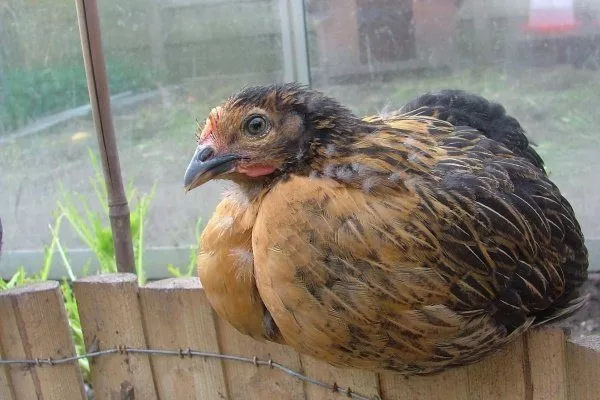
The breed's foundation was formed by native Hungarian birds crossed with Tetra meat chickens. The result was a large bird, larger than its ancestors. Farmers appreciated the breed's characteristics, and the birds instantly gained popularity not only in their homeland but also worldwide.
The Harko birds do not have any special features in their appearance, but they do have some characteristics that make them stand out from other breeds.
Exterior features:
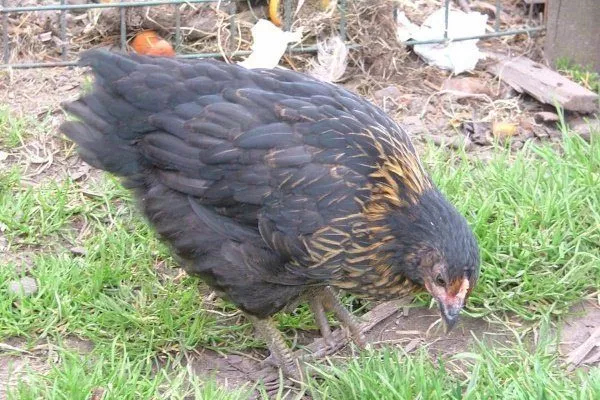
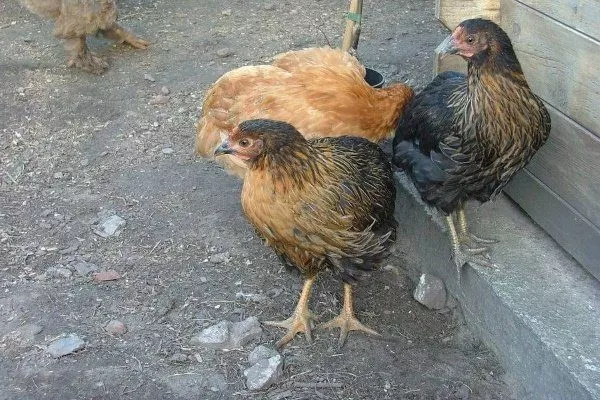
- Unique coloring. The birds' lush black coats have a greenish sheen.
- A unique coloring. The tips of the feathers on the chest, neck, and mane are adorned with golden spots, creating a stunning pattern.
- Characteristic body type. The birds are medium-sized, typical of meat and egg breeds. They resemble broilers. Males have a rectangular body with pronounced muscle definition.
- The birds have a rounded back and plump thighs.
- A short neck bears a small head with a leaf-shaped pink crest and round wattles. A wide, medium-sized beak graces the muzzle.
- The massive body lies close to the powerful, widely spaced grey-yellow or grey paws.
Super Harko chickens have a calm, peaceful nature. They combine the best qualities of their genetic makeup. They are stress-resistant and do not lose weight in extreme situations. They easily adapt to their environment and can be kept in cages. They are not prone to aggression toward other chickens or humans.
The instinct of incubation
Super Harko hens have a highly developed broody instinct. They can incubate their young independently and then raise them. Chicks weighing no more than 40 grams hatch in the third week of incubation. The chick survival rate is high—approximately 95%.
Productivity
Super Harko birds are distinguished by their high productivity, making them a popular choice among farmers. They are also advantageous for commercial production. They grow very quickly and produce high-quality meat. A rooster weighs approximately 2 kilograms at 3.5 months. A laying hen weighs up to 2-2.5 kilograms at 5.5 months.
Super Harko hens begin laying eggs at 4-4.5 months of age. Over the course of a year, they produce approximately 230-240 brown eggs weighing approximately 60-65 grams. The period of intense egg production lasts for one year, then gradually decreases. After 2.5-5 years, the hens stop laying eggs altogether.
The quality and quantity of eggs directly depend on the conditions in which the hens are kept and what they eat. The better the farmer cares for the birds, the higher their productivity.
Molting and scheduled replacement
When the autumn molt begins, the hens stop laying eggs, which lasts for 1.5 to 2 months. During this period, experienced poultry farmers strongly recommend adding nutrients to their diet to help quickly resume laying. Hens do not require any other special conditions during this time.
From the time they reach sexual maturity until they are 2-2.5 years old, they produce their maximum number of eggs. After that, egg production declines. During this period, hens are usually used for meat production and replaced with young birds.
Roosters are ready for slaughter at six months of age. At this age, their meat tastes its best.
Content
Keeping poultry requires following certain rules. It doesn't matter whether the chickens are kept in cages or a coop, as long as they have access to regular outdoor exercise.
Cage breeding
Cage-based chicken rearing is ideal if you plan to raise a large flock but don't have access to outdoor space. Despite the cramped conditions, egg production remains consistent. A positive aspect of this type of housing is that the birds consume less feed, as they are virtually sedentary, which means they expend minimal energy.
Cages must be placed in a warm, clean, dry, well-ventilated area. Ideally, the temperature should be between 20-27°C (68-80°F) and humidity should be around 50-60%. Waterers and feeders, an egg compartment, and a special container for waste should be installed in the cage. It is recommended to remove the eggs frequently to prevent the birds from pecking at them.
If the farmer's goal is to raise Harko for meat production in a short period, young chicks from the age of one month must be kept in cages and fed high-protein food.
In a chicken coop with a run
Although birds are particularly resistant to cold and frost, they require a minimum temperature of 10-14 degrees Celsius in the coop during winter. If this temperature can't be maintained naturally, high-quality insulation and deep litter can help achieve this. This is beneficial because it eliminates the need to heat the coop, significantly reducing costs. Sawdust, wood shavings, and straw are excellent litter materials. Nests and perches, waterers, and feeders should be installed in the coop.
A farmer can ensure normal egg production by maintaining a 12-hour daylight period. In winter, artificial lighting, such as incandescent or fluorescent lamps, is essential. Avoid extending daylight hours under any circumstances, as this will increase egg production, but will also put significant strain on the birds. This will ultimately lead to illness and exhaustion.
An excellent solution would be to provide additional ventilation in the chicken coop, but ensure there are no drafts. Regular cleaning, bedding changes, and disinfection of the coop with special disinfectants are necessary.
It's a good idea to provide the birds with ample space to run. It's not necessary to enclose the yard with a high fence, as chickens can't fly. Regularly allowing the hens to run freely will help boost their immunity.
Care and cultivation
Caring for Kharko chickens doesn't require any special care, but it does require following certain guidelines. Raising chickens is a serious and responsible process, as the birds' future development, productivity, and meat quality depend on it.
Feeding and diet
The main rule that must be followed is the organization of a balanced, correct and nutritious diet.
Nutrition of adults
Harko birds are not picky eaters and will eat almost anything. However, by taking their physiological nutritional needs into account, you can achieve maximum results in terms of weight gain and egg production:
- In industrial conditions Birds are fed with specialized compound feeds, which contain meal, chalk, bone meal, and other components.
- In households Birds are fed a mixture of grains, porridges, vegetables, and wet mash. They especially enjoy mashes with added cucumbers, green onions, and zucchini. They are also fed greens: plant tops and nettles in the summer, and hay and pellets in the winter. They also eat fruits, food scraps, and berries. During the egg-laying season, hens require protein, vitamins, and mineral supplements.
How and what to feed chicks?
Early in their development, chicks especially need excellent nutrition. Their diet should include boiled eggs mixed with chopped greens and fine grains. Low-fat cottage cheese, which contains protein and calcium, is essential for the chick's bone and skeletal development.
- ✓ Protein content of at least 20% to ensure rapid growth.
- ✓ Contains vitamins A, D, E to support immunity.
- ✓ Mineral supplements such as calcium and phosphorus for bone development.
Until the birds are 10 days old, they are fed only warm, liquid food. The farmer will need to regularly provide the chicks with clean, fresh water. In addition to water, experienced poultry farmers recommend giving young birds weak tea and weak chamomile infusion.
At 1.5 to 2 months, the main diet is a compound feed designed for all-purpose chickens. This compound feed contains elements and vitamins that promote healthy development. It contains hay, oilseeds, legumes, grains, pulses, and vitamin and mineral supplements.
Chickens and their breeding
A distinctive feature of this hybrid breed is its instinct to lay and incubate eggs. The hens care for the eggs, incubate them responsibly, and care for their young. Chicks hatch in 20-21 days, weighing approximately 40 grams.
| Age of chicks (days) | Temperature under the lamp (°C) | Humidity (%) |
|---|---|---|
| 1-7 | 30-32 | 55 |
| 8-14 | 28-30 | 50 |
| 15-21 | 26-28 | 45 |
Growing recommendations:
- If the farmer chooses to hatch the chicks in an incubator, the temperature should be at least 37.5 degrees Celsius. Humidity should be maintained at 55% for the first two weeks, and 70% for the following days. Mist the eggs once a day on days 18 and 19. Read more about incubating chicken eggs. here.
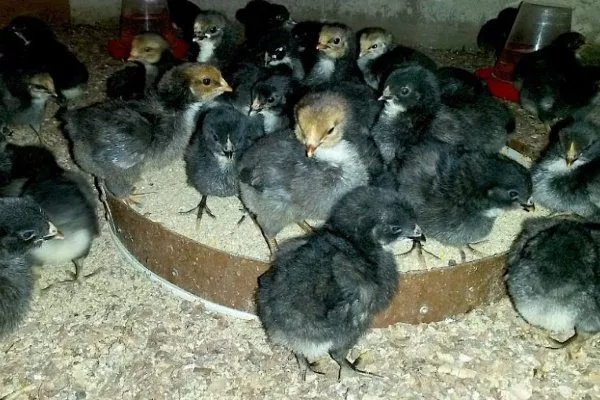
- Chicks are born with black down, with small white specks visible. Because Harko's birds develop feathers late, the chicks require prolonged basking under a lamp. The optimal temperature for chicks is 30-31 degrees Celsius. The adaptation period, starting at two weeks after birth, begins with a temperature reduction of 2 degrees Celsius.
- To ensure rapid growth, weight gain, and development, chicks need to be well-fed. It's best to include boiled, pre-crushed eggs in their diet. Mix the eggs with chopped greens and fine grains. Every day, the birds should be fed low-fat cottage cheese, which is a source of calcium and protein.
- The chicks are given warm water to drink. Tea and chamomile infusions can help prevent infectious diseases. Vitamins and glucose are added to the water to support the immune system.
- A farmer can reduce the mortality rate of chickens by regularly cleaning the poultry house and taking preventative measures.
- Babies should be fed with special compound feed containing mineral and vitamin supplements.
- If the weather and air temperature are good, chicks can be taken outside for no more than 1 hour on the 14th or 15th day after birth. Gradually increase the time spent outside.
The specifics of raising this breed of bird depend on its intended purpose. A full-fledged meat carcass can be produced in a short period of time by raising young birds in cages from the age of one month, where they are fed a high-protein feed.
To form a flock of 10 Super Harko hens, two roosters are needed: one adult main rooster and one spare young rooster. As the main rooster ages, a young rooster is added to the flock, and a male from a new brood is added to the flock.
Diseases and prevention
The main conditions for maintaining the health of this breed are maintaining sanitary standards in the poultry house and maintaining optimal humidity. The breed is particularly susceptible to infectious diseases caused by intestinal and skin parasites. Timely vaccination, deworming, and antiparasitic treatments can help resolve this problem.
Sanitation is required not only for the birds themselves, but also for all surfaces in the coop. Products such as Bactericide, Monclavite, and Virocide are considered excellent. To repel bedbugs, lice, and fleas, use bunches of wormwood hung inside the coop.
Proper nutrition helps boost immunity. If birds receive sufficient nutrients and vitamins, their bodies will be less susceptible to viral and infectious diseases.
Advantages and disadvantages of the breed
The Kharko breed has many undeniable advantages. First and foremost, it allows birds to be raised not only for meat but also for egg production. Both options can yield effective results, but only in industrial settings. When raising poultry at home, certain considerations must be taken into account.
Other positive qualities:
- They are undemanding in terms of housing conditions. The breed is kept both in cages and in coops, where the birds are provided with the opportunity to roam freely.
- Easily adaptable. Birds adapt easily to any conditions.
- Early maturity. Hens reach sexual maturity at 4-4.5 months, allowing them to begin laying their first eggs. By this time, a laying hen will reach a weight of 2.5 kg under proper conditions and a balanced diet.
- Calm disposition. Kharko chickens can be kept with other breeds of poultry.
- Stress resistance. Birds do not become exhausted under stressful situations, such as changes in diet or temperature fluctuations.
- A well-developed maternal instinct. Poultry breeders note that Super Harko birds exhibit rather strange behavior: they often sit on eggs laid by other birds or try to hide them deeper in the nest when it's cold outside.
- Excellent yield of tasty meat and high productivity. The hens produce up to 240 eggs per year, weighing 60-65 g.
- Robust health. Chickens of this breed thrive in temperatures as low as -12 degrees Celsius. Cold temperatures have no effect on the birds' productivity.
- High survival rate. By maintaining hygiene and taking preventative measures, you can achieve a nearly 100% survival rate for your chicks.
| Object | Weight of an adult (kg) | Egg production (pieces/year) | Beginning of egg laying (months) |
|---|---|---|---|
| Super Harko Chickens | 2.5 | 240 | 4.5 |
| Avicolor | 2.5 | 300 | 4.5 |
Analogues
If you can't afford Super Kharko chickens for some reason, you can breed Avikolor chickens instead. This breed's distinctive features include even higher egg production at a similar rate of development.
Avicolor birds can produce over 300 eggs per year. Furthermore, these birds produce high-quality meat, with a taste similar to that of regular domestic chickens.
Reviews from poultry farmers
Reviews of the Super Harko breed vary widely, but are generally positive. Here's what poultry farmers have to say about these chickens:
Super Harko chickens are low-maintenance and easy to raise and maintain, requiring little care or nutrition. These chickens are especially popular among farmers who raise large-scale chickens for profit from selling eggs and meat.