
Layers of this cross are hybrids obtained by crossing several breeds known for their high productivity. They have only recently appeared on the market, but over their thirty-year history, they have found a loyal following and carved out a niche among egg-laying chicken breeds.
History of origin
This hybrid was obtained by crossing two well-known breeds - American Rhode Island and Italian LeghornThese breeds are often used by breeders to develop new egg-laying breeds.
It was developed by Dutch breeders. They gave it the name, which conceals the institute's abbreviation. It was on this basis that successes in breeding this cross were achieved. "Brown" is nothing more than a plumage color indicator, meaning "brown."
Description
These are typical layers without any special features, so they can easily be confused with other representatives of brown breeds.
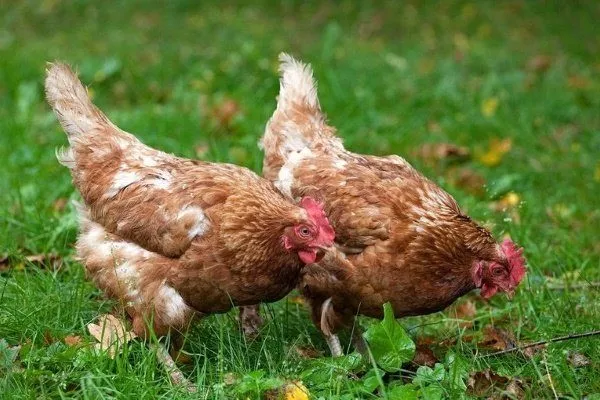
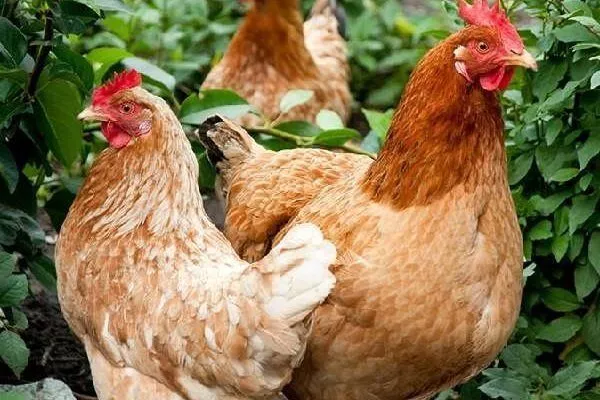
Isa Brown chickens are small, lightly built. The ribcage is noticeably prominent and convex. The head is small and regular, with a small, leaf-shaped comb and pale red wattles. The neck is long and gently curved. The beak is strong, massive, and light brown, almost beige. The eyes are dark orange. The legs are yellow, with virtually no feathers. Both hens and roosters have short, upturned tails.
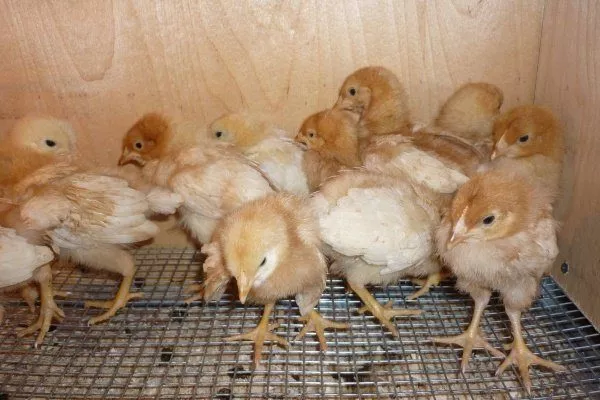
The feathers are pressed tightly to the body. The coloring of males and females differs, so even at one day old it's easy to tell which of the brood is a hen and which a cockerel. The latter have a lighter coloring, with more yellow. Hens are darker, with a predominantly brown coloring. Both sexes have lighter tips of their feathers and tail. If the bird is white, the cross is called Isa White.
The bird has a balanced, calm personality. They get along easily with each other and other breeds. They never get into conflicts or fights. They are energetic and active, so they definitely need a place to run.
Weight characteristics
These are among the lightest breeds. Females rarely weigh more than 2.5 kg, and males weigh 3 kg. Despite their small size, they exhibit high egg production.
| Parameter | Isa Brown | Other egg breeds |
|---|---|---|
| Average number of eggs per year | 320 | 250-300 |
| Egg weight (g) | 62-70 | 55-65 |
| Feed consumption per day (g) | 109 | 120-130 |
Productive qualities
Isa Brown is a pure-laying breed, bred with the goal of producing a large number of large eggs. On average, the hens lay 320 eggs per year. This isn't the highest among laying hens, but their eggs are notably heavy. The average egg weighs around 62 g, with larger eggs weighing around 70 g often encountered. Their eggshells are hard and brown, and they often have two yolks. However, they are a "small feeder," consuming around 109 g of feed per day.
When it comes to meat quality, don't expect much. These chickens are raised solely for their eggs. Their meat is very tough and is only suitable for broth. Even long cooking doesn't help; the meat remains rubbery.
Puberty
Hens begin laying early, laying their first eggs as early as 20 weeks after birth, or 4.5 months. Egg production peaks at 22-23 weeks and continues until 47 weeks, after which it begins to decline. Therefore, experts recommend replacing the flock every 2-3 years.
Many poultry farmers who raise this hybrid note that the productivity of the bird increases sharply when using a balanced and nutritious feed base.
Like all hybrids, Isa Brown lacks the broodiness instinct. For further breeding, an incubator is required, but even this has its pitfalls, which will be discussed later.
Content
The small size of these hens allows them to be kept in cages or on the floor. This breed is well suited to poultry farmers who don't have a large space for raising chickens, but still want to provide them with a small yard for running. When kept in cages, the birds can do without outdoor exercise.
The optimal daylight hours for them are at least 14-15 hours. In winter, indoor lighting is used, with an intensity of 3-4 watts per square meter. The productivity of laying hens depends on lighting; insufficient lighting significantly reduces egg production.
Some farmers, if they have the opportunity, keep their birds outside during the warmer months. This helps reduce feed costs, as the birds have ample access to pasture during this period. They feed on various insects, worms, and grass. Furthermore, poultry farmers note that birds regularly kept outside have strong immune systems and are less likely to get sick.
With the onset of cold weather, the birds are transferred to the chicken coop, since they react painfully to low air temperatures.
- ✓ Optimal humidity in the chicken coop should be maintained at 60-70% to prevent respiratory diseases.
- ✓ To prevent pecking and cannibalism among chickens, it is necessary to provide a sufficient number of feeders and waterers so that all birds have simultaneous access to food and water.
Chicken coop
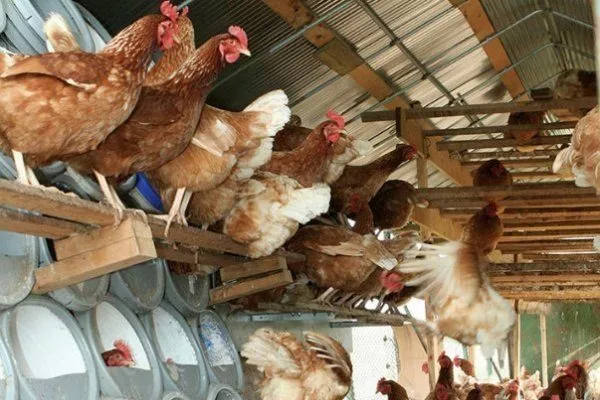
When building a poultry house, keep in mind that it needs to be spacious for these hens. Four hens are housed per square meter. Keep it clean and free from dampness. Natural materials such as hay, straw, sawdust, or peat are suitable for bedding.
How to build chicken coops on your own is described in next article.
Since chickens dislike the cold, heating or proper insulation of the coop is essential. The minimum temperature that must be maintained is 12°C; temperatures below this should not be allowed to drop, as this can lead to egg failure and increased disease rates. A comfortable temperature for poultry is 20°C to 25°C. The temperature for chicks should be higher.
Chicken coops are equipped with:
- perches (40 cm wide), which are placed at a height of 50-60 cm from the floor;
- lamps, if due to bad weather or frost the animals are in the poultry house around the clock, then they are turned on, providing optimal daylight;
- for preventive purposes, ash baths are installed;
- an exhaust hood for better air circulation, but without creating drafts, or vents;
- DIY feeders and waterers. You can read about making waterers here. here.
It's recommended to cover the feeders with a large mesh screen. This allows the chickens to easily reach the food, but also prevents them from plundering it with their paws. A separate feeder filled with river sand, small pebbles, and fine gravel is also recommended. These components help the chickens crush the feed in their crops.
Deep wicker baskets, crates, or boxes are suitable for nesting. Place them 20 cm above the floor and fill them with hay. One nest is used for every three hens.
Several times a year, the premises are disinfected against parasitic insects and various pathogenic microorganisms, thereby reducing the risk of epidemics.
Walking yard
It's built flush against the walls of the chicken coop so the birds can either go outside for a walk or seek shelter in the shed at any time. The area is surrounded by fine-mesh wire mesh. A canopy is built under it, providing shelter from rain or sun. Netting is stretched across the entire perimeter to prevent predators from getting in. Near the ground level, the fence should be reinforced, knowing that chickens love to paw at the earth and dig under it.
Diet
The quality and quantity of eggs depend on a properly balanced diet, so the feed must contain the optimal balance of nutrients, vitamins, and minerals. The diets of adult birds and chicks differ.
Feeding chickens
Newly hatched chicks do not require food for 12 hours. Then, for three days, they are given a pale pink solution of potassium permanganate and a boiled, crushed egg. Next, they are introduced to their diet with crushed grains—millet (a source of fiber), corn, wheat, and barley—or buy ready-made mixes. The young are regularly fed cottage cheese, yeast, and fish oil.
Waterers are set up. Some are filled with clean water, others with milk. As the young animals grow, they are fed a mash of boiled potato peels, grated zucchini, pumpkin, or root vegetables, bran, and steamed alfalfa seeds, or fresh greens in the summer.
Feeding laying hens
Experts recommend feeding specialized commercial egg-laying feed to your hens, supplemented with vitamins and minerals. Layers also require sufficient protein and calcium to increase egg production and shell strength. However, not everyone can afford ready-made feeds. Therefore, it's important to follow a few feeding guidelines:
- The basis of the diet is grain (the share of grain crops in the diet should be 50%).
- Dry grain must first be ground to a medium or coarse fraction.
- Whole grains are used in sprouted form. Barley is best for this purpose, as it contains various B vitamins.
- The remaining 50% of the food consists of fresh greens, mineral and vitamin supplements, vegetables and mash - wet food with adding vitamins.
Mashed potatoes are mixed with cottage cheese, sour milk, or meat broth. They contain fresh herbs, root vegetables and potatoes, grains, bran, and legume seeds. Yeast, salt, fish oil, and bone meal are also added.
Preparing a herb mash is easier if you have a herb chopper. Learn how to make one yourself— read here.
It's given freshly prepared, and any leftovers are removed from the feeders after a few hours. However, it's important not to overfeed the hens, as they will begin to gain weight, which will immediately impact productivity. Feed in the morning, after the birds wake up, and it's best to feed them a mash to ensure they have enough energy for the day. A second meal should be given in the afternoon and a third before bed.
You can read more about the correct diet for laying hens here.
Growing and breeding
An incubator is used to breed this cross; maternal instinct is absent in all crosses. However, in the case of Isa Brown, it's impossible to breed birds with exactly the same characteristics at home. This hybrid was bred using a rather complex method, making it very difficult for the average poultry farmer to replicate. In most cases, the resulting birds have poor egg production and are prone to various diseases.
Therefore, experts recommend not experimenting, but purchasing young animals from specialized nurseries. Buying from a private seller does not guarantee that you have acquired this breed, as even experts are quite difficult to distinguish from other brown breeds.
When purchasing young birds, be sure to pay attention to the animal's beak, as this breed suffers from a congenital condition called micromelia—a shortened beak that resembles a parrot's beak. Affected chicks die within a couple of months.
Caring for chickens
Newly purchased chicks are placed in a warm place, with the temperature ranging from 28 to 31°C. You can tell if the chicks are too cold or too hot by their behavior. If they are cold, they huddle together, often trampling the weaker ones. If they are too hot, they spread out along the walls of the room.
During the first few days, daylight should be up to 22 hours long, with maximum brightness, to support the chicks' water and feed needs. Gradually, daylight hours are reduced to 18 hours for 15-day-old chicks.
Chicks must have free access to water. Water bowls are thoroughly cleaned daily. Uneaten feed is removed. Chicks are fed only freshly prepared food, and dry grain must be constantly available in the feeder. The room where the chicks are kept must be clean and dry, which helps reduce the development of infectious diseases of various origins.
With proper maintenance, the survival rate of young animals is high, up to 94%.
Molting and break in egg production
During the first year of life, chicks grow actively, so they molt three times a year, and this is a normal process:
- A chick molts for the first time in its fourth week of life. It sheds its down feathers and grows down feathers.
- At three months of age, the down feathers are replaced by contour feathers, and the chick begins to resemble an adult bird.
- All birds under one year of age molt for the third time in the spring.
The remaining hens molt annually in the fall (at the end of October). This is due to the shorter daylight hours and the onset of cold weather. Nature has provided for its charges; during this period, a natural plumage change occurs—old feathers gradually die off and fall out, and new, thicker ones grow in.
Healthy hens shed their feathers quickly, with a complete regrowth occurring within 6-8 weeks. They can be recognized by their unkempt, mangy appearance. Hens with egg production issues begin molting in mid-summer. This process is very lengthy, and can last up to six months. During this time, the hens remain "dressy" as they retain their thick plumage.
While other breeds stop laying eggs entirely, these hens only experience a decrease in egg production. Since feathers are primarily composed of protein, the hens' bodies are severely depleted during this period, losing weight and becoming weaker. Their immune system becomes unstable, making them susceptible to various illnesses. The reduction in daylight hours also affects their hormonal system, leading to disruption. Therefore, it's essential to provide them with adequate nutrition and maintain optimal daylight hours during this period.
During the molting period, the proportion of protein in the diet, both plant and animal, is increased. Birds are fed soy, fish, worms, and insects. If using compound feed, they switch to broiler feed, as its protein content reaches 22%, compared to 17% for egg-laying breeds.
Birds are also fed sulfur-rich foods, such as cabbage, peas, alfalfa, dairy products, and meat and bone meal. A deficiency of this mineral causes chickens to peck at their feathers, resulting in bleeding that is difficult to stop.
Untimely molting indicates health problems, improper nutrition, or improper care of the bird.
Diseases
In addition to the congenital condition mentioned above, birds are susceptible to vitamin deficiency. However, this problem affects all egg-laying breeds, as they, with their high productivity, require increased amounts of vitamins and minerals. A deficiency of vital nutrients in the birds' bodies can lead to cannibalism within the flock.
Generally speaking, laying hens are genetically resilient and robust. However, vaccinations and regular deparasite treatments are essential.
Advantages and disadvantages
There are currently quite a few egg breeds and hybrids, all of which have their pros and cons and find their admirers.
Pros of cross:
- unpretentiousness;
- easy adaptation to new conditions;
- resistance to diseases;
- minimum feed consumption;
- high egg production rate;
- rapid maturation of young animals;
- Up to 94% of chicks from a brood survive, meaning the vitality rate is high.
Thus, the Isa Brown hybrid is considered the most cost-effective egg breed, thanks to its productivity-to-feed cost ratio. Also of note are the hens' ease of care, low maintenance, and good immunity. They are suitable for both private farms and large industrial poultry farms.