
Ornamental chickens are the result of centuries of breeding. They are intended for aesthetic enjoyment and for home breeding. Most varieties originate in ancient China. In Russia, poultry farmers also began breeding ornamental chickens over two hundred years ago. Today, this branch of poultry farming is not very popular due to the low productivity of ornamental chickens.
- ✓ Resistance to low temperatures.
- ✓ Plumage density.
- ✓ Ability to adapt to short daylight conditions.
Ornamental chicken breeds
There is an extensive list of breeds of these beautiful birds. Each has its own set of characteristics, advantages, and disadvantages.
| Name | Rooster weight (kg) | Chicken weight (kg) | Egg production (pieces/year) |
|---|---|---|---|
| Gate | 6 | 4 | 120-140 |
| Wyandotte | 3.5 | 2.5 | 150-180 |
| Cochin China | 5 | 4 | 100-120 |
| Curly | 3 | 2 | 80-100 |
| Millefleur | 0.8 | 0.7 | 100-120 |
| Orlovskaya dwarf | 1.2 | 1 | 90-110 |
| Paduan | 3 | 2 | 120 |
| Russian Crested | 3 | 2 | 160 |
| Ukrainian crested | 3 | 2 | 150-160 |
| Faverolles | 4 | 3.5 | 160-180 |
| Uheyilyuy | 2.5 | 2 | 160-180 |
| Ayam cemani | 2.5 | 2 | 100 |
| Galan | 5 | 4 | 140-160 |
| Shabo | 0.6 | 0.5 | 80 |
| Spanish Whiteface | 3 | 2.5 | 200 |
| Pavlovskaya | 2.5 | 2 | 150 |
| Hungarian giant | 7 | 5 | 200 |
| Chinese silk | 2.5 | 2 | 100 |
| Minorca | 3 | 2.5 | 180 |
| Araucana | 2.5 | 2 | 160 |
| Bantam | 1 | 0.8 | 140 |
| Phoenix | 2.5 | 2 | 100 |
| Dwarf New England | 0.5 | 0.4 | 90-110 |
| La Flèche | 3.5 | 2.5 | 180 |
| Dutch White-crested | 2.5 | 2 | 140 |
| Seabright | 0.6 | 0.5 | 80 |
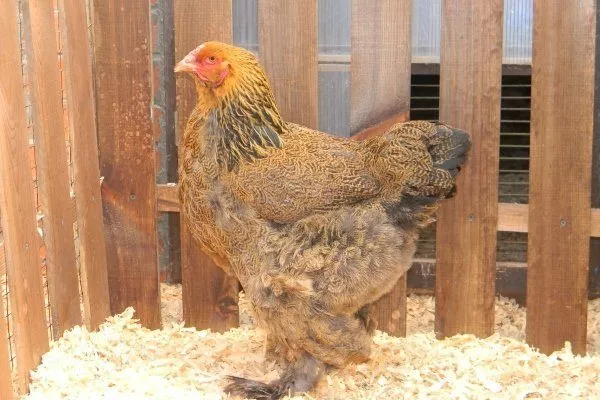
Gate
Breed characteristics. Gate – one of the largest breeds of ornamental chickens. They are beloved by poultry farmers for their appearance, size, and character. Birds of this dark-colored breed are statistically larger. Laying hens can weigh up to four kilograms, and roosters up to six.
Advantages:
- unpretentiousness, endurance and vitality;
- do not need a large chicken coop and a large walking area;
- have a non-aggressive character - they are calm, even phlegmatic.
Flaws:
- Brahma chickens are extremely sensitive to nutrition. Incorrectly selected feed and supplements can make the meat tougher and impair its flavor.
- Laying hens are quite late-maturing – they reach sexual maturity at about 8 months of age.
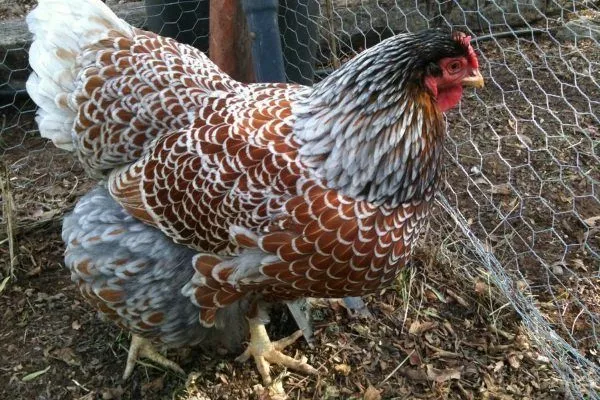
Wyandotte
Breed characteristics. Chickens of this breed are not too large, compact, and of medium weight. They are characterized by an attractive appearance while maintaining high productivity. Wyandottes can be divided into dwarf and standard lines.
Advantages:
- high productivity due to good hatchability and survival rates of chickens;
- frost resistance – chickens survive Russian winters well;
- Not only poultry meat but also its eggs have an excellent taste;
- Wyandottes are friendly, get along well with other chicken breeds and do not require separate housing;
- good egg production, which does not decrease even in winter.
Flaws:
- a rather rare breed, and therefore quite expensive to purchase;
- often suffer from obesity.
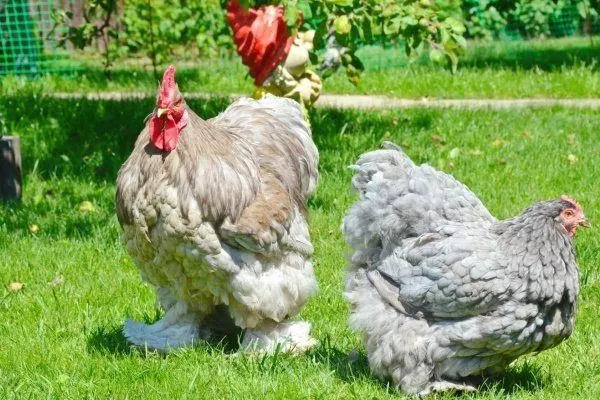
Cochin China
Breed characteristics. The Cochin is a large and massive breed. Their plumage can vary in color, with distinctive feather characteristics depending on the subspecies. Regardless of the strain, however, the birds' plumage is lush and loose, giving them a spherical appearance. Their distinctive feather pants protect their feet during the winter. A rooster of this breed can weigh up to 5 kilograms, and a hen up to 4 kilograms. The meat is highly palatable, but intensive fattening can lead to the development of a significant layer of fat.
Advantages:
- the breed is hardy and undemanding to maintain;
- chickens do not require large areas to run;
- have a beautiful appearance with high meat taste;
- the brooding instinct is well developed;
- egg production does not suffer in winter cold;
- The bird is highly productive in terms of meat production.
Flaws:
- In industrial production, Cochin China is a great rarity, which makes them quite expensive;
- birds are prone to obesity;
- Preserving breed characteristics at home is a rather complex and labor-intensive process that requires special knowledge and skills;
- Cochin chickens mature late and have poor feathering.
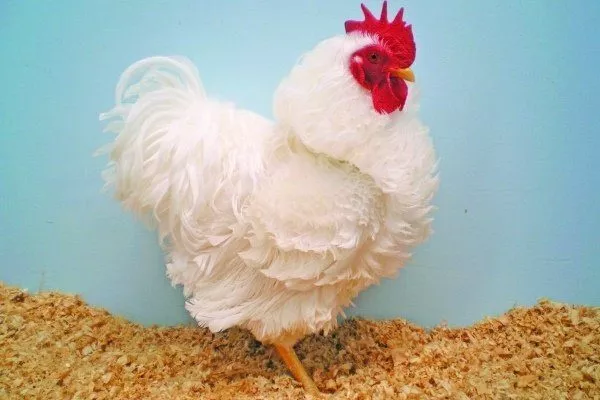
Curly
Breed characteristics. This is an ornamental breed developed in Southeast Asia. Roosters typically weigh around three kilograms, and hens around two kilograms. Curly-coated chickens have a very unusual appearance: their feathers are curled into amazing curls. Due to their curliness, this breed is completely unable to fly.
Advantages:
- unusual and remarkable appearance, one might say unique;
- birds have good meat and egg production potential;
- well-developed brooding instinct.
Flaws:
- poor health – birds get sick quite easily and are difficult to treat;
- They require a lot of care due to their inability to fly;
- The breed is rare and therefore expensive.
Millefleur
Breed characteristics. Millefleur chickens are a highly sought-after variety of dwarf birds. Their small, neat bodies and dense plumage attract attention and captivate with their harmonious appearance. The variety of vibrant colors lends the breed a stunning decorative appeal. But owners especially appreciate the luxurious "pants," which mature birds retain with proper care. Despite the breed's diminutive size, these "pants" give the chicken a touching and memorable appearance.
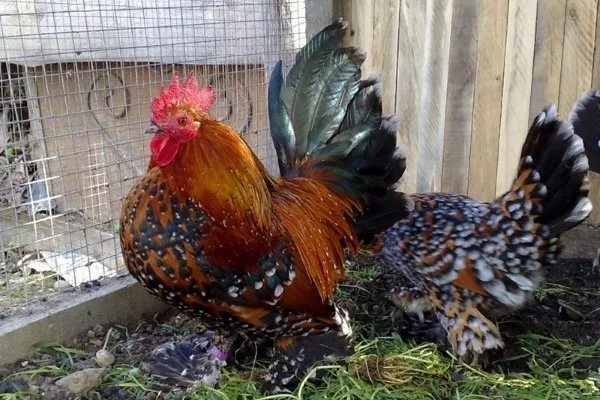
Advantages:
- Millefleur chickens are characterized by lightness and increased mobility, but at the same time the birds do not require large areas for breeding;
- they easily coexist in relatively small spaces;
- This breed has good egg production considering their miniature size;
- These birds are distinguished by their amazing talent for hatching eggs, which allows them to be used as live incubators. Therefore, many use layers of this breed to hatch the eggs of quails, pheasants, and the rarest breeds of birds.
Flaws:
- Millefleur is one of the most demanding breeds when it comes to keeping conditions. If these conditions aren't met, the chickens quickly lose their decorative qualities, particularly their much-loved "pants."
- Without proper care, chickens stop laying eggs completely.
Orlovskaya dwarf
Breed characteristics. Until recently, Orlov Dwarf chickens were popular only among poultry enthusiasts. Now, this unique, brightly colored and unusual bird has begun to appear in the backyards of farms and private households. The breed is attractive and unusual in appearance, and is considered a meat-egg breed. These calico birds are genetically adapted to our climate.
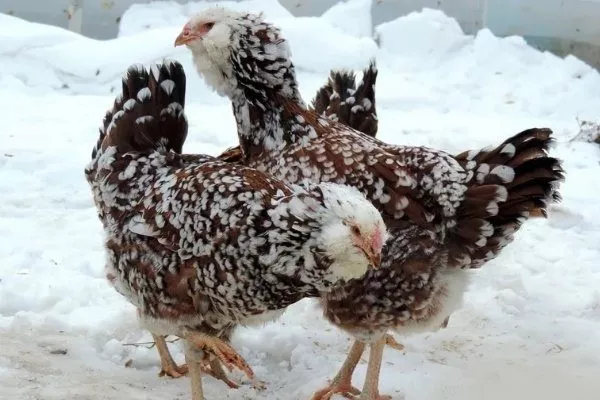
Advantages:
- Chickens of this breed grow quite quickly, and they are undemanding to the conditions of keeping;
- Although Orlov dwarf chickens have little meat, it has excellent taste;
- Despite their modest size, laying hens are known for their good egg production even in winter.
Flaws:
- The small size of roosters does not prevent them from being strong and aggressive;
- Although the breed is productive, the chickens still mature quite late;
- Chickens take a relatively long time to grow and feather.
Paduan
Breed characteristics. Paduan chickens are an ornamental breed developed by English breeders. Although these chickens are ornamental, they are quite productive. The average egg production of Paduan chickens is about 120 eggs per year. Roosters of this breed weigh up to three kilograms, and hens up to two.
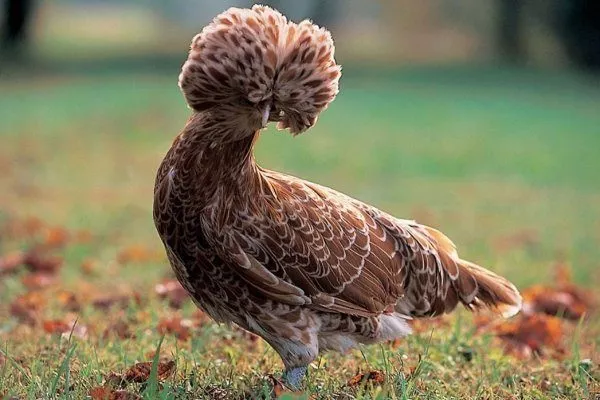
Advantages:
- Paduan chickens are distinguished by their good nature - they are peaceful, unhurried and graceful;
- not prone to excessive activity;
- Despite their tiny size, the chicks are highly viable – they quickly grow stronger and develop feathers;
- Paduans are unpretentious in their diet - a lack of certain nutrients will not affect their quality and appearance as much as in other breeds.
Flaws:
- Although the Paduan is prolific, the eggs it produces don't provide much food. On average, eggs weigh around 50 grams.
- Breeding this breed is only possible with the help of an incubator, as Paduans themselves do not have a developed brooding instinct.
- Despite their good survival rate, the chicks gain weight very slowly.
- Paduan chickens are extremely sensitive to cold and dampness – they catch colds easily and are even more susceptible to viral infections.
- Birds of this breed undergo a fairly lengthy molt. For some individuals, this process can last the entire winter, so it's crucial to keep them warm, as any hypothermia can have negative consequences.
Russian Crested
Breed characteristics. Russian Crested chickens have a dual purpose – both meat and eggs. They are distinguished by a lush crest on their heads. The average live weight of a rooster can reach up to three kilograms, and that of a hens, up to two. This breed is one of the most prolific, with hens producing up to 160 eggs per year.
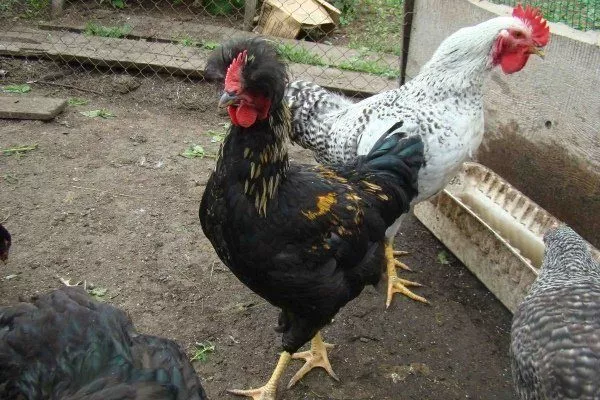
Advantages:
- Russian Crested chickens are distinguished by their endurance and resistance to adverse weather conditions, in particular, to the harsh Russian winter;
- beautiful and interesting appearance, where you can find a variety of colors;
- the meat of this breed has a delicate taste;
- high hatchability – almost all eggs produce healthy and viable chicks;
- Chickens are also distinguished by their calm nature and are willing to make contact with people.
Disadvantages There are practically no known problems with this breed. Poultry breeders highlight only one main one: increased aggression among roosters.
Ukrainian crested
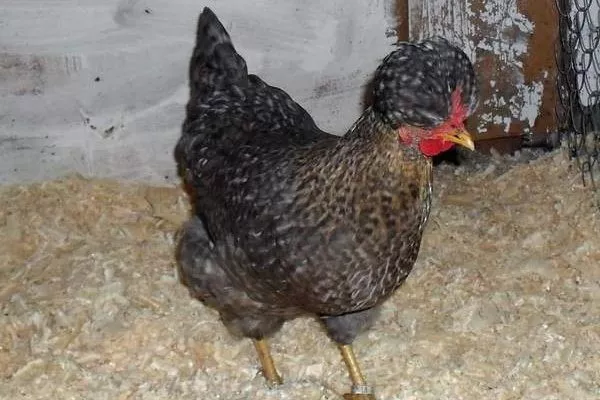
Breed characteristics. This is a local chicken breed in Ukraine, known for a long time. It belongs to the meat-egg type. The breed gets its name from its main feature – the crest on its head. Because of this, the roosters' leaf-shaped comb falls to the side, resembling a jaunty, cocked hat. The hens' crest is rounded and so developed that it resembles a lush hairstyle.
Advantages:
- Birds are extremely unpretentious, both in terms of their housing and feeding.
- Original appearance.
- Well-preserved brooding instinct.
From disadvantages Farmers highlight only one: a love of exploring their surroundings, especially their vegetable gardens. As a result, some of their livestock inevitably perish (dogs, cats, cars).
Faverolles
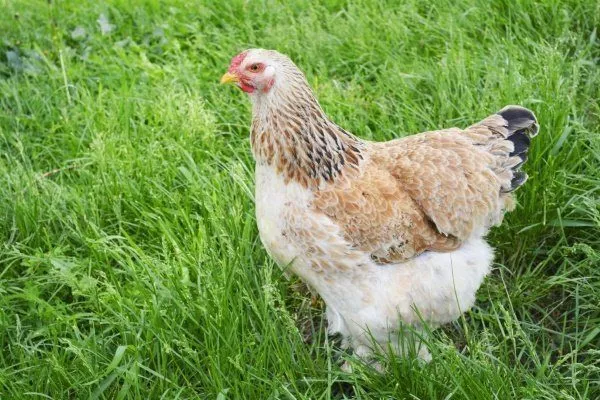
Breed characteristics. Faverolles chickens are highly prized by poultry farmers because they combine excellent meat taste, good egg production, and a beautiful appearance that can decorate any homestead.
Advantages:
- precocity – birds reach reproductive age quite quickly;
- excellent taste of both meat and eggs;
- quick and easy adaptation of chickens to almost any climatic conditions, except the most extreme;
- the breed is distinguished by high egg production even in the cold season;
- Birds of this breed are extremely rarely susceptible to diseases;
- Chickens are not capricious and undemanding.
Flaws:
- weak maternal instinct - an incubator will be required to hatch the chicks;
- when crossed with birds of other breeds, Faverolles easily lose their productive qualities;
- prone to obesity, which entails an extremely responsible attitude towards nutrition.
Uheyilyuy
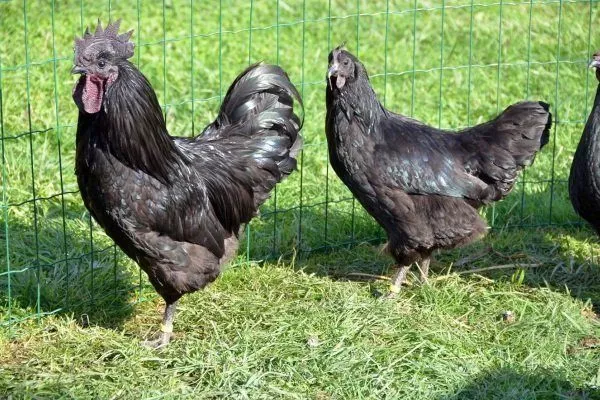
Breed characteristics. Chickens with this difficult-to-pronounce name are very easy to distinguish from any other. Uheyilui are completely black—this applies not only to their plumage but also to their skin. Another unique feature of this breed is their green eggs.
Advantages:
- The peaceful nature of Uheyilyuy allows you not to worry about pecking and conflicts with other poultry;
- unique appearance of chickens;
- unpretentiousness – birds are able to adapt to almost any conditions, with the exception of severe frosts;
- relatively high level of egg production;
- Eggs and poultry meat have extraordinary taste qualities, comparable to a delicacy.
The only one disadvantage The breed is characterized by the high cost of the chicken and hatching eggs due to their rarity.
Ayam cemani
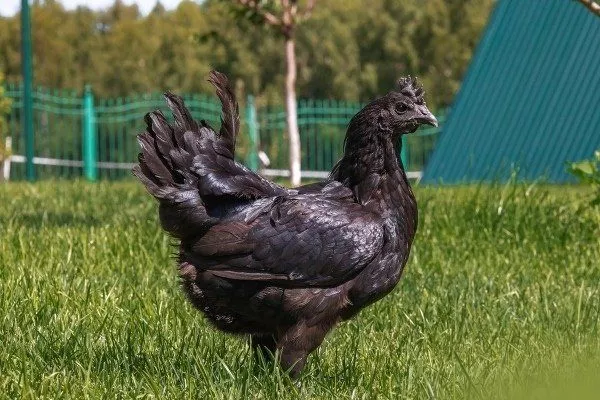
Breed characteristics. The Ayam Cemani, like the Uheyiluy, has jet-black plumage. However, in their case, not only the feathers but also the bones and internal organs are black. Although the blood of these chickens is red, even that is a significantly darker shade.
Advantages:
- Chickens are distinguished not only by their attractive and unique appearance, but also by their tender, delicious meat;
- excellent care of hens for their offspring;
- resistance to many diseases.
Flaws:
- poor cold tolerance;
- high cost due to the rarity of the breed.
Galan
Breed characteristics. Black Bearded roosters weigh up to 5 kilograms, and hens up to four. They begin laying eggs at six months, with a decline in productivity observed only after three years. This breed is distinguished by its low maintenance and robust health, as well as the ability to lay eggs year-round at a room temperature of 5 degrees Celsius.
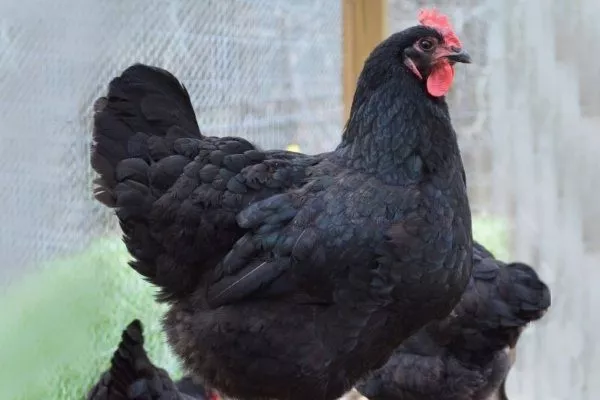
Advantages:
- Thanks to their dense plumage, Black Bearded Chickens can easily withstand even severe frosts. Therefore, the room where these birds are kept does not require insulation for the winter.
- They have an even character, the hens behave calmly in the hen house, getting along with all the birds, and the roosters do not sort out their relationships with others by fighting.
- The eggs have strong shells, so the chickens never peck them.
Main flaw Breeds – the young don't fledge for a long time (around 4 months). Moreover, the summer heat negatively impacts their health. On such days, the hens lose their appetite and become lethargic.
Shabo
Breed characteristics. The main distinguishing feature of this breed of chicken is its miniature, squat body with disproportionately short legs. The contrast between the body and legs is so significant that from the side, the birds appear to crawl along the ground rather than walk. Shabo is a calm, sedentary breed, distinguished by its remarkable patience and composure.
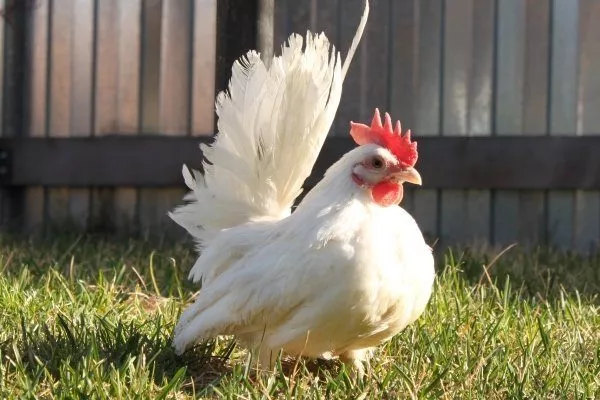
Advantages:
- the appetite of chickens is completely consistent with their size - feed consumption is minimal;
- pretty, touching appearance;
- calm, good-natured character;
- developed maternal instinct.
Flaws:
- intolerance to sub-zero temperatures;
- high mortality rate of young animals;
- demanding in terms of living conditions and nutrition.
Spanish Whiteface
Breed characteristics. Spanish Whitefaces are unmistakable from other chicken breeds thanks to their distinctive white face. These birds are medium-sized.
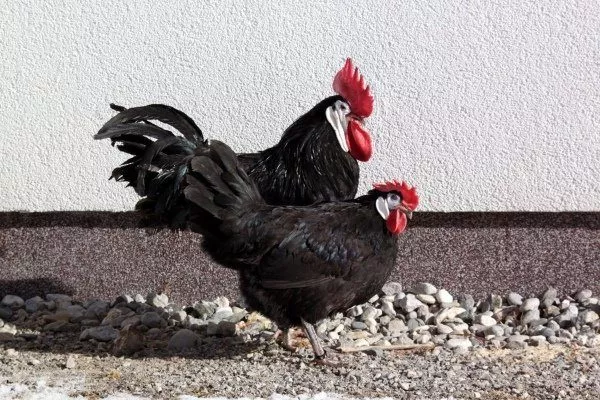
Advantages:
- huge productivity – up to 200 eggs per year;
- undemanding to food;
- developed instinct of incubation.
Flaws:
- intolerance to low temperatures;
- susceptibility to diseases.
Pavlovskaya
Breed characteristics. At first glance, this breed of bird appears small and relatively light, possessing a unique posture. Its helmet-like crest, horizontal body, and large beard give the Pavlovskaya chicken its exotic appearance.
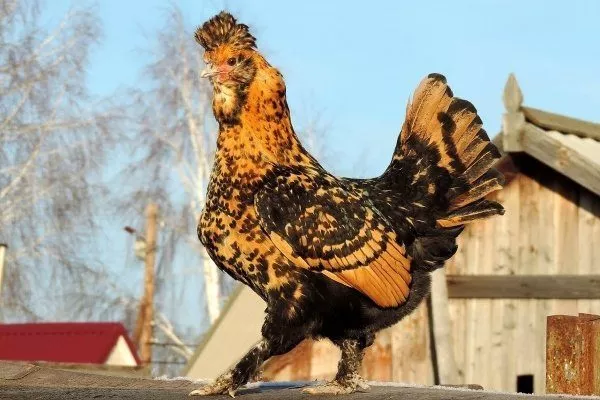
Advantages:
- chickens of this breed produce relatively large eggs;
- laying hens mature quite quickly - up to six months;
- resistance to poor conditions and viability of young animals;
- well-developed instinct for hatching eggs.
Flaws:
- low productivity;
- high cost due to the rarity of the breed.
Hungarian giant
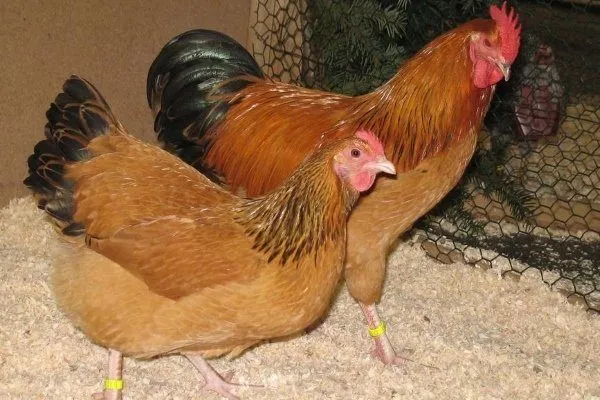
Breed characteristics. This breed has been developed for many years and is considered one of the most attractive in all respects: for its meat and egg production, aesthetic appeal, and rapid adaptability to climate conditions. Chickens of this breed can weigh up to 7 kilograms.
Advantages:
- resistance to adverse climatic conditions, rapid adaptation;
- high egg production rates;
- a large amount of meat from one individual;
- chickens have a well-developed maternal instinct;
- the breed is resistant to diseases and has low mortality rates;
- The chicks grow quickly and intensively.
Flaw The breed has only one drawback: a short reproductive lifespan. Hens are only capable of laying eggs for one year, after which their reproductive ability rapidly declines.
Chinese silk
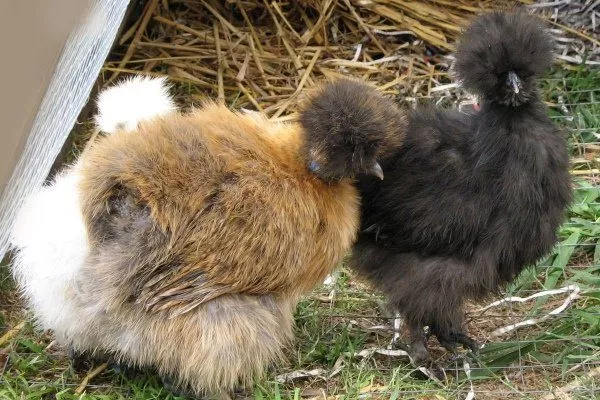
Breed characteristics. Chinese Silkie chickens boast unusual plumage and a wide variety of colors, making them considered one of the most striking ornamental poultry species. The birds have black bones and dark gray skin and meat, which can be intimidating to those unfamiliar with them.
Advantages:
- Chinese silkie chicken meat is tender and dietary, rich in vitamins;
- Silk fluff, like sheep's wool, can be used in industry;
- the birds' eggs are quite large, despite the modest size of the hens;
- chickens are calm, do not fly and are happy to make contact with people;
- This breed is not demanding in terms of maintenance conditions; its representatives can easily reproduce in the Russian climate.
Flaws:
- low productivity;
- high cost of the breed - both adults and chicks.
Minorca
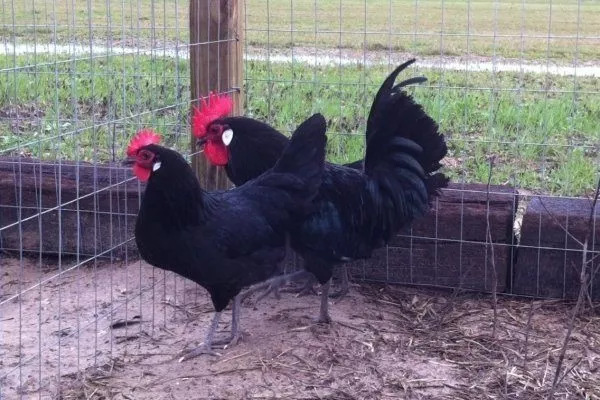
Breed characteristics. Minorcas are excellent egg layers, and their meat is of the highest quality. The average meat yield from each large individual starts at 3 kilograms. First-year hens lay up to 180 eggs, and those over a year old can lay up to 150. Dwarf subspecies are less productive, producing up to 120 eggs.
Advantages:
- good preservation and rapid maturation of chicks;
- laying hens are capable of producing offspring from 5 months of age, without stopping even during the winter;
- a large number and pleasant taste of eggs;
- white meat of excellent quality;
- peaceful nature towards other residents of the courtyard.
Flaws:
- sensitivity to cold and damp weather – birds need to be provided with warmth and comfort;
- Minorcas are timid and do not seek contact with people;
- The maternal instinct in chickens is poorly developed; you will need an incubator or chickens with a more developed brooding instinct.
Araucana
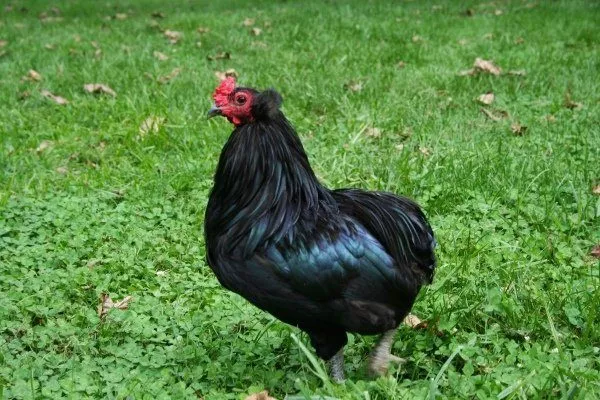
Breed characteristics. Their main characteristic is the color of their eggshell, which can vary from light blue and greenish to turquoise. Their appearance is also noteworthy. Some subspecies lack a tail, but they may have various "decorations" on their heads, such as feathered whiskers, beards, or sideburns.
Advantages:
- unpretentiousness, easy adaptation to almost any conditions of maintenance;
- low sensitivity to temperature fluctuations;
- early maturity and good egg production;
- the young animals have good preservation and high viability;
- the aesthetic beauty of birds, their unique appearance.
Flaws:
- roosters are too warlike and pugnacious;
- chickens lack the instinct to brood;
- Due to the rarity and unusualness of the breed, young and adult specimens are expensive to acquire.
Bantam
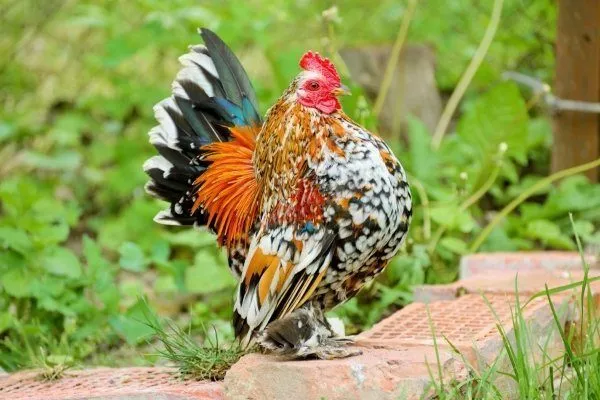
Breed characteristics. The bird contains the unique "Bantham gene" for dwarfism. It is renowned for its variety of colors and shades. Individuals rarely weigh more than 1 kilogram. The breed's main characteristics include its unusually rich plumage, low stance, and the feathered legs of most species.
Advantages:
- high egg production in dwarf breeds;
- chickens have a fairly strong immune system and rarely get sick;
- can be laid throughout the year, even in the winter season, if the appropriate temperature conditions are maintained;
- lay eggs with high taste qualities;
- undemanding and economical in food;
- well-developed brooding instinct in laying hens;
- can live well even in the cold Russian climate;
- stable egg production for 3-4 years.
Flaws:
- require mandatory closed walking;
- They are demanding of the bedding in the chicken coop and the soil in the walking area.
Phoenix
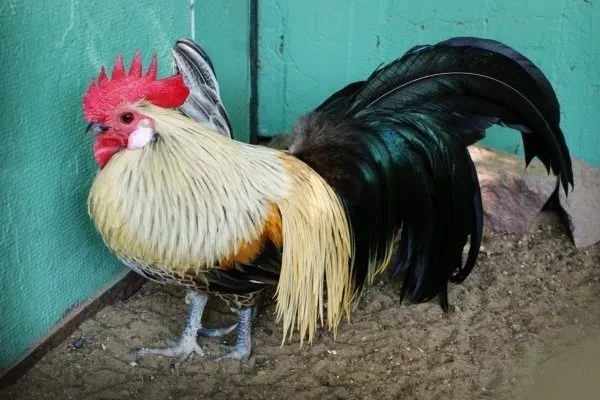
Breed characteristics. The breed gets its name from its luxurious tail—the phoenix's signature feature. Because the chickens lack the gene that activates annual molting, their tails continue to grow throughout their lives, lengthening by about a meter per year and reaching almost three meters by adulthood.
Advantages:
- exquisite, unique appearance of birds;
- not picky about food;
- peace-loving, kind disposition.
Flaws:
- require non-standard conditions of maintenance due to their main feature – their tail;
- inconvenience during walking;
- low productivity and late onset of fertilization;
- difficult breeding.
Dwarf New England
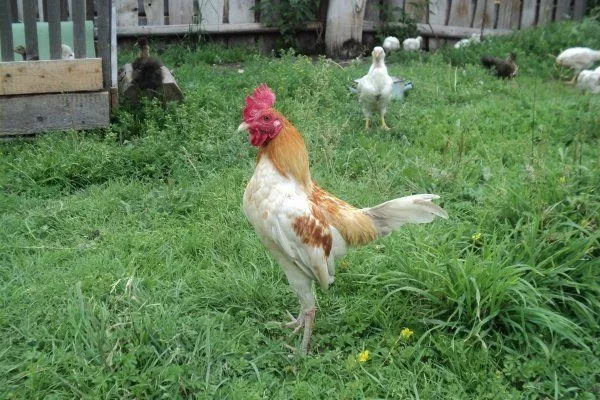
Breed characteristics. This rather small and graceful breed originates from England. New England Dwarf hens weigh no more than half a kilogram and lay eggs of a corresponding size—they average 30 grams. A hen lays approximately 90-110 eggs per year.
Advantages:
- Despite their mobility, chickens do not require large areas;
- This breed has good egg production for its miniature size;
- Laying hens are distinguished by a well-developed brooding instinct.
Flaws:
- They are very picky about their living conditions - this applies to both food and the hygiene of their sleeping and walking areas;
- Lack of proper care prevents chickens from laying eggs.
La Flèche
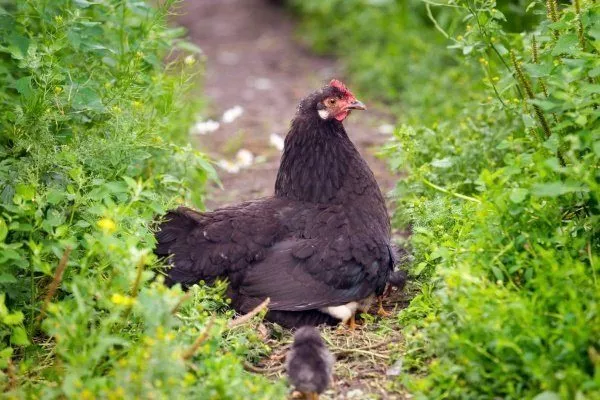
Breed characteristics. In some external characteristics, La Flèche is very different from other breeds. For example, the rooster's comb distinguishes it from all others—it's forked, resembling horns that fuse together near the beak.
Advantages:
- good taste qualities of poultry meat;
- fairly high productivity;
- high survival rate of chicks due to their vitality;
- Laying hens have a well-developed brooding instinct.
Flaws:
- the cost of birds is quite high;
- They can only be kept in well-insulated chicken coops, otherwise there is a high chance that all the chickens will die;
- Birds love and know how to fly, which can also be a problem.
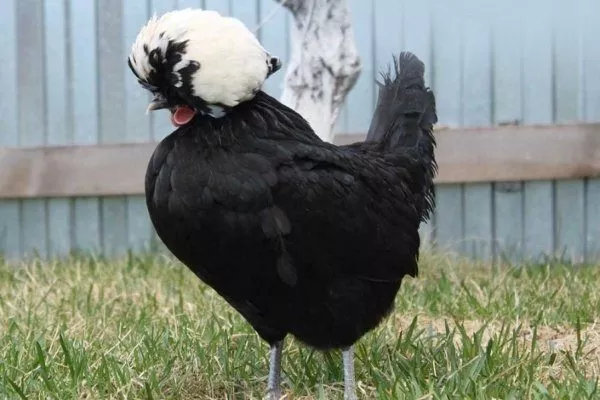
Dutch White-crested
Breed characteristics. The most renowned and ancient chicken breed of Dutch origin. Its impressive appearance places this chicken among ornamental breeds, although it boasts decent egg production and excellent-tasting meat.
Advantages:
- nice appearance;
- fairly good egg production;
- very tasty, tender meat.
Flaws:
- sensitivity to frost;
- incompatibility with other breeds of chickens;
- low immunity;
- demanding conditions of detention;
- picky eater;
- the need to maintain cleanliness of plumage.
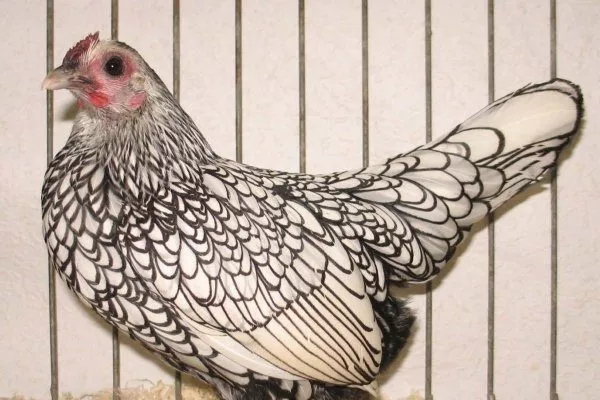
Seabright
Breed characteristics. Seabright chickens are miniature, elegant, and extremely picturesque. While their commercial value is modest, it's more than compensated for by the aesthetic pleasure derived from observing them. This breed is available in two varieties: golden and silver. The silver variety is more demanding to raise.
Advantages:
- beauty that leaves almost no one indifferent;
- unpretentiousness of adults to food;
- highly developed maternal instinct.
Flaws:
- increased temperature requirements;
- weak immune system;
- susceptibility to disease;
- difficulties in raising young animals;
- The ability of miniature chickens to fly well requires that the birds be kept in closed enclosures.
Content Features
All ornamental breeds are extremely demanding and require specific care. Therefore, keeping these beautiful chickens can be quite challenging for the inexperienced.
Nutrition
To ensure that ornamental chickens not only delight with their impeccable appearance but also produce healthy, viable offspring, their diet requires special attention. Their daily diet should include sufficient B vitamins and easily digestible protein. Yeast is an excellent source of these nutrients. To introduce yeast into the diet, farmers use yeast inoculation—a process that involves adding specially prepared yeast, such as sourdough, non-sponge, or starter, to the chickens' regular feed.
It's important to remember that regular food alone isn't enough to provide complete nutrition for ornamental birds. Their appearance must be maintained, so their diet is supplemented with special vitamins.
When preparing a menu for chickens, follow these guidelines:
- Every day, to varying degrees, birds need to be provided with succulent food: cabbage, carrots, beets.
- For better egg production, vitamin E should be included in the diet, which is contained in sufficient quantities in sprouted oat and barley grains.
- For a natural protein intake, you can include grass meal in your diet. Prepared nettle meal and young grass meal are best.
- Don't forget about mineral supplements. To provide your birds with minerals, you can add shells, chalk, gravel, and eggshells to their diet.
Care
Ornamental chickens are more demanding than others in terms of living conditions, which can vary from breed to breed. However, in general, caring for them involves:
- Temperature conditions. Heat-loving breeds require favorable conditions during the cold season. Furthermore, it's important to ensure the coop is draft-free, dry, and well-ventilated.
- Floor. In winter, a thicker layer of bedding should be laid. Chickens with feathered legs require regularly renewed bedding, which should be loosened as often as possible to prevent the beautiful feathers on their legs from becoming frayed or soiled. It is recommended to cover the floor with a mixture of bitumen and crushed stone to drain moisture, followed by a layer of dry leaves and peat.
- Light. Insufficient lighting in autumn and winter can significantly reduce egg production. Therefore, it's important to set up lighting so that daylight lasts at least 14 hours.
- Purity. Ornamental chicken breeds have an acute need for cleanliness. The beautiful long tails, whiskers, crests, feathered legs, and other features for which chickens are so prized will quickly become unsightly if basic hygiene and cleaning are not maintained in the coop.
- Perches. The structures are built individually depending on the needs of each specific breed: dwarf chickens and birds with poorly developed wings need low perches, while large breeds with long tails or lush plumage need high ones.
- Freedom and leisure. Most breeds not only have distinctive appearances but also distinctive personalities. Many decorative chickens are extremely temperamental and require free-range exercise. Furthermore, some birds are particular about personal hygiene and require "bathing" areas—basins or pits filled with sand, clay, or ash.
Potential problems and difficulties
Ornamental chickens require a lot of attention and breeding experience. Beginners who are interested in these beautiful birds may encounter some difficulties.
The main challenge in keeping chickens is the winter season. Only a few ornamental breeds can tolerate the harsh conditions of the Russian winter. Ornamental chickens are generally extremely heat-loving. Furthermore, most breeds have an acute need for natural food from the ground. The breeder must ensure all these conditions are met; otherwise, the birds may simply die, never mind produce healthy offspring.
Of course, finances play a significant role. Not only are ornamental chickens expensive to maintain, but so are the birds themselves.
Moreover, most breeds have quite lush plumage. To maintain its attractive appearance, chickens require a lot of space, meaning a large coop. Not every poultry farmer, especially a beginner, has the resources to provide their birds with the necessary freedom.
With proper care, ornamental chickens can not only provide delicious meat and eggs but also provide long-lasting pleasure. The key is choosing the right breed, as each has its own requirements. By carefully selecting the right breed, feeding it, and caring for it, your yard will be adorned not only with ornamental plants but also with beautiful birds.
Regarding Chinese silk, I would like to add that the meat of this bird is used by people with allergies and cancer, since it contains a lot of melanin in the body and has a blue color.