
Breeding geese is quite profitable today, as these birds not only produce abundant, succulent meat but also lay large eggs. The technology for raising these animals is quite complex, but if all the necessary conditions are met, it's possible to reap a handsome profit from selling their meat.
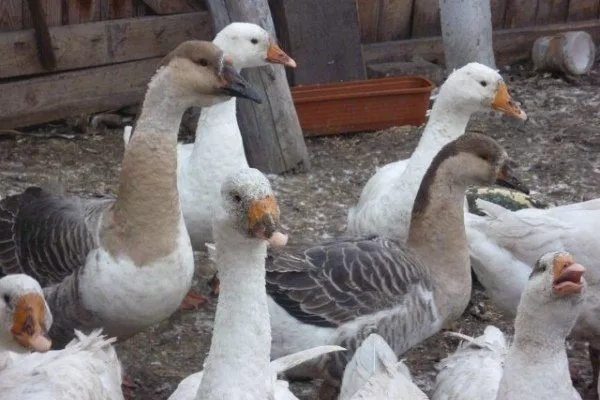
Selecting a breed
Before you start raising birds, decide on the breed and choose the most suitable option. What breeds of geese The most popular:
- Large grey geese. They weigh up to 6-7 kilograms. A female lays 40-50 eggs per year, each weighing 150-200 grams. This breed is known for its hardiness.
- Chinese geese. These birds weigh 5 kilograms. A goose lays 50-60 small eggs per year, weighing 130-170 grams. Geese are known for their hardiness, but they are also quite aggressive.
- Lindovskaya breed. Adults generally reach excellent weight at slaughter, weighing 7-8 kilograms. Hens produce 45-50 eggs per year, weighing 120-140 grams.
- Kuban geese. This domestic breed reaches up to 5.5 kilograms in live weight. Egg production reaches 80-90 eggs weighing 120-150 grams each.
- Kholmogory geese. A breed with a high body weight but low egg production. Weighing up to 10 kilograms, they lay 30-40 eggs annually, each weighing over 200 grams. These birds are known for their calm, non-aggressive nature.
- Italian geese. Adults weigh up to 6-7 kilograms. They lay up to 50 eggs per year.
- Toulouse geese. This French breed is considered the largest, with geese reaching 10 kilograms or more. However, they are notable for their low egg production—they lay 30-40 eggs per year, but each egg often weighs over 200 grams. Despite their calm and sedentary nature, geese are known for their rapid weight gain.
- Emden geese. A breed characterized by low egg production, but decent weight gain, reaching 8-9 kilograms by the time the animals can be sent for slaughter.
- Rhine geese. This is a German breed. Adults weigh up to 9 kilograms. A goose lays about 40 eggs per year.
| Breed | Live weight (kg) | Egg production (pieces/year) | Peculiarities |
|---|---|---|---|
| Large gray ones | 6-7 | 40-50 | Endurance |
| Kholmogory | up to 10 | 30-40 | Calm character |
| Toulouse | 10+ | 30-40 | Maximum weight gain |
| Kuban | 5.5 | 80-90 | Record egg production |
| Lindovskaya | 7-8 | 45-50 | Versatility |
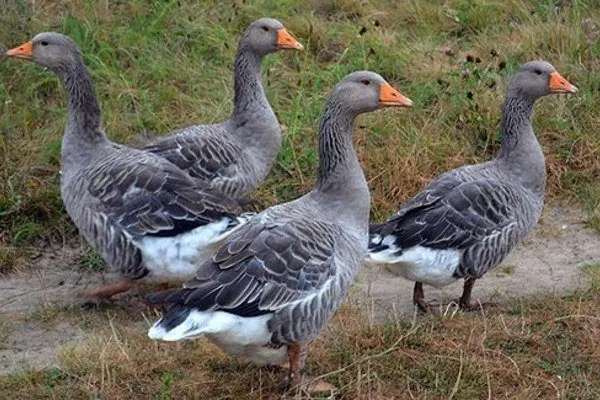
Large grey geese
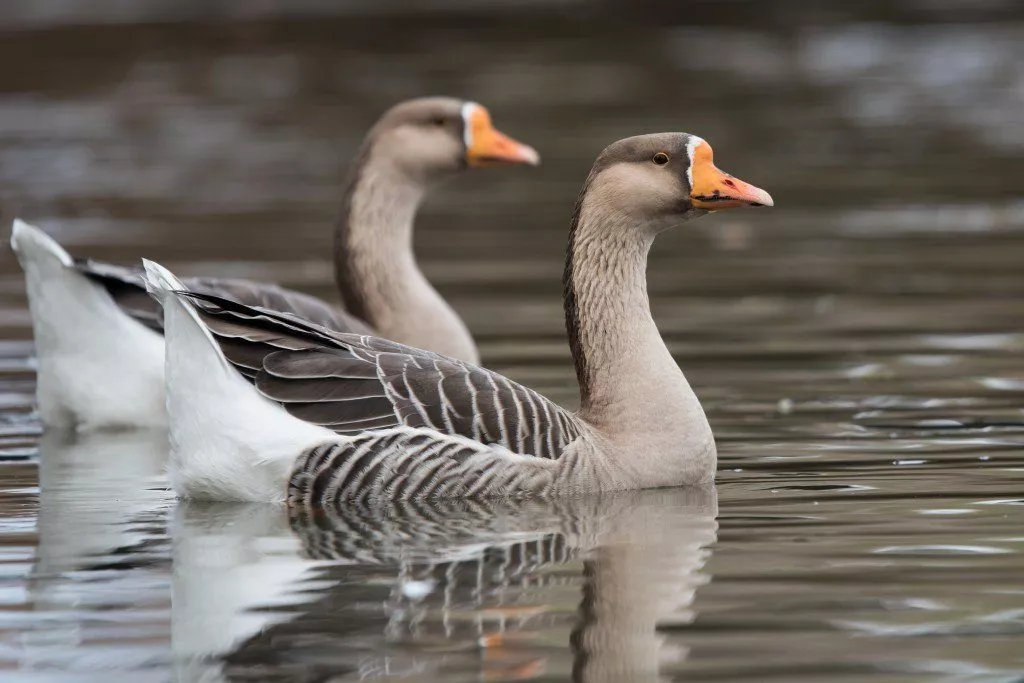
Chinese geese
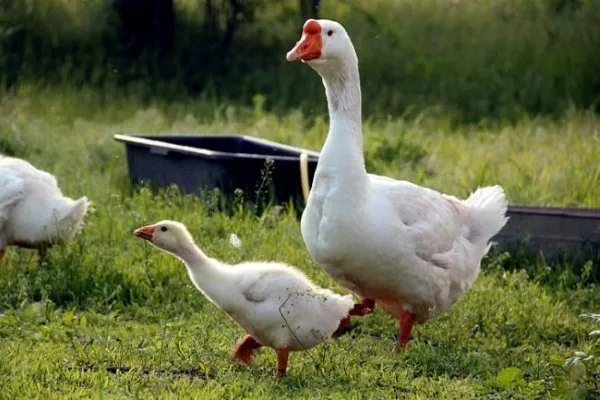
Lindovskaya breed of geese
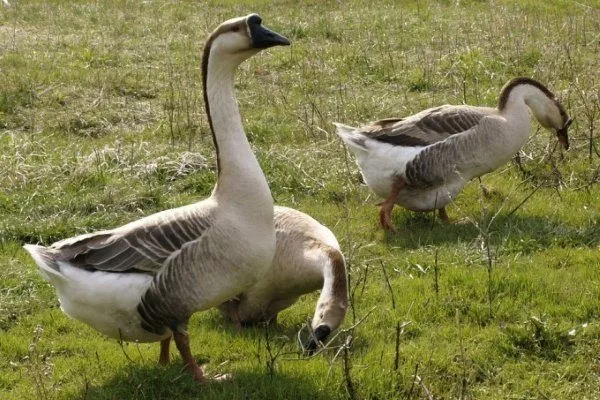
Kuban geese
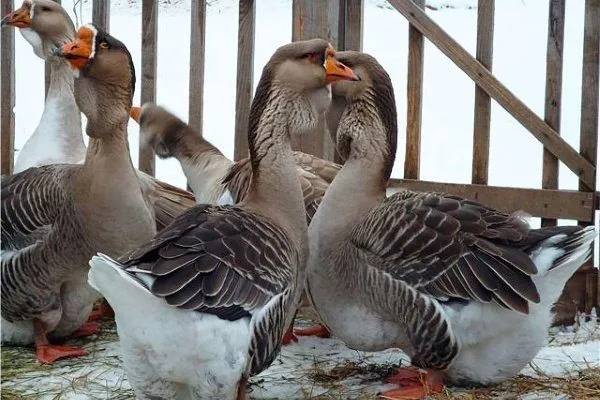
Kholmogory geese
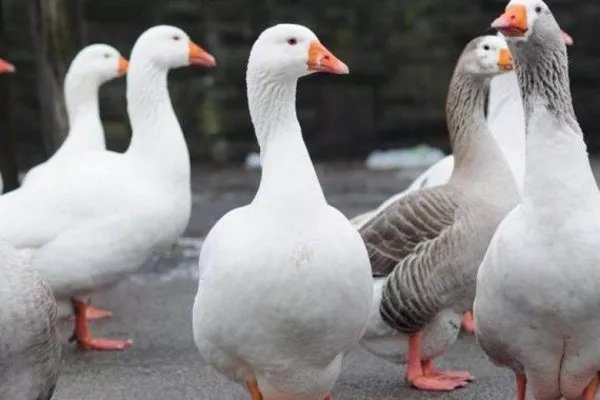
Italian geese
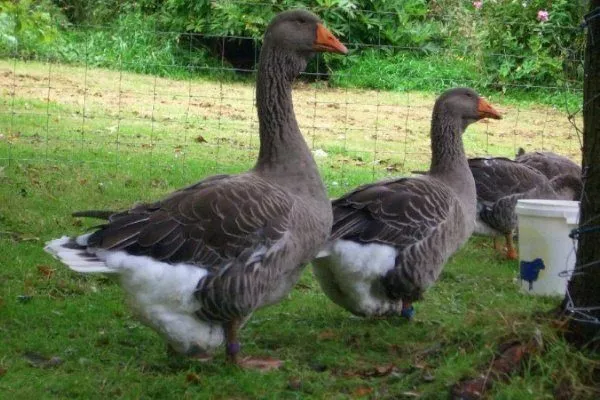
Toulouse geese
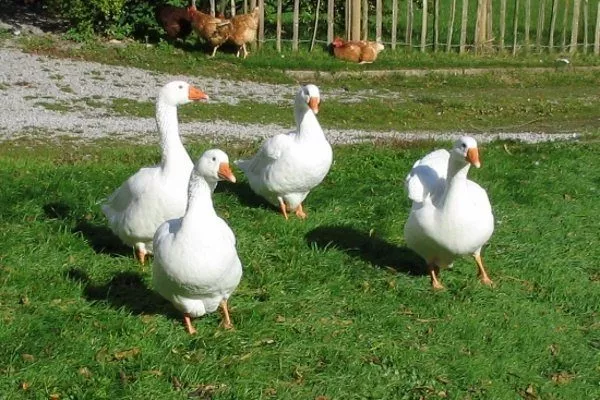
Emden geese
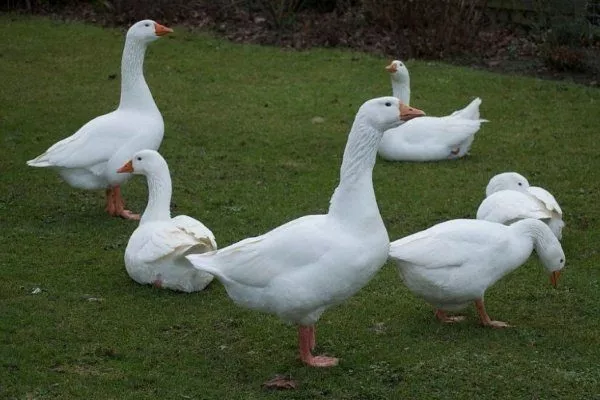
Rhine geese
Geese are birds that don't tolerate being kept in cages. This indicates a minimum number of birds. Breeding this bird is possible if there is free space for them to roam on the farm—a pasture with a pond. Geese especially need space. They need plenty of exercise and exercise. Because their muscles have more blood vessels, their meat is predominantly darker in color than that of chickens.
How to raise chicks with a hen?
Hatching chicks from eggs with a broody hen is considered more effective and efficient than raising birds in an incubator. However, if a farm only has one broody hen, she can hatch a maximum of 13-14 birds due to the large size of her eggs. If this method is preferred, the first step is to create the right conditions.
What rules to follow:
- The room temperature should be 14-15 degrees.
- The poultry house should be kept dry. It's important to ventilate the room, but be careful not to create drafts. The goose's nest should be designed so that it has ample space. It should be separated from the rest of the flock and enclosed with partitions.
- The hens are kept separate from the other geese, as the mother geese may lay eggs in an already hatched clutch during the mother's absence. This will significantly delay the hatching period, which may negatively impact the chicks' subsequent development.
- The nest must be dry and clean. If an egg is accidentally broken, remove it immediately and wipe off any remaining eggs. Dividers between nests are important to prevent hens from moving other hens' eggs to their own, as geese have a strong maternal instinct. Too many eggs in one nest simply won't warm them all at once, and there's also a risk of damaging them.
- When the hens return to the nests, each of them should take her place without mixing them up.
- During incubation, the water in the mother's water bowl is changed daily to prevent diarrhea. The geese are fed select grain. From then on, the mother hen will take care of all incubation processes herself.
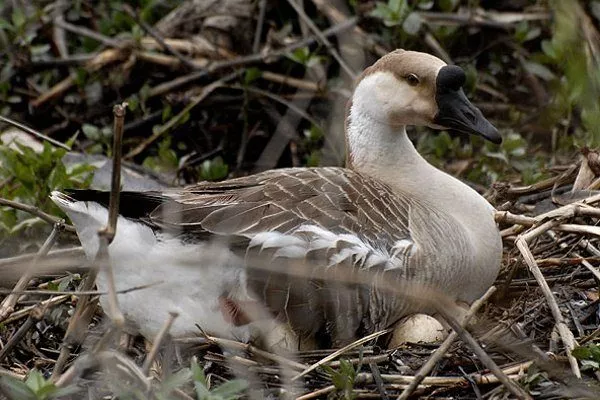
The goose rolls the eggs around in the nest to ensure even heating. If for some reason the bird doesn't return to the nest within 20 minutes of feeding, it is driven into the brooding house.
The first chicks hatch on the 28th day. After this, they are removed from the nests and placed in a separate box, illuminated with a lamp to create the required temperature. Once all the chicks have hatched, they are returned to the mother goose. During the first 48 hours, several chicks from eggs hatched in the incubator can be introduced to the mother goose. This is best done in the evening.
Hatching chicks in an incubator
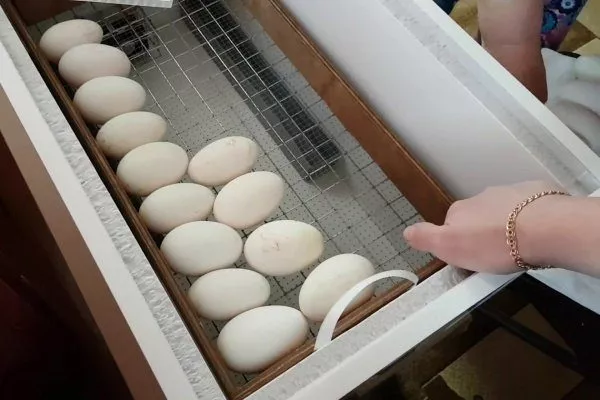
Hatching goose chicks in an incubator is a labor-intensive process, as the eggs not only contain a lot of fat but are also large. If more than 70% of the chicks hatch from a single batch, this is considered an excellent result. The following are some of the characteristics of hatching in an incubator:
- Eggs are selected over a period of 10 days, choosing only healthy eggs that have an ideal shape;
- 3-4 hours before laying the eggs, you need to warm up the incubator, setting the temperature to 39 degrees;
- You cannot wash eggs before laying them, but you can disinfect them using a light solution of potassium permanganate;
- For the first 4-5 hours after placing the eggs in the incubator, maintain the temperature at up to 38 degrees, then reduce it to 37.8, and in the last few days set it to 37.5 degrees;
- Turn the eggs 6-8 times a day to prevent the shells from sticking to the mesh or pan, and to ensure even heating of the product.
- Days 1-5: t=38°C, humidity 70%, turning 8 times/day
- Days 6-15: t=37.8°C, humidity 60%, turning 6 times/day
- Days 16-25: t=37.5°C, humidity 50%, ventilation 2×10 min/day
- Days 26-28: t=37.2°C, humidity 80%, cessation of turning
Incubation schedule
To avoid the accumulation of harmful gases in the incubator, after 15 days of laying the eggs, it is necessary to periodically open it for 10 minutes for ventilation.
Care, raising and feeding of chicks
It's important to care for chicks from the first days of their life, as this is when their immune system develops and strengthens. Chicks need a balanced diet to ensure they grow into large, healthy birds.
| Age | Feed | Multiplicity | Norm (g/head) |
|---|---|---|---|
| 1-3 days | Egg + onion | 7-8 times | 10-15 |
| 4-10 days | Starter feed | 6 times | 20-35 |
| 11-20 days | Greens + crushed | 4 times | 50-70 |
| 21-30 days | Wet mashes | 3 times | 80-120 |
| 1-2 months | Grain + grazing | 2 times | 150-200 |
A separate diet is created for each stage of growth and development. Newly hatched goslings need to be well-watered.
Bird care depends directly on their age, so both beginners and experienced breeders need to know all the requirements for keeping such animals.
The first days of life
When caring for chicks, feed them boiled egg yolk for the first 5-7 days. This food is easily digested by their still-developing bodies. Also, introduce greens into their diet, preferably green onions, finely chopped and mixed with the yolk. For the first two days, feed the chicks at least 7 times a day. This is crucial for raising healthy birds.
Water bowls should be chosen to prevent the chicks from choking or drowning. The coop where the chicks are kept should be kept dry.
The first weeks after birth
As the chicks grow, gradually change their diet, incorporating various herbs into their feed. In addition to green onions, it's recommended to feed the birds clover and alfalfa. Clean water should be available in the water bowls. Boiled potatoes and cornmeal are then gradually introduced into the diet. Chopped vegetables and root vegetables should be added to ensure the chicks have all the necessary nutrients and vitamins. When preparing porridge, it's important to cook it to a thicker consistency. It's best if the birds receive more dry food.
When the chicks are 21 days old, they are gradually transitioned to a grass-fed diet. Ideally, the geese should be allowed to graze in an outdoor enclosure. Along with grass, the birds are fed mixed feed and crushed grain. New feeds are introduced into the diet in small quantities, increasing their dosage regularly.
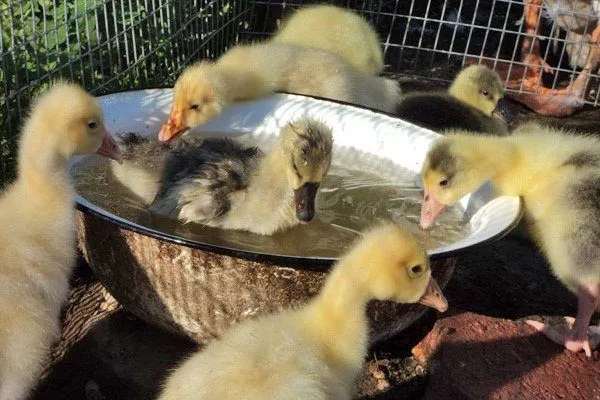
Waterers should be replaced with larger ones to allow the goslings to swim in them—they become miniature ponds. Bowls or basins are best for this purpose, but they should have low sides so the birds can easily climb into them.
Care in the first months
When goslings reach one month of age, they are intensively fed compound feed, sunflower meal, grain, and greens. These foods are placed in a small, open, calm pond. In addition to grass, geese feed on algae, which has a beneficial effect on their development and weight gain. Providing the birds with plenty of greens is essential—this will not only ensure weight gain but also reduce maintenance costs.
Poultry house arrangement
The main requirement for the size of the poultry house is that it should not be cramped. Keeping geese in cages is unacceptable; they must be able to move freely. Free access to water and food is essential. During the growing period, the young are released into specially enclosed outdoor pens. At night, the birds remain in the coop.
Depending on the size of the flock, the appropriate housing is selected. During the first few days, chicks should be kept in cardboard boxes on the veranda or in the outdoor kitchen. Subsequently, they should be given a place in the poultry house with good ventilation. The barn should be insulated to eliminate drafts and protect it from predators, including rats.
Straw or chaff is recommended for bedding. Change the bedding every few days to ensure it's dry. This will protect the weak chicks from hypothermia and various illnesses. Windows are essential in the coop.
Geese only like to be indoors when they are sleeping.
After the birds reach 40 days of age, they are pastured near a body of water. However, until they are strong enough to fend for themselves, a person must be present. Once the birds have gained at least 2 kilograms, they can be sent out to pasture alone. It's best to let them out early in the morning. At this time, the grass is not only nutritious but also very juicy.
Geese not only find their own food but also have excellent navigation skills, so they can find their way home on their own. The birds' wings are clipped to prevent them from flying away.
Temperature and proper lighting
During the first seven days of life, goslings should be kept at a temperature of around 28-30 degrees Celsius. If the natural ambient temperature is insufficient, they can be warmed with heating pads or lamps, which provide additional heat in the room. The temperature should be measured at the level of the litter.
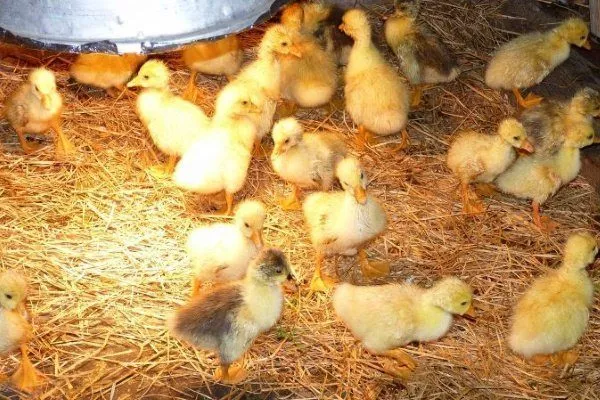
Gradually, the temperature should be reduced to 22-24 degrees Celsius. Once the chicks are three weeks old, they should be transferred to a natural environment (weather permitting). Adult geese are generally considered hardy birds, as they have a lot of fat, ample body weight, and warm plumage. They can easily withstand temperatures as low as -15 degrees Celsius. Lighting in the room should be sufficient to maintain normal conditions, with extended daylight hours of over 14 hours.
Supplementary lighting mode
| Age | Daylight hours | Intensity (lx) |
|---|---|---|
| 1-3 days | 24 hours | 30-40 |
| 4-14 days | 6 p.m. | 20-25 |
| 15-21 days | 16 hours | 15-20 |
| 22+ days | 14 hours | 10-15 |
For this, it is important to use lamps.
Bird breeding
If hatchlings weigh only 100 grams at birth, they will reach 5-6 kilograms within five months. On average, an animal gains over 1 kilogram per month. To ensure healthy and large chicks, it's crucial to carefully and meticulously monitor their diet. Depending on the breed, adult weights range from 4.5 to 10 kilograms or more.
If the primary goal of breeding is meat production, it's best to keep the birds until they are 2-3 months old. During this period, they gain 50% of the weight of a mature yearling. After this period, weight gain slows.
Breeding and keeping these birds is very profitable, as they not only grow quickly but also produce large eggs and high-quality down. However, for successful breeding, it's important to provide the birds with all the necessary conditions. They need to feel free and well-fed.