

I had no idea before that yarrow, which grows like a weed here, could be so versatile. It's used in so many ways—for treating internal organs, and as garden and vegetable garden assistant, both for treating animals and for cosmetic purposes. In short, I now harvest it in large quantities.
And it all started with the fact that I needed it for dog treatment as a digestive normalizer. After I studied all the plant's intricacies, I realized it was no accident that our ancestors classified this plant as medicinal.
What are the benefits of yarrow?
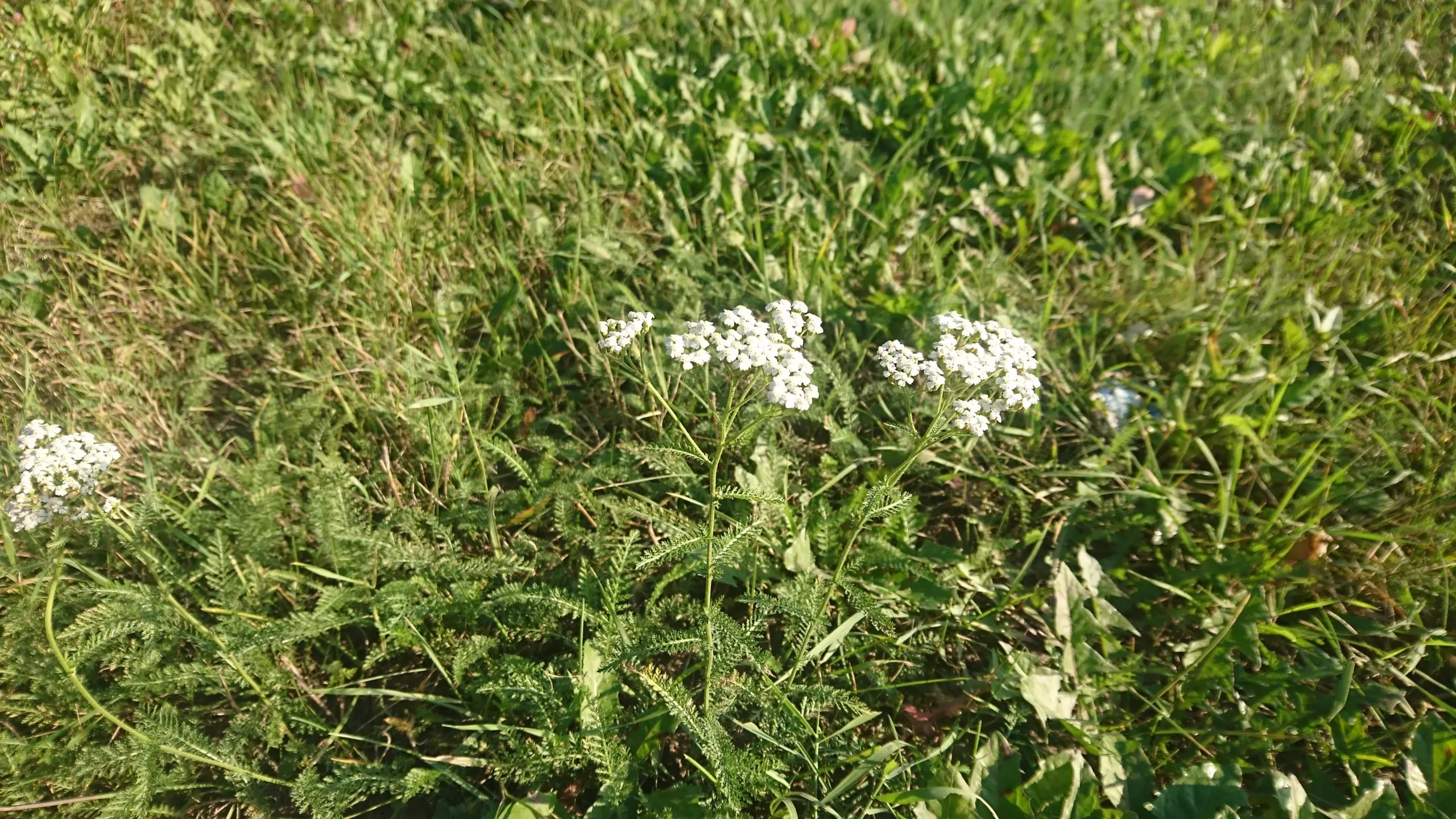 The chemical composition of this herb is astonishingly diverse—it contains so many elements (it's probably easier to list what it doesn't contain than what it does). Its effects are also wide-ranging, but I personally highlight a few of the most powerful:
- Antispasmodic effect. This is especially true for the intestines, gallbladder, and urinary tract. The herb affects smooth muscle tissue. After consuming the remedy, the bile ducts dilate, bile secretion increases, diuresis increases, and pain disappears.
- Flatulence. The plant contains achillein (which is what gives yarrow its bitterness), which stimulates the taste buds, which in turn leads to the production of gastric juice. This helps relieve bloating.
- Stopping bleeding. The herb can stop both external and internal bleeding. Only arterial bleeding is prohibited.
- Elimination of inflammatory and anti-allergic processes. It can be used both topically and orally, depending on the type of inflammation and allergy.
- Treatment of burns. It is enough to apply the decoction to the sore spot.
In general, yarrow-based remedies are also indicated for the following diseases and conditions:
- haemorrhoids;
- inflammation of the gums;
- intestinal infection;
- dysentery;
- colitis;
- diarrhea;
- stomach ulcer;
- hepatitis;
- pancreatitis;
- cholecystitis;
- atherosclerosis;
- obesity;
- skin problems – diathesis, scratches, allergic rashes, acne, fistulas;
- cold;
- baldness;
- diarrhea, colitis;
- peptic ulcer, cholecystitis, pancreatitis, hepatitis;
- pyelonephritis, glomerulonephritis, with cystitis;
- obesity;
- atherosclerosis;
- scratches, wounds, abrasions, eczema, diathesis, burns;
- inflammation of the gums, throat;
- acne, boils, fistulas;
- hair loss.
How to collect?
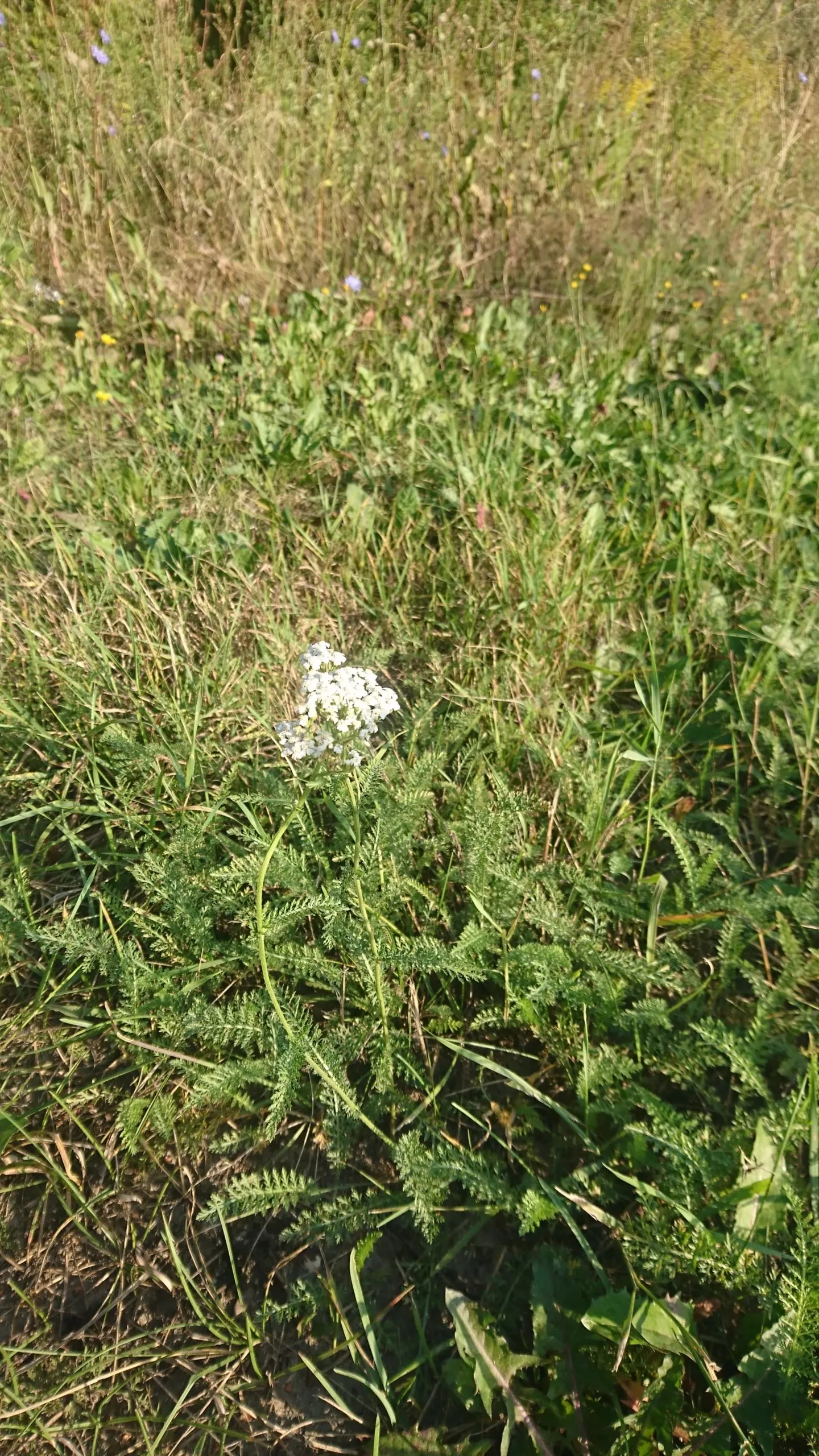 In folk medicine, both flowers and leaves with stems are used. Collection rules and preparation of the workpiece:
- the best time is June-August;
- the flower stalk is cut off from the top shoot by a maximum of 15 cm;
- Drying is carried out mainly in a dark place;
- a sign of readiness is brittleness with a peculiar crackling sound;
- storage method: in a glass jar, paper bag;
- temperature – from +10 to +15 degrees, humidity – 40-50%.
How to prepare a medicinal product correctly?
Yarrow can be used to prepare various potions and even used fresh:
- Juice. It can be taken for bleeding at a dose of 1 teaspoon with the same amount of honey three times a day. It can also be applied to wounds – simply squeeze out the juice and apply as a compress. Other methods:
- for arrhythmia – 30 drops of juice and grape juice;
- to improve lactation – 1 teaspoon three times a day;
- If you have a cough, tuberculosis, anemia, or jaundice, it is best to ask your doctor about the dosage.
- Decoctions of leaves and stems. They are prepared according to the same recipe (at least, that's how I always do it). Add 1 teaspoon of dried herb to 250 ml of water and boil for 5-7 minutes. Then let it steep. Drink 50 ml three times a day for various problems.
- Decoctions of flowers. For 500 ml of water, add 2 tablespoons and simmer for 10 minutes. Use only for skin rashes – wipe or wash.
- Water tincture. Prepare a thermos immediately: pour boiling water over it and close it. Then add 2 tablespoons of the herb (mixed) and pour 250-300 ml of boiling water over it. Let it steep for up to 5 hours. Drink 70-80 ml 3 times a day. The tincture is useful for cramps, hair loss, and wound cleaning.
- Tincture on alcohol. It is used for liver and urinary problems, abrasions, pimples, acne, and external bleeding. To prepare, take 100 ml of high-quality vodka, pour in 4 tablespoons of dried herb, and let steep in a cool place for 7-10 days. Take 15-20 drops internally three times a day.
- Ointment. It quickly relieves the symptoms of bruises. Fresh herbs are used, including all parts (except the root). They need to be ground (I use a mortar) and mixed in equal parts with lard (melt it first, and apply it after it cools and hardens).
- Bath. Bathing in a decoction (the standard recipe is 2 liters of decoction per full bath) helps with ringworm and scabies.
- Tea drink. Prescribed for hemorrhoids, especially hemorrhoidal bleeding. Brew 2 tablespoons of leaves in 1 liter of boiling water.
Are there any contraindications?
As far as I know, it is not advisable to use yarrow products during pregnancy, if you have an allergy to grass, if you are under 5-6 years of age, or if you have low blood pressure.
Try to take it with caution, especially if you haven't done it before - start with smaller doses than indicated in the recipe, let your body get used to the new product.
From my experience, I often wash my face with decoctions, and my sister wipes her face with an alcohol tincture (she has very oily skin). The result is an even complexion, no acne problems, and a soft, velvety feeling. So, I recommend you try this amazing flower!
I love medicinal plants and grow some at my dacha. I also have a yarrow plant with white flowers. I dried the flowers and leaves in the summer, and in early fall I had a sore throat—I gargled with the decoction and drank the infusion as a tea. I recovered quickly, without even having to resort to medication. I also have a yarrow plant with bright pink flowers. I wonder if it's a medicinal plant?
Yarrow looks beautiful! Regarding its medicinal properties, yes, it's also used in folk medicine, and according to herbalists, the pink flowers contain higher amounts of azulene. This substance reduces inflammation, is anti-allergenic, and has a powerful bacteriostatic effect. So, feel free to use it.