

I never thought a medicinal herb could be such a great addition to a garden. I saw yarrow growing at a friend's dacha when I went to ask her about zucchini and saw that she had a lot of it in her yard, especially in her garden.
As it turns out, yarrow is a good soil loosener. This is due to its powerful and extensive root system. The shoots penetrate deep into the soil, which in turn reduces the risk of erosion.
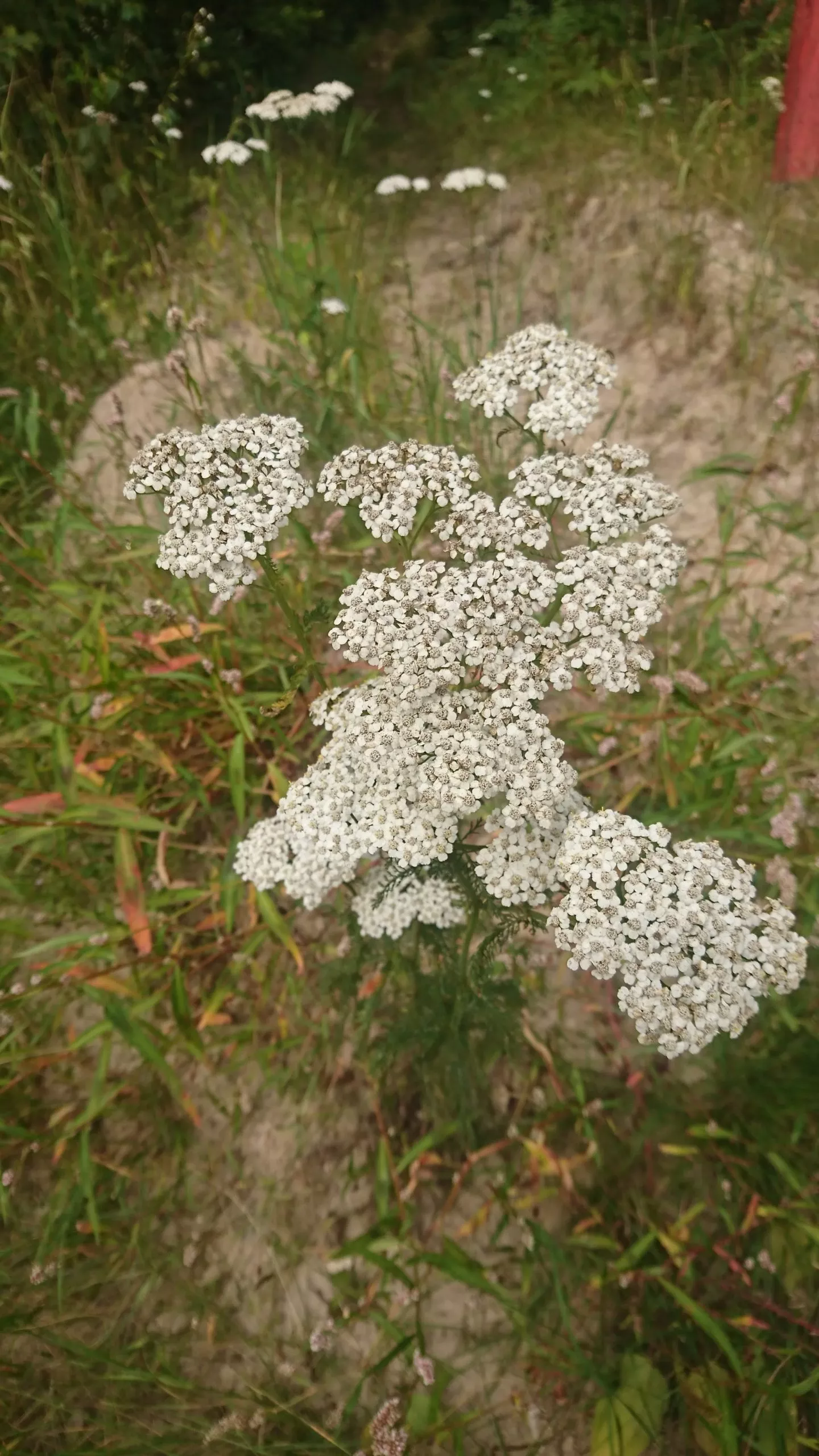
But that's not all, because the herb also works like this:
- Improves the health of fruit trees and increases yields. For example, nettle-based fertilizers are used for vegetables, while yarrow is better for gardens. You can apply the fertilizer as follows: pick the leaves and stems, place them in a dark bag, tie it, and place it in direct sunlight for 24-30 hours. The time depends on the intensity of the heat.
It's easy to spot: the grass begins to rot and turns an olive tint. When this happens, transfer the green mass to a barrel or bucket and add warm water (the ratio is 3/4 grass to 1/4 water). Then water once a month at a rate of 10 liters per square meter. - It cleanses the garden of harmful substances, especially toxins and lead. If the soil is rich in these harmful elements, simply sow yarrow and, after it blooms, dig it up by the roots. Then, remove the plant from the garden and burn it.
- The grass has a distinct scent that both attracts pollinating insects and repels various pests. This helps increase crop yields, while deterring pest infestations is a key factor.
- Insects such as hoverflies, lacewings, ladybugs, and parasitoid wasps are also attracted. They, in turn, actively consume mealybugs, aphids, whiteflies, and mites. So much for the benefit.
- It can be planted as a green manure. To do this, grow it until mid-flowering, then dig it up and spread it around the garden, then dig it over.
- If you have dried yarrow, it's good for mulching trees and shrubs. It can also be used in the garden.
- The grass extracts minerals – sulfur, potassium, phosphorus, etc. – which are then processed and converted into an easily digestible formula that is localized in the soil and then redirected to the plant roots.
- Yarrow can be used to make insecticides for controlling all types of pests (both garden and vegetable). To prepare the preparation, collect all the above-ground parts and the basal rosette during the first days of flowering, dry thoroughly, and place 1 kg of the material in a large bucket. Then, fill the bucket halfway with boiling water and let it steep until cool.
Then add water to bring the volume up to 10 liters and let it sit for another 4 days. For a better effect, you can grate some brown laundry soap. There are other insecticide recipes, but I haven't tried them myself, so I can't recommend them.
I also use decoctions for houseplants, and sometimes add them to the water I wash the floor with. Spraying the decoction on carpets is also helpful—it kills bacteria. Basically, you can use it however you like, the main thing is to collect and prepare the plants correctly.