
For those who own their own apiary, the question of how to obtain wax without spending a lot of time and money is pressing. For this purpose, a special device called a wax melter is used. This equipment has its own characteristics and comes in several types. You can either buy it ready-made or make it yourself.
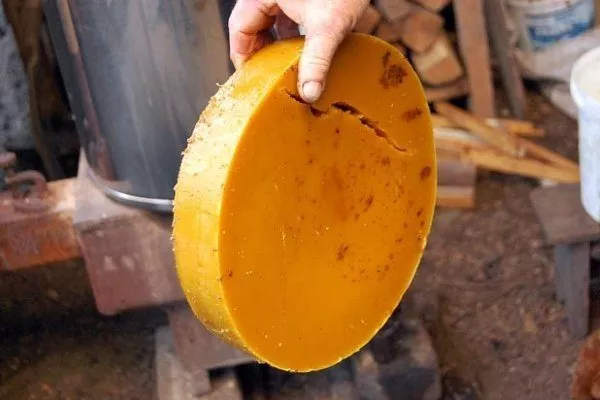
What is this?
A wax melter is a device designed to extract wax from honeycombs and melt it under high pressure and temperature. There are several types of this type of equipment, but the operating principle is as follows:
- The honeycombs are soaked and placed into the device.
- The wax raw material is heated to melting temperature.
- The finished material is filtered and flows into a collecting container, after which the beekeeper packages it into containers convenient for use and sale.
GOST 21179-2000 defines the requirements for beeswax, its labeling and packaging.
Types of devices
The quality of the resulting product, as well as the nuances of a wax melter's operation, depend on the heating method. Without high temperatures, the device cannot function. Thus, depending on the heating method, several types of units are available.
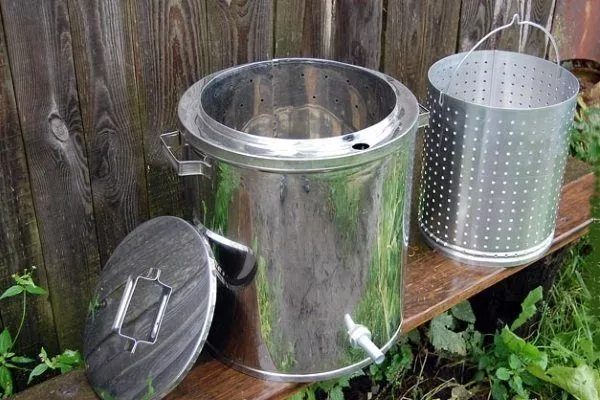
Steam
It is logical that the source of energy is water vapor, which can come in two ways:
- from a special compartment in the device itself;
- from a special container connected to the raw material via a pipe that can withstand high temperatures.
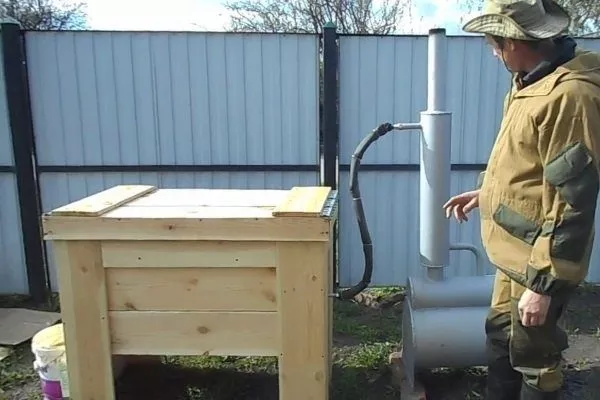
In any case, the device works like this:
- Water is poured into the lower compartment of the tank through an extension tube located in the funnel.
- The raw material is crushed and placed on grates or placed in mesh bags. More modern devices can accommodate multiple frames.
- When water boils, steam at a temperature of 100 degrees is released, which freely penetrates the wax raw material and facilitates its melting.
- The wax flows through filters (mesh) into a collecting container, where it cools. After this process, the residue is called merv.
Steam units can be made of stainless steel or aluminum. The former are more expensive than the latter because they are more reliable and safer—the risk of burns during operation is minimized.
Solar
Powered by solar energy, it requires no electricity and is an excellent option for regions with predominantly sunny weather. This type of wax melter not only heats but also clarifies the resulting product.
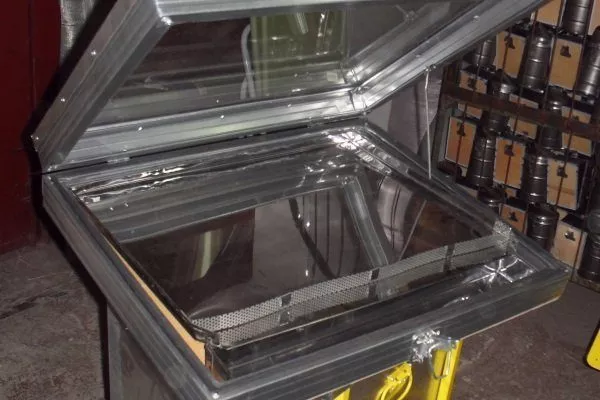
The solar apparatus consists of a glass box with a glass lid. The container contains a perforated tray onto which the wax is placed. When the glass is heated, the wax melts and gradually flows through the perforation into a receiving tank. To improve heating capacity, the box is painted black and equipped with reflectors.
On average, in clear weather and at a temperature of 19 degrees Celsius, the wax melter heats up to 120 degrees Celsius. It should be gradually turned toward the sun's rays so that they pass through the glass and affect the wax. To ensure the device operates at its best, the glass should be cleaned of any dirt.
Solar type of equipment is considered the best, as it produces the highest quality wax.
Framework
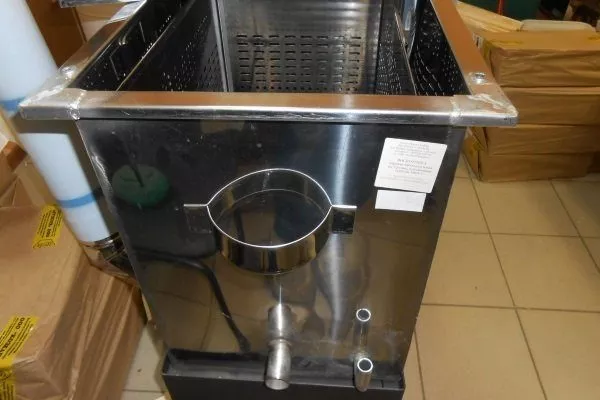
This device is a rectangular tank made of alloy steel and equipped with a steam generator. Its top is topped with frames through which melted wax flows. It then passes through filters and lands on an inclined surface. The product then flows into a receiving container through a special opening.
Electric
The design of this device is identical to the solar type, the only difference being that it incorporates electric heating. Furthermore, many devices feature temperature control. The heating elements are flat infrared heaters. This type of device is typically used on an industrial scale.
Centrifugal
It is equipped with a centrifuge and a steam generator. The raw material is placed in a bag and heated under steam pressure by the centrifuge's rotation. During melting, the wax flows into a receiving container through an extension tube.
Practical recommendations for selection
To make a choice, it is worth comparing the listed models:
- Comparison of advantagesA solar system is less expensive, a steam system produces higher-quality raw materials, an electric system can operate regardless of the time of day, and a centrifugal system produces wax in a short period of time.
- Comparison of the disadvantagesSolar wax melters don't allow you to regulate the heating temperature, as they heat solely under the influence of sunlight. Centrifugal and electric wax melters are very difficult to make yourself, and buying a factory-made device will cost significantly more. In this regard, a steam melter is the best option compared to other designs. Comparative characteristics of types of wax melters
Type of wax melter Energy source Heating temperature (°C) Wax quality Difficulty of DIY production Steam Water vapor 100 High Average Solar Solar energy Up to 120 Very high Low Framework Steam 100 High High Electric Electricity Adjustable High High Centrifugal Steam and centrifugal force 100 Average Very high
When choosing a wax melter, in addition to analyzing the pros and cons, you should also consider the specifics of your apiary. For example, if the region where your apiary is located has few sunny days, a solar wax melter will be completely useless.
How to make it yourself?
There are a number of high-quality models on the market. They're inexpensive and factory-made, but some beekeepers prefer to build their own units, which is more economical and practical (for example, a solar model can always be upgraded to an electric one).
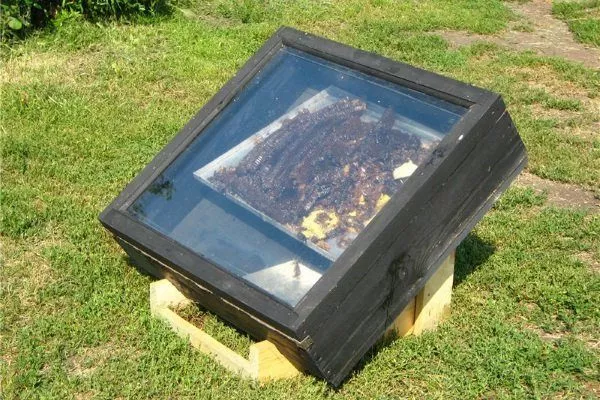
- Prepare a box with a black interior.
- Place the glass cover at an angle to capture maximum sunlight.
- Place a baking sheet with holes for wax drainage.
- Add reflectors to increase heating efficiency.
From the washing machine
If you have a faulty Soviet-era washing machine in your basement, you can make a wax cleaner yourself in two ways, but you need to follow all the technical details of how this device works.
Instructions for the first method:
- Use the washing machine drum as a container for raw materials, and for the steam generator use either a milk can or a kettle.
- Remove all electronics from the washing machine design, as only two elements are needed – the body and the drum.
- Place the raw material (wax) in a nylon mesh bag, then throw it into the washing machine drum and close the lid.
- Steam will be pumped into the resulting structure from a can or kettle for 20 minutes. Once the steam stops, remove the nylon mesh and wring it out by hand (be sure to wear gloves to avoid burning yourself).
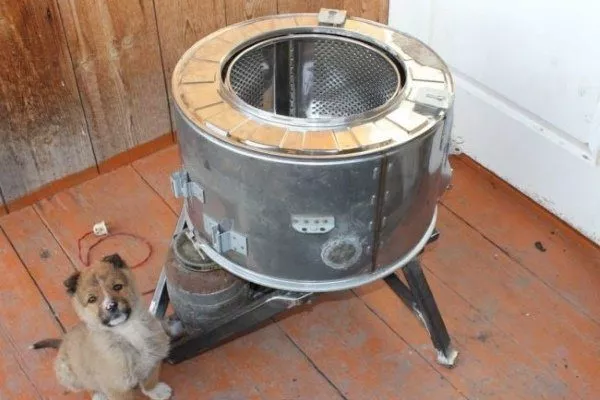
The second method requires a bit more time and skill, but this design eliminates the need for manual spinning and requires virtually no maintenance. It differs only in that it requires upgrading the washing machine's drum as follows:
- Cut off the bottom of the tank.
- Weld a stainless steel grate instead of the bottom.
- Fix the resulting structure to the top of a large saucepan with a capacity of at least 2 liters.
- Attach an aluminum bowl to the middle of the pan, having first drilled holes in it around the perimeter of the container.
Water is poured into the bottom of the pan, and the drum of the washing machine is filled with the raw material from which the wax will be obtained.
From a juicer or saucepan
A steamer can be created using a regular food-grade aluminum juice cooker or a large saucepan (even a barrel will do). Here's how:
- Place a stand on the bottom of a large container.
- Place another vessel with a smaller diameter on the stand.
- Using hooks, attach a metal mesh to the top of the second vessel, which is pre-filled with wax raw material.
- Close the structure with a lid and place it on a heat source.
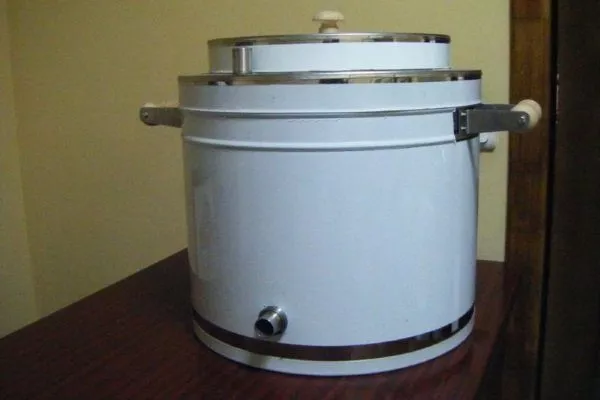
As soon as the melted wax begins to flow into the smaller vessel, you need to prevent it from overflowing.
How to make an external steam generator?
You can also build your own external steam generator for your wax melter, which will make the device more functional. It includes three important components:
- water container with a filler neck;
- stove;
- chimney pipe.
Heating is carried out twice (from the stove and the pipe), so steam generation occurs faster and more efficiently.
Any container capable of heating water at high temperatures is suitable for a steam generator. For the simplest construction option, a modified gas cylinder, adapted to fit the design of a potbelly stove, is ideal. The cylinder is connected to a rectangular box made to fit standard frames.
You can prepare a steam generator from improvised materials using advice from a home handyman:
Are there any ways to melt wax without a wax melter?
You can melt the wax too without a wax melterThis method requires no special equipment, so any beekeeper can use it—melting wax in a double boiler. Follow these steps:
- Take two saucepans: one larger and the other smaller.
- Place a small saucepan on top of a large vessel and add wax to it.
- Pour water into a large saucepan and bring it to a boil. It's crucial to ensure the water doesn't boil. This can be controlled by increasing or decreasing the heat. The melted water shouldn't exceed 70 degrees Celsius (168 degrees Fahrenheit), so it's recommended to monitor the water temperature with a thermometer.
At a higher melting temperature, the wax will begin to darken, and this will directly affect the quality of the resulting product.
Video: Solar wax melter in a couple of hours
You can make a solar-type device with double-glazed windows following the instructions in the video:
A wax melter is a convenient and easy-to-use piece of equipment that every beekeeper will find useful. Only with such a device can one obtain high-quality wax, suitable for medicinal purposes, as well as for sale or home use.