
Viral bee paralysis is a dangerous, acute disease. It is characterized by damage to the nervous system and leads to mass mortality of bees. While all the routes of transmission have not yet been fully studied, the main pathogen is known.
General characteristics of the disease
Viral bee paralysis is an infectious disease caused by approximately 20 pathogenic microorganisms. It often spreads in apiaries.
The virus affects nerve tissue, salivary glands, and the epithelium of the small intestine. Cases of paralysis are most often reported in the spring or summer, during hot weather.
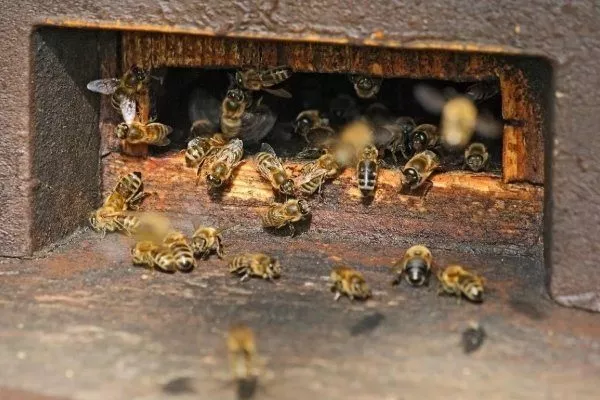
This disease can occur in acute or chronic form:
- At acute viral paralysis In bees, the virus accumulates in the nervous tissue, cells of the glands in the pharynx, and fat deposits. In this case, the entire bee colony dies. Infection peaks in the spring. Young bees are predominantly affected, and they subsequently become carriers of the virus. Signs of acute paralysis appear approximately 10 days after infection. Most infected bees die within a few days.
- Chronic viral paralysis Honey bee flu affects not only worker bees but also pupae and larvae. The disease is characterized by a latent course. Exacerbations occur in winter, if temperatures remain elevated, or in spring. Chronic viral infections significantly weaken the colony. The first bees die 30-40 days after initial contact with the pathogen.
| Form of paralysis | Time of death | Main affected individuals | Peak of activity |
|---|---|---|---|
| Spicy | 2-5 days | Young bees | Spring |
| Chronic | 30-40 days | Worker bees, larvae, pupae | Winter/Spring |
Reasons
Honey bee paralysis is caused by an RNA virus. In most cases, it is transmitted by the Varroa mite.
Infection occurs due to the following factors:
- use of work equipment infected with a virus;
- flight of bees and drones to other people’s apiaries, on the territory of which the Varroa mite may be active;
- moving filled honeycombs between bee colonies;
- use of feed contaminated with mites;
- Infection through shared drinking bowls from which both healthy and sick honey plants take liquid.
After contact with the mite, as well as food or water contaminated with this disease carrier, individual bees become carriers of the virus and pose a danger to the entire colony.
Risk factors in this case include a lack of bee bread, which is a powerful source of protein for bees, as well as hot and dry weather.
Symptoms of bee paralysis
The disease is characterized by the following symptoms, which appear as the disease progresses:
- aggressive behavior of bees, fights between them;
- increased excitation of insects: they make noise, spin like a top, and move quickly;
- weak reaction to external stimuli up to complete apathy and lethargy;
- loss of hive defense ability;
- change in the color of the abdomen: it takes on an unnatural dark, oily hue;
- shedding of hair from the surface of the body;
- trembling of the wings and the whole body;
- refusal to fly out of the hive.
When a colony is infected with viral paralysis, a beekeeper finds many black, hairless bees near the hive. Their bodies are shiny, and their abdomens are reduced in size. These bees resemble ants in appearance. Healthy bees push the infected bees out and don't let them back in.
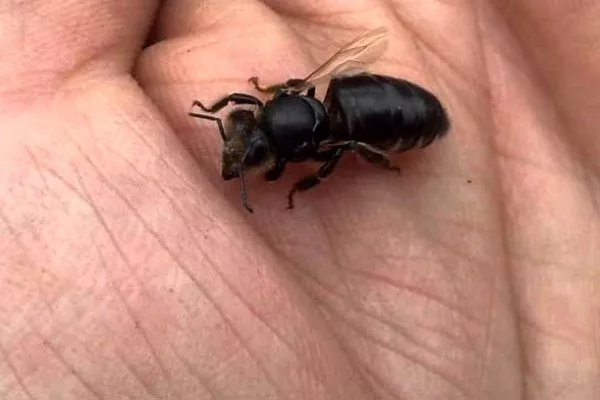
In some cases, bees die very quickly, with no outward signs of illness. The rapid death of honey plants is associated with disruptions in mineral, protein, and lipid metabolism.
If signs of a viral infection appear, it is necessary to immediately take the sick insects to a veterinary clinic for testing.
Diagnostic methods
The diagnosis is determined based on the clinical manifestations characteristic of a given insect disease, as well as the results of serological and histological tests.
The basis for an accurate diagnosis is the detection of special bodies called Morison inclusions in the cells of the small intestinal mucosa.
Once a definitive diagnosis is made, the apiary is designated as unhealthy, and restrictions are imposed. Disease control measures are prescribed, and a quarantine regime is instituted.
Treatment
When viral paralysis of bees is detected, the following treatment measures are carried out:
- disinfection of the hive and all equipment with a preparation that destroys viral microorganisms (Sanapin gives good results);
- feeding insects, consisting of sugar syrup, milk, yeast and tetracycline: the resulting composition is applied to the frame in the amount of 50 g three times a day;
- the use of enzymatic preparations that stimulate the development of bee colonies and act as a means of preventing chronic paralysis, and also slow down the spread of the virus (Viran, Endoglyukin);
- use of growth stimulants (Polysin, Uni-vit).
A folk method for treating viral paralysis among honey plants is the use of an infusion of the upper part of the yarrow.
Hive quarantine treatment plan
- Isolation of the infected family within a radius of 5-7 km from healthy ones
- Daily disinfection of the entrances with a 0.5% solution of potassium permanganate
- Replace 50% of frames with wax foundation in the first 3 days
- Introduction of therapeutic feeding for a 10-day course
- Treatment of bees with Viran every 5 days (3 cycles)
The finished product is dissolved in sugar syrup and given to the insects. The yarrow infusion has antiviral and anti-inflammatory properties, improving the health of the bees.
The corpses of bees infected with the virus must be destroyed, as the pathogenic microorganism can remain in the bodies for up to a month even at relatively low temperatures (up to +15 degrees).
This video explains how to recognize insect diseases and treat hives for their pathogens:
Features of prevention
To prevent the development of a viral disease, it is recommended:
- provide a complete food supply: insects must regularly receive the required amount of proteins and carbohydrates;
- use individual drinking bowls for each individual family;
- regularly replace old honeycombs with new ones;
- do not allow insects to overheat; if necessary, create shading areas above the hives;
- carry out prevention of bee diseases using enzymatic and antiviral drugs;
- carry out measures to eliminate the Varroa mite, which carries several viruses, and also observe preventive measures to prevent the risk of it infecting bees;
- Regularly disinfect the hive and working equipment.
The beekeeper should always observe the condition of the bees and note changes in their behavior and appearance.
To prevent further spread of infection in colonies, it is necessary to replace the queens of affected colonies with queens from healthy ones. The bees are sprayed with pancreatic ribonuclease.
| Event | Periodicity | Drugs/methods |
|---|---|---|
| Disinfection of hives | 2 times a year (spring/autumn) | 5% sodium hydroxide solution, 3% hydrogen peroxide |
| Tick treatment | Every 6 weeks during the active season | Bipin-T, Amipol-T |
| Replacement of honeycombs | 30% annually | Complete replacement after 3 years |
| Analysis of dead bees | Monthly | Laboratory diagnostics for Morison bodies |
The worn-out old frames are replaced with new ones. After the honey is extracted, the combs are re-melted.
Viral bee paralysis is an infectious disease that can occur in acute or chronic forms. The disease spreads rapidly and can cause the death of an entire colony. After diagnostic tests, the apiary is quarantined and necessary measures are taken to eliminate the virus and prevent further spread.
Hello! If possible, could you tell me how to prepare a remedy using the upper parts of yarrow? How many grams of raw material are needed, and how is the infusion or infusion prepared? How much should I mix with sugar syrup, what dosages should I use, and how should I alternate between them? How many times should I administer it, and after what time? Thank you in advance. Sincerely, Viktor Kurdyba, amateur beekeeper.
For bees, prepare the following infusion: Take 50-100 ml of yarrow water infusion (available at the pharmacy) per 1 liter of sugar syrup.