
One of the most important tasks in home pig farming is knowing how to slaughter and butcher a pig properly. The process is complex, and to obtain a first-class product, it's essential to understand a number of nuances. Of course, it's equally important to understand the proper butchering procedures and follow them consistently.
When is it time for slaughter?
The age at which to slaughter a pig is a personal decision, as it can be anything from a young piglet to a 100 kg animal. Naturally, the heavier the pig, the more meat it will yield. Professional breeders use a body condition scale, as it allows them to determine the optimal balance between weight and quality. This scale classifies pigs as follows: fat (over 90 kg), bacon and meat (weight 38 to 86 kg), and piglet.
You can slaughter a pig at any time of year. Winter is considered the most convenient season, especially if you don't have a large freezer, as the carcass can be butchered and stored outside. If necessary, pigs can also be slaughtered in the summer. In this case, the optimal time of day is early morning, before it gets too hot and insects attack.
If there's wind, it's best to delay the process to prevent dust and dirt from getting into the meat. Don't butcher the carcass in the rain either, as the meat will get wet and spoil. A covered area is especially convenient.
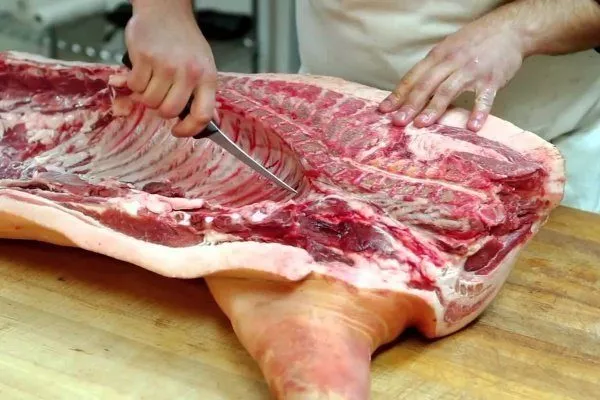
Optimal conditions for slaughter
| Factor | Recommendations |
|---|---|
| Air temperature | From -5°C to +15°C |
| Humidity | Not more than 70% |
| Times of Day | 5:00-9:00 am |
| Weather | No precipitation or strong winds |
| Lighting | Natural + additional (if necessary) |
Which pig can be slaughtered?
It's especially important to be aware of the animal's reproductive cycle—a pig should not be slaughtered during estrus, as the meat's flavor is affected by the influence of sex hormones. Estrus occurs every 18-24 days and lasts two days. After this, the pig must wait another 10 days.
You can tell a pig is agitated by its behavior. The animal becomes restless, rubs against the walls, and eats without appetite. The genitals become slightly swollen and red, and the pig freezes in a covering position when touched on the lower back.
If the animal has been given any medications (antibiotics, anthelmintics, and antiparasitic agents), it is essential to wait the time period specified in the instructions for the medications before slaughtering.
Preparatory activities
Before slaughter, two stages of preparatory work are required. We'll look at each separately.
Preparing the pig
A month before the expected slaughter, it is worth excluding from the pig’s diet foods that impair the taste of the meat:
- corn;
- bran;
- fish waste.
The following should be included in the diet:
- dairy waste;
- wheat;
- barley.
Immediately before slaughtering an animal, the following important rules must be taken into account:
- clean the pig with a brush and wash it with warm water (it is convenient to use a garden hose);
- the pig's last feeding should be carried out 12-18 hours before slaughter, which is necessary for complete cleansing of the intestines;
- 4 hours before slaughter, deprive the pig of water.
Pre-slaughter checklist
- ✓ Checking body temperature (normal: 38-40°C)
- ✓ Inspection of the skin for damage
- ✓ 24-hour appetite control
- ✓ Checking the reaction to stimuli
- ✓ Assessment of motor activity
These measures are taken to improve the taste of the meat. Furthermore, it's easier to lure a hungry animal out of its pen by offering it food.
Before slaughter, it is recommended to invite a veterinarian to examine the animal and issue a health certificate. This will confirm the farmer's right to sell the product. The exception is if the pig is being slaughtered for personal use.
It's important to note that the meat of uncastrated males contains the hormone androsterone, which produces a very unpleasant odor when cooked. For this reason, it is not sold commercially.
Preparing the site and tools
Depending on the method of slaughter and cutting the carcass, you will need:
- a sharp knife with a blade length of at least 15 cm;
- hand saw;
- a bucket of clean hot water;
- a sledgehammer to stun the animal;
- a container for collecting blood and a separate container for other offal;
- gas burner or blowtorch;
- film.
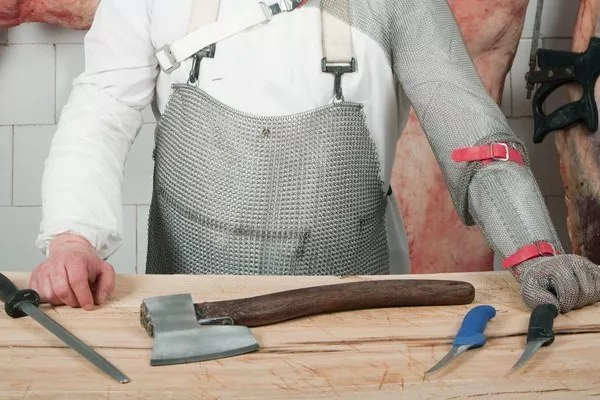
The cutting surface should be wood or concrete; plastic sheeting can also be used. Avoid working on a metal surface to avoid spoiling the meat. If you decide to butcher the carcass while it's hanging, you'll need hooks.
Methods of slaughter and bleeding
Before slaughter It's advisable to stun the pig with a sledgehammer blow to the forehead, a few centimeters above the eyebrows. This will render the animal unconscious, so it won't suffer, making it easier for the farmer to slaughter it. Pigs weighing 250-300 kg are stunned with an electric shock device before slaughter.
The slaughter itself is often carried out in one of two ways:
- A knife stab to the heartThis is considered an easier method. The pig is placed on its right side and, holding its legs, a knife is inserted into the armpit between the 3rd and 4th ribs. The carcass is then left on its side to drain the blood. Depending on the animal's weight, it may be worth hiring one or more assistants. This method of butchering is generally not ideal for meat quality—a lot of blood accumulates in the chest area, and it can only be removed after the carcass is opened. The resulting clots are difficult to separate from the meat and ribs.
- With a knife stab to the neck (The carotid artery and jugular vein are severed). Placing the pig on its side or hanging it by its legs from a crossbar, its neck is quickly pierced. The puncture site is located 2.5 cm from the left ear toward the throat. If the animal is not stunned, several assistants are required to hold it steady. The blood drains completely through the carotid artery within a few minutes. The advantage of this method is minimal blood loss. The blood draining process is much faster and more thorough if the carcass is hung from a crossbar. To do this, tie the animal's hind legs with twine, throw it over the crossbar, and pull toward you to lift the animal.
Comparison of slaughter methods
| Criterion | A blow to the heart | A blow to the neck |
|---|---|---|
| Rate of bleeding | 8-12 minutes | 3-5 minutes |
| Meat quality | Average (residual blood) | High |
| Difficulty of execution | Easier | Requires skills |
| The need for assistants | 1 person | 2-3 people |
| Risk of meat damage | Above (blood clots) | Minimum |
Thus, the method of bleeding the carcass depends on the slaughter method. In any case, this is an important step, as it determines the taste, presentation, and shelf life of the carcass. Of course, the less blood left in the carcass, the tastier, more tender, and higher-quality the meat will be.
Blood is a valuable by-product used in making puddings and blood sausages. To collect it, place a clean basin under the carcass. If the blood is not to be used, it can simply be poured onto the ground.
Standard cutting technology
Only after bleeding do they begin butchering the carcass. This is most easily done by hanging it on a crossbar, but if one is unavailable, a low tray, straw, or plastic sheeting spread on the ground can be used.
The classic pattern for cutting a carcass looks like this:
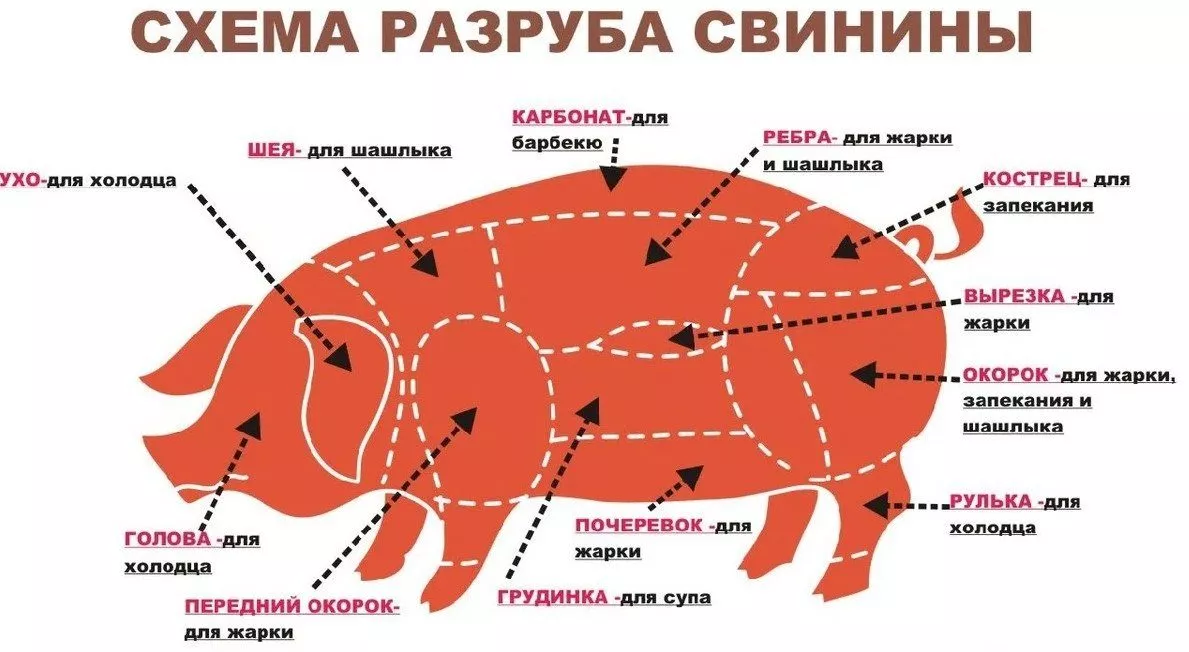
The animal's hide clings tightly to the fat layer, and since it's also being sold, it shouldn't be removed. The bristles should be singed with a blowtorch or gas torch, and then the top layer should be carefully scraped off with the tip of a knife. Let's take a step-by-step look at what to do next.
Decapitation
First, you need to remove the head from the carcass. This is how it's done:
- Use a knife to make a cut from ear to ear.
- The cervical vertebrae should be cut with a hand saw (the hooves should be removed with the same tool).
The pig's head can also be chopped off with a sharpened axe, so as not to have to deal with the hard neck vertebrae and thick collar of fat.
Once the head is separated, it is worth cutting it up:
- Cut into 2 parts.
- Remove the jaw and eyes.
- Cut off the snout, ears and cheeks.
- Carefully remove the brain.
Of course, if you decide to sell the head whole, there is no need to cut it up.
Guts
Next, begin removing the internal organs—gutting. It's necessary to cut out the abdominal "apron" along with the fat. This should be done carefully, as damaged internal organs can ruin the quality of the meat. This can be avoided in the following way:
- Make a small incision with a knife in the area of the white line of the sternum.
- Insert two fingers of your free hand into the incision and, pushing the intestines and stomach away from the abdominal area, continue cutting the "apron," constantly monitoring the incision site. The incision line runs down the middle of the sternum to the rib junction.
- Before removing the esophagus, it should be ligated to prevent food debris from falling out. After this, the esophagus can be easily cut above the applied tourniquet.
In general, internal organs should be removed in order:
- Heart, lungs and diaphragm.
- The stomach together with the intestines, the liver and the gall bladder (the latter is removed with extreme care, as the slightest damage to it can significantly spoil the taste of the meat due to the leakage of bile).
- All internal fat, kidneys and bladder (this is a very delicate organ and should be held by the top to prevent it from bursting).
For culinary use, only the liver and heart are reserved; the heart should be cut in half and cleaned of any blood clots. If the intestines are to be used, they should be cleared of food debris, thoroughly washed, and salted. The rest can be discarded.
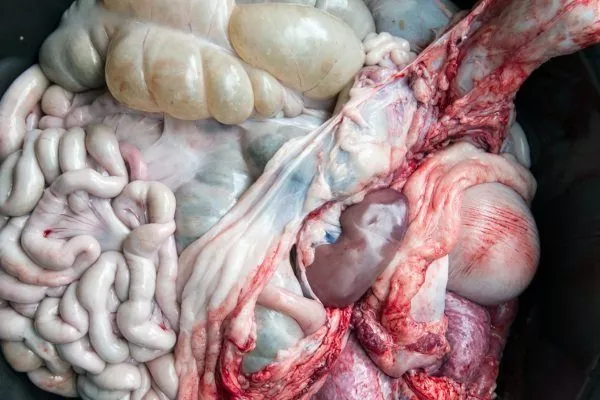
The carcass should be thoroughly cleaned of moisture using a clean cloth. To prevent the meat from spoiling quickly, do not rinse the carcass.
Boning
The carcass should be split into two halves along the spine with an axe or saw, then kept in a cool place for 30-40 minutes to allow the meat to rest and cool. Only then should you begin cutting the halves into pieces.
It is convenient to cut meat on a wooden frame in the following order:
- Carefully separate the tenderloin – the most valuable and delicious meat, located along the spine.
- Cut the half carcass into 3 cuts:
- back (sacrum, ham, leg);
- front (shoulder blade, shoulder and ham);
- medium (it also needs to be divided into two parts - brisket and loin).
- Separate the lard and fat. Larger layers of fat can be removed from the loin and hams, but the other parts have smaller layers.
Each large piece of carcass can be cut into smaller pieces. After deboning, the meat can be trimmed separately to remove excess fat and membranes. Then, carefully wipe all parts and store in the refrigerator.
If a pig is being slaughtered, only the internal organs need to be removed from the carcass. It is not butchered, as it is roasted whole.
Helpful tips
When butchering a pig, inexperienced pig farmers should consider the following recommendations:
- Prepare everything you'll need for butchering the pig in advance, including containers for the carcass parts and a table, so you won't be distracted during the process.
- You need to act clearly and without unnecessary fuss. It's best if outsiders don't interfere.
- If you are unable to properly cut the bones without shattering them, place the axe on the desired location and hit it with a hammer.
- When singeing, be extremely careful—avoid exposing the same area to the flame for too long. The belly area of a pig is particularly delicate. If you plan to remove the hide, singeing is not necessary.
Popular cutting patterns in different countries
There are various methods for cutting up a carcass, but the most popular are the American, German, Russian (Moscow), and English methods. They look like this:
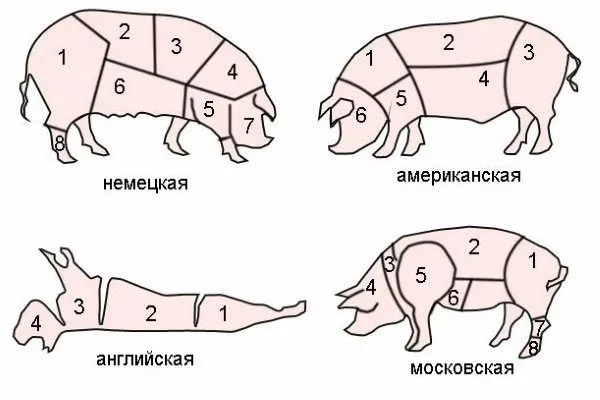
American
Butchering involves cutting the carcass into two halves, each divided into six parts:
- The back part (the fillet is not separated).
- Head with neck part.
- Shoulder blade.
- Fore ham.
- Back ham (not separated from the legs).
- Brisket.
German
The cutting process is similar, but each half of the carcass is divided into 8 pieces. This yields 16 pieces of meat of different grades (sorts):
- 1st grade – back ham, loin and cutlet part;
- 2nd grade – front ham, brisket and anterior vertebral muscles;
- 3rd grade - abdominal meat;
- 4th grade - head and lower legs.
English
It involves dividing the carcass into 4 large parts:
- head;
- front part (sternum and shoulder);
- middle part (back and ribs);
- back part (ham).
Next, each part is divided into smaller pieces. For example, to cut the back, you need to cut off the ham, leaving the rump—the end of the back. The legs, in turn, can be divided into several parts depending on the intended purpose.
Russian
The scheme is similar to the German one – the carcass halves are divided into 8 parts:
- hams;
- back part;
- head and neck;
- the area between the neck and shoulder blades;
- shoulder blades;
- brisket;
- the middle parts of the legs and the legs themselves.
Each pig farmer chooses the most suitable carcass cutting scheme for himself.
Net meat yield
The weight of a live pig after cutting the carcass is reduced due to:
- bleeding;
- entrails;
- removal of joints and bones;
- separation of tendons and film.
Factors influencing meat yield
| Factor | Impact on output |
|---|---|
| Breed | ±5-7% |
| Age | ±3-5% |
| Feeding | ±4-6% |
| Slaughter technique | ±2-3% |
| Qualification of the cutter | ±3-4% |
What remains after these procedures is considered the pork yield. It can be calculated in advance as a percentage based on the pig's breed, age, and the butcher's skill. On average, the yield is 60-70%, but can reach 80%.
Parts of a pork carcass and their uses
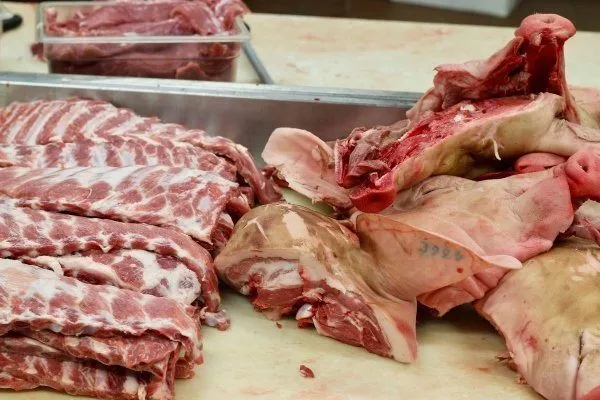
If a pig carcass is being cut into pieces for sale, it's important to understand which parts are the tastiest, where they are located, and what they are used for. This will help preserve all the valuable parts of the meat in a proper marketable condition.
| Part of the carcass | How do they use it? |
| The back of the carcass - rump, ham and knuckle | The first part is used for roasting, and the ham is used for shashlik. The lower part, the shank, is the least valuable meat, as it is tough and heavily veined. It is suitable for making jellied meat. |
| Front - shoulder blade, shoulder meat and neck | The pork neck muscles are rarely used while alive, making the meat particularly tender. The shoulder, on the other hand, is a tougher cut and requires longer and more careful cooking. |
| Upper body - tenderloin, loin and loin (back) | The first cut can be used to make any dish, as the meat is the most tender. Chops and escalopes are most often made from it. The loin is used for chops, kebabs, and steaks. The carbonate can be smoked, dried, or baked after being steamed. |
| Abdominal cut – brisket, peritoneum and belly. | Brisket is often smoked or fried. Flank meat is used to make delicious roulades. Pork belly is usually fried or baked. |
| Head | It's divided into parts. The tongue is used to make jellied meat, and the brain is used to make a delicious delicacy. The cheeks are used for bacon. The remaining parts, including the ears, are used to make jellied meat. |
The tastiest parts run along the spine of the carcass, and the closer they are to the tail, the juicier they are.
Video: How to properly cut a pig
After watching the video, you'll get a visual lesson on how to properly and profitably butcher a pig:
Typically, butchering a carcass takes at least three hours, but it can take longer for an inexperienced farmer. To avoid mistakes, it's best to ask a professional for help if possible. Gradually, you can gain experience and perfect all the procedures yourself.